
New York City, New York Moving & Storage Company Insurance
Or Call Us:
(800) 829-0807
Running a moving and storage operation in New York City means confronting risks that don't exist anywhere else in the country. Your crew navigates a fifth-floor walkup in a pre-war Brooklyn brownstone, squeezes a grand piano through a Manhattan co-op's service entrance, and deals with double-parked trucks on streets where traffic enforcement shows zero mercy. The margin for error is razor-thin.
Here's what the numbers tell us: NYC moves experience damage or loss at rates of 8-12%, significantly higher than the national average of 5-8%. Those tight stairwells, rushed timelines, and building management breathing down your neck create conditions where accidents happen more frequently. Without proper insurance coverage, a single claim can devastate your business.
Moving and storage company insurance requirements in New York City demand attention to multiple regulatory bodies, building management requirements, and coverage types that protect both your operation and your customers' belongings. The city's unique combination of high property values, dense urban environment, and strict building regulations creates an insurance landscape unlike any other market.
Champion Risk has worked with NYC moving companies for years, and we've watched businesses succeed or struggle based largely on how well they understood their coverage needs. The companies that thrive aren't necessarily the biggest or oldest. They're the ones that treat insurance as a strategic investment rather than an annoying expense. Getting this right protects your reputation, your finances, and your ability to serve clients across the five boroughs.


By: Mark Raby
Chief Executive Officer at Champion Risk & Insurance Services
New York State Insurance Requirements for Moving Companies
New York State takes moving company regulation seriously, and the requirements go beyond what you'll find in most other states. Operating without proper coverage isn't just risky; it's illegal and can result in substantial fines, license revocation, and personal liability exposure.
Every moving company operating in New York must carry minimum liability coverage, but the specifics depend on whether you're handling local moves, intrastate relocations, or crossing state lines. The state requires proof of insurance before issuing operating authority, and maintaining continuous coverage is mandatory. Lapses trigger automatic suspension of your permit.
NYDOT and USDOT Compliance Standards
For intrastate moves within New York, the New York State Department of Transportation requires moving companies to maintain liability insurance with minimum coverage limits. You'll need to file proof of insurance using Form MCS-90 or equivalent documentation. Interstate operations fall under USDOT jurisdiction, which mandates $750,000 in liability coverage for vehicles over 10,001 pounds.
The filing requirements aren't optional. Your insurance carrier must submit proof directly to the relevant authority, and any cancellation triggers automatic notification to regulators. Champion Risk handles these filings routinely for moving company clients, ensuring compliance doesn't slip through the cracks during policy renewals or carrier changes.
Workers' Compensation and Disability Benefits Law
New York has some of the strictest workers' compensation requirements in the nation. Every moving company with employees must carry workers' comp coverage through either a licensed carrier, the State Insurance Fund, or an approved self-insurance program. No exceptions exist for small crews or family members working in the business.
The state also mandates disability benefits insurance, covering employees for off-the-job injuries and illnesses. Penalties for non-compliance are severe: fines up to $2,000 per 10-day period without coverage, plus potential criminal charges. Your employees face physical demands daily, making adequate coverage both a legal requirement and a business necessity.
Essential Coverage Types for NYC Moving Businesses
The minimum legal requirements represent a floor, not a ceiling. Comprehensive protection for NYC moving operations requires layered coverage addressing the specific risks you face every day.
Cargo Legal Liability and Household Goods Coverage
Your customers trust you with their possessions, and that trust comes with legal responsibility. Basic Carrier Liability, known as Released Value Protection, provides minimal coverage at approximately $0.60 per pound per item. That means a damaged 50-pound flat-screen TV worth $2,000 would yield only $30 in compensation.
Full Value Protection costs 1-2% of total shipment value and provides actual replacement coverage. Deductibles typically range from $250-$500 per incident, making this option practical for higher-value moves. Extended insurance valuation can cost $5 per $1,000 for intrastate moves and $13 per $1,000 for interstate relocations, with a $500 deductible and $10,000 minimum.
Commercial Auto and NYC Traffic Liability
NYC traffic creates unique exposure. Your trucks operate in congested conditions where fender-benders happen regularly and pedestrian accidents carry catastrophic liability potential. Commercial auto coverage must account for the city's high claim costs and frequent litigation.
Standard policies may not adequately cover hired and non-owned auto exposure if employees use personal vehicles or you rent additional trucks during busy periods. Umbrella coverage becomes essential when operating in a city where jury awards routinely exceed policy limits.
Warehouse Legal Liability for Storage Facilities
Storage operations require separate coverage addressing fire, theft, water damage, and other perils affecting customer property in your care. Warehouse legal liability differs from cargo coverage because items remain stationary for extended periods, creating different risk profiles.
NYC storage facilities face particular challenges with older building infrastructure, including outdated sprinkler systems and shared walls with other businesses. Your policy should address these exposures specifically.
Factors Influencing Insurance Costs in the Five Boroughs
Insurance pricing for NYC moving companies reflects the concentrated risk environment. Understanding what drives your premiums helps you make informed decisions about coverage and risk management.
Impact of Fleet Size and Vehicle Weight Classes
Larger fleets mean more exposure, but the relationship isn't purely linear. Carriers evaluate your vehicle mix, with heavier trucks carrying higher premiums due to increased damage potential in accidents. A company operating ten 26-foot trucks faces different pricing than one with the same number of smaller vehicles.
Age and condition matter significantly. Newer trucks with advanced safety features often qualify for better rates. Telematics programs that monitor driving behavior can reduce premiums by 10-15% when data shows safe operation patterns.
Claims History and Safety Rating Adjustments
Your loss history follows you. A clean record over three to five years positions you for preferred pricing, while multiple claims trigger surcharges or even coverage denials. Carriers examine claim frequency and severity, with at-fault accidents weighing heavily.
| Factor | Low-Risk Profile | High-Risk Profile |
|---|---|---|
| Claims History | No claims in 3+ years | Multiple claims annually |
| Safety Rating | Satisfactory USDOT score | Conditional or unsatisfactory |
| Driver Experience | Average 5+ years | High turnover, new drivers |
| Vehicle Age | Under 5 years | Over 10 years |
| Premium Impact | 15-25% below average | 30-50% above average |
Champion Risk works with carriers who understand moving industry risks and can offer competitive rates for well-managed operations, even in the challenging NYC market.

Certificate of Insurance (COI) Standards for NYC Buildings
Building management requirements add another layer of complexity to NYC moving operations. Without proper certificates, you won't get past the lobby.
Meeting Luxury High-Rise and Co-op Requirements
Manhattan luxury buildings and co-ops frequently demand coverage limits exceeding standard policies. Requirements of $2 million or even $5 million in general liability coverage are common, with the building named as additional insured. Some buildings require specific endorsements or coverage forms that your standard policy may not include.
The certificate request typically arrives 24-48 hours before the scheduled move, creating urgency. Your insurance provider must respond quickly with accurate documentation. Errors or delays mean rescheduled moves, unhappy customers, and damaged relationships with building management.
Co-op boards often maintain approved vendor lists, and insurance compliance determines whether you make that list. Working with a broker who understands these requirements prevents last-minute scrambles. Champion Risk issues COIs same-day for most requests, keeping your operations running smoothly.
Smart risk management reduces both your insurance costs and your actual exposure to loss. The best moving companies approach this proactively rather than waiting for problems to emerge.
Driver training programs demonstrably reduce accidents. Carriers recognize this and offer premium credits for documented safety training. Background checks and MVR reviews before hiring prevent bringing high-risk drivers onto your team.
Equipment maintenance logs show carriers you take prevention seriously. Regular vehicle inspections catch problems before they cause accidents or breakdowns. Proper moving equipment, including dollies, straps, and padding, reduces damage claims significantly.
Contract language matters. Clear terms about customer responsibilities, valuation options, and claim procedures protect you legally. Having customers acknowledge high-value items and select appropriate coverage levels shifts some risk appropriately.
Consider higher deductibles if your cash flow supports absorbing smaller losses. The premium savings often justify retaining more risk, particularly for companies with strong safety records. Bundle policies when possible, as packaging
commercial auto, general liability, and
cargo coverage with one carrier typically yields multi-policy discounts.
Frequently Asked Questions
What's the difference between Released Value Protection and Full Value Protection? Released Value provides minimal coverage at $0.60 per pound regardless of actual value. Full Value Protection covers repair, replacement, or cash settlement at current market value.
How quickly can I get a certificate of insurance for a building? Most brokers can issue standard COIs within 24 hours. Champion Risk typically provides same-day turnaround for straightforward requests.
Do I need separate insurance for my storage facility? Yes. Warehouse legal liability covers property in your care during storage, which differs from cargo coverage protecting items during transport.
What happens if my workers' comp coverage lapses? New York imposes fines of $2,000 per 10-day period without coverage, plus potential criminal charges. Your moving permit may also be suspended.
Can I reduce my premiums with safety programs? Documented driver training, telematics monitoring, and clean claims history can reduce premiums by 15-25% with most carriers.
Making the Right Coverage Choice
Protecting your NYC moving and storage operation requires understanding both regulatory requirements and practical business risks. The investment in proper coverage pays dividends through avoided claims, building access, and peace of mind.
Start by evaluating your current policies against the specific exposures you face. Are your limits adequate for the buildings you serve? Does your cargo coverage match the value of items you transport? Do you have proper workers' comp and disability coverage in place?
Champion Risk specializes in moving and storage company insurance, with particular expertise in the NYC market. Reach out for a coverage review that identifies gaps and opportunities to strengthen your protection while managing costs effectively.
About the Author:
Mark Raby
I am a seasoned insurance professional with over 30 years of experience in the industry. I lead Champion Risk & Insurance Services, a San Diego-based brokerage with nationwide reach and strong influence in the insurance marketplace. My core competencies include insurance agency M&A deals, captives and alternative risk structures, and commercial property and casualty insurance for clients in the transportation and logistics industries. I am a former president of IIAB San Diego and hold a Bachelor of Science in Finance from Western Michigan University’s Haworth College of Business.
Protection for Transportation Operations
Business Insurance for Transportation & Logistics Companies
Coverage designed specifically for transportation businesses
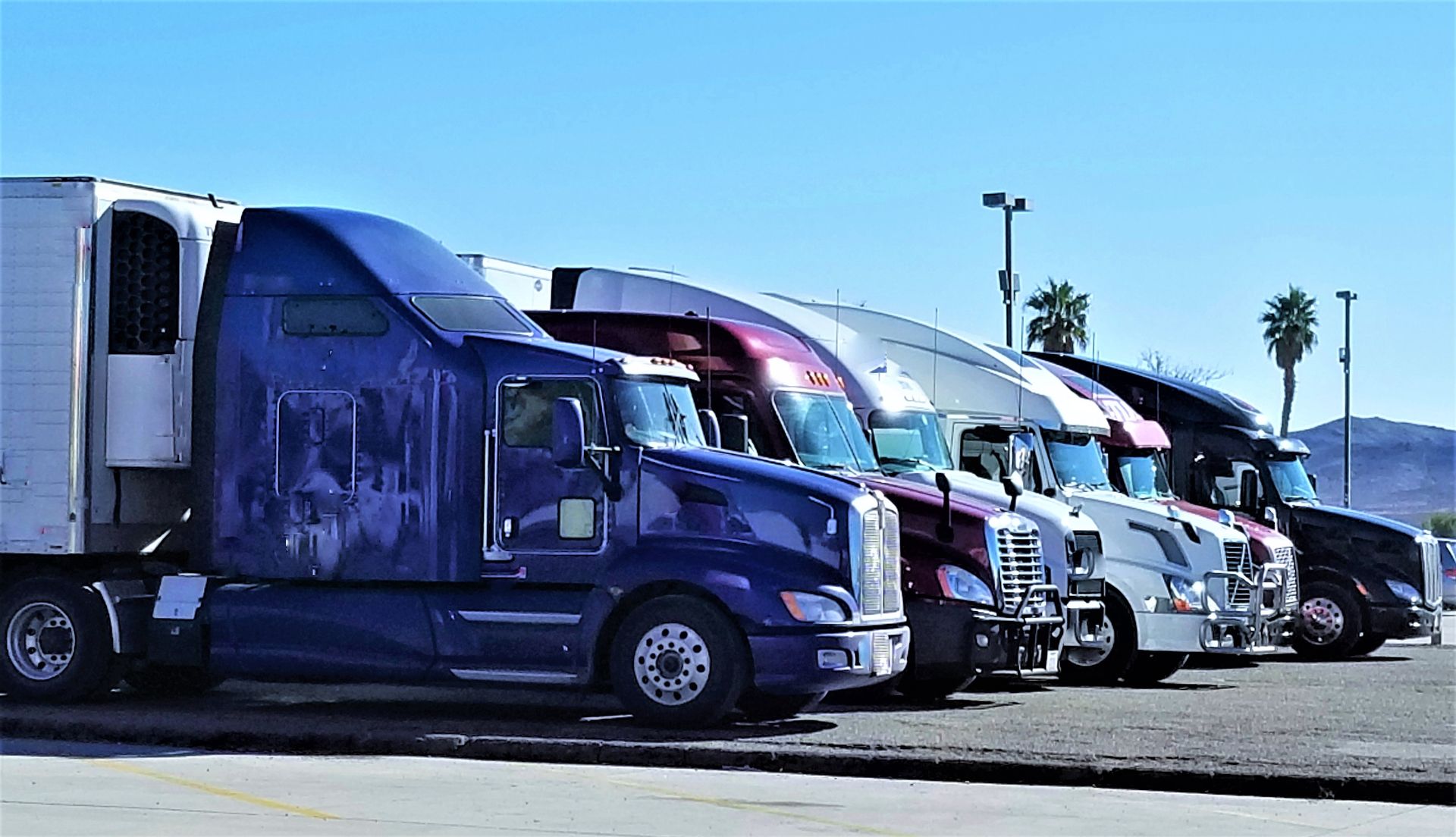
Commercial Auto & Trucking
Protection for your fleet including box trucks, moving vans, and trailers. Covers liability, collision, physical damage, and hired or non-owned vehicles used in your operations.
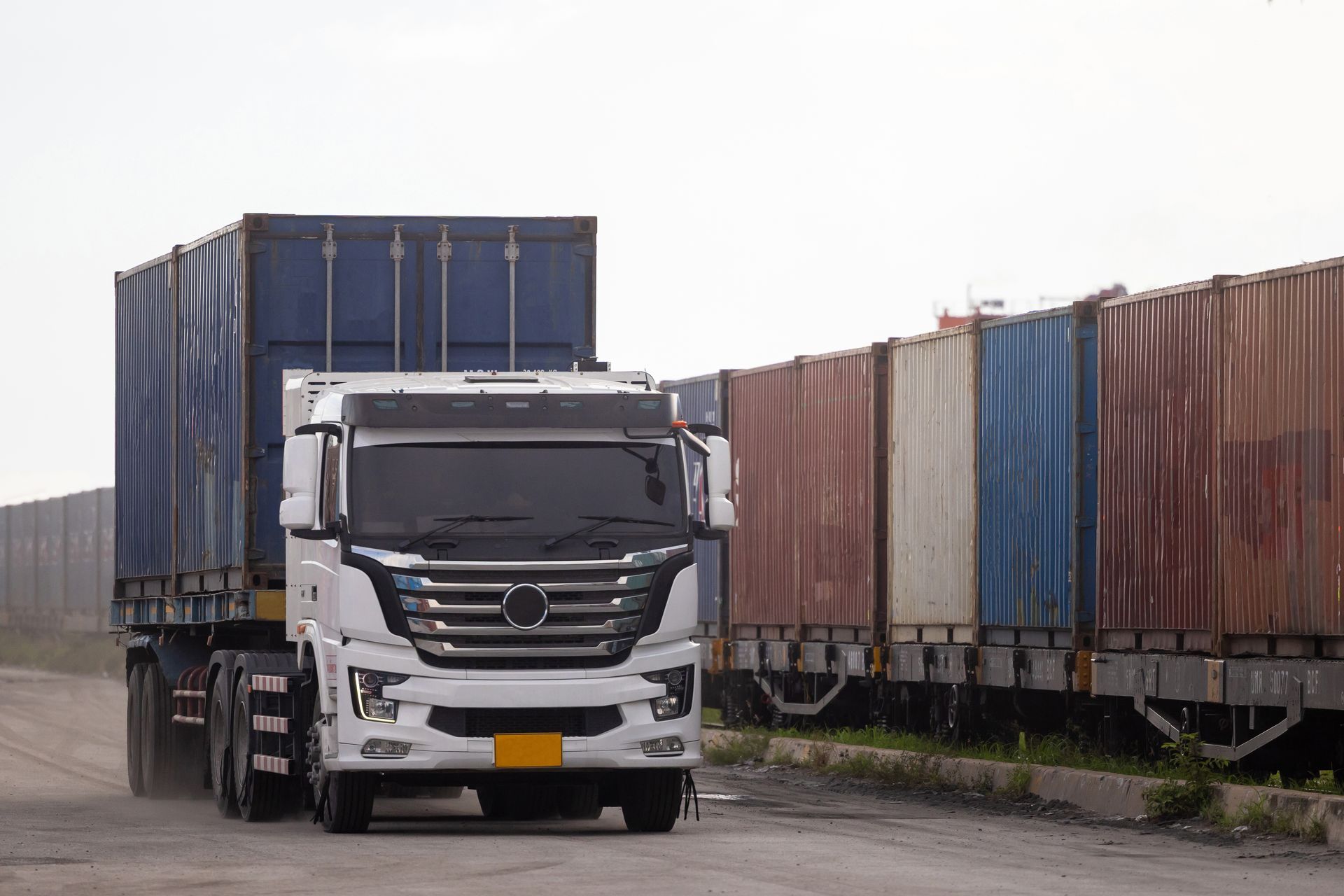
Motor Truck Cargo
Covers household goods and freight during transport from pickup to delivery. Protects against damage, theft, mysterious disappearance, and weather-related losses while cargo is in your care.

General Liability
Protection from third-party claims for bodily injury and property damage at customer homes, job sites, and your own facility. Essential coverage for every transportation operation

Warehouse Legal Liability
Coverage for customer property while stored in your facility. Protects against damage, theft, fire, and water damage to goods in your care, custody, or control.

Workers' Compensation
Medical care and wage replacement for employees injured on the job. Required in most states for transportation and warehouse work where physical labor creates higher injury risk.

Umbrella & Excess Liability
Higher liability limits stacked on top of your primary policies. Helps meet large contract requirements and protects your business assets against major claims and lawsuits.
Specialized Knowledge
Industries We Protect
Focused coverage for transportation and logistics businesses


Simple and Clear
How Our Process Works
Our process to get you covered
Connect With Us
Reach out through our form or by phone to share your business needs and current coverage situation.
Get Coverage Options
We review your risks, compare carriers, and present clear quotes with plain-language explanations.
Stay Protected
You choose your plan, and we provide ongoing support for certificates, claims, and renewals.
Trusted by Businesses
Feedback That Reflects Service and Reliability
What our clients say about working with Champion Risk
Answers You Need
Frequently Asked Questions
Common questions about transportation and logistics insurance




What insurance does a transportation company need to operate legally?
Motor carriers that cross state lines must meet FMCSA requirements. You need a minimum of $750,000 in liability coverage, plus a BMC-91 filing that proves your insurance to the federal government. Cargo coverage is also required, with minimums that depend on the type of goods you transport.
Intrastate operators follow state-specific rules. California, Texas, and Florida each have different requirements. Champion Risk handles both federal and state filings. We make sure your coverage meets legal minimums and your certificates reach the right agencies.
How much does commercial transportation insurance cost?
Premiums depend on your fleet size, driving records, cargo values, and claims history. A small operation with two trucks might pay $8,000 to $15,000 per year. A larger carrier with ten trucks could pay $50,000 to $100,000 or more.
The best way to control costs is working with a broker who knows transportation insurance. We find carriers that specialize in your exact operation type. This often results in better rates than going direct or using a general agent who doesn't understand the industry.
What is a BMC-91 filing and why do I need one?
A BMC-91 is a form your insurance company files with the FMCSA. It proves you carry the required liability coverage to operate as a for-hire motor carrier. Without an active BMC-91, your operating authority can be revoked.
Champion Risk works with carriers who file electronically. Your BMC-91 typically posts within 24 to 48 hours of binding coverage. We monitor your filing status and alert you if anything needs attention.
Does my warehouse or storage facility need different insurance than a trucking operation?
Yes. Storage facilities need warehouse legal liability coverage. This protects you when customer property is damaged or stolen while in your care. Standard general liability policies exclude this exposure.
You may also need property coverage for your building, equipment breakdown protection, and business income coverage if a fire or disaster shuts down operations. Champion Risk builds storage facility programs that address all these risks in one package.
Can you insure last-mile delivery drivers who use their own vehicles?
Yes. We offer hired and non-owned auto coverage for delivery operations that use independent contractors or employees driving personal vehicles. This fills gaps that personal auto policies don't cover during commercial use.
We also provide occupational accident coverage for 1099 drivers who aren't eligible for workers' comp. This protects your drivers and limits your liability exposure when accidents happen.
How fast can I get proof of insurance for a new contract?
Same day in most cases. Once we bind your policy, we issue certificates of insurance within hours. If your contract requires specific additional insured language or special endorsements, we coordinate directly with the carrier.
Rush requests happen often in this industry. General contractors and corporate clients demand certificates before they let you on site. Champion Risk prioritizes fast turnaround because we know your revenue depends on it.

Answers You Need
Transportation & Logistics Insurance Resources
Articles designed to inform and support your business
Contact Us
Phone Number:
Email Address:
Location:
12264 El Camino Real, Suite 350
San Diego, CA 92130
Hours:
Monday – Friday: 8:00 AM – 6:00 PM PT