
A single damaged antique piano or a warehouse fire can financially devastate an Ohio moving and storage company overnight. The state's regulatory framework for movers ranks among the more demanding in the Midwest, requiring specific insurance minimums that many operators underestimate until they're facing a compliance audit or a five-figure claim.
Ohio moving and storage company insurance requirements blend state-specific mandates from the Public Utilities Commission of Ohio with federal regulations for interstate operations. Getting this wrong isn't just expensive: moving companies operating without a PUCO certificate can face fines from $1,000 to $10,000 per violation. That's per incident, not a one-time slap on the wrist.
The coverage landscape for Ohio movers extends well beyond the minimum liability requirements most operators focus on. Between cargo protection, commercial auto policies, workers' compensation through Ohio's unique state fund system, and warehouseman's liability for storage operations, the insurance stack can feel overwhelming. Cost factors vary dramatically based on fleet size, claims history, and the specific services you offer.
What follows breaks down exactly what Ohio requires, what smart operators actually carry, and how to structure coverage that protects your business without bleeding your margins dry. Whether you're launching a two-truck operation or managing a multi-location storage facility, understanding these requirements determines whether you're building a sustainable business or an expensive liability.
Ohio Regulatory Landscape for Moving and Storage Businesses
Ohio treats household goods movers as public utilities, which explains why the regulatory burden feels heavier than neighboring states. The PUCO maintains active oversight of intrastate moving operations, while the FMCSA governs anything crossing state lines.
PUCO Registration and Insurance Requirements
Every Ohio moving company handling household goods must register with the Public Utilities Commission before accepting a single job. The insurance minimums aren't suggestions: Ohio movers must carry a minimum of $750,000 in public liability insurance per incident. That's significantly higher than what some operators expect when they're just starting out.
The PUCO also mandates cargo insurance covering at least $20,000 per shipment. This minimum often proves inadequate for high-value residential moves, which is why experienced operators carry substantially higher limits. Champion Risk regularly works with Ohio movers who've learned this lesson the hard way after a single claim exceeded their coverage.
Registration renewal happens annually, and the PUCO actively audits insurance certificates. Letting coverage lapse even briefly can trigger immediate suspension of your operating authority.
State vs. Federal Compliance for Interstate Movers
If your trucks cross into Pennsylvania, Michigan, or any other state, federal requirements stack on top of Ohio's mandates. FMCSA registration, BOC-3 process agent filings, and federal liability minimums all apply. The federal minimum for interstate household goods movers sits at $750,000 as well, but the compliance documentation differs significantly.
Many Ohio operators maintain dual compliance, which requires coordinating state and federal filings. Missing either renewal can ground your entire operation.


By: Mark Raby
Chief Executive Officer at Champion Risk & Insurance Services
Essential Insurance Coverages for Ohio Movers
Beyond the regulatory minimums, comprehensive coverage protects against the real-world risks that sink moving companies every year.
Cargo and Inland Marine Protection
The $20,000 per-shipment minimum barely covers a moderately furnished apartment. A single household with antiques, electronics, and artwork can easily represent $100,000 or more in replacement value. Inland marine coverage fills this gap, protecting goods in transit regardless of which vehicle they're in.
As Charlie Morris, a certified moving consultant, notes: "Your goods will most likely be covered by the company's valuation, which is not insurance, but a limit of liability. Your goods are covered only to a set amount." This distinction matters because customer-purchased moving insurance supplements, not replaces, your commercial coverage obligations.
Commercial Auto and Fleet Liability
Moving trucks face unique exposure: frequent loading and unloading, tight residential streets, and crews working around vehicles constantly. Standard
commercial auto policies need specific endorsements for moving operations.
| Coverage Type | Typical Limits | What It Covers |
|---|---|---|
| Primary Liability | $1M - $2M | Third-party bodily injury and property damage |
| Physical Damage | Actual cash value | Your trucks and equipment |
| Hired/Non-Owned Auto | $500K - $1M | Rented vehicles, employee personal vehicles |
| Motor Truck Cargo | $50K - $250K per shipment | Customer goods in transit |
Fleet telematics increasingly influence premium pricing. 88% of fleets now use telematics for safety purposes, and insurers reward the data with meaningful discounts.
General Liability and Warehouseman's Legal Liability
General liability covers the premises exposure: customers visiting your office, delivery accidents on client property, and advertising injury claims. Most Ohio movers carry $1 million per occurrence with $2 million aggregate limits.
Storage operations require separate
warehouseman's legal liability coverage. This protects against damage to customer property while in your care at your facility, covering scenarios from forklift accidents to roof leaks.
Ohio Workers' Compensation and Employee Protection
Ohio's workers' compensation system operates differently than most states, creating both advantages and complications for moving companies.
Navigating Ohio's Monopolistic State Fund
Ohio maintains a monopolistic state fund, meaning you cannot purchase workers' compensation from private insurers. The Ohio Bureau of Workers' Compensation serves as the sole provider, with rates determined by your industry classification and experience modification factor.
Moving and storage operations typically fall under manual class codes with base rates reflecting the physical nature of the work. New companies start with a 1.0 experience modification, which adjusts over time based on your claims history. A poor safety record can push your mod factor above 1.5, increasing premiums by 50% or more.
The upside: Ohio's state fund offers group rating programs that can reduce premiums significantly for companies with clean safety records. Champion Risk helps Ohio movers qualify for these programs, which can cut workers' comp costs by 30% or more compared to individual rating.

Understanding what drives your premiums helps you control costs without sacrificing necessary coverage.
Operational Scale and Fleet Size
Premium calculations start with exposure measures: payroll for workers' comp, vehicle count and types for auto, and revenue or square footage for general liability. A five-truck operation with $800,000 in annual revenue faces dramatically different pricing than a twenty-truck company doing $3 million.
Storage square footage directly impacts property and warehouseman's liability premiums. Climate-controlled facilities with sprinkler systems typically receive better rates than basic warehouse space.
Claims History and Safety Records
Your loss history from the past three to five years influences nearly every coverage line. A single large cargo claim or serious auto accident can increase premiums for years. Conversely, a clean record qualifies you for preferred pricing tiers.
Documented safety programs, driver training records, and equipment maintenance logs all factor into underwriting decisions. Insurers want evidence that you're actively managing risk, not just purchasing coverage.
Specialized Risk Management for Storage Facilities
Storage operations face distinct exposures that require targeted coverage strategies.
Environmental and Fire Damage Coverage
Ohio storage facilities need coverage for water damage from burst pipes, fire and smoke damage, and potential environmental contamination. Older buildings may require environmental liability endorsements, especially if previous tenants used the space for industrial purposes.
Fire suppression systems significantly impact both coverage availability and pricing. Facilities without sprinklers may face coverage restrictions or substantial premium surcharges.
Theft and Security Systems Impact on Rates
Theft claims represent a significant exposure for storage operations. Insurers evaluate your security measures carefully:
- Monitored alarm systems with central station reporting
- Video surveillance with adequate retention periods
- Access control systems limiting entry to authorized personnel
- Perimeter fencing and lighting
- Background checks for employees with access
Facilities meeting strict security standards can qualify for rate reductions of 15% to 25% compared to basic security setups.
Securing the Right Policy: A Professional Checklist
Before binding coverage, verify these elements align with your actual operations:
- Confirm PUCO registration status and renewal dates
- Review cargo limits against typical shipment values you handle
- Verify all vehicles are scheduled on your commercial auto policy
- Confirm workers' comp classification codes match your actual operations
- Document safety programs and training for underwriting review
- Review storage facility coverage limits against current inventory values
- Check policy exclusions for gaps in your specific services
Full Value Protection for moving insurance typically costs 1% to 2% of the shipment's total value, which provides useful benchmarking when evaluating cargo coverage costs.
Frequently Asked Questions
What happens if I operate without PUCO registration in Ohio? Fines range from $1,000 to $10,000 per violation, and you may face cease-and-desist orders stopping your operations entirely.
Can I buy workers' compensation from a private insurer in Ohio? No. Ohio operates a monopolistic state fund, requiring all workers' comp coverage through the Ohio Bureau of Workers' Compensation.
How much cargo insurance do most Ohio movers actually carry? While the minimum is $20,000 per shipment, most established operators carry $50,000 to $100,000 or more to adequately protect against high-value residential moves.
Do storage facilities need different insurance than moving operations? Yes. Storage requires warehouseman's legal liability coverage, property insurance for the facility, and often environmental coverage depending on the building's history.
How can I reduce my workers' compensation premiums in Ohio?
Group rating programs, safety programs, and maintaining a clean claims history all contribute to lower experience modification factors and reduced premiums.
Ohio's insurance requirements for moving and storage companies protect both consumers and operators, but meeting minimums isn't the same as being adequately protected. The gap between regulatory compliance and genuine financial security often determines which companies survive their first major claim.
Working with a broker who understands Ohio's specific regulatory environment, including the PUCO requirements and the state workers' compensation system, eliminates costly compliance mistakes. Champion Risk specializes in building coverage programs for Ohio moving and storage operations that balance protection with practical budget constraints. The right coverage structure lets you focus on growing your business instead of worrying about what happens when something goes wrong.
About the Author:
Mark Raby
I am a seasoned insurance professional with over 30 years of experience in the industry. I lead Champion Risk & Insurance Services, a San Diego-based brokerage with nationwide reach and strong influence in the insurance marketplace. My core competencies include insurance agency M&A deals, captives and alternative risk structures, and commercial property and casualty insurance for clients in the transportation and logistics industries. I am a former president of IIAB San Diego and hold a Bachelor of Science in Finance from Western Michigan University’s Haworth College of Business.
Protection for Transportation Operations
Business Insurance for Transportation & Logistics Companies
Coverage designed specifically for transportation businesses
Commercial Auto & Trucking
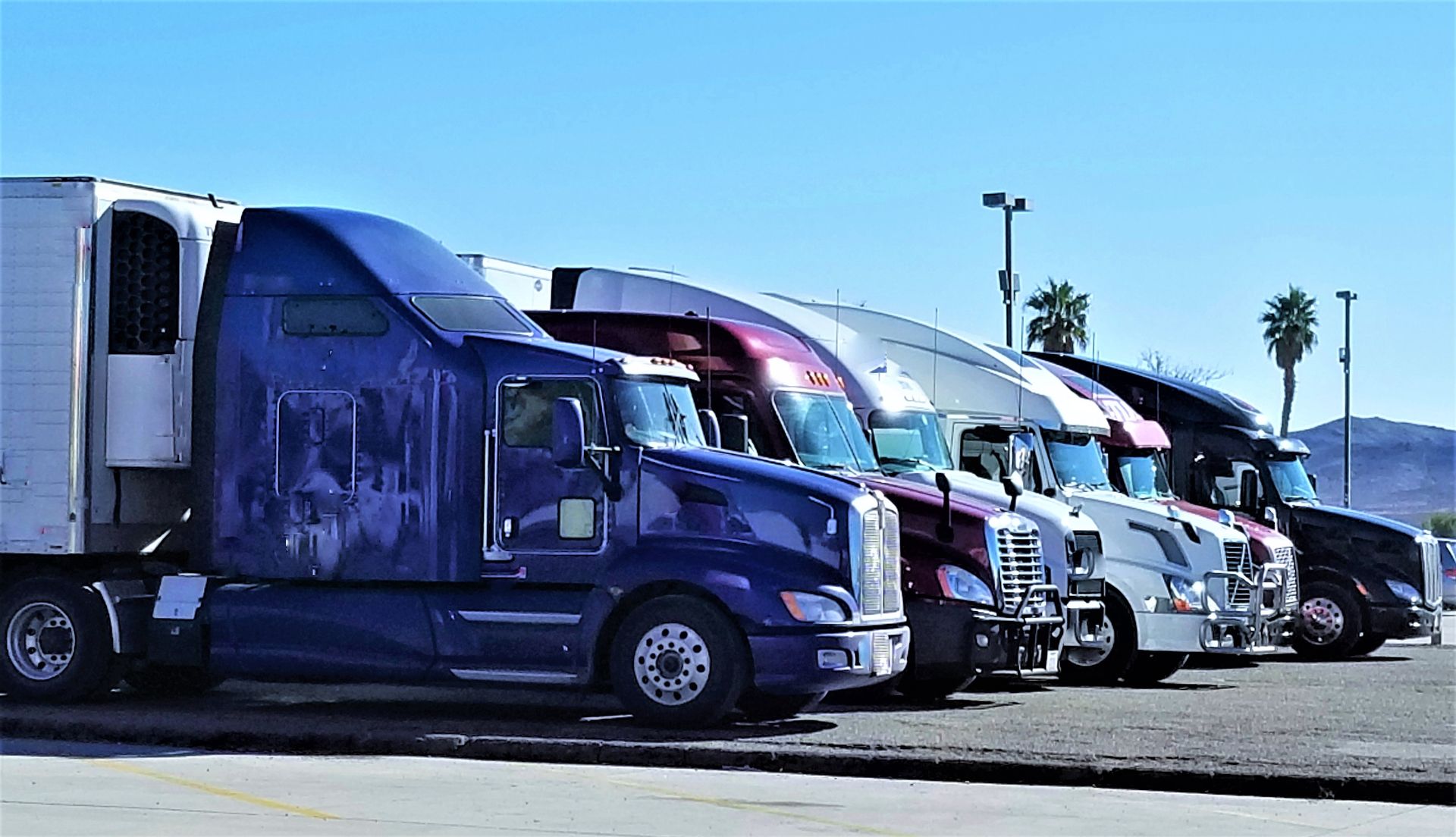
Protection for your fleet including box trucks, moving vans, and trailers. Covers liability, collision, physical damage, and hired or non-owned vehicles used in your operations.
Motor Truck Cargo
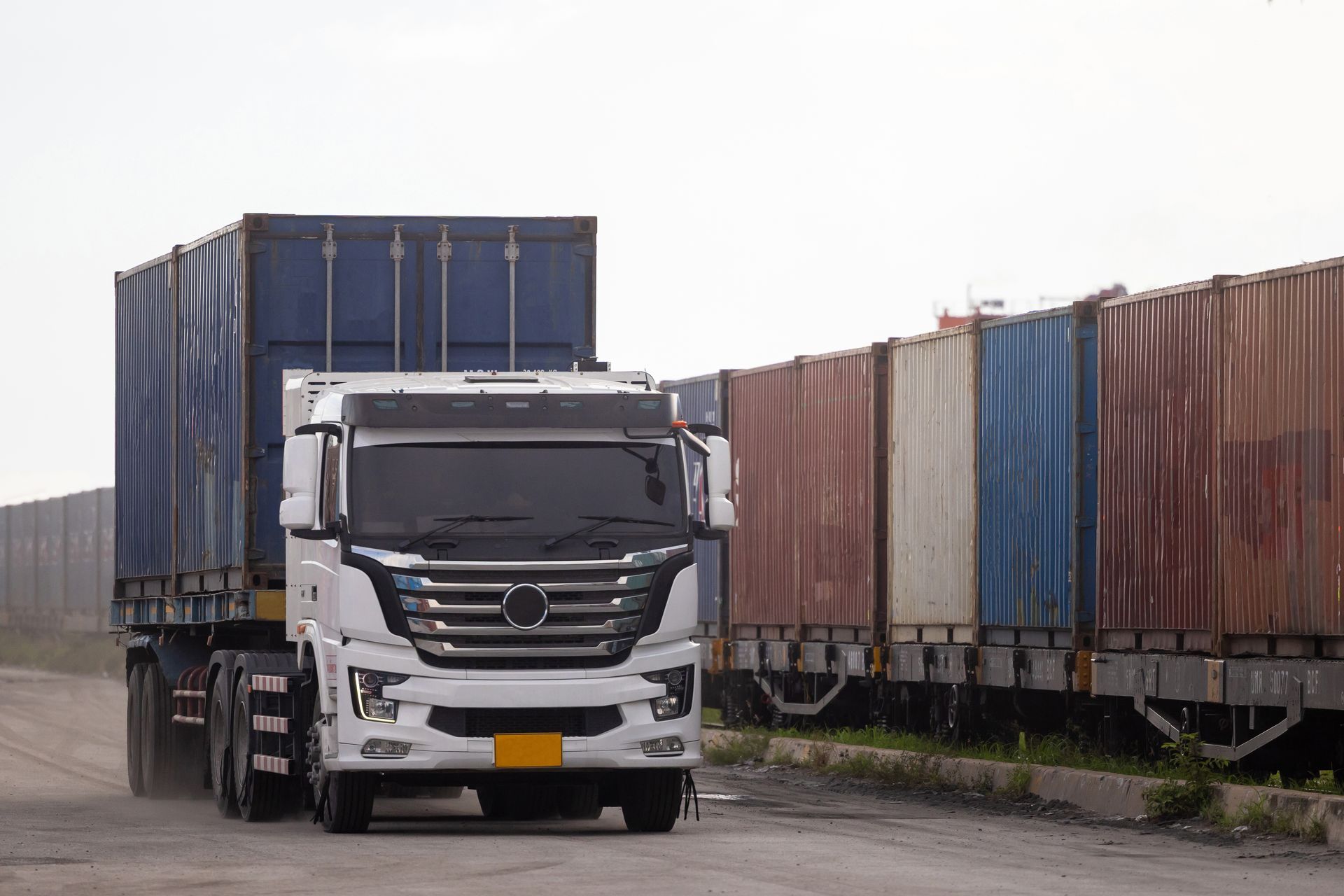
Covers household goods and freight during transport from pickup to delivery. Protects against damage, theft, mysterious disappearance, and weather-related losses while cargo is in your care.

General Liability
Protection from third-party claims for bodily injury and property damage at customer homes, job sites, and your own facility. Essential coverage for every transportation operation

Warehouse Legal Liability
Coverage for customer property while stored in your facility. Protects against damage, theft, fire, and water damage to goods in your care, custody, or control.

Workers' Compensation
Medical care and wage replacement for employees injured on the job. Required in most states for transportation and warehouse work where physical labor creates higher injury risk.

Umbrella & Excess Liability
Higher liability limits stacked on top of your primary policies. Helps meet large contract requirements and protects your business assets against major claims and lawsuits.
Specialized Knowledge
Industries We Protect
Focused coverage for transportation and logistics businesses


Simple and Clear
How Our Process Works
Our process to get you covered
Connect With Us
Reach out through our form or by phone to share your business needs and current coverage situation.
Get Coverage Options
We review your risks, compare carriers, and present clear quotes with plain-language explanations.
Stay Protected
You choose your plan, and we provide ongoing support for certificates, claims, and renewals.
Trusted by Businesses
Feedback That Reflects Service and Reliability
What our clients say about working with Champion Risk
Answers You Need
Frequently Asked Questions
Common questions about transportation and logistics insurance




What insurance does a transportation company need to operate legally?
Motor carriers that cross state lines must meet FMCSA requirements. You need a minimum of $750,000 in liability coverage, plus a BMC-91 filing that proves your insurance to the federal government. Cargo coverage is also required, with minimums that depend on the type of goods you transport.
Intrastate operators follow state-specific rules. California, Texas, and Florida each have different requirements. Champion Risk handles both federal and state filings. We make sure your coverage meets legal minimums and your certificates reach the right agencies.
How much does commercial transportation insurance cost?
Premiums depend on your fleet size, driving records, cargo values, and claims history. A small operation with two trucks might pay $8,000 to $15,000 per year. A larger carrier with ten trucks could pay $50,000 to $100,000 or more.
The best way to control costs is working with a broker who knows transportation insurance. We find carriers that specialize in your exact operation type. This often results in better rates than going direct or using a general agent who doesn't understand the industry.
What is a BMC-91 filing and why do I need one?
A BMC-91 is a form your insurance company files with the FMCSA. It proves you carry the required liability coverage to operate as a for-hire motor carrier. Without an active BMC-91, your operating authority can be revoked.
Champion Risk works with carriers who file electronically. Your BMC-91 typically posts within 24 to 48 hours of binding coverage. We monitor your filing status and alert you if anything needs attention.
Does my warehouse or storage facility need different insurance than a trucking operation?
Yes. Storage facilities need warehouse legal liability coverage. This protects you when customer property is damaged or stolen while in your care. Standard general liability policies exclude this exposure.
You may also need property coverage for your building, equipment breakdown protection, and business income coverage if a fire or disaster shuts down operations. Champion Risk builds storage facility programs that address all these risks in one package.
Can you insure last-mile delivery drivers who use their own vehicles?
Yes. We offer hired and non-owned auto coverage for delivery operations that use independent contractors or employees driving personal vehicles. This fills gaps that personal auto policies don't cover during commercial use.
We also provide occupational accident coverage for 1099 drivers who aren't eligible for workers' comp. This protects your drivers and limits your liability exposure when accidents happen.
How fast can I get proof of insurance for a new contract?
Same day in most cases. Once we bind your policy, we issue certificates of insurance within hours. If your contract requires specific additional insured language or special endorsements, we coordinate directly with the carrier.
Rush requests happen often in this industry. General contractors and corporate clients demand certificates before they let you on site. Champion Risk prioritizes fast turnaround because we know your revenue depends on it.

Answers You Need
Transportation & Logistics Insurance Resources
Articles designed to inform and support your business
Contact Us
Phone Number:
Email Address:
Location:
12264 El Camino Real, Suite 350
San Diego, CA 92130
Hours:
Monday – Friday: 8:00 AM – 6:00 PM PT