
Independent Contractor Insurance for Moving & Storage Company
Or Call Us:
(800) 829-0807
When a logistics company hands you a contract, the fine print almost always includes one non-negotiable demand: proof of insurance. For independent contractors in the moving and storage industry, this requirement creates a unique challenge. You're not an employee with coverage provided by your employer, but you're also not a massive fleet operation with dedicated risk management staff. You're somewhere in between, and the insurance market hasn't always made it easy to find coverage that fits.
The reality is that independent contractor insurance for moving and storage companies involves navigating multiple policy types, understanding regulatory minimums, and balancing protection against cost. According to TechInsurance.com, moving companies pay an average of $876 per month for commercial auto insurance alone. For independent contractors, basic liability coverage can start as low as $400 to $600 annually, as PIA Ins Agency reports, though that baseline rarely covers everything you actually need.
This guide breaks down the coverage types, cost factors, and regulatory requirements that matter most when you're operating as an independent contractor in this space.
The Role of Insurance for Independent Contractors in Moving and Storage
Insurance serves a different function for independent contractors than it does for W-2 employees. When you're self-employed, there's no corporate umbrella protecting you from liability claims or covering your medical expenses after a workplace injury. Every risk falls directly on your shoulders.
Distinguishing Between Employee and Independent Contractor Coverage
Employees of moving companies typically benefit from their employer's general liability policy, workers' compensation coverage, and commercial auto insurance. The company pays the premiums and handles claims. Independent contractors don't have this safety net.
As a contractor, you're responsible for securing your own coverage. This means purchasing policies that protect against cargo damage, bodily injury claims, vehicle accidents, and work-related injuries. The upside is control over your coverage limits and deductibles. The downside is cost and complexity. You're essentially running a small business, and you need insurance that reflects that reality.
Why Logistics Companies Require Certificate of Insurance (COI)
Every reputable moving company will ask for a Certificate of Insurance before allowing you to handle their customers' belongings. This isn't bureaucratic red tape; it's risk management. If you damage a customer's antique furniture or injure someone during a job, the moving company doesn't want their insurance rates spiking because of your mistake.
A COI proves you carry adequate coverage and lists the moving company as an additional insured party. Without one, you won't get contracts.
PIA Ins Agencynotes that "adequate insurance coverage is crucial for independent contractors to protect against financial losses, provide peace of mind, and meet legal and client requirements."


By: Mark Raby
Chief Executive Officer at Champion Risk & Insurance Services
Essential Coverage Types for Moving Professionals
Not all insurance policies are created equal, and moving contractors need specific coverage types that address the unique risks of handling household goods and operating commercial vehicles.
Motor Truck Cargo and Inland Marine Insurance
Cargo insurance protects the goods you're transporting. If a customer's belongings are damaged, stolen, or destroyed while in your care, this policy covers the loss. Inland marine insurance extends similar protection to goods in transit or temporary storage.
The distinction matters because standard general liability doesn't cover cargo damage. You could have a $1 million liability policy and still face a lawsuit for ruining someone's wedding china during transport. Cargo coverage limits typically range from $25,000 to $100,000 or more, depending on the value of goods you regularly handle.
General Liability and Property Damage Protection
General liability covers third-party bodily injury and property damage claims. If you accidentally scratch a hardwood floor while moving a couch, or a customer trips over your equipment and breaks an ankle, this policy responds. TechInsurance.com reports that moving companies pay an average of $120 per month for general liability coverage, though independent contractors often pay less due to smaller operations.
Occupational Accident vs. Workers' Compensation
Here's where many contractors get confused. Workers' compensation is typically required for employees, but independent contractors often can't purchase traditional workers' comp policies. Occupational accident insurance fills this gap, covering medical expenses and lost income if you're injured on the job.
The coverage isn't identical. Workers' comp provides broader protection and is regulated by state law, while occupational accident policies are commercial products with varying terms. If you hire helpers, you may need actual workers' comp coverage for them, which averages $755 per month according to TechInsurance.com.
Commercial Auto and Non-Trucking Liability
Your vehicle is your business, and protecting it requires more than a personal auto policy. Personal insurance excludes commercial use, meaning any claim filed while you're working could be denied outright.
Bobtail Coverage vs. Primary Liability
Primary liability insurance covers you while operating under a motor carrier's authority, typically when you're actively hauling cargo. Bobtail coverage, also called non-trucking liability, protects you when you're driving without a load or outside of dispatch.
The distinction matters because gaps in coverage create exposure. If you stop for groceries on the way home from a job and cause an accident, primary liability might not respond. Bobtail coverage fills that gap. Many contractors need both policies to maintain continuous protection.
Physical Damage Coverage for Contractor-Owned Vehicles
Liability insurance covers damage you cause to others. Physical damage coverage protects your own vehicle. This includes collision coverage for accidents and comprehensive coverage for theft, vandalism, weather damage, and other non-collision losses.
If you own your truck outright, physical damage coverage is technically optional, but going without it is risky. Replacing a commercial vehicle out of pocket could end your business overnight.

Factors Influencing Insurance Costs
Insurance premiums aren't arbitrary numbers. Carriers assess specific risk factors when calculating your rates, and understanding these factors helps you find affordable coverage.
Impact of Driving Records and Experience Levels
Your driving history is the single biggest factor affecting your premium. Accidents, moving violations, and DUI convictions dramatically increase rates or disqualify you from coverage entirely. Clean records earn discounts.
Experience also matters. Carriers view new drivers as higher risk. If you've been operating commercial vehicles for five years with no claims, you'll pay less than someone with six months of experience. Champion Risk works with contractors at various experience levels to find carriers willing to offer competitive rates.
Regional Variations and Operational Radius
Where you operate affects your premium. Urban areas with heavy traffic and higher accident rates cost more to insure than rural regions. Your operational radius also matters; local movers staying within a 50-mile radius pay less than long-haul operators crossing state lines.
| Factor | Lower Premium | Higher Premium |
|---|---|---|
| Driving Record | Clean, no violations | Accidents, tickets, DUI |
| Experience | 5+ years | Under 2 years |
| Location | Rural, low traffic | Urban, high congestion |
| Radius | Local (under 100 miles) | Regional or interstate |
| Vehicle Age | Newer, well-maintained | Older, higher mileage |
Meeting FMCSA and State Regulatory Requirements
Operating legally requires meeting federal and state insurance minimums. These aren't suggestions; they're legal requirements enforced through audits and roadside inspections.
Understanding Minimum Financial Responsibility Limits
The Federal Motor Carrier Safety Administration (FMCSA) sets minimum insurance requirements for interstate carriers. For household goods movers, the minimum is typically $750,000 in liability coverage, though requirements vary based on vehicle weight and cargo type.
State requirements add another layer. Some states mandate higher minimums or require specific coverage types. California, Texas, and Florida have particularly detailed regulations for moving companies operating within their borders.
Compliance with Household Goods (HHG) Regulations
Household goods movers face additional regulations beyond standard trucking requirements. FMCSA requires HHG carriers to maintain cargo insurance and provide customers with specific liability options. Failure to comply can result in fines, loss of operating authority, and civil liability.
Champion Risk helps contractors understand which requirements apply to their specific operations and ensures policies meet both federal and state standards.
Best Practices for Securing Affordable Moving Insurance
Finding affordable coverage requires strategy, not just shopping around. Here's what actually works:
Start by bundling policies when possible. MoneyGeek.com reports that a recommended moving insurance bundle averaging $526 per month includes a Business Owner's Policy, workers' compensation, and professional liability. Bundling often costs less than purchasing policies separately.
Maintain a clean driving record and document your safety practices. Some carriers offer discounts for completing defensive driving courses or installing dash cameras. Ask about every available discount.
Review your coverage annually. As your business grows or contracts, your insurance needs change. Paying for coverage you don't need wastes money, while being underinsured creates dangerous exposure.
Work with a specialist. General insurance agents often lack expertise in commercial trucking and moving industry requirements. Champion Risk focuses specifically on these markets and understands the nuances that affect both coverage and cost.
Frequently Asked Questions
How much does independent contractor insurance cost for movers? Basic liability starts around $400 to $600 annually, but comprehensive coverage including commercial auto, cargo, and occupational accident typically runs $800 to $1,500 monthly depending on your operation.
Can I use personal auto insurance for moving jobs? No. Personal policies exclude commercial use. Any claim filed while working would likely be denied, leaving you personally liable.
What's the difference between cargo insurance and general liability? Cargo insurance covers goods you're transporting. General liability covers third-party injuries and property damage not related to the cargo itself.
Do I need workers' comp if I have no employees? Not typically, but you should carry occupational accident insurance to protect yourself. If you hire helpers, workers' comp becomes mandatory in most states.
What happens if I operate without required insurance? You face fines, loss of operating authority, personal liability for any claims, and potential criminal charges in some jurisdictions.
Making the Right Choice for Your Business
Independent contractor insurance isn't optional in the moving and storage industry; it's the cost of doing business. The right coverage protects your income, your assets, and your ability to keep working after something goes wrong.
Focus on meeting regulatory minimums first, then build coverage that matches your actual risk exposure. Don't over-insure, but don't leave gaps that could bankrupt you either. Work with specialists who understand this industry, compare quotes from multiple carriers, and review your coverage as your business evolves.
About the Author:
Mark Raby
I am a seasoned insurance professional with over 30 years of experience in the industry. I lead Champion Risk & Insurance Services, a San Diego-based brokerage with nationwide reach and strong influence in the insurance marketplace. My core competencies include insurance agency M&A deals, captives and alternative risk structures, and commercial property and casualty insurance for clients in the transportation and logistics industries. I am a former president of IIAB San Diego and hold a Bachelor of Science in Finance from Western Michigan University’s Haworth College of Business.
Protection for Transportation Operations
Business Insurance for Transportation & Logistics Companies
Coverage designed specifically for transportation businesses
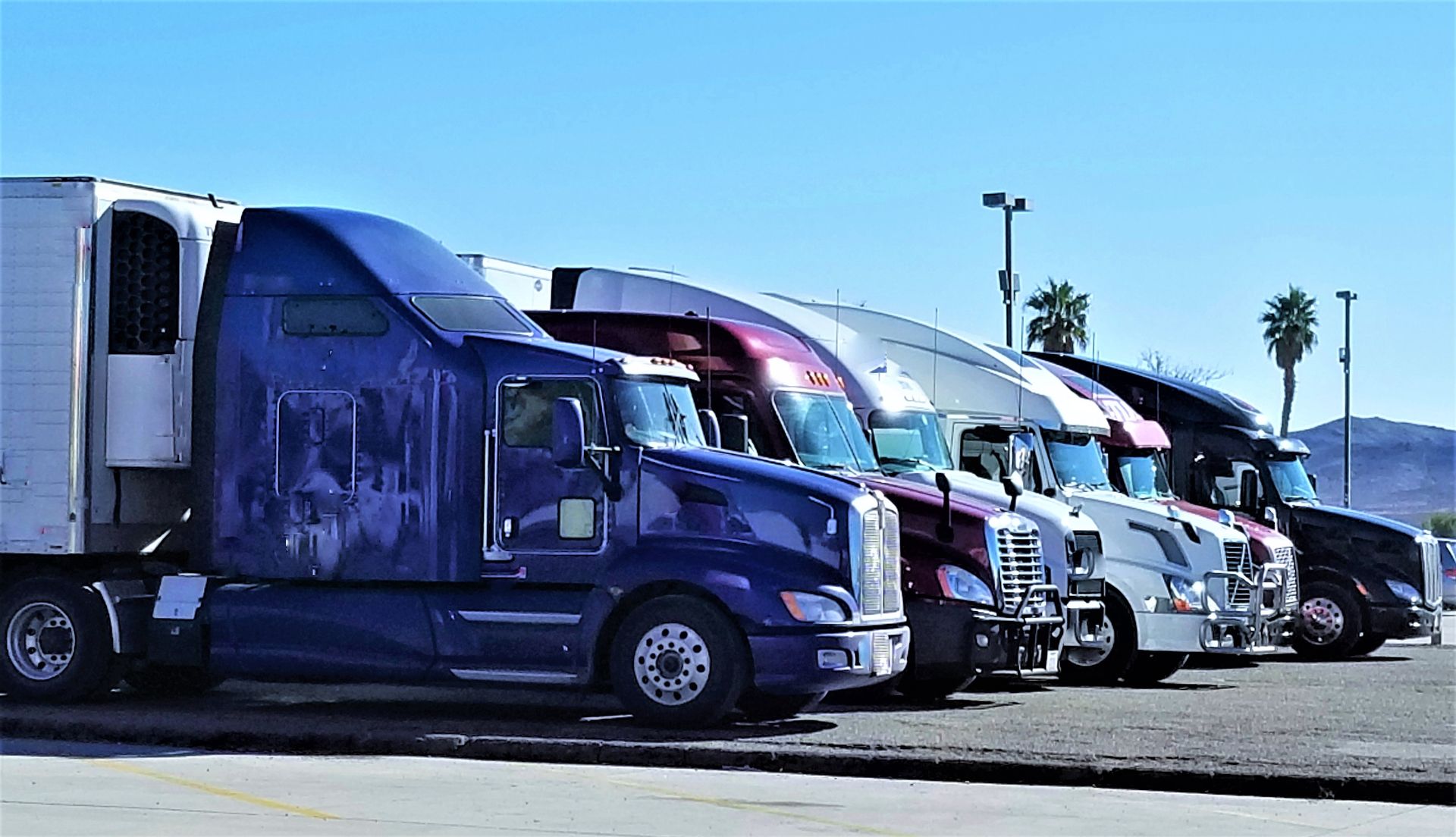
Commercial Auto & Trucking
Protection for your fleet including box trucks, moving vans, and trailers. Covers liability, collision, physical damage, and hired or non-owned vehicles used in your operations.
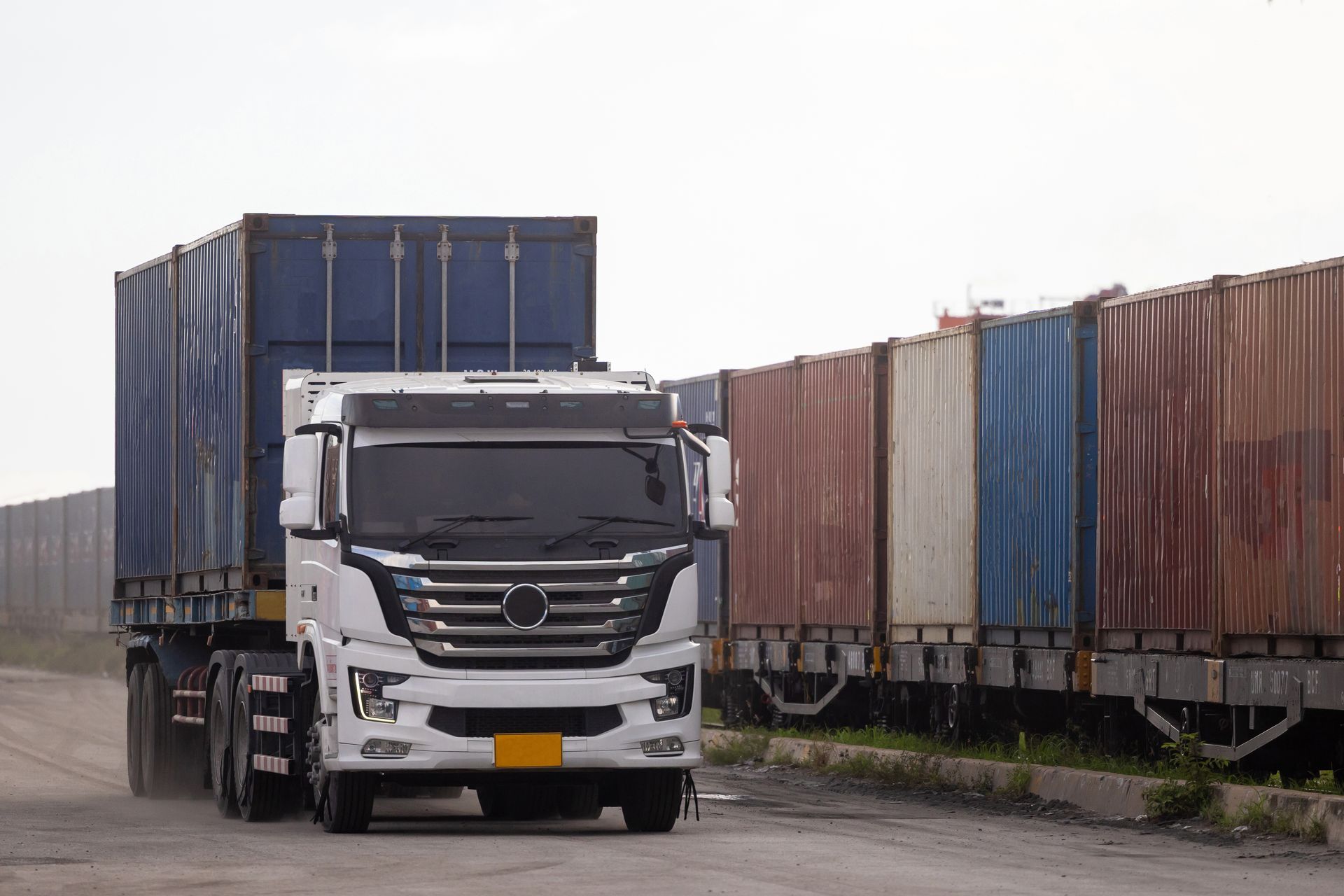
Motor Truck Cargo
Covers household goods and freight during transport from pickup to delivery. Protects against damage, theft, mysterious disappearance, and weather-related losses while cargo is in your care.

General Liability
Protection from third-party claims for bodily injury and property damage at customer homes, job sites, and your own facility. Essential coverage for every transportation operation

Warehouse Legal Liability
Coverage for customer property while stored in your facility. Protects against damage, theft, fire, and water damage to goods in your care, custody, or control.

Workers' Compensation
Medical care and wage replacement for employees injured on the job. Required in most states for transportation and warehouse work where physical labor creates higher injury risk.

Umbrella & Excess Liability
Higher liability limits stacked on top of your primary policies. Helps meet large contract requirements and protects your business assets against major claims and lawsuits.
Specialized Knowledge
Industries We Protect
Focused coverage for transportation and logistics businesses


Simple and Clear
How Our Process Works
Our process to get you covered
Connect With Us
Reach out through our form or by phone to share your business needs and current coverage situation.
Get Coverage Options
We review your risks, compare carriers, and present clear quotes with plain-language explanations.
Stay Protected
You choose your plan, and we provide ongoing support for certificates, claims, and renewals.
Trusted by Businesses
Feedback That Reflects Service and Reliability
What our clients say about working with Champion Risk
Answers You Need
Frequently Asked Questions
Common questions about transportation and logistics insurance




What insurance does a transportation company need to operate legally?
Motor carriers that cross state lines must meet FMCSA requirements. You need a minimum of $750,000 in liability coverage, plus a BMC-91 filing that proves your insurance to the federal government. Cargo coverage is also required, with minimums that depend on the type of goods you transport.
Intrastate operators follow state-specific rules. California, Texas, and Florida each have different requirements. Champion Risk handles both federal and state filings. We make sure your coverage meets legal minimums and your certificates reach the right agencies.
How much does commercial transportation insurance cost?
Premiums depend on your fleet size, driving records, cargo values, and claims history. A small operation with two trucks might pay $8,000 to $15,000 per year. A larger carrier with ten trucks could pay $50,000 to $100,000 or more.
The best way to control costs is working with a broker who knows transportation insurance. We find carriers that specialize in your exact operation type. This often results in better rates than going direct or using a general agent who doesn't understand the industry.
What is a BMC-91 filing and why do I need one?
A BMC-91 is a form your insurance company files with the FMCSA. It proves you carry the required liability coverage to operate as a for-hire motor carrier. Without an active BMC-91, your operating authority can be revoked.
Champion Risk works with carriers who file electronically. Your BMC-91 typically posts within 24 to 48 hours of binding coverage. We monitor your filing status and alert you if anything needs attention.
Does my warehouse or storage facility need different insurance than a trucking operation?
Yes. Storage facilities need warehouse legal liability coverage. This protects you when customer property is damaged or stolen while in your care. Standard general liability policies exclude this exposure.
You may also need property coverage for your building, equipment breakdown protection, and business income coverage if a fire or disaster shuts down operations. Champion Risk builds storage facility programs that address all these risks in one package.
Can you insure last-mile delivery drivers who use their own vehicles?
Yes. We offer hired and non-owned auto coverage for delivery operations that use independent contractors or employees driving personal vehicles. This fills gaps that personal auto policies don't cover during commercial use.
We also provide occupational accident coverage for 1099 drivers who aren't eligible for workers' comp. This protects your drivers and limits your liability exposure when accidents happen.
How fast can I get proof of insurance for a new contract?
Same day in most cases. Once we bind your policy, we issue certificates of insurance within hours. If your contract requires specific additional insured language or special endorsements, we coordinate directly with the carrier.
Rush requests happen often in this industry. General contractors and corporate clients demand certificates before they let you on site. Champion Risk prioritizes fast turnaround because we know your revenue depends on it.

Answers You Need
Transportation & Logistics Insurance Resources
Articles designed to inform and support your business
Contact Us
Phone Number:
Email Address:
Location:
12264 El Camino Real, Suite 350
San Diego, CA 92130
Hours:
Monday – Friday: 8:00 AM – 6:00 PM PT