
Workers Compensation Insurance for Moving & Storage Company
Or Call Us:
(800) 829-0807
A mover strains their back lifting a piano up three flights of stairs. A warehouse worker trips over a pallet and fractures their wrist. A driver gets rear-ended while transporting furniture across town. These scenarios happen every week in the moving and storage industry, and without proper workers compensation coverage, any one of them could financially devastate your business.
The moving industry ranks among the most physically demanding sectors in the American economy. Your crews lift heavy objects, navigate tight spaces, operate large vehicles, and work in unpredictable environments daily. This reality makes workers compensation insurance for moving and storage companies not just a legal requirement in most states, but a fundamental business necessity. According to Insureon, the average moving company pays approximately $755 per month for this coverage, totaling $9,058 annually. That investment protects both your employees and your company's financial future.
What makes this coverage particularly complex for movers is the dual nature of the work. Your team handles both the physical moving operations and
warehouse storage responsibilities, each carrying distinct risk profiles and often different classification codes. Understanding these nuances can mean the difference between adequate protection and costly gaps in coverage.
Understanding Workers Compensation for the Moving Industry
Workers compensation serves a straightforward purpose: it provides financial protection when employees get hurt on the job. The coverage pays for medical treatment, replaces lost wages, and shields employers from lawsuits related to workplace injuries. As MoveStar Inc. explains, this insurance is mandated by state laws and creates a no-fault system where employees receive benefits regardless of who caused the injury.
For moving companies, this protection takes on added significance because the work itself creates constant injury potential. Unlike office environments where ergonomic issues develop gradually, moving operations can produce sudden, severe injuries that require immediate medical attention and extended recovery periods.
Why Moving Companies are Classified as High-Risk
Insurance carriers assess risk based on historical claims data, and the moving industry's numbers tell a clear story. Back injuries from improper lifting, hand and finger injuries from pinch points, falls from ramps and stairs, and vehicle accidents all contribute to elevated claim frequencies.
The physical demands are relentless. A typical residential move involves lifting items ranging from 10 to 400 pounds, climbing stairs repeatedly, working in extreme temperatures, and maintaining focus during long shifts. Storage facility workers face additional hazards including forklift operations, stacking heavy items at height, and navigating crowded warehouse aisles. This combination of factors places moving and storage operations firmly in the high-risk category, which directly impacts premium calculations.
Legal Requirements and State Mandates
Every state except Texas requires employers to carry workers compensation insurance, though the specific rules vary considerably. Some states mandate coverage once you hire your first employee, while others set thresholds at four or five workers. California, New York, and Illinois have particularly strict requirements with significant penalties for non-compliance.
The consequences of operating without coverage can be severe. Fines often reach thousands of dollars per uninsured employee, and some states classify it as a criminal offense. Beyond legal penalties, you become personally liable for all injury-related costs, which can easily exceed six figures for serious incidents.


By: Mark Raby
Chief Executive Officer at Champion Risk & Insurance Services
Essential Coverage Components for Movers and Storage Staff
A comprehensive workers compensation policy contains several interconnected elements that work together to protect your workforce and your business.
Medical Expenses and Rehabilitation Benefits
When an employee gets injured, the policy covers all reasonable medical treatment related to the injury. This includes emergency care, surgeries, hospital stays, prescription medications, physical therapy, and ongoing rehabilitation. For a mover who tears a rotator cuff, this might mean surgery, months of physical therapy, and follow-up appointments, potentially totaling $50,000 or more in medical bills.
The coverage typically has no dollar limit for necessary medical treatment, which is critical given how expensive serious injuries can become. Champion Risk works with moving companies to ensure their policies include adequate coverage for the specific injury types common in the industry.
Lost Wage Replacement and Disability Coverage
Injured workers receive a portion of their regular wages while they recover, usually around two-thirds of their average weekly pay up to state-mandated maximums. This continues until they can return to work or reach maximum medical improvement.
For permanent disabilities, the policy provides ongoing benefits based on the severity of the impairment. A warehouse worker who loses finger mobility might receive a lump sum settlement, while someone with a career-ending back injury could receive lifetime benefits. These payments help employees maintain financial stability while protecting your company from direct liability.
Employer's Liability Protection
The standard workers compensation policy includes employer's liability coverage, which protects against lawsuits that fall outside the normal workers comp system. If an employee's spouse sues for loss of consortium, or if a third party seeks to recover costs from you, this coverage responds.
Limits typically start at $100,000 per occurrence, but many moving companies opt for higher limits given their risk exposure. This coverage also protects against claims alleging gross negligence or intentional harm, though such situations are rare.
Understanding what drives your premium helps you make informed decisions about coverage and identify opportunities to reduce costs.
Common Class Codes: 8293 (Storage) vs. 8232 (Moving)
Insurance carriers use classification codes to group similar businesses and assign base rates. Moving operations typically fall under code 8232, while storage facilities use code 8293. The distinction matters because each code carries different base rates reflecting the historical claims experience of that business type.
| Factor | Moving (8232) | Storage (8293) |
|---|---|---|
| Primary Risks | Lifting injuries, vehicle accidents | Forklift incidents, falling objects |
| Base Rate Range | $8-15 per $100 payroll | $4-8 per $100 payroll |
| Common Claims | Back strains, hernias | Crush injuries, falls |
Companies performing both functions may need split classifications, with payroll allocated proportionally between codes.
The Impact of Experience Modification Rates (MOD)
Your experience modification rate compares your claims history to similar businesses in your state. A MOD of 1.0 means you're average, below 1.0 means fewer claims than expected, and above 1.0 indicates more claims. This multiplier directly affects your premium.
A moving company with $100,000 in base premium and a 1.3 MOD pays $130,000, while the same company with a 0.8 MOD pays only $80,000. That $50,000 difference demonstrates why claims management matters so much.
Payroll Volume and Geographic Location
Your total payroll serves as the primary basis for premium calculation. Higher payroll means more exposure, which translates to higher premiums. Geographic location also plays a role, as states with higher medical costs and more generous benefit structures generally have higher rates.
According to
Barrow Group, the workers compensation combined ratio for 2024 was 86%, indicating a profitable market for insurers. This favorable environment has contributed to rate stabilization in many states, though high-risk industries like moving still face premium pressure.

Managing Risks to Lower Workers Comp Rates
The most effective way to reduce workers compensation costs is preventing injuries from happening in the first place.
Implementing Safety Training and Proper Lifting Protocols
Consistent safety training pays dividends through fewer claims and lower premiums. Effective programs cover proper lifting techniques, team lifting for heavy items, equipment usage, and hazard recognition. The training should be ongoing rather than a one-time orientation.
Specific protocols that reduce injuries include:
- Mandatory stretch breaks before shifts and after long drives
- Two-person minimum for items over 75 pounds
- Required use of dollies, straps, and moving pads
- Clear communication signals between team members
- Regular equipment inspections and maintenance
Champion Risk recommends documenting all training sessions and having employees acknowledge safety policies in writing. This documentation supports lower MOD rates and provides protection if claims disputes arise.
The Benefits of a Return-to-Work Program
Getting injured employees back to work quickly, even in modified duties, dramatically reduces claim costs. A mover recovering from a knee injury might answer phones, handle scheduling, or perform light warehouse tasks while healing.
These programs reduce lost wage payments, maintain employee engagement, and demonstrate to insurers that you actively manage claims. Companies with formal return-to-work programs typically see MOD reductions of 10-20% over time.
How to Secure the Right Policy for Your Moving Business
Finding appropriate coverage requires more than getting the lowest quote. Work with a broker who understands the moving industry's unique exposures and can explain how different policy structures affect your protection.
Request quotes from multiple carriers, including specialists in transportation and logistics. Insurance Business Magazine reports that Travelers leads the market with over $3.8 billion in direct premiums written, but smaller regional carriers sometimes offer better rates for specific industries.
Review your classification codes annually to ensure accuracy. Misclassification can result in overpayment or audit adjustments. Also verify that subcontractors carry their own coverage, as their injuries could become your responsibility otherwise.
Frequently Asked Questions
How much does workers comp cost for a small moving company? Expect to pay $500-900 monthly for a crew of 5-10 employees, depending on your state and claims history.
Can I exclude owners from coverage? Most states allow corporate officers and LLC members to opt out, though this leaves you personally exposed to injury costs.
What happens if an employee gets hurt driving between jobs? Vehicle accidents during work duties are covered, including injuries sustained in company vehicles or personal vehicles used for business.
Do I need separate policies for moving and storage operations? Not typically. One policy can cover both operations using split classifications for accurate rating.
How quickly do claims affect my MOD rate? Claims impact your MOD for three years, with the most recent year weighted most heavily.
The right workers compensation policy protects your employees, shields your business from catastrophic losses, and demonstrates professionalism to customers. Take time to understand your coverage options, implement strong safety practices, and work with knowledgeable professionals who can guide you through the complexities of insuring a moving operation.
About the Author:
Mark Raby
I am a seasoned insurance professional with over 30 years of experience in the industry. I lead Champion Risk & Insurance Services, a San Diego-based brokerage with nationwide reach and strong influence in the insurance marketplace. My core competencies include insurance agency M&A deals, captives and alternative risk structures, and commercial property and casualty insurance for clients in the transportation and logistics industries. I am a former president of IIAB San Diego and hold a Bachelor of Science in Finance from Western Michigan University’s Haworth College of Business.
Protection for Transportation Operations
Business Insurance for Transportation & Logistics Companies
Coverage designed specifically for transportation businesses
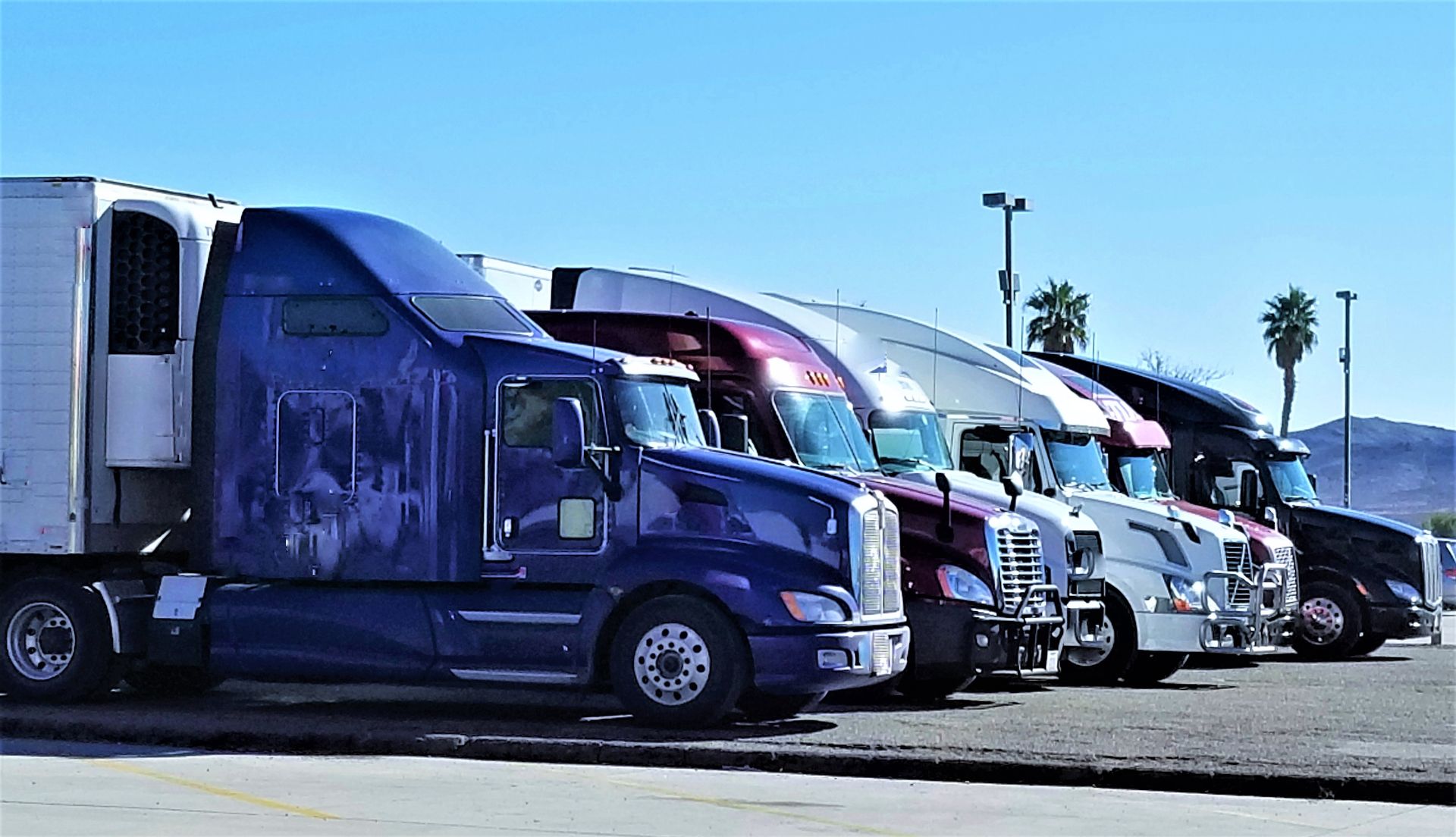
Commercial Auto & Trucking
Protection for your fleet including box trucks, moving vans, and trailers. Covers liability, collision, physical damage, and hired or non-owned vehicles used in your operations.
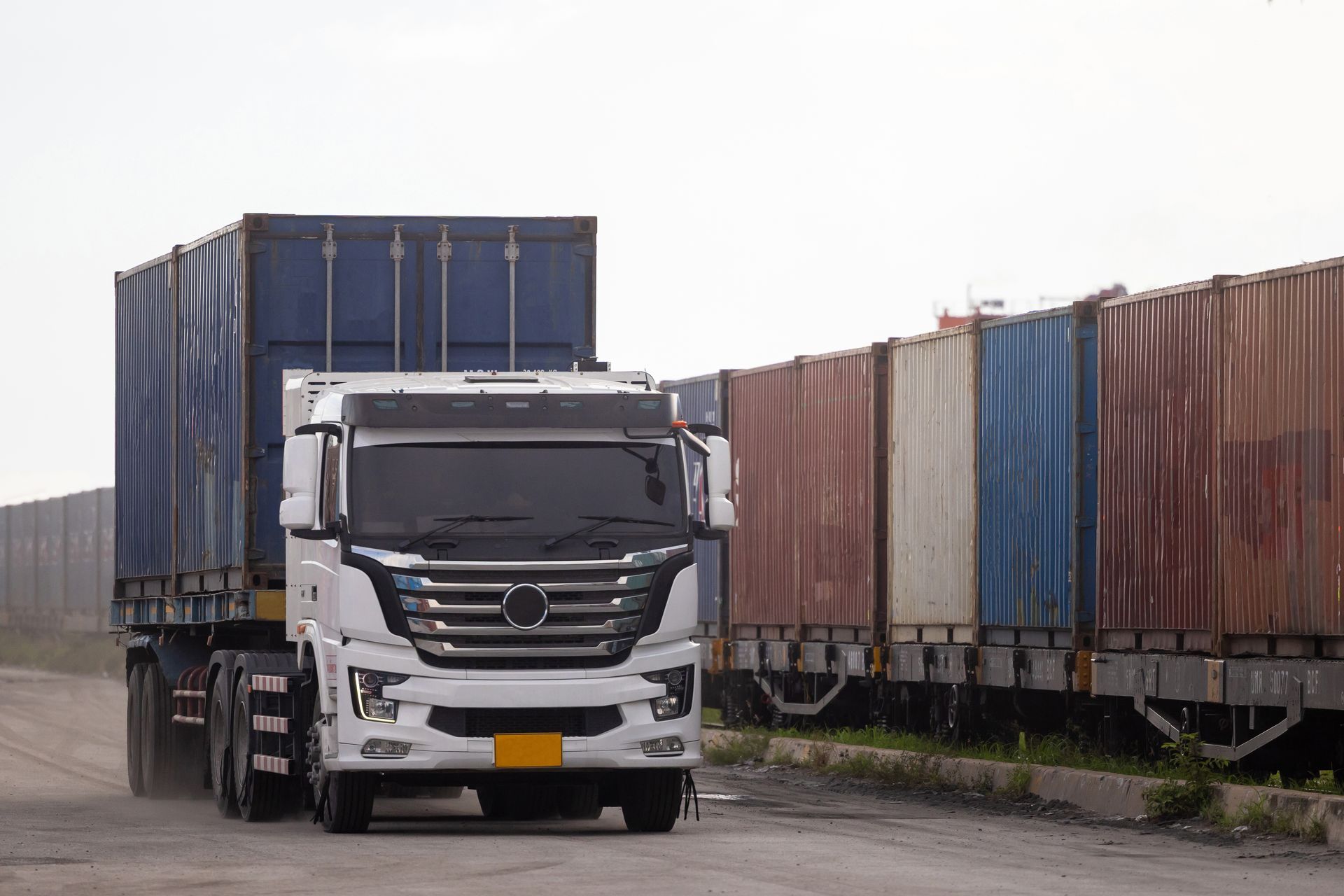
Motor Truck Cargo
Covers household goods and freight during transport from pickup to delivery. Protects against damage, theft, mysterious disappearance, and weather-related losses while cargo is in your care.

General Liability
Protection from third-party claims for bodily injury and property damage at customer homes, job sites, and your own facility. Essential coverage for every transportation operation

Warehouse Legal Liability
Coverage for customer property while stored in your facility. Protects against damage, theft, fire, and water damage to goods in your care, custody, or control.

Workers' Compensation
Medical care and wage replacement for employees injured on the job. Required in most states for transportation and warehouse work where physical labor creates higher injury risk.

Umbrella & Excess Liability
Higher liability limits stacked on top of your primary policies. Helps meet large contract requirements and protects your business assets against major claims and lawsuits.
Specialized Knowledge
Industries We Protect
Focused coverage for transportation and logistics businesses

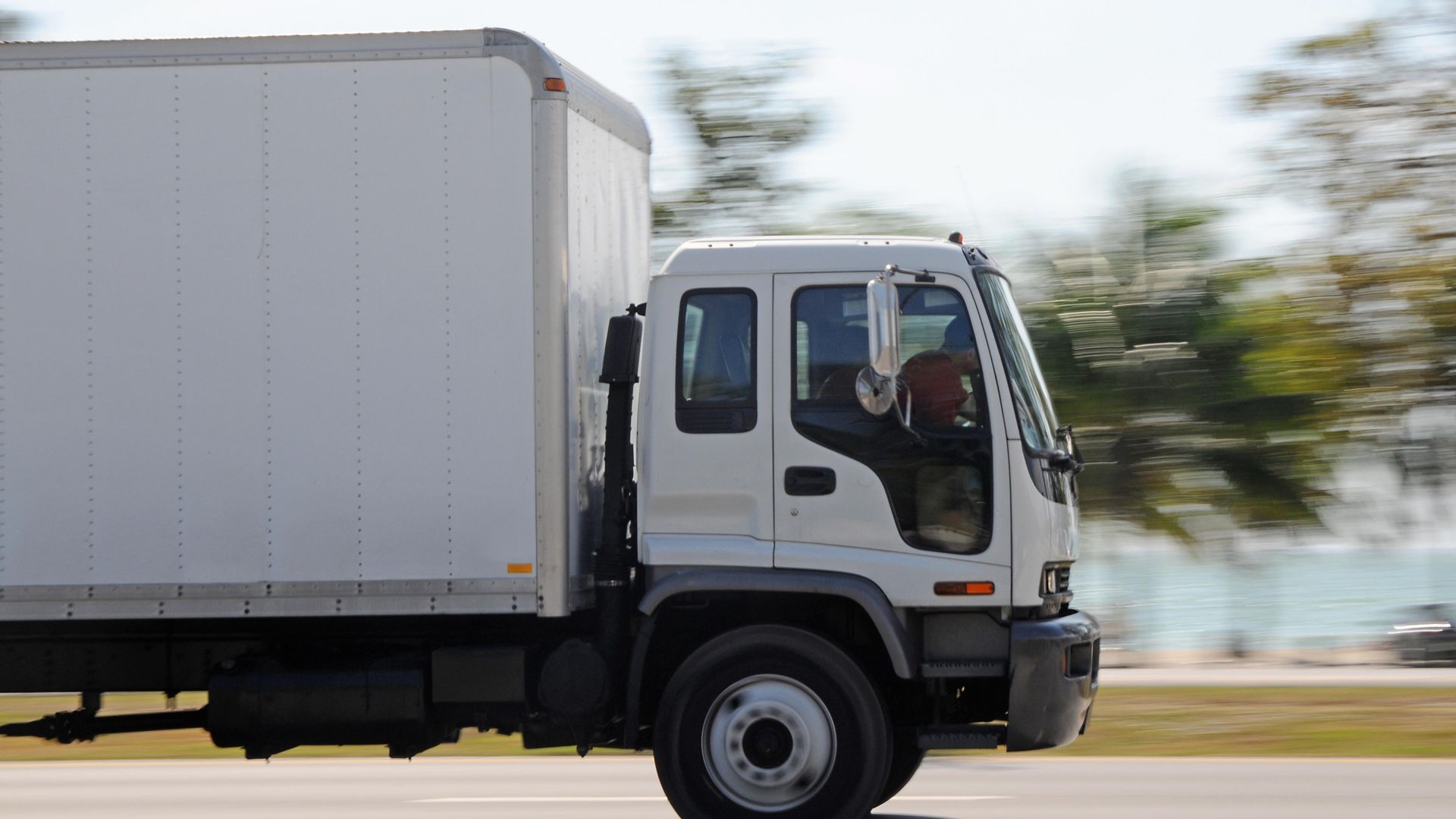

Simple and Clear
How Our Process Works
Our process to get you covered
Connect With Us
Reach out through our form or by phone to share your business needs and current coverage situation.
Get Coverage Options
We review your risks, compare carriers, and present clear quotes with plain-language explanations.
Stay Protected
You choose your plan, and we provide ongoing support for certificates, claims, and renewals.
Trusted by Businesses
Feedback That Reflects Service and Reliability
What our clients say about working with Champion Risk
Answers You Need
Frequently Asked Questions
Common questions about transportation and logistics insurance




What insurance does a transportation company need to operate legally?
Motor carriers that cross state lines must meet FMCSA requirements. You need a minimum of $750,000 in liability coverage, plus a BMC-91 filing that proves your insurance to the federal government. Cargo coverage is also required, with minimums that depend on the type of goods you transport.
Intrastate operators follow state-specific rules. California, Texas, and Florida each have different requirements. Champion Risk handles both federal and state filings. We make sure your coverage meets legal minimums and your certificates reach the right agencies.
How much does commercial transportation insurance cost?
Premiums depend on your fleet size, driving records, cargo values, and claims history. A small operation with two trucks might pay $8,000 to $15,000 per year. A larger carrier with ten trucks could pay $50,000 to $100,000 or more.
The best way to control costs is working with a broker who knows transportation insurance. We find carriers that specialize in your exact operation type. This often results in better rates than going direct or using a general agent who doesn't understand the industry.
What is a BMC-91 filing and why do I need one?
A BMC-91 is a form your insurance company files with the FMCSA. It proves you carry the required liability coverage to operate as a for-hire motor carrier. Without an active BMC-91, your operating authority can be revoked.
Champion Risk works with carriers who file electronically. Your BMC-91 typically posts within 24 to 48 hours of binding coverage. We monitor your filing status and alert you if anything needs attention.
Does my warehouse or storage facility need different insurance than a trucking operation?
Yes. Storage facilities need warehouse legal liability coverage. This protects you when customer property is damaged or stolen while in your care. Standard general liability policies exclude this exposure.
You may also need property coverage for your building, equipment breakdown protection, and business income coverage if a fire or disaster shuts down operations. Champion Risk builds storage facility programs that address all these risks in one package.
Can you insure last-mile delivery drivers who use their own vehicles?
Yes. We offer hired and non-owned auto coverage for delivery operations that use independent contractors or employees driving personal vehicles. This fills gaps that personal auto policies don't cover during commercial use.
We also provide occupational accident coverage for 1099 drivers who aren't eligible for workers' comp. This protects your drivers and limits your liability exposure when accidents happen.
How fast can I get proof of insurance for a new contract?
Same day in most cases. Once we bind your policy, we issue certificates of insurance within hours. If your contract requires specific additional insured language or special endorsements, we coordinate directly with the carrier.
Rush requests happen often in this industry. General contractors and corporate clients demand certificates before they let you on site. Champion Risk prioritizes fast turnaround because we know your revenue depends on it.

Answers You Need
Transportation & Logistics Insurance Resources
Articles designed to inform and support your business
Contact Us
Phone Number:
Email Address:
Location:
12264 El Camino Real, Suite 350
San Diego, CA 92130
Hours:
Monday – Friday: 8:00 AM – 6:00 PM PT