Paterson, New Jersey Transportation & Logistics Insurance
Or Call Us:
(800) 829-0807
Paterson sits at a crossroads that would make any logistics professional's heart race. Route 80, Route 46, and the Garden State Parkway converge here, creating a trucking corridor that moves everything from textiles to food products across the Northeast. The city's industrial heritage runs deep, and today's transportation companies face a unique set of challenges that demand specialized insurance coverage.
Here's what makes Paterson different from running a fleet in, say, rural Pennsylvania: the density. You're dealing with narrow streets in older industrial districts, heavy commuter traffic during rush hours, and loading docks that weren't designed for modern 53-foot trailers. These factors directly impact your risk profile and, consequently, your insurance premiums.
The transportation and logistics sector accounts for nearly 200,000 private sector jobs and $20 billion in GDP in New Jersey. That's not a small industry operating on the margins. It's a major economic engine, and protecting it requires insurance solutions tailored to the specific risks carriers face in Passaic County.
If you're operating commercial vehicles out of Paterson, you're probably already aware that New Jersey recently doubled its liability requirements for heavy trucks. What you might not know is how this change ripples through every aspect of your coverage strategy, from primary auto liability to umbrella policies. Let's break down what you actually need.

By: Mark Raby
Chief Executive Officer at Champion Risk & Insurance Services
Essential Insurance Coverages for Paterson Carriers
Running a trucking or logistics operation without proper coverage is like driving without brakes. You might get away with it for a while, but the eventual crash will be catastrophic. The coverages below aren't optional extras; they're the foundation of a sustainable business.
Primary Auto Liability and Motor Truck Cargo
Auto liability protects you when your driver causes an accident. Motor truck cargo coverage protects the goods you're hauling. Both are non-negotiable for any carrier operating in New Jersey.
New Jersey commercial auto insurance averages $263 per month or $3,155 annually, but that figure can swing dramatically based on your operation type. For-hire trucking rates through major carriers like Progressive ranged from $746 for specialty trucks to $954 for transport trucks monthly in 2024.
Cargo coverage limits depend entirely on what you're hauling. A produce carrier needs different limits than someone moving electronics or hazardous materials. Most Paterson-based carriers should carry at least $100,000 in cargo coverage, though contracts with major shippers often require $250,000 or more.
General Liability and Physical Damage Protection
General liability covers third-party injuries and property damage that occur outside of vehicle operations. Think: someone slips at your terminal, or your forklift damages a customer's loading dock. Physical damage coverage handles repairs to your own equipment after accidents, theft, or weather events.
Champion Risk works with Paterson carriers to structure physical damage coverage that accounts for local conditions. Flood risk along the Passaic River, for instance, isn't something a generic policy always addresses adequately.
Workers' Compensation for NJ Logistics Personnel
New Jersey requires workers' compensation for virtually all employees. Logistics operations face specific risks: back injuries from loading and unloading, repetitive stress injuries, and vehicle accidents that injure drivers. Your workers' comp premiums reflect these exposures.
The classification codes matter here. A dispatcher working in an office carries different rates than a driver handling freight. Getting these classifications right can mean the difference between affordable coverage and premiums that eat your margins.
Understanding New Jersey State and Local Requirements
New Jersey doesn't make insurance compliance simple. The state has its own requirements, federal regulations layer on top for interstate carriers, and local ordinances in Paterson can add further complexity.
NJ-Specific Minimum Liability Limits
The biggest recent change hit on January 1, 2024. Trucks over 26,001 pounds registered or principally garaged in New Jersey now require at least $1,500,000 in liability coverage, doubling the previous level. This applies whether you're running interstate or staying within state lines.
The impact on premiums has been substantial. Semi-truck commercial auto insurance in New Jersey is expected to cost around $22,500 annually due to this mandate. For smaller operations, that increase represents a serious financial burden.
As Joe Schreiner of Reliance Partners noted, "The new $1.5 million liability coverage requirement in New Jersey could potentially run some motor carriers out of business or force them to take on additional risk to finance premiums." He estimates the additional million in coverage could cost 40-60% of primary auto liability limits.
Registration and Filings for Paterson-Based Fleets
Beyond coverage limits, New Jersey requires specific filings. Form E for liability coverage and Form H for cargo insurance must be filed with the state. Interstate carriers need MC authority and USDOT numbers, with corresponding filings to the FMCSA.
Paterson-based carriers should also verify local business license requirements. The city has specific regulations for commercial vehicle operations, and your insurance agent should understand these local requirements when structuring your coverage.

Factors Influencing Transportation Insurance Costs
Your premiums aren't arbitrary numbers pulled from thin air. Underwriters evaluate specific risk factors, and understanding these factors gives you leverage to control costs.
Driver Safety Records and Experience Levels
Nothing impacts your rates more than your drivers' records. A single at-fault accident can increase premiums by 20-40%. DUI convictions often make drivers uninsurable through standard markets entirely.
| Factor | Premium Impact |
|---|---|
| Clean MVR (3+ years) | 15-25% discount |
| At-fault accident | 20-40% increase |
| Moving violations | 10-20% increase |
| Less than 2 years CDL experience | 15-30% surcharge |
| Completed safety training | 5-15% discount |
Experience matters too. Drivers with less than two years of CDL experience represent higher risk, and underwriters price accordingly. Some carriers won't write coverage for operations where most drivers are inexperienced.
The Impact of Local Paterson Traffic and Route Risks
Where you drive affects your rates. Paterson's urban environment creates exposures that rural carriers don't face. Pedestrian density, intersection frequency, and parking challenges all contribute to accident frequency.
Routes through downtown Paterson or along congested corridors like Route 46 carry higher risk than highway-only operations. If your drivers regularly navigate the city's older industrial areas with narrow streets and limited visibility, underwriters factor that into your premium.
Champion Risk helps Paterson carriers document their actual routes and operating patterns. Sometimes, demonstrating that you primarily use highway routes rather than city streets can meaningfully reduce your quoted rates.
The $1.5 million liability requirement isn't going away, but you're not powerless to control costs. Smart operators in Passaic County are using several strategies to keep premiums manageable.
Telematics programs offer the most immediate opportunity. Installing GPS and driver behavior monitoring can qualify you for discounts of 10-15% with many carriers. These systems also help you identify risky driving patterns before they become accidents.
Higher deductibles trade lower premiums for more out-of-pocket exposure on claims. For operations with strong safety records and cash reserves, moving from a $1,000 to a $5,000 deductible can reduce premiums significantly.
Bundling coverages with a single carrier often unlocks multi-policy discounts. Combining auto liability, general liability, cargo, and physical damage coverage through one insurer typically saves 10-20% compared to purchasing separately.
Driver training programs, especially those certified by the state or recognized industry organizations, demonstrate commitment to safety. Document everything: training records, safety meetings, pre-trip inspection logs. This documentation becomes evidence of your risk management practices during underwriting.
Selecting a Local Paterson Insurance Partner
The difference between a generic insurance agent and a specialist who understands transportation and logistics in Paterson is enormous. A generalist might quote you coverage, but they won't catch the gaps that leave you exposed.
Look for an agent who asks detailed questions about your operation: what commodities you haul, which routes you run, how you hire and train drivers, what safety protocols you follow. These questions indicate someone who understands how to match coverage to actual risk.
Champion Risk maintains relationships with multiple carriers that specialize in commercial transportation. This matters because not every insurer will write coverage for every operation. If your primary market declines coverage or quotes an unreasonable rate, having access to alternative markets keeps you on the road.
Response time matters too. When you have a claim or need a certificate of insurance for a new contract, you can't wait three days for a callback. Local presence in the Paterson area means faster service and someone who understands the specific challenges you face.
Frequently Asked Questions
How much does commercial truck insurance cost in New Jersey? Costs range from $250 to $1,340 monthly depending on your operation type, with semi-trucks averaging around $22,500 annually under the new $1.5 million liability requirement.
What is the minimum liability coverage for trucks in New Jersey? Trucks over 26,001 pounds must carry at least $1,500,000 in liability coverage as of January 2024. Lighter commercial vehicles have lower minimums.
Can I reduce my trucking insurance premiums in Paterson? Yes. Telematics programs, higher deductibles, driver training documentation, and bundling coverages can reduce premiums by 15-30% in many cases.
Do I need cargo insurance if I only haul locally? Shipper contracts typically require cargo coverage regardless of distance. Even local operations should carry at least $100,000 in cargo coverage.
How does my driver's record affect my insurance rates?
Driver MVRs are the single biggest factor in premium calculation. Clean records earn discounts; accidents and violations significantly increase costs.
Transportation and logistics insurance in Paterson requires balancing New Jersey's demanding regulatory environment against the practical realities of running a profitable operation. The $1.5 million liability requirement changed the game for heavy truck operators, but carriers who approach coverage strategically can still find affordable protection.
Start by reviewing your current policies against the requirements outlined here. Identify any gaps, particularly around the new liability minimums. Then connect with a specialist who knows the Paterson market and can structure coverage that protects your business without breaking your budget. The right partner makes compliance manageable and keeps your trucks moving.
About the Author:
Mark Raby
I am a seasoned insurance professional with over 30 years of experience in the industry. I lead Champion Risk & Insurance Services, a San Diego-based brokerage with nationwide reach and strong influence in the insurance marketplace. My core competencies include insurance agency M&A deals, captives and alternative risk structures, and commercial property and casualty insurance for clients in the transportation and logistics industries. I am a former president of IIAB San Diego and hold a Bachelor of Science in Finance from Western Michigan University’s Haworth College of Business.
Protection for Transportation Operations
Business Insurance for Transportation & Logistics Companies
Coverage designed specifically for transportation businesses
Commercial Auto & Trucking
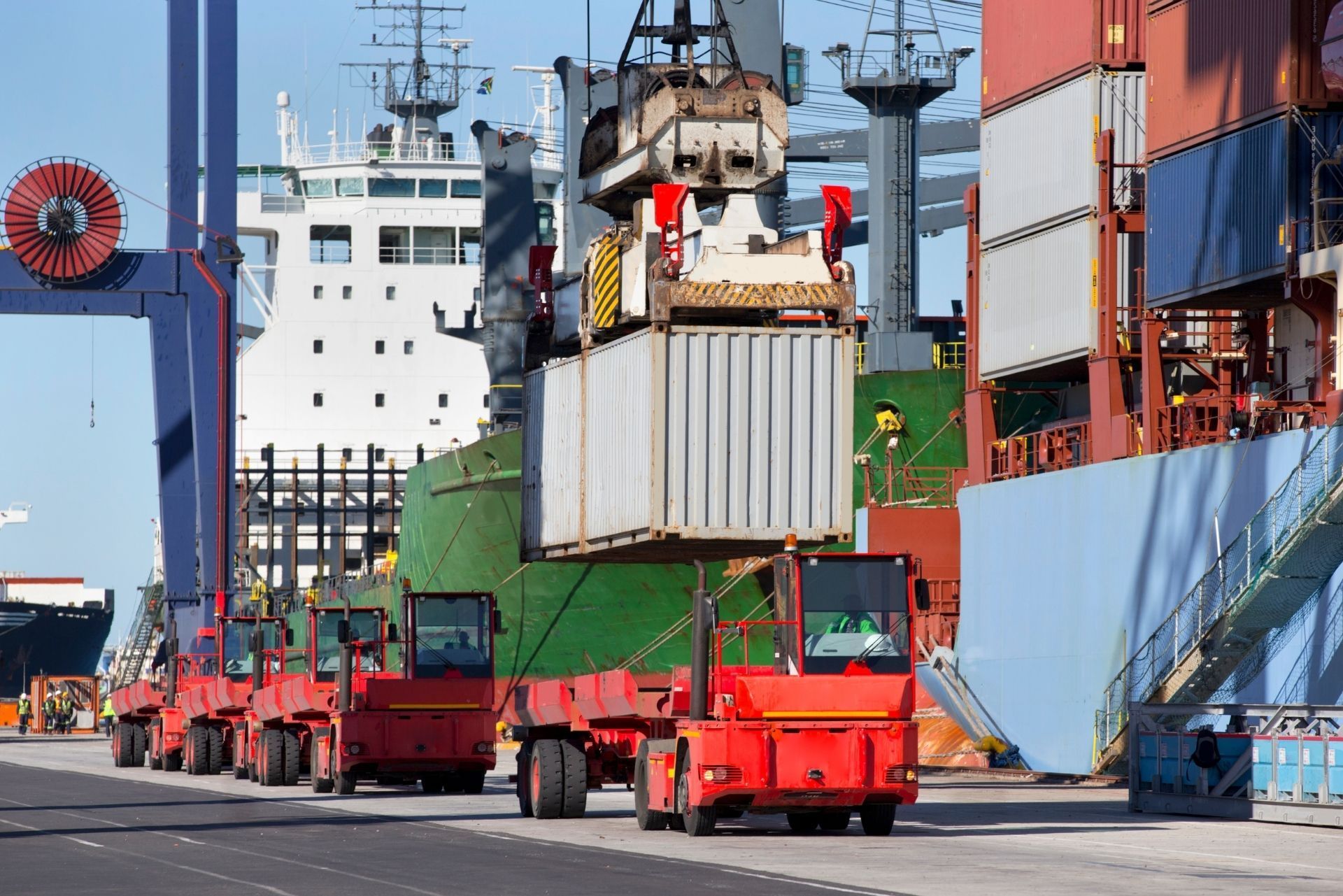
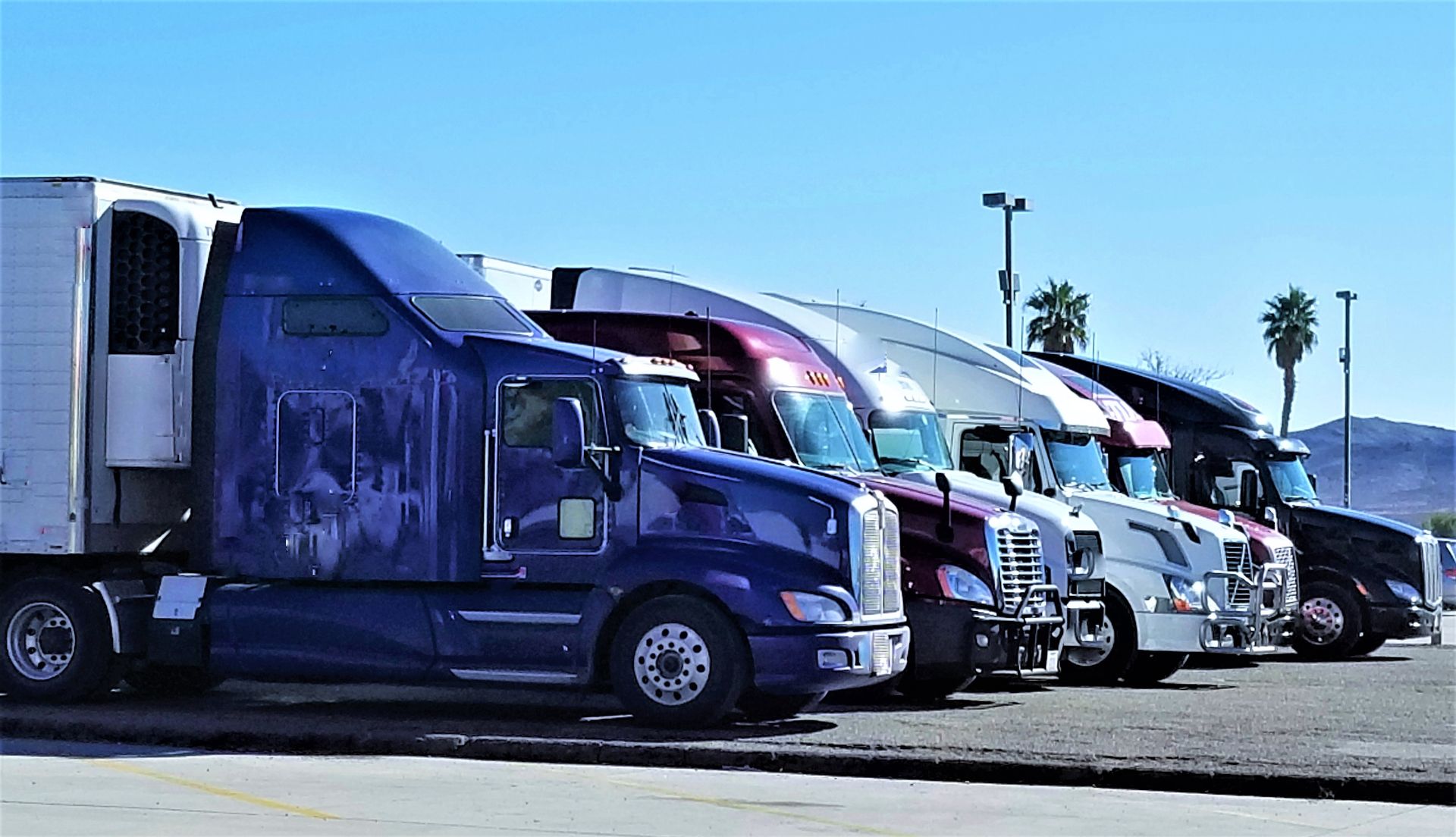
Protection for your fleet including box trucks, moving vans, and trailers. Covers liability, collision, physical damage, and hired or non-owned vehicles used in your operations.
Motor Truck Cargo
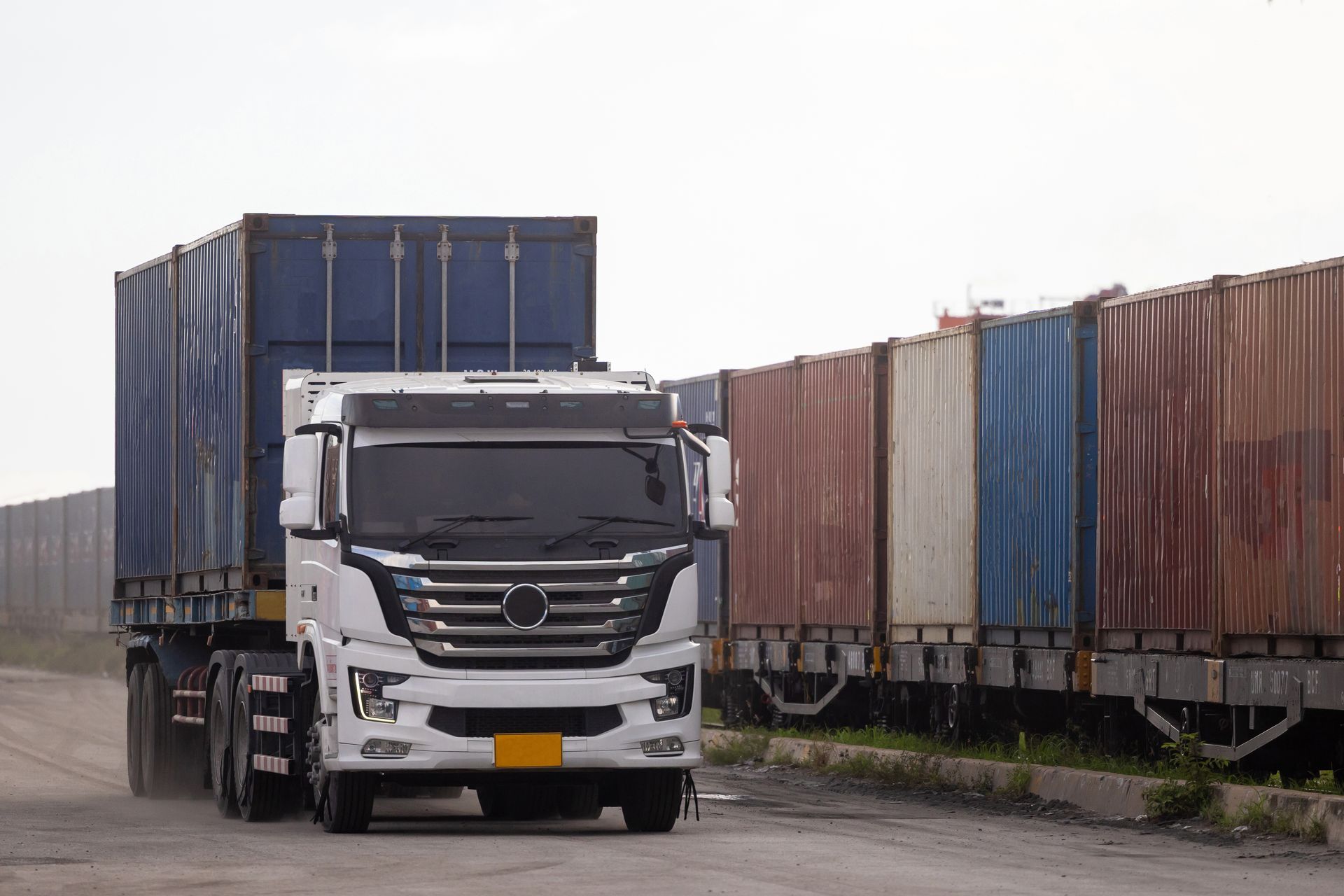
Covers household goods and freight during transport from pickup to delivery. Protects against damage, theft, mysterious disappearance, and weather-related losses while cargo is in your care.

General Liability
Protection from third-party claims for bodily injury and property damage at customer homes, job sites, and your own facility. Essential coverage for every transportation operation

Warehouse Legal Liability
Coverage for customer property while stored in your facility. Protects against damage, theft, fire, and water damage to goods in your care, custody, or control.

Workers' Compensation
Medical care and wage replacement for employees injured on the job. Required in most states for transportation and warehouse work where physical labor creates higher injury risk.

Umbrella & Excess Liability
Higher liability limits stacked on top of your primary policies. Helps meet large contract requirements and protects your business assets against major claims and lawsuits.
Specialized Knowledge
Industries We Protect
Focused coverage for transportation and logistics businesses

Simple and Clear
How Our Process Works
Our process to get you covered
Connect With Us
Reach out through our form or by phone to share your business needs and current coverage situation.
Get Coverage Options
We review your risks, compare carriers, and present clear quotes with plain-language explanations.
Stay Protected
You choose your plan, and we provide ongoing support for certificates, claims, and renewals.
Trusted by Businesses
Feedback That Reflects Service and Reliability
What our clients say about working with Champion Risk
Answers You Need
Frequently Asked Questions
Common questions about transportation and logistics insurance




What insurance does a transportation company need to operate legally?
Motor carriers that cross state lines must meet FMCSA requirements. You need a minimum of $750,000 in liability coverage, plus a BMC-91 filing that proves your insurance to the federal government. Cargo coverage is also required, with minimums that depend on the type of goods you transport.
Intrastate operators follow state-specific rules. California, Texas, and Florida each have different requirements. Champion Risk handles both federal and state filings. We make sure your coverage meets legal minimums and your certificates reach the right agencies.
How much does commercial transportation insurance cost?
Premiums depend on your fleet size, driving records, cargo values, and claims history. A small operation with two trucks might pay $8,000 to $15,000 per year. A larger carrier with ten trucks could pay $50,000 to $100,000 or more.
The best way to control costs is working with a broker who knows transportation insurance. We find carriers that specialize in your exact operation type. This often results in better rates than going direct or using a general agent who doesn't understand the industry.
What is a BMC-91 filing and why do I need one?
A BMC-91 is a form your insurance company files with the FMCSA. It proves you carry the required liability coverage to operate as a for-hire motor carrier. Without an active BMC-91, your operating authority can be revoked.
Champion Risk works with carriers who file electronically. Your BMC-91 typically posts within 24 to 48 hours of binding coverage. We monitor your filing status and alert you if anything needs attention.
Does my warehouse or storage facility need different insurance than a trucking operation?
Yes. Storage facilities need warehouse legal liability coverage. This protects you when customer property is damaged or stolen while in your care. Standard general liability policies exclude this exposure.
You may also need property coverage for your building, equipment breakdown protection, and business income coverage if a fire or disaster shuts down operations. Champion Risk builds storage facility programs that address all these risks in one package.
Can you insure last-mile delivery drivers who use their own vehicles?
Yes. We offer hired and non-owned auto coverage for delivery operations that use independent contractors or employees driving personal vehicles. This fills gaps that personal auto policies don't cover during commercial use.
We also provide occupational accident coverage for 1099 drivers who aren't eligible for workers' comp. This protects your drivers and limits your liability exposure when accidents happen.
How fast can I get proof of insurance for a new contract?
Same day in most cases. Once we bind your policy, we issue certificates of insurance within hours. If your contract requires specific additional insured language or special endorsements, we coordinate directly with the carrier.
Rush requests happen often in this industry. General contractors and corporate clients demand certificates before they let you on site. Champion Risk prioritizes fast turnaround because we know your revenue depends on it.

Answers You Need
Transportation & Logistics Insurance Resources
Articles designed to inform and support your business
Contact Us
Phone Number:
Email Address:
Location:
12264 El Camino Real, Suite 350
San Diego, CA 92130
Hours:
Monday – Friday: 8:00 AM – 6:00 PM PT