Jacksonville, Florida Transportation & Logistics Insurance
Or Call Us:
(800) 829-0807
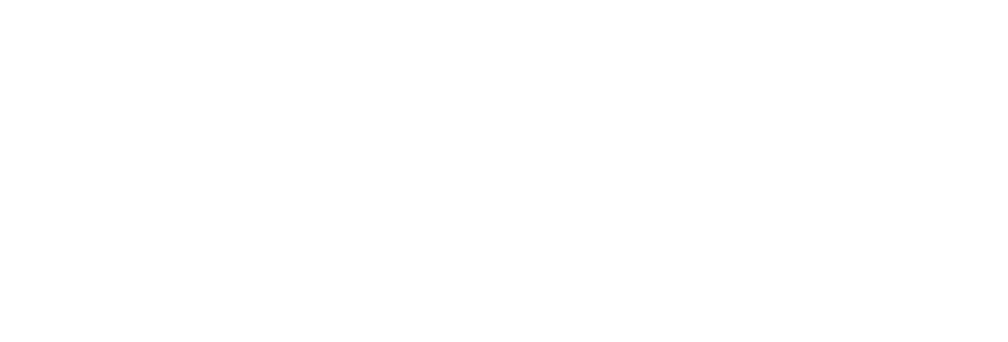
Jacksonville sits at a crossroads that few American cities can match. With JAXPORT handling billions in cargo annually and a highway network connecting the entire Eastern Seaboard, transportation companies here face a unique mix of opportunity and risk. The numbers tell the story: cargo activity through Jacksonville's seaport supported over 228,100 jobs in Florida and generated $44 billion in annual economic output in 2024 alone. That kind of volume means trucks rolling 24/7, warehouses packed with everything from auto parts to frozen goods, and insurance needs that generic policies simply cannot address.
Here's what most articles won't tell you: transportation and logistics insurance in Jacksonville requires understanding both Florida's strict regulatory framework and the specific exposures that come with operating near one of the nation's busiest ports. A trucking company running routes between JAXPORT and Atlanta faces different risks than one hauling construction materials across Duval County. Your insurance program needs to reflect those differences, or you're either overpaying or dangerously underinsured.
The past four years have seen the
transportation and logistics industry create more than 3,500 new jobs and nearly $900 million in private investment in the Jacksonville region. That growth brings competition, and competition brings pressure to cut costs. Insurance often looks like an easy target until a single claim wipes out a year's profits.
The Strategic Role of Jacksonville in Florida's Logistics Landscape
Jacksonville functions as Florida's primary logistics gateway, and that position shapes everything about how transportation companies operate here. The port handles containerized cargo, automobiles, and bulk commodities, creating demand for specialized hauling that extends hundreds of miles inland. Companies serving JAXPORT don't just move goods; they coordinate with customs brokers, maintain strict delivery windows, and navigate security protocols that add complexity to every load.
The city's location at the intersection of I-95 and I-10 makes it a natural distribution hub. Freight moving from the port can reach 60 million consumers within a single day's drive. That accessibility attracts major retailers and manufacturers who need reliable transportation partners, but it also means local carriers compete against national fleets with deeper pockets and more sophisticated risk management programs.
What makes Jacksonville distinct is the diversity of cargo moving through its corridors. One week your trucks might haul refrigerated seafood requiring temperature-controlled trailers and spoilage coverage. The next, you're transporting heavy machinery with entirely different liability exposures. This variability demands insurance programs that flex with your operations rather than forcing you into rigid policy structures.


By: Mark Raby
Chief Executive Officer at Champion Risk & Insurance Services
Essential Insurance Coverages for Jacksonville Transportation Firms
Building the right coverage portfolio starts with understanding what can actually go wrong. Jacksonville's transportation sector faces risks ranging from highway accidents on I-295 to cargo theft in warehouse districts. Each exposure requires specific protection, and gaps between policies can leave you vulnerable.
Commercial Auto and Motor Truck Cargo Liability
Commercial auto insurance forms the foundation of any trucking operation's risk management program. Florida law mandates minimum coverage, but those minimums rarely provide adequate protection for companies hauling valuable freight. A fully loaded truck striking multiple vehicles on the Buckman Bridge could generate claims far exceeding state requirements.
Motor truck cargo liability covers the goods you're hauling when they're damaged, stolen, or destroyed. This coverage matters because your customer's property is in your hands, and standard commercial auto policies exclude cargo claims. The policy limits you need depend on what you typically haul. A company moving electronics needs higher limits than one transporting gravel.
Champion Risk works with Jacksonville carriers to structure cargo coverage that matches actual shipment values rather than arbitrary limits. The difference between adequate coverage and disaster often comes down to understanding what's actually on your trucks.
Warehouse Legal Liability for JAXPORT Operators
Companies operating warehouse facilities near JAXPORT face exposures that trucking-only operations don't encounter. Warehouse legal liability covers damage to customer goods while they're in your care, custody, or control within your facility. This differs from cargo coverage, which applies during transit.
The distinction matters because goods often sit in Jacksonville warehouses for days or weeks awaiting customs clearance or onward transportation. During that time, you're responsible for fire damage, theft, water intrusion, and dozens of other perils. A single sprinkler malfunction can destroy hundreds of thousands in stored inventory.
General Liability and Workers' Compensation
General liability protects against third-party bodily injury and property damage claims unrelated to your vehicles. Someone slips in your office, a forklift damages a customer's loading dock, or a delivery driver injures a warehouse worker at a pickup location. These claims fall outside commercial auto coverage.
Workers' compensation is mandatory in Florida for most employers. The logistics industry carries elevated injury rates due to heavy lifting, equipment operation, and long hours behind the wheel. Claims for back injuries, repetitive stress conditions, and accidents involving forklifts or pallet jacks can escalate quickly without proper coverage and claims management.
Florida State Mandates and Local Regulatory Compliance
Florida's insurance requirements for commercial transportation exceed federal minimums in several important ways. Understanding these mandates prevents compliance failures that can shut down your operations.
Minimum Liability Limits for Florida Intrastate Carriers
For general freight operations, Florida requires commercial trucks to carry a minimum liability insurance of $750,000. This applies to intrastate carriers operating solely within Florida's borders. Companies crossing state lines must meet federal requirements, which vary based on cargo type and vehicle weight.
Beyond liability coverage, Florida mandates $10,000 in Personal Injury Protection and $10,000 in Property Damage Liability for any vehicle with current registration. These requirements apply in addition to, not instead of, commercial trucking minimums. The layered structure catches some new operators off guard.
Hauling hazardous materials triggers significantly higher requirements. Carriers transporting certain dangerous goods need $5 million in coverage, and some materials require even more. The Florida Department of Transportation enforces these requirements through audits and roadside inspections.
JAXPORT Access Requirements and Security Bond Protocols
Operating within JAXPORT facilities requires meeting port-specific insurance and security requirements. The port authority mandates certain coverage types and limits for companies accessing terminal areas. These requirements exist separately from state trucking regulations.
Security bonds may be required for certain operations, particularly those involving customs-bonded warehouses or handling sensitive cargo. The bonding process involves financial review and credit evaluation, adding another layer to your risk management obligations.
Champion Risk helps Jacksonville logistics companies navigate these overlapping requirements, ensuring coverage satisfies both state regulators and port authorities without purchasing redundant policies.
Jacksonville carriers consistently pay more for coverage than national averages suggest. Florida commercial truck insurance premiums typically run 15-30% higher than the national average, reflecting the state's litigation environment, weather exposure, and traffic density.
Impact of Regional Traffic Patterns and Route Risks
Your regular routes directly affect your premiums. Carriers primarily operating on I-95 through downtown Jacksonville face different risk profiles than those running rural routes to distribution centers in Nassau County. Urban congestion increases accident frequency, while highway operations carry higher severity potential.
Insurers analyze specific corridors when pricing policies. The I-295 beltway, with its mix of commercial and commuter traffic, generates significant claim activity. Companies that can demonstrate route optimization and congestion avoidance often qualify for better rates.
Fleet Safety Records and Telematics Integration
Your safety record matters more than almost any other rating factor. Companies with clean CSA scores and minimal claims history access preferred pricing that can save tens of thousands annually. Conversely, a single serious accident can increase premiums for three to five years.
Telematics systems that monitor driver behavior, speed compliance, and hours of service provide insurers with data supporting lower rates. The investment in these systems often pays for itself through premium reductions. Insurers increasingly offer discounts ranging from 5-15% for fleets with active telematics programs and demonstrated safety improvements.
Strategies for Mitigating Costs and Managing Claims
| Strategy | Potential Savings | Implementation Complexity |
|---|---|---|
| Higher deductibles | 10-20% premium reduction | Low |
| Telematics programs | 5-15% discount | Medium |
| Driver training certification | 3-8% discount | Medium |
| Claims-free experience | 15-25% over time | Ongoing |
| Annual policy review | Varies significantly | Low |
Effective cost management starts with understanding what you're actually paying for. Many Jacksonville carriers carry coverage they don't need while lacking protection for their actual exposures. An annual policy review with a knowledgeable broker identifies these mismatches.
Claims management often matters more than premium negotiation. A poorly handled claim that drags on for years costs more in administrative time, legal fees, and experience rating impact than the initial settlement. Establishing relationships with adjusters and maintaining documentation protocols reduces claim duration and cost.
Selecting a Specialized Jacksonville Insurance Partner
Generic insurance agencies struggle with transportation accounts. The coverage combinations, regulatory requirements, and industry-specific exclusions require expertise that general commercial agents rarely possess. You need a partner who understands the difference between motor truck cargo and warehouse legal liability, who can explain JAXPORT access requirements, and who knows which insurers actually pay claims promptly.
Champion Risk specializes in Jacksonville's transportation and logistics sector, bringing relationships with insurers who want this business and understand its complexities. That specialization translates into coverage that actually protects your operations and premiums that reflect your actual risk profile.
Frequently Asked Questions
What's the minimum insurance required to haul freight in Florida? Florida requires $750,000 in liability coverage for general freight carriers, plus $10,000 each in PIP and property damage liability. Hazardous materials require significantly higher limits.
Why is truck insurance more expensive in Florida than other states? Florida's litigation environment, no-fault insurance system, and high traffic density contribute to premiums running 15-30% above national averages.
Do I need separate coverage for goods stored in my warehouse? Yes. Motor truck cargo liability covers goods in transit, while warehouse legal liability covers goods in your facility. These are distinct policies.
How can telematics reduce my insurance costs? Insurers offer 5-15% discounts for fleets using telematics that demonstrate safe driving patterns, speed compliance, and proper hours of service management.
What additional insurance does JAXPORT require for terminal access? Requirements vary by operation type but typically include specific liability limits and may require security bonds for customs-bonded activities.
Making the Right Coverage Decision
The transportation industry in Jacksonville continues expanding, bringing both opportunity and competitive pressure. Getting your insurance program right means understanding local requirements, matching coverage to actual exposures, and working with specialists who know this market. The companies thriving here invest in risk management as a competitive advantage, not just a compliance requirement. Your next step is straightforward: review your current coverage against the requirements and exposures outlined here, then connect with a broker who specializes in Jacksonville logistics operations.
About the Author:
Mark Raby
I am a seasoned insurance professional with over 30 years of experience in the industry. I lead Champion Risk & Insurance Services, a San Diego-based brokerage with nationwide reach and strong influence in the insurance marketplace. My core competencies include insurance agency M&A deals, captives and alternative risk structures, and commercial property and casualty insurance for clients in the transportation and logistics industries. I am a former president of IIAB San Diego and hold a Bachelor of Science in Finance from Western Michigan University’s Haworth College of Business.
Protection for Transportation Operations
Business Insurance for Transportation & Logistics Companies
Coverage designed specifically for transportation businesses
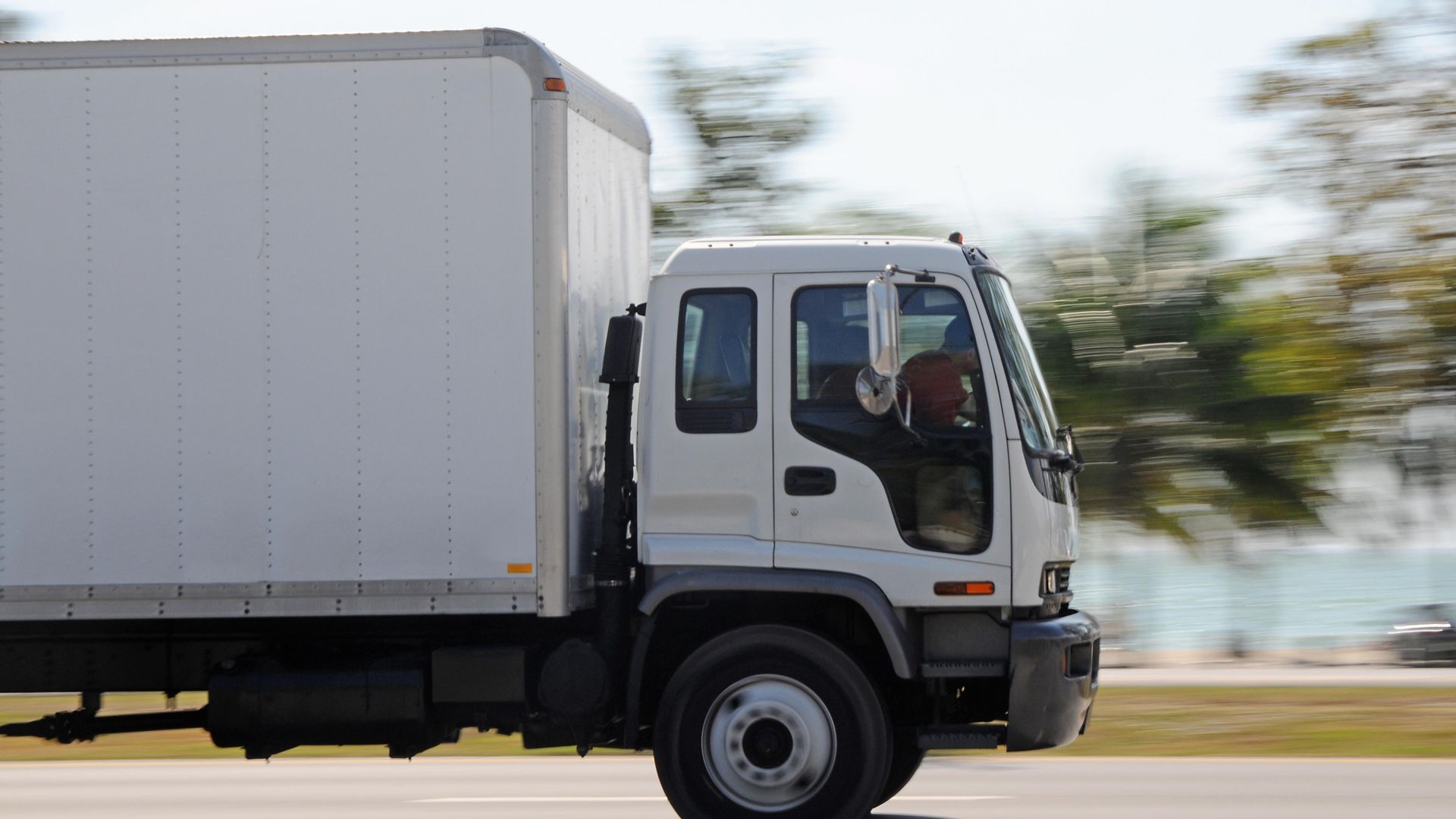
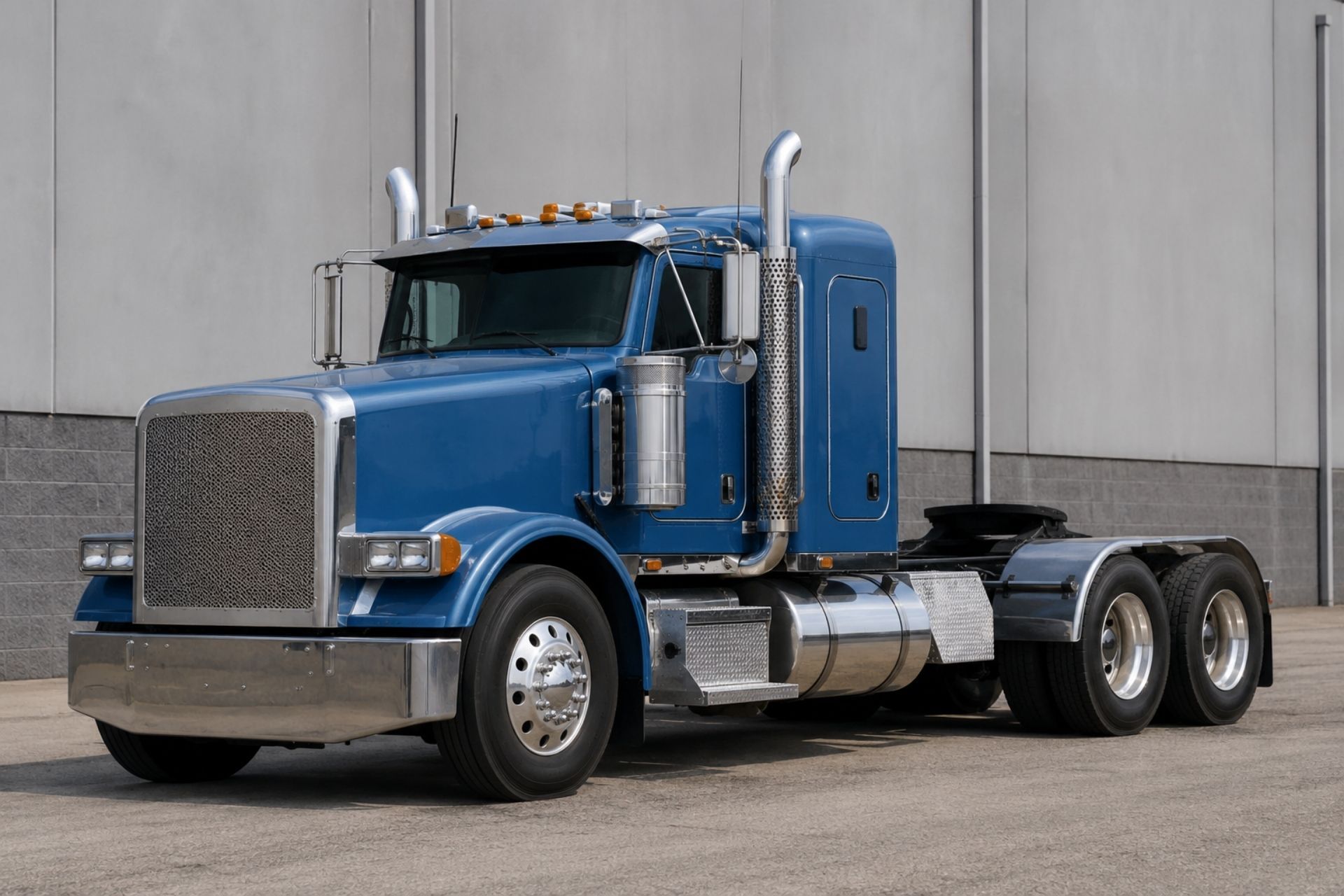
Commercial Auto & Trucking
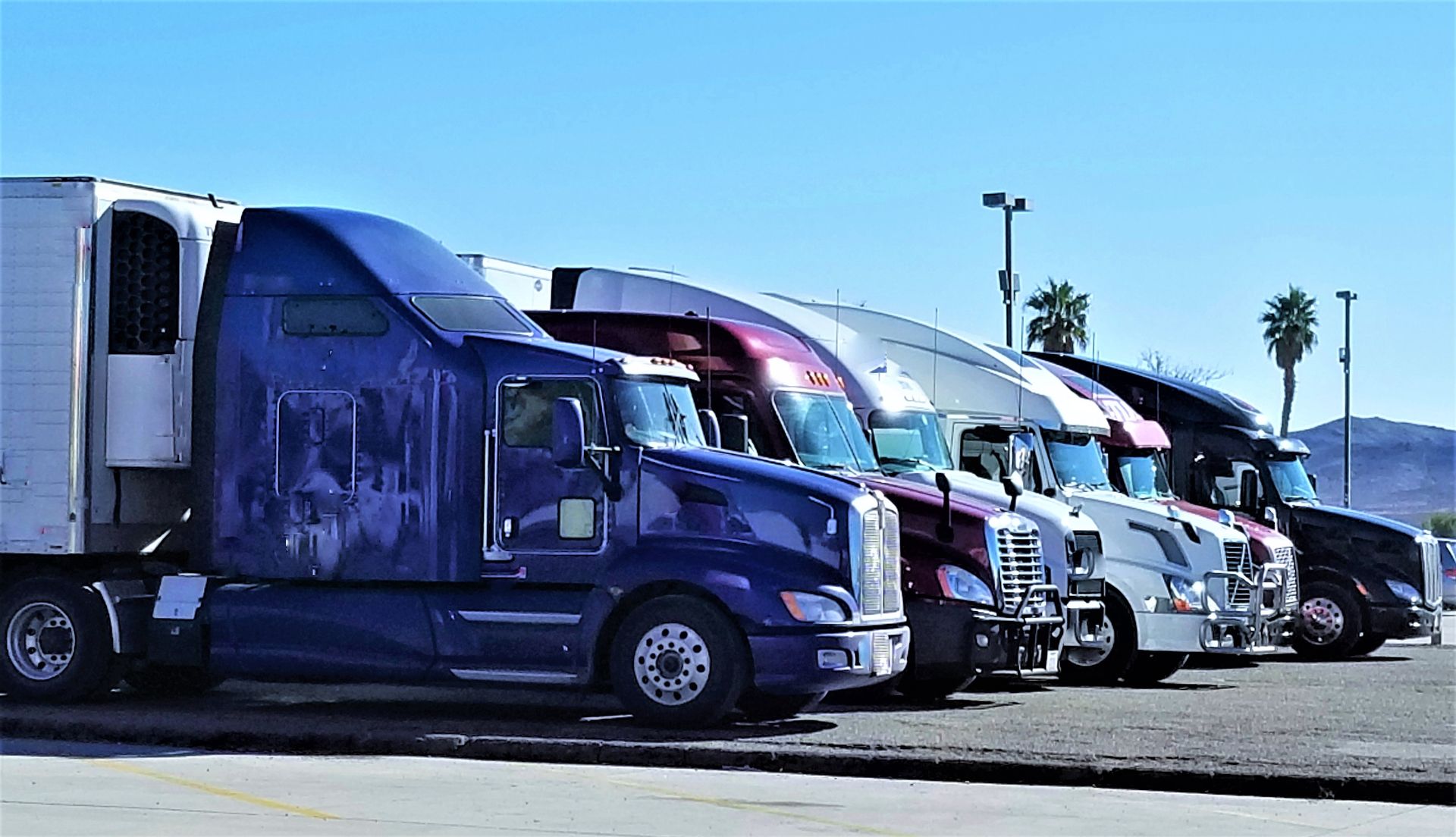
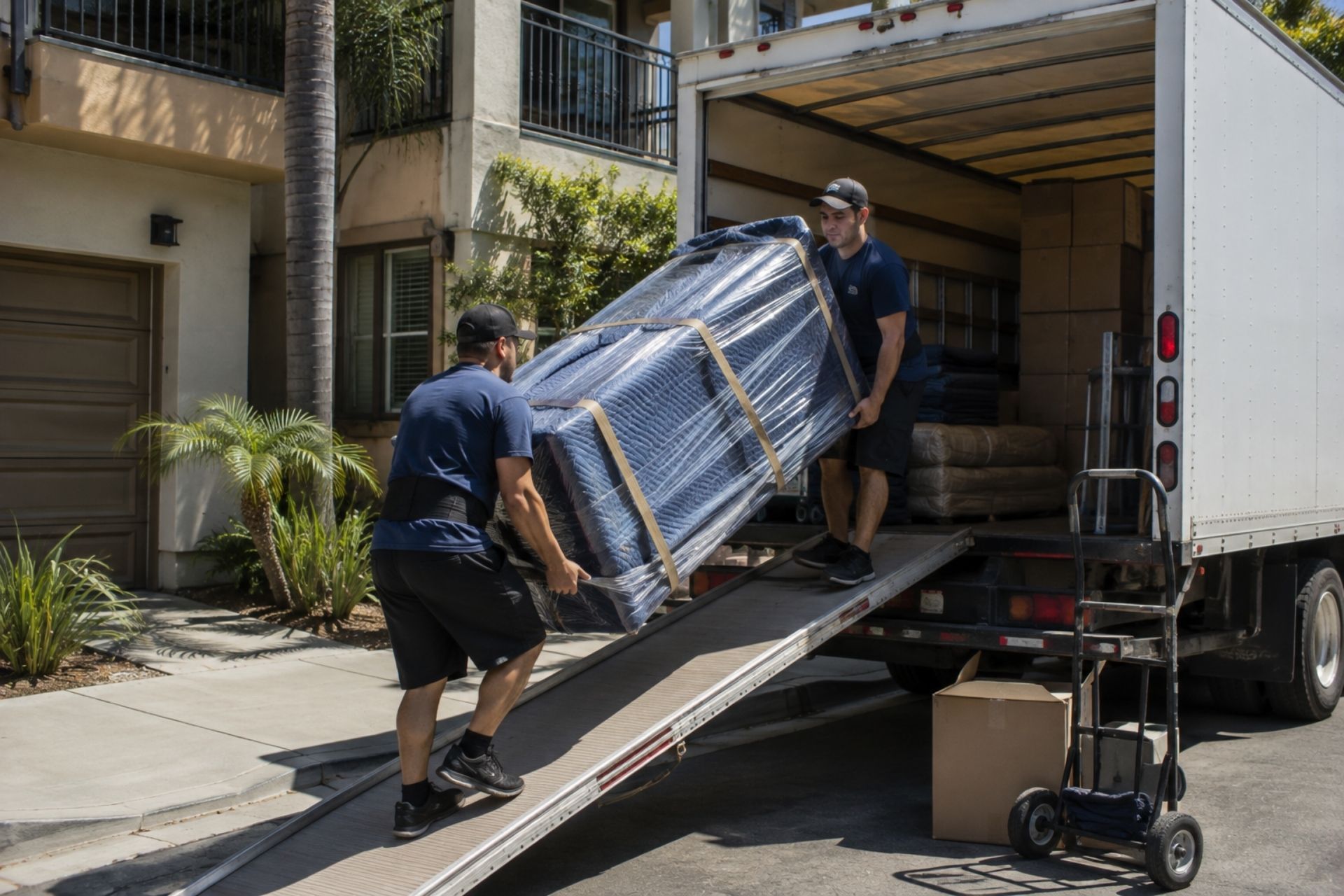
Protection for your fleet including box trucks, moving vans, and trailers. Covers liability, collision, physical damage, and hired or non-owned vehicles used in your operations.
Motor Truck Cargo
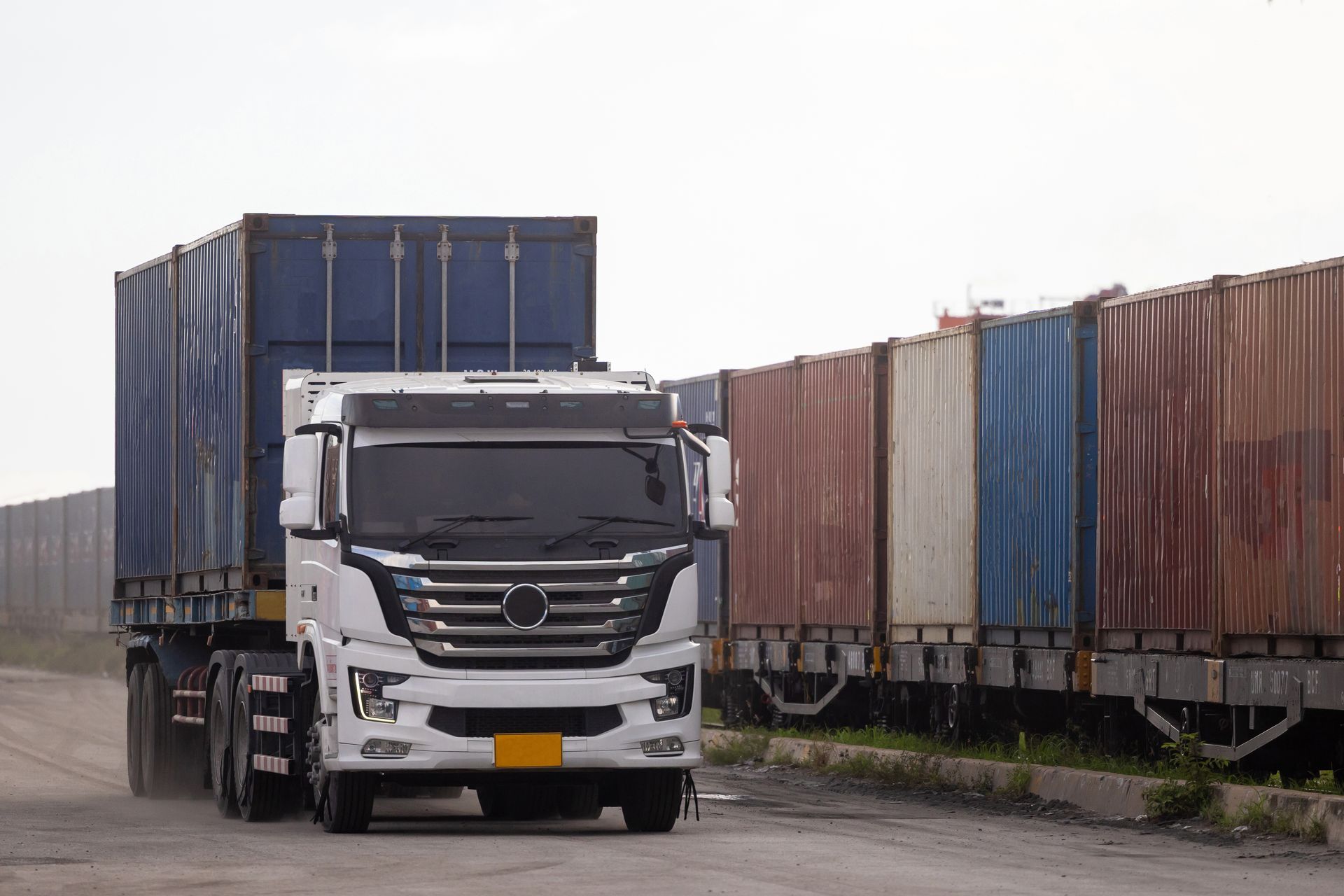
Covers household goods and freight during transport from pickup to delivery. Protects against damage, theft, mysterious disappearance, and weather-related losses while cargo is in your care.

General Liability
Protection from third-party claims for bodily injury and property damage at customer homes, job sites, and your own facility. Essential coverage for every transportation operation

Warehouse Legal Liability
Coverage for customer property while stored in your facility. Protects against damage, theft, fire, and water damage to goods in your care, custody, or control.

Workers' Compensation
Medical care and wage replacement for employees injured on the job. Required in most states for transportation and warehouse work where physical labor creates higher injury risk.

Umbrella & Excess Liability
Higher liability limits stacked on top of your primary policies. Helps meet large contract requirements and protects your business assets against major claims and lawsuits.
Specialized Knowledge
Industries We Protect
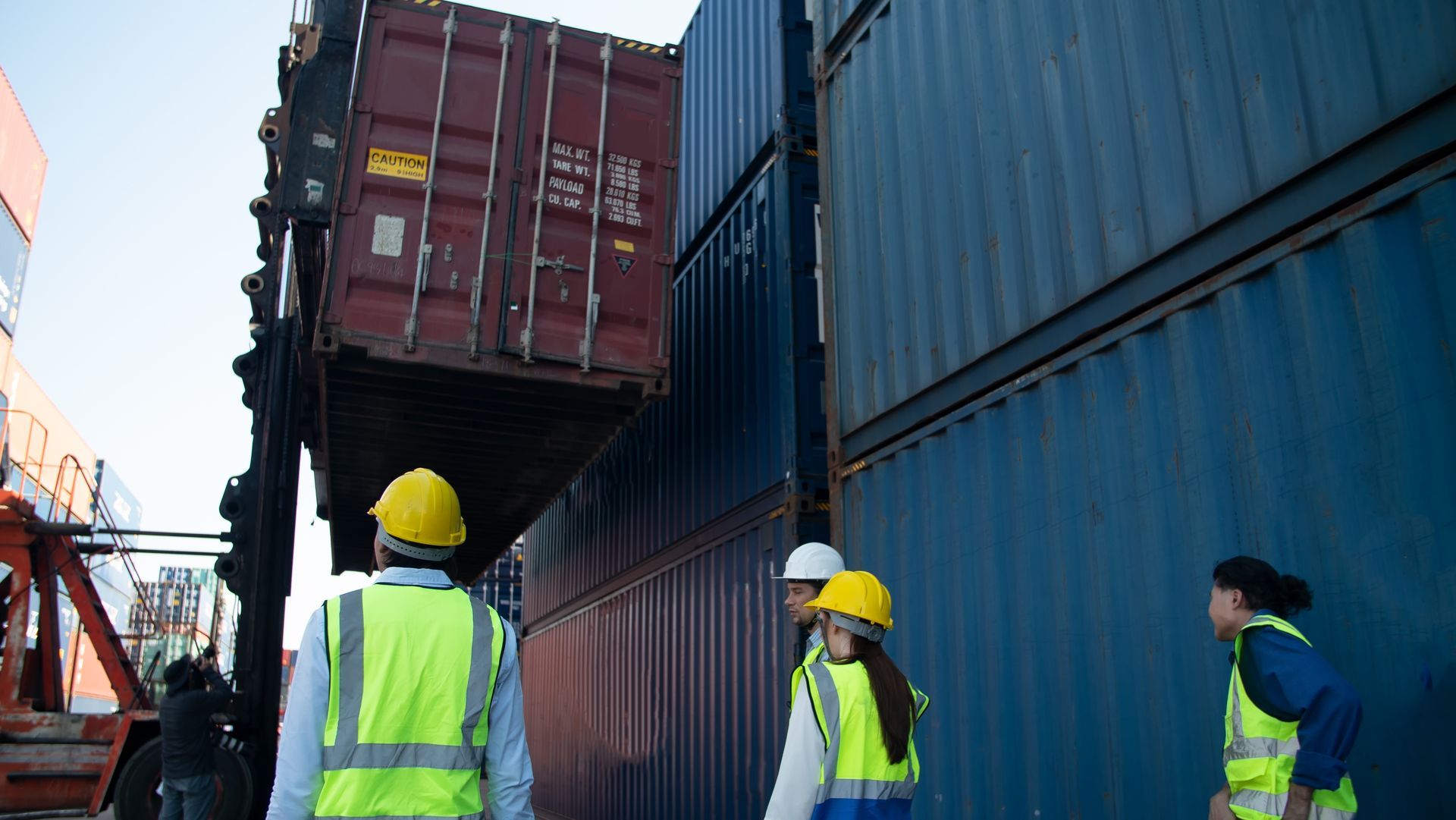
Focused coverage for transportation and logistics businesses


Simple and Clear
How Our Process Works
Our process to get you covered
Connect With Us
Reach out through our form or by phone to share your business needs and current coverage situation.
Get Coverage Options
We review your risks, compare carriers, and present clear quotes with plain-language explanations.
Stay Protected
You choose your plan, and we provide ongoing support for certificates, claims, and renewals.
Trusted by Businesses
Feedback That Reflects Service and Reliability
What our clients say about working with Champion Risk
Answers You Need
Frequently Asked Questions
Common questions about transportation and logistics insurance



What insurance does a transportation company need to operate legally?
Motor carriers that cross state lines must meet FMCSA requirements. You need a minimum of $750,000 in liability coverage, plus a BMC-91 filing that proves your insurance to the federal government. Cargo coverage is also required, with minimums that depend on the type of goods you transport.
Intrastate operators follow state-specific rules. California, Texas, and Florida each have different requirements. Champion Risk handles both federal and state filings. We make sure your coverage meets legal minimums and your certificates reach the right agencies.
How much does commercial transportation insurance cost?
Premiums depend on your fleet size, driving records, cargo values, and claims history. A small operation with two trucks might pay $8,000 to $15,000 per year. A larger carrier with ten trucks could pay $50,000 to $100,000 or more.
The best way to control costs is working with a broker who knows transportation insurance. We find carriers that specialize in your exact operation type. This often results in better rates than going direct or using a general agent who doesn't understand the industry.
What is a BMC-91 filing and why do I need one?
A BMC-91 is a form your insurance company files with the FMCSA. It proves you carry the required liability coverage to operate as a for-hire motor carrier. Without an active BMC-91, your operating authority can be revoked.
Champion Risk works with carriers who file electronically. Your BMC-91 typically posts within 24 to 48 hours of binding coverage. We monitor your filing status and alert you if anything needs attention.
Does my warehouse or storage facility need different insurance than a trucking operation?
Yes. Storage facilities need warehouse legal liability coverage. This protects you when customer property is damaged or stolen while in your care. Standard general liability policies exclude this exposure.
You may also need property coverage for your building, equipment breakdown protection, and business income coverage if a fire or disaster shuts down operations. Champion Risk builds storage facility programs that address all these risks in one package.
Can you insure last-mile delivery drivers who use their own vehicles?
Yes. We offer hired and non-owned auto coverage for delivery operations that use independent contractors or employees driving personal vehicles. This fills gaps that personal auto policies don't cover during commercial use.
We also provide occupational accident coverage for 1099 drivers who aren't eligible for workers' comp. This protects your drivers and limits your liability exposure when accidents happen.
How fast can I get proof of insurance for a new contract?
Same day in most cases. Once we bind your policy, we issue certificates of insurance within hours. If your contract requires specific additional insured language or special endorsements, we coordinate directly with the carrier.
Rush requests happen often in this industry. General contractors and corporate clients demand certificates before they let you on site. Champion Risk prioritizes fast turnaround because we know your revenue depends on it.

Answers You Need
Transportation & Logistics Insurance Resources
Articles designed to inform and support your business
Contact Us
Phone Number:
Email Address:
Location:
12264 El Camino Real, Suite 350
San Diego, CA 92130
Hours:
Monday – Friday: 8:00 AM – 6:00 PM PT