
Rockford sits at a crossroads that most Illinois residents underestimate. With over $2.68 billion in transportation and warehousing revenue generated in 2022 alone, according to Census.gov, this northern Illinois hub moves freight that keeps the Midwest economy running. Yet carriers operating here face a unique insurance landscape shaped by interstate corridor risks, Chicago proximity, and state-specific compliance demands that differ significantly from neighboring states.
The stakes keep rising.
Mordor Intelligence projects Illinois's freight and logistics market will reach $73.06 billion in 2025, and Rockford carriers are positioned to capture significant market share. That growth brings opportunity, but it also attracts underwriter scrutiny. Transportation insurance in this region requires understanding local risk factors, regulatory requirements, and cost drivers that generic national policies simply miss. Whether you're running a three-truck operation or managing a regional fleet, the coverage decisions you make today determine whether a single accident becomes a manageable claim or a business-ending catastrophe.
The Rockford Transportation Landscape and Risk Profile
Strategic Importance of the I-39 and I-90 Corridors
The intersection of I-39 and I-90 near Rockford creates one of the Midwest's most active freight corridors. I-90 connects Chicago to Madison and Minneapolis, while I-39 runs north-south through central Illinois. Carriers based here access major distribution centers within a four-hour drive, including Chicago's intermodal facilities, Milwaukee's port operations, and countless regional warehouses.
This positioning cuts both ways. High traffic volumes mean more exposure to accidents, and the corridor's mix of local commuters and long-haul truckers creates unpredictable driving conditions. Winter weather compounds these risks, with lake-effect snow from Lake Michigan affecting routes more severely than carriers from downstate might expect. The Rockford Chamber notes the metropolitan area serves approximately 338,356 residents, generating consistent local delivery demand alongside through-freight operations.
Logistics Challenges Specific to Northern Illinois
Rockford carriers deal with seasonal variability that southern Illinois operators rarely encounter. Freeze-thaw cycles damage roads and increase cargo shifting incidents. Agricultural loads moving through Winnebago County during harvest season create temporary congestion and scheduling pressures that can push drivers toward hours-of-service violations.
The region's manufacturing base, while smaller than its 1980s peak, still generates specialized freight requiring careful handling. Machine parts, aerospace components, and industrial equipment move through local terminals daily. These high-value loads demand cargo coverage limits that exceed standard policies, and claims adjusters scrutinize every detail when six-figure shipments arrive damaged.


By: Mark Raby
Chief Executive Officer at Champion Risk & Insurance Services
Essential Insurance Coverages for Rockford Carriers
Auto Liability and Physical Damage Protection
Illinois mandates minimum liability coverage of $750,000 for interstate carriers, though most contracts require $1 million or higher. Auto liability protects against third-party bodily injury and property damage claims, which can escalate rapidly in multi-vehicle accidents on I-90.
Physical damage coverage splits into two components: collision and comprehensive. Collision handles accidents regardless of fault, while comprehensive covers theft, vandalism, weather damage, and animal strikes. Deer collisions spike during fall months in Winnebago County, and comprehensive claims reflect this pattern. Champion Risk typically recommends reviewing physical damage limits annually, as truck values fluctuate with market conditions and depreciation schedules.
Motor Truck Cargo and Inland Marine Insurance
Cargo insurance protects the freight you haul, not your equipment. Standard policies cover loss or damage from accidents, theft, and certain weather events. However, exclusions matter enormously. Spoilage coverage for refrigerated loads, mechanical breakdown of reefer units, and shipper-loaded cargo all require careful policy review.
Amwins reports that underwriters are "expressing uneasiness over loss results in Illinois, particularly in the Auto Physical Damage and Motor Truck Cargo classes." This caution translates to stricter underwriting requirements and higher premiums for carriers with claims history.
General Liability and Brokerage Bonds
General liability covers premises accidents, advertising injury, and completed operations claims. If a driver damages a loading dock or a customer slips at your terminal, this policy responds. Freight brokers need surety bonds of at least $75,000 under federal requirements, and many shippers demand higher bonding levels before tendering loads.
Illinois Regulatory Compliance and Local Mandates
Illinois Department of Transportation (IDOT) Filings
IDOT requires carriers to maintain proof of insurance on file, with specific filing requirements varying by operation type. Intrastate carriers face different documentation than those operating under federal authority. Missing filings can result in operating authority suspension, which creates immediate cash flow problems when trucks sit idle.
Certificate management becomes critical when serving multiple shippers. Each customer may require certificate holders with specific coverage verification, additional insured endorsements, and waiver of subrogation language. Champion Risk handles these requests regularly, understanding that a 24-hour certificate turnaround can mean the difference between landing a contract and losing it to a competitor.
Workers' Compensation Requirements for Illinois Drivers
Illinois requires workers' compensation coverage for nearly all employees, including drivers. The state uses a monopolistic system for certain benefits, and rates vary by classification code. Long-haul drivers carry different risk profiles than local delivery personnel, and misclassification triggers audit penalties.
Owner-operators present particular complexity. Independent contractors don't require workers' comp coverage from the carrier, but misclassification as independent contractors when drivers function as employees creates significant liability exposure. Recent enforcement actions have targeted motor carriers with aggressive reclassification claims.

Factors Influencing Transportation Insurance Costs in Winnebago County
Impact of Fleet Safety Records and CSA Scores
CSA scores directly affect premium calculations. Carriers with Unsafe Driving or Hours-of-Service violations pay substantially more than those maintaining clean records. The BASICs categories that matter most to underwriters include Unsafe Driving, Crash Indicator, and Driver Fitness.
My Safety Manager reports that umbrella and excess liability rates for trucking fleets spiked by 18% recently. Carriers with marginal safety scores face even steeper increases, and some find coverage unavailable in the standard market entirely.
| Coverage Type | Clean Safety Record | Moderate Violations | Poor CSA Scores |
|---|---|---|---|
| Primary Liability | Standard rates | 15-25% surcharge | 40%+ or declined |
| Excess/Umbrella | Readily available | Limited markets | Surplus lines only |
| Cargo | Standard terms | Higher deductibles | Restricted commodities |
Route Risks: Urban Chicago vs. Regional Rockford Hauling
Carriers running primarily into Chicago face different risk profiles than those serving regional Rockford accounts. Chicago's congestion, aggressive driving patterns, and higher theft rates all factor into underwriting decisions. A fleet operating 80% of its miles in metropolitan Chicago will pay more than one covering the same annual mileage across rural northern Illinois routes.
Insurance Business Mag notes that Illinois's surplus lines market surpassed $4.4 billion in premiums in 2024. Much of this volume comes from transportation risks that standard carriers won't touch, including new ventures, high-hazard commodities, and operators with claims history.
Implementing Telematics and In-Cab Technologies
Telematics systems that track speed, braking, and hours-of-service compliance provide concrete data for underwriting discussions. Carriers showing consistent safe driving patterns can negotiate better rates at renewal. Dashcams serve a different purpose: protecting against fraudulent claims and providing evidence in disputed accidents.
The investment typically pays for itself within 18 months through premium reductions and avoided claims. Champion Risk works with several telematics providers and can recommend systems that generate reports formatted for insurance applications.
Selecting the Right Deductible and Coverage Limits
Higher deductibles reduce premiums but increase out-of-pocket exposure. The calculation depends on cash reserves and claims frequency. A carrier with strong cash flow and rare claims might benefit from a $10,000 deductible, while one operating on thin margins needs lower deductibles despite the premium cost.
Coverage limits require similar analysis. The minimum $750,000 liability coverage satisfies regulations but leaves carriers personally exposed in catastrophic accidents. Most experienced operators carry $1 million primary liability plus umbrella coverage, recognizing that a single fatality claim can exceed minimums quickly.
Frequently Asked Questions
What's the minimum insurance required for trucking in Illinois? Interstate carriers need $750,000 liability minimum, though most shippers require $1 million. Hazmat haulers face higher requirements based on cargo type.
How much does commercial truck insurance cost in Rockford? Annual premiums range from $8,000 to $15,000 per truck for established carriers with clean records. New ventures and those with violations pay significantly more.
Does my cargo insurance cover refrigerated loads? Standard cargo policies often exclude spoilage or reefer breakdown. You'll need specific endorsements for temperature-sensitive freight.
How do CSA scores affect my insurance rates? Poor scores in Unsafe Driving or Crash Indicator categories can increase premiums 25-40% or make coverage unavailable in standard markets.
Can I get insurance with a new operating authority? Yes, though options are limited and premiums run higher. Most carriers see rate reductions after 12-24 months of clean operation.
Making the Right Coverage Decision
Transportation insurance in Rockford demands attention to local factors that national brokers often overlook. The I-39/I-90 corridor risks, Illinois-specific compliance requirements, and Winnebago County's seasonal challenges all shape the coverage decisions that protect your operation.
Start by reviewing your current policies against actual exposure. Are cargo limits adequate for your highest-value loads? Does your liability coverage satisfy shipper requirements? Have CSA scores changed since your last renewal? These questions matter more than chasing the lowest premium quote. Champion Risk specializes in transportation coverage for northern Illinois carriers and can provide policy reviews that identify gaps before they become claims. Reach out to discuss your specific operation and build coverage that actually protects your business.
About the Author:
Mark Raby
I am a seasoned insurance professional with over 30 years of experience in the industry. I lead Champion Risk & Insurance Services, a San Diego-based brokerage with nationwide reach and strong influence in the insurance marketplace. My core competencies include insurance agency M&A deals, captives and alternative risk structures, and commercial property and casualty insurance for clients in the transportation and logistics industries. I am a former president of IIAB San Diego and hold a Bachelor of Science in Finance from Western Michigan University’s Haworth College of Business.
Protection for Transportation Operations
Business Insurance for Transportation & Logistics Companies
Coverage designed specifically for transportation businesses
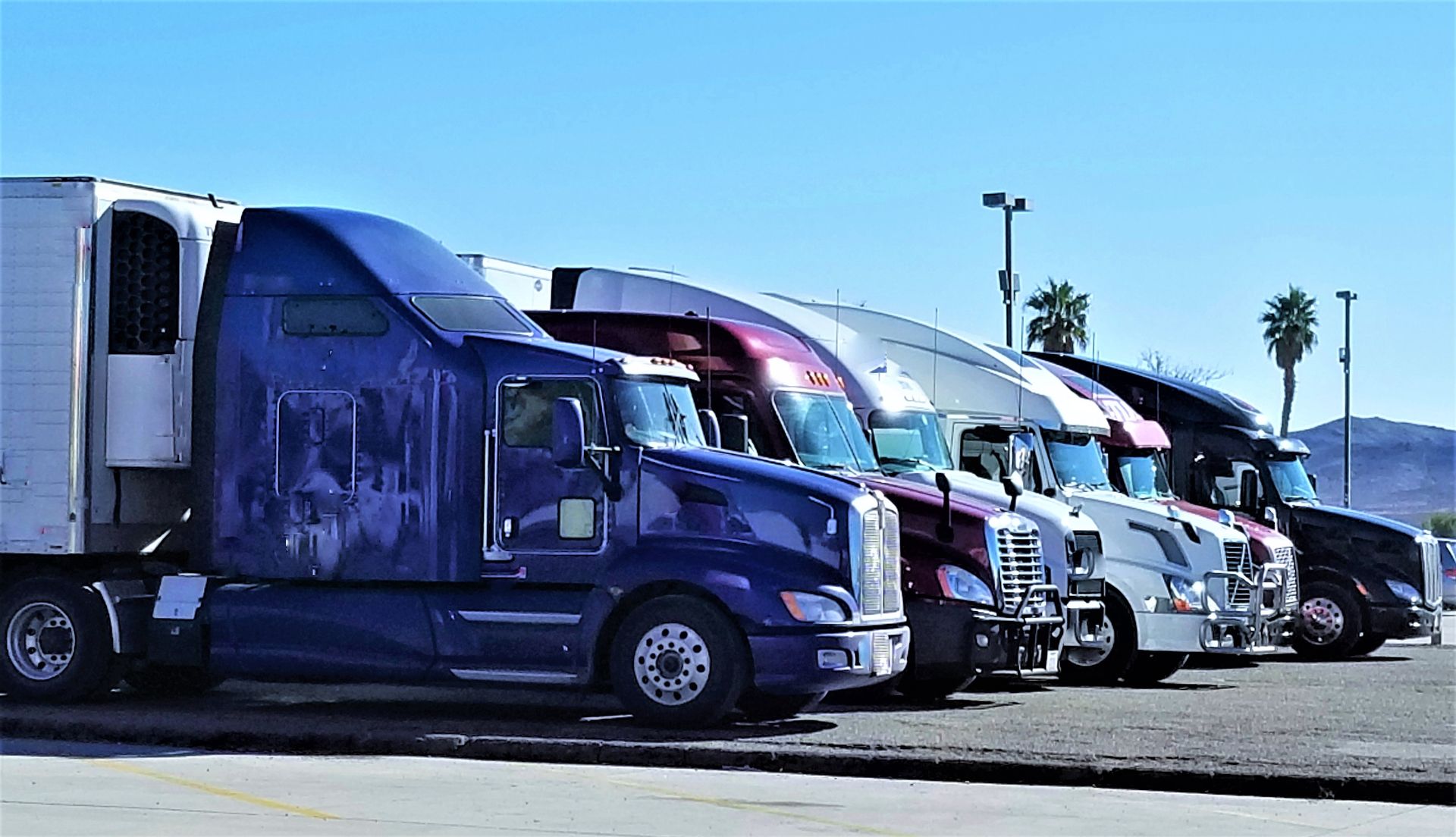
Commercial Auto & Trucking
Protection for your fleet including box trucks, moving vans, and trailers. Covers liability, collision, physical damage, and hired or non-owned vehicles used in your operations.
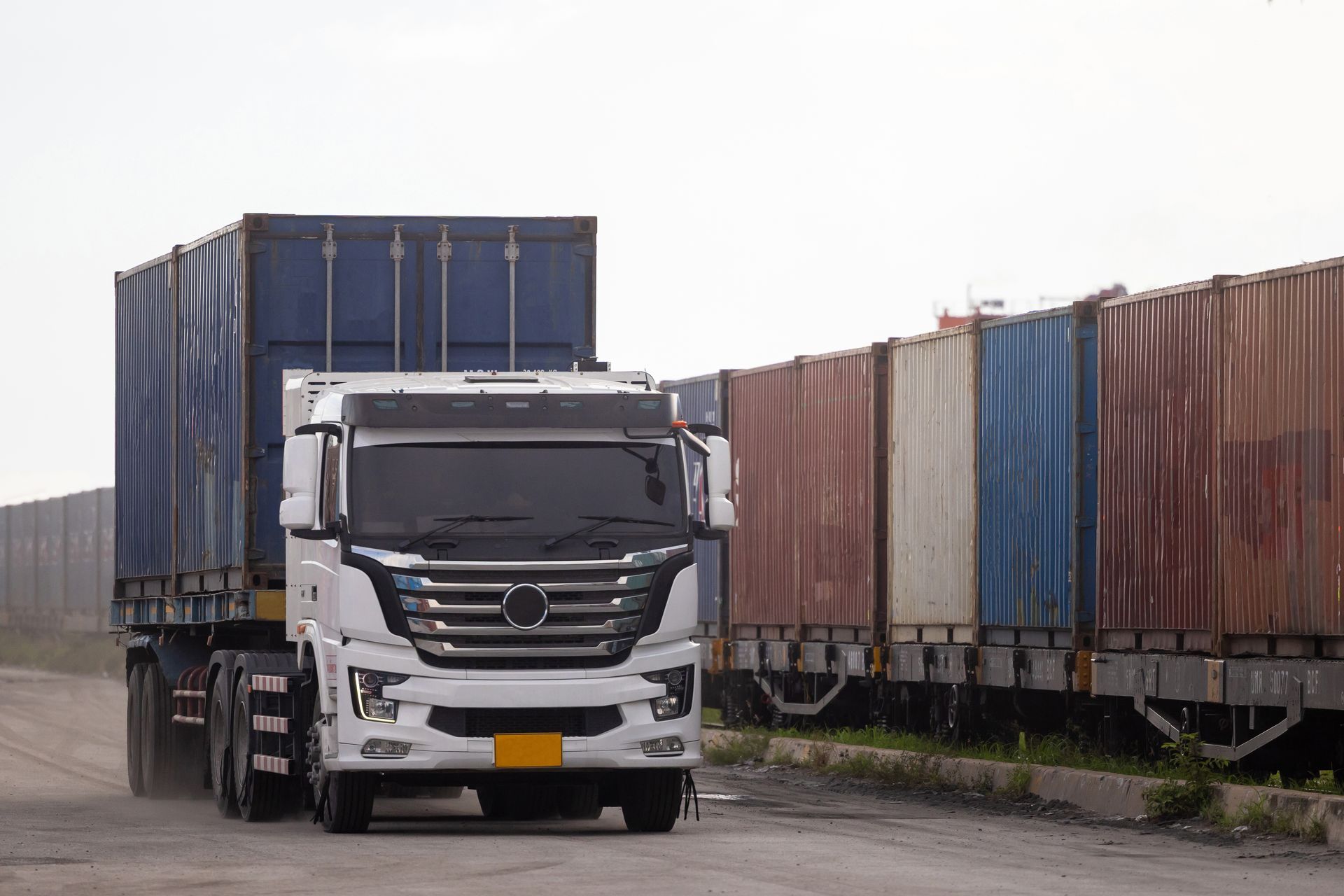
Motor Truck Cargo
Covers household goods and freight during transport from pickup to delivery. Protects against damage, theft, mysterious disappearance, and weather-related losses while cargo is in your care.

General Liability
Protection from third-party claims for bodily injury and property damage at customer homes, job sites, and your own facility. Essential coverage for every transportation operation

Warehouse Legal Liability
Coverage for customer property while stored in your facility. Protects against damage, theft, fire, and water damage to goods in your care, custody, or control.

Workers' Compensation
Medical care and wage replacement for employees injured on the job. Required in most states for transportation and warehouse work where physical labor creates higher injury risk.

Umbrella & Excess Liability
Higher liability limits stacked on top of your primary policies. Helps meet large contract requirements and protects your business assets against major claims and lawsuits.
Specialized Knowledge
Industries We Protect
Focused coverage for transportation and logistics businesses


Simple and Clear
How Our Process Works
Our process to get you covered
Connect With Us
Reach out through our form or by phone to share your business needs and current coverage situation.
Get Coverage Options
We review your risks, compare carriers, and present clear quotes with plain-language explanations.
Stay Protected
You choose your plan, and we provide ongoing support for certificates, claims, and renewals.
Trusted by Businesses
Feedback That Reflects Service and Reliability
What our clients say about working with Champion Risk
Answers You Need
Frequently Asked Questions
Common questions about transportation and logistics insurance




What insurance does a transportation company need to operate legally?
Motor carriers that cross state lines must meet FMCSA requirements. You need a minimum of $750,000 in liability coverage, plus a BMC-91 filing that proves your insurance to the federal government. Cargo coverage is also required, with minimums that depend on the type of goods you transport.
Intrastate operators follow state-specific rules. California, Texas, and Florida each have different requirements. Champion Risk handles both federal and state filings. We make sure your coverage meets legal minimums and your certificates reach the right agencies.
How much does commercial transportation insurance cost?
Premiums depend on your fleet size, driving records, cargo values, and claims history. A small operation with two trucks might pay $8,000 to $15,000 per year. A larger carrier with ten trucks could pay $50,000 to $100,000 or more.
The best way to control costs is working with a broker who knows transportation insurance. We find carriers that specialize in your exact operation type. This often results in better rates than going direct or using a general agent who doesn't understand the industry.
What is a BMC-91 filing and why do I need one?
A BMC-91 is a form your insurance company files with the FMCSA. It proves you carry the required liability coverage to operate as a for-hire motor carrier. Without an active BMC-91, your operating authority can be revoked.
Champion Risk works with carriers who file electronically. Your BMC-91 typically posts within 24 to 48 hours of binding coverage. We monitor your filing status and alert you if anything needs attention.
Does my warehouse or storage facility need different insurance than a trucking operation?
Yes. Storage facilities need warehouse legal liability coverage. This protects you when customer property is damaged or stolen while in your care. Standard general liability policies exclude this exposure.
You may also need property coverage for your building, equipment breakdown protection, and business income coverage if a fire or disaster shuts down operations. Champion Risk builds storage facility programs that address all these risks in one package.
Can you insure last-mile delivery drivers who use their own vehicles?
Yes. We offer hired and non-owned auto coverage for delivery operations that use independent contractors or employees driving personal vehicles. This fills gaps that personal auto policies don't cover during commercial use.
We also provide occupational accident coverage for 1099 drivers who aren't eligible for workers' comp. This protects your drivers and limits your liability exposure when accidents happen.
How fast can I get proof of insurance for a new contract?
Same day in most cases. Once we bind your policy, we issue certificates of insurance within hours. If your contract requires specific additional insured language or special endorsements, we coordinate directly with the carrier.
Rush requests happen often in this industry. General contractors and corporate clients demand certificates before they let you on site. Champion Risk prioritizes fast turnaround because we know your revenue depends on it.

Answers You Need
Transportation & Logistics Insurance Resources
Articles designed to inform and support your business
Contact Us
Phone Number:
Email Address:
Location:
12264 El Camino Real, Suite 350
San Diego, CA 92130
Hours:
Monday – Friday: 8:00 AM – 6:00 PM PT