Physical Damage Insurance for Transportation & Logistics Company
Or Call Us:
(800) 829-0807
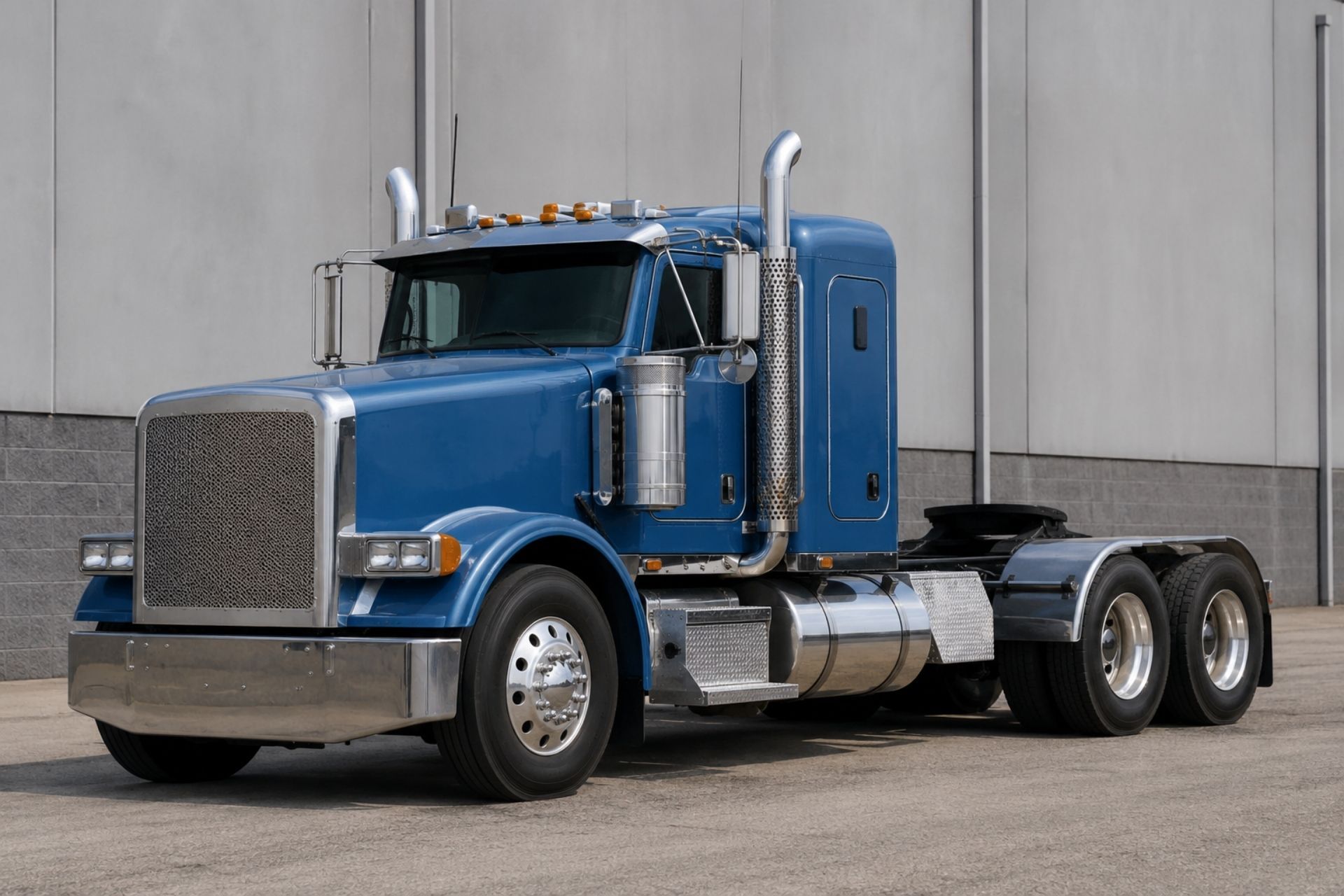
A single accident can sideline a $180,000 tractor for months. A hailstorm can damage an entire fleet overnight. A fire at your yard can turn twenty trailers into scrap metal before sunrise. These aren't hypothetical scenarios: they're the realities that transportation and logistics companies face every year, and they're exactly why physical damage insurance exists.
The stakes keep climbing. According to Risk Strategies, physical damage premiums have seen escalations of 18% to 25% in recent years, reflecting both rising equipment values and increased claims frequency. Meanwhile, the broader cargo transportation insurance market is projected to grow from $59.31 billion in 2025 to $86.96 billion by 2033, per SkyQuestt. This growth signals something important: more companies are recognizing that protecting their rolling assets isn't optional.
Physical damage coverage for
transportation and logistics operations differs substantially from standard auto policies. Your equipment operates under harsher conditions, travels greater distances, and represents significantly higher values than passenger vehicles. Understanding what you're buying, what it costs, and what underwriters require can mean the difference between a minor setback and a business-ending loss.
Understanding Physical Damage Insurance for Fleet Assets
Physical damage insurance protects your trucks, trailers, and specialized equipment against direct physical loss or damage. Unlike liability coverage, which pays for damage you cause to others, physical damage coverage repairs or replaces your own assets. Most policies split this protection into distinct categories.
Collision Coverage for Accidental Impact
Collision coverage pays when your vehicle strikes another object or overturns. This includes accidents with other vehicles, hitting a guardrail, jackknifing, or rolling over on an icy mountain pass. The coverage applies regardless of fault, meaning you're protected even when your driver causes the accident.
For fleets running high-value equipment, collision coverage typically represents the largest portion of physical damage premiums. A loaded combination unit traveling interstate faces substantially more collision exposure than a local delivery van, and insurers price accordingly.
Comprehensive Coverage for Non-Collision Perils
Comprehensive coverage handles everything collision doesn't: theft, vandalism, fire, weather damage, falling objects, and animal strikes. For logistics companies with equipment stored at terminals or yards, comprehensive protection becomes critical. A single break-in targeting catalytic converters can cost thousands per unit.
Weather-related claims have increased dramatically in recent years. Hail damage, flooding, and wind events can affect multiple units simultaneously, creating catastrophic loss potential that makes comprehensive coverage essential for any fleet of significant size.
Specified Causes of Loss Options
Some insurers offer specified perils policies that cover only named risks like fire, theft, and windstorm. These policies cost less than comprehensive coverage but leave gaps. If your trailer is damaged by something not specifically listed, you're paying out of pocket. Most Champion Risk clients find that full comprehensive coverage provides better value given the modest premium difference.


By: Mark Raby
Chief Executive Officer at Champion Risk & Insurance Services
Key Policy Components and Endorsements
The base policy structure matters, but endorsements and valuation methods often determine whether you're adequately protected after a loss.
Stated Amount vs. Actual Cash Value
Actual cash value policies pay replacement cost minus depreciation. A five-year-old truck with 500,000 miles might have an ACV of $45,000 even though replacing it with comparable equipment costs $75,000. Stated amount policies let you declare a value upfront, though insurers will only pay the lesser of the stated amount, actual cash value, or repair costs.
According to USA Specialty Insurance, physical damage premiums typically run 3-5% of the vehicle's stated value annually. A $150,000 tractor might cost $4,500 to $7,500 yearly for physical damage coverage alone.
Towing and Storage Expense Coverage
When a truck breaks down or gets into an accident far from home, towing and storage bills accumulate quickly. Heavy-duty towing from a remote location can exceed $10,000, and daily storage fees at impound lots add up. Standard policies often include limited towing coverage, but logistics companies should verify their limits match realistic scenarios.
Gap Insurance for Financed Equipment
If you owe more on a truck than its actual cash value, gap insurance covers the difference. This matters particularly for newer equipment purchased with minimal down payments. Without gap coverage, a total loss leaves you writing a check to your lender while simultaneously needing to finance replacement equipment.
Understanding what drives your premiums helps you make smarter decisions about fleet composition, operations, and risk retention.
Equipment Type and Market Value
Specialized equipment costs more to insure. Refrigerated trailers, tankers, and lowboys carry higher premiums than dry vans because they're more expensive to repair and replace. Similarly, newer trucks with advanced safety systems and emissions equipment cost more to cover than older, simpler units.
| Equipment Type | Typical Annual Premium Range | Key Cost Drivers |
|---|---|---|
| Day Cab Tractor | $2,500 - $5,000 | Age, mileage, safety features |
| Sleeper Tractor | $4,000 - $8,000 | Higher value, extended operations |
| Dry Van Trailer | $800 - $1,500 | Relatively standardized |
| Reefer Trailer | $1,500 - $3,000 | Cooling unit complexity |
| Flatbed Trailer | $1,000 - $2,000 | Load securement exposure |
Operating Radius and Route Risks
Long-haul operations crossing multiple states face different risks than local delivery fleets. Mountain routes, high-crime urban areas, and severe weather corridors all affect underwriting. A fleet running the I-10 corridor through Texas faces different exposures than one operating exclusively in the Pacific Northwest.
Deductible Structures and Risk Retention
Higher deductibles reduce premiums but increase your out-of-pocket costs after losses. Many logistics companies choose different deductibles for different perils: perhaps $2,500 for collision but $5,000 for comprehensive. This approach balances premium savings against realistic claim scenarios.

Underwriting Requirements and Eligibility
Insurers evaluate transportation companies differently than they assess personal auto risks. Your operational practices directly affect both eligibility and pricing.
Driver Safety Records and MVR Standards
Motor vehicle reports reveal driver history, and insurers scrutinize them carefully. Most underwriters require clean MVRs for the past three to five years, with specific disqualifiers for DUIs, reckless driving, and at-fault accidents. A single driver with multiple violations can increase your entire fleet's premiums or trigger non-renewal.
Vehicle Maintenance and Inspection Logs
Documented maintenance programs signal professionalism and reduce mechanical failure claims. Underwriters often request maintenance logs, DOT inspection results, and out-of-service rates. Fleets with poor CSA scores or high violation rates face surcharges or coverage restrictions.
ELD Data and Telematics Integration
Electronic logging devices and telematics systems provide underwriters with operational data that was previously unavailable. Some insurers offer premium credits for fleets using telematics to monitor driver behavior, while others require it as a condition of coverage. As Josh from
Zinc Insurance notes, "Many motor carriers out there need to increase their PD coverage limit. That upfront cost is well worth it to know that come what may, you'll be able to get back out on the road and do your job."
When damage occurs, efficient claims handling minimizes downtime. Document everything immediately: photographs from multiple angles, police reports, witness information, and detailed descriptions of what happened. Contact your insurer promptly, as most policies require notification within specific timeframes.
For repairable damage, get multiple estimates from shops experienced with commercial equipment. Insurers may require using their preferred vendors or adjusters. For total losses, gather documentation supporting your equipment's value: purchase records, maintenance history, and comparable sales data.
Champion Risk works with clients to streamline claims documentation before incidents occur, establishing protocols that speed resolution when losses happen.
Strategies for Reducing Long-Term Coverage Costs
The Introspective Market Research report values the global logistics insurance market at $70.23 billion in 2023, projected to reach $86.86 billion by 2032. As this market expands, competition creates opportunities for well-managed fleets to negotiate better terms.
Implement formal driver training programs and document completion. Insurers reward demonstrated commitment to safety. Install dash cameras and telematics systems that capture evidence and encourage better driving behavior. Consider higher deductibles on older equipment where the premium savings exceed the additional risk exposure.
Bundle your physical damage coverage with
liability and cargo policies through a single insurer. Package pricing often beats purchasing coverage separately. Review your coverage annually: equipment values change, and your policy limits should reflect current replacement costs, not outdated figures.
Frequently Asked Questions
What's the difference between physical damage and cargo insurance? Physical damage covers your trucks and trailers. Cargo insurance covers the freight you're hauling for customers. Both are essential, but they protect different things.
Do I need physical damage coverage if I own my equipment outright? Legally, no. Practically, yes. Replacing a total-loss tractor out of pocket can devastate a small fleet's finances. The premium is usually worth the protection.
How quickly are physical damage claims typically paid? Simple claims often settle within two to four weeks. Complex total losses or disputed valuations can take longer, sometimes several months.
Can I insure leased or rented equipment under my policy? Yes, but you'll need to list the equipment specifically and may need endorsements. Your lease agreement likely requires specific coverage levels.
Does physical damage coverage apply while my truck is being repaired? Coverage typically continues, but you'll want to verify your policy includes downtime or rental reimbursement if you need substitute equipment.
Making the Right Choice for Your Fleet
Physical damage insurance represents a significant investment, but it's one that protects an even larger investment in your equipment. The right coverage, properly structured, keeps your trucks running and your business operating after the inevitable losses occur. Work with a specialist who understands transportation risks: the nuances matter, and generic
commercial auto policies often leave dangerous gaps. Contact Champion Risk to review your current coverage and identify opportunities to strengthen protection while managing costs effectively.
About the Author:
Mark Raby
I am a seasoned insurance professional with over 30 years of experience in the industry. I lead Champion Risk & Insurance Services, a San Diego-based brokerage with nationwide reach and strong influence in the insurance marketplace. My core competencies include insurance agency M&A deals, captives and alternative risk structures, and commercial property and casualty insurance for clients in the transportation and logistics industries. I am a former president of IIAB San Diego and hold a Bachelor of Science in Finance from Western Michigan University’s Haworth College of Business.
Protection for Transportation Operations
Business Insurance for Transportation & Logistics Companies
Coverage designed specifically for transportation businesses
Commercial Auto & Trucking
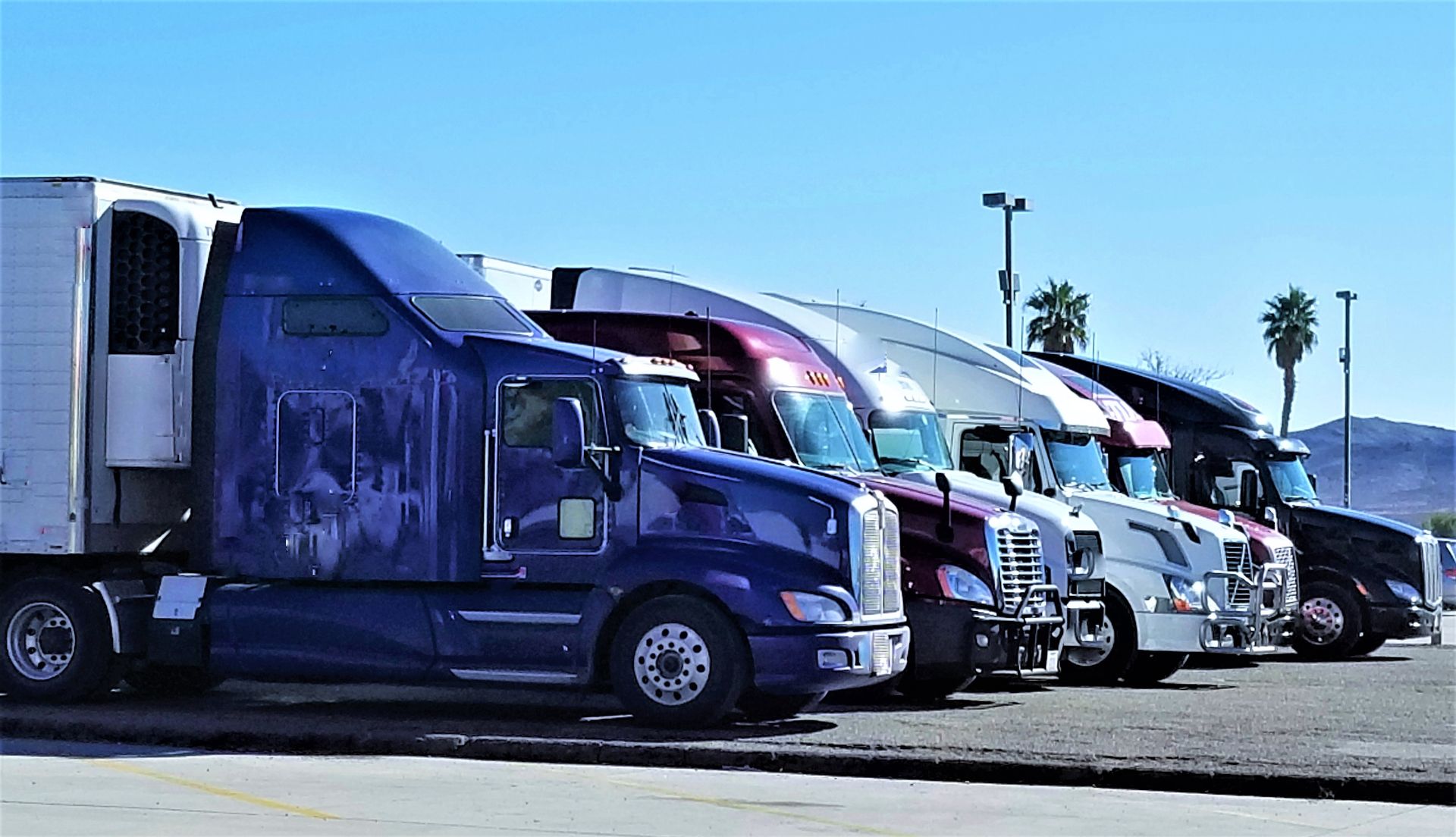
Protection for your fleet including box trucks, moving vans, and trailers. Covers liability, collision, physical damage, and hired or non-owned vehicles used in your operations.
Motor Truck Cargo
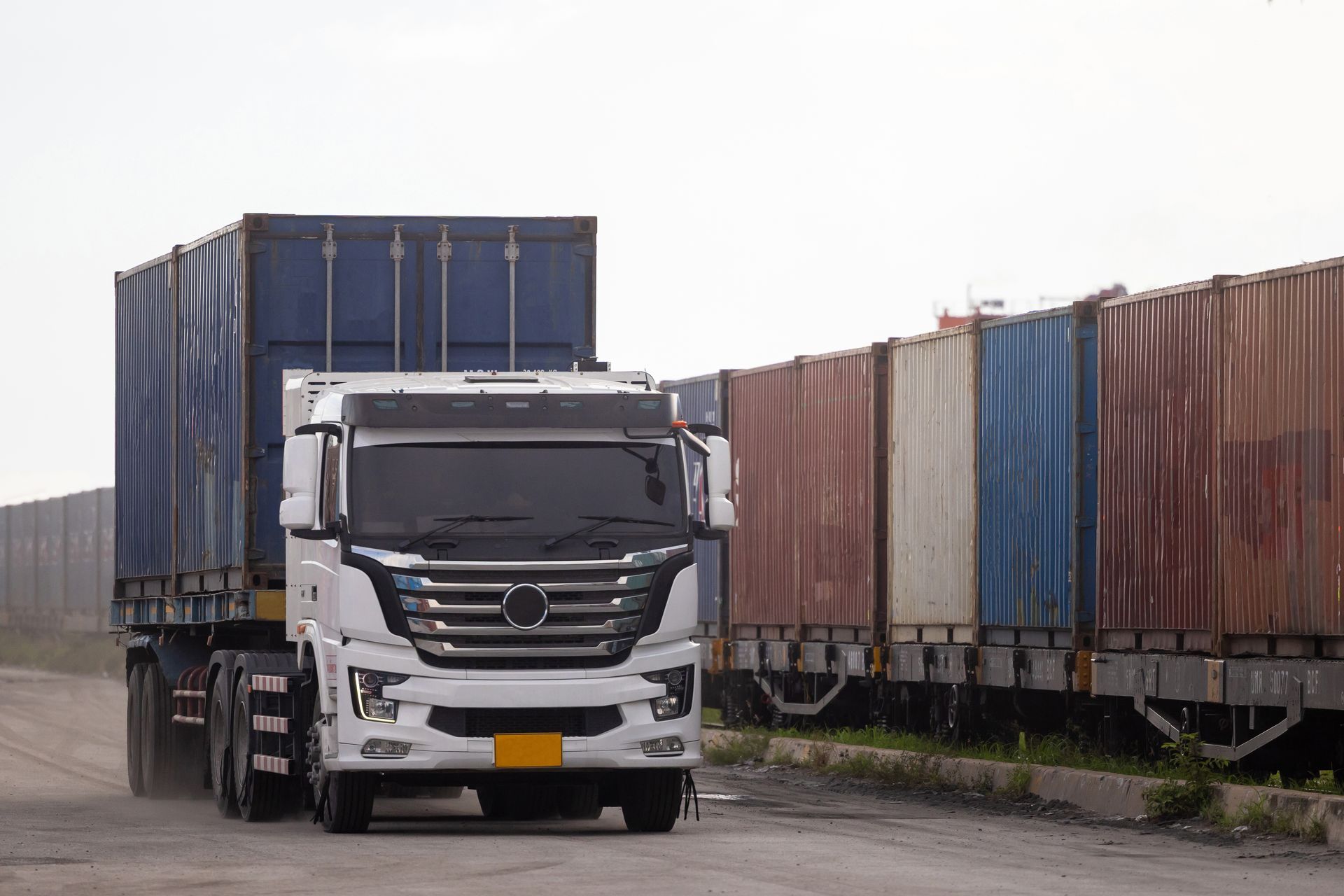
Covers household goods and freight during transport from pickup to delivery. Protects against damage, theft, mysterious disappearance, and weather-related losses while cargo is in your care.

General Liability
Protection from third-party claims for bodily injury and property damage at customer homes, job sites, and your own facility. Essential coverage for every transportation operation
Warehouse Legal Liability
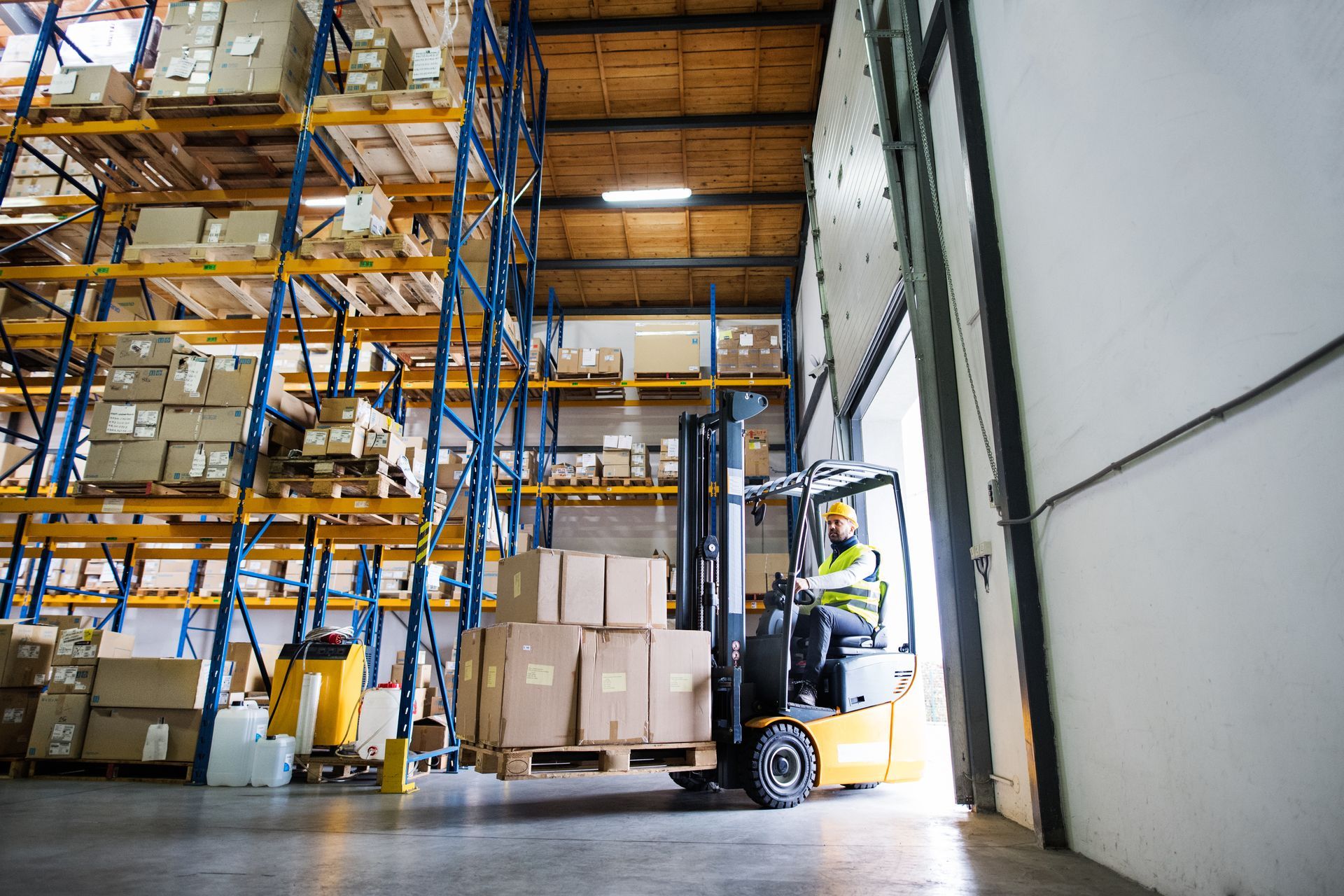
Coverage for customer property while stored in your facility. Protects against damage, theft, fire, and water damage to goods in your care, custody, or control.

Workers' Compensation
Medical care and wage replacement for employees injured on the job. Required in most states for transportation and warehouse work where physical labor creates higher injury risk.

Umbrella & Excess Liability
Higher liability limits stacked on top of your primary policies. Helps meet large contract requirements and protects your business assets against major claims and lawsuits.
Specialized Knowledge
Industries We Protect
Focused coverage for transportation and logistics businesses

Simple and Clear
How Our Process Works
Our process to get you covered
Connect With Us
Reach out through our form or by phone to share your business needs and current coverage situation.
Get Coverage Options
We review your risks, compare carriers, and present clear quotes with plain-language explanations.
Stay Protected
You choose your plan, and we provide ongoing support for certificates, claims, and renewals.
Trusted by Businesses
Feedback That Reflects Service and Reliability
What our clients say about working with Champion Risk
Answers You Need
Frequently Asked Questions
Common questions about transportation and logistics insurance


What insurance does a transportation company need to operate legally?
Motor carriers that cross state lines must meet FMCSA requirements. You need a minimum of $750,000 in liability coverage, plus a BMC-91 filing that proves your insurance to the federal government. Cargo coverage is also required, with minimums that depend on the type of goods you transport.
Intrastate operators follow state-specific rules. California, Texas, and Florida each have different requirements. Champion Risk handles both federal and state filings. We make sure your coverage meets legal minimums and your certificates reach the right agencies.
How much does commercial transportation insurance cost?
Premiums depend on your fleet size, driving records, cargo values, and claims history. A small operation with two trucks might pay $8,000 to $15,000 per year. A larger carrier with ten trucks could pay $50,000 to $100,000 or more.
The best way to control costs is working with a broker who knows transportation insurance. We find carriers that specialize in your exact operation type. This often results in better rates than going direct or using a general agent who doesn't understand the industry.
What is a BMC-91 filing and why do I need one?
A BMC-91 is a form your insurance company files with the FMCSA. It proves you carry the required liability coverage to operate as a for-hire motor carrier. Without an active BMC-91, your operating authority can be revoked.
Champion Risk works with carriers who file electronically. Your BMC-91 typically posts within 24 to 48 hours of binding coverage. We monitor your filing status and alert you if anything needs attention.
Does my warehouse or storage facility need different insurance than a trucking operation?
Yes. Storage facilities need warehouse legal liability coverage. This protects you when customer property is damaged or stolen while in your care. Standard general liability policies exclude this exposure.
You may also need property coverage for your building, equipment breakdown protection, and business income coverage if a fire or disaster shuts down operations. Champion Risk builds storage facility programs that address all these risks in one package.
Can you insure last-mile delivery drivers who use their own vehicles?
Yes. We offer hired and non-owned auto coverage for delivery operations that use independent contractors or employees driving personal vehicles. This fills gaps that personal auto policies don't cover during commercial use.
We also provide occupational accident coverage for 1099 drivers who aren't eligible for workers' comp. This protects your drivers and limits your liability exposure when accidents happen.
How fast can I get proof of insurance for a new contract?
Same day in most cases. Once we bind your policy, we issue certificates of insurance within hours. If your contract requires specific additional insured language or special endorsements, we coordinate directly with the carrier.
Rush requests happen often in this industry. General contractors and corporate clients demand certificates before they let you on site. Champion Risk prioritizes fast turnaround because we know your revenue depends on it.

Answers You Need
Transportation & Logistics Insurance Resources
Articles designed to inform and support your business
Contact Us
Phone Number:
Email Address:
Location:
12264 El Camino Real, Suite 350
San Diego, CA 92130
Hours:
Monday – Friday: 8:00 AM – 6:00 PM PT