
A delivery truck backs into a client's driveway, and the driver accidentally clips a decorative stone pillar. The homeowner's furious, the pillar is shattered, and suddenly your moving company faces a $15,000 property damage claim. Without proper general liability coverage, that single incident could drain your operating capital for months.
The moving and storage industry generates $92.2 billion in economic activity annually, yet many operators run with inadequate protection against everyday risks that have nothing to do with the cargo they're hauling. General liability insurance for moving and storage companies addresses a distinct category of exposures: the accidents, injuries, and property damage that occur outside the scope of your core transportation services.
Understanding what this coverage actually protects, what it excludes, and how much you should expect to pay separates well-prepared business owners from those scrambling after an unexpected claim. With
62.2% of surveyed movers citing rising costsas their top challenge for 2025, getting insurance right matters more than ever. Overpaying for unnecessary coverage hurts your margins, but undercovering leaves you exposed to business-ending lawsuits.
The Role of General Liability in the Moving and Storage Industry
General liability insurance functions as your foundational protection against claims arising from your business operations that don't involve the goods you're transporting. Think of it as coverage for everything happening around the move itself: a customer tripping over equipment in your warehouse, a crew member accidentally damaging a client's landscaping while positioning the truck, or even claims that your advertising misrepresented your services.
Third-Party Bodily Injury and Property Damage
The core of any general liability policy covers bodily injury and property damage to third parties. For moving companies, this typically means:
- Injuries to customers, bystanders, or visitors at your business premises
- Damage to client property unrelated to items being moved (think walls, floors, doorframes)
- Accidents caused by your operations at customer locations
- Injuries occurring during loading or unloading that don't involve the cargo itself
A crew member drops a heavy dolly on a homeowner's foot while setting up. That's a general liability claim. The same crew member drops a television while carrying it to the truck. That's a cargo claim, covered under different policies entirely.
Personal and Advertising Injury Protection
This coverage component protects against non-physical harms your business might cause. If a competitor claims you made false statements about their services in your marketing, or a former customer alleges you violated their privacy, personal and advertising injury coverage responds. Moving companies occasionally face defamation claims from negative reviews of competitors or disputes over advertising claims about pricing and service quality.


By: Mark Raby
Chief Executive Officer at Champion Risk & Insurance Services
What General Liability Does and Does Not Cover
The gap between what business owners assume their general liability policy covers and what it actually covers causes more claim denials than almost any other factor. Understanding these boundaries prevents expensive surprises.
Common Claims: Premises Liability and Visitor Injuries
General liability shines in premises-related scenarios. A prospective customer visits your storage facility to inspect available units and slips on a wet floor. A delivery driver from another company injures themselves on your loading dock. These straightforward premises liability claims represent the policy's sweet spot.
Moving companies typically pay around $120 monthly for general liability coverage, which is relatively affordable considering the protection it provides. Champion Risk works with movers to identify their specific exposure profile, since a company with heavy foot traffic at a retail storage location faces different risks than an operation running exclusively out of trucks.
Exclusions: Why Cargo and Bailee Coverage are Separate
Here's where moving companies get burned: general liability explicitly excludes damage to property in your care, custody, or control. That $50,000 antique armoire you're transporting? Not covered under GL if your crew damages it. Customer goods stored in your facility? Also excluded.
You need separate policies for these exposures:
| Coverage Type | What It Protects | Why It's Separate |
|---|---|---|
| Cargo Insurance | Goods during transport | Different risk profile than premises liability |
| Bailee Coverage | Customer property in storage | Requires specialized valuation and claims handling |
| Motor Truck Cargo | Freight liability requirements | Regulated under FMCSA for interstate moves |
Insurance pricing isn't arbitrary, though it can feel that way when quotes vary wildly between carriers. Understanding the rating factors helps you predict costs and identify opportunities to reduce premiums legitimately.
Business Size, Revenue, and Payroll Impact
Insurers use revenue and payroll as proxies for exposure. Higher revenue generally means more customer interactions, more jobs, and more opportunities for claims. A typical policy structure includes $1 million per occurrence and $2 million aggregate limits with deductibles around $625, though these figures vary based on your specific operation.
Your employee count matters significantly. A five-person crew generates different risk than a fifty-person operation, even at similar revenue levels. Insurers also examine your service mix: local residential moves, long-distance commercial relocations, and storage services each carry distinct risk profiles.
Claims History and Safety Record
Nothing impacts your premium more dramatically than claims history. A single large claim can increase rates by 25-40% at renewal, and multiple claims may make standard market coverage unavailable entirely. Carriers look at five-year loss runs when underwriting your policy.
Safety programs, training documentation, and equipment maintenance records can offset some risk concerns. Champion Risk often helps clients develop loss control programs that satisfy underwriter requirements while genuinely reducing claim frequency.

Legal and Regulatory Requirements for Moving Companies
Insurance requirements for movers come from multiple sources, creating a compliance maze that varies based on where and how you operate.
State vs. Federal (FMCSA) Insurance Mandates
Interstate movers operating under FMCSA authority face federal minimum insurance requirements, but these primarily address motor carrier liability and cargo coverage rather than general liability. State requirements vary dramatically: some states mandate specific general liability minimums for licensed movers, while others focus exclusively on cargo and vehicle coverage.
California, Texas, and Florida each impose different licensing and insurance requirements for intrastate moves. Operating across state lines adds another layer of complexity. The practical reality: you often need coverage exceeding minimum requirements simply to win contracts, regardless of legal mandates.
Contractual Requirements for Commercial Storage Facilities
Commercial clients and property managers frequently require certificate of insurance documentation showing specific coverage limits before allowing your crews on their properties. These contractual requirements often exceed regulatory minimums:
- Many commercial buildings require $2 million or higher aggregate limits
- Additional insured endorsements naming the property owner
- Waiver of subrogation clauses
- Specific policy forms or carrier ratings
Losing a major commercial account because your coverage doesn't meet their requirements costs far more than the premium difference for adequate limits.
How to Choose the Right Policy and Limits
Selecting appropriate coverage requires balancing protection against cost while meeting regulatory and contractual obligations.
Determining Appropriate Occurrence and Aggregate Limits
The standard $1 million per occurrence and $2 million aggregate limits work for many smaller operations, but growing companies should evaluate whether these limits truly match their exposure. Consider your largest potential single-loss scenario: if a serious injury on your premises could generate a seven-figure lawsuit, minimum limits leave you personally exposed for the excess.
Umbrella policies can extend your limits economically once you've maximized primary coverage. A $1 million umbrella often costs less than doubling your underlying GL limits and provides broader protection.
Bundling with Business Owner's Policies (BOP)
Business owner's policies combine general liability with commercial property coverage, often at lower total cost than purchasing each separately. For moving companies with significant owned assets like warehouse space, office equipment, or stored inventory, BOPs offer administrative simplicity and potential savings.
That said, BOPs have limitations. They typically exclude commercial auto coverage, which
averages $876 monthly for moving companiesand must be purchased separately. They also may not accommodate the specialized endorsements some moving operations require.
Frequently Asked Questions
Does general liability cover damage to items I'm moving? No. Damage to customer property in your care, custody, or control requires separate cargo or bailee coverage. General liability only covers third-party property you don't possess.
How much does general liability insurance cost for a moving company? Most moving companies pay approximately $120 per month, or $1,440 annually, for standard general liability coverage with typical limits.
Can I operate without general liability insurance? Technically, some states don't mandate it for movers. Practically, you'll struggle to win contracts, lease commercial space, or survive a single significant claim without coverage.
What's the difference between occurrence and aggregate limits? Occurrence limits cap payout per individual claim. Aggregate limits cap total annual payouts across all claims combined.
Should I buy the cheapest policy available? Price matters, but carrier financial strength, claims handling reputation, and policy terms matter more. A denied claim costs infinitely more than premium savings.
Making the Right Coverage Decision
General liability insurance forms just one piece of a moving company's risk management strategy, but it's a foundational piece that protects against exposures most operators encounter regularly. The relatively modest cost, typically around $1,440 annually, provides substantial protection against premises injuries, property damage, and advertising claims that could otherwise devastate your business.
Champion Risk specializes in helping moving and storage companies build comprehensive insurance programs that address general liability alongside cargo, auto, and workers' compensation exposures. Getting these pieces working together properly protects your business while keeping premiums manageable. Reach out for a coverage review that identifies gaps in your current program before a claim reveals them the hard way.
About the Author:
Mark Raby
I am a seasoned insurance professional with over 30 years of experience in the industry. I lead Champion Risk & Insurance Services, a San Diego-based brokerage with nationwide reach and strong influence in the insurance marketplace. My core competencies include insurance agency M&A deals, captives and alternative risk structures, and commercial property and casualty insurance for clients in the transportation and logistics industries. I am a former president of IIAB San Diego and hold a Bachelor of Science in Finance from Western Michigan University’s Haworth College of Business.
Protection for Transportation Operations
Business Insurance for Transportation & Logistics Companies
Coverage designed specifically for transportation businesses
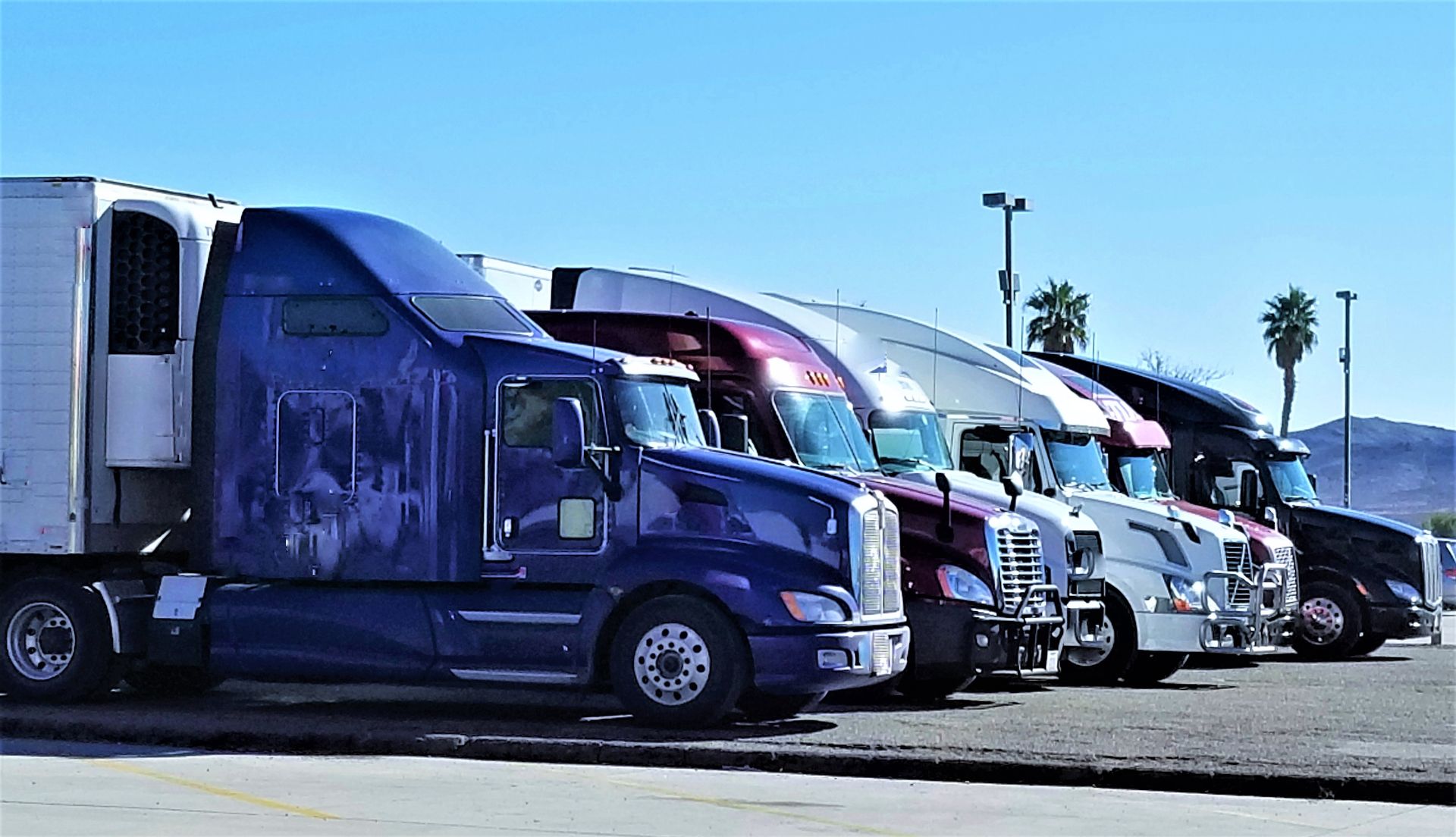
Commercial Auto & Trucking
Protection for your fleet including box trucks, moving vans, and trailers. Covers liability, collision, physical damage, and hired or non-owned vehicles used in your operations.
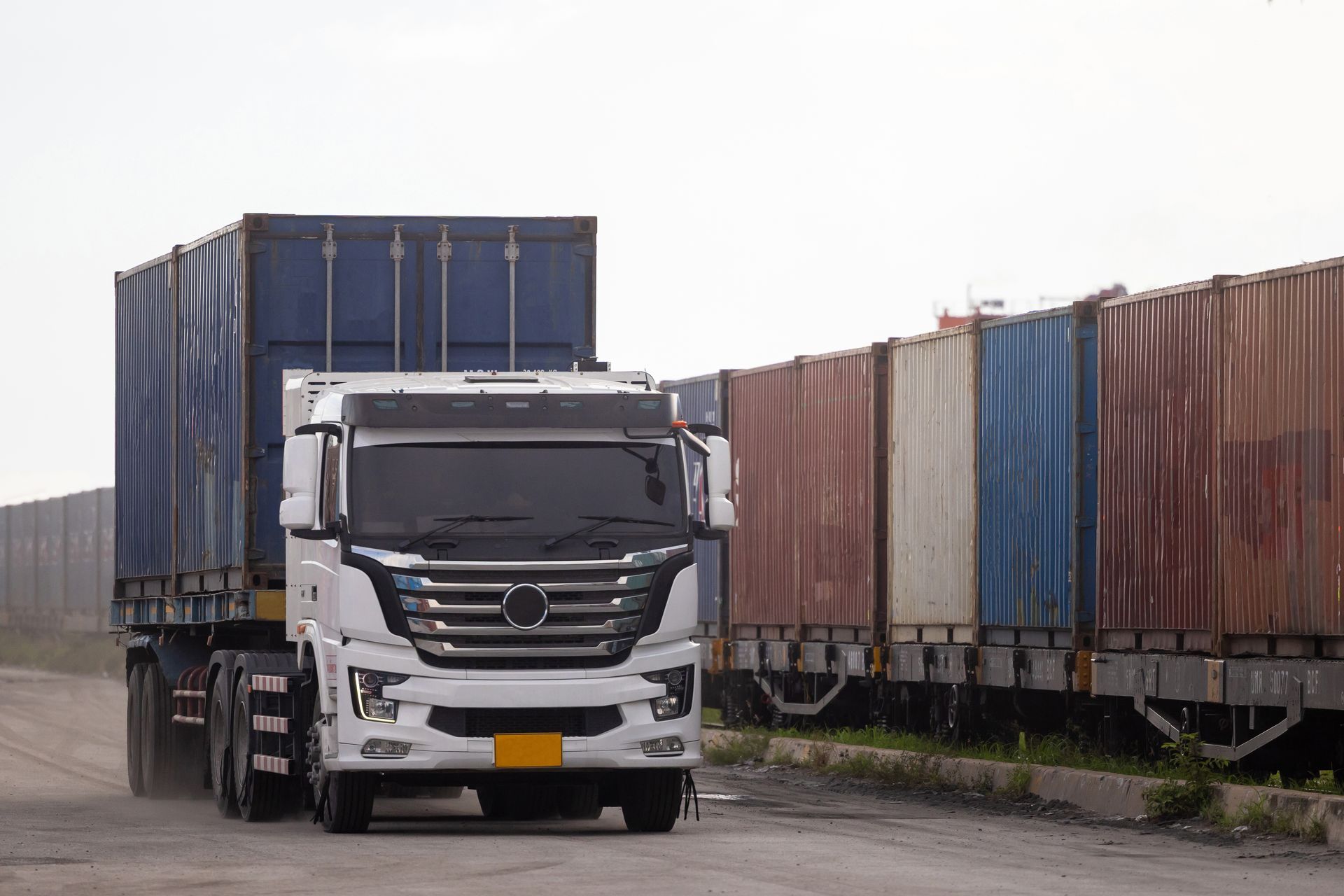
Motor Truck Cargo
Covers household goods and freight during transport from pickup to delivery. Protects against damage, theft, mysterious disappearance, and weather-related losses while cargo is in your care.

General Liability
Protection from third-party claims for bodily injury and property damage at customer homes, job sites, and your own facility. Essential coverage for every transportation operation

Warehouse Legal Liability
Coverage for customer property while stored in your facility. Protects against damage, theft, fire, and water damage to goods in your care, custody, or control.

Workers' Compensation
Medical care and wage replacement for employees injured on the job. Required in most states for transportation and warehouse work where physical labor creates higher injury risk.

Umbrella & Excess Liability
Higher liability limits stacked on top of your primary policies. Helps meet large contract requirements and protects your business assets against major claims and lawsuits.
Specialized Knowledge
Industries We Protect
Focused coverage for transportation and logistics businesses


Simple and Clear
How Our Process Works
Our process to get you covered
Connect With Us
Reach out through our form or by phone to share your business needs and current coverage situation.
Get Coverage Options
We review your risks, compare carriers, and present clear quotes with plain-language explanations.
Stay Protected
You choose your plan, and we provide ongoing support for certificates, claims, and renewals.
Trusted by Businesses
Feedback That Reflects Service and Reliability
What our clients say about working with Champion Risk
Answers You Need
Frequently Asked Questions
Common questions about transportation and logistics insurance




What insurance does a transportation company need to operate legally?
Motor carriers that cross state lines must meet FMCSA requirements. You need a minimum of $750,000 in liability coverage, plus a BMC-91 filing that proves your insurance to the federal government. Cargo coverage is also required, with minimums that depend on the type of goods you transport.
Intrastate operators follow state-specific rules. California, Texas, and Florida each have different requirements. Champion Risk handles both federal and state filings. We make sure your coverage meets legal minimums and your certificates reach the right agencies.
How much does commercial transportation insurance cost?
Premiums depend on your fleet size, driving records, cargo values, and claims history. A small operation with two trucks might pay $8,000 to $15,000 per year. A larger carrier with ten trucks could pay $50,000 to $100,000 or more.
The best way to control costs is working with a broker who knows transportation insurance. We find carriers that specialize in your exact operation type. This often results in better rates than going direct or using a general agent who doesn't understand the industry.
What is a BMC-91 filing and why do I need one?
A BMC-91 is a form your insurance company files with the FMCSA. It proves you carry the required liability coverage to operate as a for-hire motor carrier. Without an active BMC-91, your operating authority can be revoked.
Champion Risk works with carriers who file electronically. Your BMC-91 typically posts within 24 to 48 hours of binding coverage. We monitor your filing status and alert you if anything needs attention.
Does my warehouse or storage facility need different insurance than a trucking operation?
Yes. Storage facilities need warehouse legal liability coverage. This protects you when customer property is damaged or stolen while in your care. Standard general liability policies exclude this exposure.
You may also need property coverage for your building, equipment breakdown protection, and business income coverage if a fire or disaster shuts down operations. Champion Risk builds storage facility programs that address all these risks in one package.
Can you insure last-mile delivery drivers who use their own vehicles?
Yes. We offer hired and non-owned auto coverage for delivery operations that use independent contractors or employees driving personal vehicles. This fills gaps that personal auto policies don't cover during commercial use.
We also provide occupational accident coverage for 1099 drivers who aren't eligible for workers' comp. This protects your drivers and limits your liability exposure when accidents happen.
How fast can I get proof of insurance for a new contract?
Same day in most cases. Once we bind your policy, we issue certificates of insurance within hours. If your contract requires specific additional insured language or special endorsements, we coordinate directly with the carrier.
Rush requests happen often in this industry. General contractors and corporate clients demand certificates before they let you on site. Champion Risk prioritizes fast turnaround because we know your revenue depends on it.

Answers You Need
Transportation & Logistics Insurance Resources
Articles designed to inform and support your business
Contact Us
Phone Number:
Email Address:
Location:
12264 El Camino Real, Suite 350
San Diego, CA 92130
Hours:
Monday – Friday: 8:00 AM – 6:00 PM PT