Commercial Property Insurance for Transportation & Logistics Company
Or Call Us:
(800) 829-0807
A single warehouse fire can wipe out millions in inventory, equipment, and revenue overnight. For transportation and logistics companies, the stakes are even higher: your facilities don't just store goods, they keep supply chains moving. When a distribution hub goes down, the ripple effects hit customers, carriers, and contracts simultaneously.
Commercial property insurance for transportation and logistics companies isn't optional. It's the foundation that protects everything you've built, from the loading docks to the sophisticated tracking systems that keep your operation running. According to Allied Market Research, the global commercial property insurance market reached $254.9 billion in 2022 and is projected to hit $724 billion by 2032. That growth reflects a simple reality: businesses are recognizing that property protection isn't just about replacing damaged buildings. It's about preserving your ability to operate.
The challenge? Most logistics operators don't fully understand what their policies actually cover, what they exclude, or how much they should reasonably expect to pay. I've seen companies overpay by thousands annually because they didn't know the right questions to ask. I've also watched businesses discover coverage gaps only after a claim gets denied. This guide breaks down the coverage requirements, cost factors, and underwriting expectations that actually matter for your operation.
The Role of Commercial Property Insurance in Logistics
Transportation and logistics companies face property risks that most businesses never consider. Your facilities operate around the clock, handle constant traffic, and store goods belonging to multiple parties. Standard commercial property policies often miss critical exposures specific to this industry.
Defining Insurable Assets: Warehouses, Terminals, and Hubs
Your insurable property extends far beyond the building itself. A typical logistics operation includes owned or leased structures like warehouses, cross-dock facilities, and maintenance bays. It also covers tenant improvements you've made to leased spaces, permanently installed equipment such as conveyor systems and dock levelers, and business personal property including office furniture, computers, and tools.
The tricky part comes with customer goods. Property stored on your premises for others typically requires separate coverage arrangements, either through your policy's bailee coverage or through the cargo owner's insurance. Champion Risk works with logistics operators to identify these gaps before they become claim disputes.
Key Differences Between Property and Inland Marine Coverage
Here's where confusion often starts. Commercial property insurance covers goods and equipment at a fixed location. Inland marine coverage protects property in transit or at temporary locations. For a trucking company, your terminal building falls under property coverage, while the cargo moving through your trucks needs inland marine or motor truck cargo insurance.
Many logistics companies need both. A freight forwarder storing goods in a warehouse before shipment has property exposure at the facility and transit exposure once goods leave the dock. Understanding this distinction prevents the uncomfortable discovery that your property policy doesn't cover a theft that occurred during loading.


By: Mark Raby
Chief Executive Officer at Champion Risk & Insurance Services
Core Coverage Components for Transportation Providers
Every commercial property policy contains standard elements, but the specifics matter enormously for logistics operations. Knowing what's included, what's optional, and what's excluded helps you build appropriate coverage.
Building and Personal Property Protection
Building coverage pays to repair or replace your facility after covered losses like fire, windstorm, or vandalism. Personal property coverage handles your business equipment and inventory. Most policies offer either actual cash value, which deducts depreciation, or replacement cost, which pays current replacement prices.
For logistics companies, replacement cost coverage usually makes more sense. Your equipment depreciates quickly on paper but costs full price to replace. A five-year-old forklift might have minimal book value, but you'll pay current market rates for a replacement.
Business Interruption and Extra Expense Coverage
This is where property insurance becomes truly valuable. Business interruption coverage replaces lost income when a covered loss forces you to suspend operations. Extra expense coverage pays for costs to minimize downtime, like renting temporary warehouse space or expediting equipment repairs.
According to The Hartford, their commercial property insurance customers pay an average of $1,605 annually. That figure varies significantly based on business interruption limits, which can dramatically increase premiums but provide essential protection when you need it most.
Equipment Breakdown and Specialized Machinery
Standard property policies often exclude mechanical breakdown. Your refrigeration units, automated sorting systems, and climate control equipment can fail without any external cause, and those failures aren't covered under basic property forms.
Equipment breakdown coverage, sometimes called boiler and machinery insurance, fills this gap. For cold chain logistics operators, this coverage is essential. A refrigeration failure can destroy an entire warehouse of temperature-sensitive goods in hours.
Understanding what drives your premiums helps you make informed decisions about coverage and risk management investments. Some factors you can control; others you simply need to account for.
Facility Location and COPE Risk Factors
Underwriters evaluate properties using COPE: Construction, Occupancy, Protection, and Exposure. Construction refers to building materials and fire resistance. Occupancy describes what happens inside the building. Protection covers fire suppression and alarm systems. Exposure considers nearby hazards like neighboring businesses or flood zones.
A masonry warehouse with sprinklers in a low-crime area costs less to insure than a wood-frame building without fire suppression near a chemical plant. Risk Strategies reports that physical damage premiums for transportation companies have increased 18% to 25% recently, making COPE improvements even more valuable for controlling costs.
Safety Protocols and Fire Suppression Systems
Installing monitored fire alarms and automatic sprinkler systems can reduce property premiums by 15% to 30%. The investment often pays for itself within a few years through premium savings alone.
Beyond fire protection, security measures matter. Fenced yards, controlled access points, surveillance cameras, and security personnel all demonstrate to underwriters that you're actively managing theft and vandalism risks. Champion Risk can help you identify which improvements offer the best return on investment for your specific facility.

Underwriting Requirements and Documentation
Getting approved for coverage and securing competitive rates requires thorough documentation. Underwriters want to understand exactly what they're insuring and how you manage risks.
Inventory Valuation and Reporting Methods
You'll need to provide current inventory values and explain how you track them. For logistics companies handling customer goods, this gets complicated. You might have millions in third-party inventory moving through your facility daily.
Most underwriters accept peak inventory values for setting limits, with provisions for reporting actual values periodically. Some policies use monthly reporting forms where premiums adjust based on actual inventory levels. This approach can save money if your inventory fluctuates seasonally.
Security Standards for High-Value Cargo Storage
If you store high-value goods like electronics, pharmaceuticals, or alcohol, expect additional underwriting scrutiny. Insurers may require specific security measures such as caged storage areas, dual-control access systems, and enhanced background checks for employees with access.
As
ACI Companies notes, "Selecting a comprehensive business insurance solution is essential to safeguard against uncertainties in the freight forwarding industry." This applies equally to property coverage, where gaps in security documentation can result in coverage restrictions or higher premiums.
Mitigating Risks to Secure Better Rates
Premium savings don't happen automatically. You need to demonstrate proactive risk management to earn better rates from underwriters.
Implementing Disaster Recovery Plans
A documented disaster recovery plan shows underwriters you've thought through worst-case scenarios. Your plan should address emergency response procedures, backup power arrangements, alternative facility options, and communication protocols.
Companies with tested disaster recovery plans often qualify for better business interruption rates. The plan demonstrates that you'll minimize downtime after a loss, which directly reduces the insurer's potential payout.
The Impact of Deductible Selection on Total Cost
Higher deductibles lower premiums, but the relationship isn't always linear. Moving from a $5,000 to a $25,000 deductible might save 15% on premium, while jumping to $100,000 might only save an additional 10%.
| Deductible Level | Typical Premium Impact | Best For |
|---|---|---|
| $2,500 - $5,000 | Highest premium | Operations with frequent small claims |
| $10,000 - $25,000 | Moderate savings | Most mid-size logistics companies |
| $50,000+ | Maximum savings | Large operations with strong cash reserves |
The right deductible depends on your cash flow and claims history.
Insureon reports that trucking businesses pay an average of $816 monthly for commercial auto insurance alone. Adding property coverage with appropriate deductibles helps manage total insurance spend.
Frequently Asked Questions
How much does commercial property insurance cost for a logistics warehouse? Costs vary widely based on building size, construction type, and location. Expect to pay between $1,500 and $15,000 annually for basic coverage, with larger or higher-risk facilities paying significantly more.
Does property insurance cover goods belonging to customers? Standard policies typically exclude customer goods. You'll need bailee coverage or a specific endorsement to protect property you're holding for others.
What's the difference between named perils and open perils coverage? Named perils policies only cover losses specifically listed in the policy. Open perils, also called special form coverage, covers everything except specifically excluded causes.
Are floods covered under commercial property insurance? No. Flood damage requires separate flood insurance, typically through the National Flood Insurance Program or private flood insurers.
How long does business interruption coverage last? Most policies cover lost income during the "period of restoration," which is the time needed to repair or replace damaged property, typically capped at 12 months.
Making the Right Coverage Decision
Getting property insurance right for your logistics operation requires understanding your specific exposures, not just buying a standard policy. Start by documenting every property asset, from buildings to specialized equipment. Review your lease agreements to understand your insurance obligations for leased spaces. Calculate realistic business interruption values based on actual revenue and recovery timelines.
Champion Risk specializes in helping transportation and logistics companies build coverage programs that match their actual risk profiles. The right policy protects your facilities, your equipment, and your ability to serve customers, even when disaster strikes. Reach out to discuss your specific operation and get quotes tailored to your needs.
About the Author:
Mark Raby
I am a seasoned insurance professional with over 30 years of experience in the industry. I lead Champion Risk & Insurance Services, a San Diego-based brokerage with nationwide reach and strong influence in the insurance marketplace. My core competencies include insurance agency M&A deals, captives and alternative risk structures, and commercial property and casualty insurance for clients in the transportation and logistics industries. I am a former president of IIAB San Diego and hold a Bachelor of Science in Finance from Western Michigan University’s Haworth College of Business.
Protection for Transportation Operations
Business Insurance for Transportation & Logistics Companies
Coverage designed specifically for transportation businesses
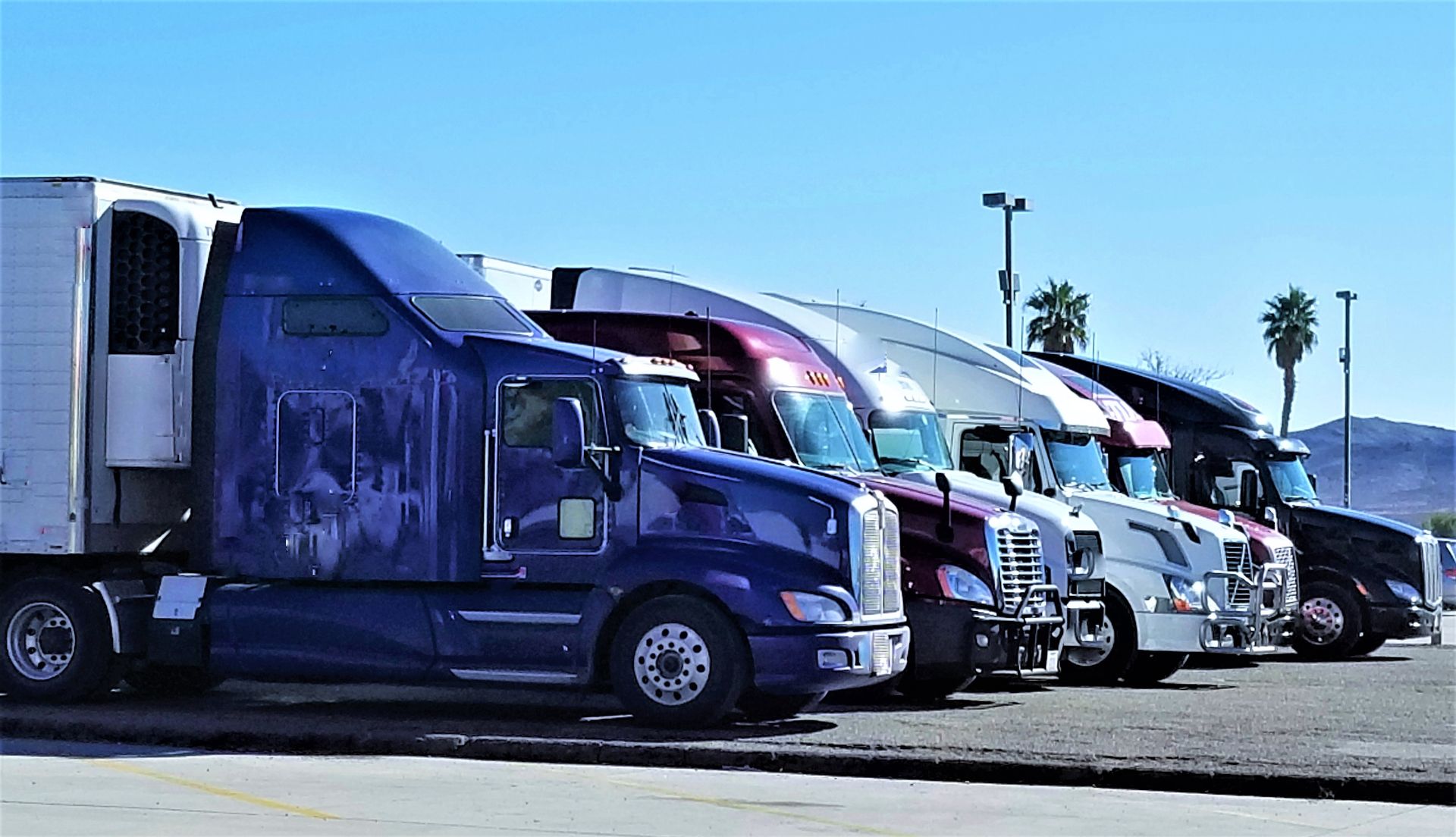
Commercial Auto & Trucking
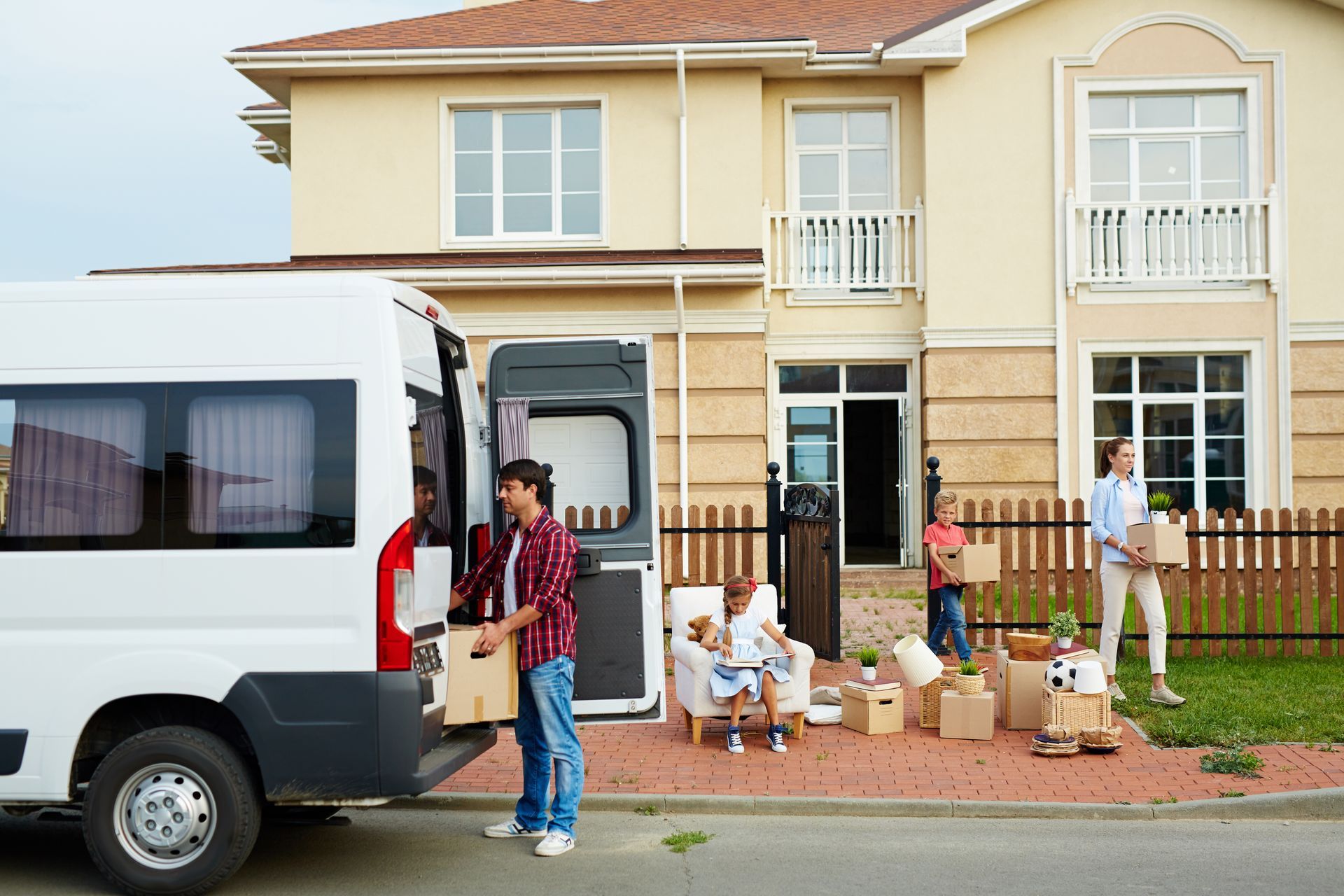
Protection for your fleet including box trucks, moving vans, and trailers. Covers liability, collision, physical damage, and hired or non-owned vehicles used in your operations.
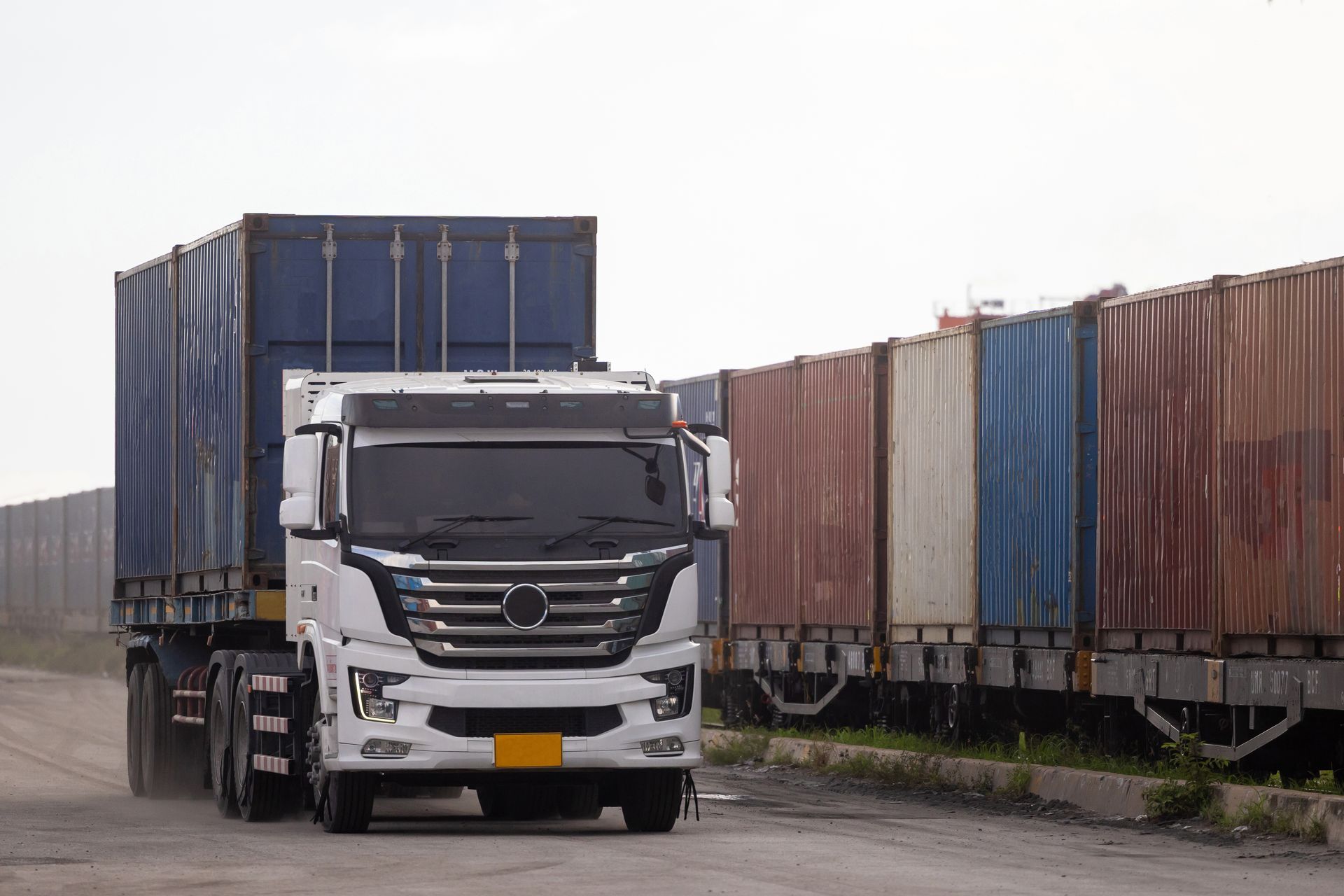
Motor Truck Cargo
Covers household goods and freight during transport from pickup to delivery. Protects against damage, theft, mysterious disappearance, and weather-related losses while cargo is in your care.

General Liability
Protection from third-party claims for bodily injury and property damage at customer homes, job sites, and your own facility. Essential coverage for every transportation operation
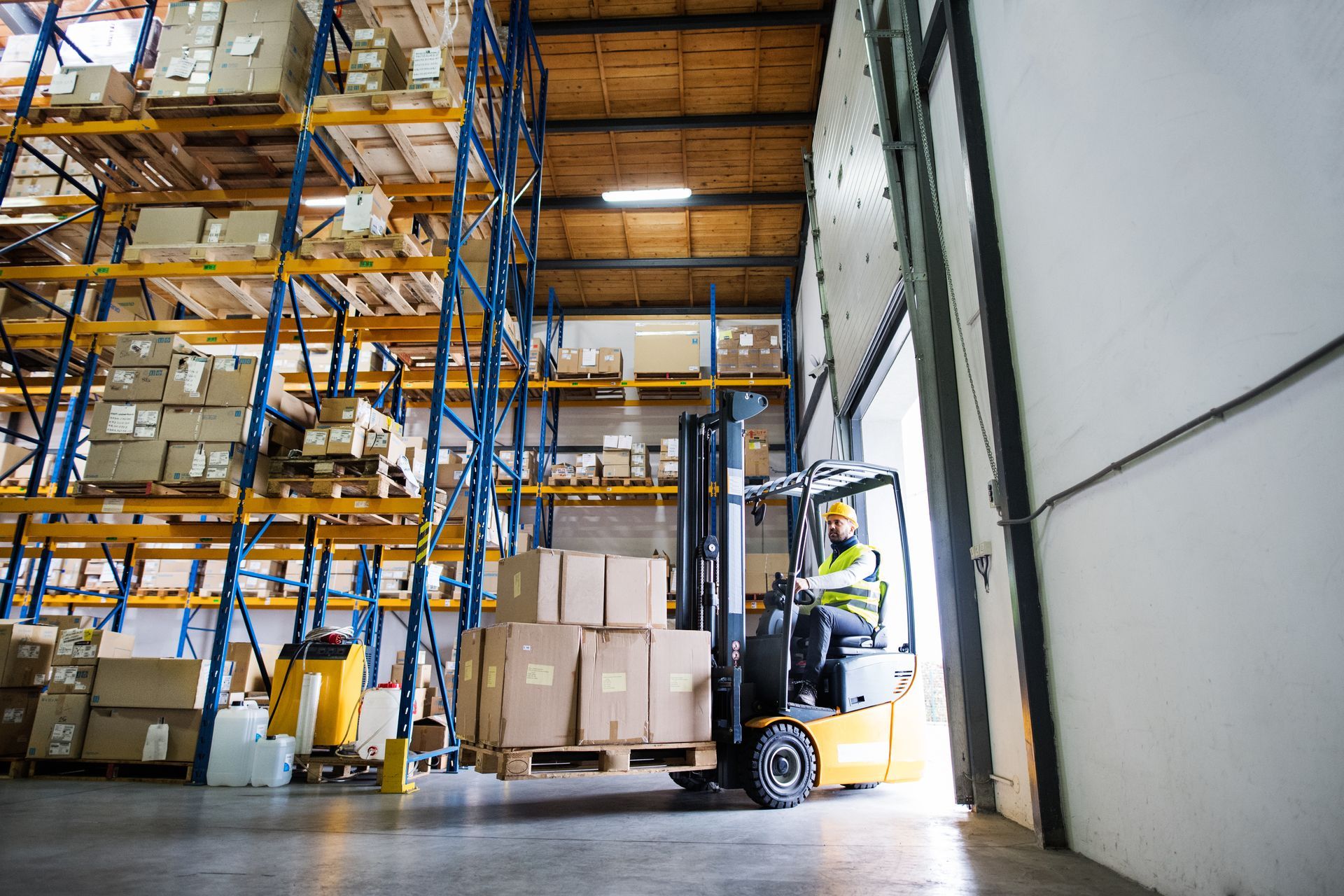
Warehouse Legal Liability
Coverage for customer property while stored in your facility. Protects against damage, theft, fire, and water damage to goods in your care, custody, or control.
Workers' Compensation
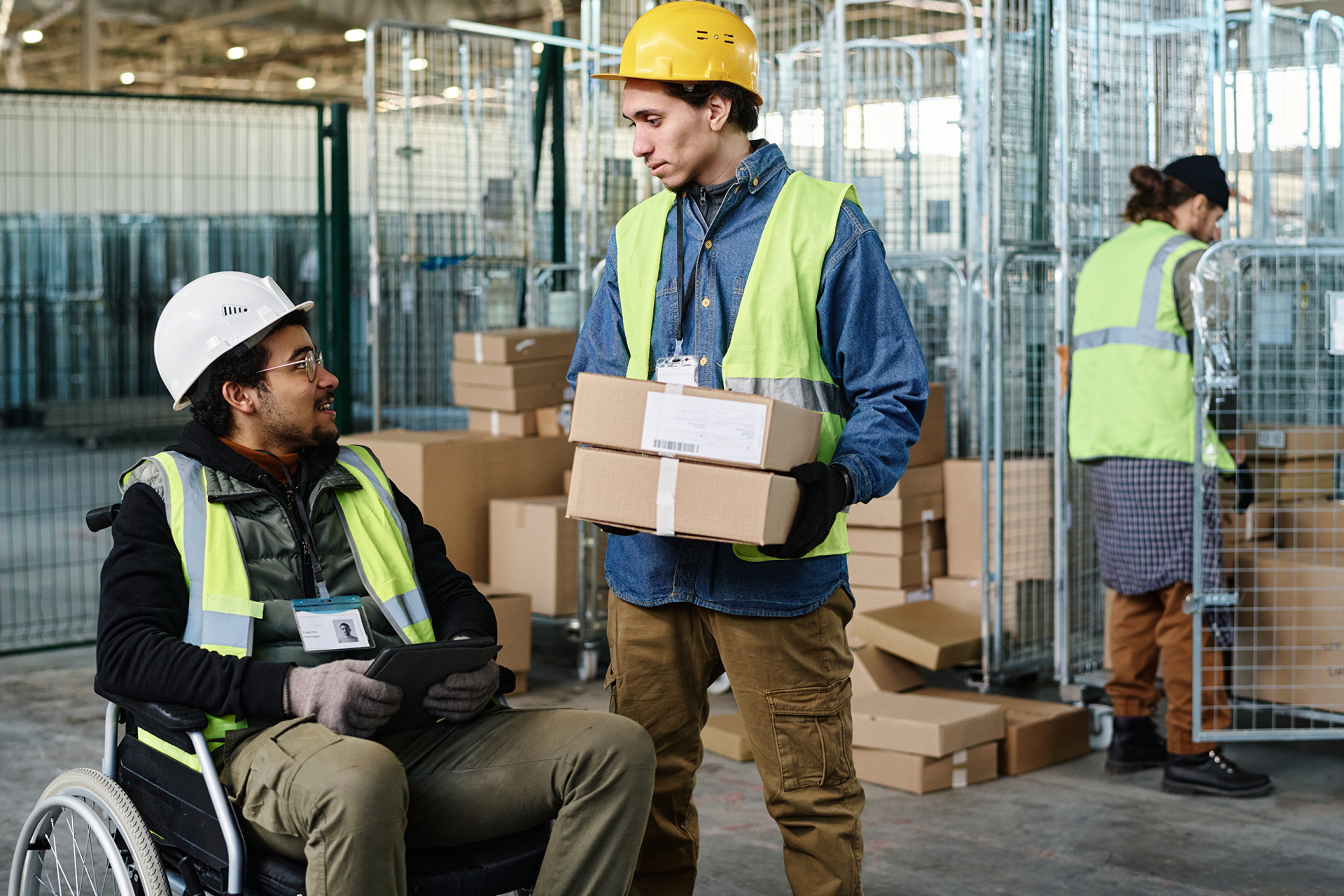
Medical care and wage replacement for employees injured on the job. Required in most states for transportation and warehouse work where physical labor creates higher injury risk.
Umbrella & Excess Liability
Higher liability limits stacked on top of your primary policies. Helps meet large contract requirements and protects your business assets against major claims and lawsuits.
Specialized Knowledge
Industries We Protect
Focused coverage for transportation and logistics businesses
Simple and Clear
How Our Process Works
Our process to get you covered
Connect With Us
Reach out through our form or by phone to share your business needs and current coverage situation.
Get Coverage Options
We review your risks, compare carriers, and present clear quotes with plain-language explanations.
Stay Protected
You choose your plan, and we provide ongoing support for certificates, claims, and renewals.
Trusted by Businesses
Feedback That Reflects Service and Reliability
What our clients say about working with Champion Risk
Answers You Need
Frequently Asked Questions
Common questions about transportation and logistics insurance


What insurance does a transportation company need to operate legally?
Motor carriers that cross state lines must meet FMCSA requirements. You need a minimum of $750,000 in liability coverage, plus a BMC-91 filing that proves your insurance to the federal government. Cargo coverage is also required, with minimums that depend on the type of goods you transport.
Intrastate operators follow state-specific rules. California, Texas, and Florida each have different requirements. Champion Risk handles both federal and state filings. We make sure your coverage meets legal minimums and your certificates reach the right agencies.
How much does commercial transportation insurance cost?
Premiums depend on your fleet size, driving records, cargo values, and claims history. A small operation with two trucks might pay $8,000 to $15,000 per year. A larger carrier with ten trucks could pay $50,000 to $100,000 or more.
The best way to control costs is working with a broker who knows transportation insurance. We find carriers that specialize in your exact operation type. This often results in better rates than going direct or using a general agent who doesn't understand the industry.
What is a BMC-91 filing and why do I need one?
A BMC-91 is a form your insurance company files with the FMCSA. It proves you carry the required liability coverage to operate as a for-hire motor carrier. Without an active BMC-91, your operating authority can be revoked.
Champion Risk works with carriers who file electronically. Your BMC-91 typically posts within 24 to 48 hours of binding coverage. We monitor your filing status and alert you if anything needs attention.
Does my warehouse or storage facility need different insurance than a trucking operation?
Yes. Storage facilities need warehouse legal liability coverage. This protects you when customer property is damaged or stolen while in your care. Standard general liability policies exclude this exposure.
You may also need property coverage for your building, equipment breakdown protection, and business income coverage if a fire or disaster shuts down operations. Champion Risk builds storage facility programs that address all these risks in one package.
Can you insure last-mile delivery drivers who use their own vehicles?
Yes. We offer hired and non-owned auto coverage for delivery operations that use independent contractors or employees driving personal vehicles. This fills gaps that personal auto policies don't cover during commercial use.
We also provide occupational accident coverage for 1099 drivers who aren't eligible for workers' comp. This protects your drivers and limits your liability exposure when accidents happen.
How fast can I get proof of insurance for a new contract?
Same day in most cases. Once we bind your policy, we issue certificates of insurance within hours. If your contract requires specific additional insured language or special endorsements, we coordinate directly with the carrier.
Rush requests happen often in this industry. General contractors and corporate clients demand certificates before they let you on site. Champion Risk prioritizes fast turnaround because we know your revenue depends on it.

Answers You Need
Transportation & Logistics Insurance Resources
Articles designed to inform and support your business
Contact Us
Phone Number:
Email Address:
Location:
12264 El Camino Real, Suite 350
San Diego, CA 92130
Hours:
Monday – Friday: 8:00 AM – 6:00 PM PT