
Motor Truck Cargo Insurance for Transportation & Logistics Company
Or Call Us:
(800) 829-0807
A single accident on I-80 can wipe out six months of profit. A cargo theft in a truck stop parking lot can leave you holding the bag for $150,000 in electronics that never reached the consignee. These aren't hypothetical scenarios: they happen every week across American highways, and the carriers who survive them share one thing in common. They carry proper motor truck cargo insurance.
The trucking industry is facing unprecedented insurance pressure. According to Trucking Dive, truck insurance premiums rose for the fifth consecutive year in 2024, reaching a record high of $10.2 per mile. Carriers reported a 5.8% year-over-year increase in Q1 2025 alone. With the global cargo transportation insurance market projected to reach USD 82.5 billion by 2033, understanding coverage requirements isn't optional anymore: it's survival.
This guide breaks down what
transportation and logistics companies actually need to know about cargo insurance coverage, realistic cost expectations, and compliance requirements that keep operations running legally.
Understanding Motor Truck Cargo Insurance and Its Importance
Cargo insurance exists because things go wrong. Trucks jackknife on icy roads. Pallets shift and crush merchandise. Thieves target high-value loads at rest stops. When freight is damaged, destroyed, or stolen, someone pays. Without proper coverage, that someone is you.
The financial exposure is staggering. A single truckload of pharmaceuticals can exceed $1 million in value. Even "ordinary" freight like building materials or consumer goods routinely hits six figures. The Carmack Amendment holds motor carriers liable for cargo loss and damage, with limited exceptions. This means shippers can and will pursue you for the full value of their goods.
How Cargo Insurance Protects Carriers and Logistics Providers
Cargo insurance transfers financial risk from your balance sheet to an insurance carrier. When covered cargo is damaged or lost, your policy pays the claim minus your deductible. This protection extends beyond the obvious collision scenarios.
A Champion Risk client recently avoided a $47,000 loss when refrigerated cargo spoiled during an extended breakdown. Their reefer endorsement covered the full value of the perishables. Without that specific coverage, they would have absorbed the entire loss while still facing the shipper's claim.
The protection also preserves business relationships. Shippers want assurance that their freight is protected. Brokers require proof of coverage before tendering loads. Cargo insurance isn't just financial protection: it's a credential that opens doors to better freight.
The Difference Between Cargo Insurance and General Liability
Carriers sometimes assume their general liability policy covers cargo. This is a costly mistake. General liability protects against third-party bodily injury and property damage claims. It covers situations where your operations harm someone else's property or person.
Cargo insurance specifically covers goods entrusted to you for transportation. These are fundamentally different exposures requiring separate policies. Your general liability won't pay when a forklift operator drops a pallet of wine, but your cargo policy will.


By: Mark Raby
Chief Executive Officer at Champion Risk & Insurance Services
Standard Coverage and Common Policy Endorsements
Base cargo policies provide broad protection, but the details matter enormously. Understanding what's covered, what's excluded, and what endorsements you need prevents nasty surprises at claim time.
Covered Perils: Theft, Fire, and Collision
Standard motor truck cargo policies cover losses from collision, overturning, fire, and theft. Most policies are written on an "all-risk" basis, meaning they cover any cause of loss not specifically excluded. This is broader protection than "named peril" policies that only cover listed events.
Typical covered scenarios include:
- Vehicle accidents causing cargo damage
- Cargo theft from secured trailers
- Fire damage during transit
- Water damage from storms or flooding
- Loading and unloading accidents
The key phrase is "while in or on the covered vehicle." Coverage typically begins when cargo is loaded and ends at delivery. Extended coverage for temporary storage or terminal operations requires specific endorsements.
Specific Exclusions and Restricted Commodities
Every cargo policy contains exclusions that limit or eliminate coverage for certain situations. Common exclusions include losses caused by inherent vice (when cargo spoils or deteriorates naturally), mysterious disappearance without evidence of theft, and shipper's improper packaging.
High-value and hazardous commodities often require special treatment. Tobacco, alcohol, pharmaceuticals, and electronics may be excluded entirely or subject to sublimits. Hazardous materials typically require specific endorsements with additional premium. Review your policy's commodity schedule carefully: hauling excluded freight means hauling uninsured freight.
Reefer Breakdown and Debris Removal Clauses
Temperature-controlled cargo requires reefer breakdown coverage. Standard policies often exclude spoilage from mechanical failure of refrigeration units. This endorsement covers cargo loss when your reefer unit fails, subject to maintenance requirements.
Debris removal coverage pays for cleanup costs after a covered accident. When cargo spills across a highway, cleanup bills can reach tens of thousands of dollars. This coverage handles those expenses separately from the cargo loss itself.
Regulatory Requirements and Compliance Standards
Operating legally requires meeting minimum insurance thresholds set by federal and state regulators. Falling below these minimums can result in operating authority suspension.
FMCSA Requirements and BMC-32 Filings
The Federal Motor Carrier Safety Administration sets baseline cargo insurance requirements. According to Logrock, FMCSA requires minimum cargo coverage of $5,000 per vehicle and $10,000 per incident for most commercial operations. These minimums are dangerously low for most freight.
The BMC-32 form is your cargo insurance filing with FMCSA. Your insurance company files this form electronically, and it appears on your SAFER record. Lapses in coverage trigger automatic notification to FMCSA and can result in operating authority revocation.
Shipper and Broker Minimum Insurance Mandates
FMCSA minimums are just the starting point. Shippers and brokers routinely require $100,000 to $250,000 in cargo coverage as a condition of doing business. Premium freight networks often mandate $500,000 or higher.
These requirements appear in carrier packets and broker-carrier agreements. Failing to maintain required limits means losing access to that freight. Champion Risk works with carriers to structure coverage that meets the most demanding shipper requirements while controlling costs.

Cargo insurance pricing varies dramatically based on your specific operation. Understanding what drives premiums helps you make informed decisions about coverage levels and risk management.
According to ATruckInsurance, annual cargo insurance premiums typically range from $350 to $1,800. That wide range reflects the many variables insurers consider.
Impact of Cargo Value and Commodity Type on Pricing
Higher cargo values mean higher premiums. Hauling $50,000 loads costs more to insure than hauling $15,000 loads. Insurers also consider commodity theft attractiveness. Electronics, tobacco, and pharmaceuticals command higher premiums than lumber or aggregates.
| Commodity Type | Typical Premium Impact | Theft Risk Level |
|---|---|---|
| General Freight | Baseline | Low |
| Electronics | +40-60% | High |
| Pharmaceuticals | +50-80% | Very High |
| Refrigerated Food | +20-35% | Moderate |
| Hazardous Materials | +30-50% | Low |
Your average load value matters more than your maximum. Insurers look at typical exposure, not worst-case scenarios. Accurate commodity descriptions help ensure you're not overpaying for coverage you don't need.
How Loss History and Safety Scores Affect Rates
Your claims history directly impacts pricing. Multiple cargo claims signal higher risk and trigger premium increases. As one industry expert noted in Renegade Insurance, "Being proactive about managing your risk isn't just a good idea anymore; it's an absolute necessity for survival."
CSA scores influence cargo premiums even though they primarily measure safety performance. Insurers view poor safety scores as indicators of overall operational quality. Carriers with clean CSA records typically qualify for better rates.
Best Practices for Choosing the Right Policy and Limits
Selecting appropriate coverage requires balancing protection against cost. Underinsuring saves premium dollars but creates catastrophic exposure. Overinsuring wastes money on coverage you'll never use.
Evaluating Deductible Options to Balance Risk and Cost
Higher deductibles reduce premiums but increase your out-of-pocket costs when claims occur. A $2,500 deductible might save $400 annually compared to a $1,000 deductible. If you have fewer than one claim every four years, the higher deductible makes financial sense.
Consider your cash reserves when selecting deductibles. Can you absorb a $5,000 or $10,000 hit without disrupting operations? If not, lower deductibles provide valuable cash flow protection despite higher premiums.
Navigating the Claims Process for Faster Settlements
Fast claim resolution depends on proper documentation. Photograph damage immediately. Preserve damaged cargo when possible. Notify your insurer within 24 hours. Obtain written statements from all parties involved.
Keep these documents readily accessible:
- Bill of lading with shipper signatures
- Delivery receipts noting damage
- Photographs of cargo condition at pickup and delivery
- Temperature logs for reefer loads
- Police reports for theft claims
Champion Risk clients receive dedicated claims support that streamlines this process. Quick settlements keep cash flowing and preserve shipper relationships.
Frequently Asked Questions
How much cargo insurance do I actually need? Start with your highest-value typical load, then consider shipper requirements. Most carriers find $100,000 adequate for general freight, while specialized haulers may need $500,000 or more.
Does cargo insurance cover theft from an unattended trailer? Most policies cover theft, but require reasonable security measures. Leaving a loaded trailer in an unsecured lot may void coverage. Review your policy's security requirements.
What happens if I haul a commodity not listed on my policy? You're likely uninsured for that load. Always verify coverage before accepting freight outside your normal commodity schedule.
Can I add coverage for a single high-value load? Yes, most insurers offer trip-specific coverage for loads exceeding normal limits. Arrange this before pickup, not after.
How quickly do cargo claims typically pay?
Straightforward claims with good documentation often settle within 30-45 days. Complex claims involving multiple parties or disputed liability take longer.
Making the Right Choice for Your Operation
Cargo insurance protects more than freight: it protects your business, your reputation, and your financial future. The right policy balances adequate coverage against reasonable cost while meeting all regulatory and customer requirements.
Review your current coverage against the commodities you actually haul and the limits your customers require. If gaps exist, address them before they become expensive lessons. Champion Risk specializes in helping transportation and logistics companies find coverage that fits their specific operations without paying for protection they don't need.
About the Author:
Mark Raby
I am a seasoned insurance professional with over 30 years of experience in the industry. I lead Champion Risk & Insurance Services, a San Diego-based brokerage with nationwide reach and strong influence in the insurance marketplace. My core competencies include insurance agency M&A deals, captives and alternative risk structures, and commercial property and casualty insurance for clients in the transportation and logistics industries. I am a former president of IIAB San Diego and hold a Bachelor of Science in Finance from Western Michigan University’s Haworth College of Business.
Protection for Transportation Operations
Business Insurance for Transportation & Logistics Companies
Coverage designed specifically for transportation businesses
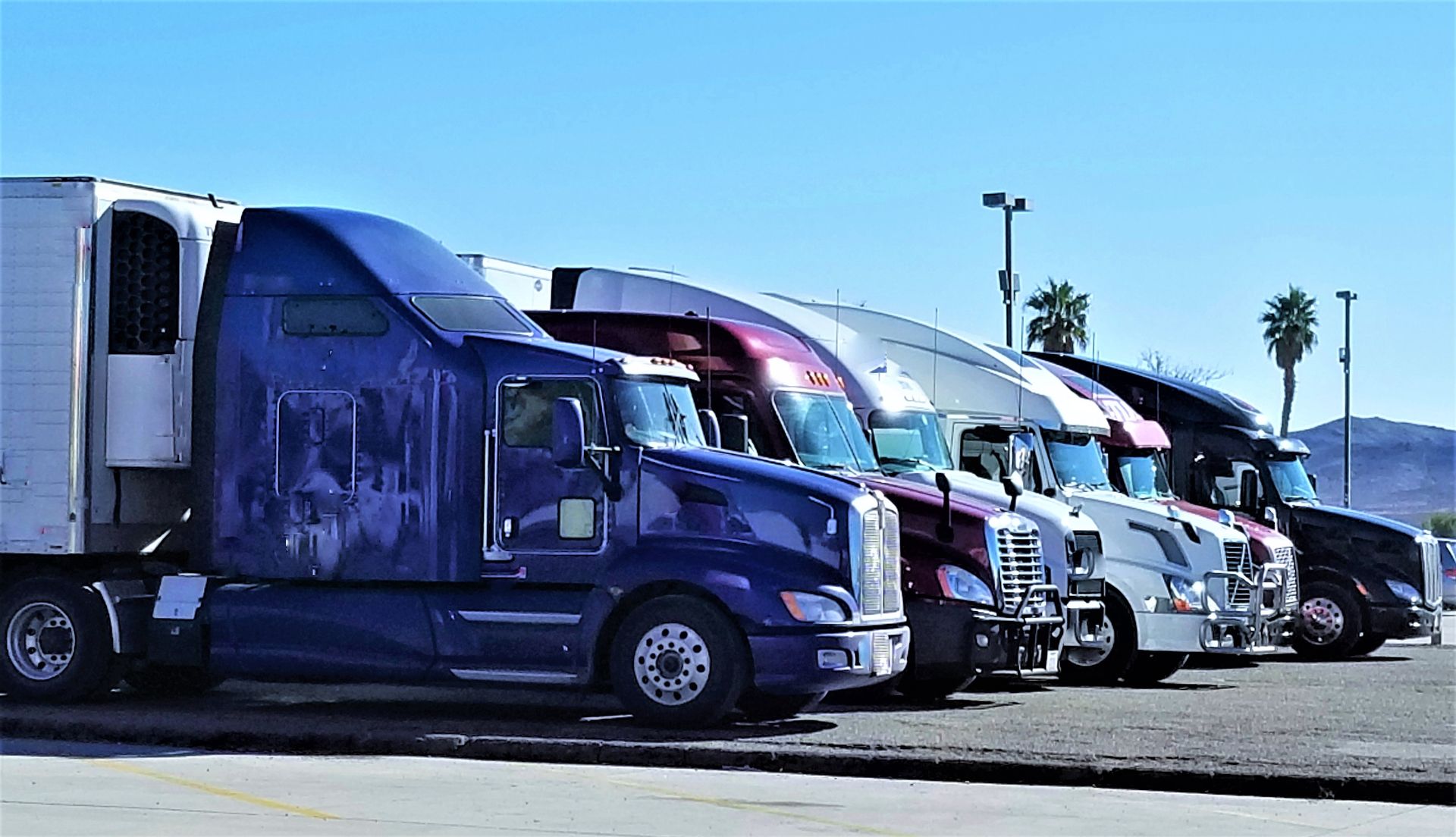
Commercial Auto & Trucking
Protection for your fleet including box trucks, moving vans, and trailers. Covers liability, collision, physical damage, and hired or non-owned vehicles used in your operations.
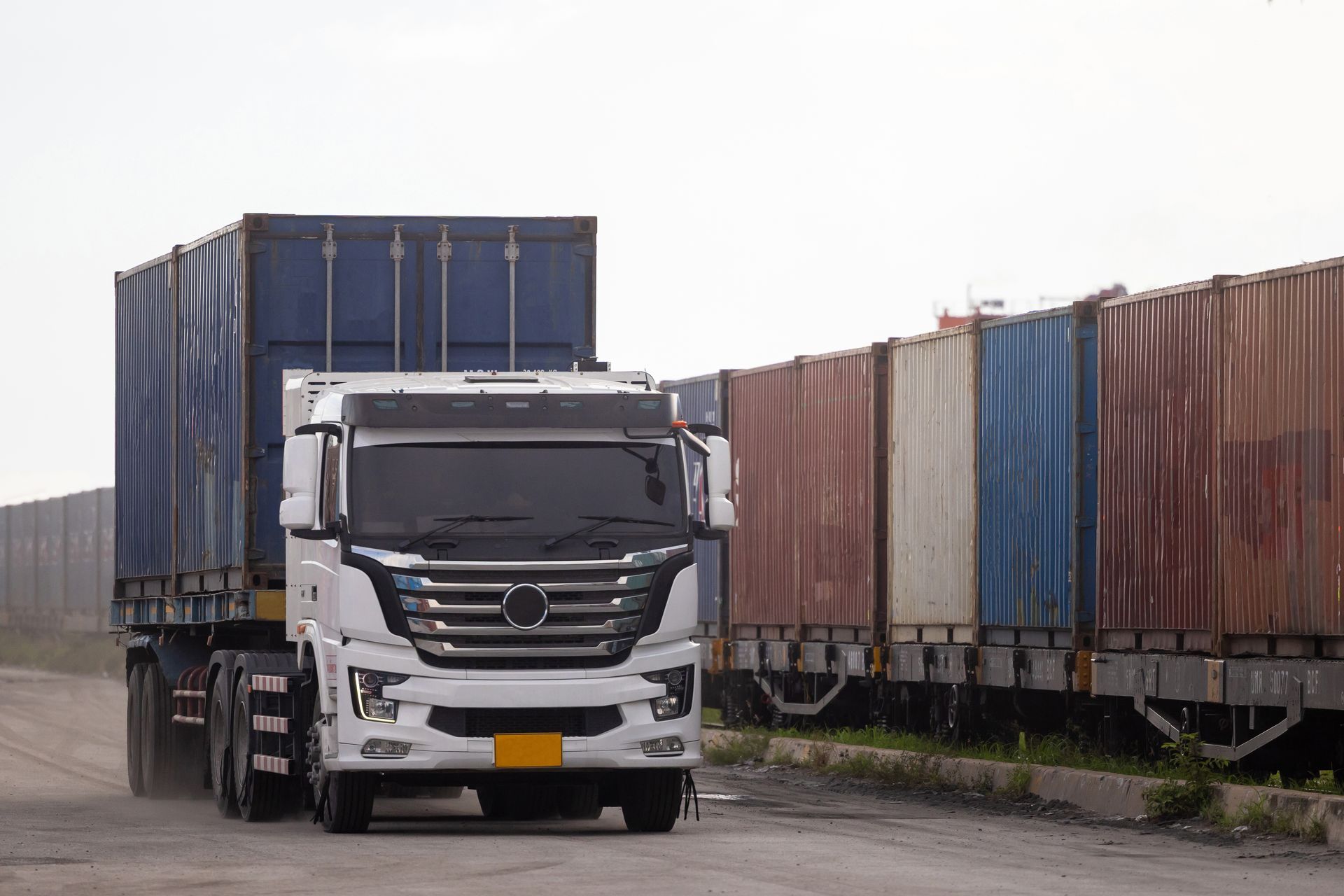
Motor Truck Cargo
Covers household goods and freight during transport from pickup to delivery. Protects against damage, theft, mysterious disappearance, and weather-related losses while cargo is in your care.

General Liability
Protection from third-party claims for bodily injury and property damage at customer homes, job sites, and your own facility. Essential coverage for every transportation operation

Warehouse Legal Liability
Coverage for customer property while stored in your facility. Protects against damage, theft, fire, and water damage to goods in your care, custody, or control.

Workers' Compensation
Medical care and wage replacement for employees injured on the job. Required in most states for transportation and warehouse work where physical labor creates higher injury risk.

Umbrella & Excess Liability
Higher liability limits stacked on top of your primary policies. Helps meet large contract requirements and protects your business assets against major claims and lawsuits.
Specialized Knowledge
Industries We Protect
Focused coverage for transportation and logistics businesses


Simple and Clear
How Our Process Works
Our process to get you covered
Connect With Us
Reach out through our form or by phone to share your business needs and current coverage situation.
Get Coverage Options
We review your risks, compare carriers, and present clear quotes with plain-language explanations.
Stay Protected
You choose your plan, and we provide ongoing support for certificates, claims, and renewals.
Trusted by Businesses
Feedback That Reflects Service and Reliability
What our clients say about working with Champion Risk
Answers You Need
Frequently Asked Questions
Common questions about transportation and logistics insurance




What insurance does a transportation company need to operate legally?
Motor carriers that cross state lines must meet FMCSA requirements. You need a minimum of $750,000 in liability coverage, plus a BMC-91 filing that proves your insurance to the federal government. Cargo coverage is also required, with minimums that depend on the type of goods you transport.
Intrastate operators follow state-specific rules. California, Texas, and Florida each have different requirements. Champion Risk handles both federal and state filings. We make sure your coverage meets legal minimums and your certificates reach the right agencies.
How much does commercial transportation insurance cost?
Premiums depend on your fleet size, driving records, cargo values, and claims history. A small operation with two trucks might pay $8,000 to $15,000 per year. A larger carrier with ten trucks could pay $50,000 to $100,000 or more.
The best way to control costs is working with a broker who knows transportation insurance. We find carriers that specialize in your exact operation type. This often results in better rates than going direct or using a general agent who doesn't understand the industry.
What is a BMC-91 filing and why do I need one?
A BMC-91 is a form your insurance company files with the FMCSA. It proves you carry the required liability coverage to operate as a for-hire motor carrier. Without an active BMC-91, your operating authority can be revoked.
Champion Risk works with carriers who file electronically. Your BMC-91 typically posts within 24 to 48 hours of binding coverage. We monitor your filing status and alert you if anything needs attention.
Does my warehouse or storage facility need different insurance than a trucking operation?
Yes. Storage facilities need warehouse legal liability coverage. This protects you when customer property is damaged or stolen while in your care. Standard general liability policies exclude this exposure.
You may also need property coverage for your building, equipment breakdown protection, and business income coverage if a fire or disaster shuts down operations. Champion Risk builds storage facility programs that address all these risks in one package.
Can you insure last-mile delivery drivers who use their own vehicles?
Yes. We offer hired and non-owned auto coverage for delivery operations that use independent contractors or employees driving personal vehicles. This fills gaps that personal auto policies don't cover during commercial use.
We also provide occupational accident coverage for 1099 drivers who aren't eligible for workers' comp. This protects your drivers and limits your liability exposure when accidents happen.
How fast can I get proof of insurance for a new contract?
Same day in most cases. Once we bind your policy, we issue certificates of insurance within hours. If your contract requires specific additional insured language or special endorsements, we coordinate directly with the carrier.
Rush requests happen often in this industry. General contractors and corporate clients demand certificates before they let you on site. Champion Risk prioritizes fast turnaround because we know your revenue depends on it.

Answers You Need
Transportation & Logistics Insurance Resources
Articles designed to inform and support your business
Contact Us
Phone Number:
Email Address:
Location:
12264 El Camino Real, Suite 350
San Diego, CA 92130
Hours:
Monday – Friday: 8:00 AM – 6:00 PM PT