
Sacramento, California Moving & Storage Company Insurance
Or Call Us:
(800) 829-0807
Running a moving and storage company in Sacramento means protecting customer belongings worth thousands of dollars while navigating California's notoriously strict regulatory environment. One dropped antique dresser, one fender-bender with a loaded truck, or one warehouse water leak can wipe out months of profit faster than you'd expect.
The insurance requirements for moving and storage companies in Sacramento, California involve multiple coverage types, state-specific mandates, and costs that vary dramatically based on your operations. California requires minimum liability coverage of either $600,000 combined single limit or split limits of $250,000/$500,000/$100,000, plus at least $20,000 in cargo insurance per shipment. That's just the baseline. Most successful Sacramento movers carry significantly more coverage to protect against real-world claims.
Here's what frustrates me about most insurance guides for movers: they list requirements without explaining why they matter or how costs actually break down. After working with dozens of Sacramento moving companies, I've seen the same mistakes repeated. Owners either over-insure in areas that don't need it or leave gaping holes in coverage that become expensive lessons. This guide breaks down exactly what you need, what it costs, and how to avoid the common pitfalls that catch California movers off guard.
Essential Insurance Coverages for Sacramento Moving Companies
General Liability and Cargo Insurance
General liability protects your business when someone gets hurt on a job site or when your crew damages a customer's property beyond the items being moved. Think scratched hardwood floors, broken light fixtures, or a customer tripping over equipment. This coverage typically runs $1,500 to $4,000 annually for small to mid-sized Sacramento operations.
Cargo insurance is different: it specifically covers the belongings you're transporting. California mandates a minimum of $20,000 in cargo insurance per shipment, but that threshold barely covers a single household's furniture and electronics. Most experienced movers carry $50,000 to $100,000 per shipment, especially when handling high-value Sacramento neighborhoods like Land Park or East Sacramento.
The distinction matters because general liability won't pay for a shattered china cabinet that fell off your truck. Cargo insurance won't cover the customer who twisted an ankle on your moving blanket. You need both, and skimping on either creates exposure that could shut down your business.
Commercial Auto and Fleet Protection
Your personal auto policy won't cover accidents in a commercial moving truck. Period. Commercial auto insurance is mandatory, and California's dense traffic, construction zones, and aggressive drivers make it essential.
Expect to pay $3,000 to $8,000 per vehicle annually, depending on driver records, truck size, and coverage limits. Fleet discounts kick in around three vehicles, potentially saving 10-15% on premiums. Champion Risk works with Sacramento movers to structure fleet policies that account for seasonal workers and varying vehicle usage throughout the year.
Non-owned auto coverage matters too if employees ever use personal vehicles for company errands. One accident in an employee's car while picking up packing supplies can create liability that traces back to your business.
Warehouse Legal Liability for Storage Operations
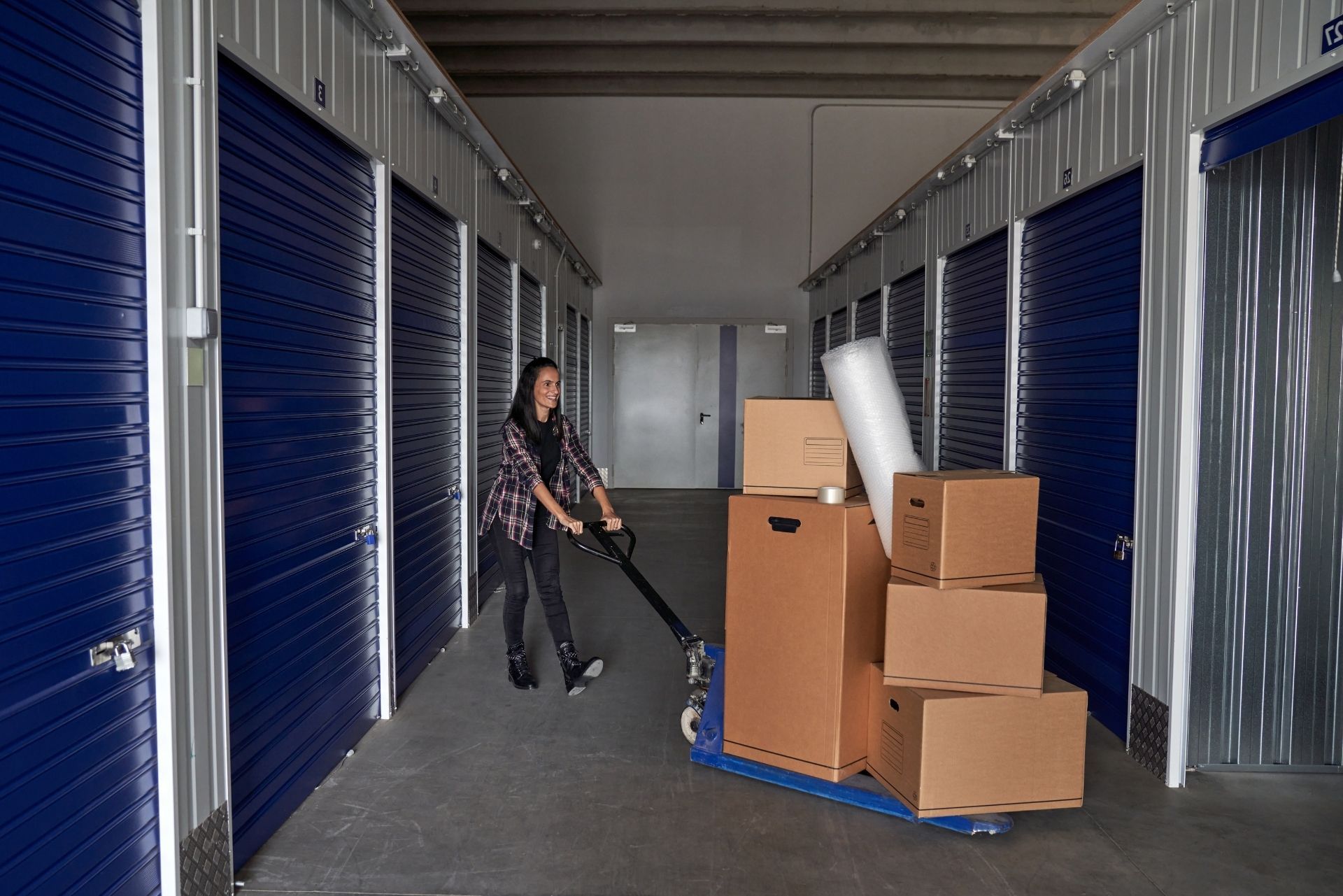
If you store customer belongings, whether short-term between moves or long-term in your warehouse facility, you need warehouse legal liability coverage. This protects against damage or loss while goods sit in your care.
Standard property insurance doesn't cover customer goods stored in your facility. Warehouse legal liability typically costs $0.10 to $0.30 per $100 of stored goods value annually. For a Sacramento storage operation holding $500,000 in customer belongings, that translates to roughly $500 to $1,500 per year.
Sacramento's climate creates specific risks: summer heat can damage electronics and photographs, while winter moisture affects wooden furniture. Your policy should address these regional concerns explicitly.

By: Mark Raby
Chief Executive Officer at Champion Risk & Insurance Services
California State Regulatory Requirements and CPUC Compliance
Mandatory Workers' Compensation for California Staff
California has zero tolerance for operating without workers' compensation insurance. Even with just one employee, you're required to carry coverage. The penalties for non-compliance include criminal charges, fines up to $100,000, and personal liability for any workplace injuries.
Moving is physically demanding work. Back injuries, dropped items on feet, and repetitive strain claims are common. Workers' comp premiums for moving companies typically run $15 to $25 per $100 of payroll, depending on your claims history. A company with $300,000 in annual payroll might pay $45,000 to $75,000 for workers' compensation alone.
California's workers' comp system is notoriously expensive, but cutting corners isn't an option. Champion Risk helps Sacramento movers implement safety programs that reduce claims and qualify for experience modification rate discounts.
Surety Bonds and Licensing for Local Movers
The California Public Utilities Commission (CPUC) regulates household goods movers operating within the state. You'll need a Motor Carrier of Property permit and a surety bond of at least $15,000 to operate legally.
The bond protects consumers if you fail to deliver belongings or violate CPUC regulations. Bond premiums typically cost 1-5% of the bond amount annually, so expect $150 to $750 per year. Your credit score and business history affect the rate.
As one
industry expert notes, "Due to California's strict regulations, it's beneficial to work with insurance companies specializing in household movers. Many standard insurance companies either won't write household movers or charge sky-high premiums because they don't understand the risk."
Factors Influencing Insurance Costs in the Sacramento Market
Impact of Service Radius and Territory
Local Sacramento movers operating within a 50-mile radius typically pay 20-30% less for commercial auto and cargo coverage compared to companies handling long-distance moves. The logic is straightforward: more miles mean more exposure.
If you handle interstate moves, you'll need federal operating authority and higher liability limits. Interstate movers must carry $750,000 in liability coverage minimum, significantly more than California's state requirements.
Sacramento's position as a regional hub means many movers serve the Bay Area, Lake Tahoe, and Central Valley. Each territory expansion affects your premium calculations. Be specific with your broker about actual service areas rather than overstating where you might theoretically work.
Claims History and Safety Record Adjustments
Your experience modification rate (EMR) directly impacts workers' compensation costs. An EMR of 1.0 is average. Below 1.0 earns discounts; above 1.0 triggers surcharges. A company with an EMR of 1.3 pays 30% more than the baseline rate.
Claims history affects all coverage types, not just workers' comp. Three or more at-fault accidents in three years can make some insurers decline coverage entirely. Others will quote, but at rates that make profitability difficult.
Investing in driver training, proper equipment, and documented safety protocols pays dividends beyond avoiding injuries.
Industry forecasts expect P&C premiums to grow about 5.5% in 2025, slowing to roughly 3% in 2026. Companies with clean records will see smaller increases than those with claims.
| Coverage Type | Typical Cost | Deductible Range | Best For |
|---|---|---|---|
| Released Value | Free | None | Budget moves with replaceable items |
| Full Value Protection | 1-2% of value | $250-$500 | Most household moves |
| Third-Party Insurance | $215-$2,500 | $100-$1,000 | High-value items, comprehensive coverage |

Specialized Add-ons for Comprehensive Storage Protection
Valuation Coverage vs. Insurance for Customer Goods
Here's a distinction that confuses many movers and customers alike: valuation coverage and insurance aren't the same thing. Valuation is the mover's liability for loss or damage, typically offered at released value (minimal protection) or full value protection.
Full value protection costs approximately 1% of the total estimate of your personal belongings' value. For a $50,000 household, that's $500. This coverage comes from the moving company, not a separate insurer.
Actual insurance policies, purchased separately by customers from third-party insurers, provide additional protection beyond valuation. Understanding this difference helps you explain options to customers and avoid liability disputes.
Cyber Liability for Digital Inventory Management
Modern moving companies rely on digital systems for inventory tracking, customer communications, and payment processing. A data breach exposing customer addresses, credit cards, and detailed household inventories creates serious liability.
Cyber liability coverage costs $500 to $2,000 annually for small moving operations. Given that
local Sacramento moves run $100-$180 per hour, a single breach could cost far more in customer notification requirements, credit monitoring, and reputation damage.
| Coverage Type | Typical Annual Cost | Required in CA? |
|---|---|---|
| General Liability | $1,500-$4,000 | No, but essential |
| Cargo Insurance | $1,000-$3,000 | Yes, $20,000 minimum |
| Commercial Auto | $3,000-$8,000/vehicle | Yes |
| Workers' Comp | $15-$25 per $100 payroll | Yes |
| Warehouse Liability | $500-$1,500 | For storage operations |
| Cyber Liability | $500-$2,000 | No, but recommended |
How to Secure Competitive Moving Insurance Quotes in California
Getting the best rates requires preparation beyond simply calling agents. Gather three years of loss runs from current insurers, document your safety training programs, and compile vehicle maintenance records. Insurers reward organized operations that demonstrate risk management.
Work with brokers who specialize in moving and storage rather than generalists. Champion Risk focuses on complex industries like moving and storage, understanding the nuances that general agents miss. A broker familiar with CPUC requirements and Sacramento's market conditions can identify coverage gaps and negotiate better terms.
Request quotes from at least three carriers, comparing not just premiums but deductibles, coverage limits, and exclusions. The cheapest policy often has exclusions that matter when claims arise.
Frequently Asked Questions
What's the minimum insurance required for a Sacramento moving company? California requires $600,000 in liability coverage (or split limits of $250,000/$500,000/$100,000), $20,000 cargo insurance per shipment, commercial auto coverage, and workers' compensation for any employees.
How much does moving company insurance cost in Sacramento? Total annual premiums typically range from $15,000 to $50,000 for small to mid-sized operations, depending on fleet size, payroll, service territory, and claims history.
Do I need separate insurance for storage operations? Yes. Warehouse legal liability covers customer goods in your facility. Standard business property insurance won't protect items you're storing for others.
Can I operate with just the minimum required coverage? Legally, yes. Practically, minimum coverage leaves dangerous gaps. One significant claim could exceed your limits and threaten your business.
How do I reduce my insurance costs? Maintain clean driving records, implement documented safety programs, consider higher deductibles, and work with specialized brokers who understand the moving industry.
Sacramento's moving and storage insurance requirements demand attention to detail and proper coverage structuring. The costs are significant, but operating without adequate protection risks everything you've built. Start by reviewing your current policies against California's requirements, then connect with a specialized broker who can identify gaps and opportunities for savings.
About the Author:
Mark Raby
I am a seasoned insurance professional with over 30 years of experience in the industry. I lead Champion Risk & Insurance Services, a San Diego-based brokerage with nationwide reach and strong influence in the insurance marketplace. My core competencies include insurance agency M&A deals, captives and alternative risk structures, and commercial property and casualty insurance for clients in the transportation and logistics industries. I am a former president of IIAB San Diego and hold a Bachelor of Science in Finance from Western Michigan University’s Haworth College of Business.
Protection for Transportation Operations
Business Insurance for Transportation & Logistics Companies
Coverage designed specifically for transportation businesses
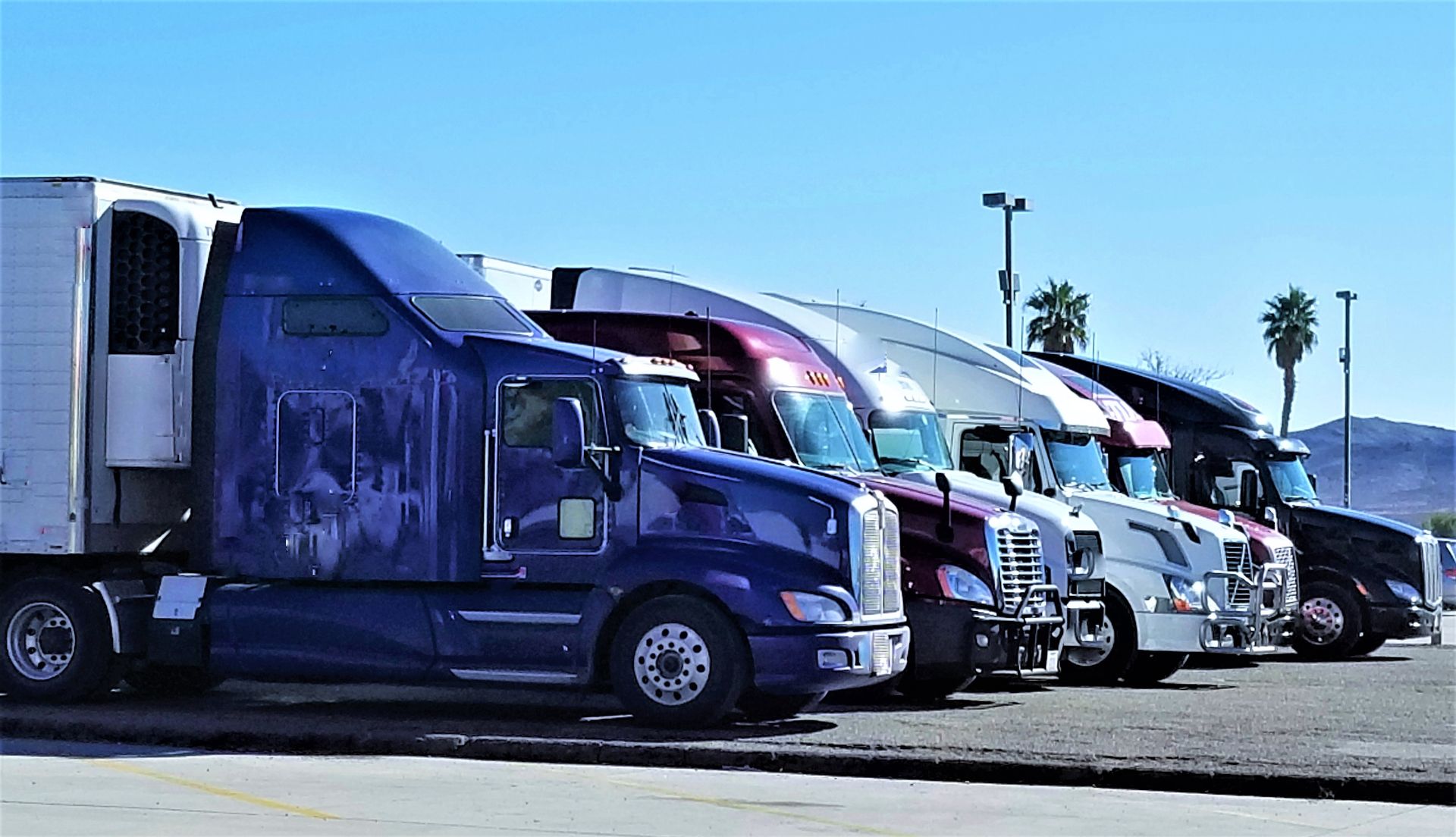
Commercial Auto & Trucking
Protection for your fleet including box trucks, moving vans, and trailers. Covers liability, collision, physical damage, and hired or non-owned vehicles used in your operations.
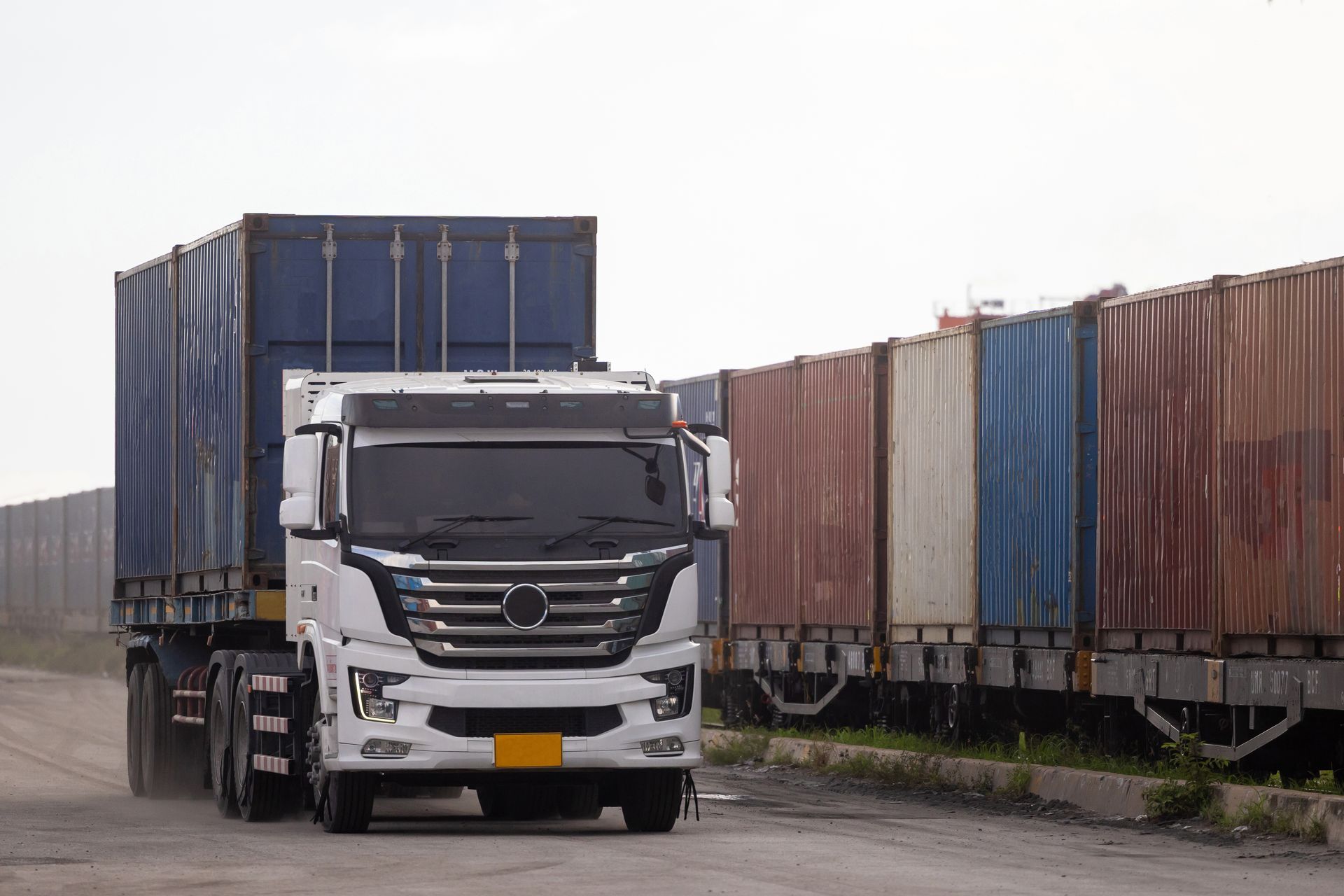
Motor Truck Cargo
Covers household goods and freight during transport from pickup to delivery. Protects against damage, theft, mysterious disappearance, and weather-related losses while cargo is in your care.

General Liability
Protection from third-party claims for bodily injury and property damage at customer homes, job sites, and your own facility. Essential coverage for every transportation operation

Warehouse Legal Liability
Coverage for customer property while stored in your facility. Protects against damage, theft, fire, and water damage to goods in your care, custody, or control.

Workers' Compensation
Medical care and wage replacement for employees injured on the job. Required in most states for transportation and warehouse work where physical labor creates higher injury risk.

Umbrella & Excess Liability
Higher liability limits stacked on top of your primary policies. Helps meet large contract requirements and protects your business assets against major claims and lawsuits.
Specialized Knowledge
Industries We Protect
Focused coverage for transportation and logistics businesses


Simple and Clear
How Our Process Works
Our process to get you covered
Connect With Us
Reach out through our form or by phone to share your business needs and current coverage situation.
Get Coverage Options
We review your risks, compare carriers, and present clear quotes with plain-language explanations.
Stay Protected
You choose your plan, and we provide ongoing support for certificates, claims, and renewals.
Trusted by Businesses
Feedback That Reflects Service and Reliability
What our clients say about working with Champion Risk
Answers You Need
Frequently Asked Questions
Common questions about transportation and logistics insurance




What insurance does a transportation company need to operate legally?
Motor carriers that cross state lines must meet FMCSA requirements. You need a minimum of $750,000 in liability coverage, plus a BMC-91 filing that proves your insurance to the federal government. Cargo coverage is also required, with minimums that depend on the type of goods you transport.
Intrastate operators follow state-specific rules. California, Texas, and Florida each have different requirements. Champion Risk handles both federal and state filings. We make sure your coverage meets legal minimums and your certificates reach the right agencies.
How much does commercial transportation insurance cost?
Premiums depend on your fleet size, driving records, cargo values, and claims history. A small operation with two trucks might pay $8,000 to $15,000 per year. A larger carrier with ten trucks could pay $50,000 to $100,000 or more.
The best way to control costs is working with a broker who knows transportation insurance. We find carriers that specialize in your exact operation type. This often results in better rates than going direct or using a general agent who doesn't understand the industry.
What is a BMC-91 filing and why do I need one?
A BMC-91 is a form your insurance company files with the FMCSA. It proves you carry the required liability coverage to operate as a for-hire motor carrier. Without an active BMC-91, your operating authority can be revoked.
Champion Risk works with carriers who file electronically. Your BMC-91 typically posts within 24 to 48 hours of binding coverage. We monitor your filing status and alert you if anything needs attention.
Does my warehouse or storage facility need different insurance than a trucking operation?
Yes. Storage facilities need warehouse legal liability coverage. This protects you when customer property is damaged or stolen while in your care. Standard general liability policies exclude this exposure.
You may also need property coverage for your building, equipment breakdown protection, and business income coverage if a fire or disaster shuts down operations. Champion Risk builds storage facility programs that address all these risks in one package.
Can you insure last-mile delivery drivers who use their own vehicles?
Yes. We offer hired and non-owned auto coverage for delivery operations that use independent contractors or employees driving personal vehicles. This fills gaps that personal auto policies don't cover during commercial use.
We also provide occupational accident coverage for 1099 drivers who aren't eligible for workers' comp. This protects your drivers and limits your liability exposure when accidents happen.
How fast can I get proof of insurance for a new contract?
Same day in most cases. Once we bind your policy, we issue certificates of insurance within hours. If your contract requires specific additional insured language or special endorsements, we coordinate directly with the carrier.
Rush requests happen often in this industry. General contractors and corporate clients demand certificates before they let you on site. Champion Risk prioritizes fast turnaround because we know your revenue depends on it.

Answers You Need
Transportation & Logistics Insurance Resources
Articles designed to inform and support your business
Contact Us
Phone Number:
Email Address:
Location:
12264 El Camino Real, Suite 350
San Diego, CA 92130
Hours:
Monday – Friday: 8:00 AM – 6:00 PM PT