
A single cargo theft can wipe out a quarter's profit. A driver accident without proper coverage can bankrupt a small fleet overnight. These aren't hypothetical scenarios: they happen every week across the transportation industry, often to companies that thought they had adequate protection.
The logistics insurance market tells the story of an industry under pressure. According to Reanin.com, this market is projected to reach USD 93.79 billion by 2032, growing at a CAGR of 3.4% from USD 74.22 billion in 2025. That growth reflects both increasing cargo values and rising risks across supply chains.
Understanding transportation and logistics insurance requirements isn't just about compliance: it's about survival. Whether you're running a three-truck operation or managing a nationwide freight brokerage, the coverage decisions you make today determine whether you're still in business after your first major claim. North America alone generated USD 23.6 billion in cargo transportation insurance revenue in 2024, representing over 36.6% of the global market share according to
SkyQuestt.com. That concentration of premium dollars reflects the complexity and risk inherent in moving goods across this continent.
Core Insurance Coverages for Transportation and Logistics
Commercial Auto and Primary Liability
Primary liability coverage forms the foundation of any transportation insurance program. This policy responds when your vehicles cause bodily injury or property damage to third parties. Federal regulations mandate minimum coverage levels, but smart operators carry limits well beyond those minimums.
Most commercial auto policies combine liability with physical damage coverage for your vehicles themselves. Collision coverage handles accidents, while comprehensive covers theft, vandalism, and weather damage. The distinction matters when you're filing claims: a truck that jackknifes on ice involves collision coverage, while one stolen from a truck stop triggers comprehensive.
Motor Truck Cargo and Freight Insurance
Your liability for the freight you haul represents a separate exposure entirely. As Burns & Wilcox explains, "The trucker should also carry Motor Truck Cargo Liability Insurance, which will pay for the damage to the cargo being carried... and cover earned freight, debris removal, and other expenses incurred to protect the cargo and get it delivered as quickly and efficiently as possible."
Cargo insurance costs typically range from 0.3% to 1% of cargo value, according to FreightAmigo.com. That percentage varies based on commodity type, route, and your claims history. Hauling electronics through high-theft corridors costs more than moving lumber across rural highways.
General Liability and Warehouse Legal Liability
Operations that involve warehousing, cross-docking, or terminal facilities need general liability coverage separate from auto policies. This protects against slip-and-fall injuries, property damage at your facilities, and other premises-related exposures.
Warehouse legal liability specifically covers damage to customer goods while in your care, custody, and control at fixed locations. The policy responds differently than cargo coverage: it's location-based rather than transit-based. Companies operating distribution centers or storage facilities need both coverages working together.

By: Mark Raby
Chief Executive Officer at Champion Risk & Insurance Services
Specialized Policies for Logistics Intermediaries
Freight Broker Professional Liability (E&O)
Freight brokers face unique exposures that standard policies don't address. Errors and omissions coverage protects against claims arising from mistakes in arranging transportation: booking the wrong carrier, misquoting rates, or failing to verify a carrier's insurance status.
These claims often emerge months after the shipment moved. A shipper discovers cargo damage, the carrier's insurance has lapsed, and suddenly the broker faces a lawsuit. E&O coverage responds to these professional liability claims that general liability policies exclude.
Contingent Cargo and Contingent Auto Liability
Contingent policies act as backup coverage when a carrier's primary insurance fails. Contingent cargo coverage kicks in when a carrier's cargo policy doesn't respond: perhaps due to policy exclusions, insufficient limits, or outright fraud by a carrier who never had coverage.
Contingent auto liability provides similar protection for bodily injury and property damage claims. When Champion Risk evaluates broker coverage needs, these contingent policies often prove essential for protecting against carrier failures that would otherwise leave the broker exposed.
Cyber Liability for Supply Chain Management
Modern logistics operations run on data. Transportation management systems, customer portals, and electronic logging devices create cyber exposures that didn't exist a decade ago. A ransomware attack can halt operations across an entire network.
Cyber liability coverage addresses data breach notification costs, business interruption from system outages, and liability for compromised customer information. The cargo insurance market's projected growth to USD 101.43 billion by 2032, as noted by
SNS Insider,reflects partly this expanding digital risk landscape.
Regulatory Requirements and FMCSA Compliance
Minimum Liability Limits and Form BMC-91X
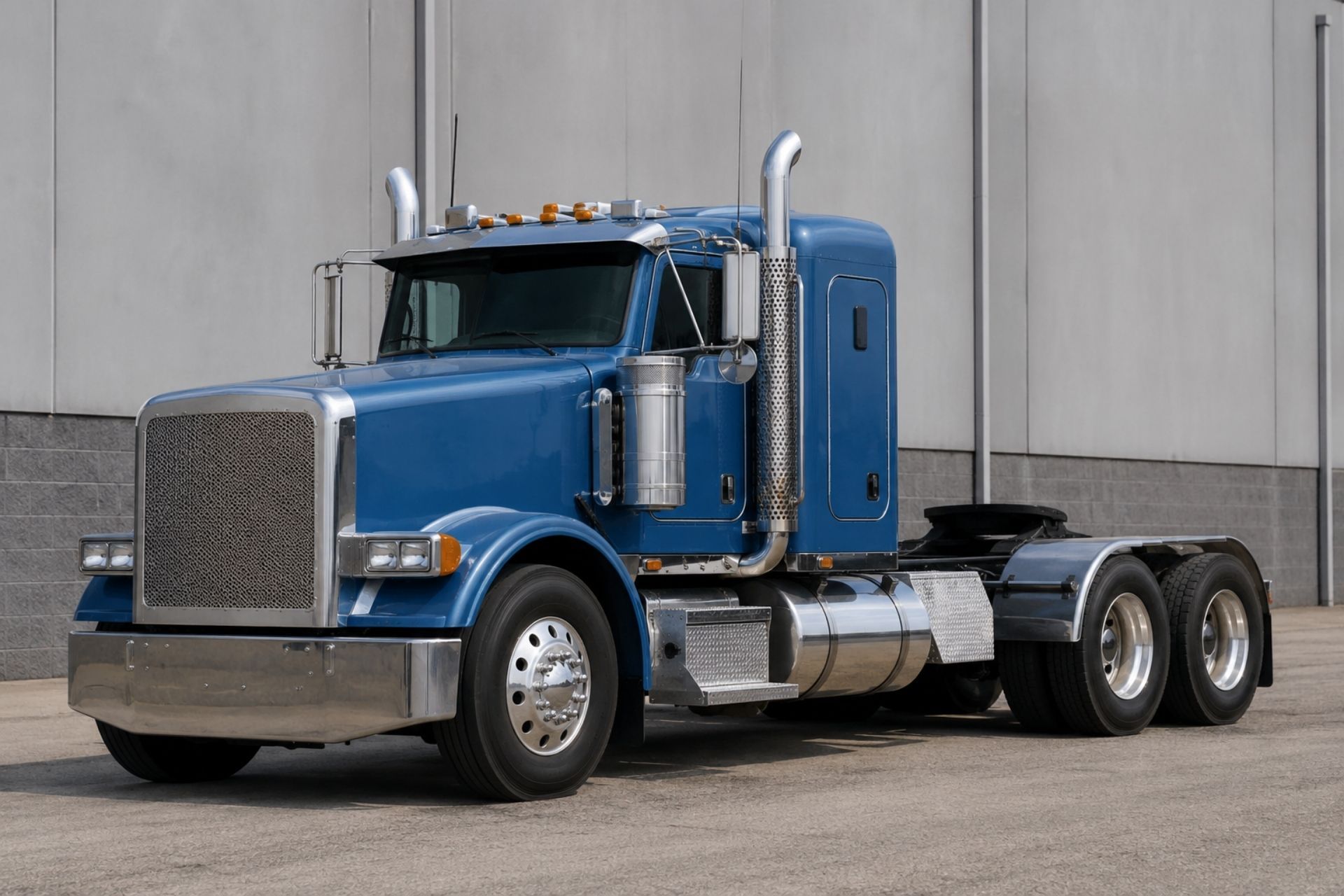
The Federal Motor Carrier Safety Administration sets minimum insurance requirements for interstate carriers. General freight carriers need $750,000 in liability coverage. Hazmat haulers face requirements up to $5 million depending on the materials transported.
Form BMC-91X demonstrates proof of insurance to the FMCSA. Your insurance company files this form directly with the agency, and it must remain on file for your operating authority to stay active. Lapses trigger authority revocation within 30 days.
Surety Bonds (BMC-84) and Trust Agreements (BMC-85)
Freight brokers and freight forwarders must maintain $75,000 in financial security through either a BMC-84 surety bond or BMC-85 trust fund agreement. This requirement protects carriers and shippers against broker default.
The bond doesn't replace insurance: it's a separate requirement. Many brokers have learned this distinction the hard way when shippers filed claims exceeding bond amounts. Champion Risk works with brokers to ensure both bonding and insurance requirements align with actual operational exposures.
Factors Influencing Transportation Insurance Costs
Fleet Safety Records and CSA Scores
Insurance underwriters study your Compliance, Safety, Accountability scores before quoting coverage. High scores in unsafe driving, crash indicators, or hours-of-service compliance trigger premium increases or outright declinations.
Your three-year loss history matters more than almost any other factor. A fleet with clean inspections and no at-fault accidents pays dramatically less than one with multiple claims. Some carriers see 40% premium differences based solely on safety performance.
Route Risks and Cargo Valuation
Geography influences pricing significantly. Routes through high-theft corridors like Los Angeles, Memphis, or Miami carry surcharges. Mountain passes with winter weather exposure cost more than flatland hauls.
| Risk Factor | Premium Impact | Example |
|---|---|---|
| High-theft routes | 15-30% increase | California I-10 corridor |
| Hazmat endorsement | 25-50% increase | Fuel tankers |
| High-value cargo | Variable by commodity | Electronics, pharmaceuticals |
| Natural Disaster Zones | 20-40% increase | First two years of operation |
Deductible Structures and Coverage Limits
Higher deductibles reduce premiums but increase out-of-pocket exposure. A $5,000 cargo deductible might save $2,000 annually in premium: worth it if you rarely file claims, costly if you experience frequent minor losses.
Coverage limits should reflect actual exposure, not minimum requirements. A $100,000 cargo limit means nothing when you're hauling $500,000 loads. The cargo transportation insurance market's projected growth to USD 86.96 billion by 2033 according to
GiiResearch.com reflects increasing cargo values demanding higher coverage limits.
Implementing Telematics and Dashcam Technology
Telematics devices that monitor speed, braking, and hours of service demonstrate commitment to safety. Many insurers offer 5-15% premium credits for fleets with active telematics programs.
Dashcams provide invaluable evidence when accidents occur. Footage that proves your driver wasn't at fault can save hundreds of thousands in liability claims. The investment typically pays for itself within the first disputed claim.
Driver Training and Retention Programs
Driver turnover kills insurance programs. New drivers have higher accident rates, and constant turnover prevents building the experienced workforce that earns premium credits. Retention bonuses and career development programs reduce both turnover and insurance costs.
Formal training programs documented with certificates and refresher courses demonstrate proactive risk management. Insurers reward this documentation with better rates. Champion Risk often helps clients structure training programs that satisfy underwriter requirements while actually improving driver performance.
How to Select the Right Logistics Insurance Provider
Choosing an insurance provider involves more than comparing premium quotes. Look for carriers with transportation specialization and claims adjusters who understand the industry. A general insurance company might offer lower premiums but struggle when you need cargo salvage expertise or understand hours-of-service regulations affecting a claim.
Financial stability matters: check AM Best ratings before binding coverage. A carrier rated below A- might not be around to pay claims five years from now. Ask about claims handling processes, average settlement times, and whether they have dedicated transportation claims teams.
Frequently Asked Questions
How much does freight insurance typically cost? Freight insurance generally runs 0.3% to 1% of cargo value, varying by commodity type, route risk, and your claims history.
What's the difference between cargo insurance and freight insurance? The terms are often used interchangeably. Cargo insurance covers goods in transit, while "freight insurance" sometimes refers specifically to coverage for the freight charges themselves.
Do freight brokers need their own cargo insurance? Brokers should carry contingent cargo coverage. While carriers maintain primary cargo policies, contingent coverage protects brokers when carrier insurance fails to respond.
What happens if my BMC-91X filing lapses? The FMCSA will revoke your operating authority within 30 days of insurance cancellation. You cannot legally operate interstate until coverage is reinstated and new filings are accepted.
Can I reduce my transportation insurance premiums? Yes: maintain clean CSA scores, implement telematics, reduce driver turnover, and consider higher deductibles if your cash flow supports them.
Making the Right Coverage Decision
Transportation and logistics insurance represents a significant operational expense, but inadequate coverage represents an existential threat. The companies that thrive in this industry understand their specific exposures, meet regulatory requirements, and work with specialized providers who understand the nuances of moving freight.
Start by auditing your current coverage against actual operations. Compare policy limits to real cargo values and route exposures. Review your CSA scores and loss history to understand how underwriters view your risk profile. Then work with a provider like Champion Risk who can structure coverage that protects your business without paying for exposures you don't have. The right insurance program doesn't just satisfy regulators: it lets you take on new business confidently, knowing you're protected when things go wrong.
About the Author:
Mark Raby
I am a seasoned insurance professional with over 30 years of experience in the industry. I lead Champion Risk & Insurance Services, a San Diego-based brokerage with nationwide reach and strong influence in the insurance marketplace. My core competencies include insurance agency M&A deals, captives and alternative risk structures, and commercial property and casualty insurance for clients in the transportation and logistics industries. I am a former president of IIAB San Diego and hold a Bachelor of Science in Finance from Western Michigan University’s Haworth College of Business.
Protection for Transportation Operations
Business Insurance for Transportation & Logistics Companies
Coverage designed specifically for transportation businesses
Commercial Auto & Trucking
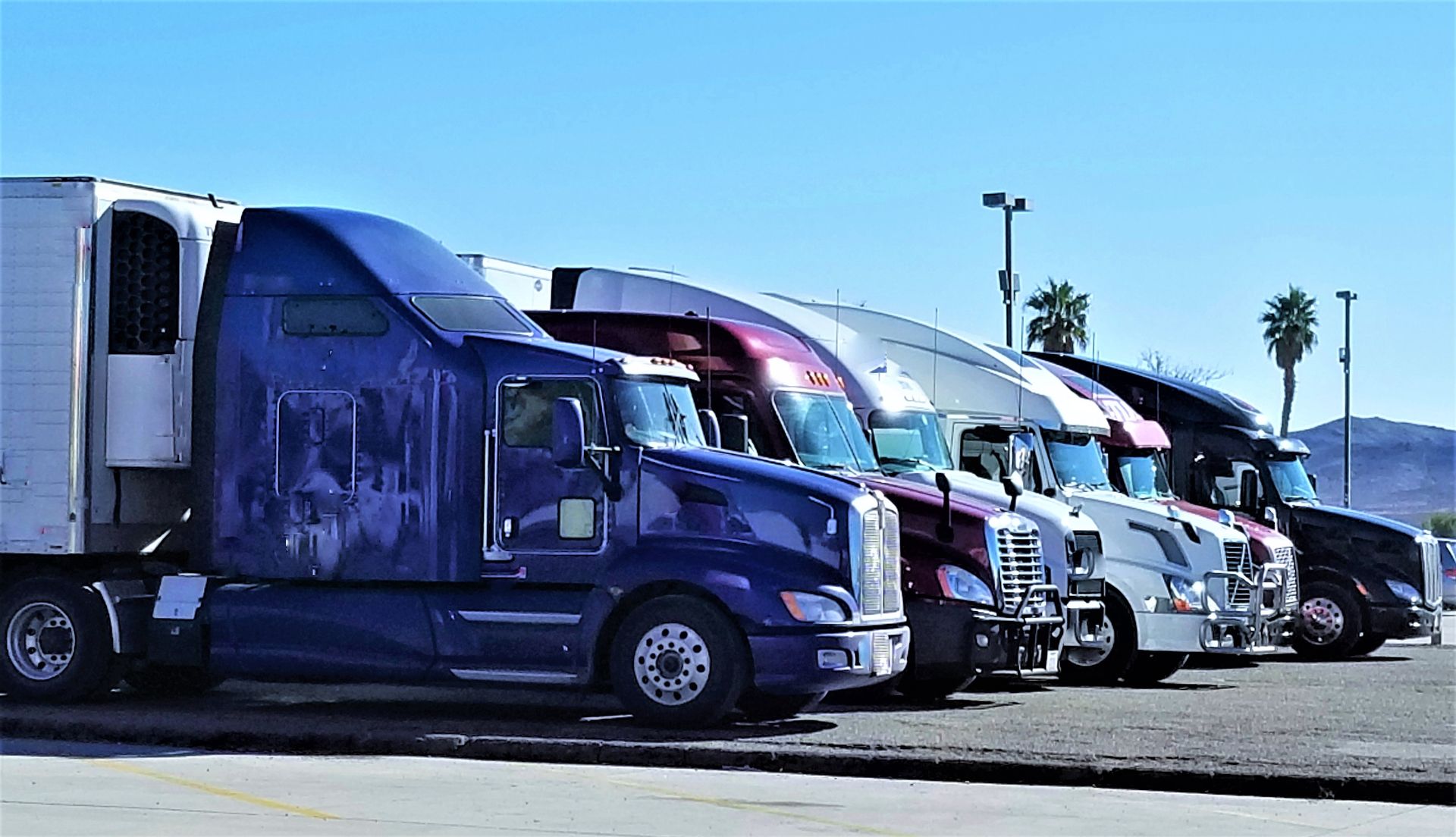
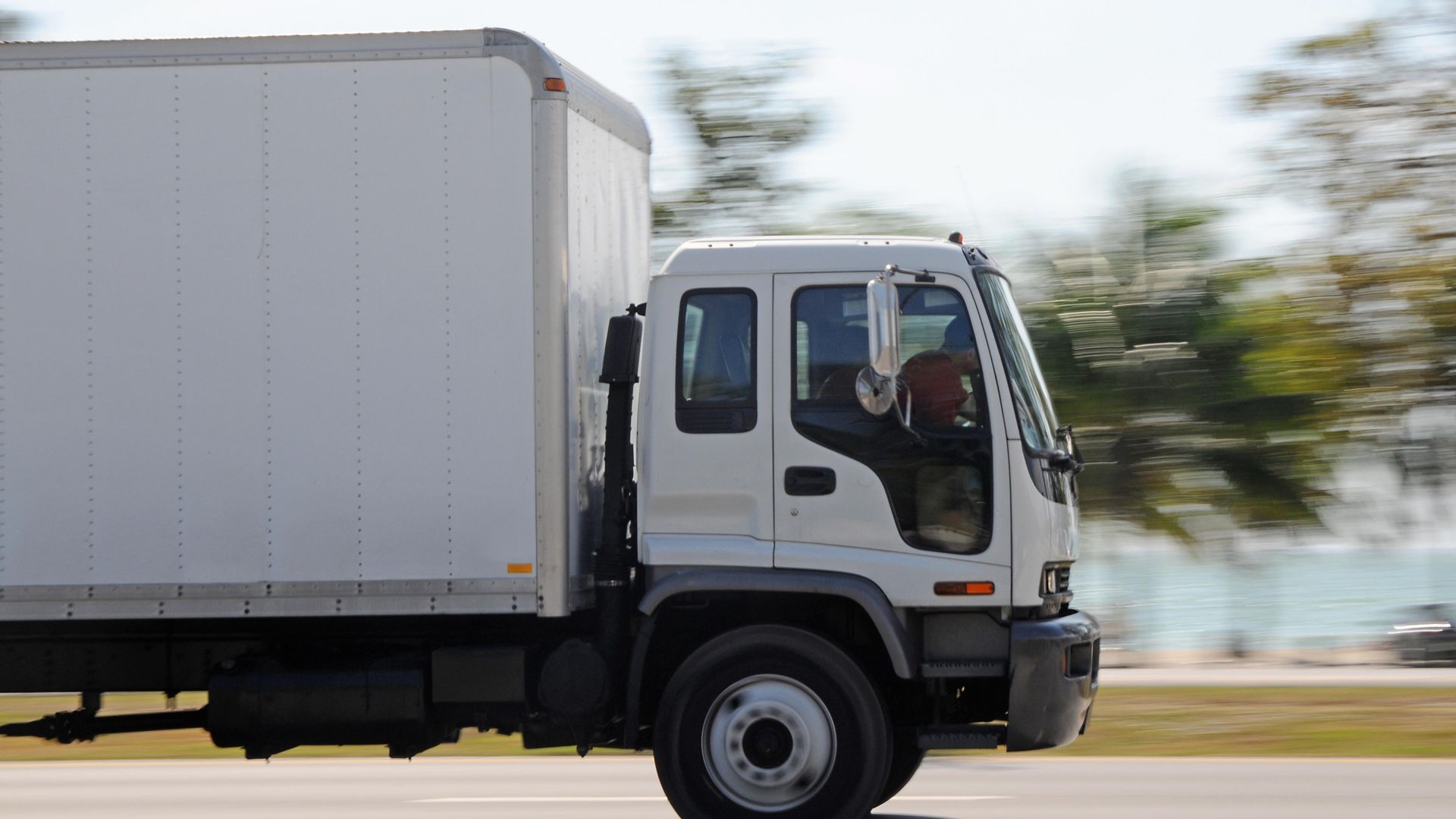
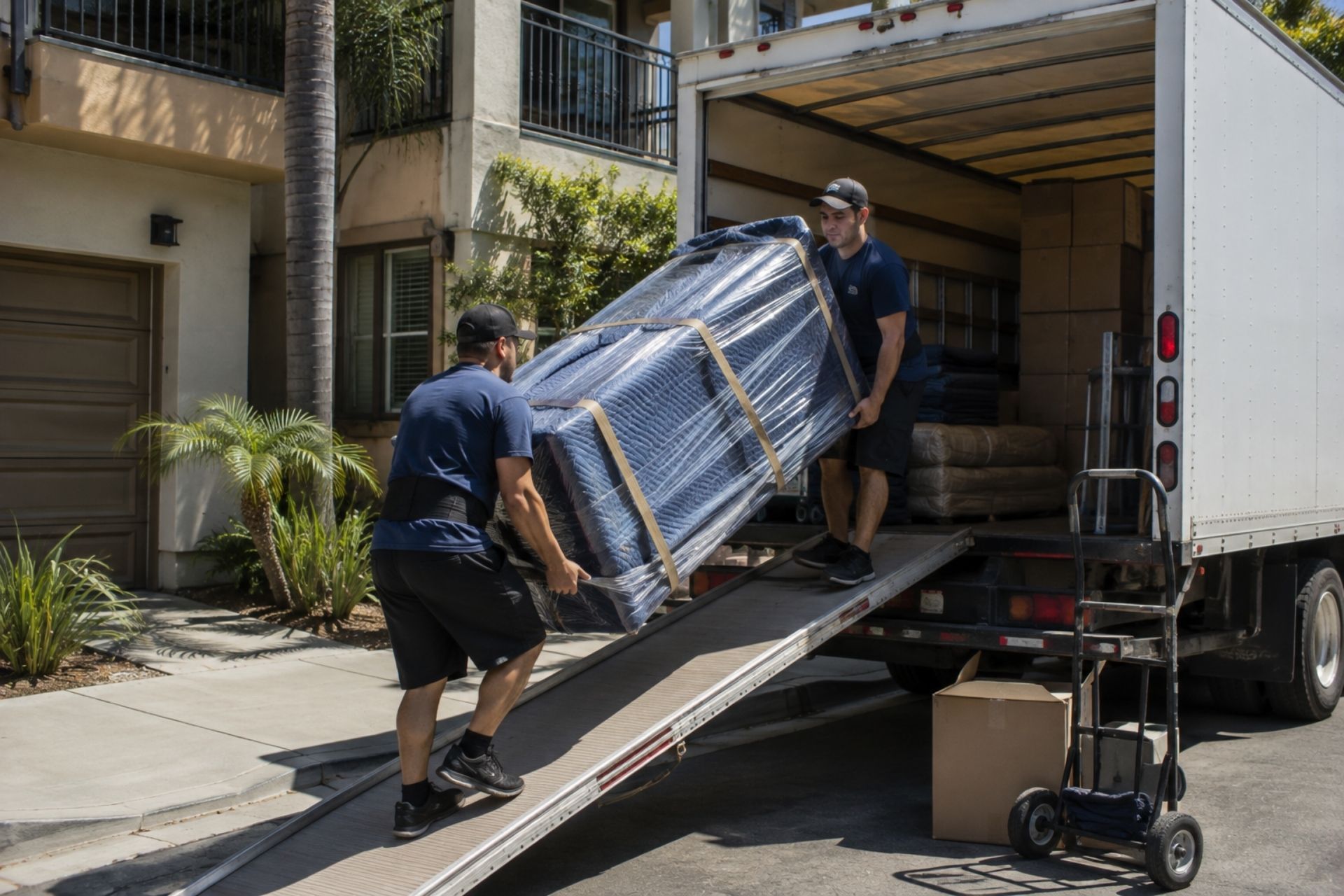
Protection for your fleet including box trucks, moving vans, and trailers. Covers liability, collision, physical damage, and hired or non-owned vehicles used in your operations.
Motor Truck Cargo
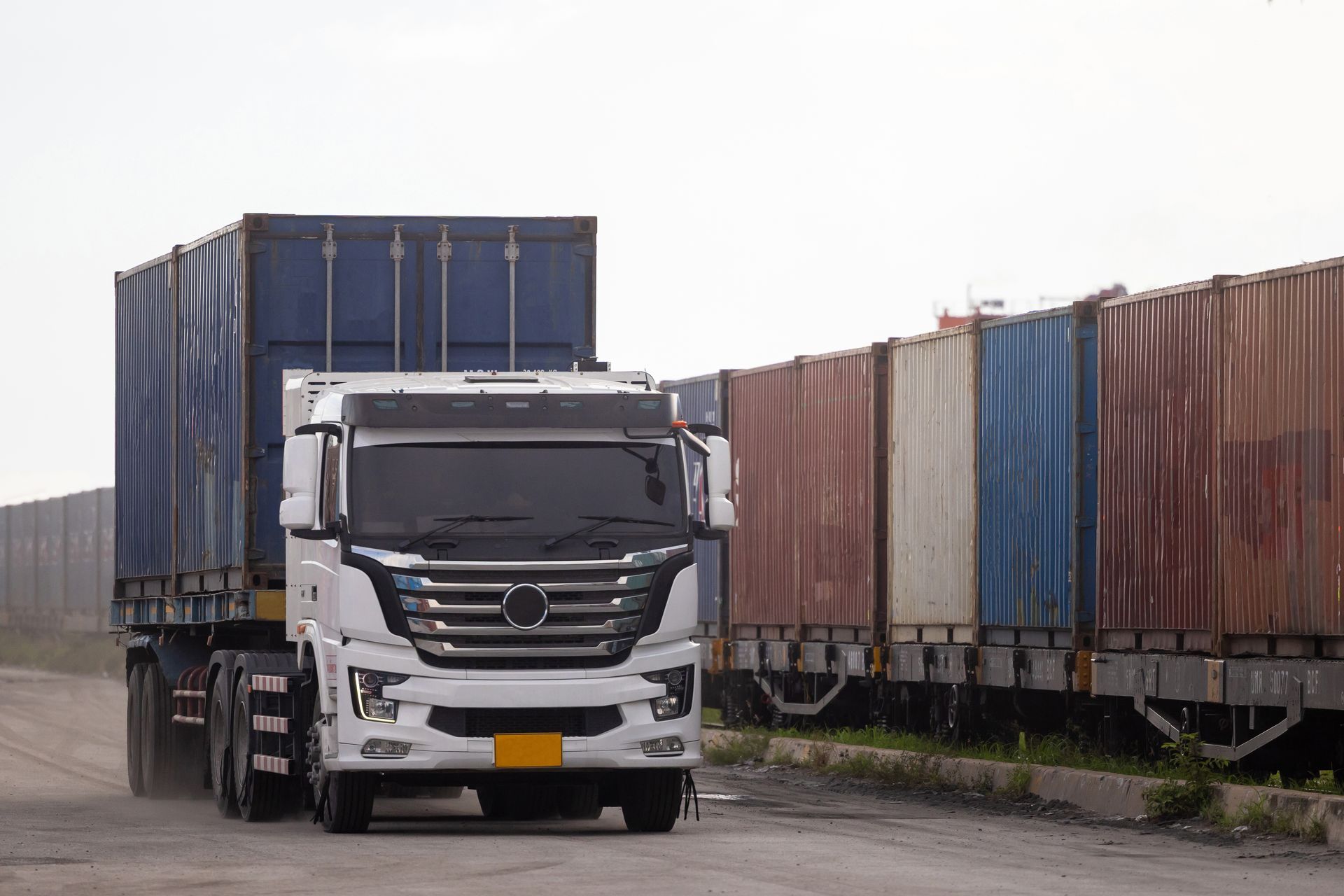
Covers household goods and freight during transport from pickup to delivery. Protects against damage, theft, mysterious disappearance, and weather-related losses while cargo is in your care.

General Liability
Protection from third-party claims for bodily injury and property damage at customer homes, job sites, and your own facility. Essential coverage for every transportation operation

Warehouse Legal Liability
Coverage for customer property while stored in your facility. Protects against damage, theft, fire, and water damage to goods in your care, custody, or control.

Workers' Compensation
Medical care and wage replacement for employees injured on the job. Required in most states for transportation and warehouse work where physical labor creates higher injury risk.

Umbrella & Excess Liability
Higher liability limits stacked on top of your primary policies. Helps meet large contract requirements and protects your business assets against major claims and lawsuits.
Specialized Knowledge
Industries We Protect
Focused coverage for transportation and logistics businesses


Simple and Clear
How Our Process Works
Our process to get you covered
Connect With Us
Reach out through our form or by phone to share your business needs and current coverage situation.
Get Coverage Options
We review your risks, compare carriers, and present clear quotes with plain-language explanations.
Stay Protected
You choose your plan, and we provide ongoing support for certificates, claims, and renewals.
Trusted by Businesses
Feedback That Reflects Service and Reliability
What our clients say about working with Champion Risk
Answers You Need
Frequently Asked Questions
Common questions about transportation and logistics insurance



What insurance does a transportation company need to operate legally?
Motor carriers that cross state lines must meet FMCSA requirements. You need a minimum of $750,000 in liability coverage, plus a BMC-91 filing that proves your insurance to the federal government. Cargo coverage is also required, with minimums that depend on the type of goods you transport.
Intrastate operators follow state-specific rules. California, Texas, and Florida each have different requirements. Champion Risk handles both federal and state filings. We make sure your coverage meets legal minimums and your certificates reach the right agencies.
How much does commercial transportation insurance cost?
Premiums depend on your fleet size, driving records, cargo values, and claims history. A small operation with two trucks might pay $8,000 to $15,000 per year. A larger carrier with ten trucks could pay $50,000 to $100,000 or more.
The best way to control costs is working with a broker who knows transportation insurance. We find carriers that specialize in your exact operation type. This often results in better rates than going direct or using a general agent who doesn't understand the industry.
What is a BMC-91 filing and why do I need one?
A BMC-91 is a form your insurance company files with the FMCSA. It proves you carry the required liability coverage to operate as a for-hire motor carrier. Without an active BMC-91, your operating authority can be revoked.
Champion Risk works with carriers who file electronically. Your BMC-91 typically posts within 24 to 48 hours of binding coverage. We monitor your filing status and alert you if anything needs attention.
Does my warehouse or storage facility need different insurance than a trucking operation?
Yes. Storage facilities need warehouse legal liability coverage. This protects you when customer property is damaged or stolen while in your care. Standard general liability policies exclude this exposure.
You may also need property coverage for your building, equipment breakdown protection, and business income coverage if a fire or disaster shuts down operations. Champion Risk builds storage facility programs that address all these risks in one package.
Can you insure last-mile delivery drivers who use their own vehicles?
Yes. We offer hired and non-owned auto coverage for delivery operations that use independent contractors or employees driving personal vehicles. This fills gaps that personal auto policies don't cover during commercial use.
We also provide occupational accident coverage for 1099 drivers who aren't eligible for workers' comp. This protects your drivers and limits your liability exposure when accidents happen.
How fast can I get proof of insurance for a new contract?
Same day in most cases. Once we bind your policy, we issue certificates of insurance within hours. If your contract requires specific additional insured language or special endorsements, we coordinate directly with the carrier.
Rush requests happen often in this industry. General contractors and corporate clients demand certificates before they let you on site. Champion Risk prioritizes fast turnaround because we know your revenue depends on it.

Answers You Need
Transportation & Logistics Insurance Resources
Articles designed to inform and support your business
Contact Us
Phone Number:
Email Address:
Location:
12264 El Camino Real, Suite 350
San Diego, CA 92130
Hours:
Monday – Friday: 8:00 AM – 6:00 PM PT