North Carolina sits at a crossroads of American commerce. With Interstate 85 connecting Atlanta to the Northeast corridor and I-40 stretching from Wilmington's port to the Tennessee mountains, the state handles freight volumes that would surprise most people. According to Business NC, North Carolina's trucking system moved 478 million tons of freight valued at $741 billion in 2022. Those numbers aren't slowing down either. The NC Chamber projects freight moved by trucks will increase 64% by weight and 97% by value between 2022 and 2050.
This growth creates opportunity, but it also creates exposure. Every mile driven, every load hauled, and every driver hired adds another layer of risk to your operation. Getting transportation and logistics insurance right in North Carolina means understanding both the state's specific requirements and the practical realities of protecting a fleet that operates in one of the Southeast's busiest freight corridors. The difference between adequate coverage and the right coverage can mean the survival or failure of your business after a major claim.
The North Carolina Transportation and Logistics Landscape
State-Specific Regulatory Environment
North Carolina enforces trucking regulations through the Division of Motor Vehicles and the Utilities Commission, depending on your carrier type. For-hire carriers face different oversight than private fleets, and the paperwork requirements reflect that distinction. The state requires specific insurance filings before you can legally operate, and those filings must remain current or you risk having your authority suspended.
What catches many new operators off guard is how North Carolina handles passenger transportation. Wade Byrd Law notes that for-hire carriers of passengers must carry minimum coverage of $5 million for vehicles seating more than 15 passengers. That's significantly higher than standard commercial auto requirements and reflects the state's serious approach to protecting the public.
Risk Management for NC Transit Hubs
Charlotte, Raleigh-Durham, and the Piedmont Triad region handle enormous freight volumes daily. The Port of Wilmington adds another dimension, with intermodal operations connecting ocean freight to highway networks. Operating in these hubs means dealing with congested traffic, tight delivery windows, and increased accident exposure.
Carriers running routes through Research Triangle Park face different risks than those hauling agricultural products from the eastern counties. Your insurance program needs to account for where you actually operate, not just where your trucks are registered. Urban operations typically see higher claim frequency, while rural routes might involve longer response times for emergency services.


By: Mark Raby
Chief Executive Officer at Champion Risk & Insurance Services
Essential Insurance Coverages for NC Carriers
Commercial Auto and Primary Liability
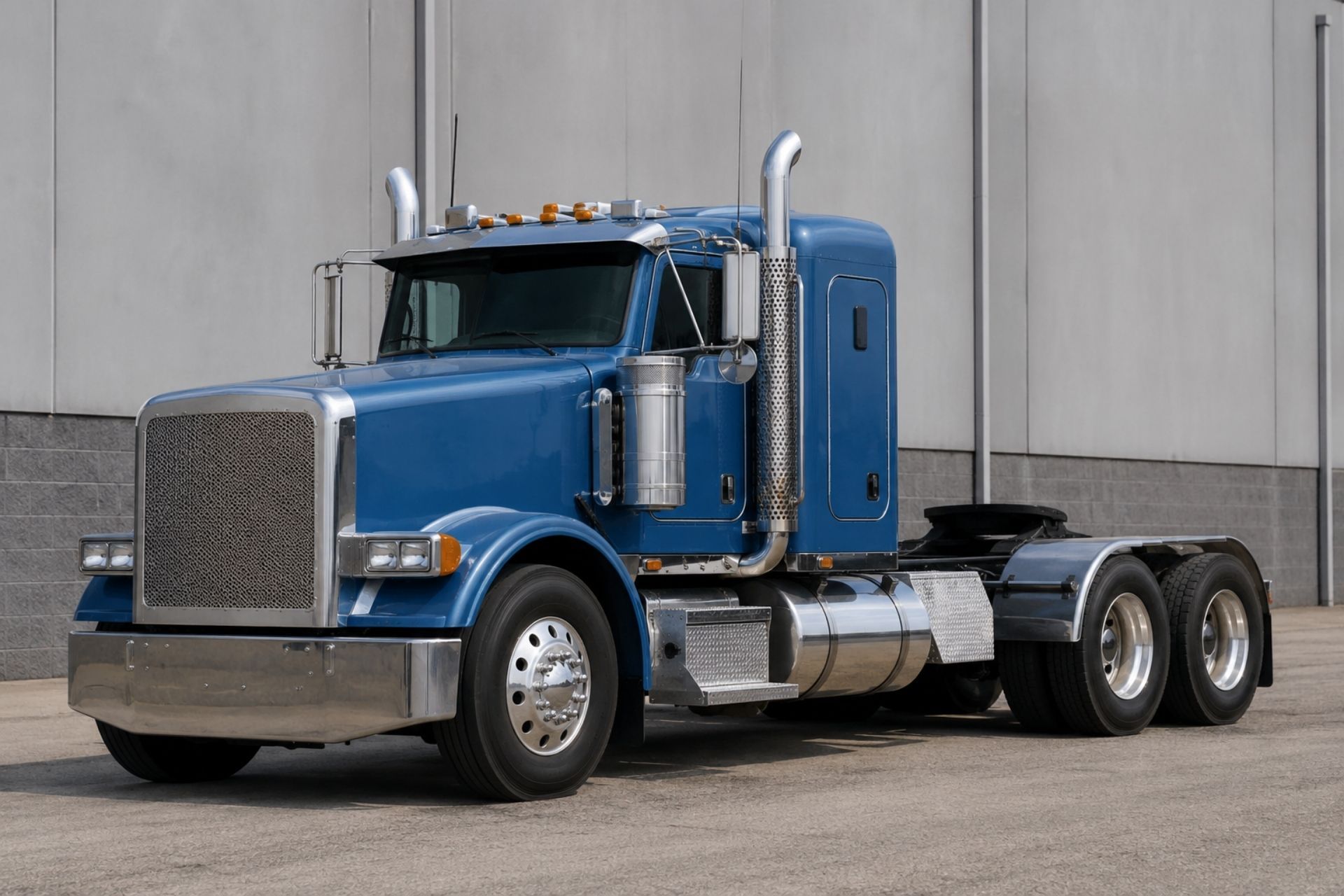
Primary liability coverage forms the foundation of any trucking insurance program. Langino Law confirms that commercial drivers in North Carolina must carry at least $750,000 in liability insurance to cover potential damages. That minimum applies to most for-hire operations, though your actual needs likely exceed that threshold.
The reality is that $750,000 sounds like substantial coverage until you're facing a multi-vehicle accident with serious injuries. Medical costs, lost wages, and pain and suffering awards regularly exceed seven figures in North Carolina courts. Champion Risk typically recommends carriers evaluate their exposure based on cargo value, route characteristics, and historical claim patterns rather than simply meeting minimum requirements.
Motor Truck Cargo and Inland Marine Protection
Your liability coverage protects others when accidents happen. Cargo insurance protects the freight you're hauling. These are separate policies with different triggers and coverage mechanisms. Motor truck cargo insurance responds when goods are damaged, lost, or stolen while in your care, custody, and control.
Inland marine coverage extends protection to equipment and goods in transit that don't fit neatly into standard property policies. If you're hauling specialized equipment, high-value electronics, or temperature-sensitive pharmaceuticals, standard cargo limits probably won't cover a total loss. Understanding what you're actually transporting helps determine appropriate coverage limits.
General Liability and Property Insurance
Commercial auto policies don't cover everything. General liability protects your business from third-party claims arising from operations at your terminal, loading dock injuries involving non-employees, and other premises-related exposures. Property insurance covers your buildings, equipment, and business personal property.
Many carriers overlook these coverages because they focus so heavily on the trucks themselves. That's a mistake. A visitor who slips on ice in your parking lot doesn't care that you have excellent auto coverage. They care about getting compensated for their injuries, and without general liability, that compensation comes directly from your business assets.
North Carolina State Insurance Requirements and Filings
Minimum Liability Limits and Form E Filings
Form E filings prove to the state that you maintain required insurance coverage. Your insurance carrier files this form directly with the appropriate regulatory body, and it must remain active for your operating authority to stay valid. If your policy lapses or cancels, the insurer notifies the state, and your authority can be suspended within days.
The filing process seems straightforward until something goes wrong. Carriers switching insurance providers sometimes experience gaps in their Form E filings, creating compliance problems they don't discover until they're pulled over at a weigh station or lose a contract because their authority shows as inactive. Working with an insurance partner who understands these filing requirements prevents those surprises.
Workers' Compensation Mandates in North Carolina
North Carolina requires workers' compensation coverage for businesses with three or more employees. Trucking operations rarely have fewer than three employees, so this effectively means most carriers need coverage. Owner-operators with no employees might be exempt, but adding even one driver changes that calculation.
Workers' comp claims in trucking tend to involve serious injuries. Drivers face risks from lifting, loading, extended sitting, and traffic accidents. Claims for back injuries, knee problems, and accident-related trauma can result in significant medical costs and lost time. Champion Risk has seen carriers struggle to find affordable workers' comp coverage after a few bad claims, which makes loss prevention programs even more valuable.

Factors Influencing Transportation Insurance Costs
Safety Scores and Driving Records
Your CSA scores and driver history directly impact what you pay for insurance. Carriers with clean records and favorable safety ratings access better markets and lower premiums. Those with violations, accidents, or poor inspection results find themselves paying significantly more, if they can find coverage at all.
Insurance underwriters pull your SAFER data and review individual driver MVRs before quoting coverage. A single driver with a serious violation can increase your overall premium by thousands of dollars annually. Some carriers resist removing problem drivers because of the cost of hiring replacements, but that calculation rarely makes financial sense when you factor in insurance costs.
Cargo Type and Operating Radius
Hauling refrigerated pharmaceuticals creates different exposure than hauling gravel. High-value, theft-prone, or hazardous cargo commands higher premiums because the potential claim severity increases. Similarly, carriers operating within a 100-mile radius face different risks than those running coast-to-coast routes.
According to
Alvix Insurance, most commercial truck insurance premiums in North Carolina range from approximately $8,000 to $11,500 per truck annually. That range varies significantly based on these operational factors. A local delivery operation hauling general freight pays less than a long-haul carrier transporting electronics.
Implementing Telematics and Safety Tech
Electronic logging devices are mandatory, but telematics goes further. GPS tracking, dashcams, and driver behavior monitoring systems provide data that can support lower insurance rates. More importantly, they help prevent accidents that would increase your costs regardless of what you're paying today.
Forward-facing cameras have become particularly valuable for defending against fraudulent claims. When someone brake-checks your driver and claims injury, video evidence can save you hundreds of thousands in settlement costs. The CRC Group notes that "the trucking industry faces rising insurance costs due to nuclear verdicts, skyrocketing repair costs, and driver shortages." Technology that helps prevent or defend against claims provides real financial value.
Driver Training and Retention Programs
Experienced drivers with clean records cost less to insure than new CDL holders. Investing in driver retention through competitive pay, reasonable home time, and quality equipment reduces turnover and keeps your safer drivers behind the wheel longer.
Formal training programs also demonstrate to underwriters that you take safety seriously. Documenting your hiring standards, ongoing training requirements, and safety meeting attendance creates a paper trail that supports better insurance terms. Champion Risk works with carriers to present their safety programs effectively during the underwriting process.
Choosing the Right Insurance Partner for Your Fleet
Finding coverage isn't difficult. Finding the right coverage at sustainable pricing requires working with someone who understands trucking operations and North Carolina's regulatory environment. The cheapest quote often comes from carriers who don't fully understand your exposure, leading to coverage gaps you discover only when filing a claim.
| Coverage Type | Minimum Required | Recommended Range |
|---|---|---|
| Primary Liability | $750,000 | $1M - $2M |
| Cargo Coverage | Varies by contract | $100K - $250K |
| Passenger Liability (15+ seats) | $5,000,000 | $5M+ |
| Workers' Compensation | Required (3+ employees) | Statutory limits |
Look for an insurance partner who asks detailed questions about your operations, reviews your safety programs, and helps you understand coverage options rather than just selling policies. The relationship matters most when claims happen and you need someone advocating for your interests.
Frequently Asked Questions
What liability coverage do I need for a trucking company in North Carolina? Most for-hire carriers need at least $750,000 in liability coverage, though many contracts and practical considerations push that higher. Passenger carriers with vehicles seating more than 15 need $5 million minimum.
How much does truck insurance cost in North Carolina? Annual premiums typically range from $8,000 to $11,500 per truck, depending on cargo type, operating radius, safety scores, and driver experience.
Do I need workers' compensation for my trucking company? Yes, if you have three or more employees. Owner-operators without employees may be exempt, but adding drivers triggers the requirement.
How can I lower my trucking insurance costs? Maintain clean CSA scores, invest in telematics and dashcams, implement documented safety programs, and retain experienced drivers with good records.
What is a Form E filing? Form E proves to North Carolina regulators that you maintain required insurance coverage. Your insurer files it directly, and it must stay current for your authority to remain valid.
Making the Right Choice for Your Operation
Getting transportation insurance right in North Carolina requires balancing state requirements against practical business needs. The minimum coverage keeps you legal, but adequate coverage keeps you in business after a serious claim. Work with a partner like Champion Risk who understands both the regulatory landscape and the operational realities of running trucks through one of America's busiest freight corridors. Your coverage decisions today determine whether you're still operating after the next major claim.
About the Author:
Mark Raby
I am a seasoned insurance professional with over 30 years of experience in the industry. I lead Champion Risk & Insurance Services, a San Diego-based brokerage with nationwide reach and strong influence in the insurance marketplace. My core competencies include insurance agency M&A deals, captives and alternative risk structures, and commercial property and casualty insurance for clients in the transportation and logistics industries. I am a former president of IIAB San Diego and hold a Bachelor of Science in Finance from Western Michigan University’s Haworth College of Business.
Protection for Transportation Operations
Business Insurance for Transportation & Logistics Companies
Coverage designed specifically for transportation businesses
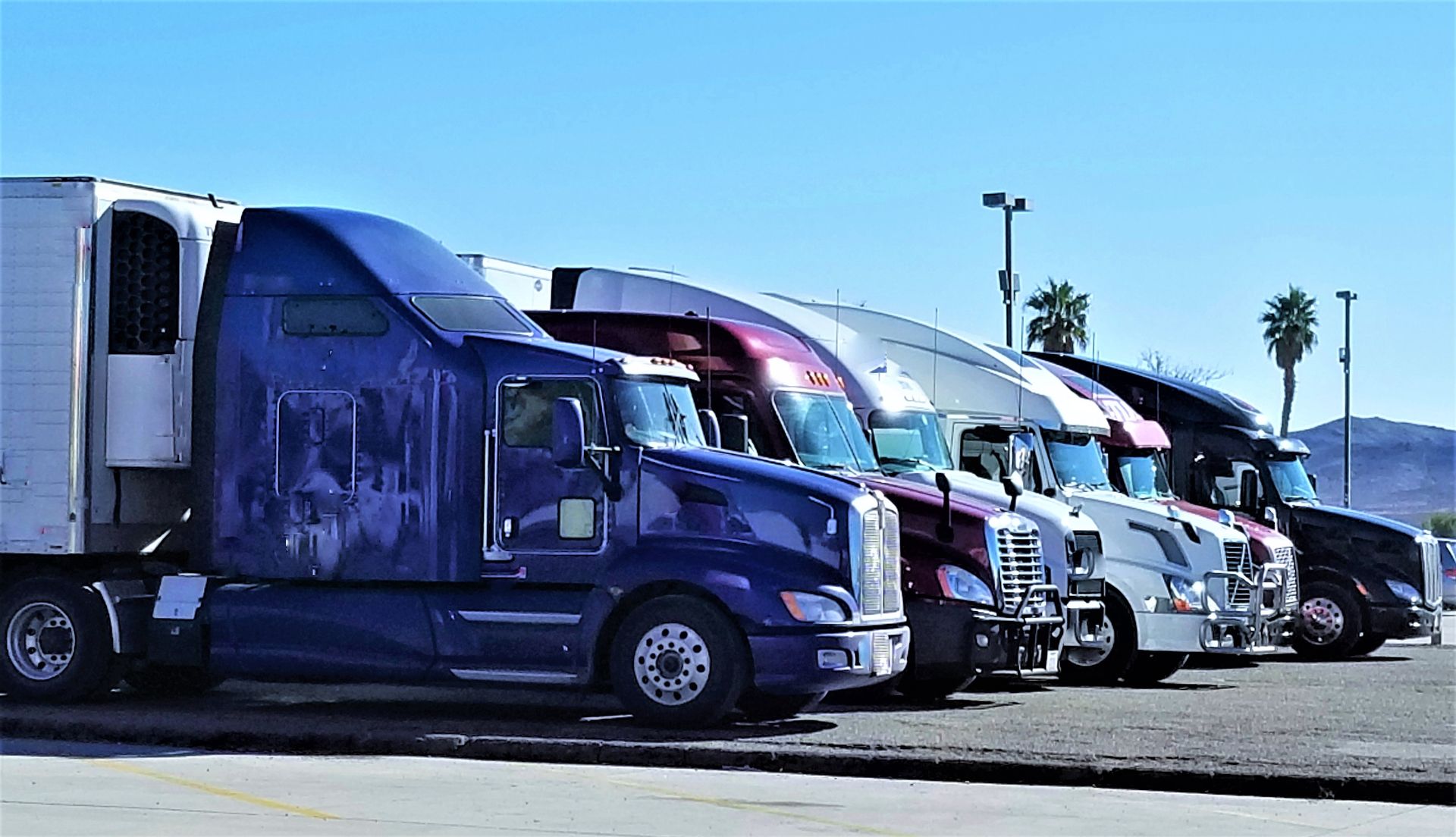
Commercial Auto & Trucking
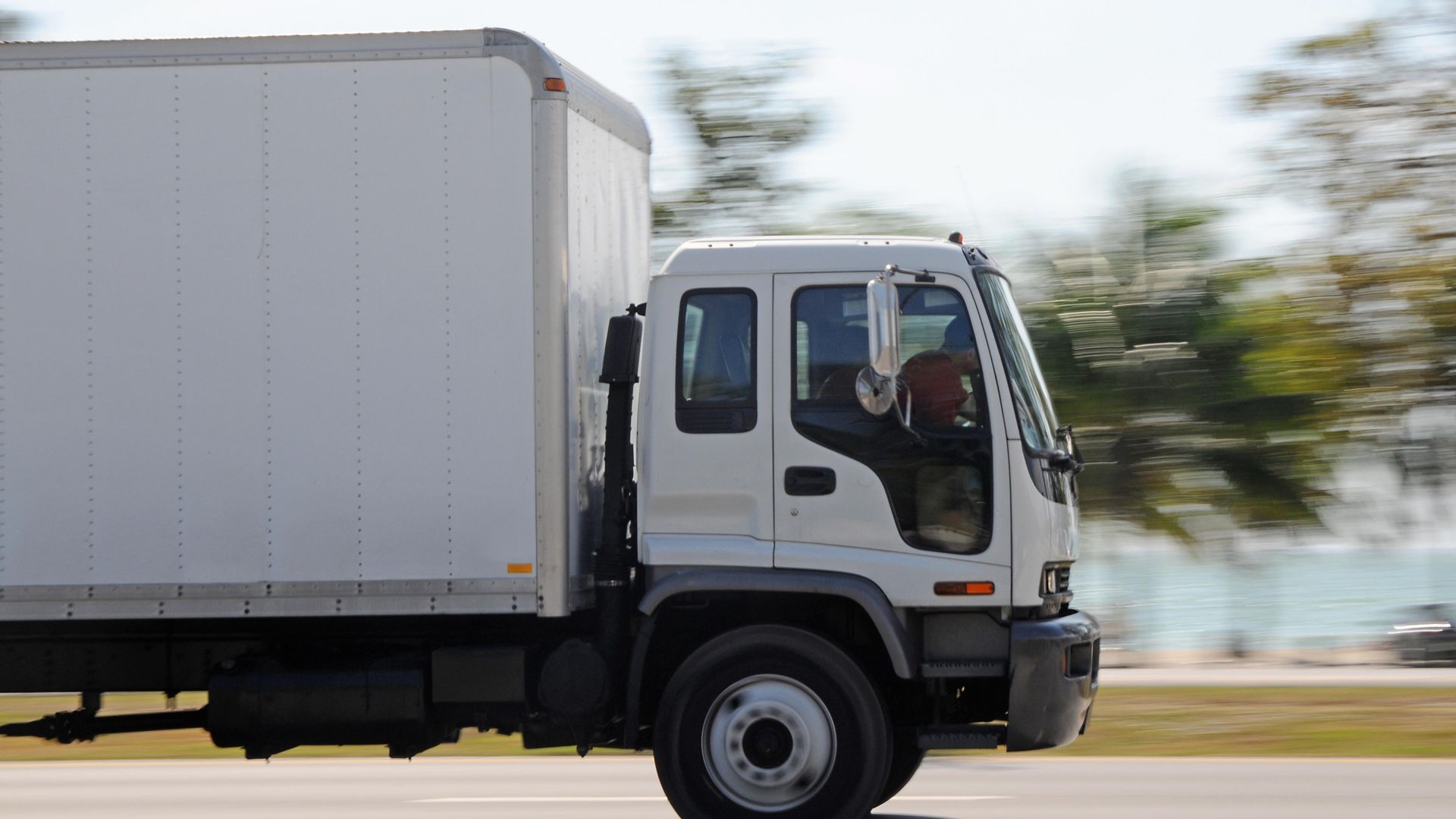
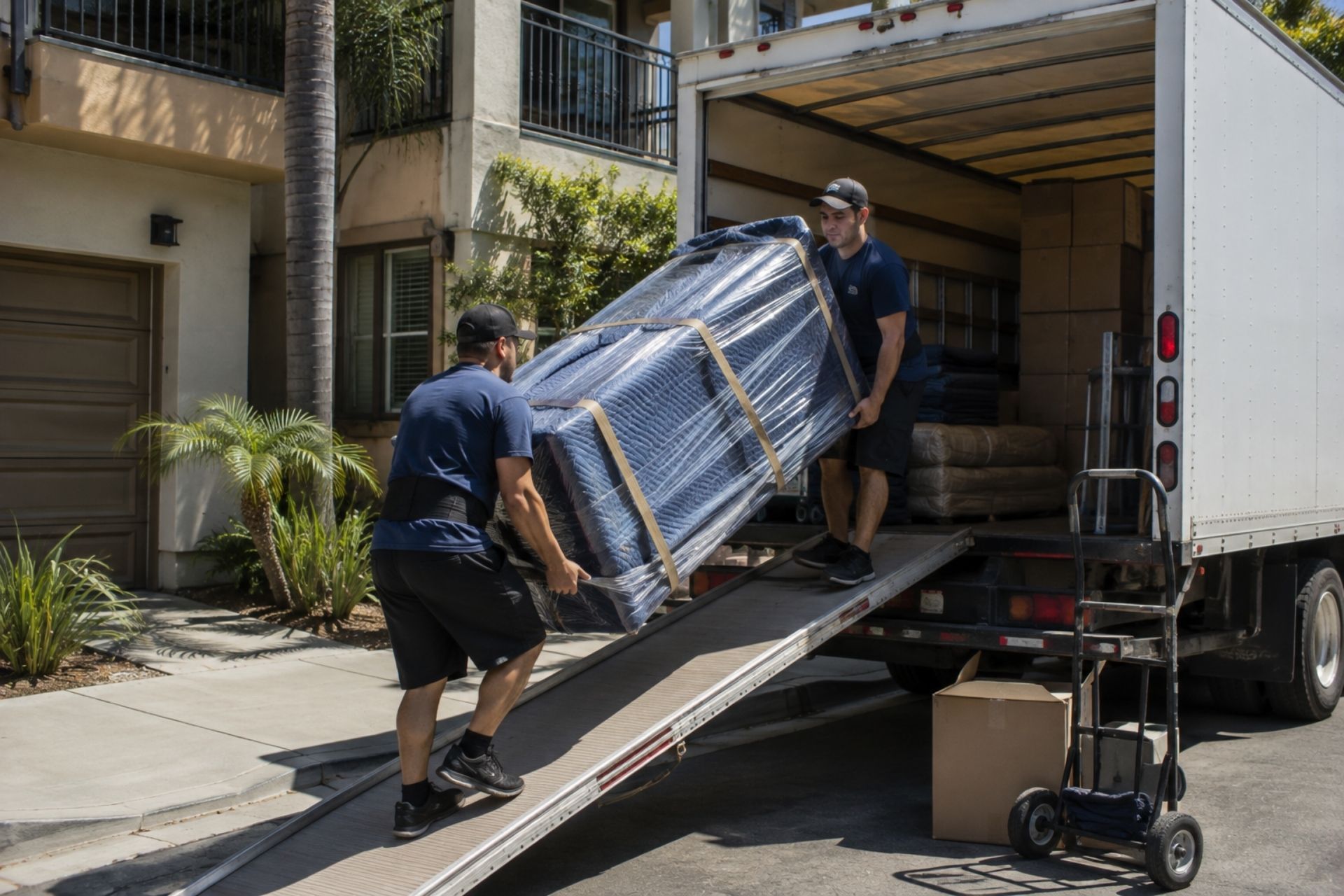
Protection for your fleet including box trucks, moving vans, and trailers. Covers liability, collision, physical damage, and hired or non-owned vehicles used in your operations.
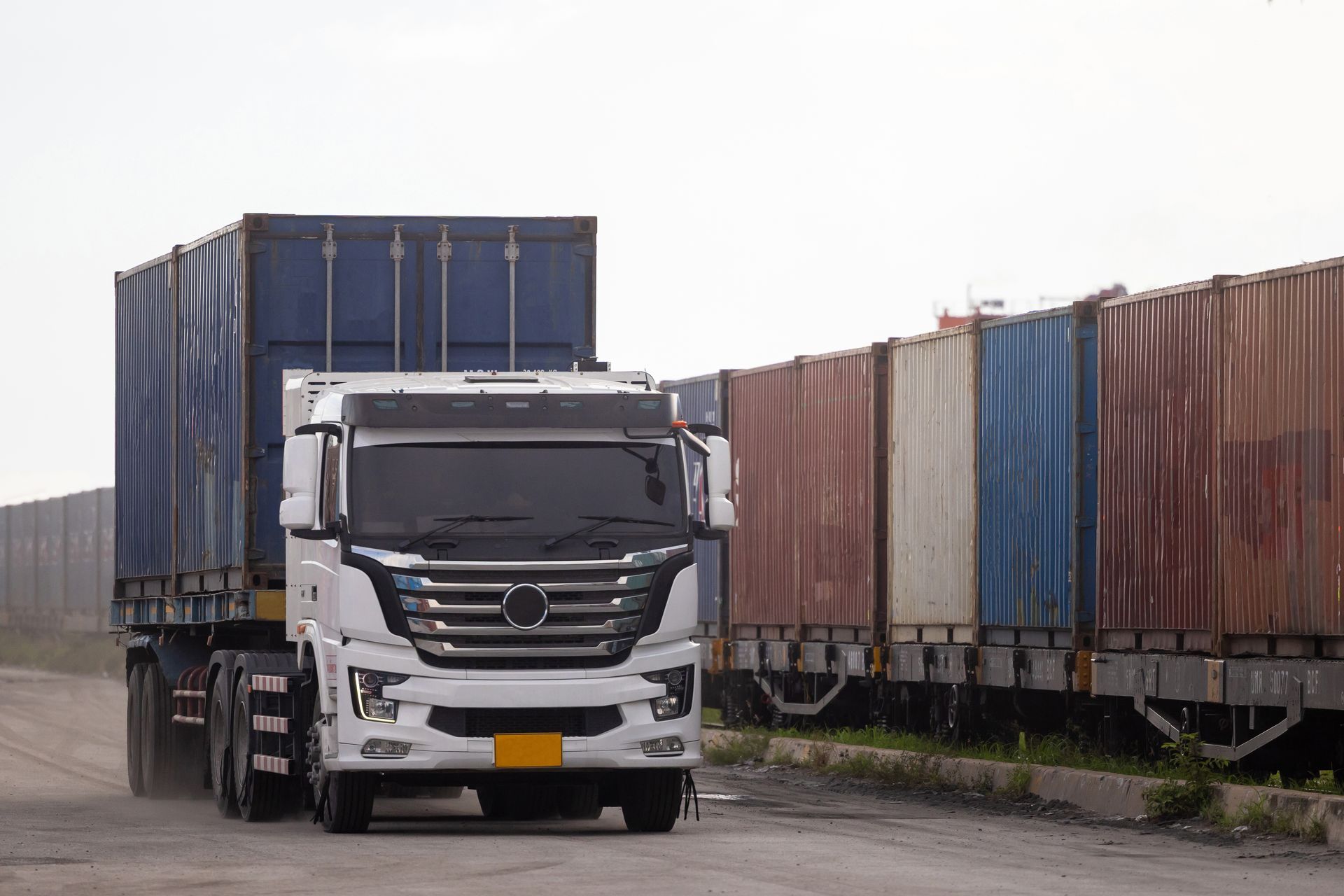
Motor Truck Cargo
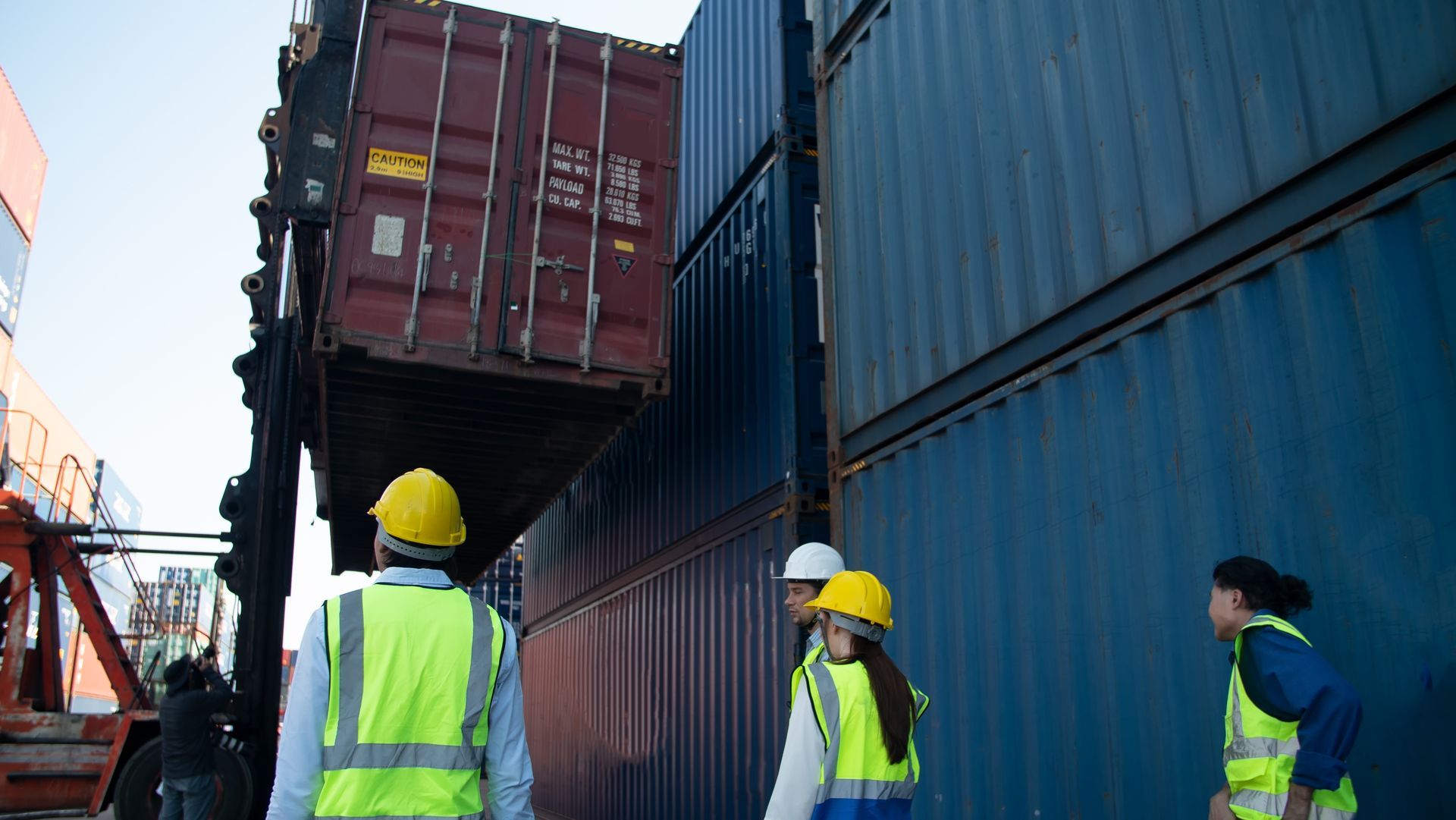
Covers household goods and freight during transport from pickup to delivery. Protects against damage, theft, mysterious disappearance, and weather-related losses while cargo is in your care.

General Liability
Protection from third-party claims for bodily injury and property damage at customer homes, job sites, and your own facility. Essential coverage for every transportation operation

Warehouse Legal Liability
Coverage for customer property while stored in your facility. Protects against damage, theft, fire, and water damage to goods in your care, custody, or control.

Workers' Compensation
Medical care and wage replacement for employees injured on the job. Required in most states for transportation and warehouse work where physical labor creates higher injury risk.

Umbrella & Excess Liability
Higher liability limits stacked on top of your primary policies. Helps meet large contract requirements and protects your business assets against major claims and lawsuits.
Specialized Knowledge
Industries We Protect
Focused coverage for transportation and logistics businesses

Simple and Clear
How Our Process Works
Our process to get you covered
Connect With Us
Reach out through our form or by phone to share your business needs and current coverage situation.
Get Coverage Options
We review your risks, compare carriers, and present clear quotes with plain-language explanations.
Stay Protected
You choose your plan, and we provide ongoing support for certificates, claims, and renewals.
Trusted by Businesses
Feedback That Reflects Service and Reliability
What our clients say about working with Champion Risk
Answers You Need
Frequently Asked Questions
Common questions about transportation and logistics insurance



What insurance does a transportation company need to operate legally?
Motor carriers that cross state lines must meet FMCSA requirements. You need a minimum of $750,000 in liability coverage, plus a BMC-91 filing that proves your insurance to the federal government. Cargo coverage is also required, with minimums that depend on the type of goods you transport.
Intrastate operators follow state-specific rules. California, Texas, and Florida each have different requirements. Champion Risk handles both federal and state filings. We make sure your coverage meets legal minimums and your certificates reach the right agencies.
How much does commercial transportation insurance cost?
Premiums depend on your fleet size, driving records, cargo values, and claims history. A small operation with two trucks might pay $8,000 to $15,000 per year. A larger carrier with ten trucks could pay $50,000 to $100,000 or more.
The best way to control costs is working with a broker who knows transportation insurance. We find carriers that specialize in your exact operation type. This often results in better rates than going direct or using a general agent who doesn't understand the industry.
What is a BMC-91 filing and why do I need one?
A BMC-91 is a form your insurance company files with the FMCSA. It proves you carry the required liability coverage to operate as a for-hire motor carrier. Without an active BMC-91, your operating authority can be revoked.
Champion Risk works with carriers who file electronically. Your BMC-91 typically posts within 24 to 48 hours of binding coverage. We monitor your filing status and alert you if anything needs attention.
Does my warehouse or storage facility need different insurance than a trucking operation?
Yes. Storage facilities need warehouse legal liability coverage. This protects you when customer property is damaged or stolen while in your care. Standard general liability policies exclude this exposure.
You may also need property coverage for your building, equipment breakdown protection, and business income coverage if a fire or disaster shuts down operations. Champion Risk builds storage facility programs that address all these risks in one package.
Can you insure last-mile delivery drivers who use their own vehicles?
Yes. We offer hired and non-owned auto coverage for delivery operations that use independent contractors or employees driving personal vehicles. This fills gaps that personal auto policies don't cover during commercial use.
We also provide occupational accident coverage for 1099 drivers who aren't eligible for workers' comp. This protects your drivers and limits your liability exposure when accidents happen.
How fast can I get proof of insurance for a new contract?
Same day in most cases. Once we bind your policy, we issue certificates of insurance within hours. If your contract requires specific additional insured language or special endorsements, we coordinate directly with the carrier.
Rush requests happen often in this industry. General contractors and corporate clients demand certificates before they let you on site. Champion Risk prioritizes fast turnaround because we know your revenue depends on it.

Answers You Need
Transportation & Logistics Insurance Resources
Articles designed to inform and support your business
Contact Us
Phone Number:
Email Address:
Location:
12264 El Camino Real, Suite 350
San Diego, CA 92130
Hours:
Monday – Friday: 8:00 AM – 6:00 PM PT