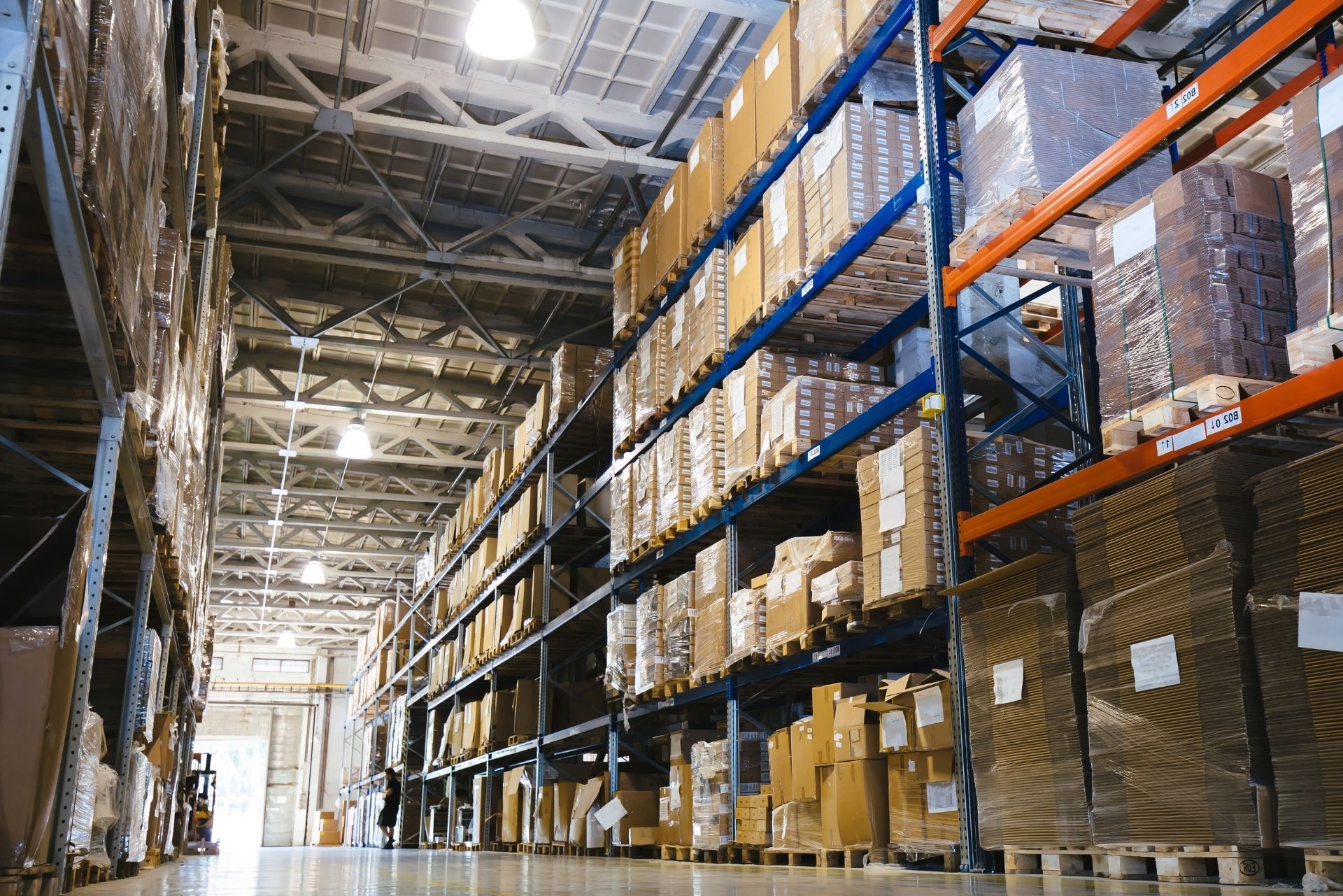
A warehouse fire in Phoenix last year destroyed $2.3 million worth of third-party inventory. The facility owner assumed his commercial property policy covered everything. It didn't. His policy protected the building itself, not the goods he was storing for clients. That single gap in coverage cost him his business.
Storage and warehousing insurance isn't a single policy but rather a combination of coverages designed to protect against specific risks. The distinction between what you own and what you're holding for others creates coverage complexities that catch many operators off guard. According to Snapnsure, basic storage unit insurance policies generally cost between $10 and $38 per month, but commercial warehouse operations face significantly higher premiums and more intricate requirements.
The warehouse insurance market is expanding rapidly, with
Market Research Future projecting growth at a CAGR of 11.22% from 2025 to 2035. This growth reflects increasing awareness that without proper coverage, a single incident could devastate an operation financially. Understanding what policies you need, what they cost, and what regulators and clients require isn't optional anymore. It's the foundation of running a viable storage business.
Essential Types of Storage and Warehousing Insurance
Most warehouse operators need multiple policies working together. The specific combination depends on whether you're storing your own inventory, holding goods for others, or both.
Warehouse Legal Liability vs. Bailee's Coverage
Warehouse legal liability insurance protects you when you're legally responsible for damage to stored goods. The key word here is "legally." This policy only pays when you or your employees caused the loss through negligence. If a forklift operator punctures a client's shipment, you're covered. If lightning strikes and causes a fire, you might not be, since you weren't negligent.
Bailee's coverage fills that gap. It protects goods in your care regardless of fault. When a pipe bursts overnight and floods a storage area, bailee's coverage responds even though no one did anything wrong. Many warehouse operators carry both policies, using warehouse legal liability as primary coverage and bailee's as backup for situations outside their control.
The premium difference matters. Warehouse legal liability typically costs less because it covers fewer scenarios. Bailee's coverage costs more but provides broader protection that many clients now require in their contracts.
Commercial General Liability and Property Insurance
Commercial general liability handles third-party bodily injury and property damage claims. When a delivery driver slips on your loading dock or a visitor gets injured by falling merchandise, CGL responds. This coverage also includes products-completed operations, which matters if goods you handle cause harm after leaving your facility.
Property insurance protects your building, equipment, and owned inventory. Standard policies cover fire, theft, vandalism, and certain weather events. Flood and earthquake coverage typically require separate policies. Champion Risk works with warehouse operators to identify which property perils pose the greatest threat based on location and building characteristics.
Specialized Endorsements: Cyber, Cargo, and Crime
Modern warehouses face risks that didn't exist twenty years ago. Cyber liability coverage protects against data breaches affecting client information, ransomware attacks on inventory management systems, and electronic theft. As warehouses become more automated, cyber exposure increases.
Cargo insurance covers goods while in transit between locations. If you operate your own trucks or coordinate shipments, this coverage becomes essential.
Crime coverage protects against employee theft, forgery, and computer fraud. With
The Fulfillment Advisorreporting that nearly half of warehouses now charge long-term storage fees, the value of goods sitting in facilities has increased, making crime coverage more relevant than ever.

By: Mark Raby
Chief Executive Officer at Champion Risk & Insurance Services
Insurance pricing for warehouses varies dramatically based on measurable risk factors. Understanding what drives premiums helps you make informed decisions about facility improvements and coverage limits.
Facility Characteristics and Safety Features
Building construction type significantly impacts premiums. Fire-resistive steel and concrete structures cost less to insure than wood-frame buildings. Roof condition, electrical system age, and heating equipment all factor into underwriting decisions.
Location matters considerably. Rec Nation Storage notes that urban storage facilities often have higher premiums due to theft risk and property values, ranging from $25 to $38 per month for basic coverage. Rural facilities with lower crime rates and property values typically see reduced rates.
Installed safety systems directly reduce premiums. Sprinkler systems can cut fire insurance costs by 30% or more. Monitored security systems, adequate lighting, and access control reduce theft-related premiums. Underwriters want documentation of these systems, not just verbal confirmation.
Inventory Value and Turnover Rates
The maximum value of goods stored at any time determines coverage limits and premiums. High-value inventory like electronics, pharmaceuticals, or luxury goods requires higher limits and costs more to insure than bulk commodities.
Turnover rate affects risk assessment. Facilities with rapid inventory movement face different exposure than long-term storage operations. More handling means more opportunities for damage. Seasonal fluctuations in stored value may allow for adjustable coverage that reduces costs during low-inventory periods.
| Factor | Lower Premium | Higher Premium |
|---|---|---|
| Construction | Fire-resistive steel/concrete | Wood frame |
| Location | Rural, low crime | Urban, high crime |
| Safety Systems | Full sprinklers, monitored security | Basic fire extinguishers only |
| Inventory Type | Bulk commodities | High-value electronics |
| Claims History | Clean 5-year record | Multiple recent claims |
Regulatory and Contractual Requirements
Insurance requirements come from multiple sources. Meeting minimum standards isn't just about compliance but also about maintaining business relationships.
State and Federal Compliance Standards
State regulations vary significantly. Some states mandate minimum liability coverage for commercial storage facilities. Others require specific disclosures to customers about insurance limitations. OSHA regulations indirectly affect insurance by requiring safety standards that underwriters evaluate.
Hazardous materials storage triggers additional requirements. Facilities handling chemicals, flammables, or other regulated substances face environmental liability mandates and may need pollution coverage.
Workers' compensation requirements apply in every state, though specifics differ. The number of employees, job classifications, and safety records all influence workers' comp premiums. Champion Risk helps warehouse operators navigate state-specific requirements to ensure compliance without overpaying.
Meeting Client and Lender Insurance Mandates
Large clients increasingly dictate insurance requirements in their contracts. A major retailer might require $5 million in general liability coverage, specific warehouse legal liability limits, and additional insured status on your policies. Failing to meet these requirements means losing the contract.
Lenders financing warehouse facilities typically require property insurance with the lender named as loss payee. Coverage limits must equal or exceed the loan amount. Lapses in coverage can trigger loan defaults.
Certificate of insurance requests have become routine. Having a responsive insurance partner who can issue certificates quickly prevents delays in onboarding new clients.
Risk Management and Loss Mitigation Strategies
Insurance protects against financial loss, but preventing losses in the first place reduces premiums and keeps operations running smoothly.
Implementing Fire Suppression and Security Protocols
Fire represents the most catastrophic risk for warehouses. Sprinkler systems remain the single most effective mitigation measure. Wet-pipe systems work for most facilities, while dry-pipe or pre-action systems suit cold storage or areas where accidental discharge would cause significant damage.
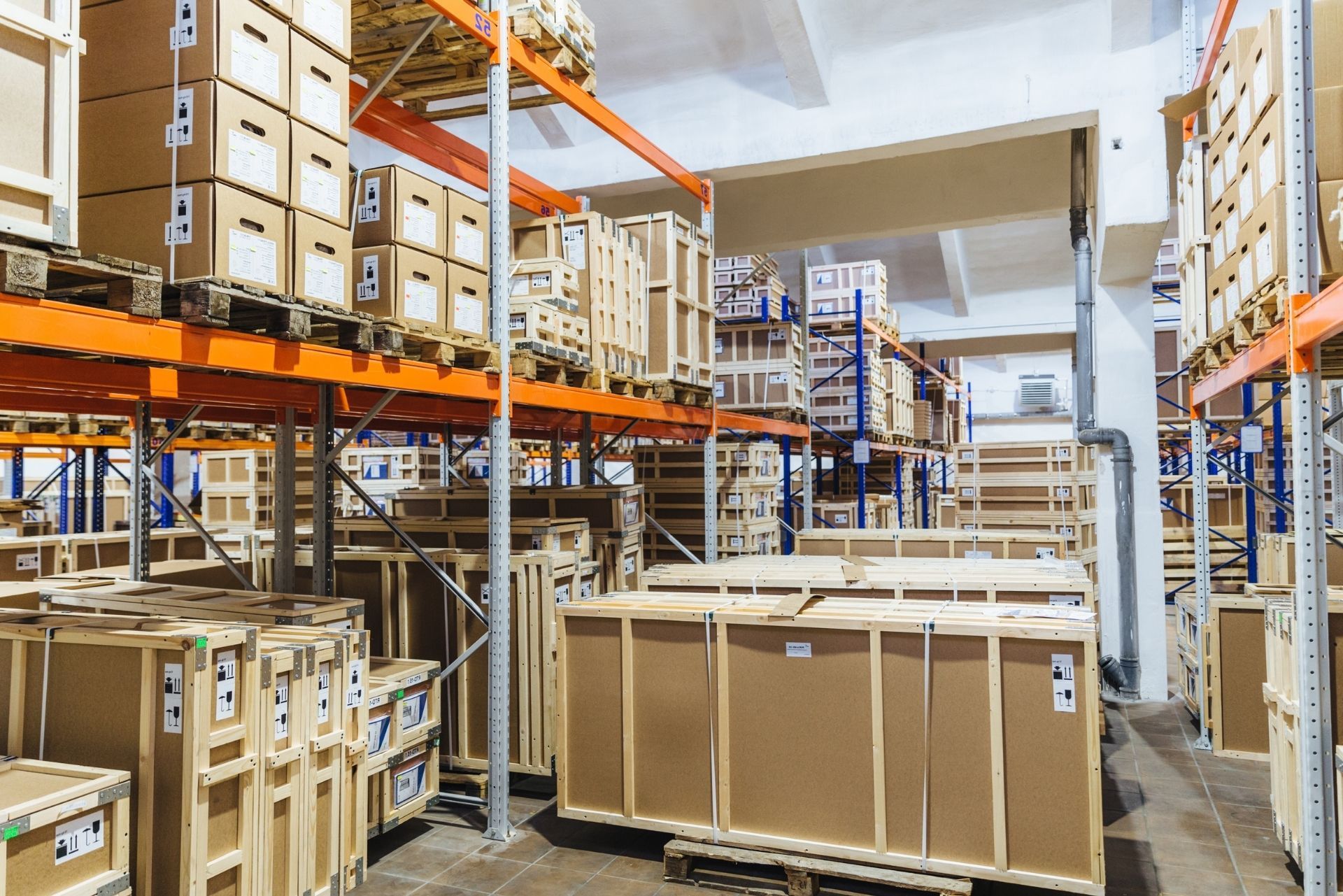
Security protocols should address both external and internal threats. Perimeter fencing, controlled access points, and surveillance cameras deter theft. Inventory management systems that track goods from receipt to shipment help identify shrinkage sources.
Regular inspections catch problems before they become claims. Monthly checks of fire suppression systems, quarterly electrical inspections, and annual roof assessments demonstrate due diligence to underwriters.
Employee Training and Safety Documentation
Trained employees cause fewer accidents. Forklift certification, proper lifting techniques, and hazardous materials handling training reduce both injury claims and inventory damage.
Documentation proves you're doing what you claim. Written safety policies, signed training acknowledgments, and incident reports create a paper trail that helps during audits and claims investigations. Underwriters often request this documentation during renewal.
Safety committees involving frontline workers identify hazards that management misses. Monthly safety meetings with documented attendance show ongoing commitment to loss prevention.
When losses occur, the claims process determines how quickly you recover. Preparation makes the difference between smooth resolution and prolonged disputes.
Document everything immediately after discovering a loss. Photographs, video, and written descriptions preserve evidence that may disappear during cleanup. Secure damaged goods rather than disposing of them until the adjuster approves.
Notify your insurance carrier within 24 hours, even for losses that seem minor. Late reporting can jeopardize coverage. Your policy specifies notification requirements, and failing to meet them gives insurers grounds to deny claims.
Maintain detailed inventory records. When stored goods are damaged, proving their value requires documentation. Bills of lading, inventory receipts, and client contracts establish what was lost and its worth.
Frequently Asked Questions
How much does warehouse insurance cost per year? Annual premiums typically range from $1,200 to $6,000 depending on facility size, location, and coverage limits. High-value inventory or hazardous materials storage increases costs significantly.
Does my commercial property policy cover goods I'm storing for clients? Usually not. Commercial property covers your owned inventory and building. Goods belonging to others require warehouse legal liability or bailee's coverage.
What's the difference between warehouse legal liability and bailee's insurance? Warehouse legal liability pays only when you're negligent. Bailee's coverage pays regardless of fault, providing broader protection for client goods.
Do I need separate flood insurance for my warehouse? Yes. Standard property policies exclude flood damage. Separate flood coverage is essential for facilities in flood-prone areas.
Can I reduce my warehouse insurance premiums? Installing sprinkler systems, monitored security, and maintaining clean claims history all reduce premiums. Higher deductibles also lower costs but increase out-of-pocket exposure.
Making the Right Coverage Decision
Warehouse insurance requirements depend on your specific operation, stored goods, and contractual obligations. Underinsuring saves money until a loss occurs, then costs everything. Overinsuring wastes resources that could improve your facility.
Work with a broker who understands warehouse operations and can match coverage to actual exposures. Champion Risk specializes in helping storage and warehousing operations build insurance programs that protect against real risks without paying for unnecessary coverage. Request a coverage review to identify gaps before they become costly lessons.
About the Author:
Mark Raby
I am a seasoned insurance professional with over 30 years of experience in the industry. I lead Champion Risk & Insurance Services, a San Diego-based brokerage with nationwide reach and strong influence in the insurance marketplace. My core competencies include insurance agency M&A deals, captives and alternative risk structures, and commercial property and casualty insurance for clients in the transportation and logistics industries. I am a former president of IIAB San Diego and hold a Bachelor of Science in Finance from Western Michigan University’s Haworth College of Business.
Protection for Transportation Operations
Business Insurance for Transportation & Logistics Companies
Coverage designed specifically for transportation businesses
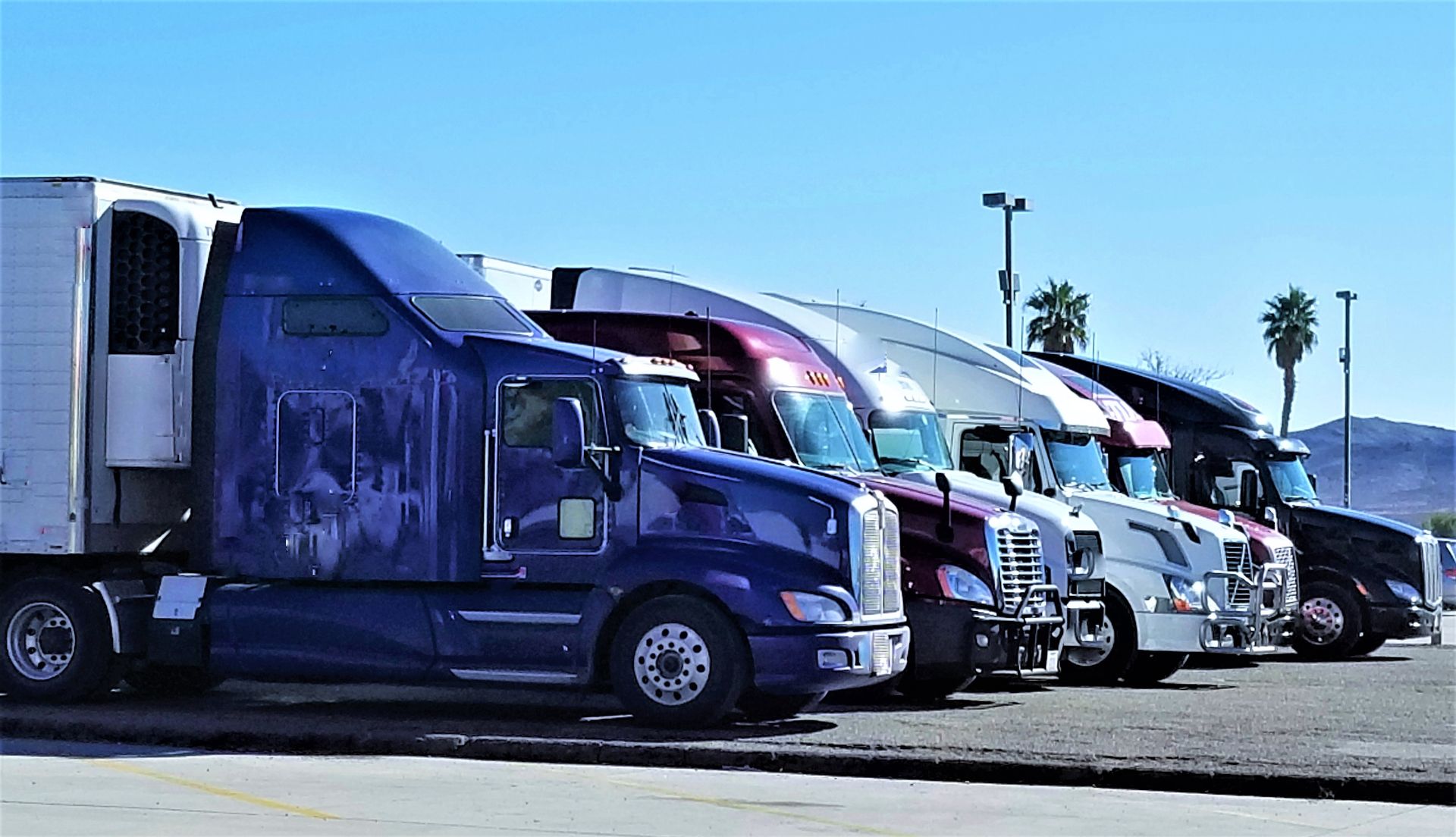
Commercial Auto & Trucking
Protection for your fleet including box trucks, moving vans, and trailers. Covers liability, collision, physical damage, and hired or non-owned vehicles used in your operations.
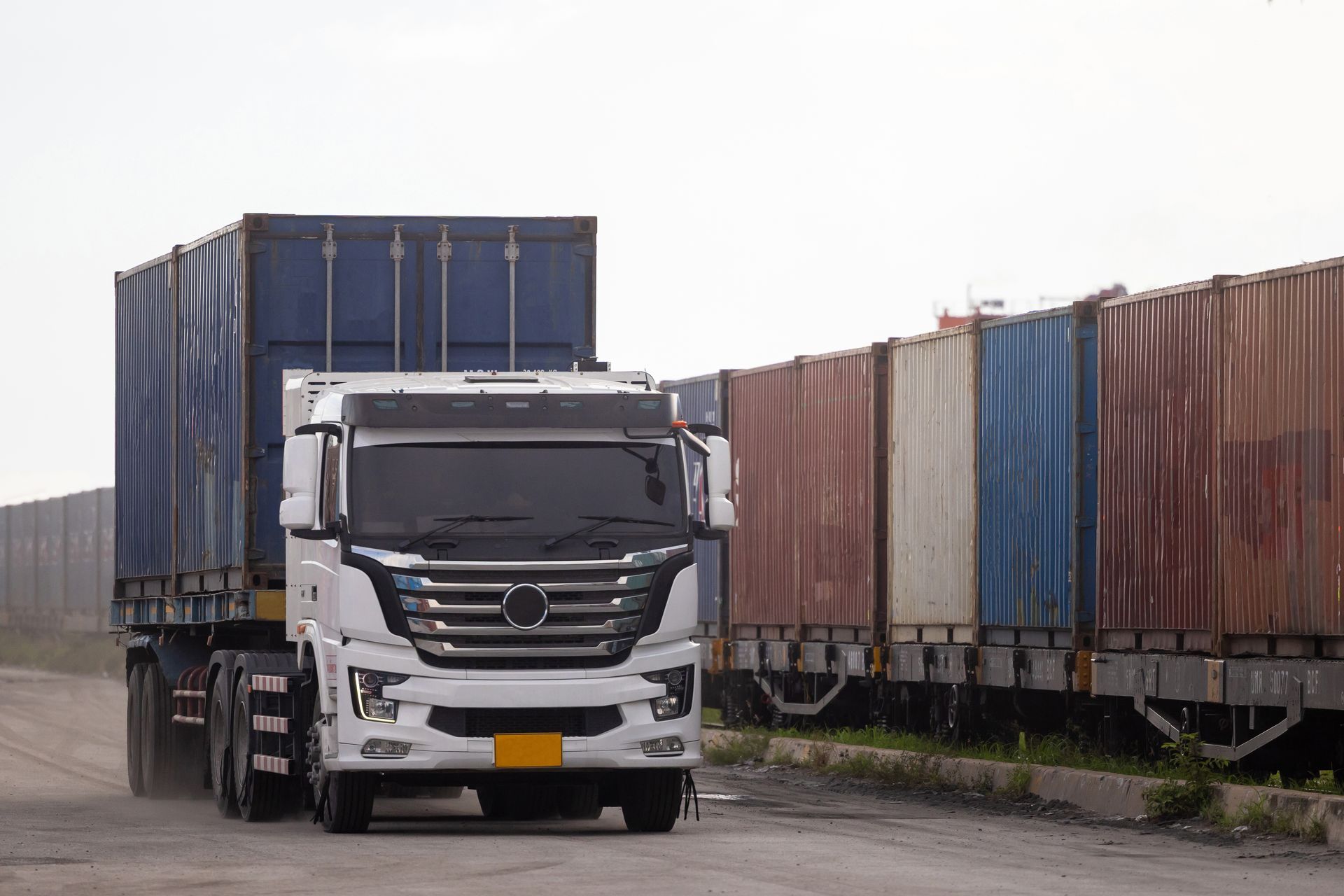
Motor Truck Cargo
Covers household goods and freight during transport from pickup to delivery. Protects against damage, theft, mysterious disappearance, and weather-related losses while cargo is in your care.

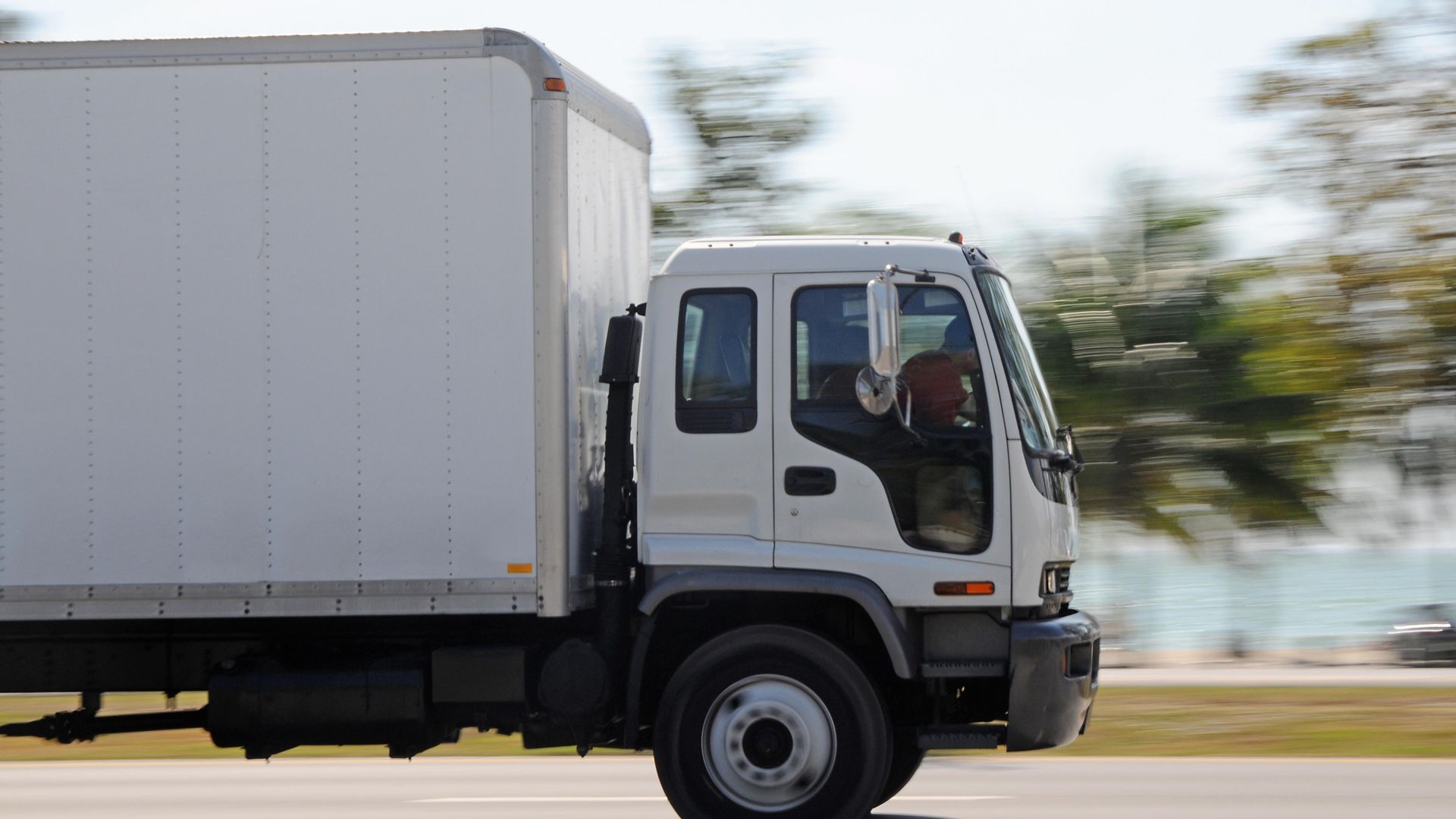
General Liability
Protection from third-party claims for bodily injury and property damage at customer homes, job sites, and your own facility. Essential coverage for every transportation operation
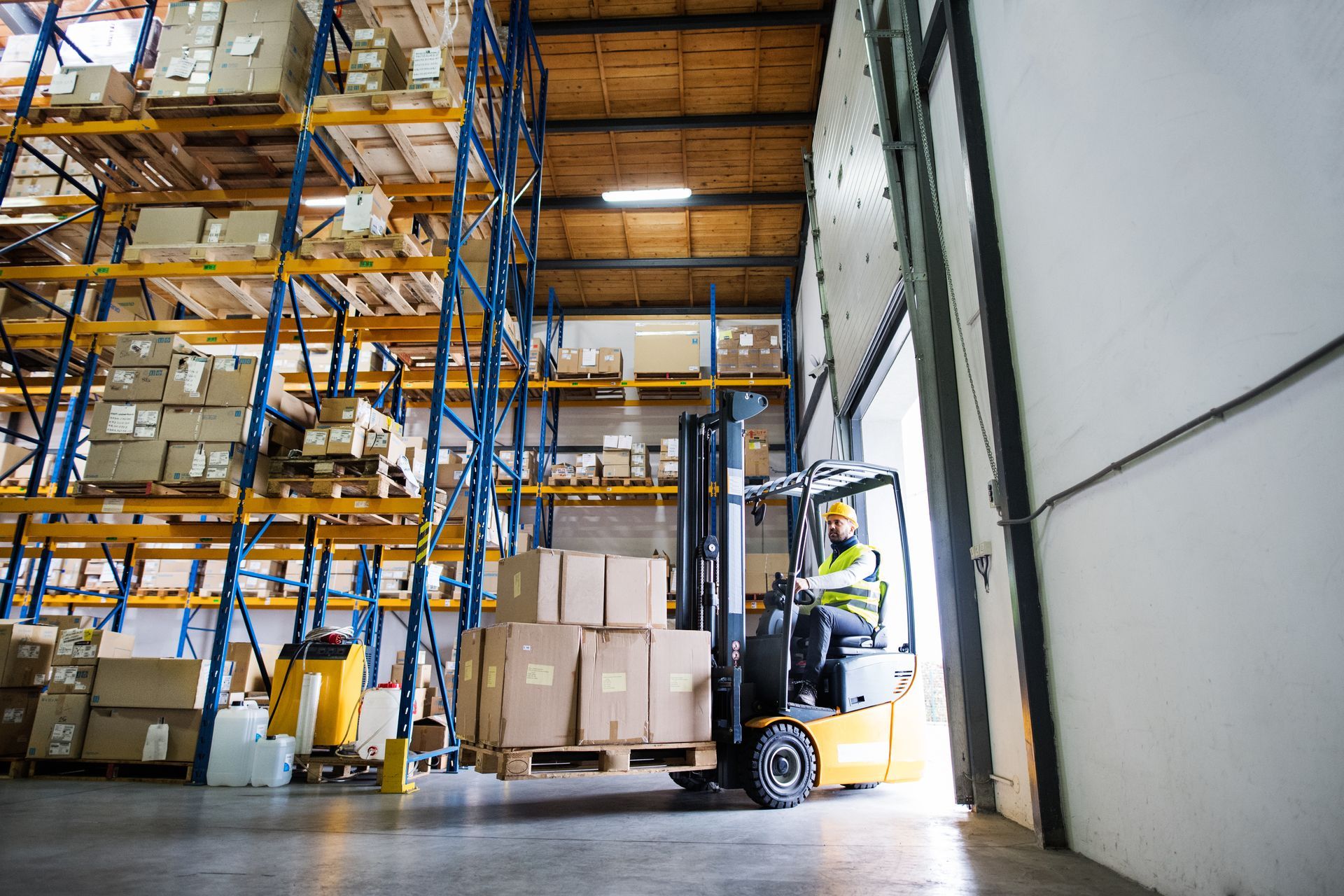
Warehouse Legal Liability
Coverage for customer property while stored in your facility. Protects against damage, theft, fire, and water damage to goods in your care, custody, or control.

Workers' Compensation
Medical care and wage replacement for employees injured on the job. Required in most states for transportation and warehouse work where physical labor creates higher injury risk.

Umbrella & Excess Liability
Higher liability limits stacked on top of your primary policies. Helps meet large contract requirements and protects your business assets against major claims and lawsuits.
Specialized Knowledge
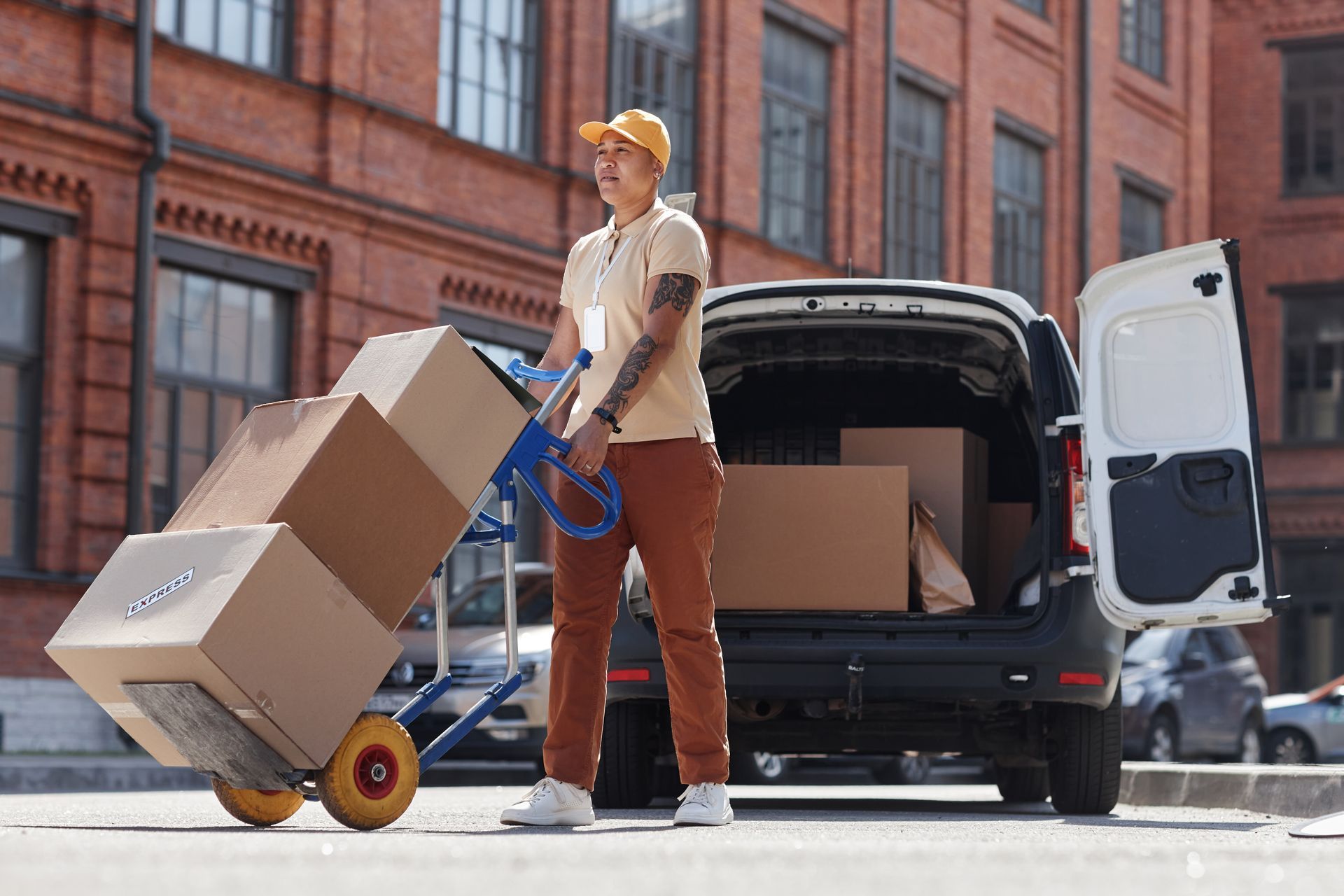
Industries We Protect
Focused coverage for transportation and logistics businesses

Simple and Clear
How Our Process Works
Our process to get you covered
Connect With Us
Reach out through our form or by phone to share your business needs and current coverage situation.
Get Coverage Options
We review your risks, compare carriers, and present clear quotes with plain-language explanations.
Stay Protected
You choose your plan, and we provide ongoing support for certificates, claims, and renewals.
Trusted by Businesses
Feedback That Reflects Service and Reliability
What our clients say about working with Champion Risk
Answers You Need
Frequently Asked Questions
Common questions about transportation and logistics insurance



What insurance does a transportation company need to operate legally?
Motor carriers that cross state lines must meet FMCSA requirements. You need a minimum of $750,000 in liability coverage, plus a BMC-91 filing that proves your insurance to the federal government. Cargo coverage is also required, with minimums that depend on the type of goods you transport.
Intrastate operators follow state-specific rules. California, Texas, and Florida each have different requirements. Champion Risk handles both federal and state filings. We make sure your coverage meets legal minimums and your certificates reach the right agencies.
How much does commercial transportation insurance cost?
Premiums depend on your fleet size, driving records, cargo values, and claims history. A small operation with two trucks might pay $8,000 to $15,000 per year. A larger carrier with ten trucks could pay $50,000 to $100,000 or more.
The best way to control costs is working with a broker who knows transportation insurance. We find carriers that specialize in your exact operation type. This often results in better rates than going direct or using a general agent who doesn't understand the industry.
What is a BMC-91 filing and why do I need one?
A BMC-91 is a form your insurance company files with the FMCSA. It proves you carry the required liability coverage to operate as a for-hire motor carrier. Without an active BMC-91, your operating authority can be revoked.
Champion Risk works with carriers who file electronically. Your BMC-91 typically posts within 24 to 48 hours of binding coverage. We monitor your filing status and alert you if anything needs attention.
Does my warehouse or storage facility need different insurance than a trucking operation?
Yes. Storage facilities need warehouse legal liability coverage. This protects you when customer property is damaged or stolen while in your care. Standard general liability policies exclude this exposure.
You may also need property coverage for your building, equipment breakdown protection, and business income coverage if a fire or disaster shuts down operations. Champion Risk builds storage facility programs that address all these risks in one package.
Can you insure last-mile delivery drivers who use their own vehicles?
Yes. We offer hired and non-owned auto coverage for delivery operations that use independent contractors or employees driving personal vehicles. This fills gaps that personal auto policies don't cover during commercial use.
We also provide occupational accident coverage for 1099 drivers who aren't eligible for workers' comp. This protects your drivers and limits your liability exposure when accidents happen.
How fast can I get proof of insurance for a new contract?
Same day in most cases. Once we bind your policy, we issue certificates of insurance within hours. If your contract requires specific additional insured language or special endorsements, we coordinate directly with the carrier.
Rush requests happen often in this industry. General contractors and corporate clients demand certificates before they let you on site. Champion Risk prioritizes fast turnaround because we know your revenue depends on it.

Answers You Need
Transportation & Logistics Insurance Resources
Articles designed to inform and support your business
Contact Us
Phone Number:
Email Address:
Location:
12264 El Camino Real, Suite 350
San Diego, CA 92130
Hours:
Monday – Friday: 8:00 AM – 6:00 PM PT