
San Francisco, California Moving & Storage Company Insurance
Or Call Us:
(800) 829-0807
Running a moving and storage company in San Francisco means navigating one of the most challenging insurance landscapes in the country. Between the city's infamous hills, dense urban corridors, and some of the highest property values in America, the stakes for a single claim can be staggering. A dropped antique on a Victorian staircase or a fender-bender on Lombard Street can quickly escalate into a five-figure liability situation. Understanding the coverage requirements, costs, and compliance obligations for moving and storage company insurance in San Francisco isn't just about checking regulatory boxes. It's about protecting a business operating in an environment where the margin for error is razor-thin. California has some of the toughest rules in the nation for household goods movers, according to
1800Insurance.com, and the Bay Area adds its own layer of complexity. Here's what you actually need to know to stay protected and compliant.
The Landscape of Moving and Storage Insurance in San Francisco
The moving services industry in California is projected to reach $2.2 billion by 2026, and San Francisco captures a significant share of that market. With high demand comes high scrutiny from regulators and customers alike. Insurance isn't optional here; it's the foundation that allows you to operate legally and survive the inevitable claim.
California Public Utilities Commission (CPUC) Licensing Requirements
Every household goods mover operating in California must hold a valid permit from the CPUC. This permit requires proof of insurance meeting specific minimums before you can legally transport a single box. The state mandates minimum liability coverage of $600,000 combined single limit or $250,000/$500,000/$100,000 split limits for bodily injury and property damage. California also requires all household goods movers to carry a minimum of $20,000 in cargo insurance per shipment. These aren't suggestions. Operating without proper coverage means fines, permit revocation, and personal liability exposure that could bankrupt your business overnight.
Specific San Francisco Risk Factors: Hills, Traffic, and Density
San Francisco's geography creates unique hazards that insurers factor into your premiums. Moving a grand piano up a 31-degree grade in Pacific Heights isn't the same as a flat suburban move in Sacramento. The city's narrow streets, limited parking, and aggressive traffic patterns increase the likelihood of vehicle incidents. High-value homes packed tightly together mean third-party property damage claims are more frequent and more expensive. Insurers underwriting San Francisco movers account for these realities, which is why premiums here often run 15-25% higher than state averages.


By: Mark Raby
Chief Executive Officer at Champion Risk & Insurance Services
Essential Coverage Types for San Francisco Movers
Building the right insurance portfolio means understanding what each coverage type actually protects and where gaps can leave you exposed.
Cargo Legal Liability and Valuation Options
Cargo coverage protects the goods you're transporting from damage or loss. Basic Valuation Coverage, which is included free of charge, covers goods at just $0.60 per pound per article. That means a 10-pound laptop worth $2,000 would only be covered for $6. This is why most professional movers offer Full Value Protection, which generally costs about 1% of the total estimated value of the shipment. For a $50,000 household, that's roughly $500 in additional premium. The catch is that Full Value Protection isn't technically insurance; it's a valuation agreement that determines your liability. Your actual cargo legal liability policy covers your exposure when you're found legally responsible for damage.
Commercial Auto and Fleet Insurance
Your trucks are both your biggest assets and your biggest liability exposure. Commercial auto insurance covers bodily injury and property damage caused by your vehicles, plus physical damage to the trucks themselves. San Francisco's traffic density and parking challenges mean collision claims are more common here than in most markets. Champion Risk works with moving companies to structure fleet policies that account for driver experience, vehicle age, and typical routes. Telematics programs that monitor driving behavior can reduce premiums by 10-15% for companies with clean records.
Warehouse Legal Liability for Storage Facilities
If you operate storage facilities,
warehouse legal liability coverage protects against damage to customer property while in your care. This is separate from your building's property insurance. Standard warehouse policies cover fire, theft, and water damage, but exclusions for pest damage, mold, and gradual deterioration are common. Review your policy carefully; a single burst pipe affecting multiple storage units can generate claims that exceed basic coverage limits quickly.
General Liability and Workers' Compensation Mandates
Beyond cargo and auto, two coverage types are non-negotiable for San Francisco movers: general liability and workers' compensation.
Protecting Against Third-Party Property Damage
General liability covers damage your employees cause to property that isn't being transported. Scratched hardwood floors, dented doorframes, broken light fixtures: these claims add up fast in San Francisco's high-end residential market. A single gouge in a $40,000 custom walnut floor can exceed your deductible easily. Most policies cover $1 million per occurrence with $2 million aggregate limits, though high-volume operators often carry $5 million or more. Umbrella policies provide additional protection when underlying limits are exhausted.
California State Requirements for Workers' Comp
California requires
workers' compensation coverage for every employee, with no exceptions for small businesses. Moving is classified as a high-risk occupation, which means premiums reflect the physical nature of the work. Back injuries, falls, and repetitive strain claims are common in this industry. The state uses experience modification ratings to adjust premiums based on your claims history. A company with a clean three-year record might pay 20% less than a competitor with multiple claims. Investing in safety training and proper equipment isn't just good practice; it directly reduces your insurance costs over time.

Understanding what drives your premiums helps you make strategic decisions that lower costs without sacrificing coverage.
Experience Rating and Claims History
Your experience modification rate, or mod rate, is the single biggest factor in workers' comp pricing. A mod rate of 1.0 means you're average for your industry. Below 1.0 means you're safer than average and pay less. Above 1.0 means you're riskier and pay more. Every claim affects this number for three years. One serious injury can increase your premiums by thousands annually. General liability and commercial auto insurers also review your loss runs, which are detailed records of every claim filed. Companies with clean histories get preferred rates; those with frequent claims face surcharges or coverage restrictions.
The Impact of Fleet Size and Vehicle Type
Larger fleets spread risk across more vehicles, which can lower per-unit costs. That said, each additional truck adds exposure. Insurers evaluate vehicle age, maintenance records, and driver assignments. Newer trucks with collision avoidance systems and backup cameras qualify for better rates. Box trucks and semi-trailers have different risk profiles than cargo vans. Champion Risk helps moving companies optimize their fleet insurance by matching coverage structures to actual operations rather than using one-size-fits-all policies.
Staying compliant requires ongoing attention to paperwork and regulatory changes.
Filing Form E and Form H with the State
California requires movers to file specific insurance documentation with the CPUC. Form E certifies your liability coverage, while Form H certifies your cargo coverage. Your insurance carrier or broker files these forms directly with the state. If your coverage lapses or changes, updated forms must be filed within 30 days. Failure to maintain current filings can result in permit suspension. Champion Risk handles these filings automatically for clients, eliminating the administrative burden and ensuring continuous compliance.
Tips for Reducing Insurance Costs and Mitigating Risk
| Strategy | Potential Savings | Implementation Difficulty |
|---|---|---|
| Safety training programs | 5-15% on workers' comp | Low |
| Telematics/GPS monitoring | 10-15% on commercial auto | Medium |
| Higher deductibles | 10-20% on premiums | Low |
| Bundling policies | 5-10% overall | Low |
| Claims management protocols | Variable, long-term | Medium |
The most effective cost reduction comes from preventing claims in the first place. Documented training programs, proper equipment, and clear protocols for handling high-value items all reduce incidents. When claims do occur, quick response and thorough documentation help control costs and demonstrate good faith to insurers.
Frequently Asked Questions
How much does moving company insurance cost in San Francisco? Annual premiums typically range from $8,000 to $25,000 depending on fleet size, coverage limits, and claims history. High-volume operators with large fleets may pay significantly more.
Can I operate with just the state minimum coverage? Legally, yes. Practically, minimum coverage leaves dangerous gaps. A single serious claim can exceed minimum limits and expose your personal assets.
How long does it take to get insured? Standard policies can be bound within 24-48 hours. Complex risks or companies with poor claims history may require 1-2 weeks for underwriting review.
Do I need separate insurance for local and long-distance moves? Interstate moves require FMCSA registration and different coverage structures. Local-only operations need CPUC compliance but not federal filings.
What happens if my insurance lapses? Your CPUC permit becomes invalid, and you cannot legally operate. Reinstating coverage requires new filings and potentially new underwriting.
Making the Right Choice for Your Business
Protecting a San Francisco moving and storage operation requires more than meeting minimum requirements. The combination of regulatory complexity, geographic challenges, and high property values demands a thoughtful approach to coverage. Work with a broker who understands the specific risks of Bay Area operations and can structure policies that protect your business without overpaying for unnecessary coverage. Champion Risk specializes in commercial insurance for moving and storage companies and can help you navigate compliance requirements while optimizing your premium spend. Get a quote today to ensure your coverage matches your actual exposure.
About the Author:
Mark Raby
I am a seasoned insurance professional with over 30 years of experience in the industry. I lead Champion Risk & Insurance Services, a San Diego-based brokerage with nationwide reach and strong influence in the insurance marketplace. My core competencies include insurance agency M&A deals, captives and alternative risk structures, and commercial property and casualty insurance for clients in the transportation and logistics industries. I am a former president of IIAB San Diego and hold a Bachelor of Science in Finance from Western Michigan University’s Haworth College of Business.
Protection for Transportation Operations
Business Insurance for Transportation & Logistics Companies
Coverage designed specifically for transportation businesses
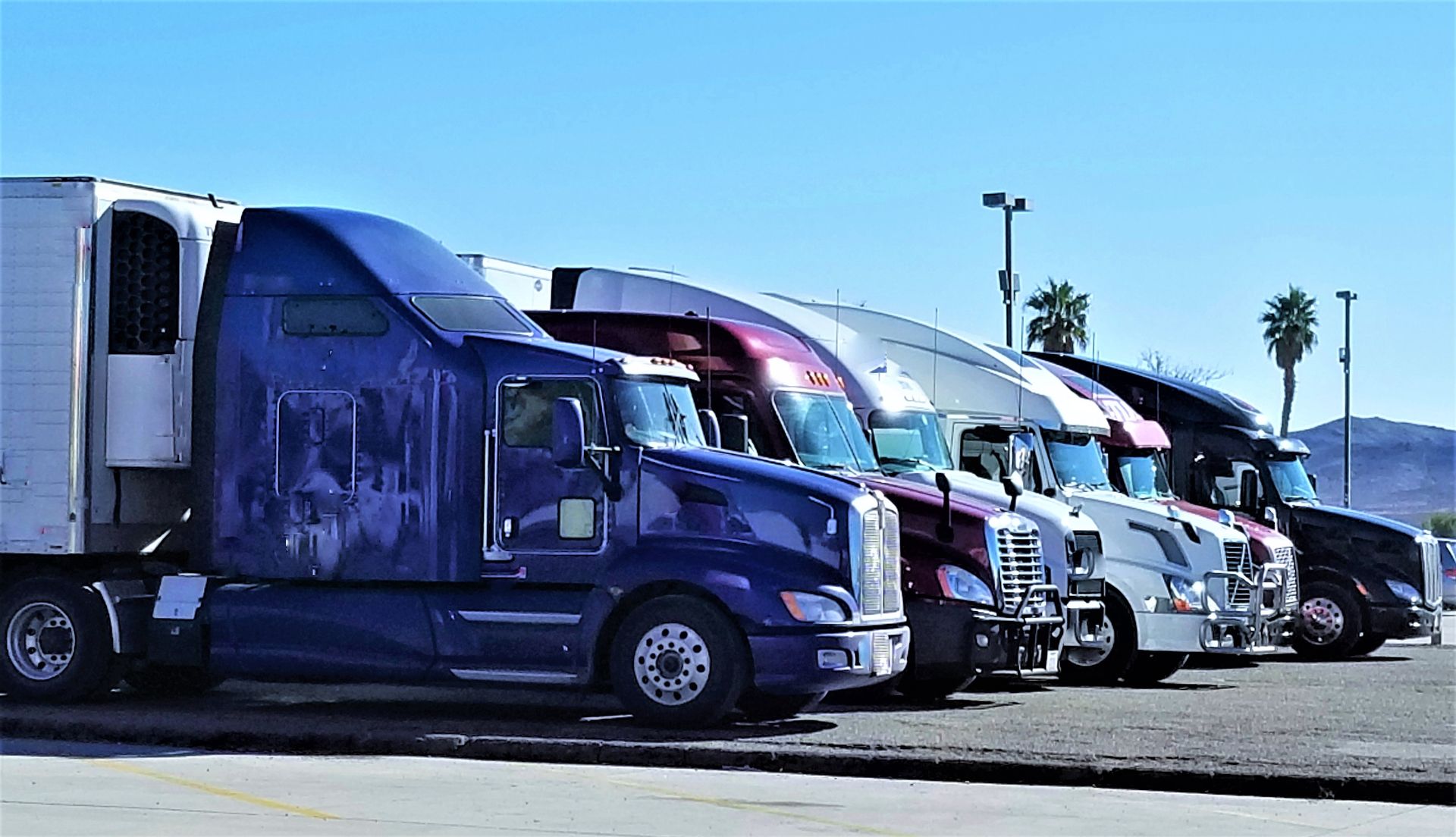
Commercial Auto & Trucking
Protection for your fleet including box trucks, moving vans, and trailers. Covers liability, collision, physical damage, and hired or non-owned vehicles used in your operations.
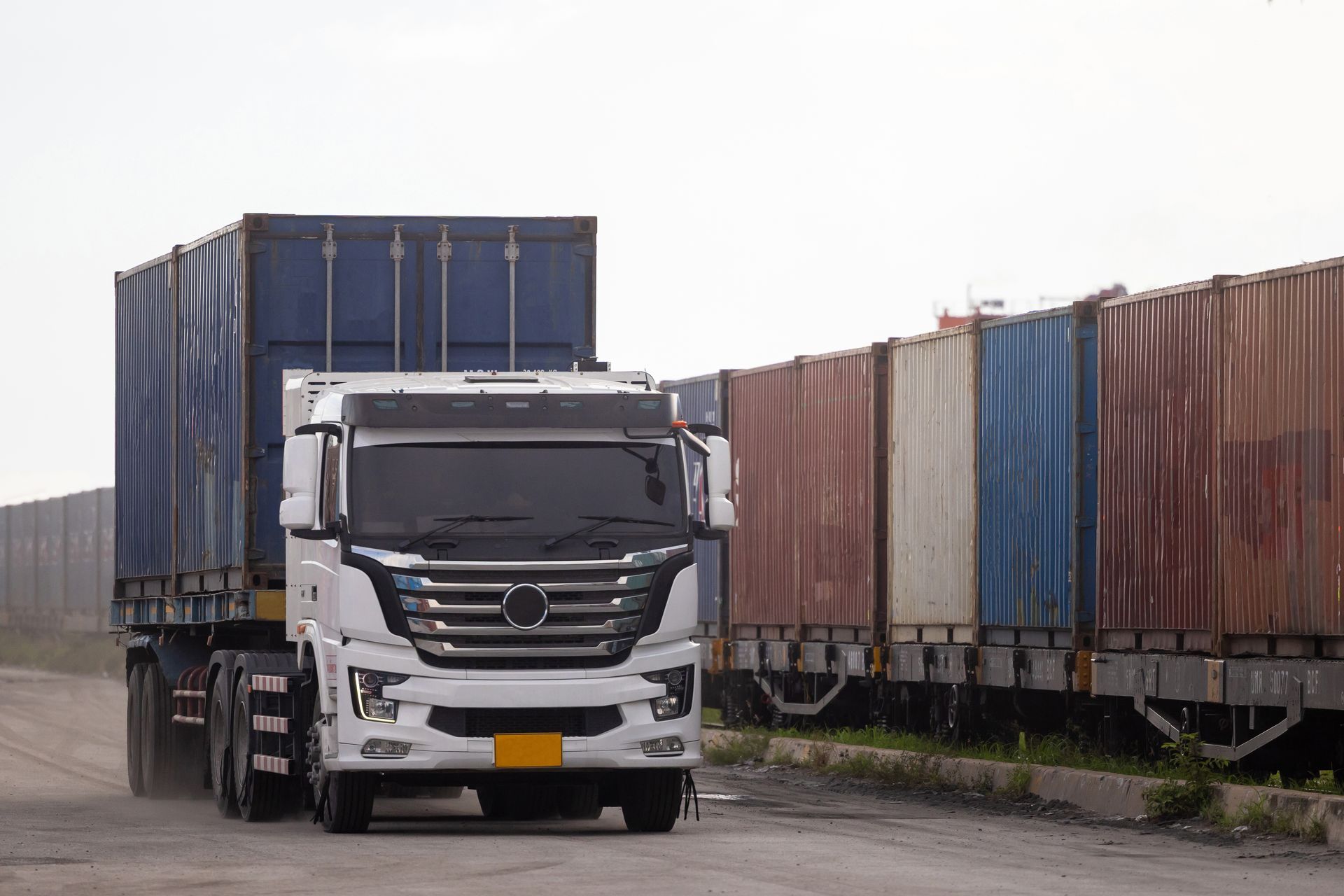
Motor Truck Cargo
Covers household goods and freight during transport from pickup to delivery. Protects against damage, theft, mysterious disappearance, and weather-related losses while cargo is in your care.

General Liability
Protection from third-party claims for bodily injury and property damage at customer homes, job sites, and your own facility. Essential coverage for every transportation operation

Warehouse Legal Liability
Coverage for customer property while stored in your facility. Protects against damage, theft, fire, and water damage to goods in your care, custody, or control.

Workers' Compensation
Medical care and wage replacement for employees injured on the job. Required in most states for transportation and warehouse work where physical labor creates higher injury risk.

Umbrella & Excess Liability
Higher liability limits stacked on top of your primary policies. Helps meet large contract requirements and protects your business assets against major claims and lawsuits.
Specialized Knowledge
Industries We Protect
Focused coverage for transportation and logistics businesses


Simple and Clear
How Our Process Works
Our process to get you covered
Connect With Us
Reach out through our form or by phone to share your business needs and current coverage situation.
Get Coverage Options
We review your risks, compare carriers, and present clear quotes with plain-language explanations.
Stay Protected
You choose your plan, and we provide ongoing support for certificates, claims, and renewals.
Trusted by Businesses
Feedback That Reflects Service and Reliability
What our clients say about working with Champion Risk
Answers You Need
Frequently Asked Questions
Common questions about transportation and logistics insurance




What insurance does a transportation company need to operate legally?
Motor carriers that cross state lines must meet FMCSA requirements. You need a minimum of $750,000 in liability coverage, plus a BMC-91 filing that proves your insurance to the federal government. Cargo coverage is also required, with minimums that depend on the type of goods you transport.
Intrastate operators follow state-specific rules. California, Texas, and Florida each have different requirements. Champion Risk handles both federal and state filings. We make sure your coverage meets legal minimums and your certificates reach the right agencies.
How much does commercial transportation insurance cost?
Premiums depend on your fleet size, driving records, cargo values, and claims history. A small operation with two trucks might pay $8,000 to $15,000 per year. A larger carrier with ten trucks could pay $50,000 to $100,000 or more.
The best way to control costs is working with a broker who knows transportation insurance. We find carriers that specialize in your exact operation type. This often results in better rates than going direct or using a general agent who doesn't understand the industry.
What is a BMC-91 filing and why do I need one?
A BMC-91 is a form your insurance company files with the FMCSA. It proves you carry the required liability coverage to operate as a for-hire motor carrier. Without an active BMC-91, your operating authority can be revoked.
Champion Risk works with carriers who file electronically. Your BMC-91 typically posts within 24 to 48 hours of binding coverage. We monitor your filing status and alert you if anything needs attention.
Does my warehouse or storage facility need different insurance than a trucking operation?
Yes. Storage facilities need warehouse legal liability coverage. This protects you when customer property is damaged or stolen while in your care. Standard general liability policies exclude this exposure.
You may also need property coverage for your building, equipment breakdown protection, and business income coverage if a fire or disaster shuts down operations. Champion Risk builds storage facility programs that address all these risks in one package.
Can you insure last-mile delivery drivers who use their own vehicles?
Yes. We offer hired and non-owned auto coverage for delivery operations that use independent contractors or employees driving personal vehicles. This fills gaps that personal auto policies don't cover during commercial use.
We also provide occupational accident coverage for 1099 drivers who aren't eligible for workers' comp. This protects your drivers and limits your liability exposure when accidents happen.
How fast can I get proof of insurance for a new contract?
Same day in most cases. Once we bind your policy, we issue certificates of insurance within hours. If your contract requires specific additional insured language or special endorsements, we coordinate directly with the carrier.
Rush requests happen often in this industry. General contractors and corporate clients demand certificates before they let you on site. Champion Risk prioritizes fast turnaround because we know your revenue depends on it.

Answers You Need
Transportation & Logistics Insurance Resources
Articles designed to inform and support your business
Contact Us
Phone Number:
Email Address:
Location:
12264 El Camino Real, Suite 350
San Diego, CA 92130
Hours:
Monday – Friday: 8:00 AM – 6:00 PM PT