Running a trucking or logistics operation in Syracuse means dealing with realities that desk-bound insurance agents in other states simply don't understand. The salt trucks that keep I-81 passable also accelerate rust on your fleet. Lake effect snow can drop two feet overnight, turning routine deliveries into white-knuckle adventures. And the potholes along Route 11? According to TRIP National, driving on rough roads costs the average Syracuse-area driver $429 annually in extra vehicle operating costs. For commercial fleets, multiply that figure significantly.
Transportation and logistics insurance in Syracuse requires coverage that accounts for these Central New York realities while meeting strict state and federal requirements. Physical damage premiums have climbed 18% to 25% across the industry, and Syracuse operators face additional risk factors that generic national policies often miss. Getting this wrong means gaps in coverage that surface at the worst possible moment: when you're filing a claim after a jackknifed trailer on I-690 or cargo theft at a warehouse off Erie Boulevard.
This matters because the logistics sector here isn't shrinking. It's expanding rapidly, and the insurance landscape must keep pace.
The Evolving Landscape of Logistics in Syracuse and Central New York
Strategic Importance of the I-81 and I-90 Corridor
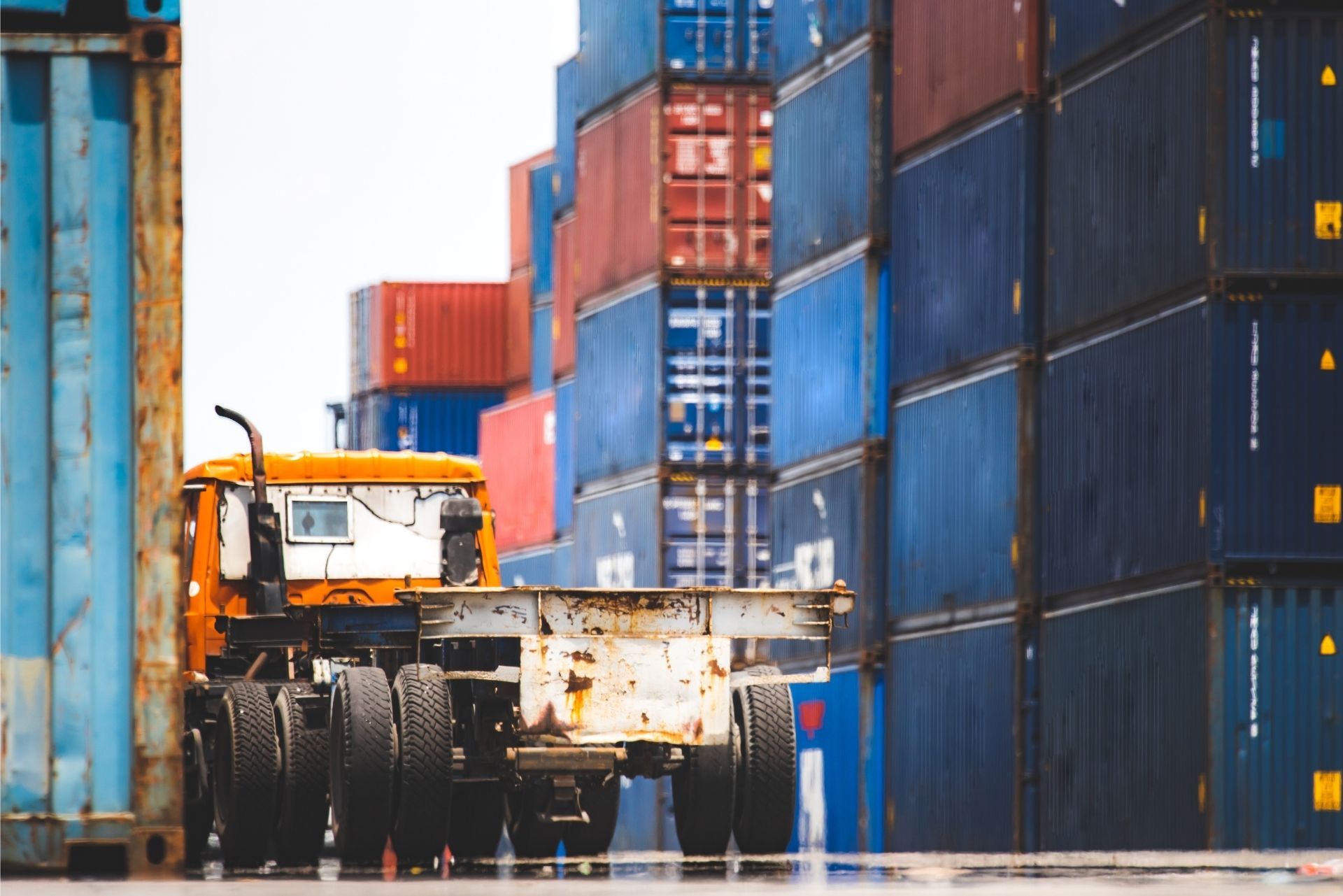
Syracuse sits at the crossroads of two major interstate systems, making it a natural distribution hub for the Northeast. I-81 connects Canada to Pennsylvania, while I-90 links Boston to Buffalo and beyond. This intersection creates opportunity, but also concentrated risk. High traffic density means more accident exposure, and the corridor's heavy commercial use attracts cargo thieves who know exactly which rest stops to target.
Local carriers running these routes face different exposures than long-haul operators. Short runs between Syracuse and Rochester or Albany mean more frequent loading and unloading, which increases cargo damage claims. The constant stop-and-start driving pattern also accelerates wear on trucks and drivers alike.
Impact of Regional Growth on Last-Mile Delivery
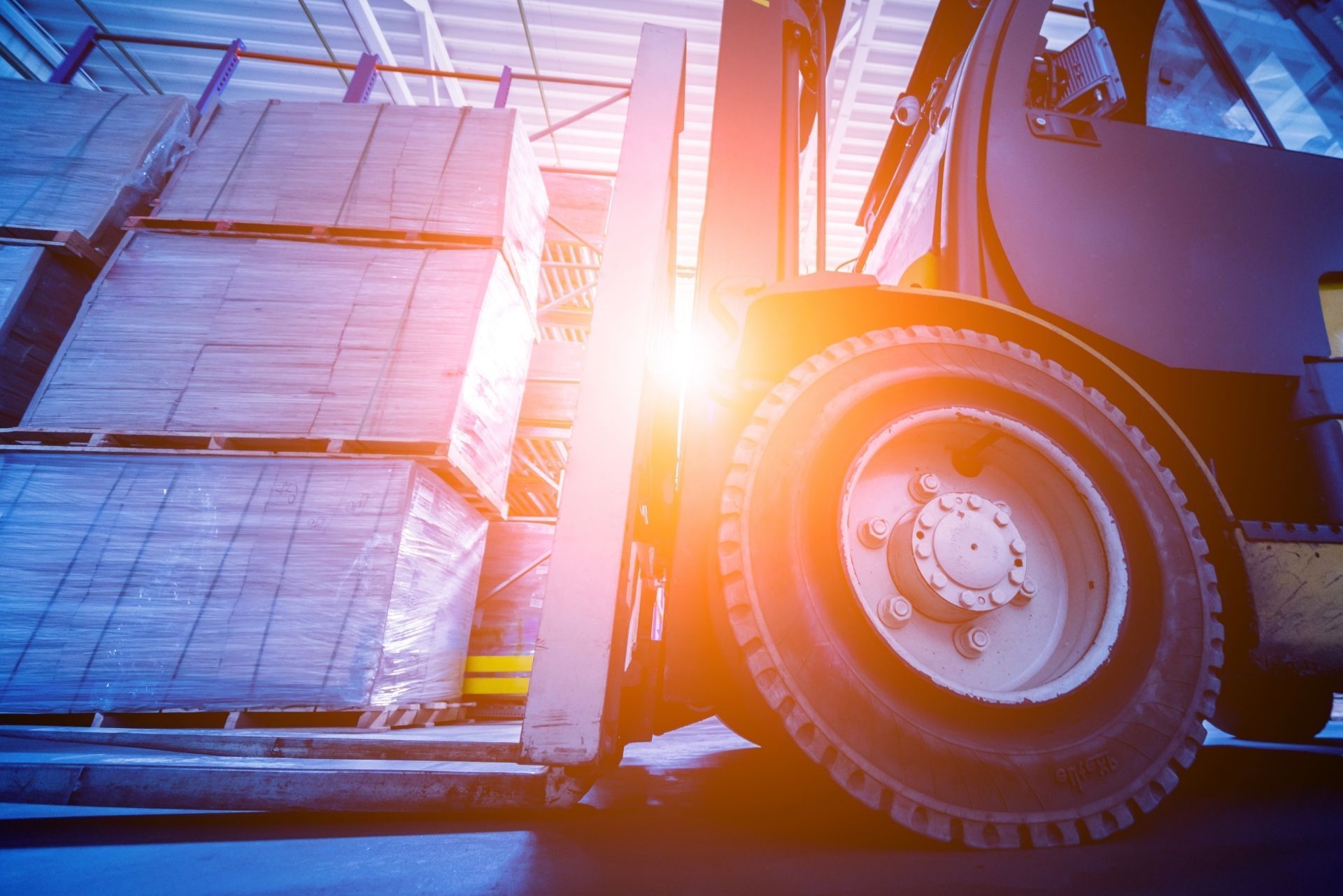
E-commerce growth has transformed Syracuse into a last-mile delivery battleground. Amazon's presence in the region, combined with traditional retailers expanding their delivery networks, has created intense demand for local trucking capacity. This growth brings newer operators into the market, many without adequate insurance coverage or understanding of their exposure.
Last-mile operations face unique risks: frequent residential stops, tight delivery windows that encourage rushed driving, and package theft claims that can accumulate quickly. Average operating costs for trucking rose
12.7% in 2021 to $1.855 per mile, and those costs have only climbed since. Insurance represents a significant portion of that figure.

By: Mark Raby
Chief Executive Officer at Champion Risk & Insurance Services
Essential Insurance Coverages for Syracuse Transportation Firms
Primary Auto Liability and Motor Truck Cargo Protection
Auto liability coverage forms the foundation of any commercial trucking policy. New York requires minimum limits, but the practical minimum for operating profitably sits much higher. Most shippers and brokers require $1 million in auto liability before they'll tender loads, and some high-value cargo requires even more.
Motor truck cargo insurance protects the freight you're hauling. Standard policies cover most commodities, but Syracuse operators moving specialized goods need endorsements for refrigerated cargo, hazardous materials, or high-value electronics. Champion Risk works with carriers who understand that a reefer breakdown in July can destroy $80,000 in pharmaceuticals before you reach Utica.
General Liability and Warehouse Legal Liability
General liability coverage protects your business operations beyond the truck itself. If a driver damages property while making a delivery, or a customer slips at your terminal, this coverage responds. Industry guidelines recommend minimum coverage of $2,000,000 per occurrence for transportation and logistics operations.
Warehouse legal liability matters for any Syracuse operation that stores goods, even temporarily. Cross-dock facilities, transload operations, and distribution centers all need this coverage. Standard property policies don't cover goods you're holding for others.
Workers' Compensation and Occupational Accident Insurance
New York workers' compensation requirements are strict and expensive. Every employee needs coverage, including drivers, dock workers, and office staff. Premiums reflect the physical nature of the work: loading and unloading injuries, repetitive motion claims, and vehicle accidents all drive costs.
Owner-operators and independent contractors present a different challenge. They're not employees, so workers' comp doesn't apply, but they still need protection. Occupational accident insurance fills this gap, covering medical expenses and lost income when independent drivers get hurt.
New York State Regulatory Requirements and Compliance
NYSDOT and FMCSA Filing Requirements
Operating legally in New York requires navigating both state and federal regulations. The NYSDOT requires registration for intrastate carriers, while FMCSA authority covers interstate operations. Both agencies require proof of insurance through specific filings.
Form MCS-90 endorsements and BMC-91 filings demonstrate your liability coverage to federal regulators. Missing or lapsed filings can result in operating authority revocation, which effectively shuts down your business. Champion Risk handles these filings as part of policy service, ensuring your authority stays active.
Heavy Use Tax and Local Permit Considerations
New York's Highway Use Tax applies to heavy vehicles operating on state roads. Trucks over 18,000 pounds must register and pay based on mileage. This isn't insurance, but it affects your operating costs and compliance status.
Onondaga County and the City of Syracuse have additional permit requirements for certain operations. Oversized loads, hazmat transport, and specific delivery zones all require permits. Operating without proper permits can void insurance coverage, leaving you exposed when claims arise.
Impact of Winter Weather and Lake Effect Conditions on Risk
Syracuse averages over 120 inches of snow annually, with lake effect bands capable of dropping feet of snow in hours. Insurance underwriters price this reality into every policy. Winter accident frequency spikes dramatically, and claims severity increases when crashes involve ice and limited visibility.
Carriers operating year-round in Syracuse pay more than those in milder climates. That's unavoidable. What's controllable is how you manage winter risk through driver training, equipment maintenance, and operational protocols that underwriters recognize and reward.
Fleet Age, Driver Safety Records, and ELD Compliance
Older trucks cost more to insure. Vehicles beyond 10 years old face higher physical damage premiums and may be excluded from some policies entirely. The condition matters more than the model year, but underwriters use age as a proxy for maintenance and reliability.
Driver records directly impact premiums. CSA scores, accident history, and moving violations all factor into pricing. ELD compliance demonstrates professionalism and provides data that can support lower rates. Carriers with clean records and modern compliance technology consistently pay less than those with violations.
| Factor | Impact on Premium |
|---|---|
| Clean CSA scores | 10-25% reduction |
| At-fault accidents (3 years) | 25-100% increase |
| Driver experience under 2 years | 15-30% increase |
| Local radius under 100 miles | 5-15% reduction |
| Telematics installed | 5-15% reduction |
Strategies for Reducing Logistics Insurance Costs
Implementing Telematics and Dash Cam Technologies
Telematics systems track driver behavior in real time: hard braking, speeding, and harsh cornering all generate data. This information helps identify risky drivers before they cause accidents. It also provides evidence when accidents aren't your driver's fault.
Dash cameras have become essential for defending against fraudulent claims. "Swoop and squat" scams target commercial vehicles because the payouts are larger. Video evidence can dismiss these claims immediately, saving tens of thousands in settlements and keeping your loss history clean.
Utilizing Local Risk Management and Safety Training Programs
Syracuse-area resources exist for carrier safety training. The New York State Motor Truck Association offers programs, and local community colleges provide CDL training that emphasizes safety. Documenting your training program gives underwriters confidence in your operation.
Champion Risk connects clients with loss control resources specific to Central New York conditions. Winter driving clinics, cargo securement training, and fatigue management programs all reduce claims frequency. Lower claims mean lower premiums at renewal.
Selecting a Syracuse-Based Insurance Partner for Long-Term Growth
The US logistics insurance market is projected to reach $13.0 million by 2030, reflecting continued growth in the sector. Industry experts note that "the fleet market's supply chain issues, fuel surcharges, and high-dollar claims are reminiscent of 2020," according to Amwins. This challenging environment demands an insurance partner who understands both the industry and the local market.
Working with a Syracuse-based agency means your insurance advisor knows the routes you run, the weather you face, and the regulatory environment you navigate. They can reach underwriters who specialize in Northeast transportation risk and advocate for your operation based on firsthand knowledge.
Champion Risk has built relationships with carriers who want Central New York business and price it fairly. When claims happen, local representation matters. A phone call to someone who knows your operation beats an 800 number and a claims adjuster flying in from Arizona.
Frequently Asked Questions
What minimum liability coverage do Syracuse trucking companies need? New York requires specific minimums based on cargo type and vehicle weight, but most brokers require $1 million auto liability. General liability should carry $2 million per occurrence for adequate protection.
Does lake effect snow increase my insurance premiums? Yes. Underwriters factor Syracuse's severe winter weather into pricing. Demonstrating winter-specific safety protocols and training can help offset this.
How do ELD violations affect my insurance costs? ELD violations appear on your FMCSA record and signal compliance problems to underwriters. Consistent violations can increase premiums 15% to 30% or result in coverage denial.
What's the difference between motor truck cargo and warehouse liability? Motor truck cargo covers goods while in transit. Warehouse legal liability covers goods stored at your facility. Most logistics operations need both.
Can telematics really lower my premiums? Carriers offering telematics discounts typically reduce premiums 5% to 15% for participating fleets with good data. The savings compound as your loss history improves.
| Coverage Type | Minimum Recommended | Common Limits |
|---|---|---|
| Auto Liability | $750,000 | $1,000,000 |
| General Liability | $1,000,000 | $2,000,000 |
| Motor Truck Cargo | $100,000 | $250,000 |
| Workers' Comp | Statutory | Statutory |
About the Author:
Mark Raby
I am a seasoned insurance professional with over 30 years of experience in the industry. I lead Champion Risk & Insurance Services, a San Diego-based brokerage with nationwide reach and strong influence in the insurance marketplace. My core competencies include insurance agency M&A deals, captives and alternative risk structures, and commercial property and casualty insurance for clients in the transportation and logistics industries. I am a former president of IIAB San Diego and hold a Bachelor of Science in Finance from Western Michigan University’s Haworth College of Business.
Protection for Transportation Operations
Business Insurance for Transportation & Logistics Companies
Coverage designed specifically for transportation businesses
Commercial Auto & Trucking
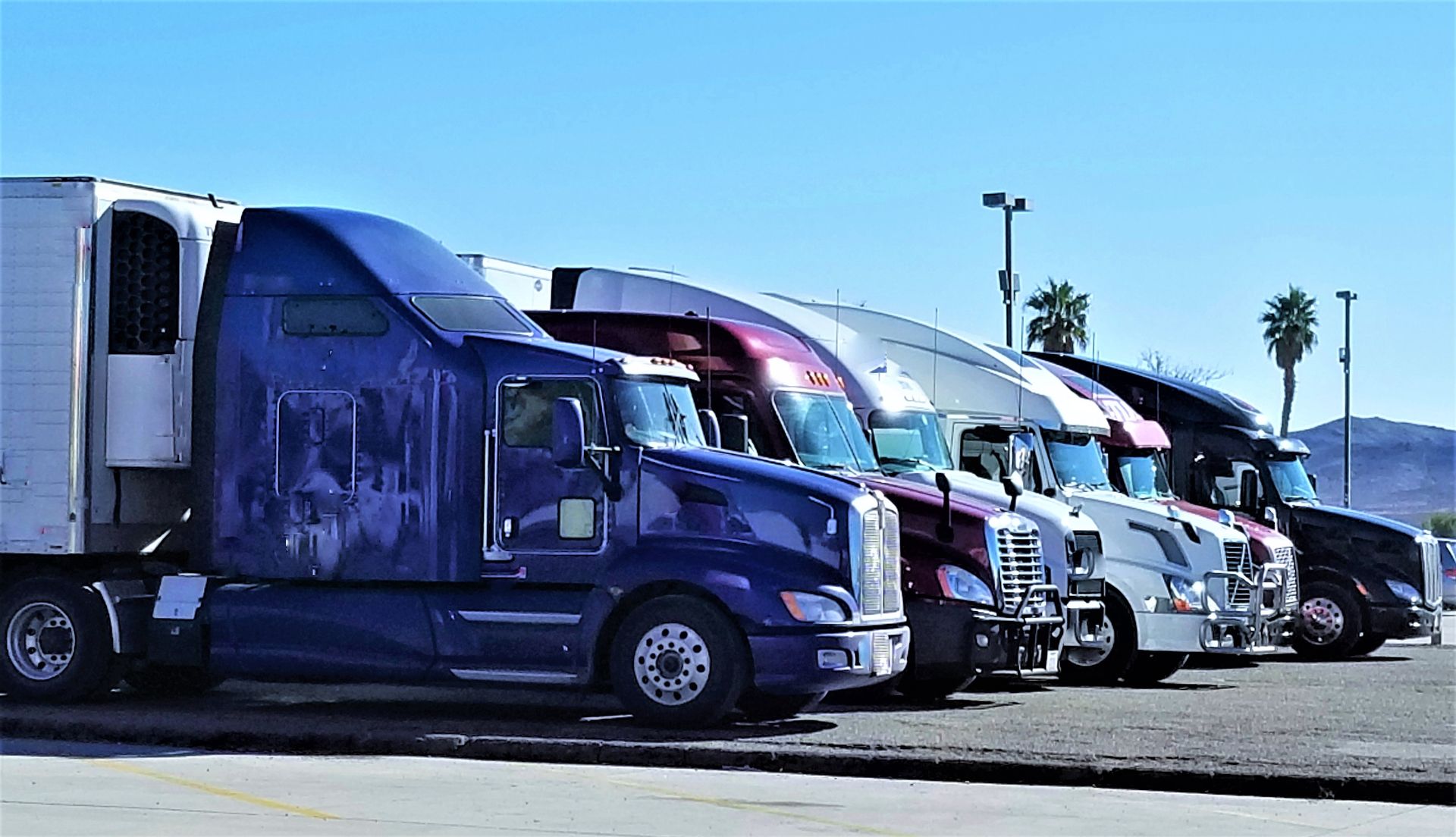
Protection for your fleet including box trucks, moving vans, and trailers. Covers liability, collision, physical damage, and hired or non-owned vehicles used in your operations.
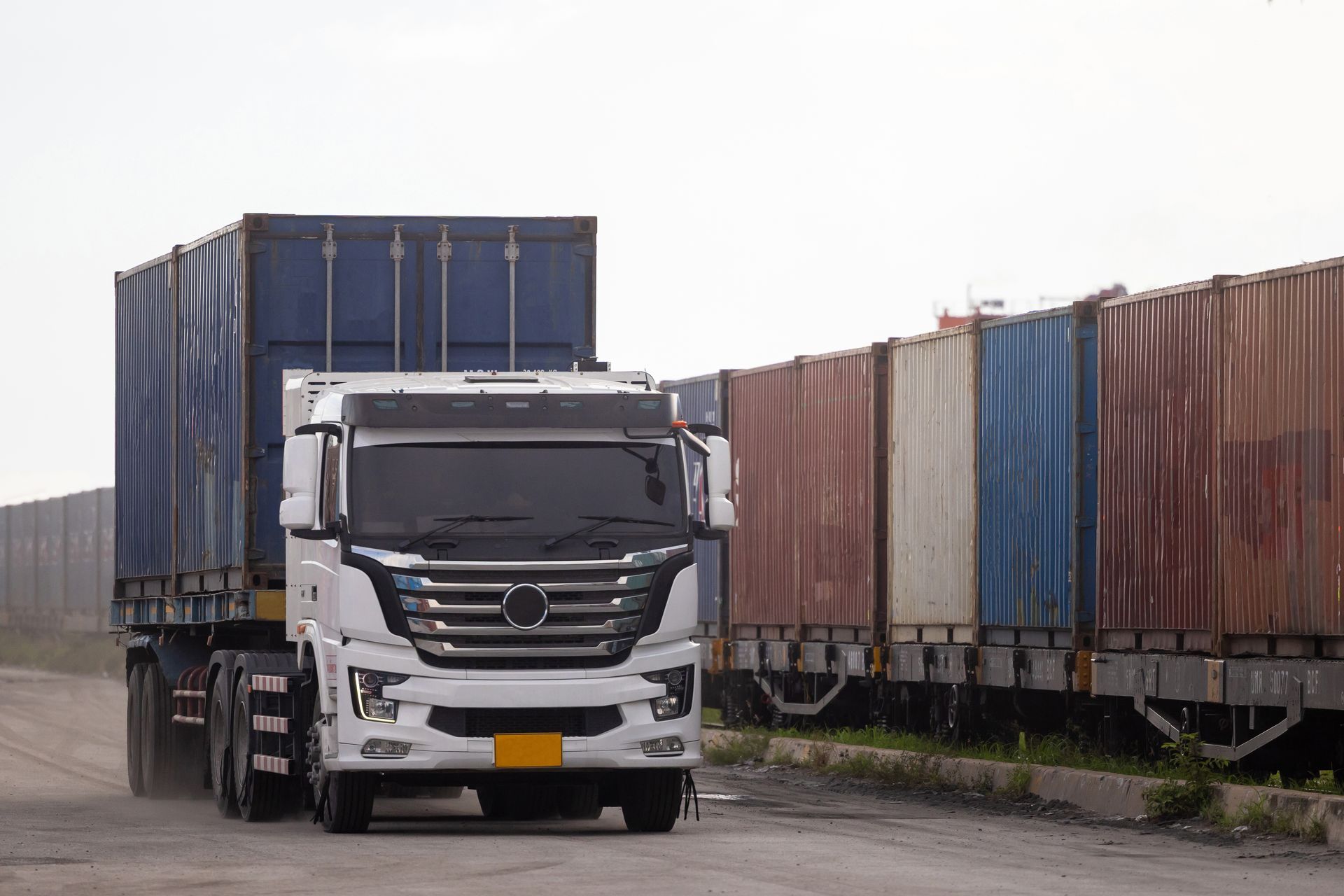
Motor Truck Cargo
Covers household goods and freight during transport from pickup to delivery. Protects against damage, theft, mysterious disappearance, and weather-related losses while cargo is in your care.

General Liability
Protection from third-party claims for bodily injury and property damage at customer homes, job sites, and your own facility. Essential coverage for every transportation operation
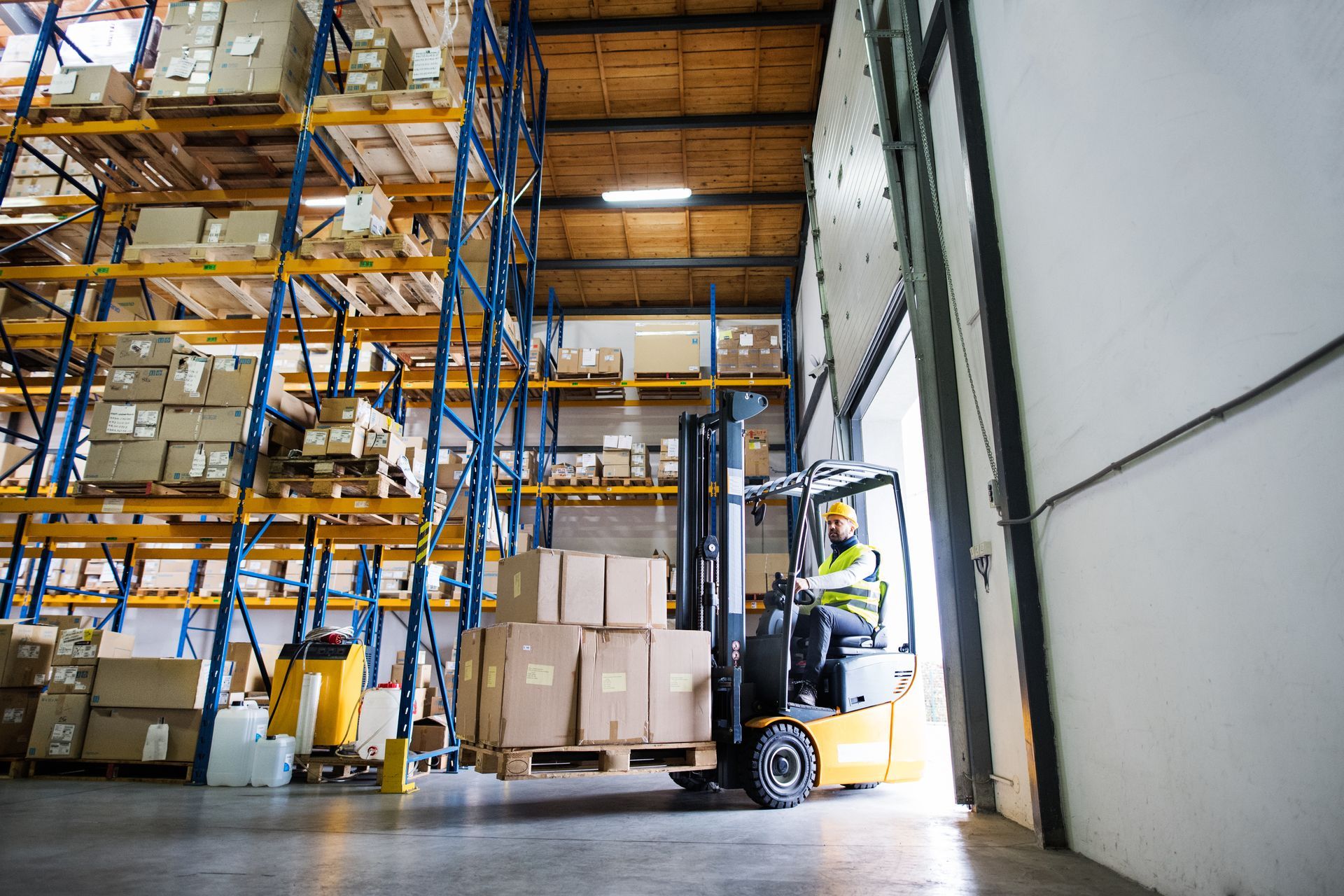
Warehouse Legal Liability
Coverage for customer property while stored in your facility. Protects against damage, theft, fire, and water damage to goods in your care, custody, or control.

Workers' Compensation
Medical care and wage replacement for employees injured on the job. Required in most states for transportation and warehouse work where physical labor creates higher injury risk.

Umbrella & Excess Liability
Higher liability limits stacked on top of your primary policies. Helps meet large contract requirements and protects your business assets against major claims and lawsuits.
Specialized Knowledge
Industries We Protect
Focused coverage for transportation and logistics businesses

Simple and Clear
How Our Process Works
Our process to get you covered
Connect With Us
Reach out through our form or by phone to share your business needs and current coverage situation.
Get Coverage Options
We review your risks, compare carriers, and present clear quotes with plain-language explanations.
Stay Protected
You choose your plan, and we provide ongoing support for certificates, claims, and renewals.
Trusted by Businesses
Feedback That Reflects Service and Reliability
What our clients say about working with Champion Risk
Answers You Need
Frequently Asked Questions
Common questions about transportation and logistics insurance



What insurance does a transportation company need to operate legally?
Motor carriers that cross state lines must meet FMCSA requirements. You need a minimum of $750,000 in liability coverage, plus a BMC-91 filing that proves your insurance to the federal government. Cargo coverage is also required, with minimums that depend on the type of goods you transport.
Intrastate operators follow state-specific rules. California, Texas, and Florida each have different requirements. Champion Risk handles both federal and state filings. We make sure your coverage meets legal minimums and your certificates reach the right agencies.
How much does commercial transportation insurance cost?
Premiums depend on your fleet size, driving records, cargo values, and claims history. A small operation with two trucks might pay $8,000 to $15,000 per year. A larger carrier with ten trucks could pay $50,000 to $100,000 or more.
The best way to control costs is working with a broker who knows transportation insurance. We find carriers that specialize in your exact operation type. This often results in better rates than going direct or using a general agent who doesn't understand the industry.
What is a BMC-91 filing and why do I need one?
A BMC-91 is a form your insurance company files with the FMCSA. It proves you carry the required liability coverage to operate as a for-hire motor carrier. Without an active BMC-91, your operating authority can be revoked.
Champion Risk works with carriers who file electronically. Your BMC-91 typically posts within 24 to 48 hours of binding coverage. We monitor your filing status and alert you if anything needs attention.
Does my warehouse or storage facility need different insurance than a trucking operation?
Yes. Storage facilities need warehouse legal liability coverage. This protects you when customer property is damaged or stolen while in your care. Standard general liability policies exclude this exposure.
You may also need property coverage for your building, equipment breakdown protection, and business income coverage if a fire or disaster shuts down operations. Champion Risk builds storage facility programs that address all these risks in one package.
Can you insure last-mile delivery drivers who use their own vehicles?
Yes. We offer hired and non-owned auto coverage for delivery operations that use independent contractors or employees driving personal vehicles. This fills gaps that personal auto policies don't cover during commercial use.
We also provide occupational accident coverage for 1099 drivers who aren't eligible for workers' comp. This protects your drivers and limits your liability exposure when accidents happen.
How fast can I get proof of insurance for a new contract?
Same day in most cases. Once we bind your policy, we issue certificates of insurance within hours. If your contract requires specific additional insured language or special endorsements, we coordinate directly with the carrier.
Rush requests happen often in this industry. General contractors and corporate clients demand certificates before they let you on site. Champion Risk prioritizes fast turnaround because we know your revenue depends on it.

Answers You Need
Transportation & Logistics Insurance Resources
Articles designed to inform and support your business
Contact Us
Phone Number:
Email Address:
Location:
12264 El Camino Real, Suite 350
San Diego, CA 92130
Hours:
Monday – Friday: 8:00 AM – 6:00 PM PT