Equipment Breakdown Insurance for Moving & Storage Company
Or Call Us:
(800) 829-0807
A forklift motor burns out at 6 AM on a Monday. Your climate-controlled storage units lose temperature regulation overnight. The conveyor system that moves hundreds of boxes daily grinds to a halt with a mechanical screech. These scenarios share something in common: your standard commercial property policy probably won't cover them.
Equipment breakdown insurance for moving and storage operations fills a critical gap that catches many business owners off guard. Standard property policies typically cover damage from external events like fires, storms, or theft. But when your own equipment fails from internal mechanical or electrical causes, you're often left holding the repair bill yourself.
The stakes are significant. Insurers processed over 13,000 claims globally related to equipment breakdown in 2023, with an average claim cost of $68,000. For a mid-sized moving and storage company, a single major equipment failure without proper coverage could wipe out an entire quarter's profit margin.
The market recognizes this risk.
The Equipment Breakdown Insurance market is projected to reach USD 12.59 billion by 2031, exhibiting a CAGR of 8.9%.That growth reflects businesses increasingly understanding that their operations depend on mechanical systems that can fail at any moment.
The Role of Equipment Breakdown Insurance in Moving and Storage
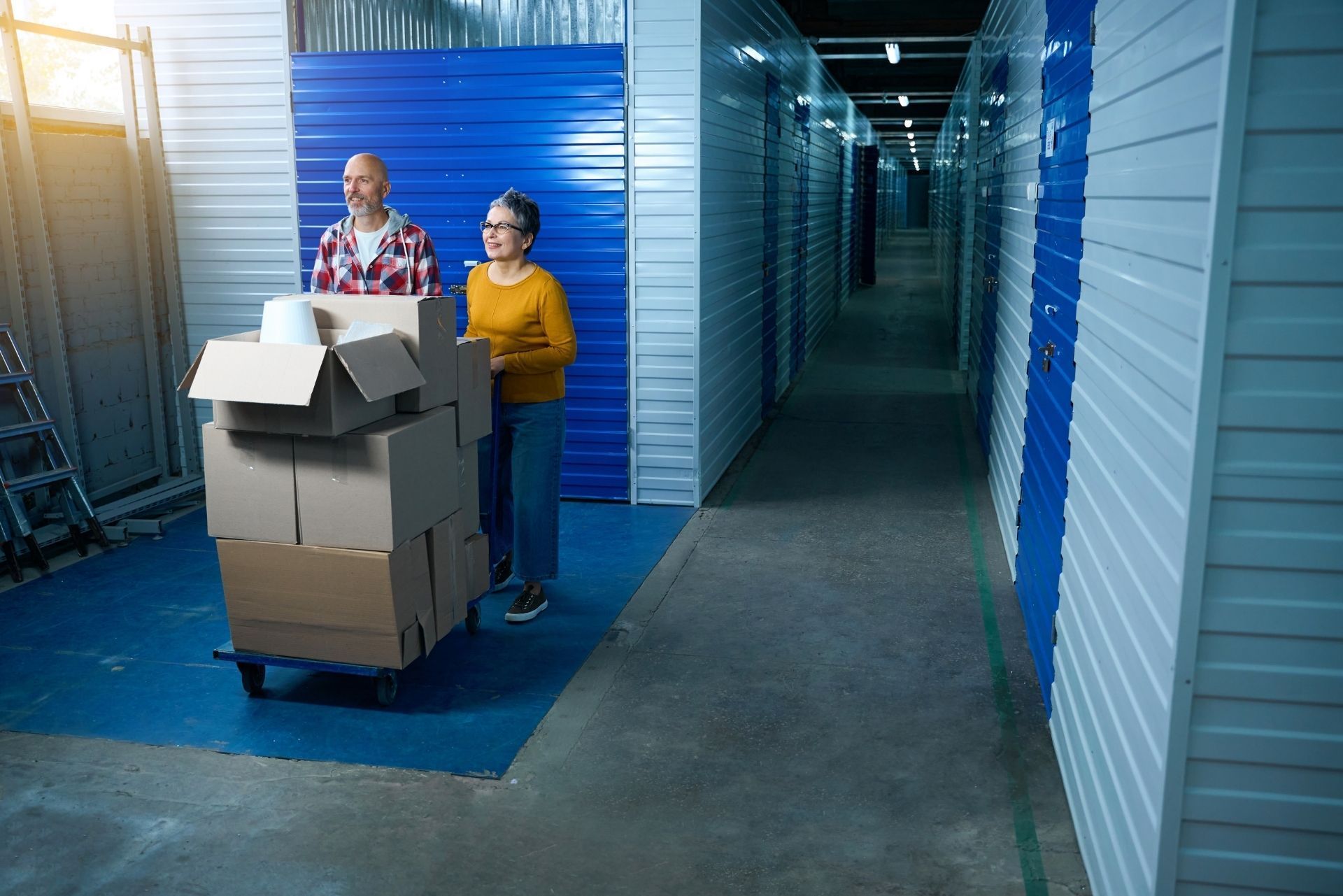
Moving and storage companies operate in a mechanically intensive environment where equipment uptime directly correlates with revenue. When a loading dock hydraulic system fails or a warehouse HVAC unit stops working, the financial impact extends far beyond simple repair costs.
Distinction Between Standard Property and Breakdown Coverage
Standard commercial property insurance covers damage from named perils: fire, lightning, windstorm, theft, vandalism. What it doesn't cover is equipment that simply stops working due to internal failure. A motor that overheats and burns out, an electrical system that short-circuits, a compressor that fails mechanically: these events typically fall outside property coverage.
Equipment breakdown insurance, sometimes called boiler and machinery coverage, specifically addresses these internal failures. The policy kicks in when covered equipment experiences sudden and accidental breakdown from mechanical, electrical, or pressure system failures.
Why Logistics and Warehouse Operations Face Unique Risks
Moving and storage companies face constant exposure to liability, property damage, and operational disruption, requiring specialized insurance. Standard policies often don't cover the unique exposures of this sector.
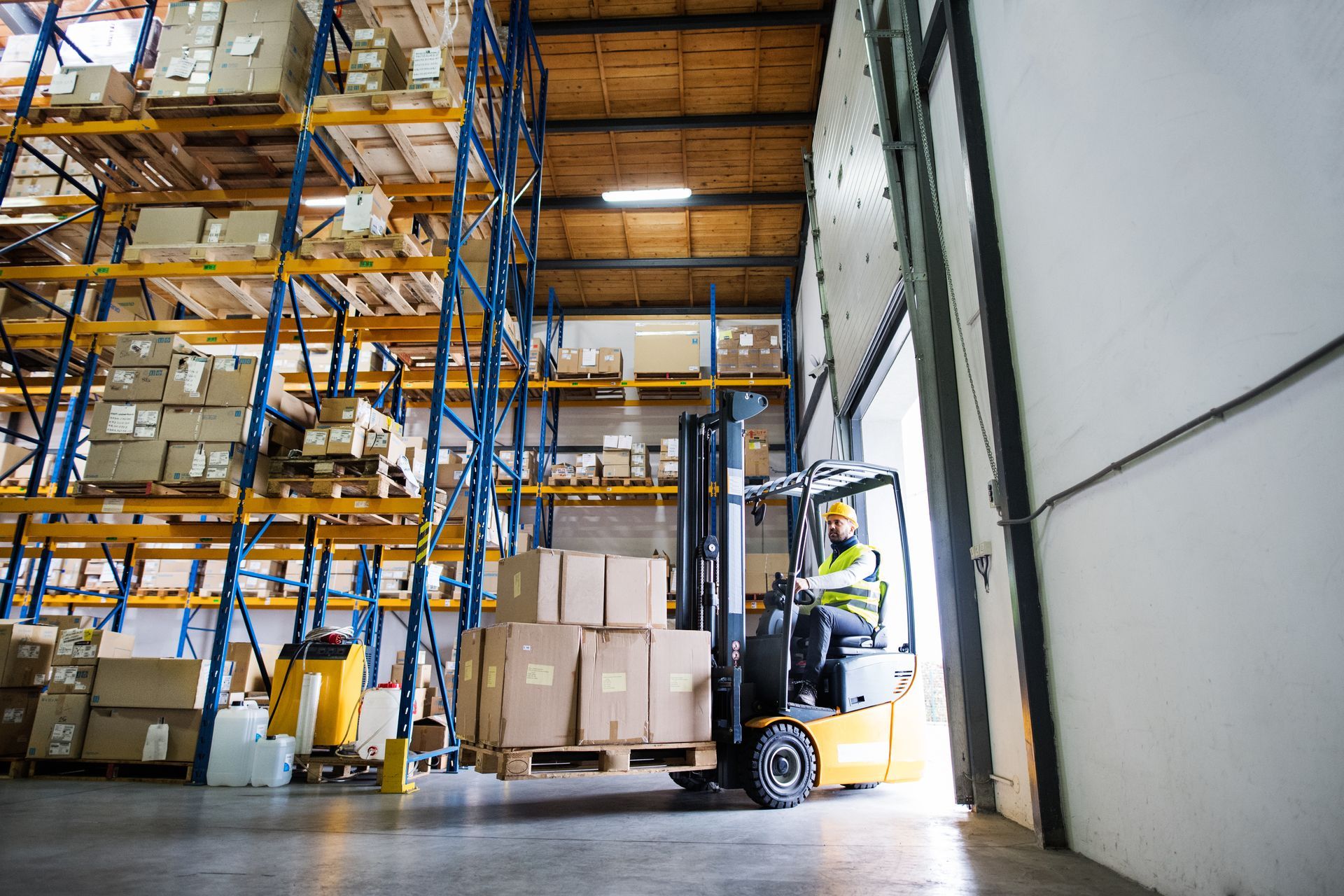
Your warehouse likely contains climate control systems running 24/7, conveyor equipment handling thousands of items daily,
forklifts operating under heavy loads, and electronic security systems protecting customer belongings. Each of these systems can fail internally, and each failure creates both direct repair costs and indirect operational losses.


By: Mark Raby
Chief Executive Officer at Champion Risk & Insurance Services
Core Coverage Components for Moving and Storage Facilities
Understanding what equipment qualifies for breakdown coverage helps you evaluate whether your current policy adequately protects your operation.
Climate Control and HVAC System Failures
Temperature-controlled storage units represent a significant investment and a major liability if they fail. When customers pay premium rates for climate-controlled storage of artwork, electronics, wine collections, or sensitive documents, they expect consistent temperature and humidity levels.
HVAC failures can damage customer property and expose your business to claims. Equipment breakdown coverage typically includes compressors, refrigeration units, heating systems, and the electrical components that control them. Champion Risk works with moving and storage companies to ensure climate control systems receive appropriate coverage limits based on the value of goods typically stored.
Conveyor Systems, Forklifts, and Loading Dock Equipment
The mechanical systems that move goods through your facility face constant stress. Conveyor belts, motorized rollers, hydraulic dock levelers, and powered loading equipment all contain components that wear and eventually fail.
In 2023, 44% of all equipment insurance claims globally were filed under machinery breakdown coverage. Forklifts and material handling equipment represent a significant portion of these claims. Electric motors, hydraulic systems, and electrical controls all qualify for breakdown coverage.
Electronic Data Processing and Security Infrastructure
Modern storage facilities rely heavily on electronic systems: inventory management software, security cameras, access control systems, and fire suppression controls. When these systems fail, operations can halt completely.
Electronic data processing equipment coverage protects computers, servers, and specialized software systems. Security infrastructure including cameras, alarm systems, and electronic locks also typically qualifies for coverage under equipment breakdown policies.
Financial Protections: Beyond Repair and Replacement
The repair bill itself often represents only a fraction of the total cost when critical equipment fails. Comprehensive equipment breakdown coverage addresses the broader financial impact.
Business Interruption and Lost Revenue Recovery
When your loading dock hydraulic system fails, you can't load trucks. When your climate control fails, you may need to relocate customer goods. These disruptions cost money beyond the repair itself.
Business interruption coverage within equipment breakdown policies compensates for lost income during the repair period. The coverage typically calculates your daily revenue and covers the income you would have earned while equipment was down. For moving companies with tight schedules and contractual obligations, this protection can prevent a single breakdown from cascading into multiple financial problems.
Spoilage and Perishable Goods Protection
Storage facilities handling temperature-sensitive items face spoilage risk when refrigeration or climate control fails. Wine storage facilities, pharmaceutical warehouses, and food storage operations can see significant customer property damage from a single HVAC failure.
Spoilage coverage pays for damage to perishable goods caused by equipment breakdown. This protection matters both for your own inventory and for customer property in your care. Champion Risk recommends reviewing spoilage limits carefully if your facility handles any temperature-sensitive storage.
Expediting Expenses and Temporary Equipment Rental
Sometimes the fastest repair isn't the cheapest. Expediting expense coverage pays the additional cost to speed up repairs or replacements: overtime labor, express shipping for parts, or air freight for equipment that would normally ship by ground.
Temporary equipment rental coverage helps you maintain operations while permanent repairs are completed. Renting a portable HVAC unit or a replacement forklift keeps your business running while you wait for permanent solutions.
Equipment breakdown insurance costs vary significantly based on your specific operation. Understanding the factors that influence pricing helps you budget appropriately and identify opportunities to reduce premiums.
| Factor | Lower Premium Impact | Higher Premium Impact |
|---|---|---|
| Equipment Age | Under 5 years | Over 15 years |
| Maintenance Records | Documented, regular service | Sporadic or undocumented |
| Total Insurable Value | Under $500,000 | Over $2,000,000 |
| Claims History | No claims in 3+ years | Multiple recent claims |
| Inspection Compliance | Annual inspections completed | Overdue inspections |
Total Insurable Value of Warehouse Assets
The total replacement value of covered equipment directly impacts premium costs. A facility with $2 million in covered equipment will pay more than one with $500,000 in coverage.
Getting accurate valuations matters. Underinsuring equipment saves premium dollars but leaves you exposed when claims occur. Overinsuring wastes money on coverage you'll never collect. Work with your broker to develop accurate equipment schedules that reflect current replacement costs.
Impact of Maintenance Records and Equipment Age
Insurers view well-maintained equipment as lower risk. Documented maintenance records, regular service schedules, and preventive maintenance programs can reduce premiums. Some insurers offer discounts of 5-15% for facilities with comprehensive maintenance documentation.
Equipment age affects both insurability and pricing. Older equipment fails more frequently and may be harder to repair. Some insurers won't cover equipment beyond certain age thresholds, while others simply charge higher premiums for aging systems.
Eligibility and Underwriting Requirements
Qualifying for equipment breakdown coverage requires meeting certain standards. Understanding these requirements helps you prepare for the underwriting process.
Mandatory Safety Inspections and Compliance
Most equipment breakdown policies require periodic inspections of covered equipment. Boilers, pressure vessels, and certain electrical systems may need annual or biennial inspections by certified inspectors. These inspections often come included with the policy at no additional cost.
Compliance with local codes and manufacturer specifications is typically a policy condition. Equipment that doesn't meet safety standards may be excluded from coverage or trigger policy cancellation.
Risk Mitigation Strategies for Lowering Rates
Insurance costs for moving companies have increased substantially. Average auto insurance premiums for moving companies increased from $50,000 in 2020 to $94,140 in 2025, representing an 88.28% increase. Equipment breakdown coverage faces similar upward pressure.
Implementing risk mitigation strategies can help control costs. Preventive maintenance programs, backup power systems, redundant equipment for critical functions, and employee training programs all demonstrate lower risk to underwriters.
Frequently Asked Questions
Does my commercial property insurance already cover equipment breakdown? Typically no. Standard property policies exclude mechanical and electrical breakdown. You need a separate equipment breakdown policy or an endorsement added to your property coverage.
What's the typical deductible for equipment breakdown claims? Deductibles usually range from $1,000 to $10,000 depending on your total coverage limits and risk profile. Higher deductibles reduce premiums but increase your out-of-pocket costs when claims occur.
Are forklifts covered under equipment breakdown insurance? Electric forklifts and their charging systems typically qualify for coverage. Propane or gasoline-powered forklifts may have different coverage terms. Check your specific policy language.
How quickly do equipment breakdown claims get paid? Most claims are processed within 30-60 days once documentation is complete. Expediting expense coverage can help you fund repairs immediately while the claim is processed.
Can I get coverage for older equipment?
Yes, though premiums will be higher and some very old equipment may be excluded. Insurers evaluate equipment condition, maintenance history, and availability of replacement parts.
Making the Right Coverage Decision
Equipment breakdown insurance represents a straightforward risk transfer for moving and storage operations. The question isn't whether your equipment will eventually fail: it will. The question is whether you'll absorb that cost yourself or transfer it to an insurer.
Moving companies pay an average of $876 per month for commercial auto insurance. Equipment breakdown coverage typically costs significantly less while protecting assets that are equally critical to daily operations.
Review your current coverage with a broker who understands the moving and storage industry. Champion Risk specializes in helping logistics companies identify coverage gaps and build comprehensive protection programs. The time to address equipment breakdown exposure is before your next failure, not after.
About the Author:
Mark Raby
I am a seasoned insurance professional with over 30 years of experience in the industry. I lead Champion Risk & Insurance Services, a San Diego-based brokerage with nationwide reach and strong influence in the insurance marketplace. My core competencies include insurance agency M&A deals, captives and alternative risk structures, and commercial property and casualty insurance for clients in the transportation and logistics industries. I am a former president of IIAB San Diego and hold a Bachelor of Science in Finance from Western Michigan University’s Haworth College of Business.
Protection for Transportation Operations
Business Insurance for Transportation & Logistics Companies
Coverage designed specifically for transportation businesses
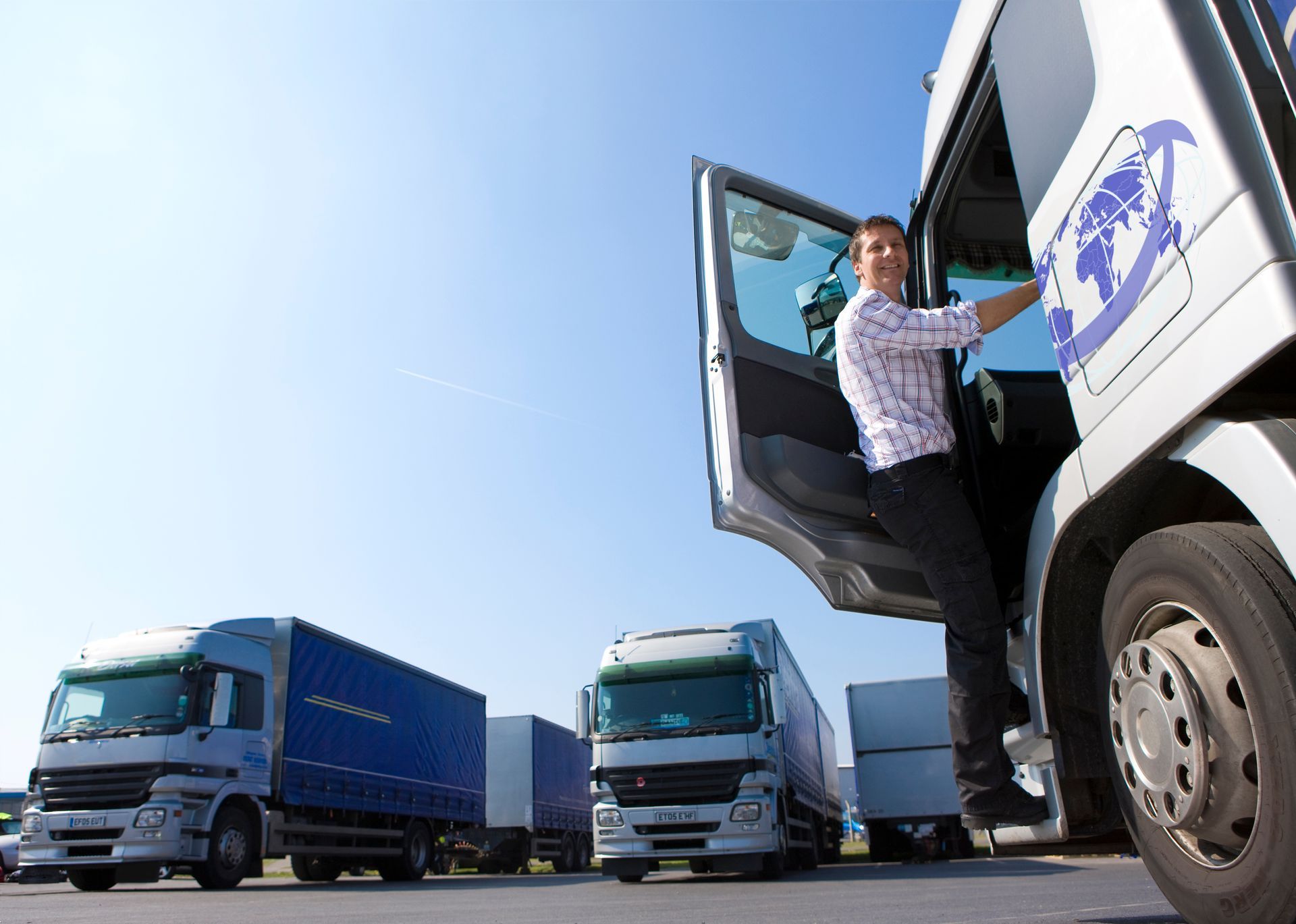
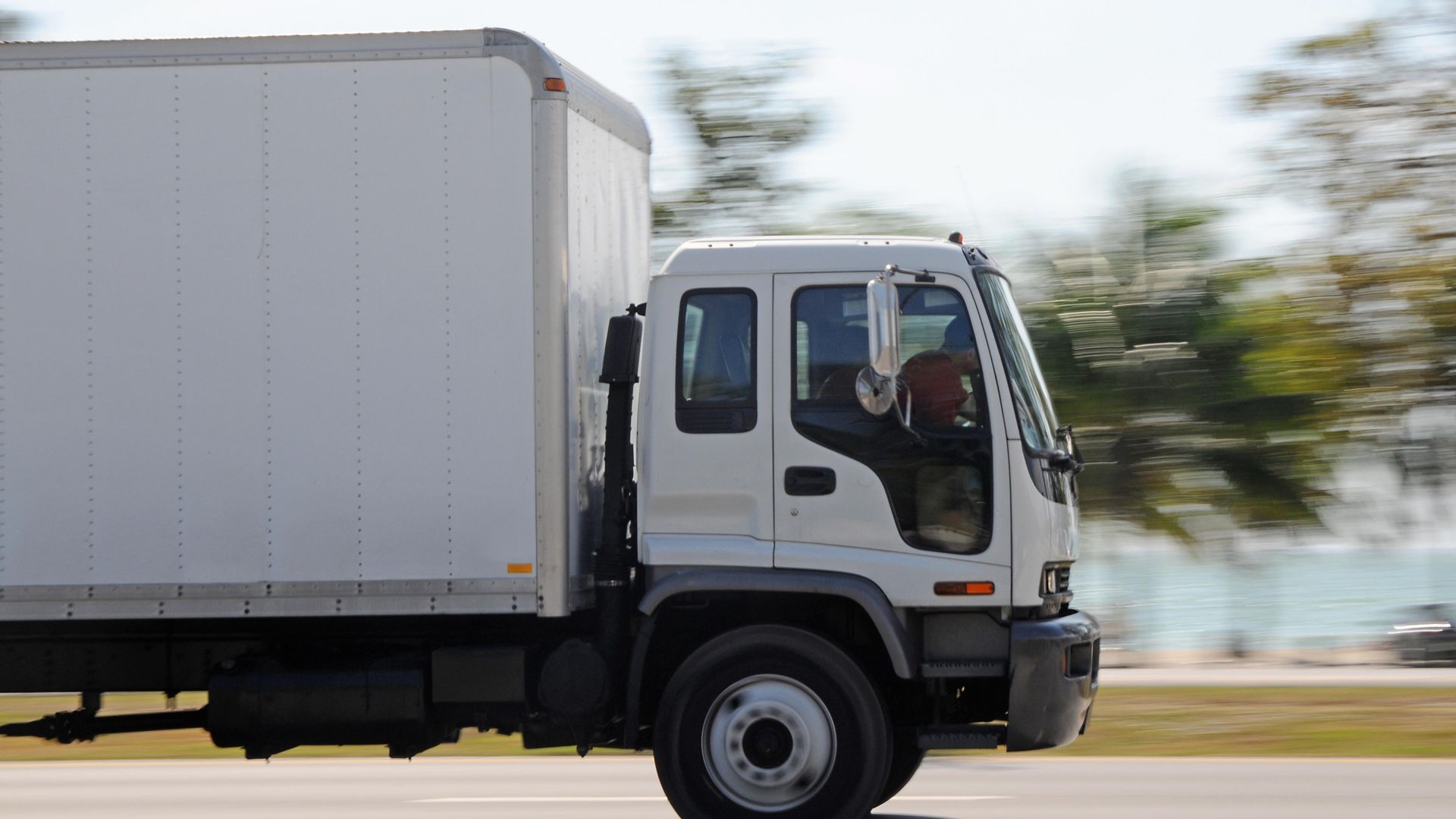
Commercial Auto & Trucking
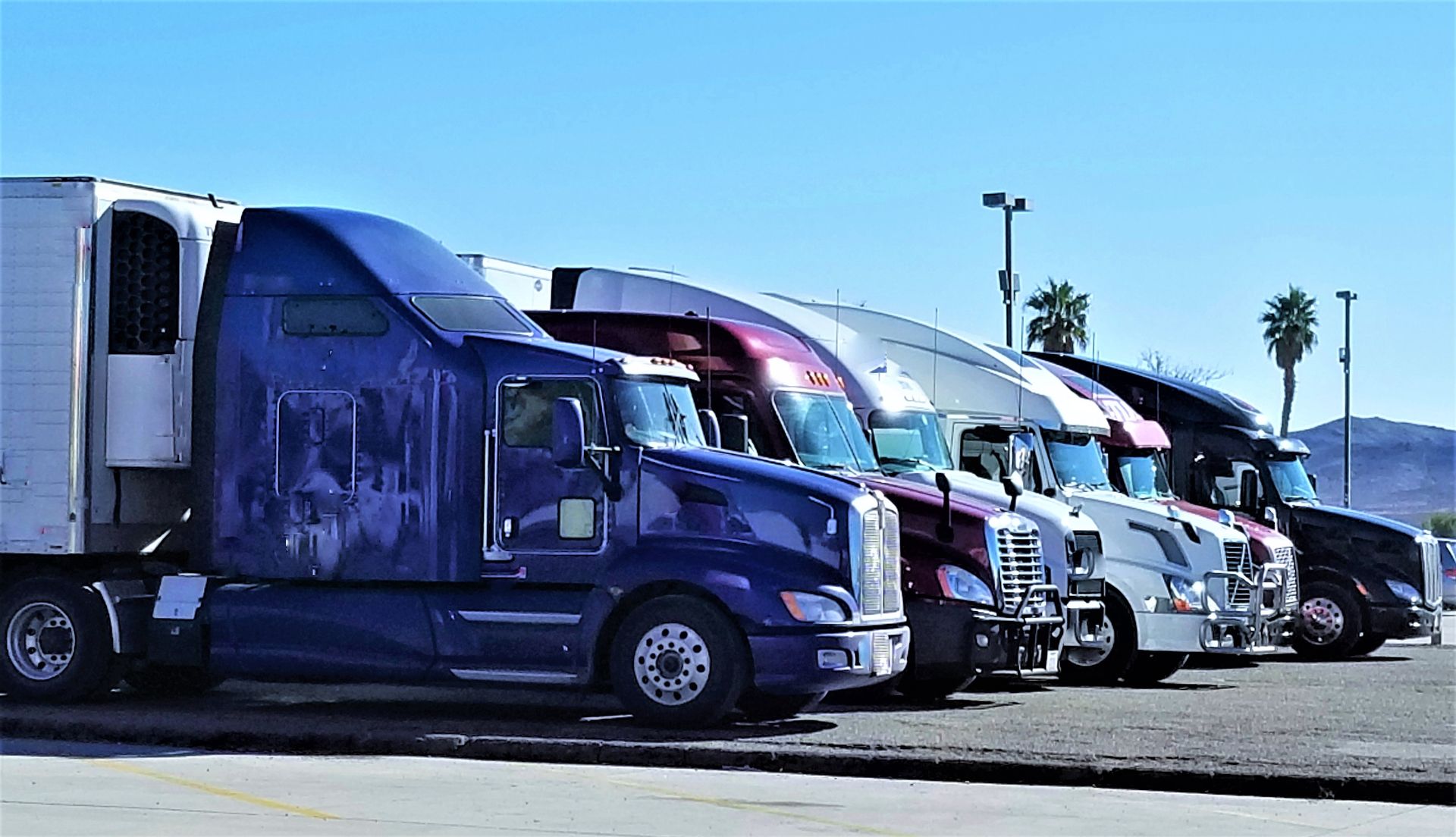
Protection for your fleet including box trucks, moving vans, and trailers. Covers liability, collision, physical damage, and hired or non-owned vehicles used in your operations.
Motor Truck Cargo
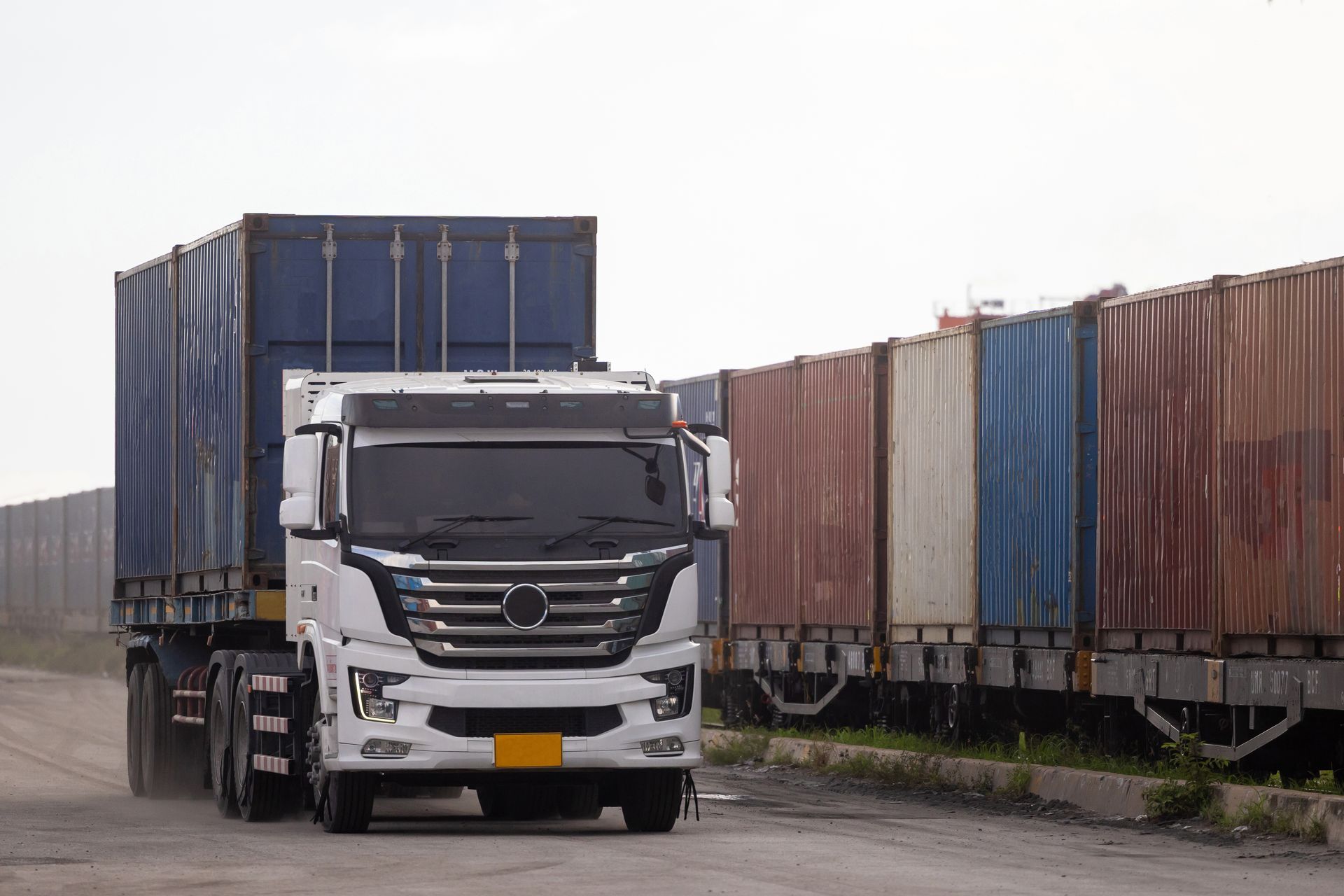
Covers household goods and freight during transport from pickup to delivery. Protects against damage, theft, mysterious disappearance, and weather-related losses while cargo is in your care.

General Liability
Protection from third-party claims for bodily injury and property damage at customer homes, job sites, and your own facility. Essential coverage for every transportation operation
Warehouse Legal Liability
Coverage for customer property while stored in your facility. Protects against damage, theft, fire, and water damage to goods in your care, custody, or control.

Workers' Compensation
Medical care and wage replacement for employees injured on the job. Required in most states for transportation and warehouse work where physical labor creates higher injury risk.

Umbrella & Excess Liability
Higher liability limits stacked on top of your primary policies. Helps meet large contract requirements and protects your business assets against major claims and lawsuits.
Specialized Knowledge
Industries We Protect
Focused coverage for transportation and logistics businesses

Simple and Clear
How Our Process Works
Our process to get you covered
Connect With Us
Reach out through our form or by phone to share your business needs and current coverage situation.
Get Coverage Options
We review your risks, compare carriers, and present clear quotes with plain-language explanations.
Stay Protected
You choose your plan, and we provide ongoing support for certificates, claims, and renewals.
Trusted by Businesses
Feedback That Reflects Service and Reliability
What our clients say about working with Champion Risk
Answers You Need
Frequently Asked Questions
Common questions about transportation and logistics insurance



What insurance does a transportation company need to operate legally?
Motor carriers that cross state lines must meet FMCSA requirements. You need a minimum of $750,000 in liability coverage, plus a BMC-91 filing that proves your insurance to the federal government. Cargo coverage is also required, with minimums that depend on the type of goods you transport.
Intrastate operators follow state-specific rules. California, Texas, and Florida each have different requirements. Champion Risk handles both federal and state filings. We make sure your coverage meets legal minimums and your certificates reach the right agencies.
How much does commercial transportation insurance cost?
Premiums depend on your fleet size, driving records, cargo values, and claims history. A small operation with two trucks might pay $8,000 to $15,000 per year. A larger carrier with ten trucks could pay $50,000 to $100,000 or more.
The best way to control costs is working with a broker who knows transportation insurance. We find carriers that specialize in your exact operation type. This often results in better rates than going direct or using a general agent who doesn't understand the industry.
What is a BMC-91 filing and why do I need one?
A BMC-91 is a form your insurance company files with the FMCSA. It proves you carry the required liability coverage to operate as a for-hire motor carrier. Without an active BMC-91, your operating authority can be revoked.
Champion Risk works with carriers who file electronically. Your BMC-91 typically posts within 24 to 48 hours of binding coverage. We monitor your filing status and alert you if anything needs attention.
Does my warehouse or storage facility need different insurance than a trucking operation?
Yes. Storage facilities need warehouse legal liability coverage. This protects you when customer property is damaged or stolen while in your care. Standard general liability policies exclude this exposure.
You may also need property coverage for your building, equipment breakdown protection, and business income coverage if a fire or disaster shuts down operations. Champion Risk builds storage facility programs that address all these risks in one package.
Can you insure last-mile delivery drivers who use their own vehicles?
Yes. We offer hired and non-owned auto coverage for delivery operations that use independent contractors or employees driving personal vehicles. This fills gaps that personal auto policies don't cover during commercial use.
We also provide occupational accident coverage for 1099 drivers who aren't eligible for workers' comp. This protects your drivers and limits your liability exposure when accidents happen.
How fast can I get proof of insurance for a new contract?
Same day in most cases. Once we bind your policy, we issue certificates of insurance within hours. If your contract requires specific additional insured language or special endorsements, we coordinate directly with the carrier.
Rush requests happen often in this industry. General contractors and corporate clients demand certificates before they let you on site. Champion Risk prioritizes fast turnaround because we know your revenue depends on it.

Answers You Need
Transportation & Logistics Insurance Resources
Articles designed to inform and support your business
Contact Us
Phone Number:
Email Address:
Location:
12264 El Camino Real, Suite 350
San Diego, CA 92130
Hours:
Monday – Friday: 8:00 AM – 6:00 PM PT