
Running a moving and storage company in Tennessee means protecting yourself against risks that can wipe out years of hard work in a single incident. A dropped antique piano, a warehouse fire, or a worker injured loading a truck can each generate claims that exceed what most small operators keep in reserve. The relocation industry in Tennessee is booming, with
Nashville's Davidson County alone seeing a 40% surge in relocation requests, which means more trucks on the road, more items in storage, and more exposure to liability. Getting your insurance coverage right isn't just about compliance with state requirements. It's about building a business that can survive the inevitable bad day. Tennessee's regulatory framework differs from neighboring states, and understanding the specific coverage types, cost factors, and compliance strategies will help you make informed decisions about protecting your operation. Whether you're running three trucks out of Knoxville or operating a 50,000 square foot warehouse in Memphis, the principles remain the same: adequate coverage, proper documentation, and proactive risk management.
Tennessee State Insurance Requirements for Moving Companies
Tennessee takes a relatively light regulatory approach compared to states like California or Texas, but that doesn't mean you can operate without proper documentation. The state focuses primarily on business registration and federal compliance rather than imposing extensive state-specific insurance mandates.
Tennessee Department of Revenue Regulatory Filings
Tennessee moving companies need a basic business license and a USDOT number to operate legally. The Department of Revenue handles business tax registration, and you'll need to register with the Secretary of State if operating as an LLC or corporation. For interstate moves, you'll also need operating authority from the Federal Motor Carrier Safety Administration, which triggers additional insurance requirements. The state doesn't maintain a separate moving company regulatory board, so most of your compliance obligations flow from federal transportation law. That said, local municipalities may have their own licensing requirements, particularly in Nashville, Memphis, and Chattanooga.
Minimum Liability and Cargo Insurance Limits
Federal requirements mandate $750,000 in liability coverage for vehicles under 10,001 pounds and $1,000,000 for heavier trucks.
Cargo insurance minimums vary based on your operating authority type, but most movers carry between $50,000 and $100,000 in cargo coverage. Tennessee doesn't add state-specific minimums on top of federal requirements, but your contracts with customers, storage facilities, and business partners may require higher limits. Champion Risk works with Tennessee movers to analyze their actual exposure and recommend coverage levels that match their operations rather than just meeting minimum thresholds.


By: Mark Raby
Chief Executive Officer at Champion Risk & Insurance Services
Essential Coverage Types for Movers and Storage Facilities
A comprehensive insurance program for moving and storage operations typically includes multiple policy types working together. Gaps between policies create exposure, so understanding how each coverage type functions matters as much as having the policies themselves.
Warehouse Legal Liability for Storage Operations
If you store customer belongings, warehouse legal liability coverage protects against damage or loss while items are in your care. This differs from property insurance because you're covering someone else's property, not your own. Policies typically cover fire, theft, water damage, and other specified perils. Coverage limits should reflect the total value of goods you might store at any given time. A 20,000 square foot facility holding household goods could easily contain $2 million or more in customer property. Underinsuring this exposure is one of the most common mistakes Champion Risk sees among Tennessee storage operators.
Commercial Auto and Bobtail Insurance
Your trucks represent both your most valuable assets and your greatest liability exposure. Commercial auto insurance for Tennessee moving companies averages $876 per month, or about $10,512 annually, though your actual costs depend heavily on driver records, vehicle age, and claims history. Bobtail insurance covers your trucks when they're being driven without a trailer attached or outside of dispatch, filling a gap that standard commercial auto policies often exclude. Non-owned auto coverage extends protection when employees use personal vehicles for company business.
Inland Marine and Transit Coverage
Inland marine insurance covers goods while they're being transported, bridging the gap between your warehouse policy and your destination. Transit coverage specifically addresses the period when items are loaded on trucks and moving between locations. These policies work together to ensure no gap exists between when items leave your warehouse and when they arrive at the customer's new location. For high-value shipments, you may need scheduled coverage with specific item limits.
Protecting Your Workforce with Workers' Compensation
Moving is physically demanding work, and injuries happen even in well-run operations. Back injuries from lifting, falls from truck ramps, and vehicle accidents account for most workers' compensation claims in the moving industry.
Tennessee Workers' Comp Laws for Small Businesses
Tennessee requires
workers' compensation coverage for businesses with five or more employees in most industries. Construction-related work, which can include some aspects of moving and installation, triggers coverage requirements at just one employee. Even if you're below the threshold, carrying workers' comp protects you from personal injury lawsuits by employees. The exclusive remedy provision means employees who are covered by workers' comp generally cannot sue you directly for workplace injuries.
A typical insurance bundle including workers' compensation, a Business Owners Policy, and professional liability runs around $526 monthly or $6,312 per yearfor small moving operations.

Factors Influencing Insurance Costs in Tennessee
Insurance pricing isn't arbitrary. Underwriters evaluate specific factors that predict your likelihood of filing claims. Understanding these factors helps you manage costs proactively rather than just shopping for the cheapest quote.
Claims History and Safety Records
Your loss history over the past three to five years heavily influences premiums. A single large claim can increase rates for years, while a clean record qualifies you for preferred pricing. Maintaining detailed documentation of safety training, vehicle maintenance, and incident investigations demonstrates to underwriters that you take risk management seriously. CSA scores from FMCSA also affect your insurability and rates.
Fleet Size and Storage Square Footage
More trucks and larger facilities mean more exposure, which translates to higher premiums. However, larger operations often qualify for volume discounts that smaller competitors can't access. The relationship isn't strictly linear. A ten-truck operation doesn't necessarily pay ten times what a one-truck operation pays. Underwriters also consider vehicle age, driver experience levels, and the types of moves you typically handle.
Risk Management and Compliance Strategies
Insurance transfers risk, but risk management reduces it. Combining both approaches creates the most cost-effective protection for your business.
Valuation vs. Insurance: Educating Customers
Here's something many moving company owners get wrong: the valuation options you offer customers aren't insurance. Released value protection at 60 cents per pound per article is a liability limitation, not coverage. Full Value Protection typically costs 1% to 2% of the shipment's total value and requires a minimum declared value of $5,000 or $4.00 times the shipment weight, whichever is greater. Educating customers about these options reduces disputes and helps set appropriate expectations. Your insurance covers your liability exposure, while valuation determines what you're liable for in the first place.
Maintaining FMCSA and State Compliance
Compliance isn't optional, and violations can void your insurance coverage when you need it most. Maintain current USDOT registration, keep your MCS-150 updated, and ensure your insurance filings remain active with FMCSA.
Industry experts like Lisa Paul from Alliant Transportation emphasize that operational excellence and customer-focused practices enhance service delivery while reducing compliance headaches. Champion Risk helps Tennessee movers stay current with both state and federal requirements through regular policy reviews and compliance monitoring.
| Coverage Type | Typical Monthly Cost | What It Covers |
|---|---|---|
| Commercial Auto | $876 | Vehicle liability, collision, comprehensive |
| General Liability | $150-300 | Third-party bodily injury, property damage |
| Cargo/Inland Marine | $100-250 | Customer goods in transit |
| Workers' Compensation | $200-400 | Employee injuries on the job |
| Warehouse Legal Liability | $150-350 | Stored customer property |
Frequently Asked Questions
Do I need insurance to start a moving company in Tennessee? Yes. While Tennessee's state requirements are minimal, federal law requires liability and cargo insurance for interstate movers, and most customers and commercial landlords require proof of coverage before working with you.
How much does moving company insurance cost in Tennessee? A comprehensive package typically runs $500 to $800 monthly for small operations, with commercial auto being the largest expense at around $876 monthly on average.
What's the difference between cargo insurance and valuation coverage? Cargo insurance is a policy you purchase to protect your business. Valuation is a liability limitation you offer customers that determines your maximum exposure per shipment.
Does Tennessee require workers' compensation for moving companies? Yes, if you have five or more employees. Smaller operations should still consider coverage to protect against employee lawsuits.
Can I operate with just the minimum required insurance?
Technically yes, but minimum coverage often leaves significant gaps. One serious claim could exceed your limits and threaten your business.
Making the Right Coverage Decisions
Tennessee's moving and storage industry offers real opportunity, but protecting that opportunity requires thoughtful insurance planning. The right coverage program balances adequate protection against manageable costs while maintaining full compliance with state and federal requirements. Work with a broker who understands the moving industry's specific risks and can structure coverage that fits your actual operations. Champion Risk specializes in helping Tennessee moving and storage companies build insurance programs that protect their businesses without overpaying for coverage they don't need. Contact our team to review your current coverage and identify any gaps before they become expensive problems.
About the Author:
Mark Raby
I am a seasoned insurance professional with over 30 years of experience in the industry. I lead Champion Risk & Insurance Services, a San Diego-based brokerage with nationwide reach and strong influence in the insurance marketplace. My core competencies include insurance agency M&A deals, captives and alternative risk structures, and commercial property and casualty insurance for clients in the transportation and logistics industries. I am a former president of IIAB San Diego and hold a Bachelor of Science in Finance from Western Michigan University’s Haworth College of Business.
Protection for Transportation Operations
Business Insurance for Transportation & Logistics Companies
Coverage designed specifically for transportation businesses
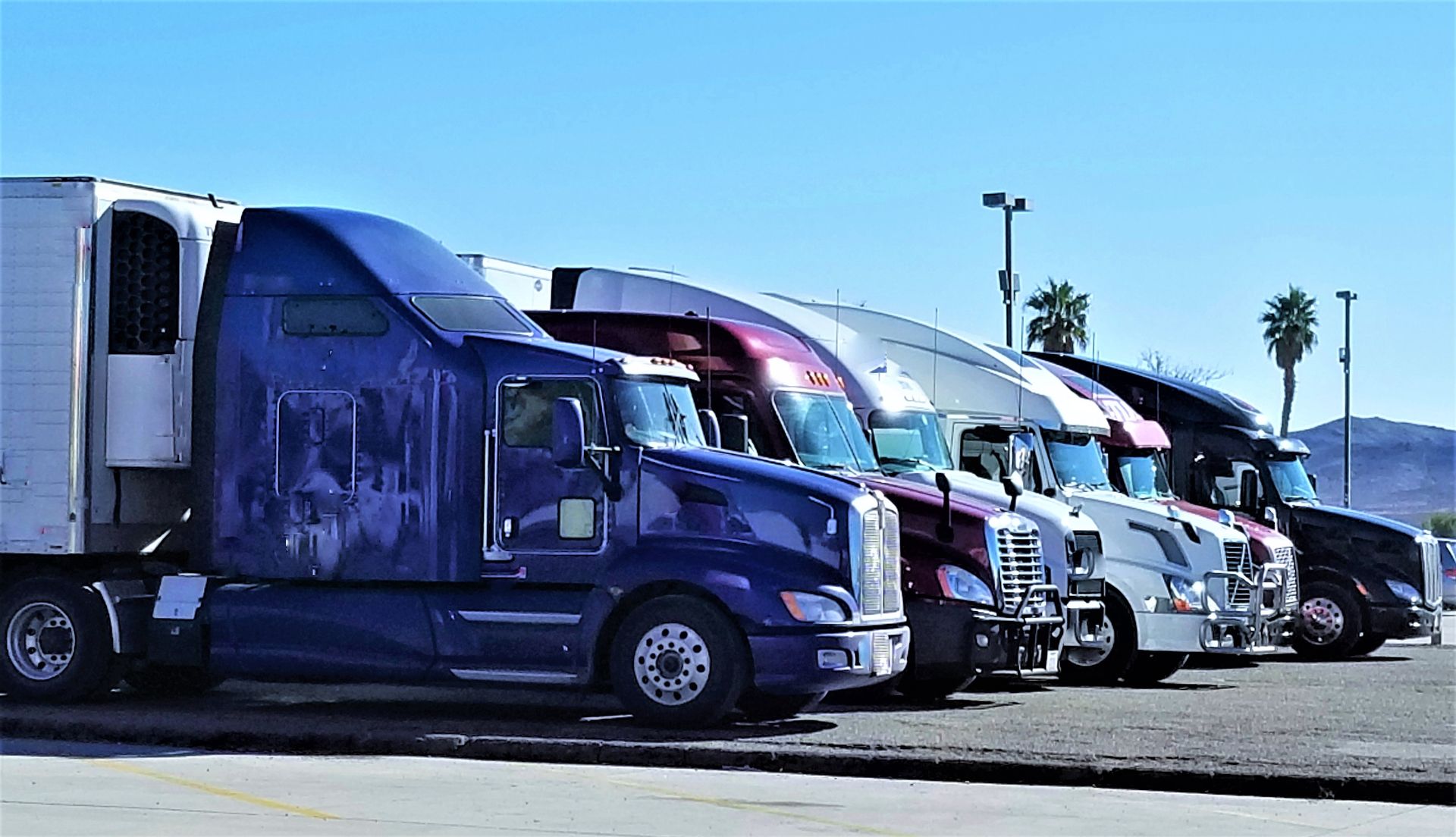
Commercial Auto & Trucking
Protection for your fleet including box trucks, moving vans, and trailers. Covers liability, collision, physical damage, and hired or non-owned vehicles used in your operations.
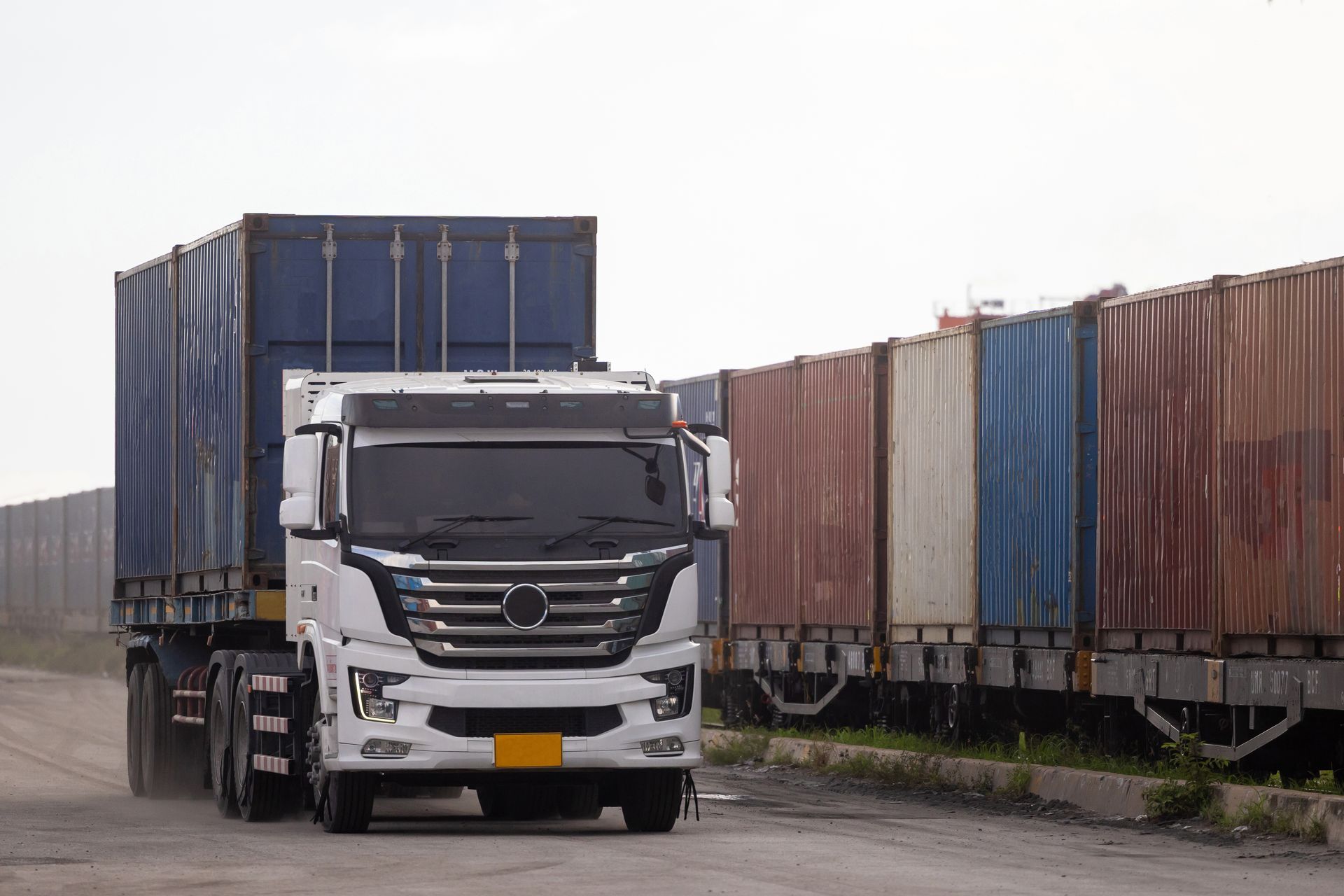
Motor Truck Cargo
Covers household goods and freight during transport from pickup to delivery. Protects against damage, theft, mysterious disappearance, and weather-related losses while cargo is in your care.

General Liability
Protection from third-party claims for bodily injury and property damage at customer homes, job sites, and your own facility. Essential coverage for every transportation operation

Warehouse Legal Liability
Coverage for customer property while stored in your facility. Protects against damage, theft, fire, and water damage to goods in your care, custody, or control.

Workers' Compensation
Medical care and wage replacement for employees injured on the job. Required in most states for transportation and warehouse work where physical labor creates higher injury risk.

Umbrella & Excess Liability
Higher liability limits stacked on top of your primary policies. Helps meet large contract requirements and protects your business assets against major claims and lawsuits.
Specialized Knowledge
Industries We Protect
Focused coverage for transportation and logistics businesses


Simple and Clear
How Our Process Works
Our process to get you covered
Connect With Us
Reach out through our form or by phone to share your business needs and current coverage situation.
Get Coverage Options
We review your risks, compare carriers, and present clear quotes with plain-language explanations.
Stay Protected
You choose your plan, and we provide ongoing support for certificates, claims, and renewals.
Trusted by Businesses
Feedback That Reflects Service and Reliability
What our clients say about working with Champion Risk
Answers You Need
Frequently Asked Questions
Common questions about transportation and logistics insurance




What insurance does a transportation company need to operate legally?
Motor carriers that cross state lines must meet FMCSA requirements. You need a minimum of $750,000 in liability coverage, plus a BMC-91 filing that proves your insurance to the federal government. Cargo coverage is also required, with minimums that depend on the type of goods you transport.
Intrastate operators follow state-specific rules. California, Texas, and Florida each have different requirements. Champion Risk handles both federal and state filings. We make sure your coverage meets legal minimums and your certificates reach the right agencies.
How much does commercial transportation insurance cost?
Premiums depend on your fleet size, driving records, cargo values, and claims history. A small operation with two trucks might pay $8,000 to $15,000 per year. A larger carrier with ten trucks could pay $50,000 to $100,000 or more.
The best way to control costs is working with a broker who knows transportation insurance. We find carriers that specialize in your exact operation type. This often results in better rates than going direct or using a general agent who doesn't understand the industry.
What is a BMC-91 filing and why do I need one?
A BMC-91 is a form your insurance company files with the FMCSA. It proves you carry the required liability coverage to operate as a for-hire motor carrier. Without an active BMC-91, your operating authority can be revoked.
Champion Risk works with carriers who file electronically. Your BMC-91 typically posts within 24 to 48 hours of binding coverage. We monitor your filing status and alert you if anything needs attention.
Does my warehouse or storage facility need different insurance than a trucking operation?
Yes. Storage facilities need warehouse legal liability coverage. This protects you when customer property is damaged or stolen while in your care. Standard general liability policies exclude this exposure.
You may also need property coverage for your building, equipment breakdown protection, and business income coverage if a fire or disaster shuts down operations. Champion Risk builds storage facility programs that address all these risks in one package.
Can you insure last-mile delivery drivers who use their own vehicles?
Yes. We offer hired and non-owned auto coverage for delivery operations that use independent contractors or employees driving personal vehicles. This fills gaps that personal auto policies don't cover during commercial use.
We also provide occupational accident coverage for 1099 drivers who aren't eligible for workers' comp. This protects your drivers and limits your liability exposure when accidents happen.
How fast can I get proof of insurance for a new contract?
Same day in most cases. Once we bind your policy, we issue certificates of insurance within hours. If your contract requires specific additional insured language or special endorsements, we coordinate directly with the carrier.
Rush requests happen often in this industry. General contractors and corporate clients demand certificates before they let you on site. Champion Risk prioritizes fast turnaround because we know your revenue depends on it.


Answers You Need
Transportation & Logistics Insurance Resources
Articles designed to inform and support your business
Contact Us
Phone Number:
Email Address:
Location:
12264 El Camino Real, Suite 350
San Diego, CA 92130
Hours:
Monday – Friday: 8:00 AM – 6:00 PM PT