
Wisconsin's transportation and logistics sector moves more than $200 billion in freight annually, connecting manufacturers to markets across the Midwest and beyond. Yet I've watched trucking companies and freight brokers struggle with insurance decisions that cost them thousands in unnecessary premiums or, worse, leave them exposed when claims hit. The state's unique combination of harsh winters, heavy manufacturing freight, and cross-border Canadian traffic creates coverage needs that generic commercial policies simply can't address.
Understanding transportation and logistics insurance requirements in Wisconsin means grasping both federal mandates and state-specific regulations that affect everything from your filing requirements to your workers' compensation obligations. According to Wisconsin state requirements, minimum auto liability stands at 25/50/10 coverage, but that baseline barely scratches the surface of what logistics operations actually need. Commercial trucking companies typically face broker requirements of $1,000,000 CSL coverage, and hazmat haulers need at least $5,000,000 in federal liability protection.
The gap between minimum requirements and operational reality is where most Wisconsin transporters get burned. This guide breaks down exactly what coverage you need, what it costs, and how to manage risks specific to Badger State operations.
Overview of Wisconsin Transportation Insurance Landscape
The Role of Logistics in the Wisconsin Economy
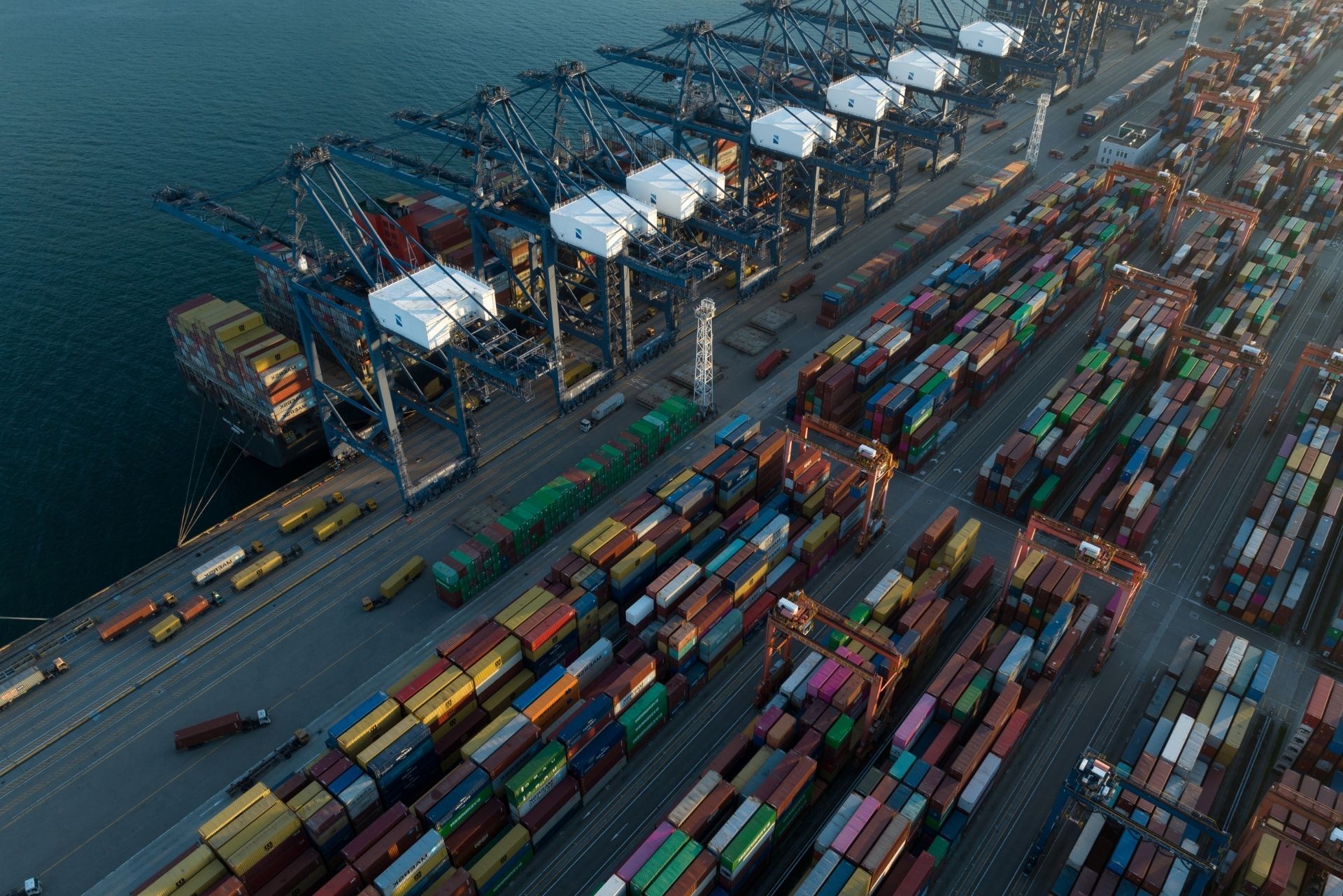
Wisconsin's economy depends heavily on moving goods efficiently. The state ranks among the top ten nationally for manufacturing output, producing everything from paper products and machinery to food processing equipment. All that product needs to move, creating demand for trucking companies, freight brokers, and warehouse operators throughout the state.
The I-94 corridor connecting Milwaukee to Minneapolis handles enormous freight volumes daily. Add in cross-border traffic through Superior and the agricultural shipments from rural areas, and you have a logistics network that touches nearly every corner of the state. This diversity creates insurance challenges because a fleet hauling cheese from Green Bay faces different risks than one moving machinery parts from Racine.
Why Standard Commercial Policies Are Insufficient
Standard commercial auto policies assume predictable, limited-use vehicles. Logistics operations don't work that way. Your trucks run loaded and empty, cross state lines regularly, and often carry cargo worth more than the vehicles themselves.
I've seen business owners assume their general liability policy covers cargo damage, then discover the hard way that it doesn't. Motor carriers need specialized coverage that addresses cargo liability, trailer interchange agreements, and the unique exposures that come with operating across multiple jurisdictions. Champion Risk works with Wisconsin transporters specifically because cookie-cutter policies leave too many gaps.


By: Mark Raby
Chief Executive Officer at Champion Risk & Insurance Services
Essential Coverage Types for Wisconsin Logistics Providers
Motor Truck Cargo and Freight Liability
Cargo insurance protects the freight you're hauling when it's damaged, stolen, or destroyed during transit. Wisconsin carriers typically need coverage ranging from $100,000 to $500,000 depending on what they haul, though high-value freight may require more.
The distinction between motor truck cargo and freight liability matters. Cargo coverage protects the goods themselves, while freight liability addresses your legal responsibility to shippers when something goes wrong. Most contracts require both, and the specific limits often depend on the commodities you transport.
Refrigerated haulers face additional considerations. Temperature-sensitive cargo needs reefer breakdown coverage, and the claims process gets complicated when you're dealing with spoiled food products worth tens of thousands of dollars.
Warehouse Legal Liability and Bailee Coverage
If your operation includes storage facilities,
warehouse legal liability becomes essential. This coverage protects against damage to customer goods while they're in your care, custody, and control at your facility.
| Coverage Type | What It Protects | Typical Limits |
|---|---|---|
| Warehouse Legal Liability | Customer goods in storage | $500K-$2M |
| Bailee Coverage | Property of others in your possession | $100K-$500K |
| Property Insurance | Your building and equipment | Replacement cost |
| Driver training programs | Lost income from covered events | 6-12 months revenue |
Bailee coverage extends similar protection to goods temporarily in your possession during loading, unloading, or short-term holding. The overlap between these coverages requires careful policy coordination.
Contingent Auto and Cargo for Freight Brokers
Freight brokers face a unique exposure because they don't own trucks or touch cargo, yet they're often held responsible when things go wrong. Contingent cargo and contingent auto liability provide backup protection when a carrier's insurance fails to respond.
These policies activate when the primary carrier's coverage is insufficient, lapsed, or excluded. Given that brokers work with multiple carriers of varying quality, this backup protection often proves its worth.
Wisconsin State Insurance Requirements and Filings
Wisconsin DOT and FMCSA Compliance
Operating authority in Wisconsin requires proper insurance filings with both state and federal agencies. Interstate carriers must file proof of insurance with the FMCSA, typically through Form BMC-91 for liability or BMC-34 for cargo.
The filing process trips up many new carriers. Your insurance company must file directly with the agencies, and there's often a lag between purchasing coverage and having your filings appear in federal databases. This delay can prevent you from booking loads with brokers who verify insurance before dispatching.
Wisconsin-only operations may have different filing requirements through the state DOT, though many carriers eventually expand to interstate operations and need federal authority anyway.
Wisconsin Workers' Compensation for Trucking Firms
Wisconsin requires workers' compensation coverage for nearly all employers, including trucking companies. The state operates a competitive insurance market, meaning you purchase coverage from private insurers rather than a state fund.
Trucking operations typically face higher workers' compensation rates due to the physical nature of the work and the injury frequency in the industry. Rates vary based on classification codes, with over-the-road drivers classified differently than warehouse workers or office staff.
Owner-operators present a classification challenge. Independent contractors don't require workers' compensation coverage from the company hiring them, but misclassification issues can create significant liability. The distinction between employee and contractor has real insurance consequences.
Factors Influencing Insurance Costs in the Badger State
Operating Radius and Route Risk Profiles
Where you operate affects your premiums significantly. Local operations within Wisconsin typically cost less to insure than long-haul routes crossing multiple states. The logic makes sense: more miles mean more exposure.
Commercial auto insurance in Wisconsin averages around $139 monthly, but transportation operations often pay between $220 and $1,200 depending on fleet size, operating radius, and claims history. That's per vehicle, so a ten-truck fleet could face annual premiums exceeding $100,000.
Route-specific risks also matter. Running through Chicago adds urban exposure. Winter routes through northern Wisconsin increase weather-related accident probability. Insurers analyze these patterns when pricing your coverage.
Safety Records and ELD Compliance Impact
Your safety record directly influences what you pay for insurance. CSA scores, accident history, and driver violations all factor into underwriting decisions. Companies with poor safety records may find coverage difficult to obtain at any price.
Electronic logging device compliance isn't just a regulatory requirement. As transportation expert David Stone notes, "Compliance and safety are no longer optional variables in freight planning but are foundational to capacity availability." Insurers view ELD compliance as a proxy for overall operational discipline.
Champion Risk often helps Wisconsin carriers understand how safety improvements translate to premium reductions. The connection isn't always immediate, but consistent safety performance pays off over policy renewal cycles.
Risk Management Strategies for Wisconsin Transporters
Implementing Winter Weather Safety Protocols
Wisconsin winters create serious operational hazards. Ice, snow, and limited visibility contribute to accidents that drive up claims and premiums. Proactive winter protocols reduce both accident frequency and insurance costs.
Effective winter programs include:
- Pre-trip inspection requirements during winter months
- Mandatory chain-up policies for specific routes
- Weather monitoring and dispatch communication procedures
- Driver training on winter driving techniques
- Equipment maintenance schedules for cold weather
Documentation matters here. Insurers want evidence that you're managing winter risks systematically, not just hoping for the best.
Driver Retention and Training Programs
Driver turnover kills insurance costs. New drivers have higher accident rates, and constantly onboarding replacements prevents your fleet from building the experience that reduces claims.
Training programs that go beyond minimum requirements demonstrate commitment to safety. Defensive driving courses, hours-of-service compliance training, and cargo securement education all reduce risk. Some insurers offer premium credits for documented training programs.
The driver shortage affecting the entire industry means retention matters more than ever. Competitive pay, reasonable schedules, and quality equipment keep experienced drivers behind the wheel longer.
Securing the Right Policy for Your Logistics Business
Getting transportation and logistics insurance right in Wisconsin requires understanding both your operational exposures and the regulatory landscape. The gap between state minimums and practical coverage needs is substantial, and small group premiums are expected to increase 16% by 2026, making smart coverage decisions more important than ever.
Start by documenting your actual operations: what you haul, where you run, who you work with, and what contracts require. That operational profile drives coverage decisions more than generic recommendations ever could.
Champion Risk specializes in helping Wisconsin transportation companies navigate these decisions. The right policy protects your business without paying for coverage you don't need, and that balance requires expertise in both insurance and logistics operations.
Frequently Asked Questions
How much liability insurance do Wisconsin trucking companies actually need? While state minimums sit at 25/50/10, most brokers require $1,000,000 CSL coverage to book loads. Hazmat operations need $5,000,000 minimum under federal requirements.
Does my cargo insurance cover refrigerated freight spoilage? Standard cargo policies often exclude temperature-related damage. You need specific reefer breakdown coverage added to your policy for refrigerated loads.
What happens if my insurance filing lapses with the FMCSA? Your operating authority becomes inactive, and brokers can see this in federal databases. You'll be unable to legally haul interstate freight until filings are restored.
Are owner-operators required to carry workers' compensation in Wisconsin? True independent contractors aren't required to carry workers' comp, but misclassification can expose hiring companies to significant liability. The distinction matters.
How do winter accidents affect my insurance rates? Claims from winter accidents impact your experience modification and can increase premiums at renewal. Documented winter safety programs help demonstrate risk management efforts to underwriters.
About the Author:
Mark Raby
I am a seasoned insurance professional with over 30 years of experience in the industry. I lead Champion Risk & Insurance Services, a San Diego-based brokerage with nationwide reach and strong influence in the insurance marketplace. My core competencies include insurance agency M&A deals, captives and alternative risk structures, and commercial property and casualty insurance for clients in the transportation and logistics industries. I am a former president of IIAB San Diego and hold a Bachelor of Science in Finance from Western Michigan University’s Haworth College of Business.
Protection for Transportation Operations
Business Insurance for Transportation & Logistics Companies
Coverage designed specifically for transportation businesses
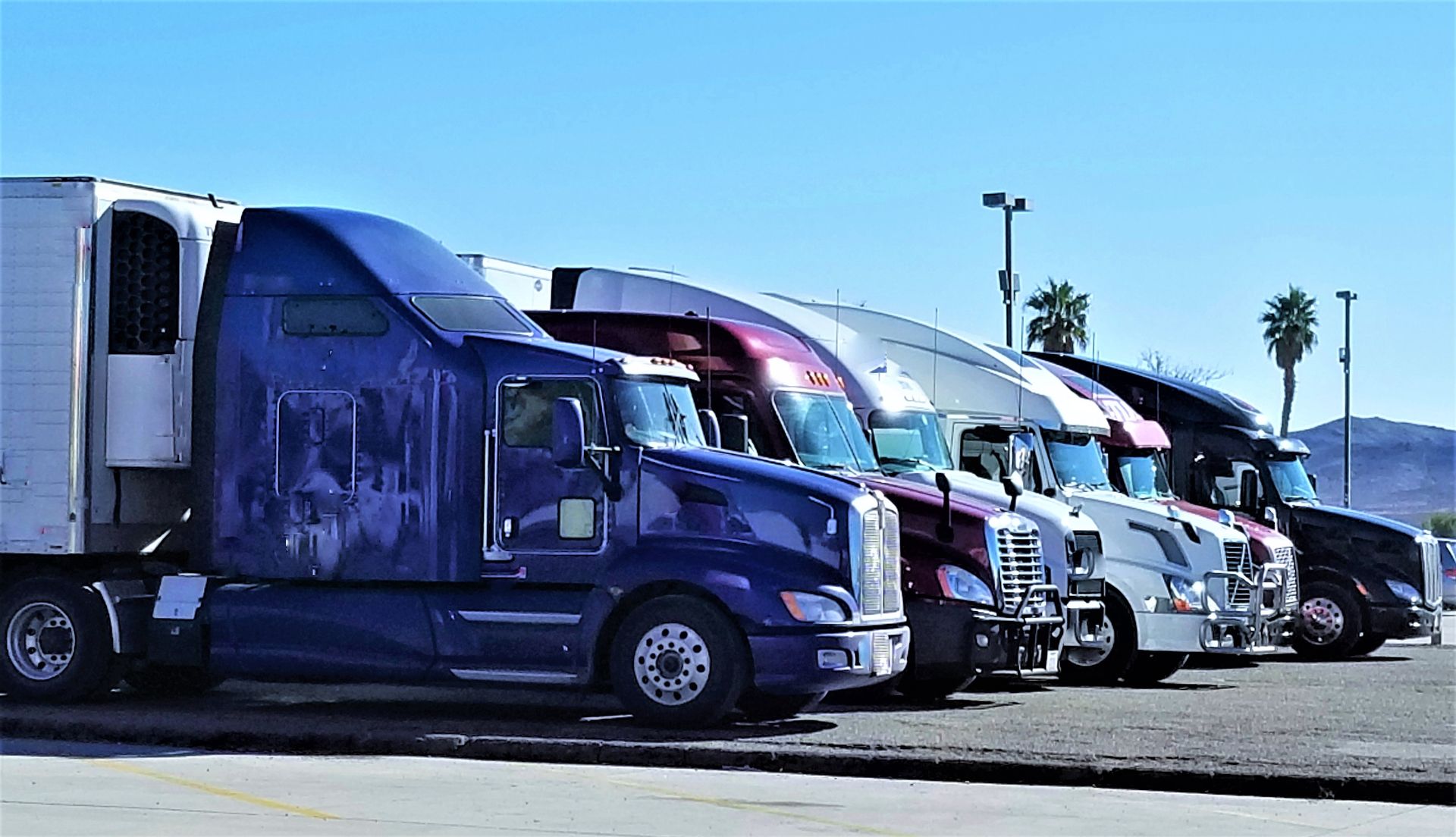
Commercial Auto & Trucking
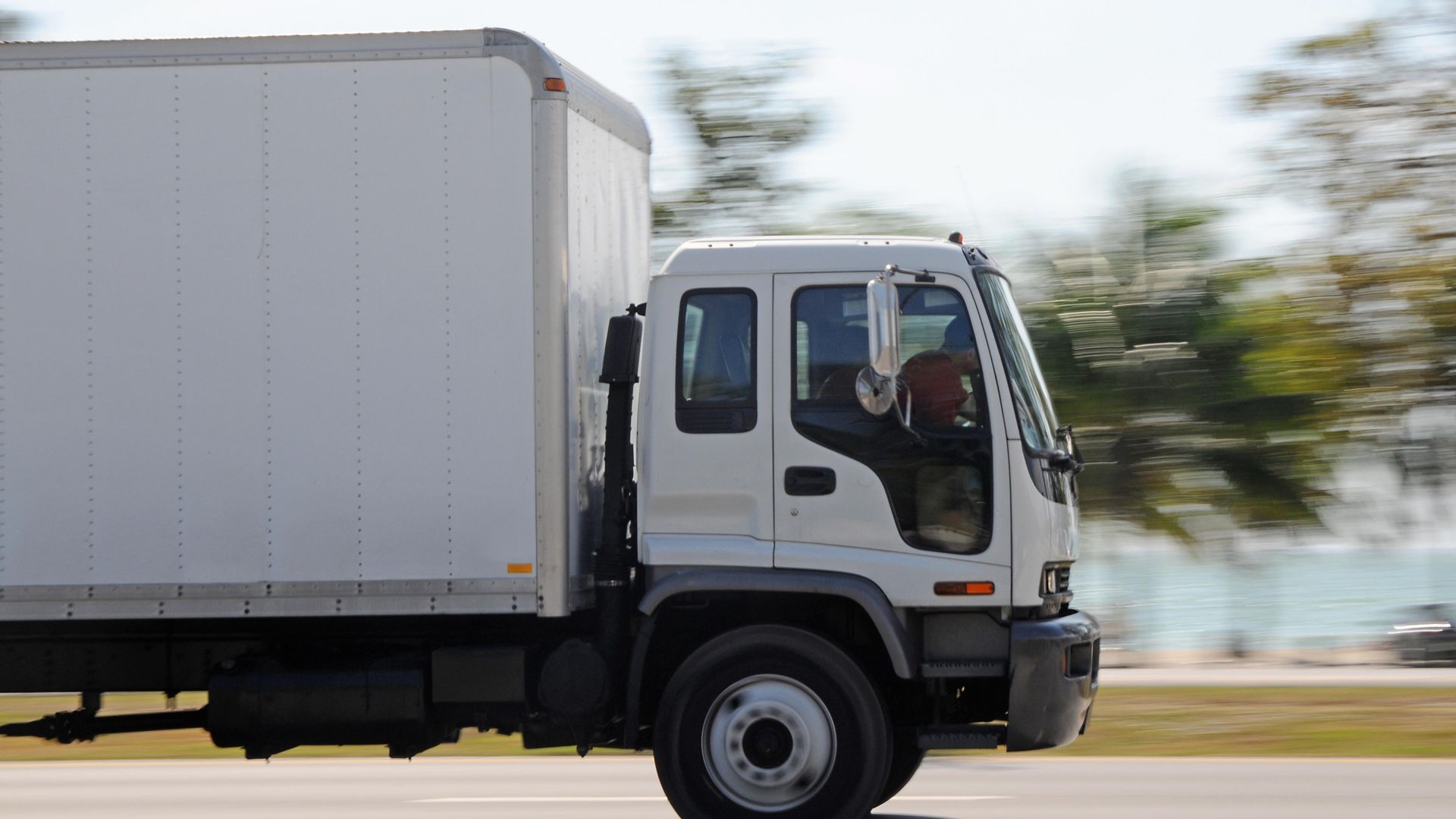
Protection for your fleet including box trucks, moving vans, and trailers. Covers liability, collision, physical damage, and hired or non-owned vehicles used in your operations.
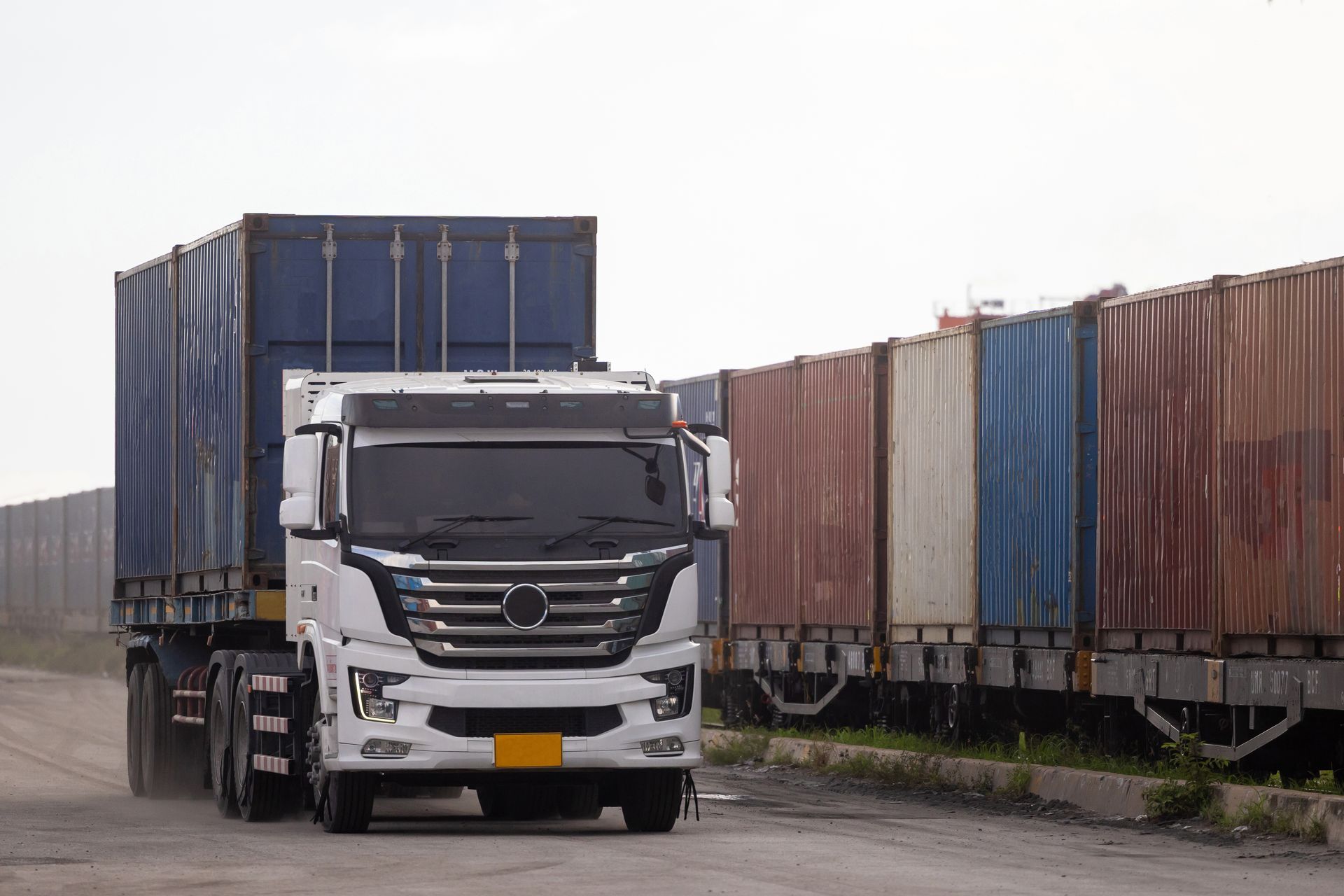
Motor Truck Cargo
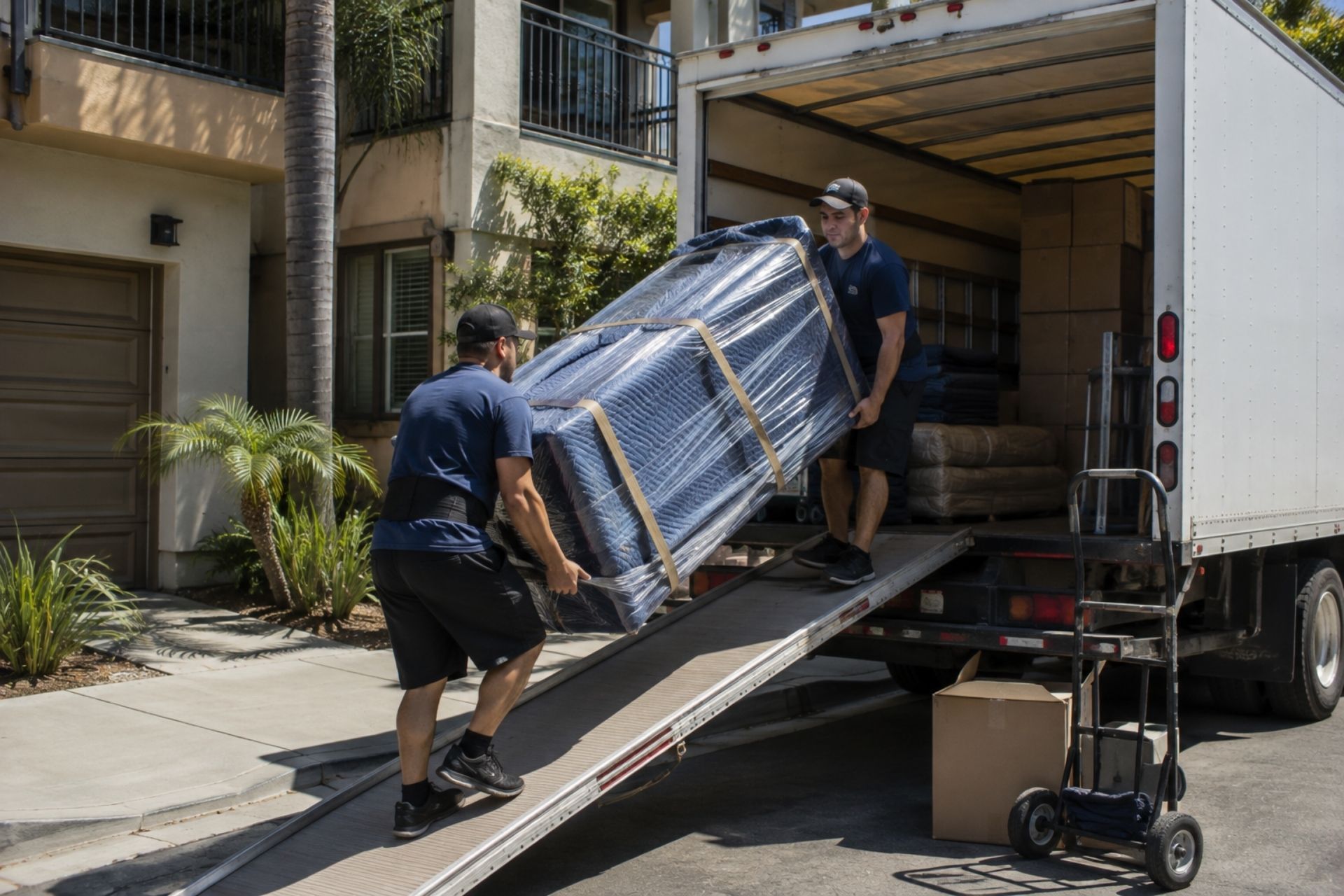
Covers household goods and freight during transport from pickup to delivery. Protects against damage, theft, mysterious disappearance, and weather-related losses while cargo is in your care.

General Liability
Protection from third-party claims for bodily injury and property damage at customer homes, job sites, and your own facility. Essential coverage for every transportation operation

Warehouse Legal Liability
Coverage for customer property while stored in your facility. Protects against damage, theft, fire, and water damage to goods in your care, custody, or control.

Workers' Compensation
Medical care and wage replacement for employees injured on the job. Required in most states for transportation and warehouse work where physical labor creates higher injury risk.

Umbrella & Excess Liability
Higher liability limits stacked on top of your primary policies. Helps meet large contract requirements and protects your business assets against major claims and lawsuits.
Specialized Knowledge
Industries We Protect
Focused coverage for transportation and logistics businesses

Simple and Clear
How Our Process Works
Our process to get you covered
Connect With Us
Reach out through our form or by phone to share your business needs and current coverage situation.
Get Coverage Options
We review your risks, compare carriers, and present clear quotes with plain-language explanations.
Stay Protected
You choose your plan, and we provide ongoing support for certificates, claims, and renewals.
Trusted by Businesses
Feedback That Reflects Service and Reliability
What our clients say about working with Champion Risk
Answers You Need
Frequently Asked Questions
Common questions about transportation and logistics insurance



What insurance does a transportation company need to operate legally?
Motor carriers that cross state lines must meet FMCSA requirements. You need a minimum of $750,000 in liability coverage, plus a BMC-91 filing that proves your insurance to the federal government. Cargo coverage is also required, with minimums that depend on the type of goods you transport.
Intrastate operators follow state-specific rules. California, Texas, and Florida each have different requirements. Champion Risk handles both federal and state filings. We make sure your coverage meets legal minimums and your certificates reach the right agencies.
How much does commercial transportation insurance cost?
Premiums depend on your fleet size, driving records, cargo values, and claims history. A small operation with two trucks might pay $8,000 to $15,000 per year. A larger carrier with ten trucks could pay $50,000 to $100,000 or more.
The best way to control costs is working with a broker who knows transportation insurance. We find carriers that specialize in your exact operation type. This often results in better rates than going direct or using a general agent who doesn't understand the industry.
What is a BMC-91 filing and why do I need one?
A BMC-91 is a form your insurance company files with the FMCSA. It proves you carry the required liability coverage to operate as a for-hire motor carrier. Without an active BMC-91, your operating authority can be revoked.
Champion Risk works with carriers who file electronically. Your BMC-91 typically posts within 24 to 48 hours of binding coverage. We monitor your filing status and alert you if anything needs attention.
Does my warehouse or storage facility need different insurance than a trucking operation?
Yes. Storage facilities need warehouse legal liability coverage. This protects you when customer property is damaged or stolen while in your care. Standard general liability policies exclude this exposure.
You may also need property coverage for your building, equipment breakdown protection, and business income coverage if a fire or disaster shuts down operations. Champion Risk builds storage facility programs that address all these risks in one package.
Can you insure last-mile delivery drivers who use their own vehicles?
Yes. We offer hired and non-owned auto coverage for delivery operations that use independent contractors or employees driving personal vehicles. This fills gaps that personal auto policies don't cover during commercial use.
We also provide occupational accident coverage for 1099 drivers who aren't eligible for workers' comp. This protects your drivers and limits your liability exposure when accidents happen.
How fast can I get proof of insurance for a new contract?
Same day in most cases. Once we bind your policy, we issue certificates of insurance within hours. If your contract requires specific additional insured language or special endorsements, we coordinate directly with the carrier.
Rush requests happen often in this industry. General contractors and corporate clients demand certificates before they let you on site. Champion Risk prioritizes fast turnaround because we know your revenue depends on it.

Answers You Need
Transportation & Logistics Insurance Resources
Articles designed to inform and support your business
Contact Us
Phone Number:
Email Address:
Location:
12264 El Camino Real, Suite 350
San Diego, CA 92130
Hours:
Monday – Friday: 8:00 AM – 6:00 PM PT