
A single car falling off a trailer on the 5 freeway doesn't just ruin someone's vehicle. It can trigger a multi-vehicle pileup, a seven-figure lawsuit, and the end of a small carrier's business. That's not hypothetical: median nuclear verdicts in trucking cases reached $51 million during the 2024/2025 period, and California's litigation environment is among the most aggressive in the country. If you're hauling vehicles in this state, whether intrastate or coast-to-coast, your insurance program isn't just a compliance checkbox. It's the thing standing between you and financial ruin. This guide breaks down the coverage types California car haulers actually need, from primary liability and on-hook protection to cargo insurance and physical damage. We'll cover CPUC and FMCSA filing requirements, what drives your premium costs, and how to structure a policy that protects your fleet without bleeding your margins dry. Whether you run a single stinger or a 20-truck operation, the specifics here should save you real money and real headaches.
Understanding California Auto Transport Requirements
Understanding California auto transport requirements starts with knowing which agencies govern your operation and what minimums they enforce. California is one of the few states that layers its own regulatory framework on top of federal rules, which means car carriers face a double set of obligations. Miss one filing, and you could be pulled off the road at a CHP inspection or denied authority renewal.
The California Public Utilities Commission (CPUC) oversees intrastate carriers, while the Federal Motor Carrier Safety Administration (FMCSA) governs anyone crossing state lines. Both require proof of insurance, but the filing types and minimum amounts differ. Getting this wrong is one of the most common mistakes Champion Risk sees when onboarding new auto transport clients.
MCP and CA Number Basics
Every for-hire motor carrier operating within California needs a Motor Carrier Permit (MCP) issued by the California DMV Motor Carrier Services Branch. This permit is tied to your CA number, which functions as your state-level operating authority. You can't legally haul vehicles for compensation in California without it. https://dot.ca.gov/programs/traffic-operations/legal-truck-access/motor-carrier
To get and maintain your MCP, you must file proof of liability insurance directly with the California DMV via Form MC 65 M. The permit requires annual renewal, and lapses in insurance coverage can trigger automatic suspension. If you also operate interstate, you'll need separate USDOT and MC numbers from the FMCSA, along with the appropriate federal insurance filings. https://www.socaltruckins.com/what-truck-insurance-is-legally-required-in-california/
Minimum Liability Limits for California Carriers
California intrastate car haulers operating vehicles over 10,001 lbs GVWR must carry a minimum of $750,000 in Combined Single Limit (CSL) liability coverage to satisfy MCP requirements. That's the floor, not the ceiling. Many brokers and shippers won't dispatch loads to carriers with less than $1 million in coverage.
For interstate operations, carriers must maintain a BMC-91X public liability filing and a Form MCS-90 endorsement on file with the FMCSA. The MCS-90 acts as a guarantee that your insurer will pay third-party claims even if a specific incident falls outside your policy terms. Given the trend of escalating jury awards, many experienced operators carry $2 million or more in liability, especially on routes through densely populated corridors like Los Angeles and the Bay Area.

By: Mark Raby
Chief Executive Officer at Champion Risk & Insurance Services
Essential Coverage Types for Car Haulers
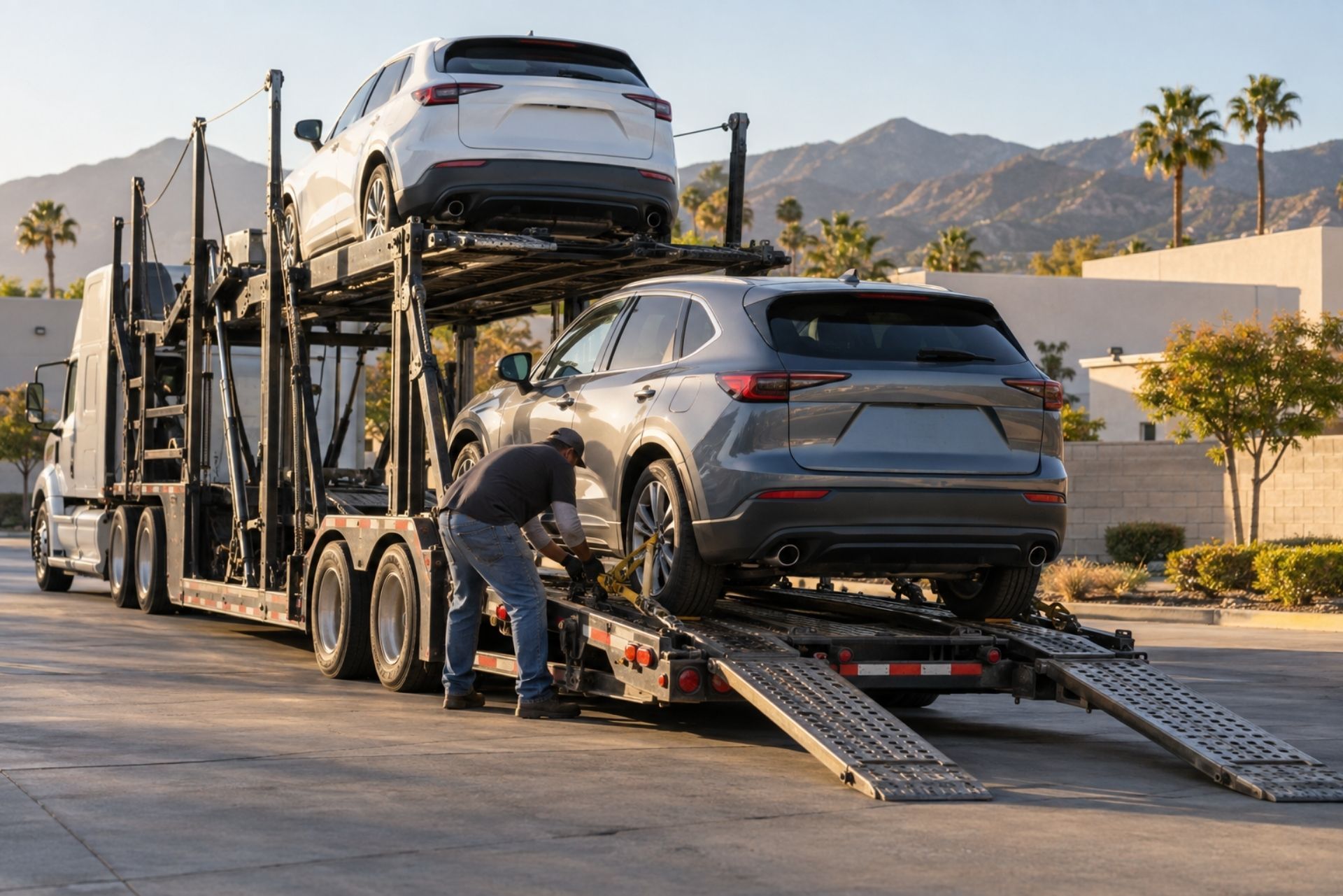
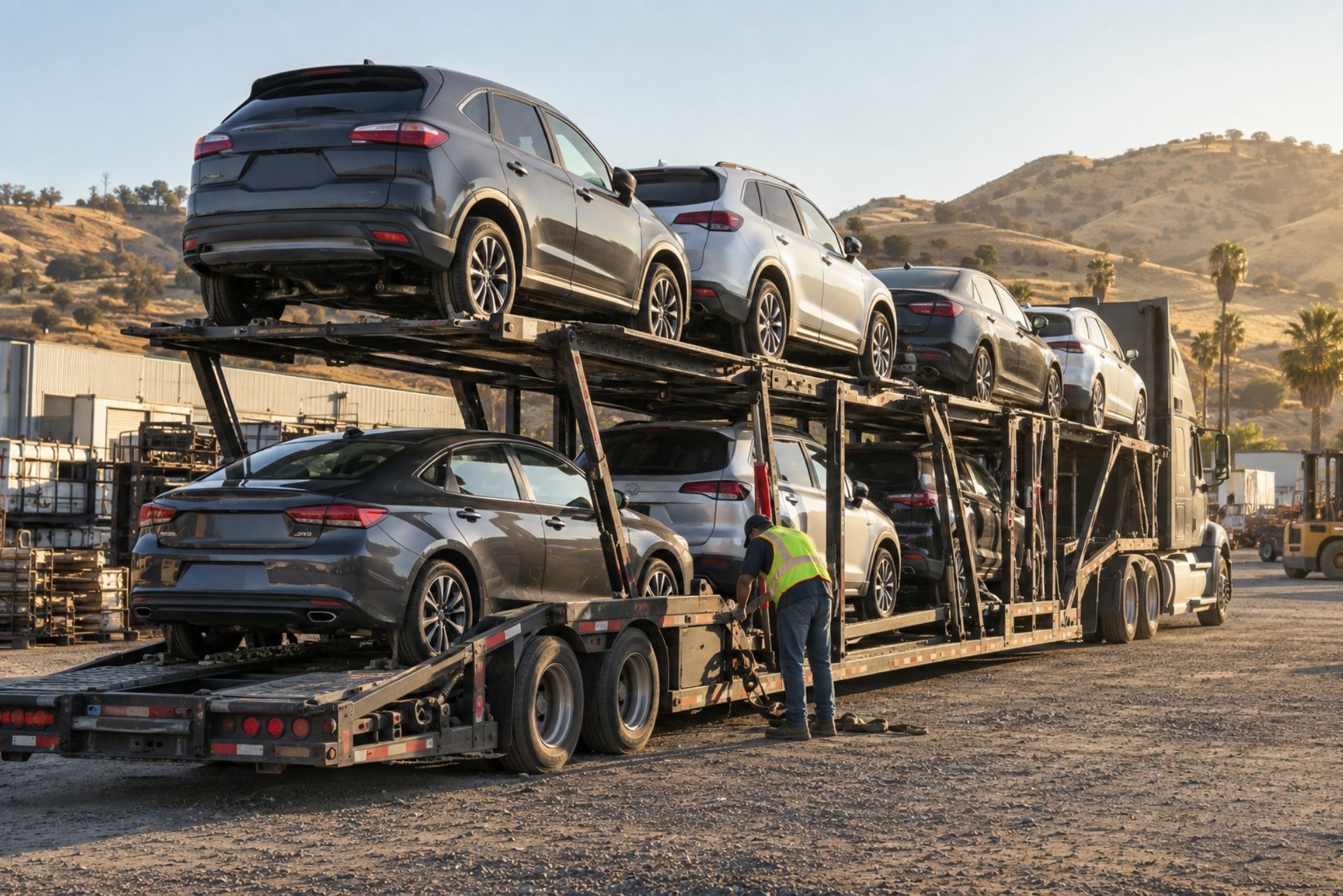
Essential coverage for car haulers goes well beyond the liability minimum. A loaded nine-car trailer can carry $500,000 or more in customer vehicles, and a single freeway incident can damage every one of them. Your liability policy covers injuries and property damage to third parties, but it does nothing for the cars sitting on your trailer.
That gap is where motor truck cargo insurance and on-hook coverage come in. These are the policies that protect the actual vehicles you're being paid to transport, and skipping them is a fast way to lose everything you've built.
Motor Truck Cargo Insurance
Motor truck cargo insurance covers damage to or loss of the vehicles you're hauling while they're loaded on your trailer. This includes damage from collisions, fire, theft, and weather events, though exclusions vary by policy. Most California shippers and auto auction houses require proof of cargo coverage before releasing vehicles to a carrier.
Coverage limits typically range from $100,000 to $500,000 or more, depending on the types of vehicles you transport. If you regularly haul luxury or exotic cars, you'll need higher limits and should confirm your policy doesn't cap per-vehicle payouts at a level that won't cover a single high-end sedan. Champion Risk often structures cargo policies with per-unit sublimits specifically calibrated to the carrier's typical load mix.
On-Hook and Garagekeepers Liability
On-hook coverage is sometimes confused with cargo insurance, but they serve different purposes. On-hook coverage specifically protects vehicles being towed or transported on a hook or wheel-lift, which applies more to tow operators than multi-car haulers. That said, some car transport operations also provide towing services, and the distinction matters when filing a claim.
Garagekeepers liability covers vehicles left in your care at your facility, whether that's a storage yard, terminal, or repair shop. If a customer's car is damaged by fire, vandalism, or a falling tree while sitting at your lot, your general liability policy won't cover it. Garagekeepers fills that gap. For operations that hold vehicles overnight or between transport legs, this coverage is essential, not optional.
Comparing coverage options for California car carrier insurance means understanding what each layer of protection actually does and where the gaps hide. Most carriers start with the bare minimum to get their authority, then add coverage as they grow. The problem is that the gaps between "minimum" and "adequate" are exactly where the expensive claims live.
Comparison Chart: Standard vs. Comprehensive Protection
| Coverage Type | Standard (Minimum Compliance) | Comprehensive Protection |
|---|---|---|
| Primary Liability | $750,000 CSL (intrastate) | $1M-$2M+ CSL |
| Motor Truck Cargo | Often not carried | $250K-$500K+ with per-unit sublimits |
| On-Hook | Not included | $50K-$150K per vehicle |
| Garagekeepers | Not included | $100K-$500K per location |
| Physical Damage | Often liability-only on older rigs | Full comp/collision on truck and trailer |
| Uninsured/Underinsured Motorist | State minimum | Matched to liability limits |
| General Liability | Basic $1M occurrence | $1M/$2M with umbrella |
The standard column gets you legal. The comprehensive column keeps you in business after a bad day. Most experienced operators land somewhere in between, tailoring coverage to their specific routes, cargo values, and risk tolerance.
Your premium isn't pulled from thin air. Insurers price auto transport and car carrier insurance based on a specific set of risk factors, and understanding them gives you real control over what you pay. After years of steep increases, California fleets are seeing some relief: rate increases have moderated to 8-12% in 2026, down from the 15-25% annual jumps that defined the post-2020 market. But the price floor is permanently higher than it was five years ago.
Equipment Type and Trailer Capacity
The type of equipment you run is one of the biggest premium drivers. A single-car flatbed tow rig costs far less to insure than a nine-car stinger hauler, simply because the exposure is different. More cars on the trailer means more cargo value at risk and a heavier, harder-to-maneuver vehicle on the road.
Physical damage premiums for car carriers are typically priced between 3% and 12% of the combined stated value of the truck and trailer. A $200,000 rig could see physical damage premiums alone between $6,000 and $24,000 annually. As of Q3 2026, annual all-in premiums for California stinger operations hauling 7-10 cars with clean records range from $22,000 to over $35,000. That's a significant line item, and one that rewards clean CSA scores and experienced drivers.
Operating Radius and Route Risks
Where you drive matters almost as much as what you drive. Carriers running primarily within California face unique route risks: the Grapevine, Altamont Pass, and the congested I-5/I-10/I-405 corridors all carry higher accident frequency than rural interstate runs. Insurers know this and price accordingly.
Long-haul interstate operations spread risk across multiple states but also introduce variables like unfamiliar roads, weather diversity, and varying state tort environments. A carrier running exclusively between LA and the Bay Area will be priced differently than one hauling coast-to-coast. Reducing your operating radius, maintaining dashcam footage, and investing in driver training can all help. Safety technology has reduced crash frequency by up to 40% in some fleets, though insurers now also scrutinize whether that technology was functioning properly at the time of a loss.
Common Questions About California Auto Transport Insurance
Common questions about California auto transport insurance tend to cluster around compliance, claims, and cost. Here are the ones that come up most often.
FAQ: Coverage, Claims, and Compliance
Do I need cargo insurance if I only haul my own vehicles? If you're transporting your own inventory (dealer trades, for example), cargo insurance still protects you against loss. Your liability policy won't cover damage to vehicles on your own trailer. The only exception is if you're moving personal property, not operating for hire.
What happens if my insurance lapses while I hold an MCP? The CPUC can suspend your Motor Carrier Permit automatically. Operating without valid insurance and an active MCP is a misdemeanor in California, and CHP officers check insurance status during inspections.
How long does a cargo claim take to settle? Most straightforward cargo claims settle within 30 to 90 days, assuming you have proper documentation. Photos of every vehicle at pickup and delivery, a detailed Bill of Lading, and timestamped condition reports speed the process dramatically. Claims with disputed pre-existing damage can drag on for six months or more.
Can I reduce my premiums with telematics or dashcams? Yes, and many insurers now expect it. Telematics data showing safe driving habits and dashcam footage that can exonerate your driver in a disputed claim both work in your favor. Safety technology has reduced crash frequency by up to 40% in some fleets, which can positively influence your risk profile. https://www.socaltruckins.com/2026-insurance-considerations-for-trucing-operations/
Does my homeowners or personal auto policy cover anything during transport? No. Standard homeowners policies typically cap personal property coverage for items in transit at around 10% of the policy limit, and personal auto policies exclude commercial hauling entirely. This is a commercial operation and requires commercial coverage.
Making the Right Choice for Your Fleet
Getting car carrier insurance right in California requires more than meeting the state minimum and hoping for the best. The carriers who stay profitable long-term build layered programs: liability that exceeds the CPUC floor, cargo limits matched to their actual load values, physical damage on equipment they can't afford to replace out of pocket, and garagekeepers coverage if they store vehicles at any point.
Start by auditing your actual exposure. What's the maximum value of vehicles on your trailer at any given time? What routes do you run most frequently? How experienced are your drivers? These answers shape your coverage structure far more than any generic quote.
If you're unsure where the gaps are in your current program, Champion Risk specializes in building insurance packages for auto transport operations. Their team understands CPUC and FMCSA filing requirements and can identify where you're overpaying or underprotected. A 30-minute policy review can save you thousands annually, or more importantly, keep a single bad claim from shutting your doors.
About the Author:
Mark Raby
I am a seasoned insurance professional with over 30 years of experience in the industry. I lead Champion Risk & Insurance Services, a San Diego-based brokerage with nationwide reach and strong influence in the insurance marketplace. My core competencies include insurance agency M&A deals, captives and alternative risk structures, and commercial property and casualty insurance for clients in the transportation and logistics industries. I am a former president of IIAB San Diego and hold a Bachelor of Science in Finance from Western Michigan University’s Haworth College of Business.
Protection for Transportation Operations
Business Insurance for Transportation & Logistics Companies
Coverage designed specifically for transportation businesses
Commercial Auto & Trucking
Protection for your fleet including box trucks, moving vans, and trailers. Covers liability, collision, physical damage, and hired or non-owned vehicles used in your operations.
Motor Truck Cargo
Covers household goods and freight during transport from pickup to delivery. Protects against damage, theft, mysterious disappearance, and weather-related losses while cargo is in your care.

General Liability
Protection from third-party claims for bodily injury and property damage at customer homes, job sites, and your own facility. Essential coverage for every transportation operation

Warehouse Legal Liability
Coverage for customer property while stored in your facility. Protects against damage, theft, fire, and water damage to goods in your care, custody, or control.

Workers' Compensation
Medical care and wage replacement for employees injured on the job. Required in most states for transportation and warehouse work where physical labor creates higher injury risk.

Umbrella & Excess Liability
Higher liability limits stacked on top of your primary policies. Helps meet large contract requirements and protects your business assets against major claims and lawsuits.
Specialized Knowledge
Industries We Protect
Focused coverage for transportation and logistics businesses


Simple and Clear
How Our Process Works
Our process to get you covered
Connect With Us
Reach out through our form or by phone to share your business needs and current coverage situation.
Get Coverage Options
We review your risks, compare carriers, and present clear quotes with plain-language explanations.
Stay Protected
You choose your plan, and we provide ongoing support for certificates, claims, and renewals.
Trusted by Businesses
Feedback That Reflects Service and Reliability
What our clients say about working with Champion Risk
Answers You Need
Frequently Asked Questions
Common questions about transportation and logistics insurance



What insurance does a transportation company need to operate legally?
Motor carriers that cross state lines must meet FMCSA requirements. You need a minimum of $750,000 in liability coverage, plus a BMC-91 filing that proves your insurance to the federal government. Cargo coverage is also required, with minimums that depend on the type of goods you transport.
Intrastate operators follow state-specific rules. California, Texas, and Florida each have different requirements. Champion Risk handles both federal and state filings. We make sure your coverage meets legal minimums and your certificates reach the right agencies.
How much does commercial transportation insurance cost?
Premiums depend on your fleet size, driving records, cargo values, and claims history. A small operation with two trucks might pay $8,000 to $15,000 per year. A larger carrier with ten trucks could pay $50,000 to $100,000 or more.
The best way to control costs is working with a broker who knows transportation insurance. We find carriers that specialize in your exact operation type. This often results in better rates than going direct or using a general agent who doesn't understand the industry.
What is a BMC-91 filing and why do I need one?
A BMC-91 is a form your insurance company files with the FMCSA. It proves you carry the required liability coverage to operate as a for-hire motor carrier. Without an active BMC-91, your operating authority can be revoked.
Champion Risk works with carriers who file electronically. Your BMC-91 typically posts within 24 to 48 hours of binding coverage. We monitor your filing status and alert you if anything needs attention.
Does my warehouse or storage facility need different insurance than a trucking operation?
Yes. Storage facilities need warehouse legal liability coverage. This protects you when customer property is damaged or stolen while in your care. Standard general liability policies exclude this exposure.
You may also need property coverage for your building, equipment breakdown protection, and business income coverage if a fire or disaster shuts down operations. Champion Risk builds storage facility programs that address all these risks in one package.
Can you insure last-mile delivery drivers who use their own vehicles?
Yes. We offer hired and non-owned auto coverage for delivery operations that use independent contractors or employees driving personal vehicles. This fills gaps that personal auto policies don't cover during commercial use.
We also provide occupational accident coverage for 1099 drivers who aren't eligible for workers' comp. This protects your drivers and limits your liability exposure when accidents happen.
How fast can I get proof of insurance for a new contract?
Same day in most cases. Once we bind your policy, we issue certificates of insurance within hours. If your contract requires specific additional insured language or special endorsements, we coordinate directly with the carrier.
Rush requests happen often in this industry. General contractors and corporate clients demand certificates before they let you on site. Champion Risk prioritizes fast turnaround because we know your revenue depends on it.
Answers You Need
Transportation & Logistics Insurance Resources
Articles designed to inform and support your business
Contact Us
Phone Number:
Email Address:
Location:
12264 El Camino Real, Suite 350
San Diego, CA 92130
Hours:
Monday – Friday: 8:00 AM – 6:00 PM PT