
Long Beach, California Moving and Storage Company Insurance
Or Call Us:
(800) 829-0807
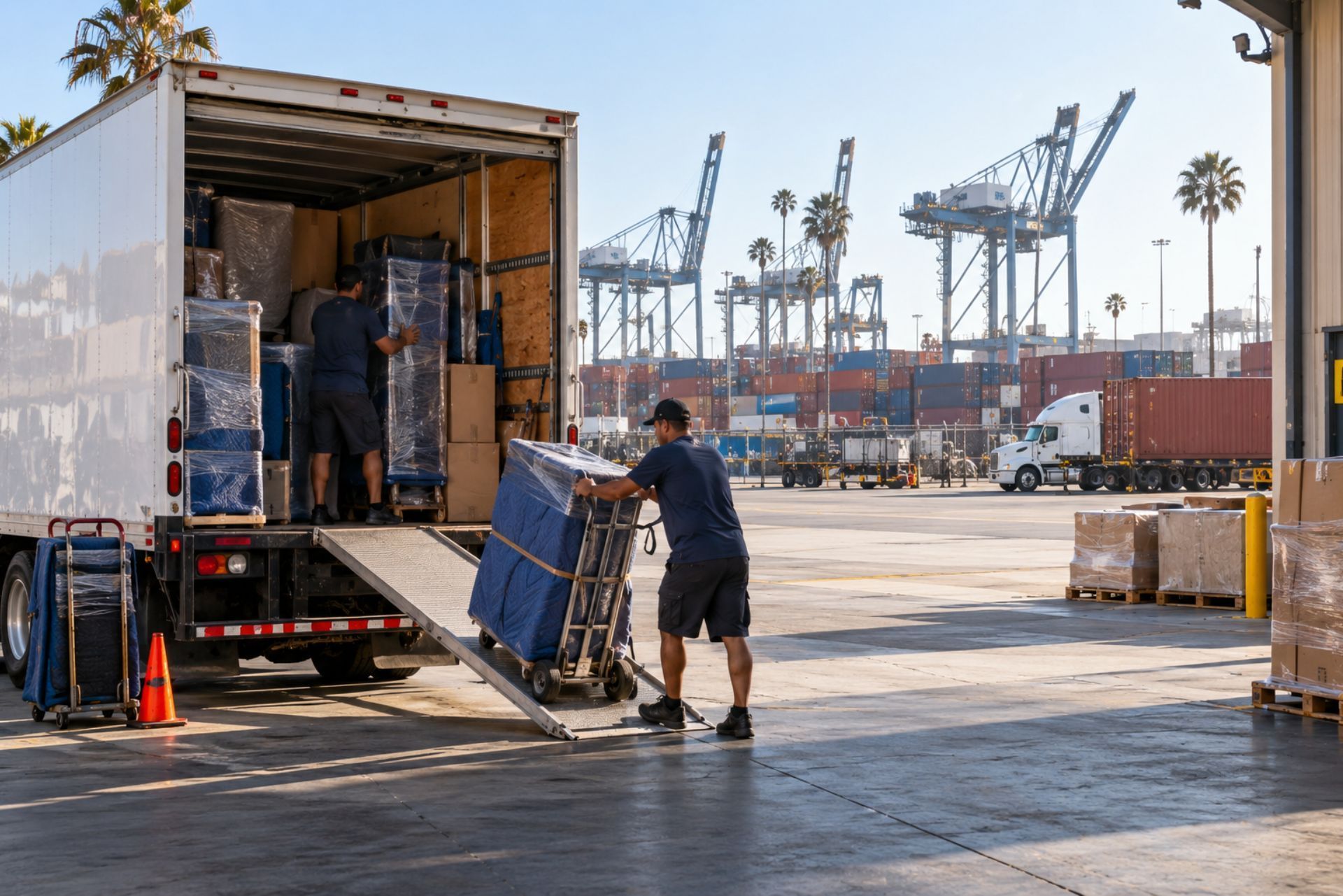
A single container slipping off a chassis on the 710 freeway, a warehouse flood destroying a client's heirloom furniture, a box truck rear-ended on Ocean Boulevard: these are the scenarios that keep Long Beach moving and storage operators up at night. And they should. Long Beach sits at the intersection of one of the world's busiest ports and Southern California's densely packed residential neighborhoods, which means the insurance risks here aren't like anywhere else in the country. Your trucks share lanes with heavy port traffic. Your warehouses sit in flood and earthquake zones. Your crews handle everything from household goods to intermodal containers worth six figures.
This guide to moving and storage company insurance in Long Beach covers the specific policies, costs, and compliance requirements that matter most:
cargo coverage,
fleet protection, port and container operations,
warehouse liability, and the real-world price tags attached to each. Whether you run three box trucks or manage a 50,000-square-foot warehouse near the port, the right
insurance program is the difference between surviving a bad claim and closing your doors.
Long Beach presents a unique combination of risk factors that generic insurance advice simply doesn't address. The city's proximity to the Port of Long Beach, one of the largest container ports in the Western Hemisphere, creates a constant flow of heavy commercial traffic that increases accident frequency on local highways and surface streets. Cargo theft in Southern California has been rising steadily, with reported incidents climbing 5% in Q2 alone, making the region one of the highest-risk zones for goods in transit.
California's
regulatory environment adds another layer. The state requires higher minimums for several coverage types compared to many other states, and the California Public Utilities Commission (CPUC) imposes its own requirements on intrastate movers. Working with a brokerage like Champion Risk that understands both federal
FMCSA mandates and state-specific CPUC rules can prevent costly compliance gaps that leave you exposed during audits or claims.

By: Mark Raby
Chief Executive Officer at Champion Risk & Insurance Services
Core Coverages: Cargo, Fleet, and General Liability
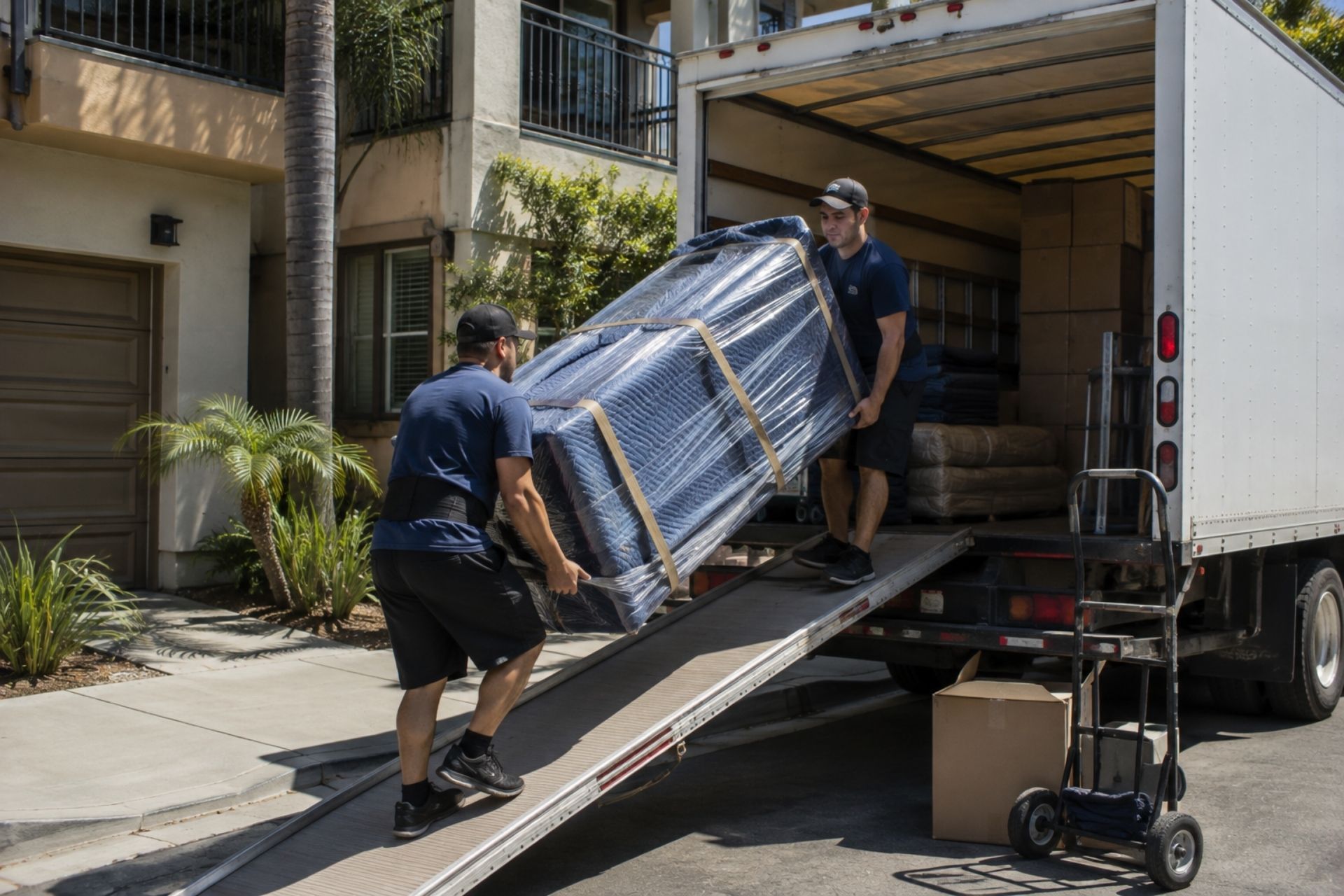
Core coverages for Long Beach moving and storage companies fall into three buckets: protecting the goods you carry, protecting the vehicles you operate, and protecting your business from third-party injury or property damage claims. Each of these has specific nuances for California operators that off-the-shelf policies often miss.
General liability covers bodily injury and property damage that occurs during your operations, like a mover scratching a hardwood floor or a dolly rolling into a parked car. Most landlords and commercial clients require at least $1 million per occurrence. But general liability alone won't cover the goods on your truck or a multi-vehicle accident on the 405.
Commercial Auto and Fleet Management for California Highways
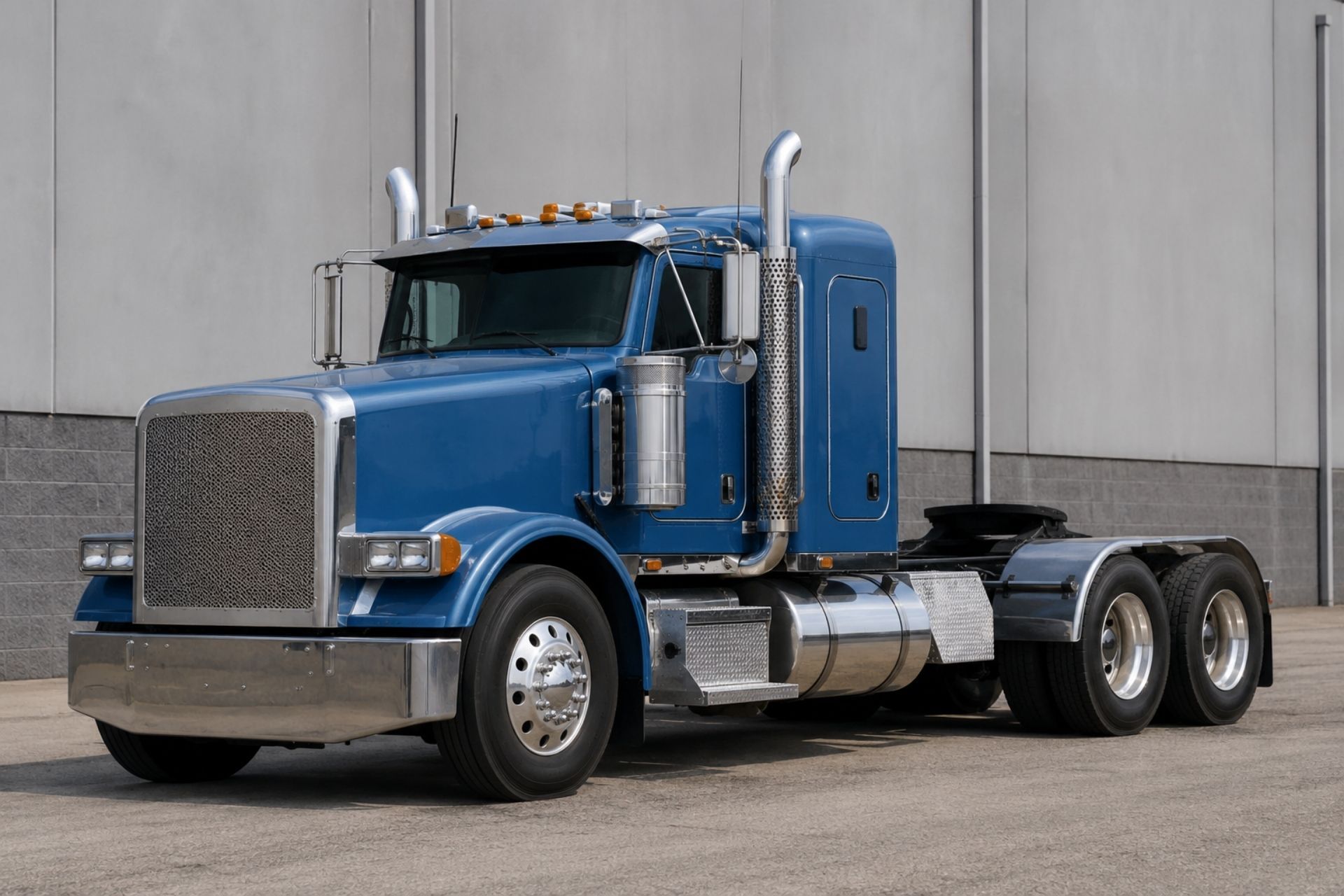
Commercial auto insurance is non-negotiable for any moving company, and in Long Beach, the premiums reflect the reality of Southern California driving. Federal law mandates a $750,000 minimum for general freight liability, though most brokers and shippers now require $1,000,000 in coverage before they'll work with you.
Fleet size, driver records, and the types of roads your trucks travel all affect pricing. A company running five 26-foot box trucks with experienced drivers might pay $8,000 to $12,000 per vehicle annually, while a newer operation with drivers who have recent violations could see quotes double. Installing telematics, dashcams, and GPS tracking can help reduce premiums over time by demonstrating safer driving patterns to underwriters.
Motor Truck Cargo: Protecting Goods in Transit
Motor truck cargo insurance covers the actual goods you're transporting if they're damaged, destroyed, or stolen. This is separate from your commercial auto policy, which only covers the vehicle itself. For household goods movers, cargo coverage typically runs between 0.3% and 1% of the total declared cargo value.
Southern California's cargo theft problem makes this coverage especially critical. Strategic theft, where criminals pose as legitimate carriers or intercept loads, has become a growing concern with significant financial losses reported across the region. A standard cargo policy might exclude theft under certain circumstances, so read the fine print carefully and ask about coverage for unattended vehicles, overnight parking, and fictitious pickups.
Comparison: Basic vs. Comprehensive Coverage Options
| Feature | Basic Coverage | Comprehensive Coverage |
|---|---|---|
| Cargo limit | $25,000 per shipment | $100,000+ per shipment |
| Deductible | $2,500 - $5,000 | $500 - $1,000 |
| Theft coverage | Limited or excluded | Included with conditions |
| Loading/unloading | Often excluded | Typically included |
| Storage-in-transit | Not included | 30-90 days SIT coverage |
| Water/flood damage | Excluded | Available as endorsement |
| Annual premium range | $1,200 - $3,000 | $4,000 - $10,000+ |
The gap between basic and comprehensive coverage becomes painfully obvious after a claim. A basic policy might cover a dropped dresser but deny a claim for water damage during a rainstorm or theft from a locked truck overnight. For Long Beach operators handling high-value residential moves or commercial freight, comprehensive coverage pays for itself with a single significant claim.
Specialized Risks: Port Operations and Container Liability
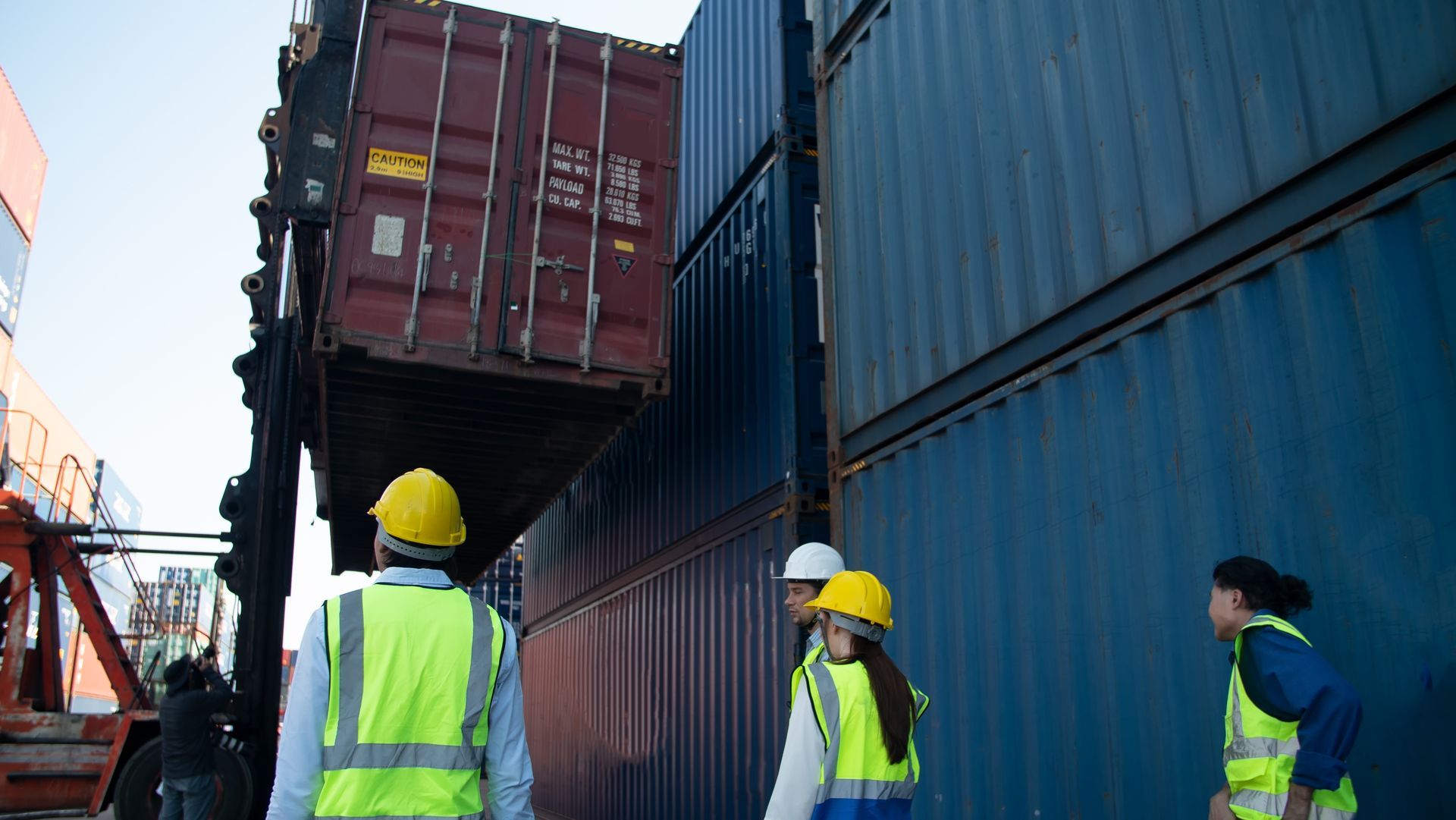
Operating near or within the Port of Long Beach introduces an entirely different risk profile than standard residential moving. Port operations involve heavier equipment, stricter regulatory requirements, and exposures that most general moving insurance policies were never designed to cover.
Container drayage, intermodal transfers, and chassis operations each carry their own liability concerns. A dropped container can cause hundreds of thousands of dollars in damage to goods, equipment, and infrastructure. If your company touches port containers in any capacity, you need coverage specifically written for that exposure.
Intermodal and Port Authority Requirements in Long Beach
The Port of Long Beach and its terminal operators maintain their own insurance requirements that go beyond standard FMCSA minimums. Most terminals require $1 million in auto liability, $1 million in general liability, and evidence of pollution liability before granting access. Some terminals have raised their requirements even higher in recent years.
You'll also need to carry non-owned container coverage if you're pulling chassis or containers that belong to shipping lines or leasing companies. This is a coverage gap that catches many newer drayage operators off guard. Champion Risk works with several markets that specialize in port and intermodal coverage for Long Beach operators, which matters because not every insurance carrier understands the terminal-specific requirements here.
Container Interchange Agreements and UIIA Compliance
The Uniform Intermodal Interchange and Facilities Access Agreement (UIIA) governs how containers and chassis are exchanged between parties. If you're a motor carrier pulling containers from the port, you're almost certainly required to participate in the UIIA, which includes specific insurance obligations.
UIIA compliance typically requires contingent cargo liability and equipment interchange coverage. The equipment interchange piece is critical: it covers damage to containers and chassis that you don't own but are responsible for while they're in your possession. Premiums for equipment interchange coverage vary based on the number of interchanges you perform monthly, but expect to budget $3,000 to $8,000 annually for a small to mid-size drayage operation.
Warehouse Legal Liability and Storage Protection
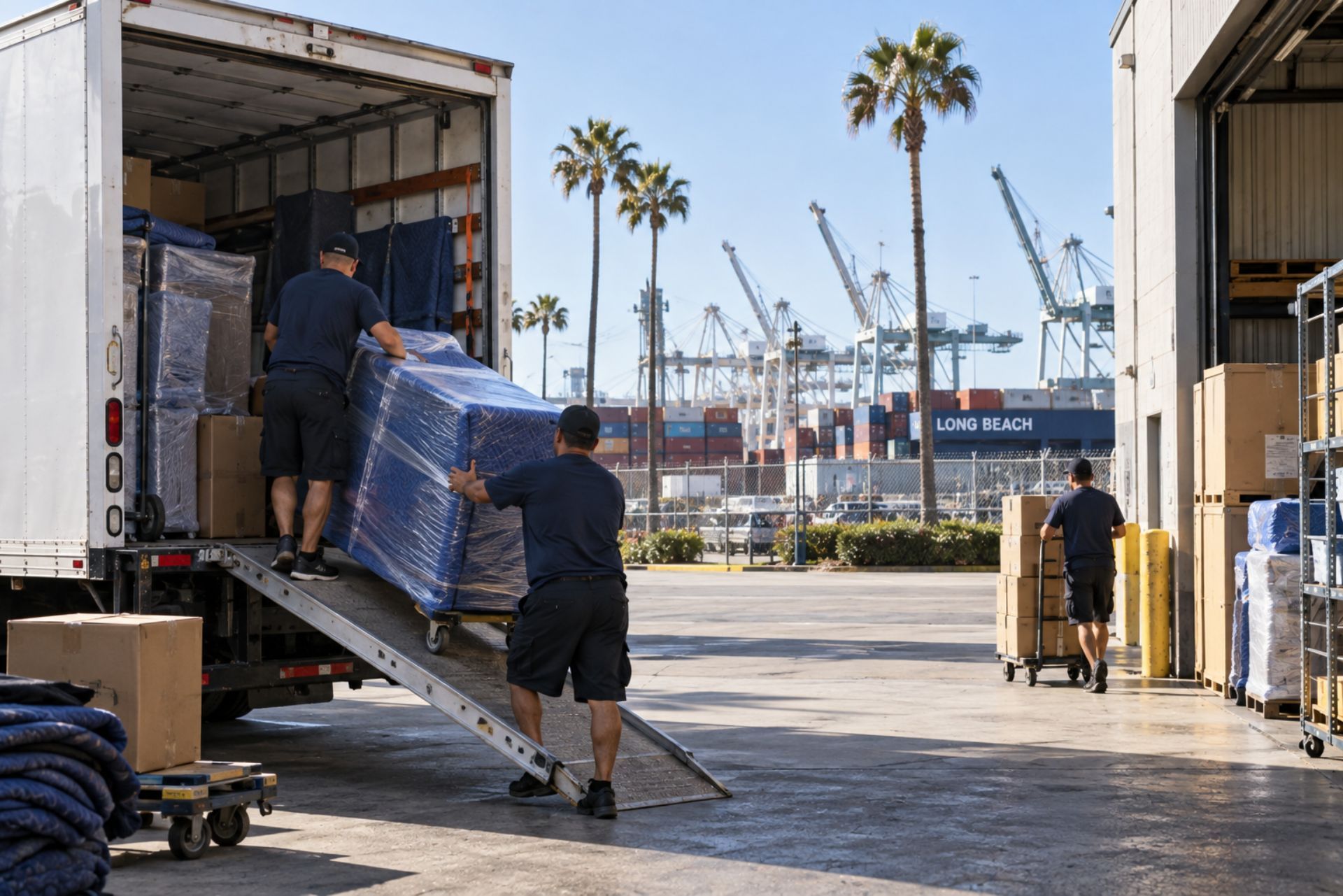
Warehouse legal liability is the policy that protects your business when customer property stored in your facility is damaged or destroyed due to your negligence. This is distinct from a standard commercial property policy, which covers the building itself and your own business property, not the goods belonging to your customers.
For Long Beach storage operations, the risks include fire, water intrusion (especially in older warehouse buildings near the coast), theft, and even earthquake damage. A warehouse legal liability policy typically covers your legal obligation to customers whose goods are harmed while in your care, but the specific perils covered and the per-unit limits vary widely between policies.
Protecting Stored Property from Fire, Theft, and Water Damage
Fire remains the single most devastating peril for warehouse operators. A single fire event can result in millions of dollars in customer claims. Water damage runs a close second, particularly in Long Beach where aging roof systems and seasonal storms create chronic leak risks.
Theft prevention also directly affects your insurance costs. Warehouses with monitored alarm systems, security cameras, controlled access points, and perimeter fencing typically qualify for lower premiums. Cargo theft prevention in Southern California has become a major focus for insurers and law enforcement alike, and demonstrating strong security protocols can reduce your warehouse liability premiums by 10% to 20%.
Distinguishing Between Bailee Coverage and Property Insurance
Bailee coverage and warehouse legal liability are closely related but not identical. Bailee coverage is broader: it covers customer property in your care regardless of whether you were negligent. Warehouse legal liability, by contrast, only responds when the damage results from your fault.
The practical difference matters. If a customer's antique piano is destroyed in an earthquake and your warehouse legal liability policy excludes earthquake, you're not covered. A bailee policy with earthquake endorsement would respond. Most experienced brokers recommend carrying both warehouse legal liability and a bailee floater to eliminate gaps, especially in seismically active Southern California.
Factors Influencing Insurance Costs in Southern California
Several factors drive insurance costs for Long Beach moving and storage companies beyond the obvious ones like fleet size and revenue. Claims history is the single biggest factor: one or two large claims in a three-year period can increase your premiums by 30% to 50% at renewal.
Your operating radius matters too. Companies that stay within the greater Los Angeles area typically pay less for cargo and auto coverage than those running long-haul routes across state lines. The condition and age of your fleet, your driver hiring standards, and whether you maintain a formal safety program all factor into underwriter pricing. The 2026 moving industry outlook suggests that rising replacement costs for trucks and equipment are pushing commercial auto premiums higher across the board, making risk management and loss prevention more important than ever.
Common Questions About Long Beach Moving Insurance
How much does cargo insurance cost for a new moving company?
New moving companies in Long Beach should budget between $2,000 and $6,000 annually for motor truck cargo coverage, depending on the cargo limit and deductible selected. New ventures typically pay higher rates because they lack a claims history. Premiums generally decrease after two to three clean years.
Do I need special insurance to pick up containers at the Port of Long Beach?
Yes. Terminal operators require proof of commercial auto liability (usually $1 million), general liability, and equipment interchange coverage before granting access. You'll also need to comply with FMCSA insurance filing requirements and maintain UIIA participation if you're pulling intermodal containers.
What is the difference between warehouse liability and customer goods insurance?
Warehouse legal liability covers damage to customer property caused by your negligence. Customer goods insurance, often structured as a bailee policy, covers customer property regardless of fault. Most storage operators need both to avoid coverage gaps.
Does California law require workers compensation for part-time movers?
Yes. California requires workers compensation coverage for all employees, including part-time and seasonal workers. There is no exemption based on hours worked. Operating without workers comp exposes you to personal liability and significant state penalties.
How can I lower my fleet insurance premiums?
Invest in driver training programs, install telematics and dashcams, maintain clean MVRs across your driver roster, and work with a specialized brokerage like Champion Risk that can shop your account across multiple carriers. Bundling your auto, cargo, and general liability with the same insurer can also yield multi-policy discounts of 5% to 15%.
Making the Right Choice for Your Business
Getting insurance right for a Long Beach moving and storage operation isn't about finding the cheapest quote. It's about building a program that actually responds when something goes wrong, whether that's a truck accident on the 710, a container dropped at a terminal, or a warehouse pipe burst at 2 a.m. on a Sunday.
The companies that handle this well share a few traits: they work with brokers who specialize in moving and storage risks, they review their coverage annually as their operations change, and they invest in loss prevention measures that keep claims low. The companies that struggle are the ones running on minimum coverage, hoping nothing bad happens.
If you're starting a new operation or suspect your current program has gaps, get a professional risk audit before your next renewal. The cost of uncovering a coverage gap before a loss is zero. The cost of discovering it after is the kind of number that ends businesses.
About the Author:
Mark Raby
I am a seasoned insurance professional with over 30 years of experience in the industry. I lead Champion Risk & Insurance Services, a San Diego-based brokerage with nationwide reach and strong influence in the insurance marketplace. My core competencies include insurance agency M&A deals, captives and alternative risk structures, and commercial property and casualty insurance for clients in the transportation and logistics industries. I am a former president of IIAB San Diego and hold a Bachelor of Science in Finance from Western Michigan University’s Haworth College of Business.
Protection for Transportation Operations
Business Insurance for Transportation & Logistics Companies
Coverage designed specifically for transportation businesses
Commercial Auto & Trucking
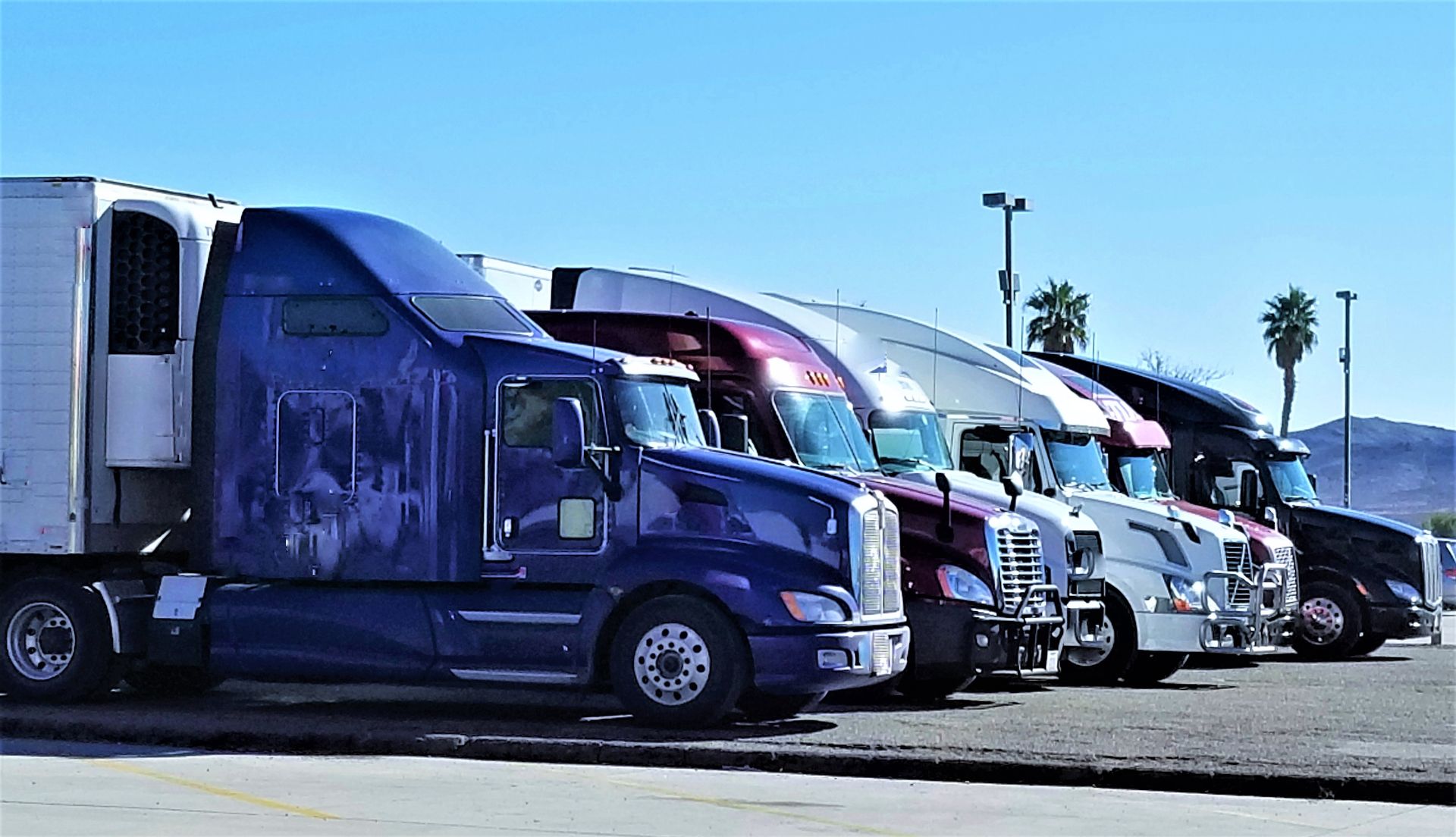
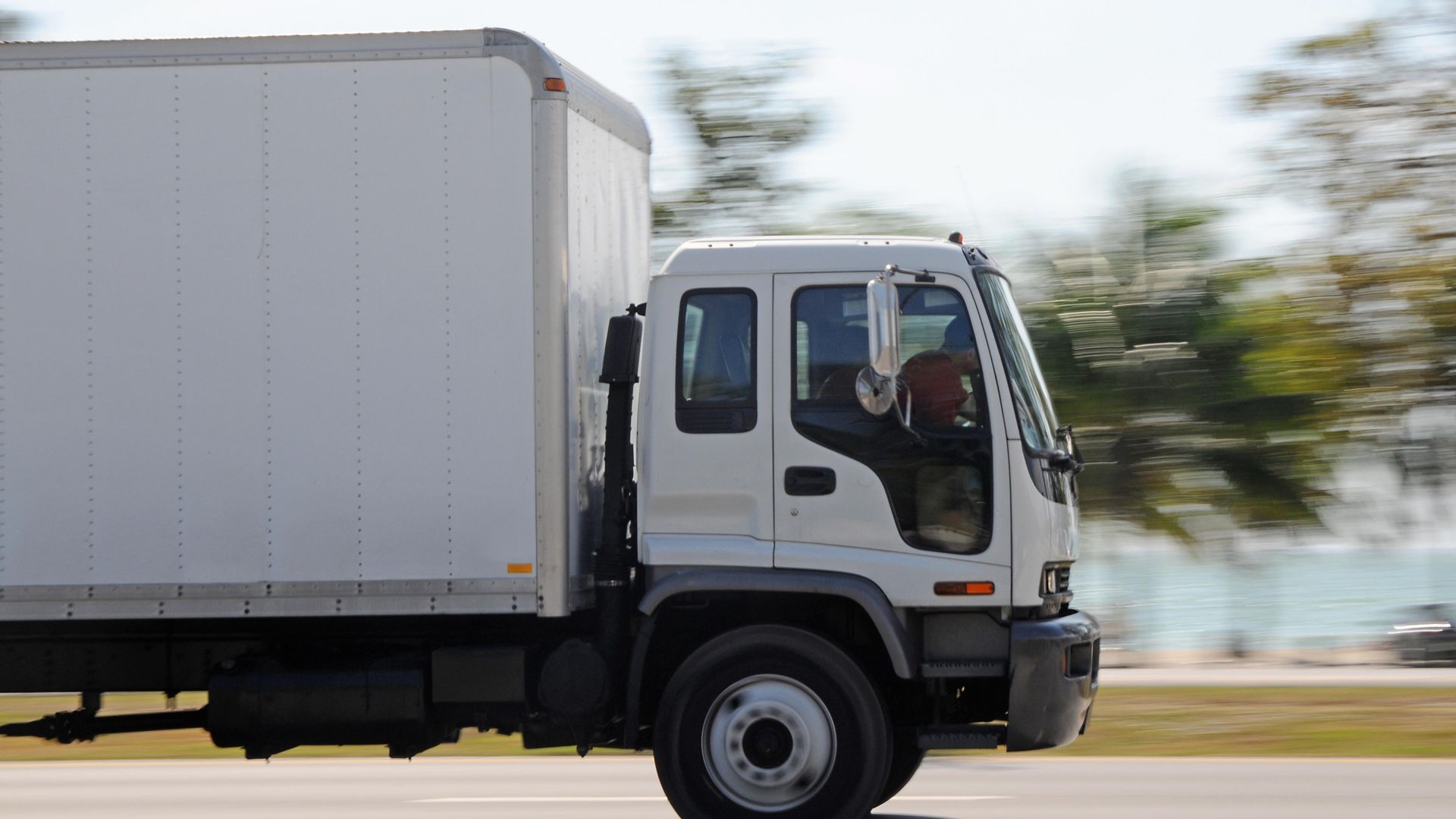
Protection for your fleet including box trucks, moving vans, and trailers. Covers liability, collision, physical damage, and hired or non-owned vehicles used in your operations.
Motor Truck Cargo
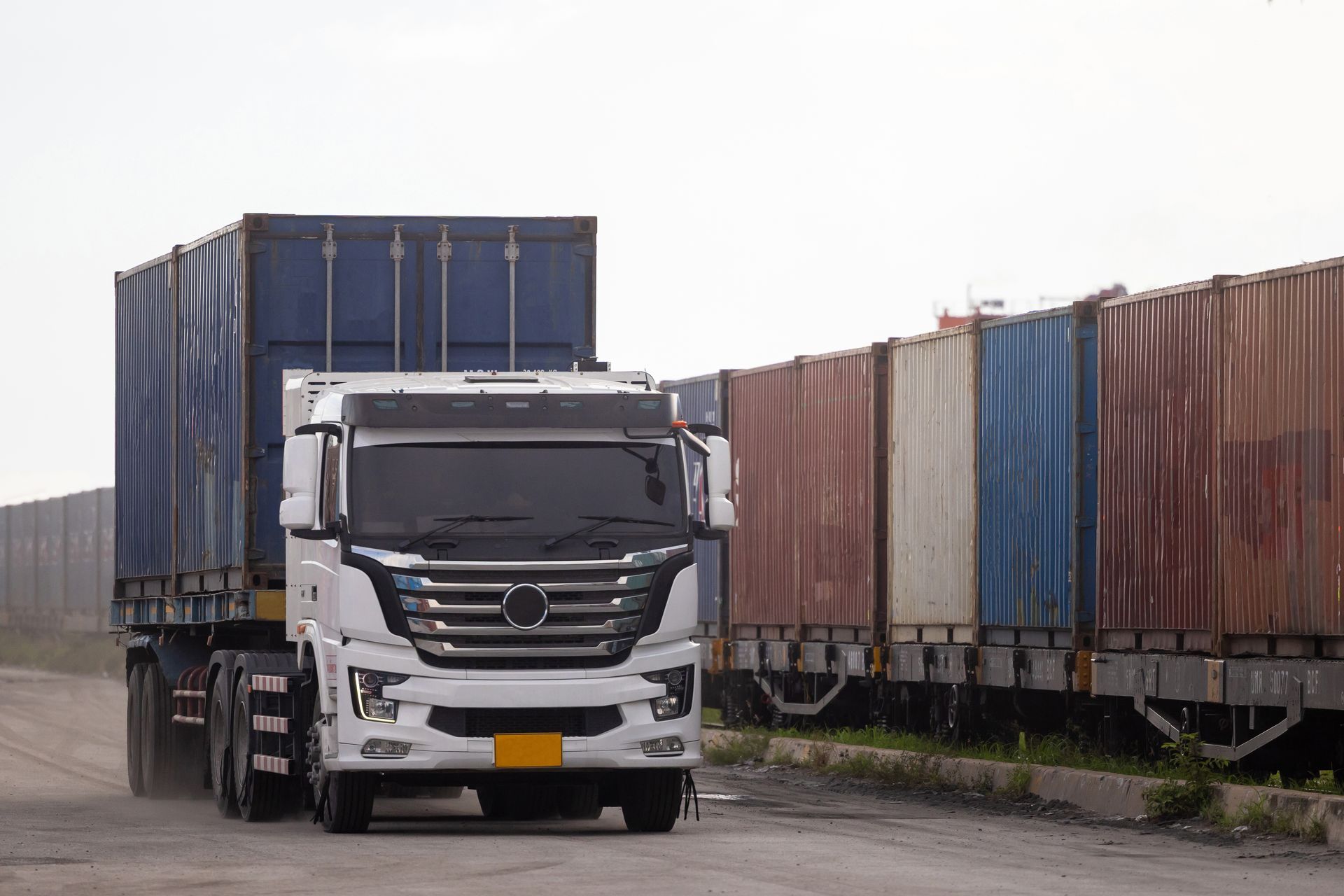
Covers household goods and freight during transport from pickup to delivery. Protects against damage, theft, mysterious disappearance, and weather-related losses while cargo is in your care.

General Liability
Protection from third-party claims for bodily injury and property damage at customer homes, job sites, and your own facility. Essential coverage for every transportation operation
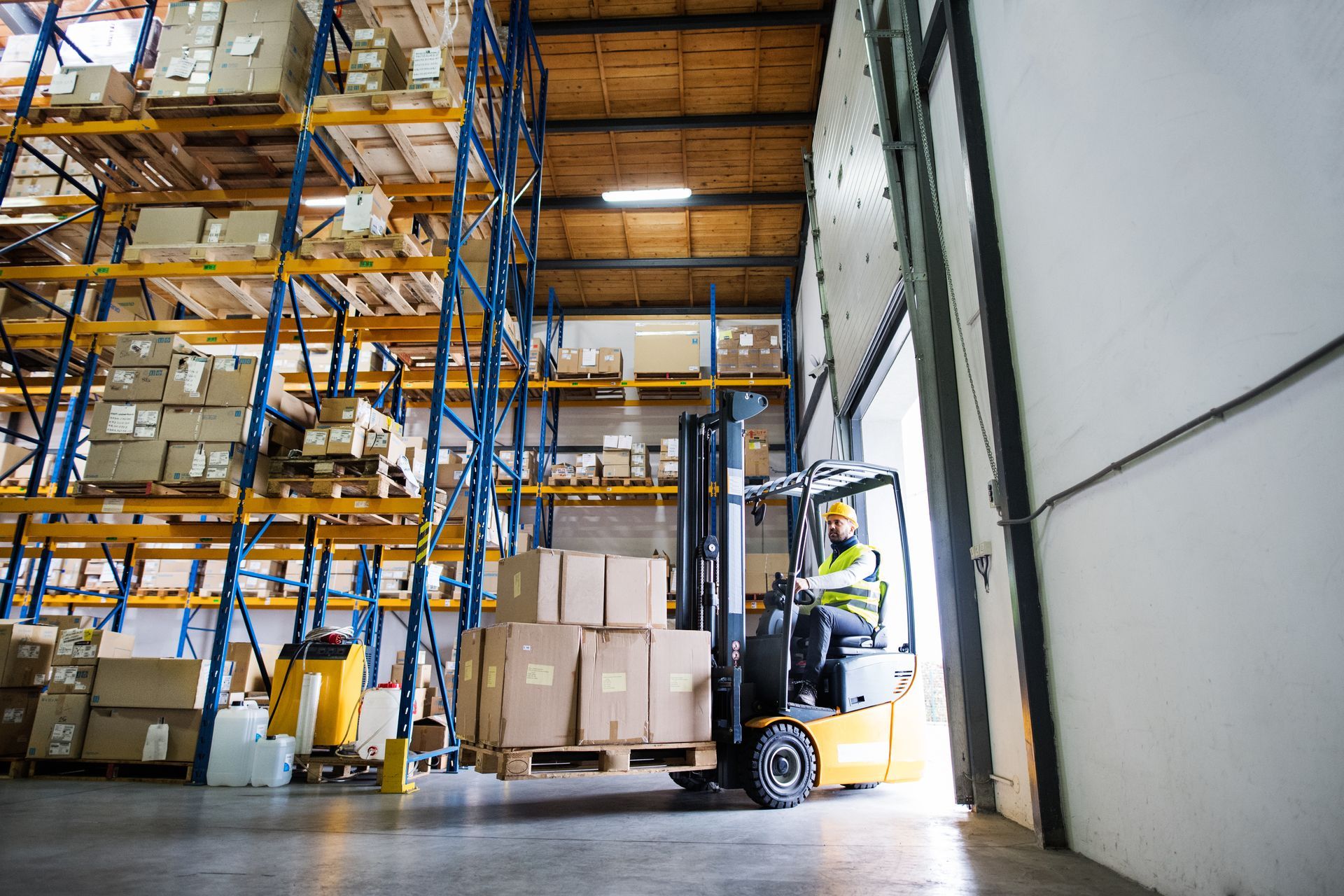
Warehouse Legal Liability
Coverage for customer property while stored in your facility. Protects against damage, theft, fire, and water damage to goods in your care, custody, or control.

Workers' Compensation
Medical care and wage replacement for employees injured on the job. Required in most states for transportation and warehouse work where physical labor creates higher injury risk.

Umbrella & Excess Liability
Higher liability limits stacked on top of your primary policies. Helps meet large contract requirements and protects your business assets against major claims and lawsuits.
Specialized Knowledge
Industries We Protect
Focused coverage for transportation and logistics businesses


Simple and Clear
How Our Process Works
Our process to get you covered
Connect With Us
Reach out through our form or by phone to share your business needs and current coverage situation.
Get Coverage Options
We review your risks, compare carriers, and present clear quotes with plain-language explanations.
Stay Protected
You choose your plan, and we provide ongoing support for certificates, claims, and renewals.
Trusted by Businesses
Feedback That Reflects Service and Reliability
What our clients say about working with Champion Risk
Answers You Need
Frequently Asked Questions
Common questions about transportation and logistics insurance



What insurance does a transportation company need to operate legally?
Motor carriers that cross state lines must meet FMCSA requirements. You need a minimum of $750,000 in liability coverage, plus a BMC-91 filing that proves your insurance to the federal government. Cargo coverage is also required, with minimums that depend on the type of goods you transport.
Intrastate operators follow state-specific rules. California, Texas, and Florida each have different requirements. Champion Risk handles both federal and state filings. We make sure your coverage meets legal minimums and your certificates reach the right agencies.
How much does commercial transportation insurance cost?
Premiums depend on your fleet size, driving records, cargo values, and claims history. A small operation with two trucks might pay $8,000 to $15,000 per year. A larger carrier with ten trucks could pay $50,000 to $100,000 or more.
The best way to control costs is working with a broker who knows transportation insurance. We find carriers that specialize in your exact operation type. This often results in better rates than going direct or using a general agent who doesn't understand the industry.
What is a BMC-91 filing and why do I need one?
A BMC-91 is a form your insurance company files with the FMCSA. It proves you carry the required liability coverage to operate as a for-hire motor carrier. Without an active BMC-91, your operating authority can be revoked.
Champion Risk works with carriers who file electronically. Your BMC-91 typically posts within 24 to 48 hours of binding coverage. We monitor your filing status and alert you if anything needs attention.
Does my warehouse or storage facility need different insurance than a trucking operation?
Yes. Storage facilities need warehouse legal liability coverage. This protects you when customer property is damaged or stolen while in your care. Standard general liability policies exclude this exposure.
You may also need property coverage for your building, equipment breakdown protection, and business income coverage if a fire or disaster shuts down operations. Champion Risk builds storage facility programs that address all these risks in one package.
Can you insure last-mile delivery drivers who use their own vehicles?
Yes. We offer hired and non-owned auto coverage for delivery operations that use independent contractors or employees driving personal vehicles. This fills gaps that personal auto policies don't cover during commercial use.
We also provide occupational accident coverage for 1099 drivers who aren't eligible for workers' comp. This protects your drivers and limits your liability exposure when accidents happen.
How fast can I get proof of insurance for a new contract?
Same day in most cases. Once we bind your policy, we issue certificates of insurance within hours. If your contract requires specific additional insured language or special endorsements, we coordinate directly with the carrier.
Rush requests happen often in this industry. General contractors and corporate clients demand certificates before they let you on site. Champion Risk prioritizes fast turnaround because we know your revenue depends on it.
Answers You Need
Transportation & Logistics Insurance Resources
Articles designed to inform and support your business
Contact Us
Phone Number:
Email Address:
Location:
12264 El Camino Real, Suite 350
San Diego, CA 92130
Hours:
Monday – Friday: 8:00 AM – 6:00 PM PT