See How We're Different
Call Us: (800) 829-0807
A single damaged antique armoire or a water-stained piano can cost your moving company tens of thousands of dollars. With the average cargo claim incident running around $45,000, motor truck cargo insurance isn't optional for moving and storage operations: it's the difference between absorbing a manageable loss and facing a business-ending lawsuit.
The moving and storage industry generates $92.2 billion in economic activity annually, yet many operators still carry inadequate coverage. They learn the hard way that standard commercial auto policies don't protect the furniture, electronics, and family heirlooms packed inside their trucks. Cargo insurance fills that gap, covering the goods you're paid to transport and store.
What makes this coverage tricky for movers is the nature of what you haul. Unlike commercial freight carriers moving palletized goods, you're handling irreplaceable items with sentimental value that often exceeds market worth. A dining table might appraise at $2,000, but to the family that's gathered around it for three generations, no check feels adequate. Understanding motor truck cargo insurance coverage, costs, and claims processes helps you protect both your customers' belongings and your company's financial stability.
The Role of Motor Truck Cargo Insurance in Moving and Storage
Motor truck cargo insurance protects the goods you transport from damage, theft, or loss while in your care. For moving companies, this coverage extends beyond simple point-to-point transportation to include loading, unloading, and temporary storage situations that occur during relocations.
Legal Requirements and FMCSA Compliance
The Federal Motor Carrier Safety Administration mandates cargo insurance for interstate movers. Household goods carriers must maintain minimum coverage levels, and 2025 DOT requirements specify at least $75,000 in cargo coverage for hazardous materials. Most moving companies need coverage well above these minimums based on the actual value of goods they transport.
State regulations add another layer of requirements. Intrastate movers face varying mandates depending on their operating territory. California, Texas, and Florida each maintain distinct cargo insurance minimums that often exceed federal standards.
Protecting Household Goods vs. Commercial Freight
Household goods present unique risks compared to commercial freight. A pallet of manufactured widgets has a clear replacement cost. Grandmother's china cabinet doesn't. Moving companies face claims involving emotional attachment, disputed valuations, and items that can't simply be reordered from a supplier.
This distinction affects policy structure. Household goods policies typically include provisions for pairs and sets, mechanical derangement, and inherent vice that commercial freight policies might exclude. Champion Risk works with movers to identify these coverage gaps before they become costly surprises.
Key Coverage Components for Movers
Standard cargo policies contain several coverage elements that work together to protect moving operations. Understanding each component helps you evaluate whether your current coverage matches your actual exposure.
Transit Coverage and Loading/Unloading Risks
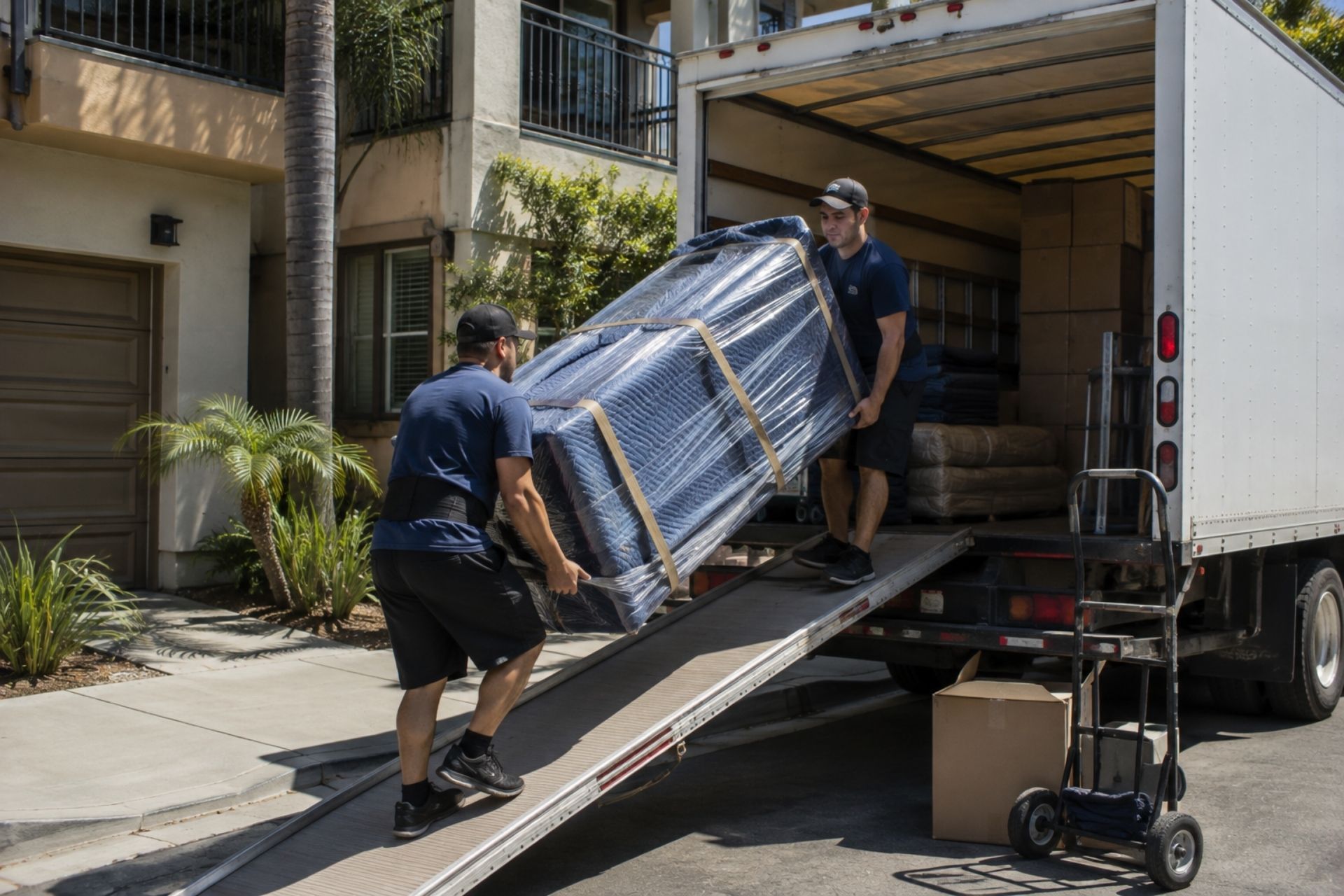
Transit coverage protects goods while your truck is moving between locations. Most claims, however, occur during loading and unloading operations. Workers handling heavy furniture in tight stairwells, navigating narrow doorways, or using equipment like dollies and lift gates create significant damage potential.
Quality policies cover the entire handling process, not just highway miles. Look for coverage that explicitly includes loading and unloading operations at origin and destination points. Some policies limit this coverage to specific timeframes, typically 72 hours before or after transit.
Storage-in-Transit (SIT) and Warehouse Legal Liability
Storage-in-transit coverage protects goods held temporarily during a move. When customers need their belongings stored for days or weeks between pickup and delivery, SIT coverage fills the gap. This differs from warehouse legal liability, which covers goods in your permanent storage facilities.
Warehouse legal liability operates on a negligence basis. You're covered when damage results from your company's actions or failures. SIT coverage typically provides broader protection during the transitional storage period. Companies offering both moving and storage services need both coverage types.
Debris Removal and Pollution Cleanup
When accidents happen, cleanup costs add up quickly. A truck fire that destroys household goods also leaves debris scattered across a highway. Pollution from fuel spills or damaged household chemicals requires professional remediation. These expenses fall outside standard cargo coverage unless specifically included.
Debris removal coverage pays for clearing damaged goods and wreckage. Pollution cleanup coverage handles hazardous material remediation. Both protect against costs that can exceed the value of the damaged cargo itself.
Common Exclusions and Policy Limitations
Every cargo policy contains exclusions that define what isn't covered. Knowing these boundaries prevents unpleasant surprises when filing claims.
Unattended Vehicle and Theft Restrictions
Theft coverage typically requires specific security measures. Leaving a loaded truck unattended in an unsecured location often voids coverage. Policies may require locked vehicles, secured parking facilities, or continuous driver attendance to maintain theft protection.
| Security Requirement | Typical Policy Expectation |
|---|---|
| Vehicle locks | All doors and cargo areas secured |
| Parking location | Fenced lot or attended facility |
| Driver attendance | Maximum unattended time: 1-2 hours |
| Alarm systems | May reduce premiums if installed |
Excluded Commodities: Jewelry, Cash, and Fine Art
High-value items frequently appear on exclusion lists. Cash, jewelry, precious metals, and fine art often require separate coverage or specialized riders. Some policies exclude these items entirely, while others limit coverage to specific dollar amounts.
Moving companies should disclose these limitations to customers before accepting high-value shipments. Customers with valuable collections may need to arrange their own insurance or pay for enhanced coverage options.
Factors Influencing Insurance Premiums and Costs
Moving companies pay an average of $876 per month for commercial auto insurance, with cargo coverage adding to that baseline. Several factors determine your actual premium.
Impact of Radius of Operation and Territory
Operating radius significantly affects pricing. Local movers working within a 50-mile radius face different risks than long-distance carriers crossing multiple states. Urban operations present higher theft risk but shorter exposure time. Rural routes mean longer distances but potentially better road conditions.
Territory matters too. Operating in high-theft areas increases premiums. Routes through regions with severe weather patterns or challenging terrain affect rates. Carriers working primarily in low-risk corridors often qualify for better pricing.
Deductible Structures and Limit Selection
Higher deductibles reduce premiums but increase out-of-pocket costs when claims occur. Finding the right balance depends on your claim history and financial reserves. Companies with strong safety records and cash reserves may benefit from higher deductibles.
Coverage limits should reflect the maximum value you transport on any single load. Underinsuring saves premium dollars but creates catastrophic exposure when a fully loaded truck suffers a total loss. Champion Risk helps movers calculate appropriate limits based on their typical shipment values.
Navigating the Claims Process for Damaged Goods
Filing cargo claims requires documentation, timing, and understanding of valuation methods. With 62.2% of movers citing rising costs as their top challenge in 2025, efficient claims handling becomes crucial for maintaining profitability.
Documentation Requirements and Timelines
Successful claims start with thorough documentation at pickup. Detailed inventory sheets noting existing damage protect against fraudulent claims. Photographs of items before loading create evidence that proves condition at origin.
When damage occurs, document it immediately. Take photos, note circumstances, and gather witness statements. Most policies require notification within 24-72 hours of discovery. Missing these windows can result in denied claims regardless of merit.
Valuation Methods: Released Value vs. Full Value Protection
Released value protection limits carrier liability to a set amount per pound, typically 60 cents. A 100-pound dresser worth $2,000 generates only $60 in coverage under released value. Full value protection covers actual repair or replacement costs.
| Valuation Type | Coverage Level | Customer Cost | Carrier Liability |
|---|---|---|---|
| Released Value | $0.60/lb | Free | Minimal |
| Full Value | Actual value | Additional fee | Full replacement |
Most residential customers don't understand this distinction until they file claims. Clear communication about valuation options protects both parties.
Best Practices for Risk Mitigation and Long-term Savings
Reducing claims reduces premiums over time. Smart movers invest in prevention rather than relying solely on insurance to cover mistakes.
Training programs that teach proper lifting, packing, and handling techniques pay dividends. Equipment maintenance prevents mechanical failures that damage cargo. Hiring practices that screen for careful, experienced workers reduce claim frequency.
Regular policy reviews ensure coverage keeps pace with business growth. A company that started with local moves but expanded into long-distance operations may have outgrown its original coverage. Champion Risk recommends annual coverage audits to identify gaps before they become problems.
Frequently Asked Questions
How much cargo insurance do moving companies actually need? Coverage should match the maximum value you transport on any single load. Most household goods movers carry between $100,000 and $500,000 in cargo coverage, though high-end movers may need more.
Does my commercial auto policy cover cargo damage? No. Commercial auto covers your vehicles, not the goods inside them. Cargo insurance is a separate policy specifically protecting transported items.
What happens if a customer claims damage I didn't cause? Detailed inventory documentation at pickup protects against fraudulent claims. Photos and condition notes create evidence showing pre-existing damage.
Are antiques and artwork covered under standard policies? Often not fully. High-value items may require additional coverage or specialized riders. Discuss specific items with your insurance provider before accepting such shipments.
How quickly must I report cargo damage? Most policies require notification within 24-72 hours of discovery. Delayed reporting can result in denied claims.
Making the Right Coverage Choice
Motor truck cargo insurance protects your moving company from claims that can easily exceed annual profits. The coverage, cost, and claims considerations specific to movers differ substantially from general freight operations. Understanding these differences helps you select appropriate protection without overpaying for unnecessary coverage.
Review your current policy against your actual operations. Consider the maximum shipment values you handle, your operating territory, and your storage offerings. Work with specialists like Champion Risk who understand the unique exposures moving and storage companies face. The right coverage costs less than a single uninsured claim.

By: Mark Raby
Chief Executive Officer at Champion Risk & Insurance Services
Recent Posts