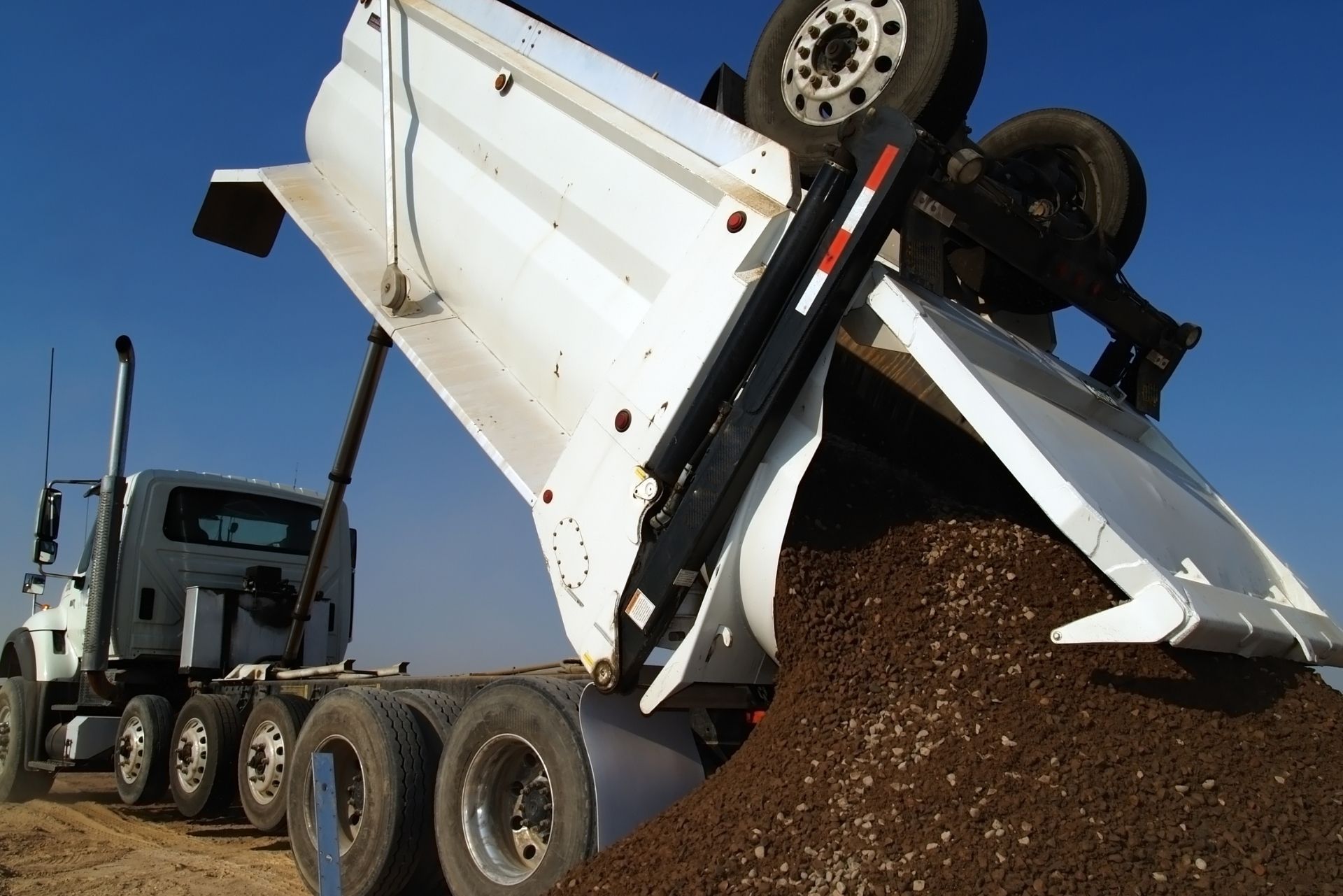
A single rollover on a job site access road can put a dump truck owner-operator out of business. Between the damaged rig, the spilled load, a potential environmental cleanup, and an injured motorist's legal team, the costs stack up fast. Monthly insurance premiums for a typical dump truck owner-operator in 2026
range from $400 to $1,200, but the wrong policy can leave you exposed to losses ten times that amount. Getting the right insurance for your sand, gravel, or aggregate hauling operation isn't just a regulatory box to check: it's the difference between surviving a bad day and closing your doors.
Essential Insurance for Sand and Gravel Operations
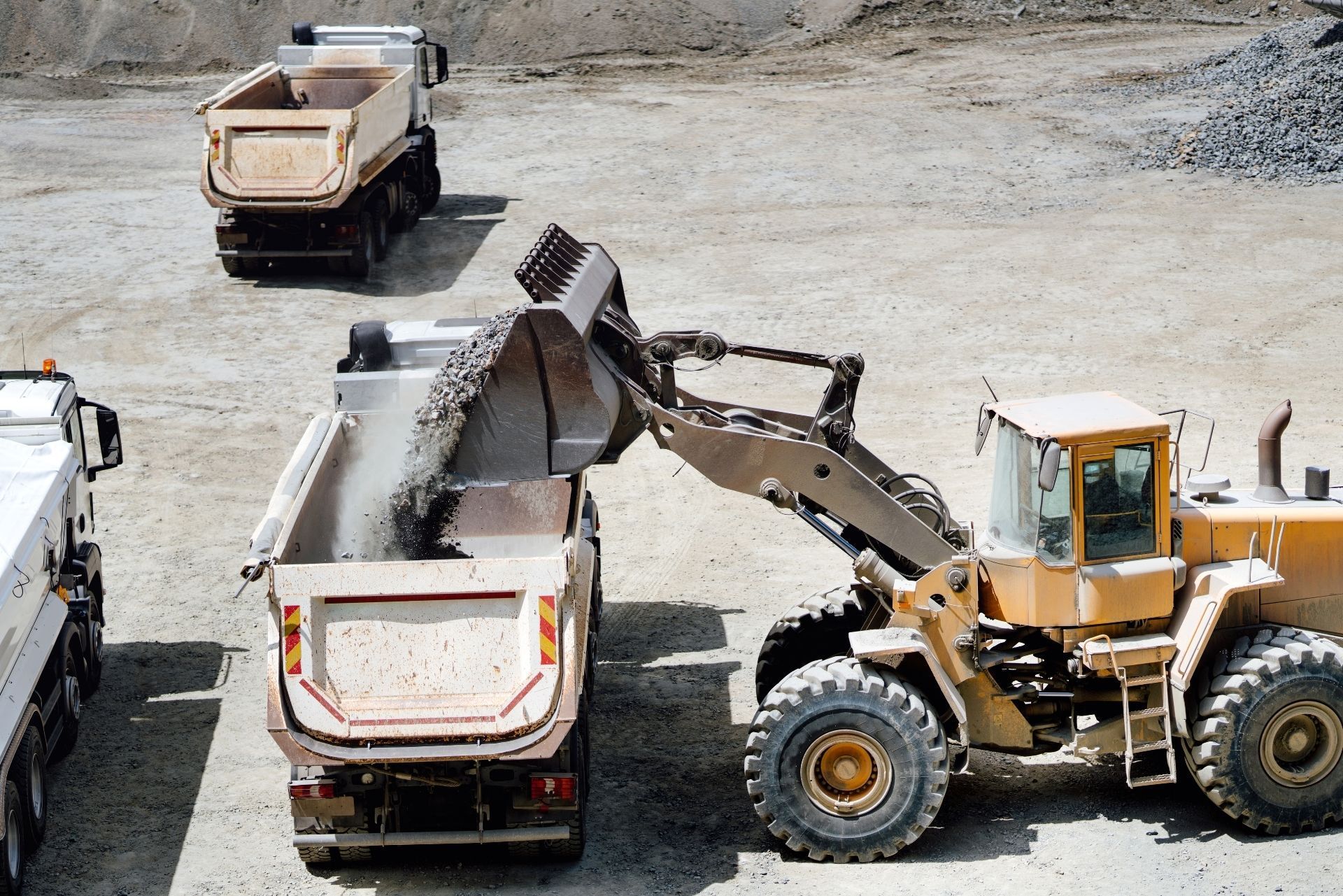
Essential insurance for sand and gravel operations covers the unique mix of highway risk, heavy loads, and job site exposure that general trucking policies often miss. A standard commercial auto policy built for dry van freight won't account for the realities of pit-to-site hauling, where your trucks face steep grades, loose surfaces, and constant loading and unloading cycles.
Primary Auto Liability and Physical Damage
Every dump truck on public roads needs commercial auto liability, and FMCSA minimums sit at $750,000 for most non-hazmat operations. That said, many brokers, including Champion Risk, recommend $1 million or higher given the
rising trend of nuclear verdicts in the trucking industry. Physical damage coverage protects your trucks themselves, and for a fleet of $150,000-plus rigs, skipping it is a gamble few operators can afford.
General Liability for Aggregate Businesses
Your auto policy stops at the truck. General liability picks up where it leaves off, covering third-party bodily injury and property damage tied to your business operations. If a customer trips over equipment at your yard, or if aggregate you delivered causes damage to a client's property, this is the policy that responds. Most aggregate haulers carry $1 million per occurrence with a $2 million aggregate limit.
Inland Marine and Motor Truck Cargo
Motor truck cargo insurance covers the material on your trailer. For sand and gravel, the per-load value might seem modest compared to electronics freight, but a spilled load on a highway creates cleanup costs, traffic delays, and third-party damage claims that add up quickly. Inland marine coverage extends protection to equipment like conveyors or portable screens that move between locations.

By: Mark Raby
Chief Executive Officer at Champion Risk & Insurance Services
Comparing Standard vs. Specialized Fleet Coverage
Comparing standard versus specialized fleet coverage reveals gaps that can cost you dearly after a claim. A generic fleet policy treats your dump trucks like any other commercial vehicle, while a program designed for aggregate haulers addresses the specific risks of your operation.
Comparison Table: Basic vs. Comprehensive Hauler Policies
| Coverage Area | Basic Fleet Policy | Specialized Hauler Policy |
|---|---|---|
| Auto Liability | $750K minimum | $1M+ with umbrella options |
| Cargo Coverage | Generic freight limits | Tailored to aggregate loads |
| Pollution Liability | Typically excluded | Included or available as endorsement |
| Loading/Unloading | Limited or excluded | Covered on-site and in-transit |
| Hired/Non-Owned Auto | Sometimes included | Standard inclusion |
| Trailer Interchange | Rarely covered | Available for shared equipment |
Managing Risks Specific to Dump Truck Fleets
Dump truck fleets face a distinct risk profile that standard trucking operations don't share. The combination of off-road exposure, heavy material, and frequent stops at active construction sites creates hazards that need specific attention in your risk management plan.
Loading and Unloading Hazards
Most dump truck claims don't happen at highway speed. They happen at the pit or the job site during loading and unloading. Raised beds contacting overhead power lines is a recurring cause of serious injury and fatality claims. A strong safety protocol, paired with coverage that explicitly includes loading and unloading operations, is non-negotiable.
Pollution and Environmental Liability
A diesel spill from a ruptured fuel tank or sediment runoff from a dumped load near a waterway can trigger EPA involvement and six-figure cleanup costs. Standard auto policies almost always exclude pollution events. Excavation and hauling operations carry elevated environmental risk that demands a dedicated pollution liability endorsement.
Overweight and Securement Violations
Overweight fines vary by state but can exceed $10,000 per incident, and repeated violations put your operating authority at risk.
New FMCSA regulatory changes in 2026 have tightened enforcement around load securement for aggregate haulers. Insurers look at your violation history when pricing your policy, so investing in onboard scales and driver training pays dividends at renewal time.
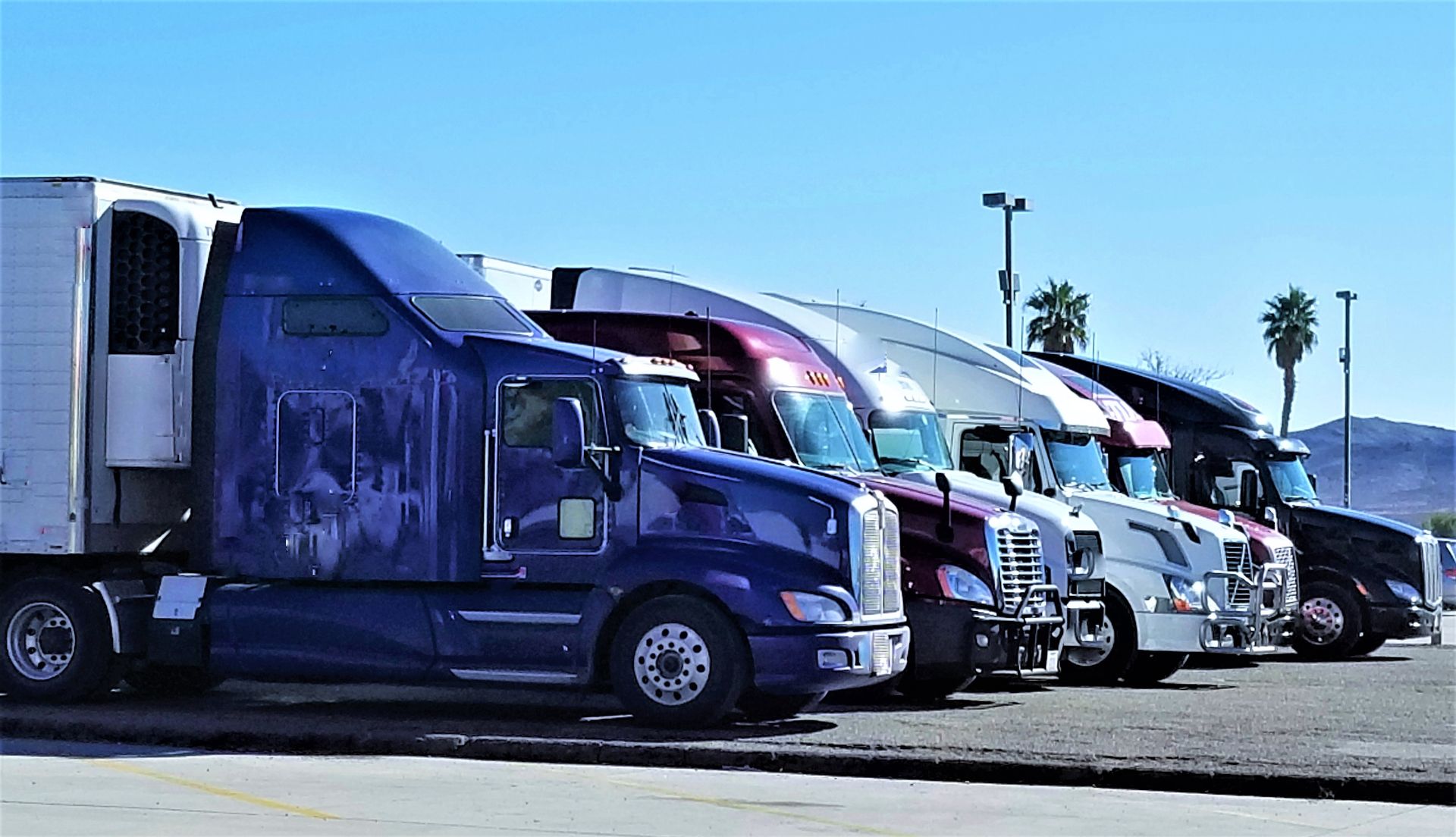
Your premium depends on fleet size, driver experience, radius of operation, and claims history. A five-truck fleet running within a 50-mile radius with clean MVRs will pay significantly less per unit than a 20-truck operation with interstate routes and a couple of at-fault accidents. The
2026 transportation insurance outlook points to continued rate pressure driven by litigation trends and repair costs, making loss prevention programs more valuable than ever. Champion Risk structures programs that bundle driver safety training with policy design to help fleets control costs over multiple renewal cycles.
Common Questions About Hauling Insurance
How much insurance do I need for a single dump truck?
At minimum, you need $750,000 in auto liability for interstate operations. Most owner-operators also carry physical damage, cargo, and general liability, which brings total monthly costs into the $800 to $1,200 range depending on your state and driving record.
Does general liability cover fly-rock damage?
It can, but only if your policy doesn't contain a blasting or quarry exclusion. Review your exclusions carefully, because many standard GL forms carve out damage from airborne debris at extraction sites.
Will my rates go down if I install GPS tracking?
Many insurers offer discounts of 5% to 15% for GPS and telematics. Tracking technology is increasingly influencing how insurers price risk, and fleets with real-time monitoring tend to have fewer and less severe claims.
Are my trailers covered when they aren't attached?
Not always. A detached trailer sitting at a job site overnight may fall under inland marine rather than your auto policy. Check whether your coverage includes unattached trailer protection, or you could face an uncovered theft or vandalism loss.
What is the difference between aggregate and dirt hauling insurance?
The core policies are similar, but aggregate hauling often involves heavier loads, higher overweight risk, and more frequent interaction with active construction zones. Insurers may apply different rate classifications and require higher liability limits for aggregate operations.
The right coverage for your sand and gravel operation protects more than your trucks: it protects your ability to keep bidding on jobs and keep drivers working. Start by auditing your current policies against the specific risks outlined above, paying close attention to pollution exclusions and loading/unloading gaps. If you're unsure whether your current program fits, Champion Risk specializes in building customized insurance packages for complex hauling operations and can walk you through a fleet-specific risk assessment. Don't wait for a claim to find out what your policy actually covers.
About the Author:
Mark Raby
I am a seasoned insurance professional with over 30 years of experience in the industry. I lead Champion Risk & Insurance Services, a San Diego-based brokerage with nationwide reach and strong influence in the insurance marketplace. My core competencies include insurance agency M&A deals, captives and alternative risk structures, and commercial property and casualty insurance for clients in the transportation and logistics industries. I am a former president of IIAB San Diego and hold a Bachelor of Science in Finance from Western Michigan University’s Haworth College of Business.
Protection for Transportation Operations
Business Insurance for Transportation & Logistics Companies
Coverage designed specifically for transportation businesses
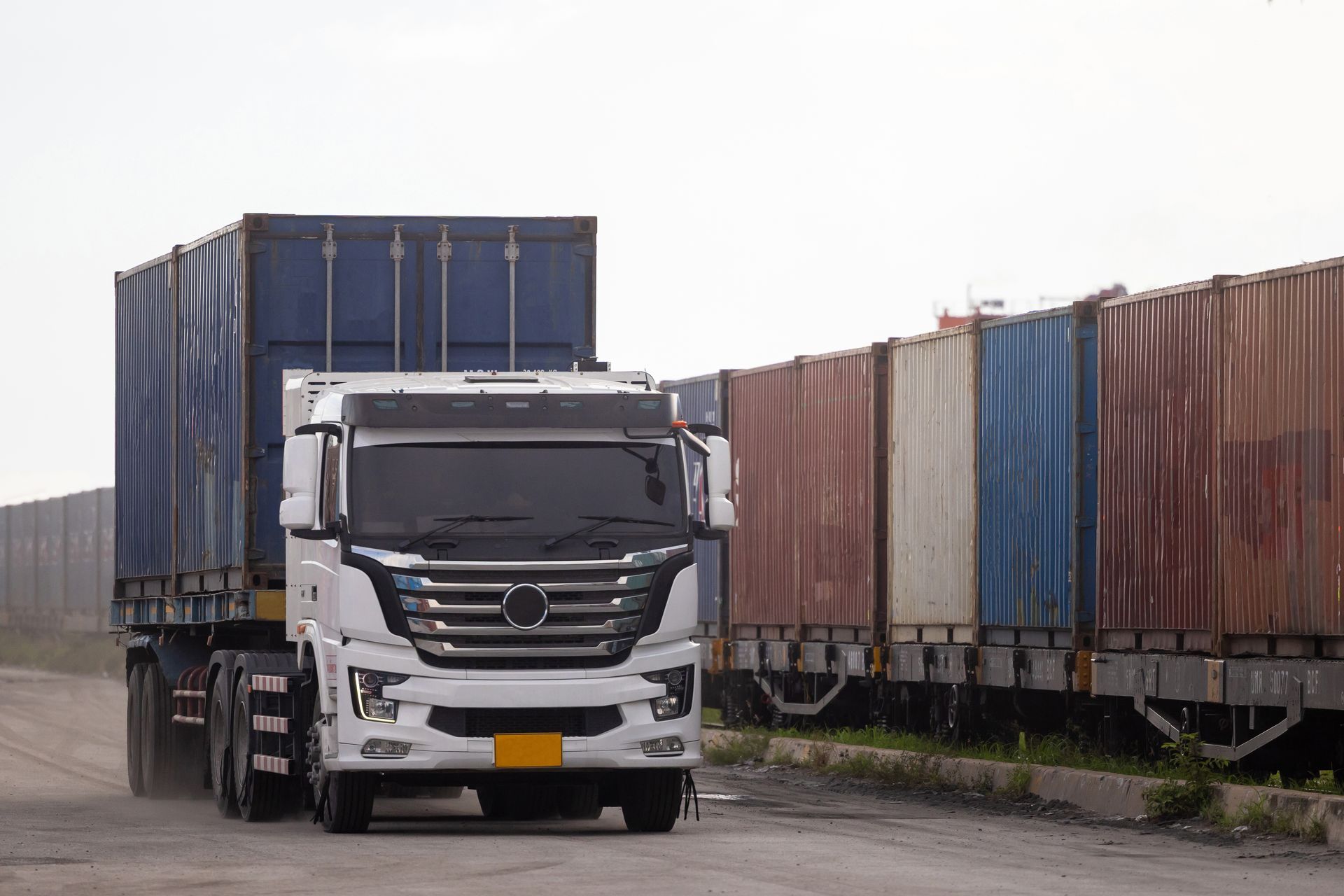
Commercial Auto & Trucking
Protection for your fleet including box trucks, moving vans, and trailers. Covers liability, collision, physical damage, and hired or non-owned vehicles used in your operations.
Motor Truck Cargo
Covers household goods and freight during transport from pickup to delivery. Protects against damage, theft, mysterious disappearance, and weather-related losses while cargo is in your care.

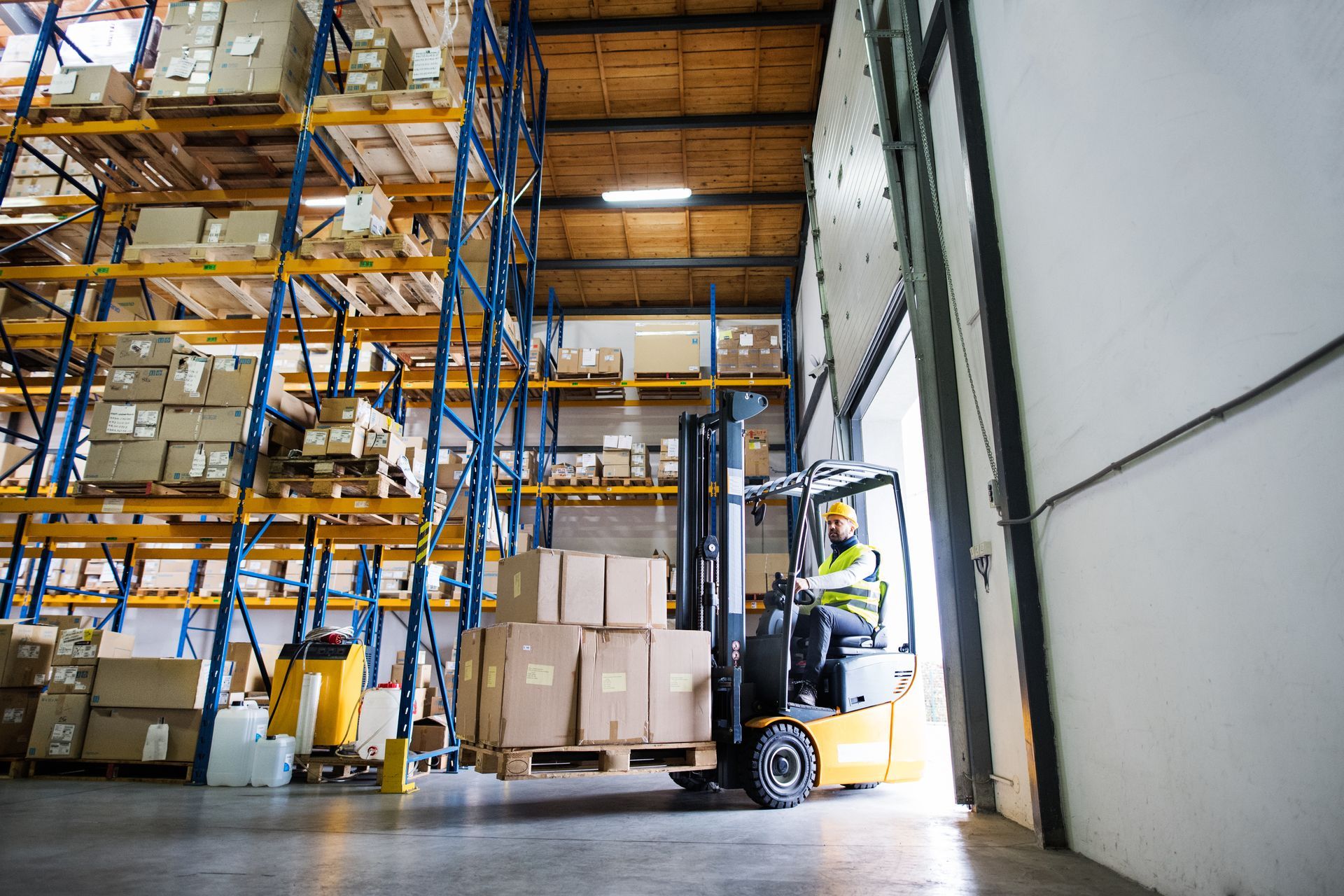
General Liability
Protection from third-party claims for bodily injury and property damage at customer homes, job sites, and your own facility. Essential coverage for every transportation operation
Warehouse Legal Liability
Coverage for customer property while stored in your facility. Protects against damage, theft, fire, and water damage to goods in your care, custody, or control.

Workers' Compensation
Medical care and wage replacement for employees injured on the job. Required in most states for transportation and warehouse work where physical labor creates higher injury risk.

Umbrella & Excess Liability
Higher liability limits stacked on top of your primary policies. Helps meet large contract requirements and protects your business assets against major claims and lawsuits.
Specialized Knowledge
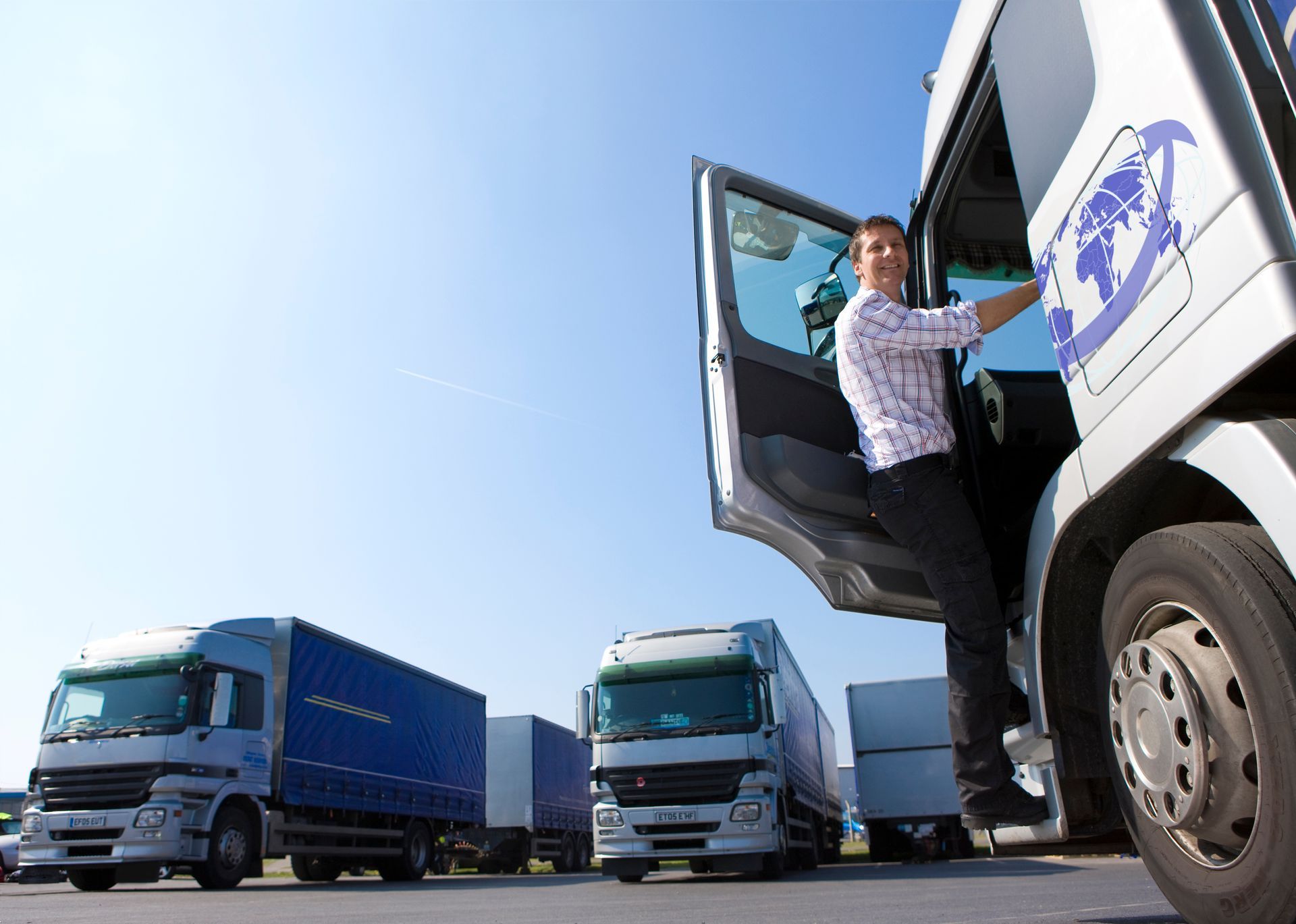
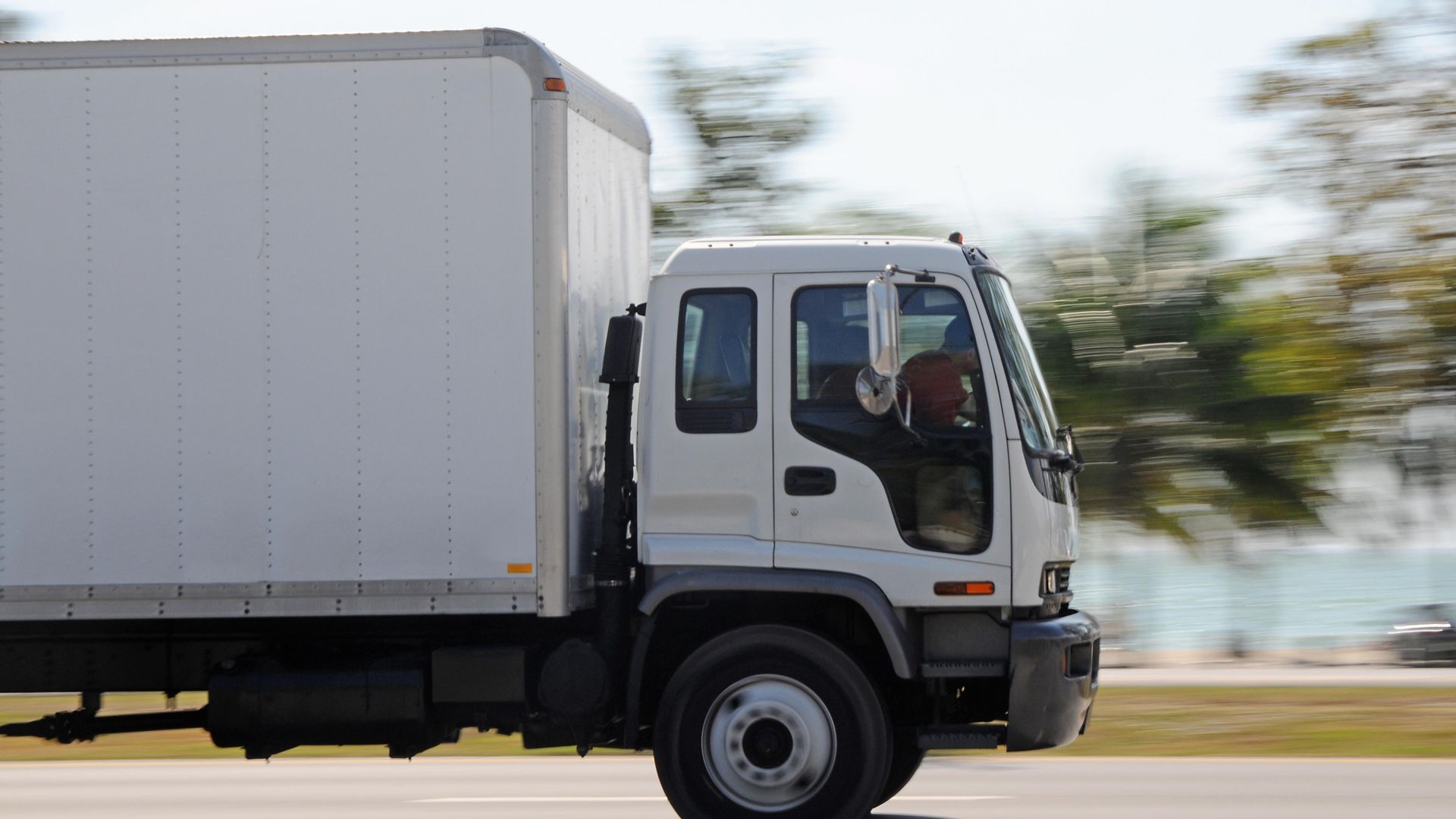
Industries We Protect
Focused coverage for transportation and logistics businesses

Simple and Clear
How Our Process Works
Our process to get you covered
Connect With Us
Reach out through our form or by phone to share your business needs and current coverage situation.
Get Coverage Options
We review your risks, compare carriers, and present clear quotes with plain-language explanations.
Stay Protected
You choose your plan, and we provide ongoing support for certificates, claims, and renewals.
Trusted by Businesses
Feedback That Reflects Service and Reliability
What our clients say about working with Champion Risk
Answers You Need
Frequently Asked Questions
Common questions about transportation and logistics insurance



What insurance does a transportation company need to operate legally?
Motor carriers that cross state lines must meet FMCSA requirements. You need a minimum of $750,000 in liability coverage, plus a BMC-91 filing that proves your insurance to the federal government. Cargo coverage is also required, with minimums that depend on the type of goods you transport.
Intrastate operators follow state-specific rules. California, Texas, and Florida each have different requirements. Champion Risk handles both federal and state filings. We make sure your coverage meets legal minimums and your certificates reach the right agencies.
How much does commercial transportation insurance cost?
Premiums depend on your fleet size, driving records, cargo values, and claims history. A small operation with two trucks might pay $8,000 to $15,000 per year. A larger carrier with ten trucks could pay $50,000 to $100,000 or more.
The best way to control costs is working with a broker who knows transportation insurance. We find carriers that specialize in your exact operation type. This often results in better rates than going direct or using a general agent who doesn't understand the industry.
What is a BMC-91 filing and why do I need one?
A BMC-91 is a form your insurance company files with the FMCSA. It proves you carry the required liability coverage to operate as a for-hire motor carrier. Without an active BMC-91, your operating authority can be revoked.
Champion Risk works with carriers who file electronically. Your BMC-91 typically posts within 24 to 48 hours of binding coverage. We monitor your filing status and alert you if anything needs attention.
Does my warehouse or storage facility need different insurance than a trucking operation?
Yes. Storage facilities need warehouse legal liability coverage. This protects you when customer property is damaged or stolen while in your care. Standard general liability policies exclude this exposure.
You may also need property coverage for your building, equipment breakdown protection, and business income coverage if a fire or disaster shuts down operations. Champion Risk builds storage facility programs that address all these risks in one package.
Can you insure last-mile delivery drivers who use their own vehicles?
Yes. We offer hired and non-owned auto coverage for delivery operations that use independent contractors or employees driving personal vehicles. This fills gaps that personal auto policies don't cover during commercial use.
We also provide occupational accident coverage for 1099 drivers who aren't eligible for workers' comp. This protects your drivers and limits your liability exposure when accidents happen.
How fast can I get proof of insurance for a new contract?
Same day in most cases. Once we bind your policy, we issue certificates of insurance within hours. If your contract requires specific additional insured language or special endorsements, we coordinate directly with the carrier.
Rush requests happen often in this industry. General contractors and corporate clients demand certificates before they let you on site. Champion Risk prioritizes fast turnaround because we know your revenue depends on it.
Answers You Need
Transportation & Logistics Insurance Resources
Articles designed to inform and support your business
Contact Us
Phone Number:
Email Address:
Location:
12264 El Camino Real, Suite 350
San Diego, CA 92130
Hours:
Monday – Friday: 8:00 AM – 6:00 PM PT