
A single Steinway grand piano can cost anywhere from $70,000 to well over $200,000. A set of antique stained-glass windows might be irreplaceable at any price. Yet every day, specialty movers load these items onto trucks protected by little more than a standard liability policy that might pay out $0.60 per pound if something goes wrong. That means your client's $150,000 concert grand, weighing roughly 1,000 pounds, would net them a $600 check after a catastrophic drop. If you're running a piano or specialty moving business, that gap between actual value and covered value is where lawsuits, lost clients, and closed businesses live. The right insurance program doesn't just protect the items on your truck; it protects everything you've built. And with the global specialty insurance market projected to grow from $108.8 billion in 2025 to $180 billion in the coming years, carriers are paying closer attention to niche movers than ever before. That's good news for your options, but it also means you need to understand what you're buying.
Why Standard Moving Insurance Isn't Enough for Specialty Items
Why standard moving insurance isn't enough for specialty items is a question that answers itself once you see the numbers. General household movers deal with furniture, boxes, and the occasional flat-screen TV. Specialty movers deal with concert instruments, museum-quality art, antique grandfather clocks, and medical equipment worth six figures. The risk profile is completely different, and the insurance needs to reflect that.
The High Stakes of Moving Pianos and Antiques
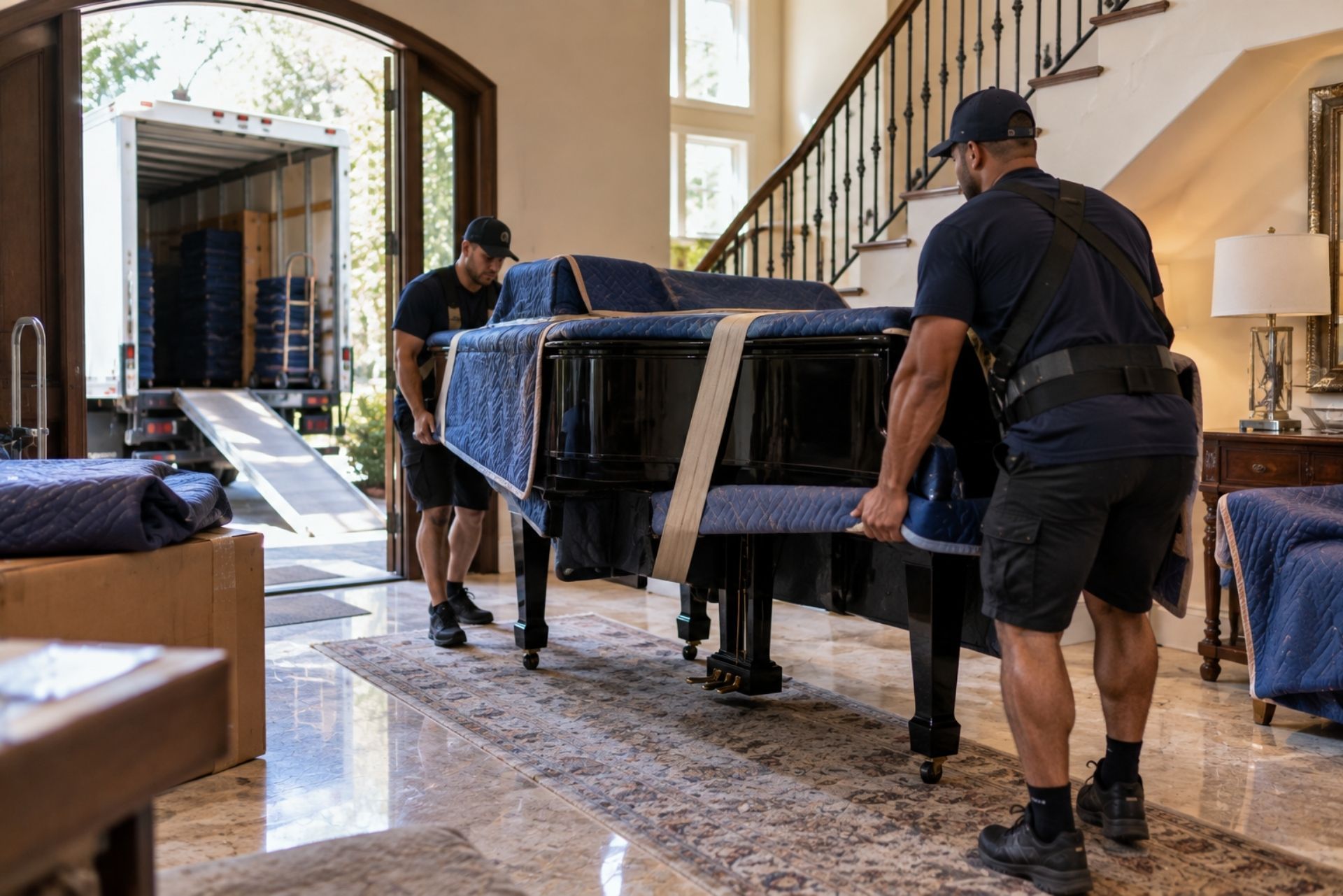
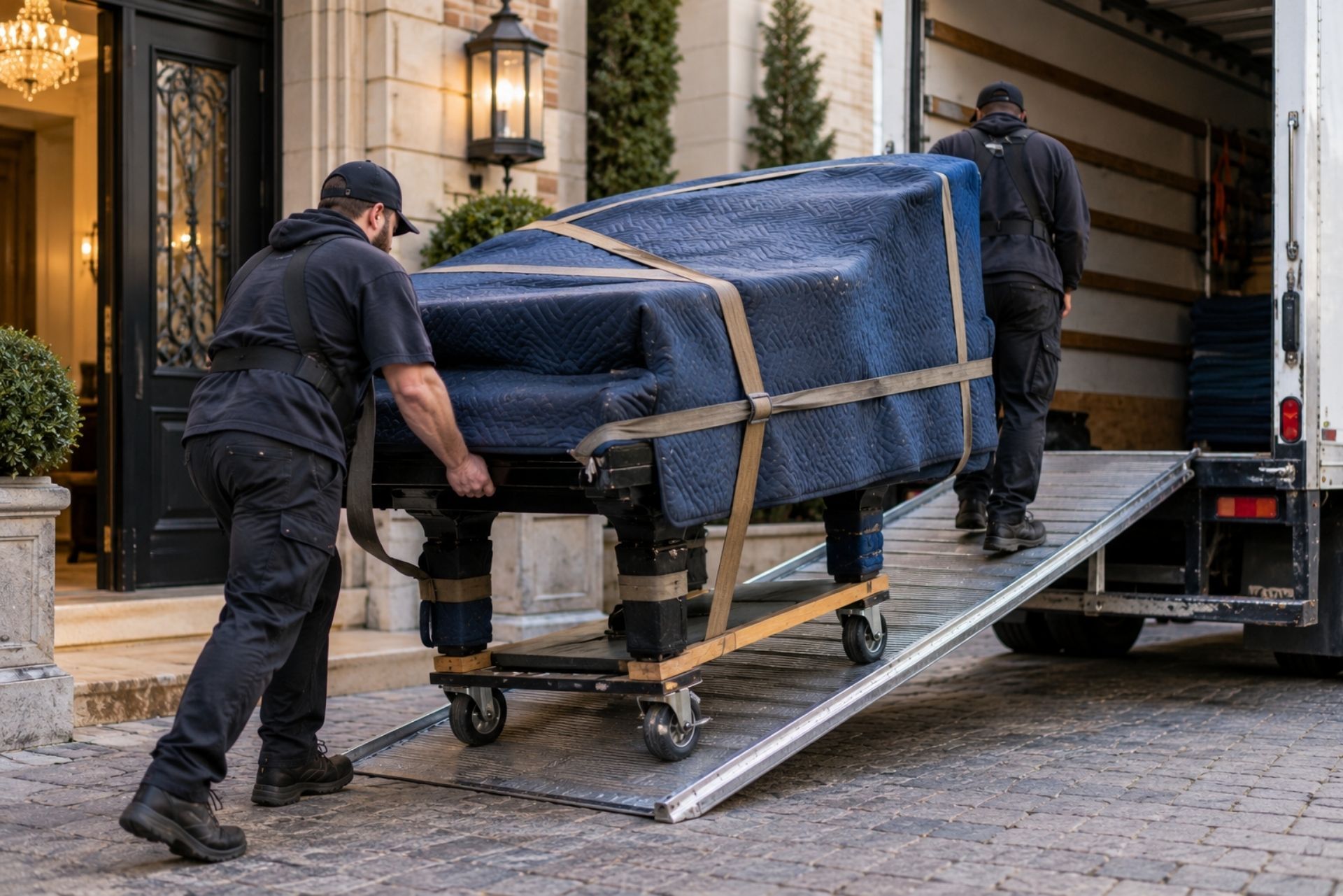
A typical upright piano weighs between 400 and 900 pounds. A concert grand can exceed 1,200 pounds. Moving one requires specialized dollies, ramps, and often three to five trained crew members working in tight coordination. One misstep on a staircase, one wheel that catches on a threshold, and you're looking at thousands in damage to both the instrument and the property it's being moved through.
The same applies to antiques, fine art, and medical devices. These items share a common trait: their financial value far exceeds their weight, and their replacement cost often exceeds their appraised value because of rarity or sentimental significance. White-glove moving services command premium pricing precisely because the stakes are so high, and clients expect the coverage to match.
Limitations of Basic Released Value Protection
Federal regulations require interstate movers to offer Released Value Protection at no additional charge. This coverage pays $0.60 per pound per article. For a couch that weighs 100 pounds, that's $60, which might cover a repair. For a $40,000 antique harpsichord weighing 200 pounds, that's $120. Useless.
Even Full Value Protection, the step-up option most general movers offer, has significant gaps. It typically excludes items of "extraordinary value" unless they're specifically declared, and the definition of extraordinary varies by carrier. Pianos, fine art, wine collections, and medical imaging equipment often fall into gray areas where claims get denied or disputed. If your business specializes in these items, you need policies designed around them, not policies that treat them as afterthoughts.

By: Mark Raby
Chief Executive Officer at Champion Risk & Insurance Services
Essential Coverage Types for Specialty Movers
Essential coverage types for specialty movers go well beyond a single policy. You need a layered approach that covers the item in transit, the property you're working in, and the period between pickup and delivery when items might sit in storage.
Inland Marine Insurance for Goods in Transit
Despite the name, inland marine insurance has nothing to do with boats. It covers goods being transported over land, and it's the backbone of any specialty mover's insurance program. A well-structured inland marine policy covers the actual declared value of items while they're on your truck, being loaded, or being unloaded.
For piano and specialty movers, the key details to negotiate are per-item limits, aggregate limits per shipment, and covered perils. You want an "all-risk" policy rather than a "named peril" policy. All-risk covers everything except what's specifically excluded, while named peril only covers what's listed. The difference matters when a claim involves something unusual, like humidity damage to a piano's soundboard during a cross-country move. Freight claim volumes have continued to climb in recent years, making this coverage more critical than ever.
General Liability and Property Damage
Your crew is moving a 900-pound upright piano through a client's home. The dolly scrapes the hardwood floor. A door frame gets gouged. A wall gets dented. These aren't hypothetical scenarios; they happen on nearly every difficult move. General liability insurance covers bodily injury and property damage that occurs during your operations.
For specialty movers, the minimum general liability coverage should be $1 million per occurrence with a $2 million aggregate. Many commercial clients and high-net-worth homeowners require proof of higher limits before they'll hire you. Champion Risk works with specialty movers to structure these policies so they account for the unique environments you operate in, from historic homes with irreplaceable millwork to commercial buildings with strict insurance requirements for contractors.
Bailee's Customer Insurance for High-Value Storage
Bailee's customer insurance covers items belonging to others while they're in your care, custody, and control, specifically during storage. If your company offers storage-in-transit (SIT) between pickup and delivery, this coverage fills a gap that inland marine and general liability don't address.
SIT periods typically range from 30 to 90 days and arise when a client's new home isn't ready or closing dates don't align. During that window, a client's $80,000 piano sits in your warehouse. A roof leak, a fire, or a break-in could destroy it. Without
bailee's coverage, your general property insurance probably won't cover items you don't own. The growth in
corporate relocations has increased demand for temporary storage, making this coverage a practical necessity rather than a nice-to-have.
Comparison: Basic Liability vs. Specialty Coverage
Comparison between basic liability and specialty coverage reveals just how wide the protection gap can be. The table below puts the differences in plain terms.
Coverage Comparison Table
| Feature | Released Value / Basic Liability | Specialty Movers Insurance |
|---|---|---|
| Payout basis | $0.60 per pound per article | Declared or appraised value |
| Per-item limit | No true limit (but payout is minimal) | $50,000 - $500,000+ per item |
| Covered perils | Limited (often excludes Acts of God) | All-risk (broader protection) |
| Storage coverage | Rarely included | Bailee's coverage available |
| Property damage | Not included | Covered under general liability |
| Professional equipment | Not covered | Can include tools, dollies, rigging |
| Cost | Free or very low | 0.3% - 1% of total cargo value |
| Claim process | Carrier-controlled, often slow | Broker-assisted, faster resolution |
The cost difference is real but proportional. If you're moving $200,000 worth of instruments and art in a given month, expect to pay somewhere between $600 and $2,000 in premium for that exposure. Compare that to a single uninsured claim that could bankrupt your company.
Factors that influence your premium costs are more within your control than you might think. Insurance carriers look at your operations holistically, and the movers who invest in safety and training consistently pay less.
Equipment Used and Safety Training Standards
Carriers want to know what kind of equipment you use and how your crew is trained. A company that uses piano boards, heavy-duty straps, climate-controlled trucks, and air-ride suspension will get better rates than one using general-purpose moving blankets and a rented box truck.
Training documentation matters too. If you can show that your crew completes annual safety certifications, follows documented procedures for different item types, and conducts pre-move inspections, underwriters view you as a lower risk. Champion Risk often advises specialty movers to formalize their training programs before shopping for coverage, because the premium savings in the first year frequently offset the cost of building those programs. White-glove delivery standards continue to tighten across the industry, and carriers reward companies that stay ahead of those expectations.
Maximum Value Limits for Individual Items
Your per-item value limit is one of the biggest premium drivers. A policy that covers items up to $50,000 each costs significantly less than one covering items up to $500,000 each. The question is whether your business actually needs the higher limit.
If you primarily move upright pianos and antique furniture, a $100,000 per-item limit might be sufficient. If you handle concert grands, rare instruments, or museum pieces, you'll need higher limits and may need to provide appraisals for individual items. Some carriers also require a detailed inventory with photos before each move, which doubles as excellent pre-transit documentation for protecting against fraudulent claims. Timestamped video and a thorough Bill of Lading are your best friends if a dispute arises.
Common Questions About Specialty Moving Policies
FAQ: What should I know before insuring a move?
Does my homeowners insurance cover items during a move? Most homeowners policies cap personal property coverage for items in transit at around 10% of your total coverage amount. That's rarely enough for high-value items, and it requires you to maintain coverage at both addresses during the move.
How much does insurance for specialty movers typically cost? Premiums generally run between 0.3% and 1% of total cargo value, depending on item types, routes, training standards, and claims history. A mover handling $500,000 in annual cargo value might pay $1,500 to $5,000 per year.
What's the difference between "all-risk" and "named peril" policies? All-risk covers any damage unless it's specifically excluded in the policy. Named peril only covers causes of loss that are listed. For specialty items, all-risk is almost always the better choice because unusual damage scenarios are common.
Are pianos covered during storage between moves? Only if you have bailee's customer insurance or a specific storage-in-transit endorsement. Standard inland marine policies typically stop coverage once the item is offloaded.
What red flags should I watch for with uninsured movers? Unmarked vehicles, no company uniforms, quotes that are dramatically lower than competitors, and no verifiable local business address. If a mover can't produce a certificate of insurance on request, walk away.
Can I get coverage for international specialty moves? Yes, but you'll need an ocean marine or air cargo policy in addition to your inland marine coverage. The 2026 transportation insurance outlook suggests international coverage options are expanding as more carriers enter the specialty space.
Do credit cards cover moving damage? Standard credit card purchase protections almost universally exclude household moves. Don't rely on them.
Making the Right Choice for Your Business
Picking the right insurance program for a piano and specialty moving operation isn't about finding the cheapest policy. It's about matching your actual risk exposure to coverage that will hold up when something goes wrong, because something eventually will. A piano leg snaps during a staircase carry. A humidity spike in your storage facility warps an antique cabinet. A client claims pre-existing damage that wasn't documented.
The movers who survive these moments are the ones who invested in proper coverage, documented their processes, and worked with a broker who understands the niche. Champion Risk has been structuring insurance for specialty movers since 2004, and the most common mistake we see is businesses buying general moving policies and assuming they're covered for high-value items. They're not.
Start by auditing your current coverage against the items you actually move. Calculate your maximum single-item exposure and your average monthly cargo value. Then talk to a broker who knows the difference between a spinet and a concert grand, because your insurance should be as specialized as your work.
About the Author:
Mark Raby
I am a seasoned insurance professional with over 30 years of experience in the industry. I lead Champion Risk & Insurance Services, a San Diego-based brokerage with nationwide reach and strong influence in the insurance marketplace. My core competencies include insurance agency M&A deals, captives and alternative risk structures, and commercial property and casualty insurance for clients in the transportation and logistics industries. I am a former president of IIAB San Diego and hold a Bachelor of Science in Finance from Western Michigan University’s Haworth College of Business.
Protection for Transportation Operations
Business Insurance for Transportation & Logistics Companies
Coverage designed specifically for transportation businesses
Commercial Auto & Trucking
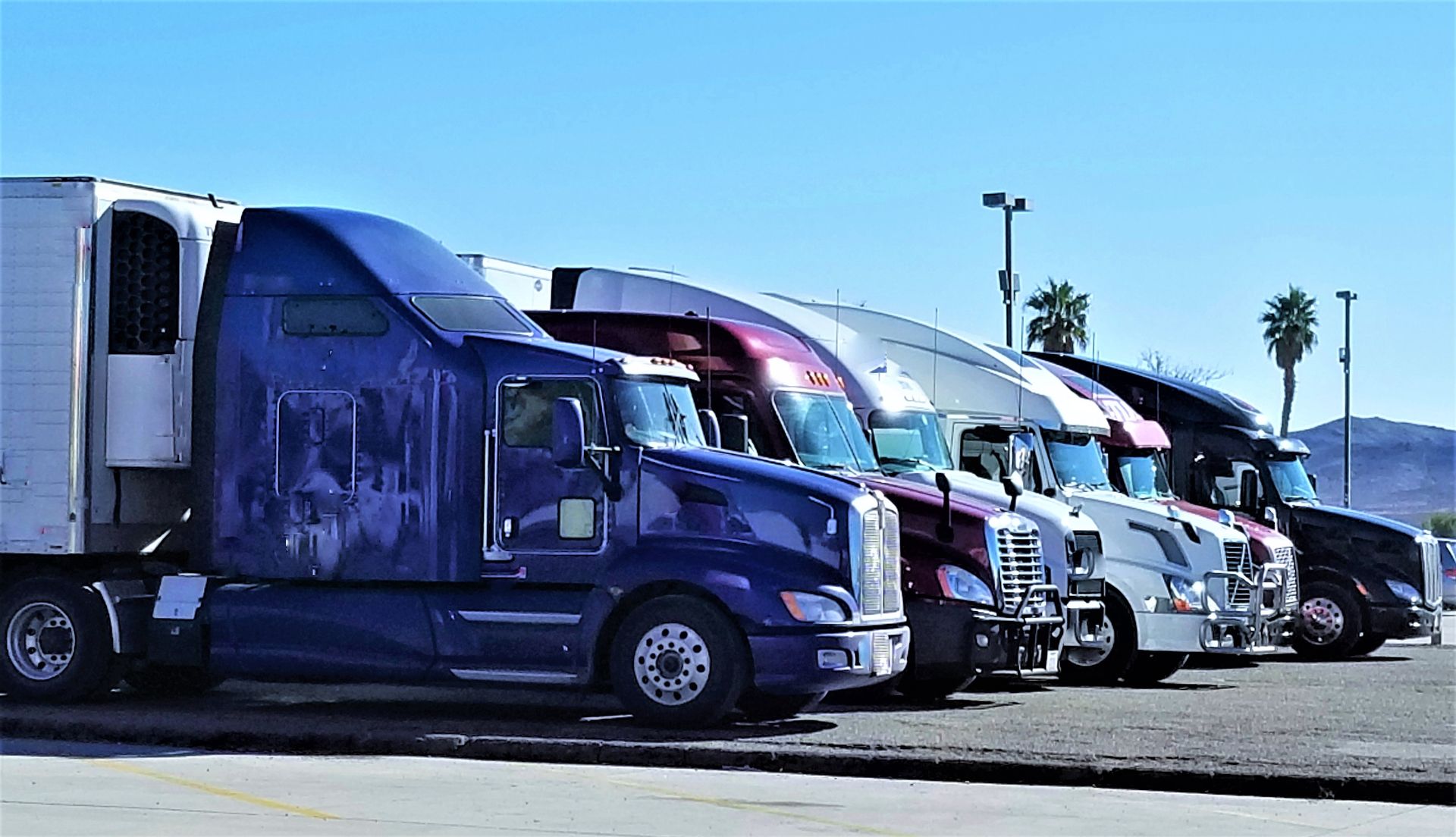
Protection for your fleet including box trucks, moving vans, and trailers. Covers liability, collision, physical damage, and hired or non-owned vehicles used in your operations.
Motor Truck Cargo
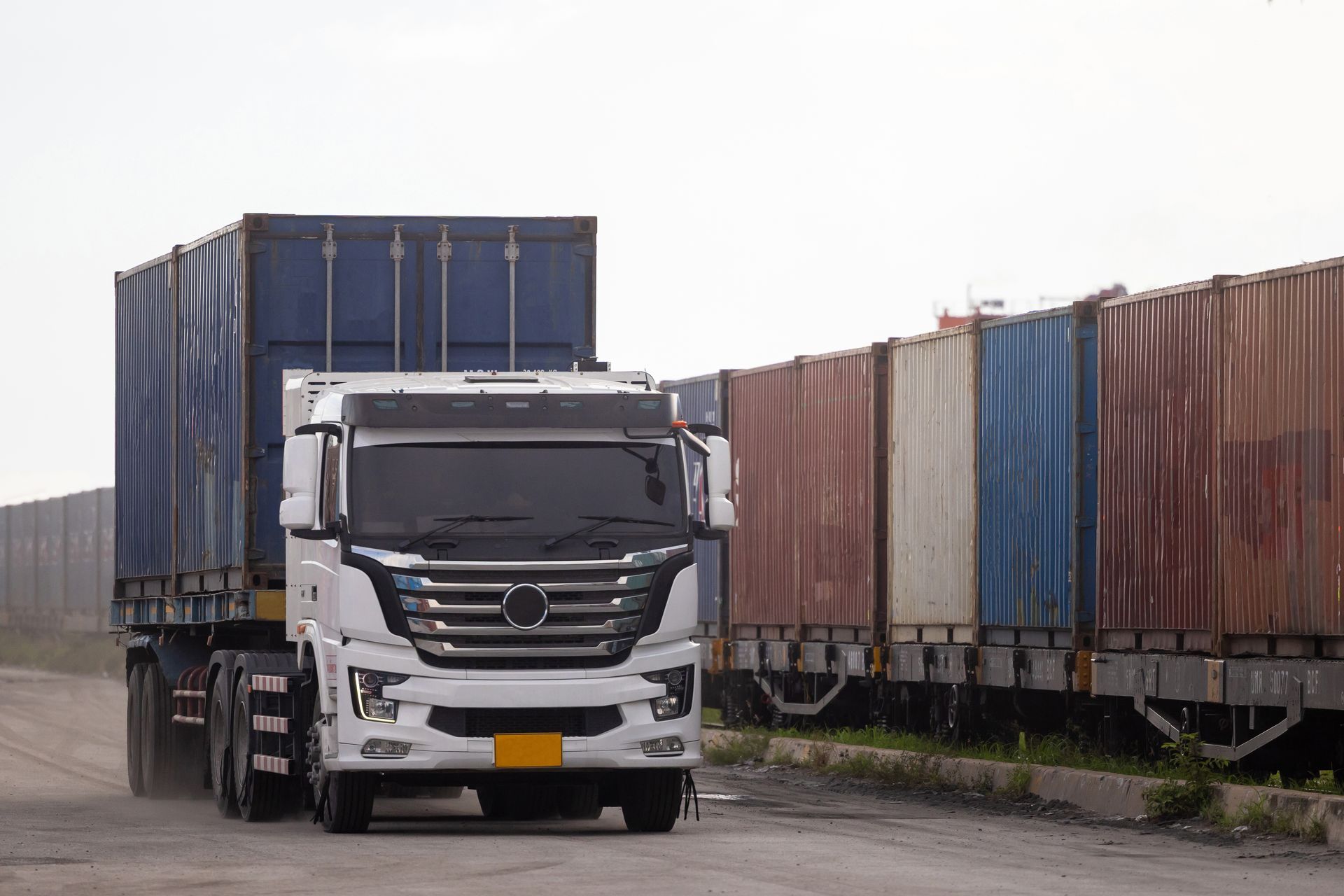
Covers household goods and freight during transport from pickup to delivery. Protects against damage, theft, mysterious disappearance, and weather-related losses while cargo is in your care.

General Liability
Protection from third-party claims for bodily injury and property damage at customer homes, job sites, and your own facility. Essential coverage for every transportation operation

Warehouse Legal Liability
Coverage for customer property while stored in your facility. Protects against damage, theft, fire, and water damage to goods in your care, custody, or control.

Workers' Compensation
Medical care and wage replacement for employees injured on the job. Required in most states for transportation and warehouse work where physical labor creates higher injury risk.

Umbrella & Excess Liability
Higher liability limits stacked on top of your primary policies. Helps meet large contract requirements and protects your business assets against major claims and lawsuits.
Specialized Knowledge
Industries We Protect
Focused coverage for transportation and logistics businesses


Simple and Clear
How Our Process Works
Our process to get you covered
Connect With Us
Reach out through our form or by phone to share your business needs and current coverage situation.
Get Coverage Options
We review your risks, compare carriers, and present clear quotes with plain-language explanations.
Stay Protected
You choose your plan, and we provide ongoing support for certificates, claims, and renewals.
Trusted by Businesses
Feedback That Reflects Service and Reliability
What our clients say about working with Champion Risk
Answers You Need
Frequently Asked Questions
Common questions about transportation and logistics insurance




What insurance does a transportation company need to operate legally?
Motor carriers that cross state lines must meet FMCSA requirements. You need a minimum of $750,000 in liability coverage, plus a BMC-91 filing that proves your insurance to the federal government. Cargo coverage is also required, with minimums that depend on the type of goods you transport.
Intrastate operators follow state-specific rules. California, Texas, and Florida each have different requirements. Champion Risk handles both federal and state filings. We make sure your coverage meets legal minimums and your certificates reach the right agencies.
How much does commercial transportation insurance cost?
Premiums depend on your fleet size, driving records, cargo values, and claims history. A small operation with two trucks might pay $8,000 to $15,000 per year. A larger carrier with ten trucks could pay $50,000 to $100,000 or more.
The best way to control costs is working with a broker who knows transportation insurance. We find carriers that specialize in your exact operation type. This often results in better rates than going direct or using a general agent who doesn't understand the industry.
What is a BMC-91 filing and why do I need one?
A BMC-91 is a form your insurance company files with the FMCSA. It proves you carry the required liability coverage to operate as a for-hire motor carrier. Without an active BMC-91, your operating authority can be revoked.
Champion Risk works with carriers who file electronically. Your BMC-91 typically posts within 24 to 48 hours of binding coverage. We monitor your filing status and alert you if anything needs attention.
Does my warehouse or storage facility need different insurance than a trucking operation?
Yes. Storage facilities need warehouse legal liability coverage. This protects you when customer property is damaged or stolen while in your care. Standard general liability policies exclude this exposure.
You may also need property coverage for your building, equipment breakdown protection, and business income coverage if a fire or disaster shuts down operations. Champion Risk builds storage facility programs that address all these risks in one package.
Can you insure last-mile delivery drivers who use their own vehicles?
Yes. We offer hired and non-owned auto coverage for delivery operations that use independent contractors or employees driving personal vehicles. This fills gaps that personal auto policies don't cover during commercial use.
We also provide occupational accident coverage for 1099 drivers who aren't eligible for workers' comp. This protects your drivers and limits your liability exposure when accidents happen.
How fast can I get proof of insurance for a new contract?
Same day in most cases. Once we bind your policy, we issue certificates of insurance within hours. If your contract requires specific additional insured language or special endorsements, we coordinate directly with the carrier.
Rush requests happen often in this industry. General contractors and corporate clients demand certificates before they let you on site. Champion Risk prioritizes fast turnaround because we know your revenue depends on it.

Answers You Need
Transportation & Logistics Insurance Resources
Articles designed to inform and support your business
Contact Us
Phone Number:
Email Address:
Location:
12264 El Camino Real, Suite 350
San Diego, CA 92130
Hours:
Monday – Friday: 8:00 AM – 6:00 PM PT