
A single office relocation gone wrong can wipe out months of profit for a moving company. Picture this: a crew drops a $40,000 server rack while loading it onto the truck, or a box truck rear-ends a sedan at a stoplight with a client's medical equipment in the cargo hold. Without the right insurance in place, the moving company is on the hook for every dollar of damage, legal fees, and lost business. Commercial movers face a unique blend of risks that standard business policies simply don't cover, and the financial stakes have climbed sharply in recent years. Operational costs across the moving and storage industry have
surged by as much as 80% since 2020, with insurance premiums accounting for a significant share of that increase. If you own or operate a
commercial moving business, understanding the insurance policies that protect your crews, your trucks, and your clients' property isn't optional. It's the difference between surviving a bad day and closing your doors. This guide breaks down the essential coverage types, what drives your premiums, and how to structure a program that actually fits the risks you face every day.
Essential Insurance Policies for Commercial Moving Companies
Essential insurance policies for commercial moving companies form the backbone of any viable operation. Running a moving business without proper coverage is like driving without brakes: you might be fine for a while, but the first real problem will be catastrophic. The three foundational policies every commercial mover needs are general liability, commercial auto, and workers' compensation. Each one protects against a different category of risk, and skipping any of them leaves a dangerous gap.
Most states and the FMCSA require minimum insurance thresholds before you can legally operate, so this isn't just about smart business planning. It's about compliance. The FMCSA mandates specific insurance minimums based on vehicle weight, cargo type, and whether you cross state lines. Falling below those thresholds can result in fines, loss of operating authority, or both.
General Liability for Third-Party Injuries and Property Damage
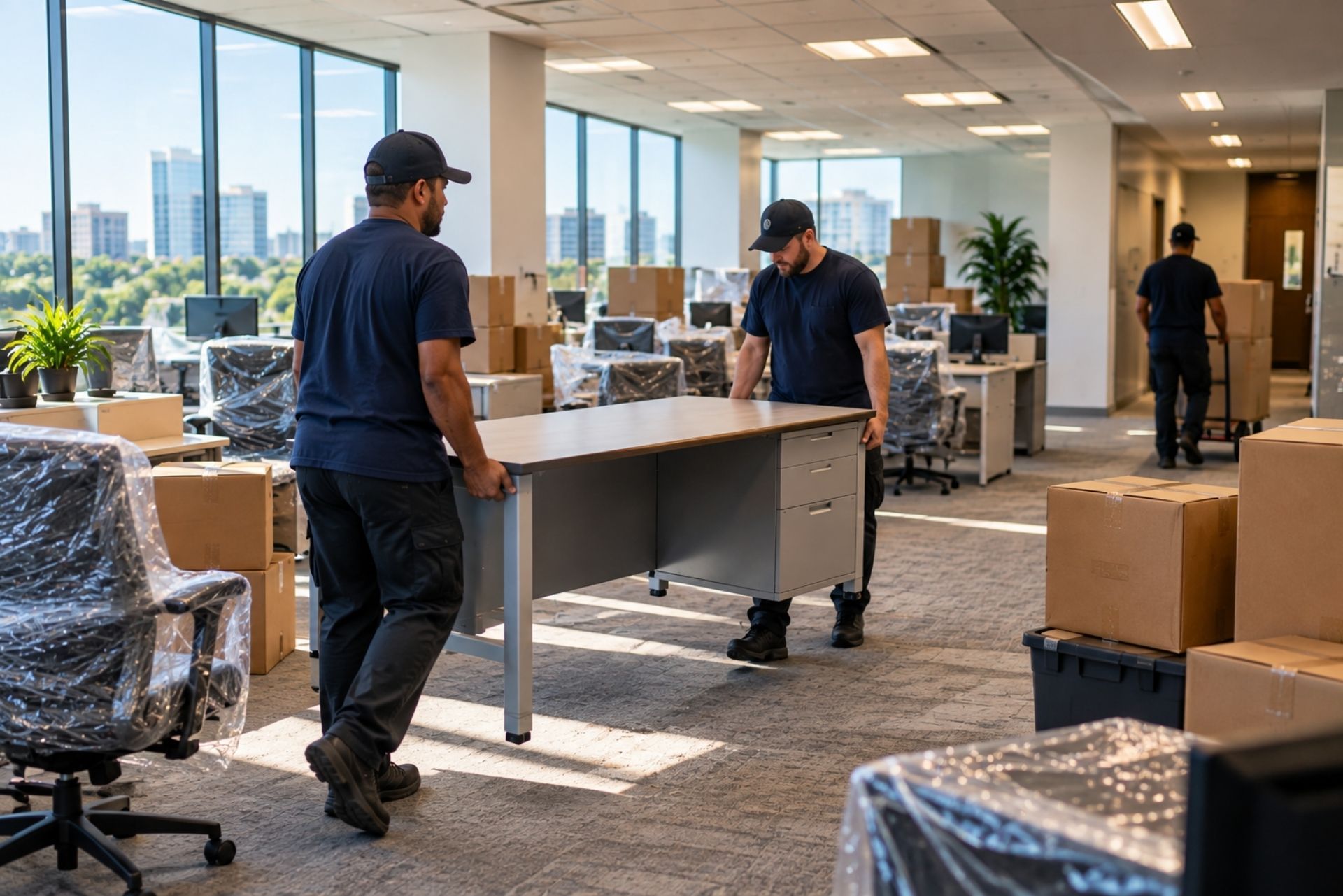
General liability is your first line of defense against claims from people outside your company. If a mover accidentally damages a client's office lobby while wheeling a desk through it, or if a visitor trips over moving blankets in a hallway, general liability responds. Most commercial movers carry $1 million per occurrence with a $2 million aggregate, though larger operations or contracts with corporate clients often require higher limits.
One mistake I see frequently: business owners assume general liability covers damage to the items they're moving. It doesn't. General liability handles third-party bodily injury and property damage to things you don't have in your care, custody, or control. The stuff on your truck requires a separate policy entirely, which we'll get to shortly.
Commercial Auto Insurance for Fleet Protection
Your trucks are the heart of your business, and they're also your biggest liability on any given day. Commercial auto insurance covers collision damage, liability for accidents your drivers cause, and medical payments for injured parties. A single at-fault accident involving a 26-foot box truck can easily generate six-figure claims between vehicle repairs, medical bills, and legal costs.
The policy should cover every vehicle in your fleet, including rented or leased trucks. If you use owner-operators, make sure their coverage meets your standards and that you're listed as an additional insured. Gaps in auto coverage are one of the fastest ways to lose everything you've built.
Workers' Compensation for Moving Crews
Moving is physically brutal work. Back injuries, knee problems, crushed fingers, heat exhaustion: these aren't rare events. They happen regularly. Workers' compensation covers medical expenses and lost wages for employees injured on the job, and it's required in nearly every state.
Beyond the legal requirement, workers' comp protects you from lawsuits. In most states, employees who receive workers' comp benefits give up the right to sue their employer for workplace injuries. Without it, a single serious injury could lead to a personal injury lawsuit that dwarfs any premium you'd have paid. Premiums are calculated based on your payroll and your experience modification rate (or "mod rate"), which reflects your claims history compared to similar businesses.

By: Mark Raby
Chief Executive Officer at Champion Risk & Insurance Services
Protecting High-Value Office Assets During Transit
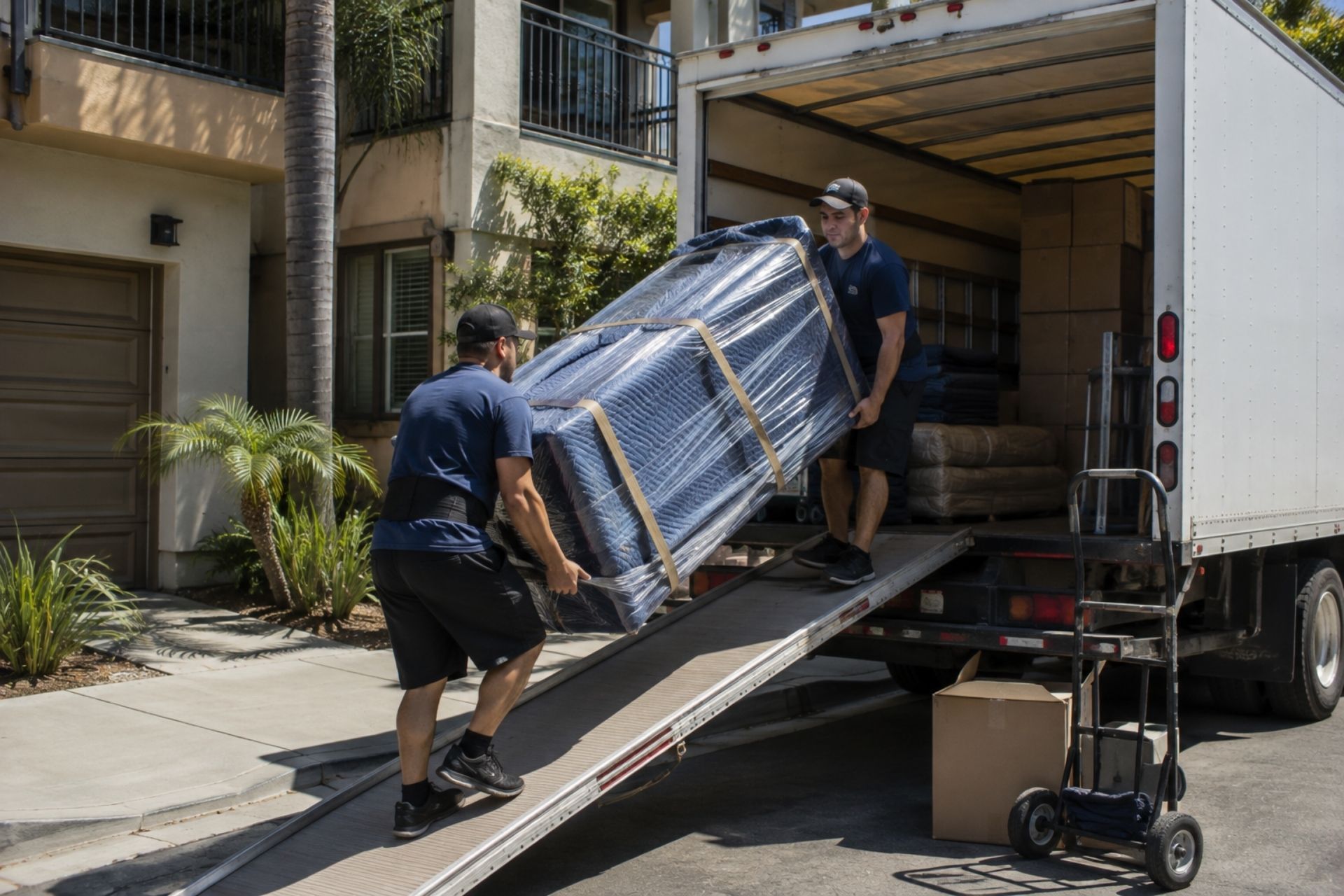
Protecting high-value office assets during transit is where insurance for commercial movers gets specialized. Office relocations involve equipment that's expensive, fragile, and often irreplaceable in the short term. A law firm's document servers, a hospital's imaging equipment, a tech company's prototype hardware: these items can be worth tens or hundreds of thousands of dollars each.
Standard liability policies won't cover property that's been entrusted to your care. You need specific coverage that follows the goods from pickup to delivery, and sometimes beyond. When evaluating what coverage you need, it helps to assess the full replacement value of the equipment you're transporting, not just its depreciated book value.
Cargo and Inland Marine Coverage
Cargo insurance protects the goods on your truck while they're in transit. Inland marine coverage is a broader version that can also cover items during loading, unloading, and temporary storage. For office and commercial movers, inland marine is usually the better fit because the risk doesn't stop the moment the truck starts moving.
Policies are typically written with per-shipment limits and annual aggregate caps. Premiums generally run between 0.3% and 1% of the total cargo value, depending on the types of goods you handle and your claims history. If you're regularly moving IT infrastructure or medical equipment, expect to be on the higher end of that range.
Bailee's Coverage for Stored Client Goods
Sometimes moves don't happen in a single day. Clients need storage-in-transit (SIT) when closing dates slip, renovations run long, or new office buildouts aren't finished on time. SIT periods typically range from 30 to 90 days, and during that window, you're responsible for whatever's in your warehouse.
Bailee's coverage protects client property while it's stored in your facility. This is distinct from your own commercial property insurance, which only covers things you own. If a pipe bursts in your warehouse and destroys a client's stored office furniture, bailee's coverage pays the claim. Without it, you're paying out of pocket.
Comparing Coverage: Standard vs. Specialized Moving Insurance
Not all insurance programs are built for the risks commercial movers actually face. A generic business owner's policy (BOP) might check a box for basic operations, but it usually falls short when claims involve cargo damage, multi-stop routes, or high-value equipment. Here's how standard and specialized coverage compare:
| Coverage Feature | Standard BOP/GL | Specialized Moving Insurance |
|---|---|---|
| Third-party bodily injury | Included | Included |
| Cargo/goods in transit | Excluded or minimal | Full coverage with adjustable limits |
| Inland marine | Not typically included | Available as core coverage |
| Bailee's/SIT coverage | Not included | Available |
| Loading/unloading damage | Often excluded | Covered |
| Multi-vehicle fleet rating | Limited options | Fleet-specific pricing |
| Claims handling expertise | General adjusters | Industry-specific adjusters |
The difference matters most at claims time. A general insurer might not understand why a $15,000 claim for a damaged MRI component is legitimate, while a broker experienced in moving and storage, like Champion Risk, can advocate for you with underwriters who know the industry. Getting the right policy structure from the start saves enormous headaches later.

Several variables determine what you'll pay for office and commercial movers insurance, and understanding them gives you real control over your costs. Insurers aren't just looking at what you do. They're looking at how you do it, how much you do it, and how well you've done it in the past.
The commercial insurance market has shown some softening in 2025 and 2026, but liability lines remain a concern for underwriters. That means your individual risk profile matters more than ever in getting competitive rates.
Fleet Size and Driver Safety Records
Every truck you add to your fleet increases your exposure, but the real cost driver is your drivers' records. A fleet of ten trucks with clean-record drivers will almost always cost less to insure than a fleet of five trucks with drivers who have accidents or moving violations. Insurers pull MVR (motor vehicle record) reports on every driver, and a single DUI or at-fault accident can spike your premium by 20% to 40%.
Investing in driver safety training and telematics isn't just a feel-good move. It directly reduces your insurance costs. Champion Risk often works with clients to implement driver training programs that satisfy underwriter requirements and qualify for premium credits.
Annual Revenue and Payroll Totals
Your revenue and payroll are the base numbers insurers use to calculate premiums for general liability and workers' compensation, respectively. Higher revenue means more jobs, more truck miles, and more exposure. Higher payroll means more employees who could get hurt on the job.
One thing to keep in mind: if your revenue spikes during peak moving season (typically May through September), your insurer may audit your policy at renewal and charge additional premium if your actual numbers exceeded your estimates. Accurate forecasting at policy inception prevents surprise bills later. Work with a broker who understands seasonal fluctuations in the moving industry so your estimates reflect reality.
Common Questions About Commercial Moving Insurance
Here are the questions moving company owners ask most often when shopping for coverage.
Does my client's homeowners or business insurance cover their goods during a move? Usually not in any meaningful way. Most homeowners policies cap coverage for items in transit at around 10% of the personal property limit, and commercial property policies often exclude goods once they leave the premises. Your clients are counting on your coverage.
How much does cargo insurance cost for a commercial moving company? Expect to pay between 0.3% and 1% of total cargo value annually. A company regularly transporting $500,000 worth of goods might pay $1,500 to $5,000 per year for cargo coverage, depending on claims history and cargo types.
What's the difference between released value and full value protection? Released value is the federal minimum: $0.60 per pound per article. That means a 50-pound monitor worth $2,000 would only be covered for $30. Full value protection requires the mover to repair, replace, or reimburse the current market value of damaged items.
Do I need separate insurance for interstate and intrastate moves? Yes, in most cases. Interstate movers must meet FMCSA requirements, while intrastate movers follow state-specific regulations. Some states have their own minimum coverage thresholds that differ from federal standards.
What red flags should clients watch for when hiring movers? Unmarked vehicles, no company uniforms, no physical business address, and quotes that seem too low are all warning signs. Legitimate movers carry verifiable insurance and can provide certificates of coverage on request.
Does commercial auto insurance cover rented trucks?
It depends on your policy. Some commercial auto policies extend to rented or hired vehicles automatically, while others require a hired and non-owned auto endorsement. Check your policy language before renting.
Making the Right Choice for Your Moving Business
The insurance program you build today determines whether your company survives its worst day. A dropped server, a truck accident, a warehouse flood: these aren't hypothetical scenarios. They're Tuesday for someone in the moving industry.
Start by getting honest about your actual risks. What's the most expensive single item you've ever moved? What's your worst-case scenario for a truck accident? How many employees are doing physically demanding work every day? Your answers should shape your coverage, not the other way around.
A broker with deep experience in the moving and storage sector, like Champion Risk, can audit your current program, identify gaps, and build a policy structure that reflects how your business actually operates. The average business interruption claim continues to rise year over year, which means the cost of being underinsured keeps climbing too.
Don't wait for a claim to find out your coverage falls short. Review your policies annually, document every shipment with photos and a detailed bill of lading, and work with a brokerage that knows the difference between a moving company and a trucking company. The right insurance isn't an expense. It's the thing that keeps your business alive.
About the Author:
Mark Raby
I am a seasoned insurance professional with over 30 years of experience in the industry. I lead Champion Risk & Insurance Services, a San Diego-based brokerage with nationwide reach and strong influence in the insurance marketplace. My core competencies include insurance agency M&A deals, captives and alternative risk structures, and commercial property and casualty insurance for clients in the transportation and logistics industries. I am a former president of IIAB San Diego and hold a Bachelor of Science in Finance from Western Michigan University’s Haworth College of Business.
Protection for Transportation Operations
Business Insurance for Transportation & Logistics Companies
Coverage designed specifically for transportation businesses
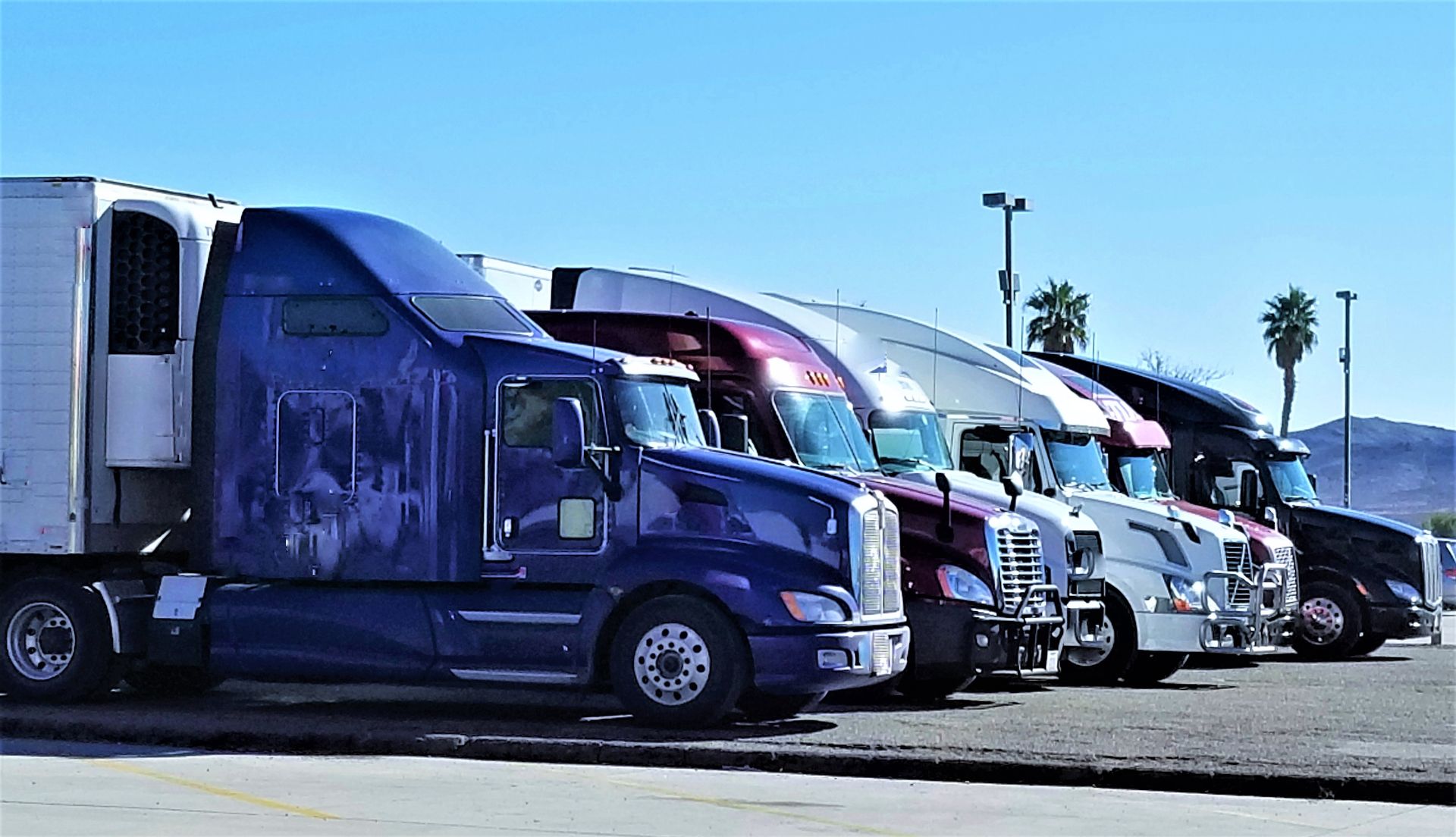
Commercial Auto & Trucking
Protection for your fleet including box trucks, moving vans, and trailers. Covers liability, collision, physical damage, and hired or non-owned vehicles used in your operations.
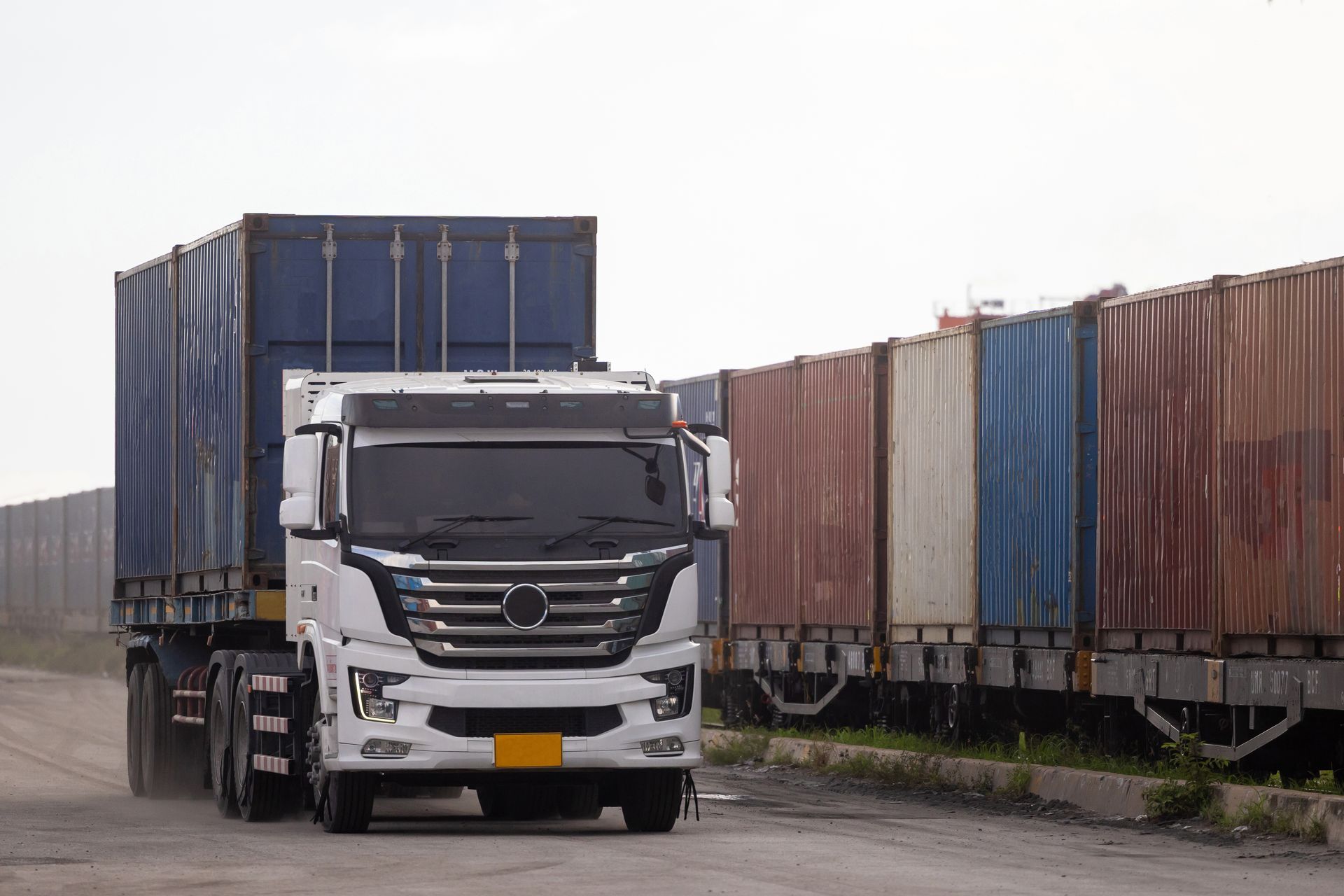
Motor Truck Cargo
Covers household goods and freight during transport from pickup to delivery. Protects against damage, theft, mysterious disappearance, and weather-related losses while cargo is in your care.

General Liability
Protection from third-party claims for bodily injury and property damage at customer homes, job sites, and your own facility. Essential coverage for every transportation operation

Warehouse Legal Liability
Coverage for customer property while stored in your facility. Protects against damage, theft, fire, and water damage to goods in your care, custody, or control.

Workers' Compensation
Medical care and wage replacement for employees injured on the job. Required in most states for transportation and warehouse work where physical labor creates higher injury risk.

Umbrella & Excess Liability
Higher liability limits stacked on top of your primary policies. Helps meet large contract requirements and protects your business assets against major claims and lawsuits.
Specialized Knowledge
Industries We Protect
Focused coverage for transportation and logistics businesses


Simple and Clear
How Our Process Works
Our process to get you covered
Connect With Us
Reach out through our form or by phone to share your business needs and current coverage situation.
Get Coverage Options
We review your risks, compare carriers, and present clear quotes with plain-language explanations.
Stay Protected
You choose your plan, and we provide ongoing support for certificates, claims, and renewals.
Trusted by Businesses
Feedback That Reflects Service and Reliability
What our clients say about working with Champion Risk
Answers You Need
Frequently Asked Questions
Common questions about transportation and logistics insurance




What insurance does a transportation company need to operate legally?
Motor carriers that cross state lines must meet FMCSA requirements. You need a minimum of $750,000 in liability coverage, plus a BMC-91 filing that proves your insurance to the federal government. Cargo coverage is also required, with minimums that depend on the type of goods you transport.
Intrastate operators follow state-specific rules. California, Texas, and Florida each have different requirements. Champion Risk handles both federal and state filings. We make sure your coverage meets legal minimums and your certificates reach the right agencies.
How much does commercial transportation insurance cost?
Premiums depend on your fleet size, driving records, cargo values, and claims history. A small operation with two trucks might pay $8,000 to $15,000 per year. A larger carrier with ten trucks could pay $50,000 to $100,000 or more.
The best way to control costs is working with a broker who knows transportation insurance. We find carriers that specialize in your exact operation type. This often results in better rates than going direct or using a general agent who doesn't understand the industry.
What is a BMC-91 filing and why do I need one?
A BMC-91 is a form your insurance company files with the FMCSA. It proves you carry the required liability coverage to operate as a for-hire motor carrier. Without an active BMC-91, your operating authority can be revoked.
Champion Risk works with carriers who file electronically. Your BMC-91 typically posts within 24 to 48 hours of binding coverage. We monitor your filing status and alert you if anything needs attention.
Does my warehouse or storage facility need different insurance than a trucking operation?
Yes. Storage facilities need warehouse legal liability coverage. This protects you when customer property is damaged or stolen while in your care. Standard general liability policies exclude this exposure.
You may also need property coverage for your building, equipment breakdown protection, and business income coverage if a fire or disaster shuts down operations. Champion Risk builds storage facility programs that address all these risks in one package.
Can you insure last-mile delivery drivers who use their own vehicles?
Yes. We offer hired and non-owned auto coverage for delivery operations that use independent contractors or employees driving personal vehicles. This fills gaps that personal auto policies don't cover during commercial use.
We also provide occupational accident coverage for 1099 drivers who aren't eligible for workers' comp. This protects your drivers and limits your liability exposure when accidents happen.
How fast can I get proof of insurance for a new contract?
Same day in most cases. Once we bind your policy, we issue certificates of insurance within hours. If your contract requires specific additional insured language or special endorsements, we coordinate directly with the carrier.
Rush requests happen often in this industry. General contractors and corporate clients demand certificates before they let you on site. Champion Risk prioritizes fast turnaround because we know your revenue depends on it.

Answers You Need
Transportation & Logistics Insurance Resources
Articles designed to inform and support your business
Contact Us
Phone Number:
Email Address:
Location:
12264 El Camino Real, Suite 350
San Diego, CA 92130
Hours:
Monday – Friday: 8:00 AM – 6:00 PM PT