
A single scratched dresser on a cross-country move can trigger a claim worth thousands. A crew member who throws out their back loading a piano in Texas might file a workers' comp claim in Ohio. And if your FMCSA filings lapse for even a day, you could face federal penalties and lose your operating authority entirely. The insurance program for a long distance moving company isn't just one policy: it's a web of federal filings, liability coverages, storage protections, and state-mandated workers' compensation that all need to work together.
Most moving company owners understand they need "insurance," but the specifics get murky fast. Which federal forms do you actually file? What's the real difference between released value and full value protection? Does your warehouse policy cover goods sitting in storage between pickup and delivery? These are the questions that separate well-protected operations from companies one bad claim away from closing their doors.
This piece breaks down the major insurance components for interstate movers: FMCSA filings,
cargo liability, commercial auto,
warehouse storage, workers' comp, and the policy limits that tie everything together. Whether you're launching a new interstate operation or auditing an existing program, the details here will help you identify gaps before they become expensive lessons.
Understanding FMCSA Federal Filing Requirements for Interstate Movers
Understanding FMCSA federal filing requirements for interstate movers is the first step before any truck crosses a state line. The Federal Motor Carrier Safety Administration requires specific insurance filings before granting or maintaining operating authority. Miss a filing, and your authority can be revoked, your trucks sidelined, and your contracts voided.
These aren't optional add-ons. They're the legal foundation your entire business sits on. Two filings matter most for household goods carriers: the BMC-91X for bodily injury and property damage liability, and the BMC-34 for cargo coverage.
BIPD and the BMC-91X Filing Process
The BMC-91X is proof that your insurance company has filed evidence of financial responsibility with the FMCSA on your behalf. It covers bodily injury and property damage (BIPD) liability, and the minimum required amount is $750,000 for carriers operating vehicles under 10,001 pounds, with higher thresholds for larger fleets. Your insurer files this form directly with the FMCSA: you can't do it yourself.
One common mistake? Switching insurance carriers without confirming the new company has filed the replacement BMC-91X. There's a 30-day cancellation notice period, and if the new filing doesn't land before the old one expires, your operating authority goes inactive. Champion Risk handles these transitions regularly for moving clients and flags timing issues before they become compliance gaps.
BMC-34 Cargo Filings for Household Goods Carriers
The BMC-34 filing proves you carry cargo insurance sufficient to cover the household goods you transport. This is separate from your auto liability filing and specifically protects customer property. The FMCSA requires household goods carriers to maintain minimum cargo coverage, and this filing confirms it.
Your cargo insurer files the BMC-34 on your behalf, similar to the BMC-91X process. If you're using a surplus lines carrier or a specialty program, make sure they're willing and able to make this federal filing: not all carriers do. A lapse here can result in your USDOT number being flagged and your authority suspended.


By: Mark Raby
Chief Executive Officer at Champion Risk & Insurance Services
Core Coverage: Commercial Auto and Cargo Legal Liability
Core coverage for interstate movers includes commercial auto and cargo legal liability, and these two policies do very different jobs. Your commercial auto policy covers accidents involving your trucks. Your cargo policy covers what's inside them. Confusing the two, or underinsuring either, is one of the fastest ways to get into financial trouble.
Primary Liability Limits for Long-Haul Operations
Most interstate movers carry $1 million in combined single limit (CSL) commercial auto liability, though the federal minimum sits at $750,000 for non-hazmat carriers. If you're running 26-foot trucks through dense metro corridors, $1 million is really the floor, not the ceiling. A serious accident on I-95 involving injuries to multiple parties can blow through a million-dollar policy before the legal fees even start.
Your commercial auto policy should also include hired and non-owned auto coverage if you ever rent additional trucks during peak season. Physical damage coverage for your own fleet (collision and comprehensive) is optional but smart: replacing a $90,000 truck out of pocket isn't something most operators can absorb.
Motor Truck Cargo: Protecting Customer Goods in Transit
Motor truck cargo insurance protects the goods you're hauling if they're damaged, destroyed, or stolen during transit. This is your financial backstop when a customer's antique china arrives in pieces or a shipment disappears from a loading dock. Policies typically cover perils like collision, fire, theft, and overturning, but exclusions vary widely.
Pay attention to your deductible structure and per-shipment limits. A $50,000 per-occurrence limit might sound adequate until you're moving a household valued at $150,000. Champion Risk often structures cargo insurance programs for movers with tiered limits that match actual shipment values rather than arbitrary caps.
Comparison: Basic Legal Liability vs. Full Value Protection
Federal law mandates two levels of liability for interstate household goods moves. Released Value Protection covers goods at just $0.60 per pound per article. That means a 50-pound flat-screen TV worth $2,000 gets you a $30 payout. Full Value Protection typically covers items at their current replacement value, though carriers can set deductibles.
Here's the practical impact: if you only offer released value, your customers bear almost all the financial risk. If you offer full value protection (which you're required to make available), your cargo insurance needs to support those higher claim payouts. The gap between these two options is where most customer disputes and bad reviews originate.
Managing Risks Beyond the Road: Warehouse and Workers' Comp
Managing risks beyond the road means covering what happens when goods aren't moving and when your crew gets hurt. These two areas, warehouse storage and workers' compensation, often get less attention than auto and cargo policies, but they generate plenty of claims.
Warehouse Legal Liability for Storage-in-Transit (SIT)
Storage-in-transit, or SIT, kicks in when a customer's belongings need to sit in your warehouse between pickup and delivery. This happens constantly: closing dates don't align, new construction runs behind schedule, or a customer simply isn't ready. SIT periods typically range from 30 to 90 days, though some extend longer.
Your motor truck cargo policy usually stops covering goods once they're placed in storage. That's where warehouse legal liability picks up. This policy covers damage from fire, water, theft, and other covered perils while goods sit in your facility. If your warehouse floods and ruins $200,000 worth of customer belongings, your cargo policy won't save you: your warehouse policy will.
Make sure your warehouse legal liability limits match your actual storage capacity. If you can hold 40 shipments averaging $30,000 each, you need at least $1.2 million in warehouse coverage, not the $500,000 minimum some carriers default to.
Workers' Compensation for Multi-State Moving Crews
Workers' compensation for multi-state moving crews is complicated because each state sets its own rules, rates, and reporting requirements. A crew that picks up in New Jersey, drives through Pennsylvania, and delivers in Virginia may trigger workers' comp obligations in all three states. Most interstate movers need a policy with coverage listed for every state where they operate or even pass through.
The good news? Workers' comp rates in many states have been declining steadily, with some states posting their ninth consecutive year of rate decreases. The bad news? Moving is still classified as a high-risk occupation, so your experience modification factor (mod rate) matters enormously. A clean safety record can cut your premiums significantly, while a string of back injuries can double them.
Misclassifying employees as independent contractors to avoid workers' comp is a trap that catches up with movers eventually. State audits are increasingly aggressive, and a single workplace injury involving an uninsured "contractor" can result in penalties, lawsuits, and even criminal charges.

Comparison of Standard Moving Insurance Limits
| Coverage Type | Minimum/Standard Limit | Recommended Limit | Notes |
|---|---|---|---|
| Commercial Auto (BIPD) | $750,000 CSL | $1,000,000+ CSL | Higher limits for metro operations |
| Motor Truck Cargo | $5,000 per shipment | $50,000 - $250,000 per shipment | Match to actual shipment values |
| Warehouse Legal Liability | Varies by state | $500,000 - $2,000,000+ | Based on total stored goods value |
| Workers' Compensation | State-mandated | Statutory limits + $1M employer's liability | Multi-state endorsements needed |
| Released Value (Customer) | $0.60/lb per article | N/A | Federal minimum, no additional cost |
| Full Value Protection (Customer) | Replacement value | Varies by declared value | Carrier sets deductible |
| General Liability | $1,000,000 per occurrence | $2,000,000 aggregate | Covers slip-and-fall at customer homes |
This table reflects typical 2026 market standards. Your actual limits should be based on fleet size, revenue, storage capacity, and the value of goods you typically handle. A company moving executive households averaging $200,000 in declared value needs a very different program than one handling studio apartments.
Common Questions About Moving and Storage Insurance
Does my homeowner's insurance cover my belongings during a move? Most homeowner's policies cap coverage for personal property in transit at around 10% of your total coverage amount, and many exclude professional moves entirely. Don't assume you're covered: check your policy's specific language around property in transit before moving day.
What's the difference between released value and full value protection? Released value covers your goods at $0.60 per pound per item, which almost never reflects actual value. Full value protection covers items at replacement cost or current market value, with a deductible set by the carrier.
Do I need separate insurance for goods stored in a warehouse? Yes. Your cargo policy typically covers goods only while they're on the truck. Once items enter a warehouse, you need warehouse legal liability coverage.
How do I verify a mover's insurance and FMCSA filings? Search the carrier's USDOT number on the FMCSA's SAFER system. Active BMC-91X and BMC-34 filings should appear. If they don't, that's a major red flag for an unlicensed or underinsured operation.
Can I buy third-party moving insurance instead of relying on the mover's coverage? Yes. Several third-party providers offer transit protection policies that can supplement or replace the mover's basic released value coverage. Standard credit card purchase protections typically do not cover household moves.
What red flags indicate an uninsured mover?
Watch for unmarked vehicles, no company uniforms, quotes significantly below market rate, no physical business address, and an inability to provide their USDOT number or proof of insurance on request.
Before You Buy a Policy
Getting the insurance right for an interstate moving operation isn't about buying one policy and forgetting about it. It's about building a coordinated program where your FMCSA filings, cargo coverage, commercial auto, warehouse liability, and workers' comp all work together without gaps.
The most common mistake Champion Risk sees with new moving clients is piecemeal coverage: an auto policy from one carrier, cargo from another, and no warehouse coverage at all. When a claim hits, these disconnected policies create finger-pointing between insurers and leave the mover holding the bill.
Start by auditing what you actually have. Pull your FMCSA filings and confirm they're active. Review your cargo limits against your typical shipment values and identify coverage shortfalls. Check that your workers' comp lists every state where your crews operate. Document everything before goods go on the truck: photographs, timestamped video, and a detailed Bill of Lading protect you against inflated or fraudulent claims.
If you're unsure where the gaps are, work with a brokerage that specializes in moving and storage risks. A generalist agent who mostly writes restaurant policies isn't going to catch the nuances of multi-state workers' comp or SIT coverage triggers. Get it right before the claim, not after.
About the Author:
Mark Raby
I am a seasoned insurance professional with over 30 years of experience in the industry. I lead Champion Risk & Insurance Services, a San Diego-based brokerage with nationwide reach and strong influence in the insurance marketplace. My core competencies include insurance agency M&A deals, captives and alternative risk structures, and commercial property and casualty insurance for clients in the transportation and logistics industries. I am a former president of IIAB San Diego and hold a Bachelor of Science in Finance from Western Michigan University’s Haworth College of Business.
Protection for Transportation Operations
Business Insurance for Transportation & Logistics Companies
Coverage designed specifically for transportation businesses
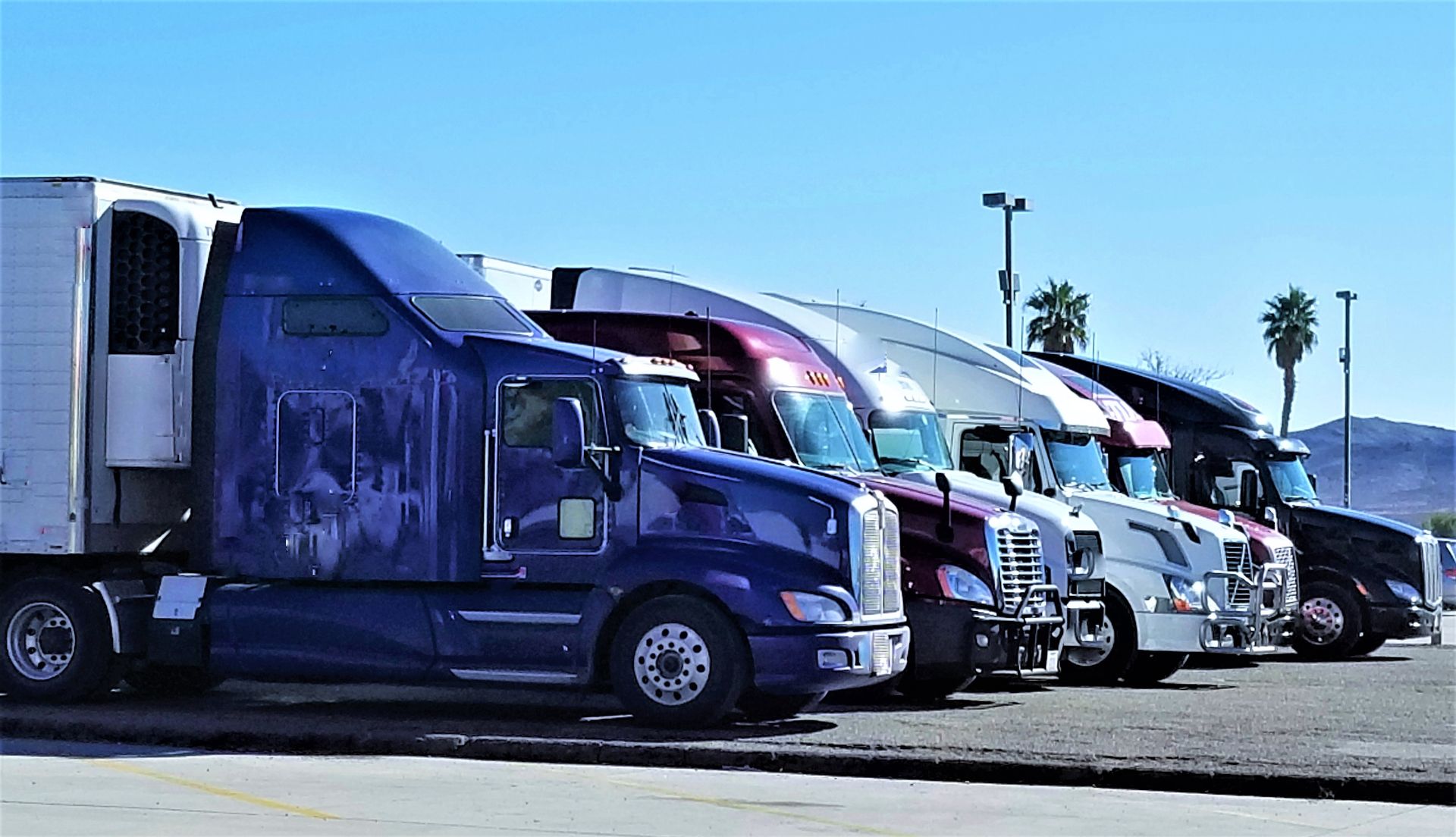
Commercial Auto & Trucking
Protection for your fleet including box trucks, moving vans, and trailers. Covers liability, collision, physical damage, and hired or non-owned vehicles used in your operations.
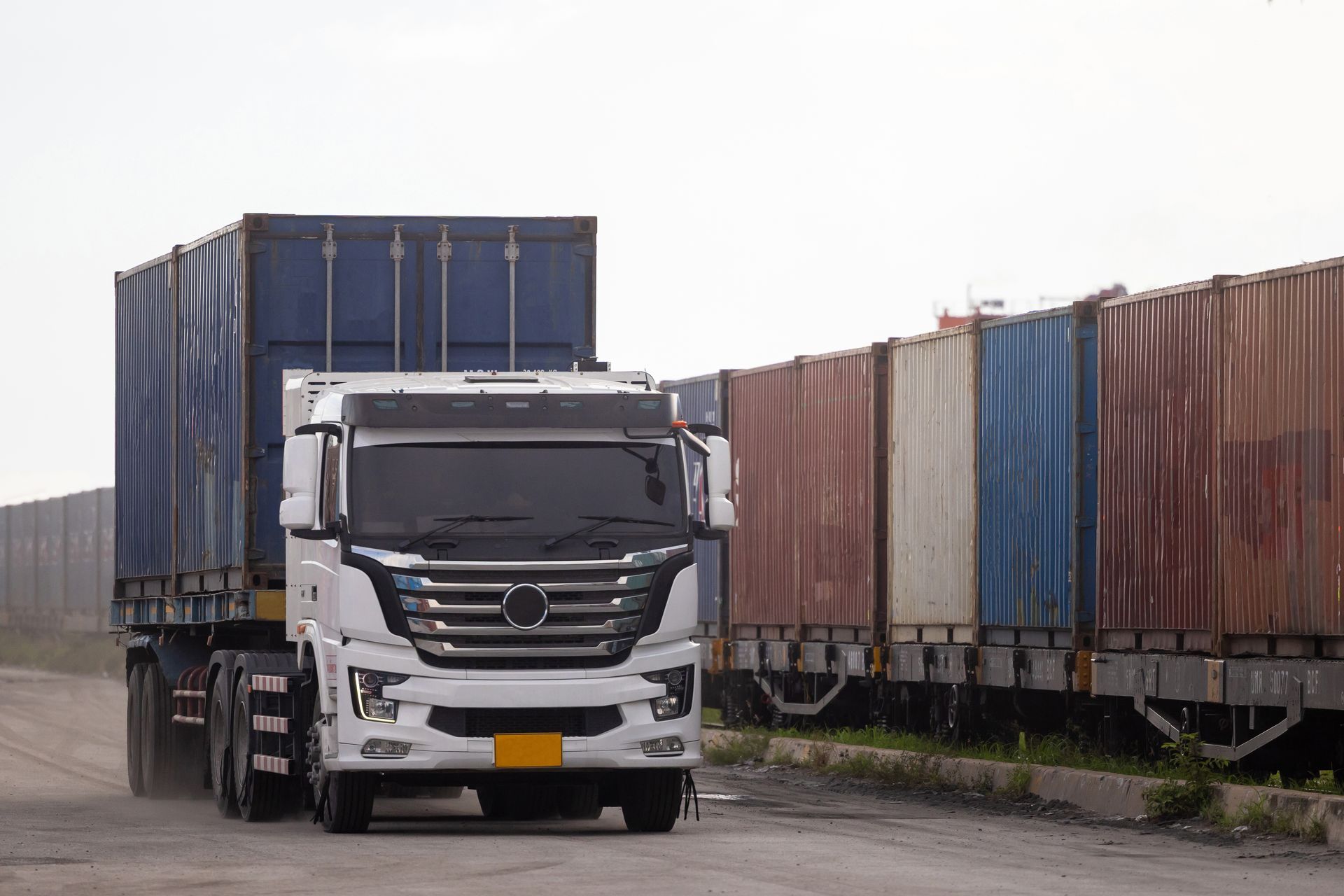
Motor Truck Cargo
Covers household goods and freight during transport from pickup to delivery. Protects against damage, theft, mysterious disappearance, and weather-related losses while cargo is in your care.

General Liability
Protection from third-party claims for bodily injury and property damage at customer homes, job sites, and your own facility. Essential coverage for every transportation operation

Warehouse Legal Liability
Coverage for customer property while stored in your facility. Protects against damage, theft, fire, and water damage to goods in your care, custody, or control.

Workers' Compensation
Medical care and wage replacement for employees injured on the job. Required in most states for transportation and warehouse work where physical labor creates higher injury risk.

Umbrella & Excess Liability
Higher liability limits stacked on top of your primary policies. Helps meet large contract requirements and protects your business assets against major claims and lawsuits.
Specialized Knowledge
Industries We Protect
Focused coverage for transportation and logistics businesses


Simple and Clear
How Our Process Works
Our process to get you covered
Connect With Us
Reach out through our form or by phone to share your business needs and current coverage situation.
Get Coverage Options
We review your risks, compare carriers, and present clear quotes with plain-language explanations.
Stay Protected
You choose your plan, and we provide ongoing support for certificates, claims, and renewals.
Trusted by Businesses
Feedback That Reflects Service and Reliability
What our clients say about working with Champion Risk
Answers You Need
Frequently Asked Questions
Common questions about transportation and logistics insurance




What insurance does a transportation company need to operate legally?
Motor carriers that cross state lines must meet FMCSA requirements. You need a minimum of $750,000 in liability coverage, plus a BMC-91 filing that proves your insurance to the federal government. Cargo coverage is also required, with minimums that depend on the type of goods you transport.
Intrastate operators follow state-specific rules. California, Texas, and Florida each have different requirements. Champion Risk handles both federal and state filings. We make sure your coverage meets legal minimums and your certificates reach the right agencies.
How much does commercial transportation insurance cost?
Premiums depend on your fleet size, driving records, cargo values, and claims history. A small operation with two trucks might pay $8,000 to $15,000 per year. A larger carrier with ten trucks could pay $50,000 to $100,000 or more.
The best way to control costs is working with a broker who knows transportation insurance. We find carriers that specialize in your exact operation type. This often results in better rates than going direct or using a general agent who doesn't understand the industry.
What is a BMC-91 filing and why do I need one?
A BMC-91 is a form your insurance company files with the FMCSA. It proves you carry the required liability coverage to operate as a for-hire motor carrier. Without an active BMC-91, your operating authority can be revoked.
Champion Risk works with carriers who file electronically. Your BMC-91 typically posts within 24 to 48 hours of binding coverage. We monitor your filing status and alert you if anything needs attention.
Does my warehouse or storage facility need different insurance than a trucking operation?
Yes. Storage facilities need warehouse legal liability coverage. This protects you when customer property is damaged or stolen while in your care. Standard general liability policies exclude this exposure.
You may also need property coverage for your building, equipment breakdown protection, and business income coverage if a fire or disaster shuts down operations. Champion Risk builds storage facility programs that address all these risks in one package.
Can you insure last-mile delivery drivers who use their own vehicles?
Yes. We offer hired and non-owned auto coverage for delivery operations that use independent contractors or employees driving personal vehicles. This fills gaps that personal auto policies don't cover during commercial use.
We also provide occupational accident coverage for 1099 drivers who aren't eligible for workers' comp. This protects your drivers and limits your liability exposure when accidents happen.
How fast can I get proof of insurance for a new contract?
Same day in most cases. Once we bind your policy, we issue certificates of insurance within hours. If your contract requires specific additional insured language or special endorsements, we coordinate directly with the carrier.
Rush requests happen often in this industry. General contractors and corporate clients demand certificates before they let you on site. Champion Risk prioritizes fast turnaround because we know your revenue depends on it.

Answers You Need
Transportation & Logistics Insurance Resources
Articles designed to inform and support your business
Contact Us
Phone Number:
Email Address:
Location:
12264 El Camino Real, Suite 350
San Diego, CA 92130
Hours:
Monday – Friday: 8:00 AM – 6:00 PM PT