Moving and Storage Company Business Interruption Insurance
Or Call Us:
(800) 829-0807
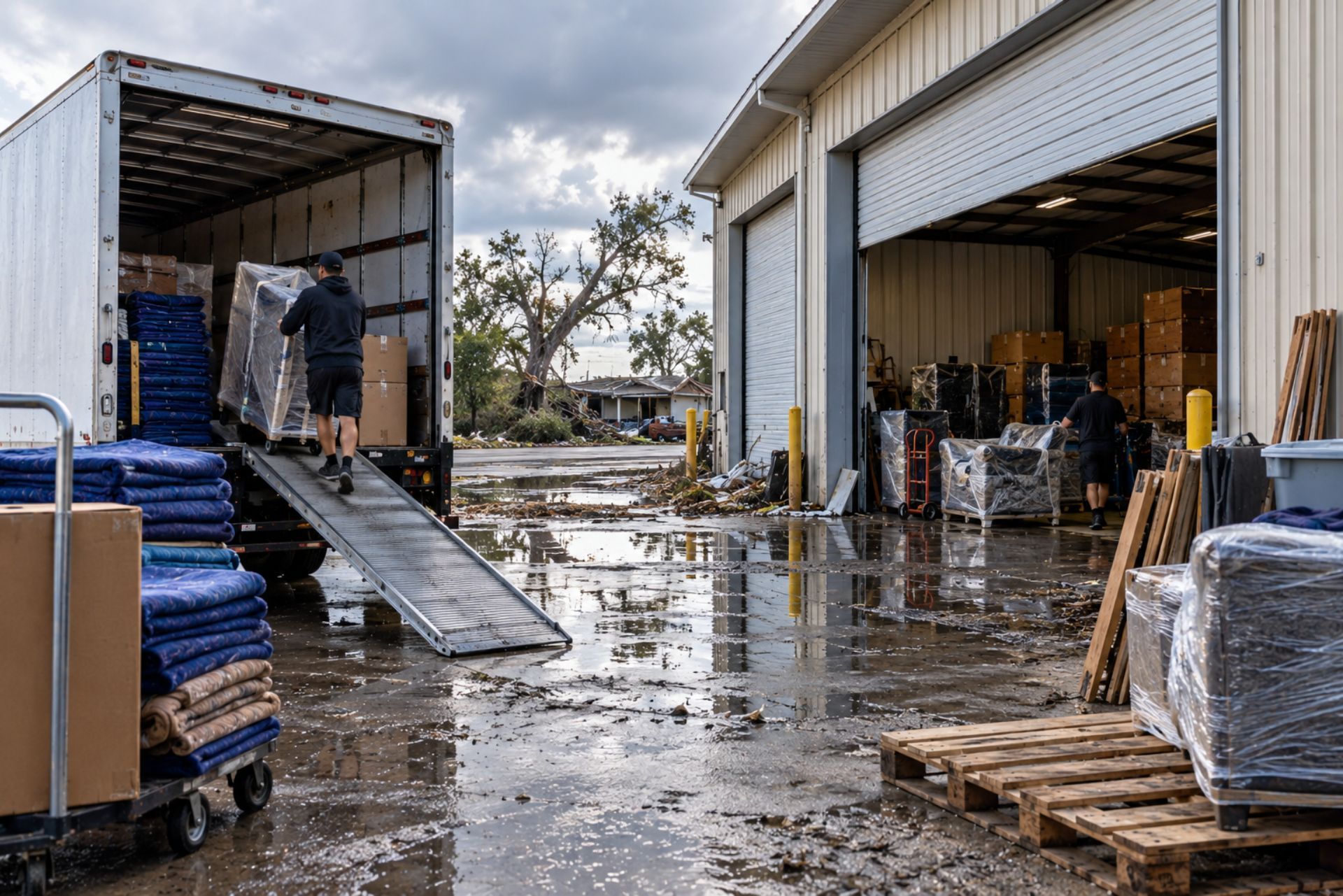
A warehouse fire shuts down your storage facility for three months. Your fleet sits idle. Customers cancel contracts, and your fixed costs keep piling up: rent, payroll, insurance premiums, loan payments. Your property insurance covers rebuilding the warehouse, but who covers the revenue you're hemorrhaging every single day the doors stay closed?
This is the exact scenario that business interruption insurance for
moving and storage companies is designed to address. And yet, most moving company owners either skip this coverage entirely or carry limits so low they'd barely cover two weeks of lost income. The moving industry saw significant operational shifts in 2026, with rising fuel costs and labor expenses making even short shutdowns financially devastating. If your warehouse goes dark or your
fleet gets sidelined, the gap between what property insurance pays and what your business actually needs to survive can be enormous. Understanding waiting periods, extra expense provisions, coverage limits, and the claims process isn't optional: it's the difference between reopening and closing permanently.
Understanding Business Interruption for Moving and Storage
Business interruption insurance for moving and storage operations replaces lost net income and covers continuing fixed expenses when a covered event forces you to stop or reduce operations. Think of it as paycheck protection for your company. If a fire, storm, burst pipe, or other covered peril shuts down your warehouse or damages your trucks, this coverage fills the financial hole until you're back on your feet.
For moving and storage companies specifically, the exposure is layered. You're not just losing revenue from moves you can't perform. You're also losing recurring monthly storage fees, potentially hundreds of customer accounts that may leave permanently, and the goodwill you've spent years building. A standard commercial property policy will pay to repair or replace the building and its contents, but it won't replace the income stream those assets were generating.
The Role of Covered Perils in Warehouse Operations
Your business interruption coverage only kicks in when the shutdown is caused by a peril listed in your underlying property policy. For most moving companies, that means fire, lightning, windstorm, hail, explosion, vandalism, and certain water damage events. If your warehouse roof collapses under snow load and you can't accept or release stored goods for six weeks, you have a valid claim.
The catch is what's excluded. Flood and earthquake are almost never included in a standard property policy, so business interruption won't respond to those events either unless you've purchased separate flood or earthquake coverage with a BI endorsement. Cyberattacks are another growing concern: food distribution companies have already experienced supply chain disruptions from cyber events, and moving companies with digital inventory systems face similar risks.
Why Standard Property Insurance Isn't Enough
Standard property insurance pays to fix the building and replace damaged equipment. That's it. It doesn't cover the $45,000 in monthly storage fees you're not collecting while the building is being repaired. It doesn't cover the $80,000 moving contract you lost because your trucks were trapped in a collapsed loading dock.
Moving companies carry high fixed overhead relative to their margins. Truck payments, warehouse leases, driver salaries, and insurance premiums don't pause because your operation does. Without business interruption coverage, even a well-capitalized moving company can burn through its reserves in 60 to 90 days.

By: Mark Raby
Chief Executive Officer at Champion Risk & Insurance Services
The Impact of Waiting Periods and Time Elements
Every business interruption policy includes a waiting period, sometimes called an elimination period or time deductible. This is the number of hours or days after a covered loss before coverage begins paying. Think of it like a deductible, but measured in time instead of dollars.
How the 24 to 72-Hour Deductible Works
Most policies for moving and storage companies carry waiting periods between 24 and 72 hours. Some carriers offer 48-hour waiting periods as a standard option, while others default to 72 hours and let you buy down to 24 hours for an additional premium.
Here's what that means in practice. If your warehouse suffers fire damage on Monday morning and you have a 72-hour waiting period, the policy doesn't start paying until Thursday morning. Any income lost during those first three days comes out of your pocket. For a mid-size storage operation billing $1,500 per day in storage fees alone, that's $4,500 in unrecovered losses before the policy even activates. Choosing a shorter waiting period costs more in premium, but the math often favors it, especially for companies with high daily revenue.
Extended Period of Indemnity for Revenue Recovery
The standard period of restoration ends when your property is physically repaired. But here's the problem: customers don't come flooding back the moment you reopen. It can take three to six months for a moving company to rebuild its customer base and contract pipeline after a prolonged shutdown.
An extended period of indemnity endorsement continues paying lost income for a set period, typically 30 to 180 days, after repairs are complete. This is one of the most underused provisions in the moving industry. Champion Risk frequently recommends at least a 90-day extended indemnity period for storage-heavy operations, because business insurance limits that seemed adequate before a loss often fall short when inflation and recovery timelines are factored in.
Extra Expense Coverage: Keeping the Fleet Moving
Extra expense coverage pays for costs above your normal operating expenses that you incur to keep the business running during a covered loss. For moving companies, this is often just as important as the lost income component.
Renting Temporary Warehouse Space
If your primary warehouse is damaged, you may need to rent temporary storage space to house customer goods. That temporary space might cost two or three times what you normally pay, especially if you need climate-controlled units on short notice. Extra expense coverage picks up the difference between your normal occupancy cost and the emergency rental rate.
One scenario we see regularly: a moving company's 20,000-square-foot warehouse suffers water damage, and the company scrambles to secure portable storage containers and a temporary facility across town. The monthly cost jumps from $8,000 to $22,000. Without extra expense coverage, that $14,000 monthly gap comes directly from operating capital.
Subcontracting and Expediting Costs
When your fleet is sidelined, you may need to subcontract moves to other carriers to fulfill existing contracts. Those subcontractors charge retail rates, and your margins evaporate. Extra expense coverage can reimburse the premium you're paying over what the moves would have cost using your own crews and trucks.
Expediting costs also fall under this umbrella. If you need to pay overtime to get your warehouse back online faster, or if you hire a specialized restoration company to accelerate repairs, those above-normal costs are typically covered. The key is documenting everything: every receipt, every subcontractor invoice, every expedited shipping charge.

Calculating Coverage Limits and Valuation
Getting the coverage limit right is where most moving companies stumble. Set it too low and you'll exhaust the policy before repairs are done. Set it too high and you're overpaying for coverage you'll never collect.
Projecting Monthly Net Income and Fixed Expenses
Your coverage limit should reflect 12 to 18 months of net income plus continuing fixed expenses. Start with your annual revenue, subtract variable costs that would stop during a shutdown (fuel, packing materials, hourly labor), and add back fixed costs that continue regardless (rent, loan payments, salaried employees, insurance premiums).
| Component | Example Annual Amount | Included in BI Limit? |
|---|---|---|
| Gross Revenue | $2,400,000 | Yes (net of variable costs) |
| Variable Costs (fuel, materials) | $720,000 | No (these stop during shutdown) |
| Fixed Costs (rent, salaries, loans) | $960,000 | Yes |
| Net Income | $720,000 | Yes |
| Recommended BI Limit (12 months) | $1,680,000 | - |
Commercial property premiums decreased by 5.5% in Q1 2026, while commercial auto premiums rose by 5.8%. This pricing environment makes it a good time to reassess your BI limits, since the cost of adequate coverage may be lower than you expect.
Comparison: Actual Loss Sustained vs. Valued Daily Limits
Most business interruption policies use an "actual loss sustained" valuation, meaning the insurer pays your documented actual losses up to the policy limit. Some policies offer a "valued daily limit" instead, paying a fixed dollar amount per day of shutdown regardless of actual losses.
Actual loss sustained is generally better for moving companies with variable revenue, because your losses during peak summer months will be much higher than during a slow January. A valued daily limit might underpay you during your busiest season. That said, valued policies are simpler to claim against and can work for small operations with predictable revenue.
Filing a business interruption claim for warehouse shutdowns requires more documentation than a standard property claim. You're not just proving what was damaged: you're proving what you would have earned.
Documenting Lost Storage Fees and Moving Contracts
Start building your claim file immediately. Pull your customer storage contracts, monthly billing records, and accounts receivable reports for the 12 months preceding the loss. Your insurer will want to see historical revenue patterns to validate your claim.
For lost moving contracts, gather signed estimates, booking confirmations, and any correspondence showing jobs you had to cancel or turn away. If you lost a $50,000 commercial relocation contract because your fleet was unavailable, that's a documentable loss. Champion Risk advises clients to maintain a "loss diary" starting on day one: a daily log of cancelled bookings, customer complaints, and operational disruptions. This diary becomes critical evidence during claims adjustment.
Avoiding Common Claim Denials
The most common reason business interruption claims get denied or reduced is insufficient documentation. Insurers aren't going to take your word for projected revenue. You need tax returns, financial statements, and ideally a CPA's projection of what you would have earned absent the loss.
Another frequent issue:
moving companies under regulatory investigation or those with inconsistent financial records face much harder scrutiny during claims. If your books don't match your tax filings, or if you've been reporting lower revenue to save on premiums, your claim payout will reflect the lower numbers. Keep clean books. It pays off when you need it most.
Common Questions About Moving Industry Coverage
FAQ: Waiting periods, customer goods, and partial shutdowns
Does business interruption cover damage to customers' stored goods? No. Business interruption covers your lost income and extra expenses, not physical damage to customer property. You need warehouse legal liability or bailee's coverage for that.
What if my warehouse is only partially shut down? Most policies cover partial shutdowns proportionally. If you lose access to half your warehouse and your storage revenue drops 40%, you can claim that 40% reduction after the waiting period.
Can I choose a zero-day waiting period? Some specialty carriers offer it, but it's expensive. Most moving companies find a 24-hour waiting period to be the sweet spot between cost and coverage.
Does BI cover losses from a power outage? Only if the outage results from a covered peril on your premises. A utility company's equipment failure down the street typically isn't covered unless you add a "service interruption" endorsement.
What happens if my claim exceeds my policy limit? You absorb the difference. This is why every business owner needs to review limits annually and adjust for revenue growth and inflation.
Are cyberattack-related shutdowns covered? Almost never under a standard BI policy. You'd need a standalone cyber insurance policy with business interruption coverage built in.
Protecting Your Cash Flow Long-Term
A warehouse shutdown doesn't have to end your business, but only if you've planned for it before the loss happens. The companies that recover fastest are the ones that carried adequate business interruption limits, understood their waiting periods, and had documentation systems already in place.
Review your coverage annually. Revenue changes, expenses shift, and what was adequate two years ago might leave you dangerously underinsured today. Work with a brokerage like Champion Risk that understands the specific exposures moving and storage companies face: the seasonal revenue swings, the bailee liability complexities, the fleet dependencies.
Get your books in order now, not after a fire. Build relationships with temporary storage providers before you need them desperately. And read your policy. The 30 minutes you spend understanding your waiting period and coverage limits today could save your company six months from now.
About the Author:
Mark Raby
I am a seasoned insurance professional with over 30 years of experience in the industry. I lead Champion Risk & Insurance Services, a San Diego-based brokerage with nationwide reach and strong influence in the insurance marketplace. My core competencies include insurance agency M&A deals, captives and alternative risk structures, and commercial property and casualty insurance for clients in the transportation and logistics industries. I am a former president of IIAB San Diego and hold a Bachelor of Science in Finance from Western Michigan University’s Haworth College of Business.
Protection for Transportation Operations
Business Insurance for Transportation & Logistics Companies
Coverage designed specifically for transportation businesses
Commercial Auto & Trucking
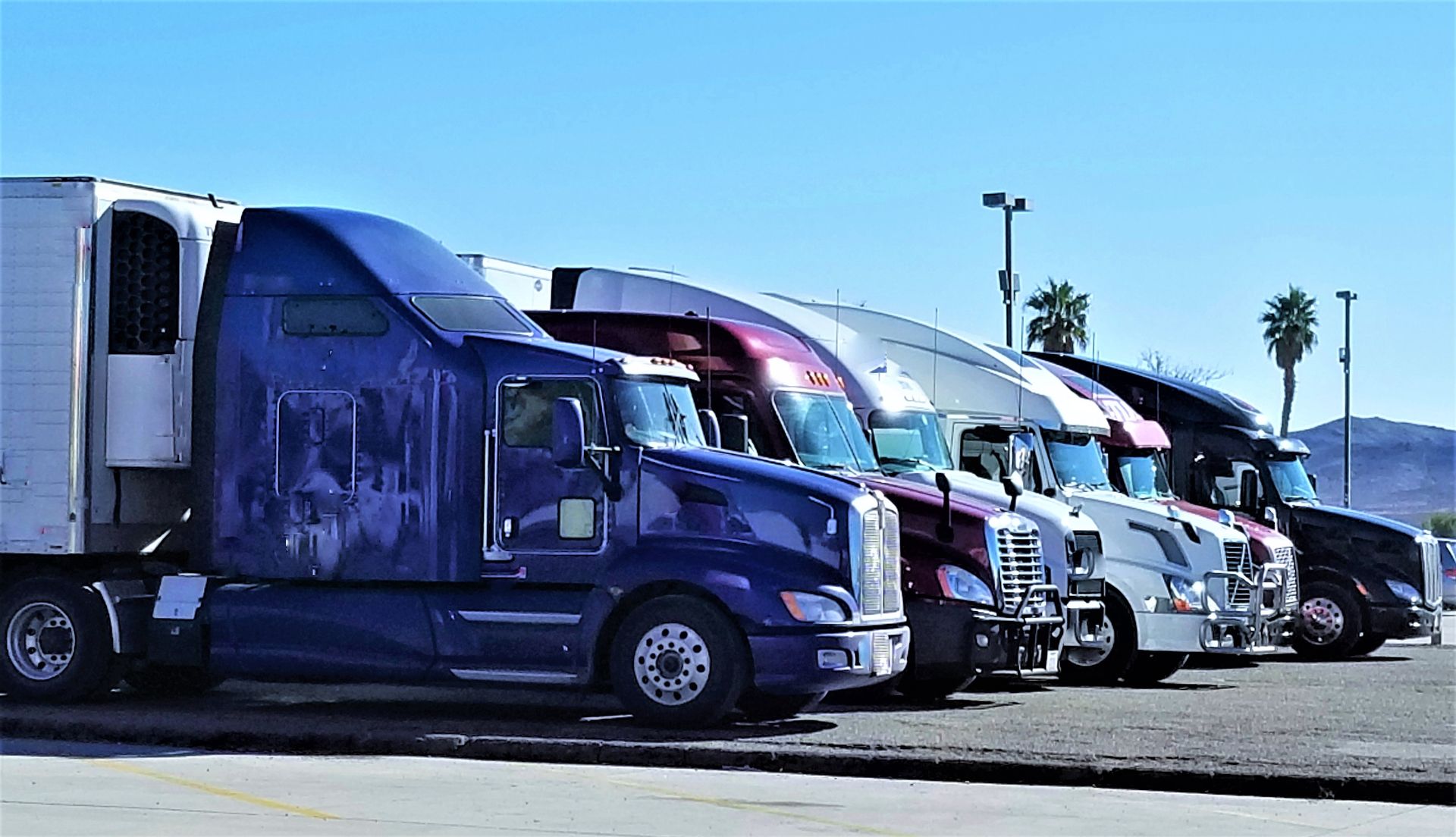
Protection for your fleet including box trucks, moving vans, and trailers. Covers liability, collision, physical damage, and hired or non-owned vehicles used in your operations.
Motor Truck Cargo
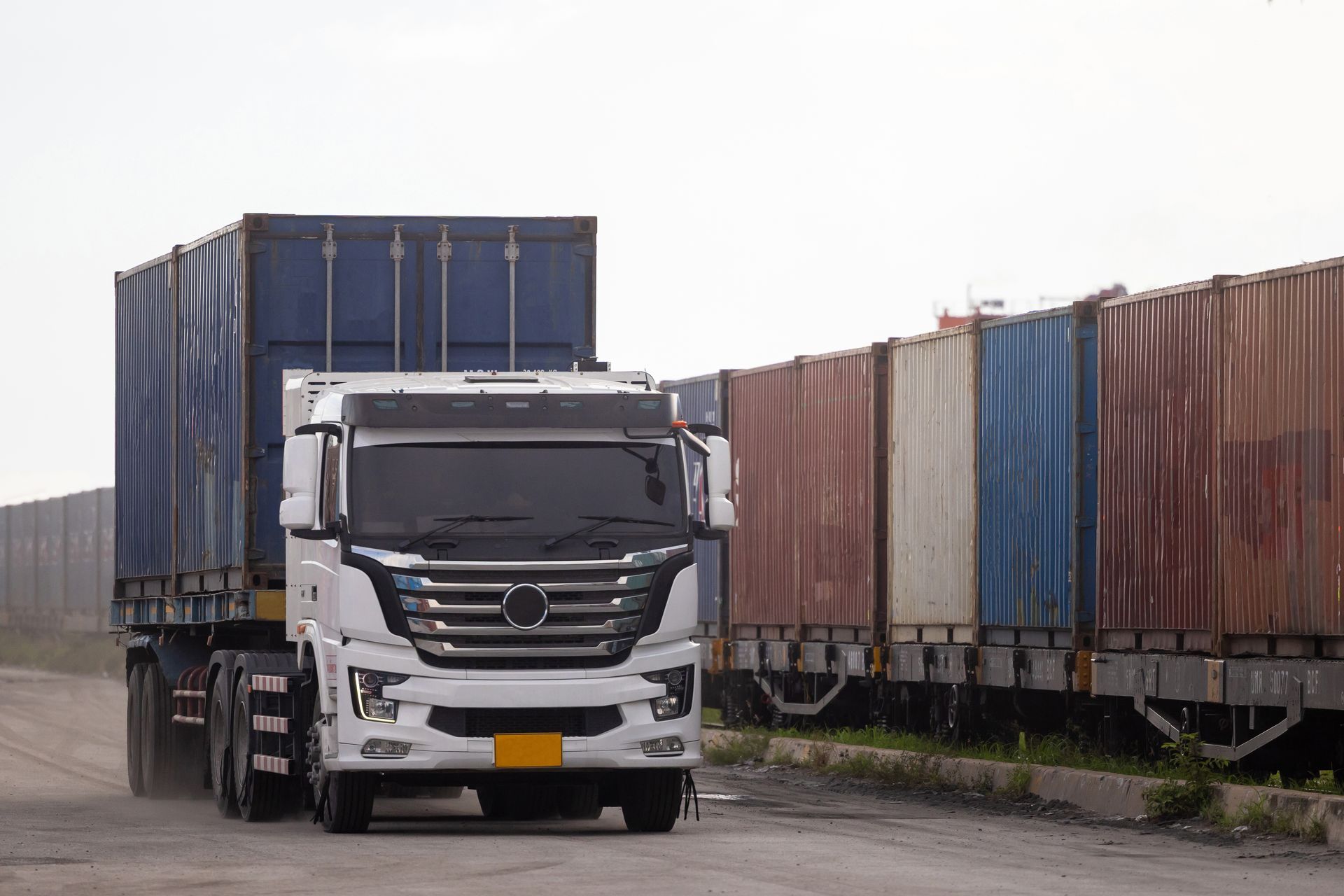
Covers household goods and freight during transport from pickup to delivery. Protects against damage, theft, mysterious disappearance, and weather-related losses while cargo is in your care.

General Liability
Protection from third-party claims for bodily injury and property damage at customer homes, job sites, and your own facility. Essential coverage for every transportation operation

Warehouse Legal Liability
Coverage for customer property while stored in your facility. Protects against damage, theft, fire, and water damage to goods in your care, custody, or control.

Workers' Compensation
Medical care and wage replacement for employees injured on the job. Required in most states for transportation and warehouse work where physical labor creates higher injury risk.

Umbrella & Excess Liability
Higher liability limits stacked on top of your primary policies. Helps meet large contract requirements and protects your business assets against major claims and lawsuits.
Specialized Knowledge
Industries We Protect
Focused coverage for transportation and logistics businesses


Simple and Clear
How Our Process Works
Our process to get you covered
Connect With Us
Reach out through our form or by phone to share your business needs and current coverage situation.
Get Coverage Options
We review your risks, compare carriers, and present clear quotes with plain-language explanations.
Stay Protected
You choose your plan, and we provide ongoing support for certificates, claims, and renewals.
Trusted by Businesses
Feedback That Reflects Service and Reliability
What our clients say about working with Champion Risk
Answers You Need
Frequently Asked Questions
Common questions about transportation and logistics insurance




What insurance does a transportation company need to operate legally?
Motor carriers that cross state lines must meet FMCSA requirements. You need a minimum of $750,000 in liability coverage, plus a BMC-91 filing that proves your insurance to the federal government. Cargo coverage is also required, with minimums that depend on the type of goods you transport.
Intrastate operators follow state-specific rules. California, Texas, and Florida each have different requirements. Champion Risk handles both federal and state filings. We make sure your coverage meets legal minimums and your certificates reach the right agencies.
How much does commercial transportation insurance cost?
Premiums depend on your fleet size, driving records, cargo values, and claims history. A small operation with two trucks might pay $8,000 to $15,000 per year. A larger carrier with ten trucks could pay $50,000 to $100,000 or more.
The best way to control costs is working with a broker who knows transportation insurance. We find carriers that specialize in your exact operation type. This often results in better rates than going direct or using a general agent who doesn't understand the industry.
What is a BMC-91 filing and why do I need one?
A BMC-91 is a form your insurance company files with the FMCSA. It proves you carry the required liability coverage to operate as a for-hire motor carrier. Without an active BMC-91, your operating authority can be revoked.
Champion Risk works with carriers who file electronically. Your BMC-91 typically posts within 24 to 48 hours of binding coverage. We monitor your filing status and alert you if anything needs attention.
Does my warehouse or storage facility need different insurance than a trucking operation?
Yes. Storage facilities need warehouse legal liability coverage. This protects you when customer property is damaged or stolen while in your care. Standard general liability policies exclude this exposure.
You may also need property coverage for your building, equipment breakdown protection, and business income coverage if a fire or disaster shuts down operations. Champion Risk builds storage facility programs that address all these risks in one package.
Can you insure last-mile delivery drivers who use their own vehicles?
Yes. We offer hired and non-owned auto coverage for delivery operations that use independent contractors or employees driving personal vehicles. This fills gaps that personal auto policies don't cover during commercial use.
We also provide occupational accident coverage for 1099 drivers who aren't eligible for workers' comp. This protects your drivers and limits your liability exposure when accidents happen.
How fast can I get proof of insurance for a new contract?
Same day in most cases. Once we bind your policy, we issue certificates of insurance within hours. If your contract requires specific additional insured language or special endorsements, we coordinate directly with the carrier.
Rush requests happen often in this industry. General contractors and corporate clients demand certificates before they let you on site. Champion Risk prioritizes fast turnaround because we know your revenue depends on it.
Answers You Need
Transportation & Logistics Insurance Resources
Articles designed to inform and support your business
Contact Us
Phone Number:
Email Address:
Location:
12264 El Camino Real, Suite 350
San Diego, CA 92130
Hours:
Monday – Friday: 8:00 AM – 6:00 PM PT