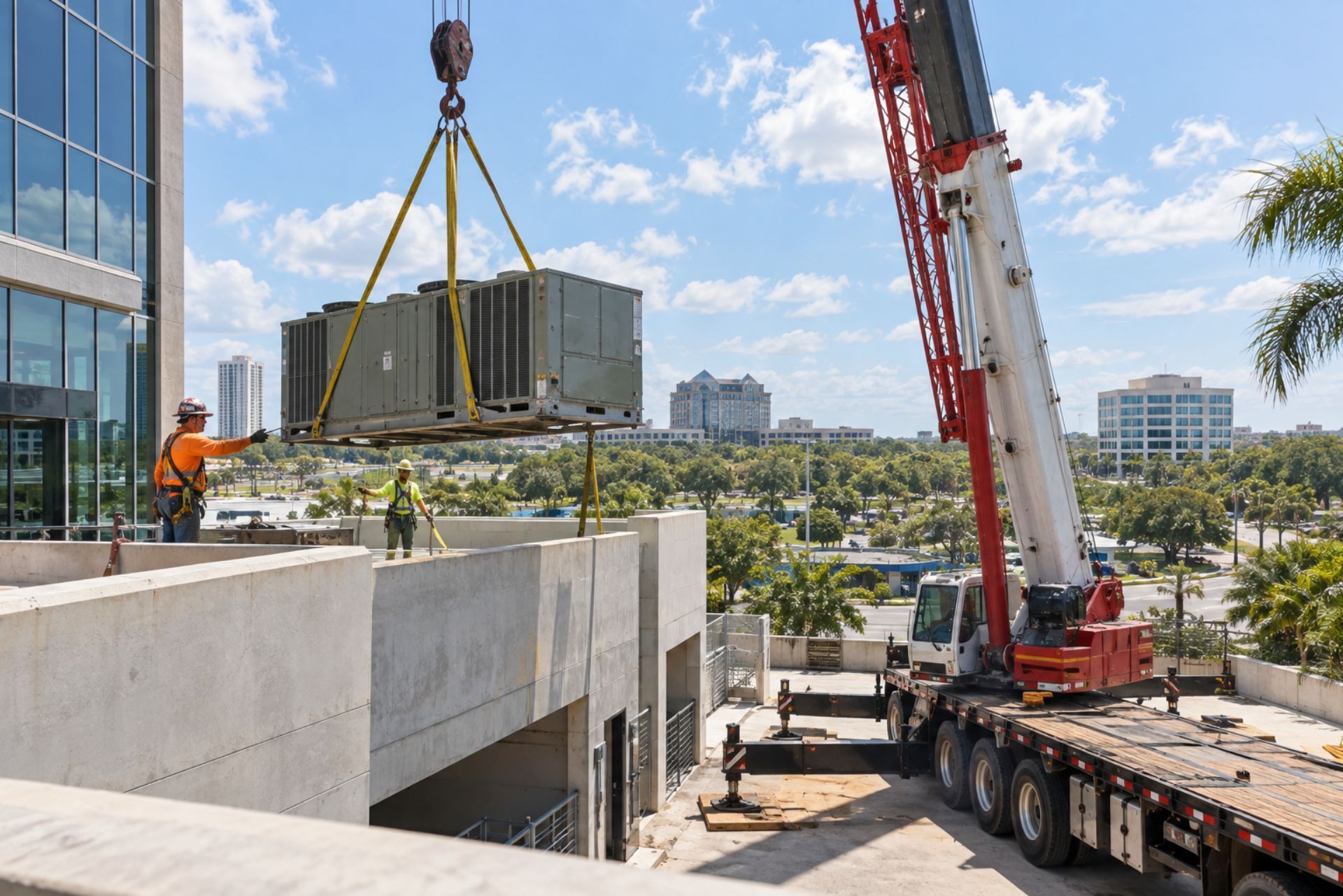
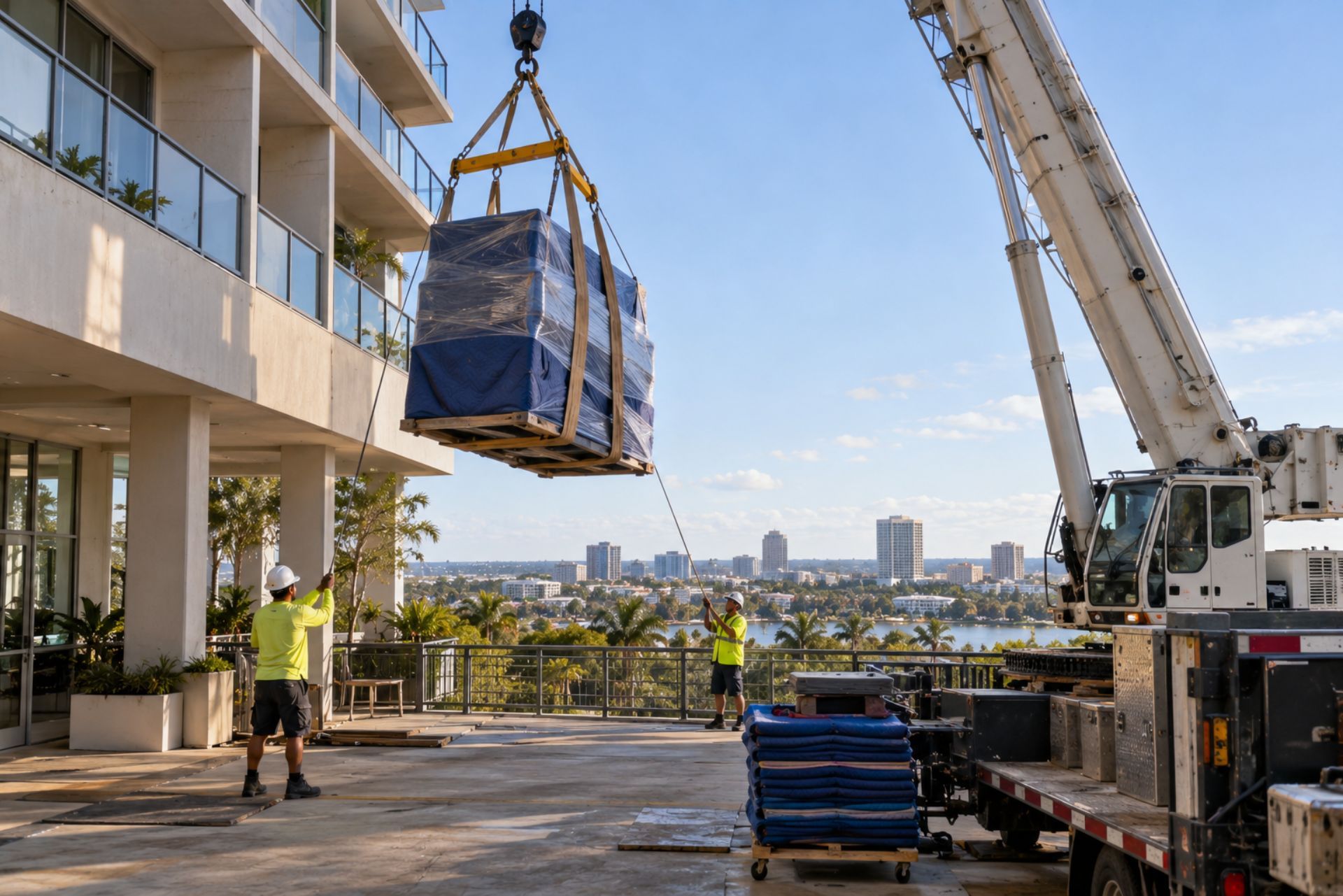
A crane operator lowers a 2,000-pound safe toward the loading dock of a downtown office building. The rigging strap, rated for the load but weakened by UV exposure no one caught during the morning inspection, snaps at the third-floor window line. The safe crashes through a parked sedan, sending debris into the sidewalk. In less than three seconds, the moving company is staring at a property damage claim, a potential bodily injury suit, and a question their general liability carrier will almost certainly answer with a denial letter. This is the reality for movers who handle heavy lifts without the right insurance. Rigging and hoisting liability coverage for movers addresses the specific crane and hoist exposures, dropped-load claims, policy limits, exclusions, and costs that standard commercial policies were never designed to handle. If your crews touch a crane, gantry hoist, or heavy rigging equipment, this is the guide you need before your next lift.
Understanding Rigging and Hoisting Liability for Moving Professionals
Understanding rigging and hoisting liability for moving professionals starts with accepting an uncomfortable truth: the policies most movers already carry leave massive gaps when heavy equipment enters the picture. A standard commercial general liability (CGL) policy covers slip-and-fall incidents and basic property damage during a move, but the moment a crane boom swings over a public street, the risk profile changes entirely. The underwriting assumptions behind a typical CGL policy don't account for the concentrated force of a suspended load, the mechanical complexity of hydraulic systems, or the catastrophic potential when something goes wrong 40 feet in the air.
Why General Liability Isn't Enough for Crane Operations
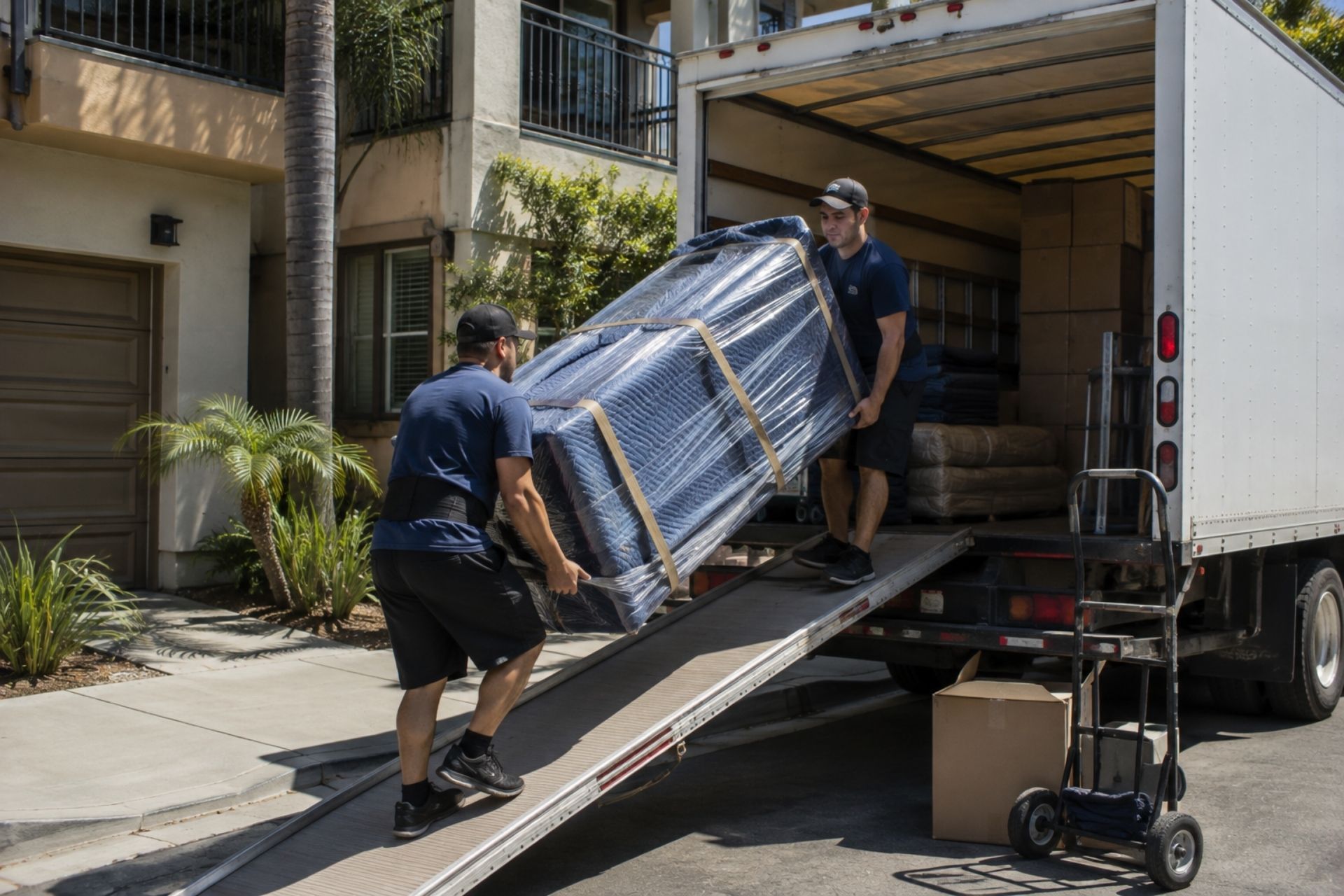
General liability policies are built around predictable, ground-level risks. They assume your workers are carrying boxes, wrapping furniture, and loading trucks. Crane operations introduce vertical exposure, meaning the damage radius expands dramatically with height. A couch dropped from a dolly might scratch a hardwood floor. A piano dropped from a crane can destroy a vehicle, injure a bystander, and structurally damage a building facade in a single event.
Most CGL policies also contain specific exclusions for "aircraft, watercraft, and mobile equipment" that can sweep crane operations right out of coverage. Even when the exclusion doesn't apply directly, insurers routinely argue that crane work constitutes a "specialized operation" outside the scope of the policy's intended use. That argument has held up in court more often than movers would like.
The Difference Between Care, Custody, and Control
One of the most misunderstood coverage gaps involves the "care, custody, and control" exclusion found in nearly every CGL policy. This exclusion removes coverage for property that your company is responsible for at the time of loss. Think about what that means for a mover: the item you're hoisting is, by definition, in your care, custody, and control. If the load drops, your CGL policy has a built-in reason to deny the claim.
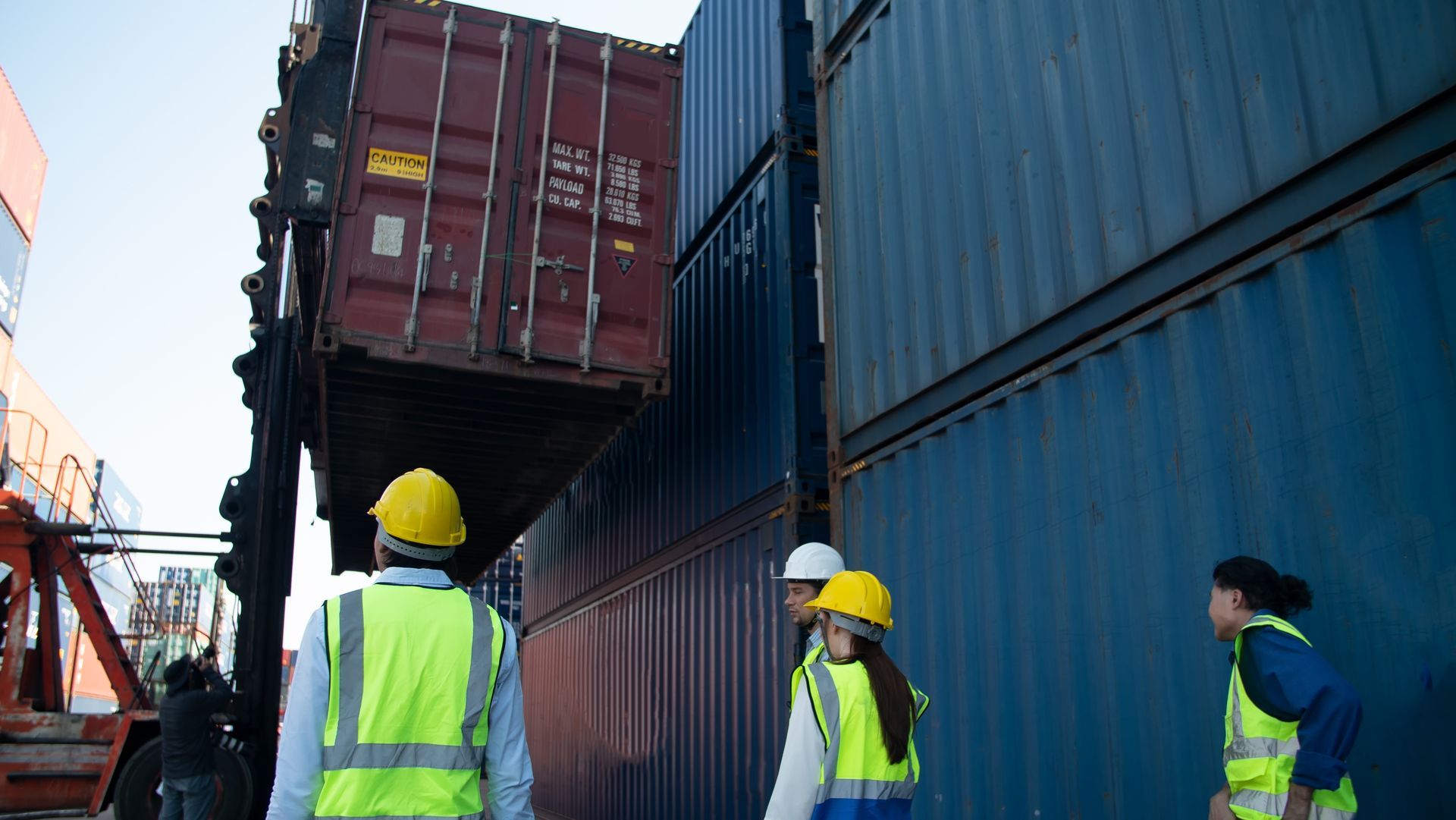
Specialized rigging and hoisting liability insurance fills this gap by explicitly covering property damage to items being lifted, transported, or positioned by your equipment. Without it, you're essentially self-insuring every heavy lift your crew performs. For a company moving industrial machinery, safes, or HVAC units, that's a risk most balance sheets can't absorb.

By: Mark Raby
Chief Executive Officer at Champion Risk & Insurance Services
Common Crane and Hoist Exposures in the Moving Industry
Common crane and hoist exposures in the moving industry go well beyond the obvious "something falls" scenario. While dropped loads get the most attention, the full spectrum of risk includes equipment malfunction, operator error, rigging failure, ground instability, and third-party injuries from debris or equipment contact.
Mechanical Failure and Equipment Breakdown
Hydraulic line ruptures, boom cable fatigue, and outrigger failures account for a significant portion of crane-related incidents. These aren't freak accidents: they're predictable outcomes of deferred maintenance. A crane that passed inspection six months ago can develop a hydraulic leak that compromises lifting capacity without any visible warning. Moving companies that rent cranes face an additional layer of exposure because they may not have full maintenance records for the equipment.
Inland marine policies sometimes cover the crane itself, but they rarely cover the liability arising from the crane's failure during an active lift. That's a distinction many movers don't discover until they file a claim.
Dropped-Load Claims and Property Damage Risks
Dropped-load claims are the headline risk, and they're expensive. A single incident can generate six-figure property damage claims before legal costs even enter the picture. The item being moved, the structure it strikes, vehicles in the drop zone, and landscaping or utilities damaged during the event all become separate line items on the claim.
Rigging insurance policies typically cover both the item being hoisted and collateral property damage from a dropped load. The key is making sure the policy's per-occurrence limit is high enough to cover a worst-case scenario, not just the value of the item being moved.
Third-Party Bodily Injury During Heavy Lifts
Bystander injuries during crane operations create the most severe liability exposure. A pedestrian struck by falling debris, a building occupant injured by structural impact, or even a crew member from another company working nearby: these claims regularly exceed $1 million. Urban environments multiply this risk because sidewalk traffic, adjacent buildings, and overhead utilities create a dense target environment around every lift site.
Umbrella and excess liability premiums for high-hazard operations like hoisting have increased by 10% to 15% in recent renewal cycles, reflecting insurers' growing awareness of these bodily injury exposures. That trend shows no sign of reversing, which makes securing adequate coverage now a financial priority rather than just a compliance checkbox.
Coverage Comparison: Basic vs. Specialized Rigging Insurance
The gap between a basic CGL policy and a specialized rigging and hoisting liability policy is significant enough to warrant a side-by-side look.
| Coverage Feature | Basic CGL Policy | Specialized Rigging/Hoisting Policy |
|---|---|---|
| Dropped-load property damage | Typically excluded (care, custody, control) | Covered, including item being hoisted |
| Third-party bodily injury during lifts | May apply, but often disputed | Explicitly covered |
| Damage to surrounding structures | Limited; may trigger exclusions | Covered per-occurrence |
| Equipment breakdown during operation | Not covered | Often included or available by endorsement |
| Operator error | Excluded if operator is uncertified | Covered if operator meets policy requirements |
| Overloading beyond rated capacity | Excluded | Excluded (universal exclusion) |
| Rigging hardware failure | Not addressed | Covered, subject to maintenance requirements |
| Completed operations | Standard inclusion | Included with extended reporting options |
The practical difference is simple: a CGL policy gives your insurer multiple reasons to deny a crane-related claim, while a specialized policy is designed to pay those exact claims. Champion Risk works with movers to identify the specific gap between these two coverage types and structure a program that eliminates the most dangerous exposures first.
Policy Limits, Common Exclusions, and Cost Drivers
Policy limits, common exclusions, and cost drivers for rigging insurance vary widely based on the type of work, equipment used, and claims history. Getting these details right is the difference between a policy that actually protects your business and one that just looks good in a filing cabinet.
Determining Appropriate Per-Occurrence Limits
Most movers handling occasional heavy lifts start with a $1 million per-occurrence limit, which covers the majority of residential and light commercial scenarios. Companies performing regular industrial rigging, moving machinery over $500,000 in value, or operating in dense urban areas should carry $2 million to $5 million per-occurrence limits. The calculation isn't just about the item being moved: it's about the total damage potential if a worst-case drop occurs.
A useful rule of thumb: your per-occurrence limit should cover the value of the heaviest item you lift, plus $1 million for collateral property damage and bodily injury. If you're hoisting a $300,000 piece of medical imaging equipment into a hospital, a $1 million limit is dangerously thin.
Standard Exclusions: Overloading and Uncertified Operators
Two exclusions appear in virtually every rigging and hoisting policy. First, any claim arising from loading a crane or hoist beyond its rated capacity will be denied. Insurers view overloading as a deliberate act, not an accident, and no amount of premium will buy that coverage back.
Second, claims involving uncertified or untrained operators are excluded. Most policies require crane operators to hold current NCCCO (National Commission for the Certification of Crane Operators) certification or equivalent state credentials. If your operator's certification lapsed two weeks before an incident, your insurer has grounds to deny the entire claim. Keep a current copy of every operator's credentials on file and set calendar reminders for renewal dates.
Other common exclusions include damage from nuclear hazards, war, and intentional acts, along with pollution-related claims from hydraulic fluid spills. Some policies also exclude work performed at heights exceeding a specified limit, so read the declarations page carefully.
Factors That Influence Your Annual Premium
Annual premiums for rigging and hoisting coverage typically range from $3,000 to $15,000 for small to mid-size moving companies, with larger operations or those handling high-value industrial equipment paying $20,000 or more. The primary cost drivers include:
- Annual gross revenue from rigging and hoisting operations
- Maximum crane capacity and boom length
- Number of certified operators on staff
- Three-year claims history (frequency and severity)
- Geographic territory, with urban areas costing more
- Whether you own or rent crane equipment
- Safety program documentation and training records
A clean claims history is the single most powerful factor in keeping premiums manageable. One dropped-load claim can increase your renewal premium by 25% to 40% for the next three years. Champion Risk helps clients implement pre-lift safety checklists and documentation protocols that both reduce incident frequency and demonstrate risk management discipline to underwriters.
Frequently Asked Questions About Rigging Insurance
Does my auto or inland marine policy cover crane operations? No. Auto policies cover the crane while it's being transported on a road. Inland marine covers the equipment itself against theft or damage. Neither covers liability arising from crane operations during a lift.
Can I add rigging coverage as an endorsement to my existing CGL? Some carriers offer limited endorsements, but they typically cap coverage at $100,000 to $250,000 per occurrence, which is insufficient for most commercial lifts. A standalone policy provides broader terms and higher limits.
What happens if I subcontract the crane work to another company? You can shift some liability through subcontractor agreements and certificates of insurance, but your company often remains liable to the customer. Make sure your subcontractor carries their own rigging coverage and that you're listed as an additional insured on their policy.
How quickly can I get a rigging insurance policy bound? For straightforward operations with clean claims history, binding can happen within 48 to 72 hours. Complex risks or companies with prior losses may require 2 to 3 weeks for underwriting review.
Do I need rigging insurance if I only use a boom truck, not a full crane? Yes. Boom trucks, knuckle booms, and truck-mounted cranes all create the same liability exposures as traditional cranes. The load doesn't care what's holding it up.
Is rigging insurance required by law? Requirements vary by state and municipality. Many cities require proof of crane liability coverage before issuing lift permits. Even where it's not legally mandated, most commercial clients and general contractors require it contractually.
Making the Right Choice for Your Moving Fleet
The decision to carry specialized rigging and hoisting liability insurance isn't really a decision at all for movers who perform heavy lifts. It's a cost of doing business, and a relatively small one compared to the exposure it covers. A $10,000 annual premium protecting against a potential $2 million claim is straightforward math.
What separates well-protected moving companies from vulnerable ones usually comes down to three things: carrying adequate per-occurrence limits for their heaviest lifts, maintaining current operator certifications without gaps, and documenting every pre-lift inspection in writing. These habits don't just keep your coverage intact: they make your operation safer and your premiums lower over time.
If you're unsure whether your current coverage addresses crane and hoist exposures, or if you're pricing your first rigging policy, Champion Risk can review your operations and match you with carriers who specialize in this space. The worst time to discover a coverage gap is after a load hits the ground.
About the Author:
Mark Raby
I am a seasoned insurance professional with over 30 years of experience in the industry. I lead Champion Risk & Insurance Services, a San Diego-based brokerage with nationwide reach and strong influence in the insurance marketplace. My core competencies include insurance agency M&A deals, captives and alternative risk structures, and commercial property and casualty insurance for clients in the transportation and logistics industries. I am a former president of IIAB San Diego and hold a Bachelor of Science in Finance from Western Michigan University’s Haworth College of Business.
Protection for Transportation Operations
Business Insurance for Transportation & Logistics Companies
Coverage designed specifically for transportation businesses
Commercial Auto & Trucking
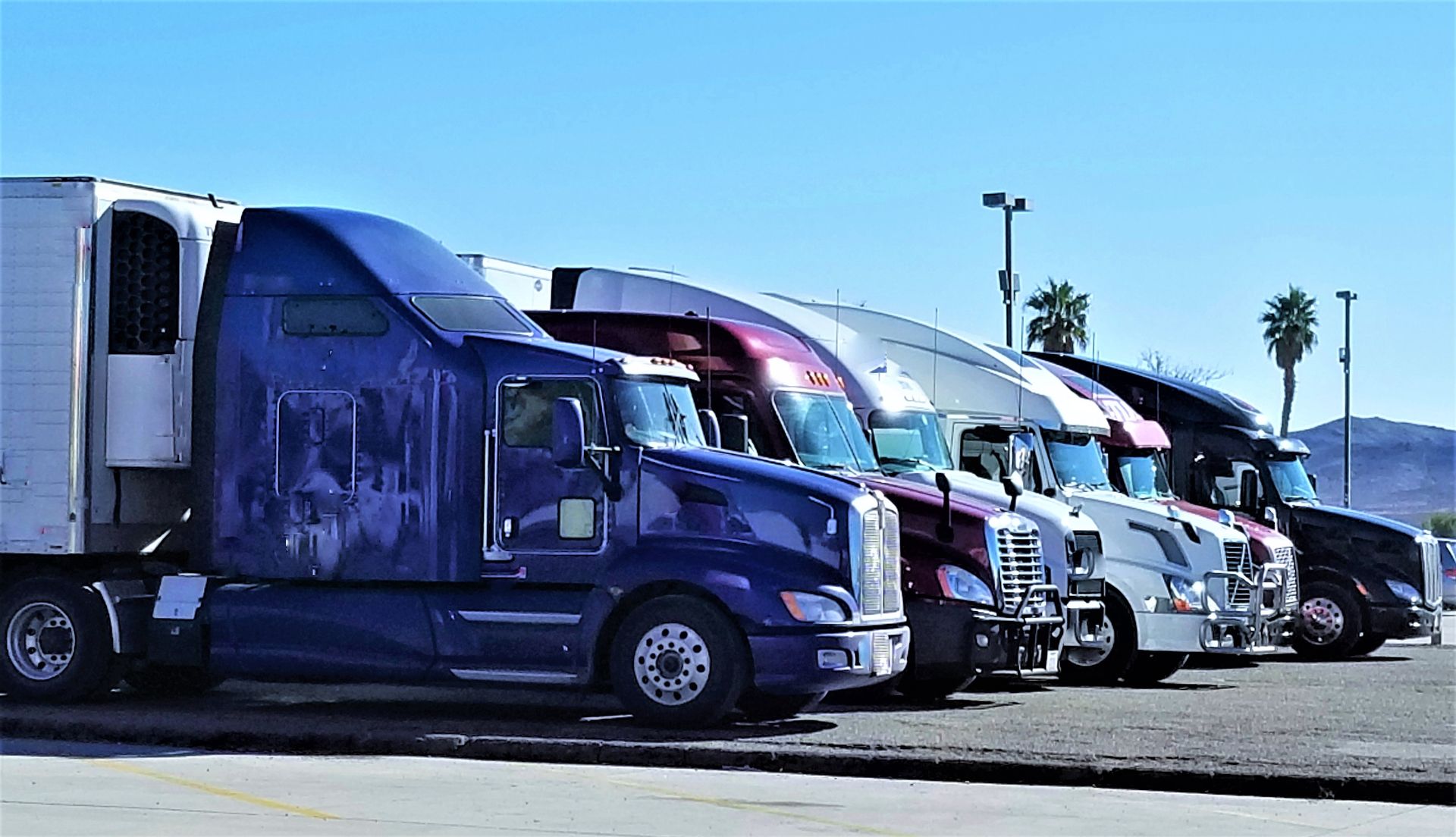
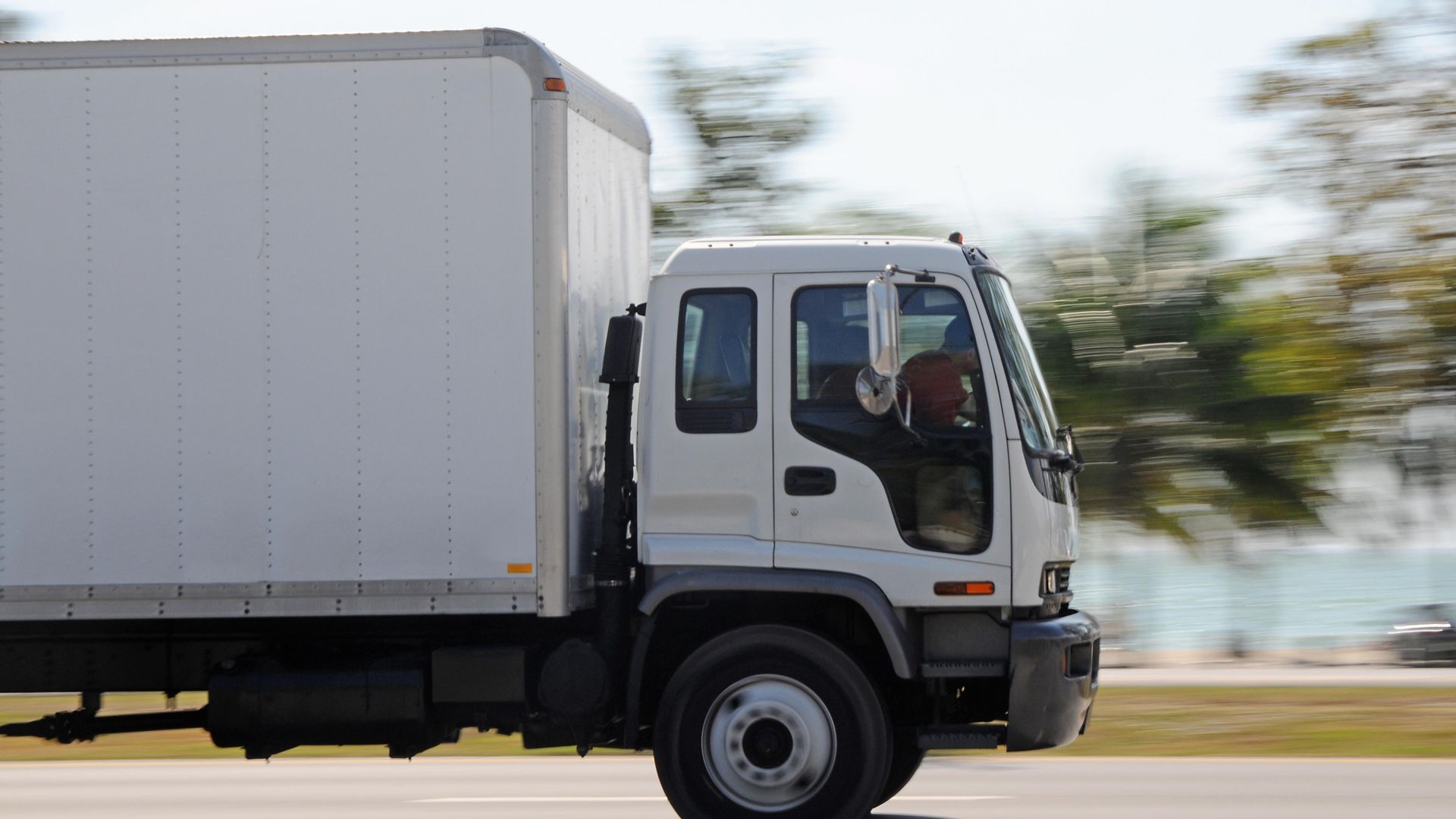
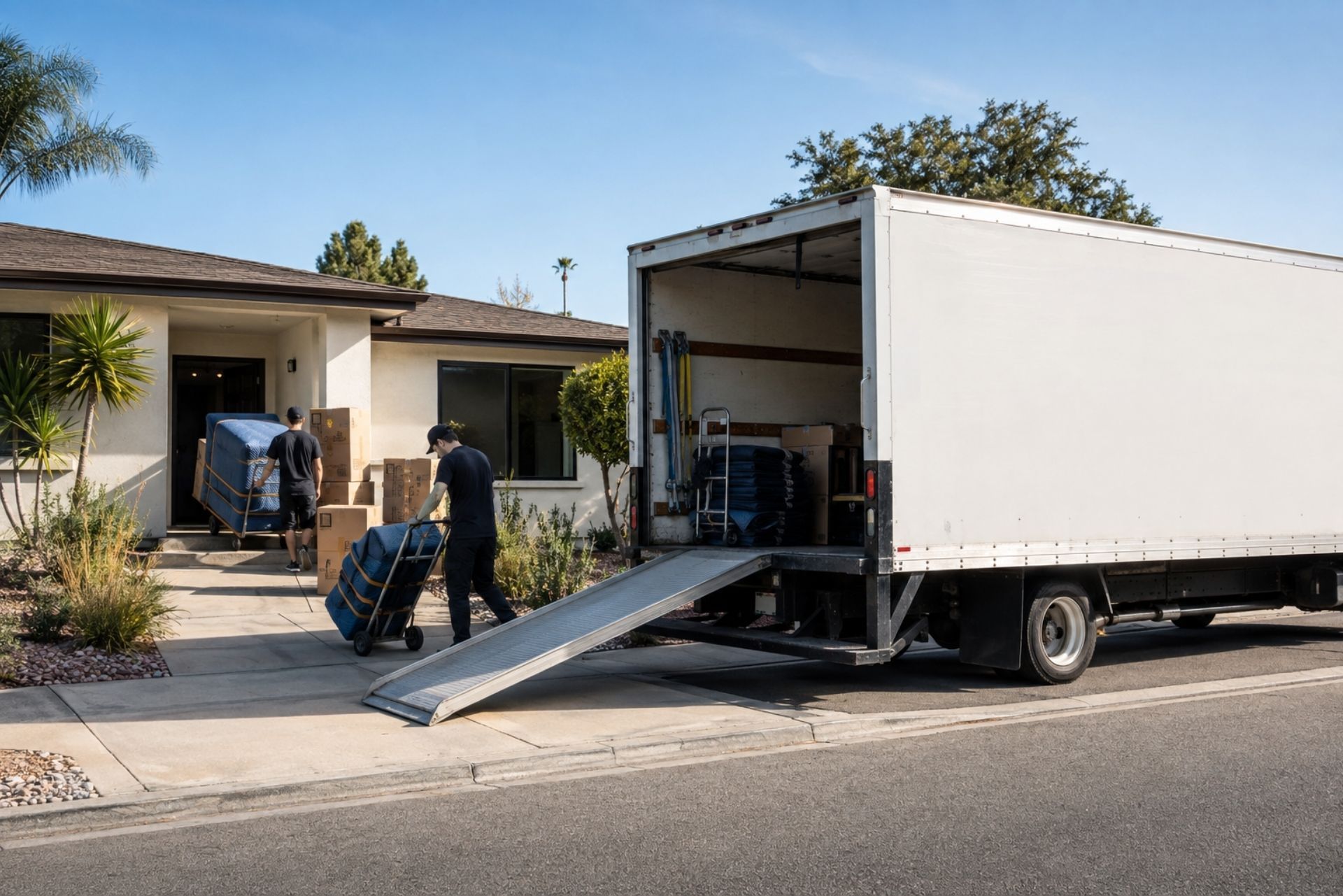
Protection for your fleet including box trucks, moving vans, and trailers. Covers liability, collision, physical damage, and hired or non-owned vehicles used in your operations.
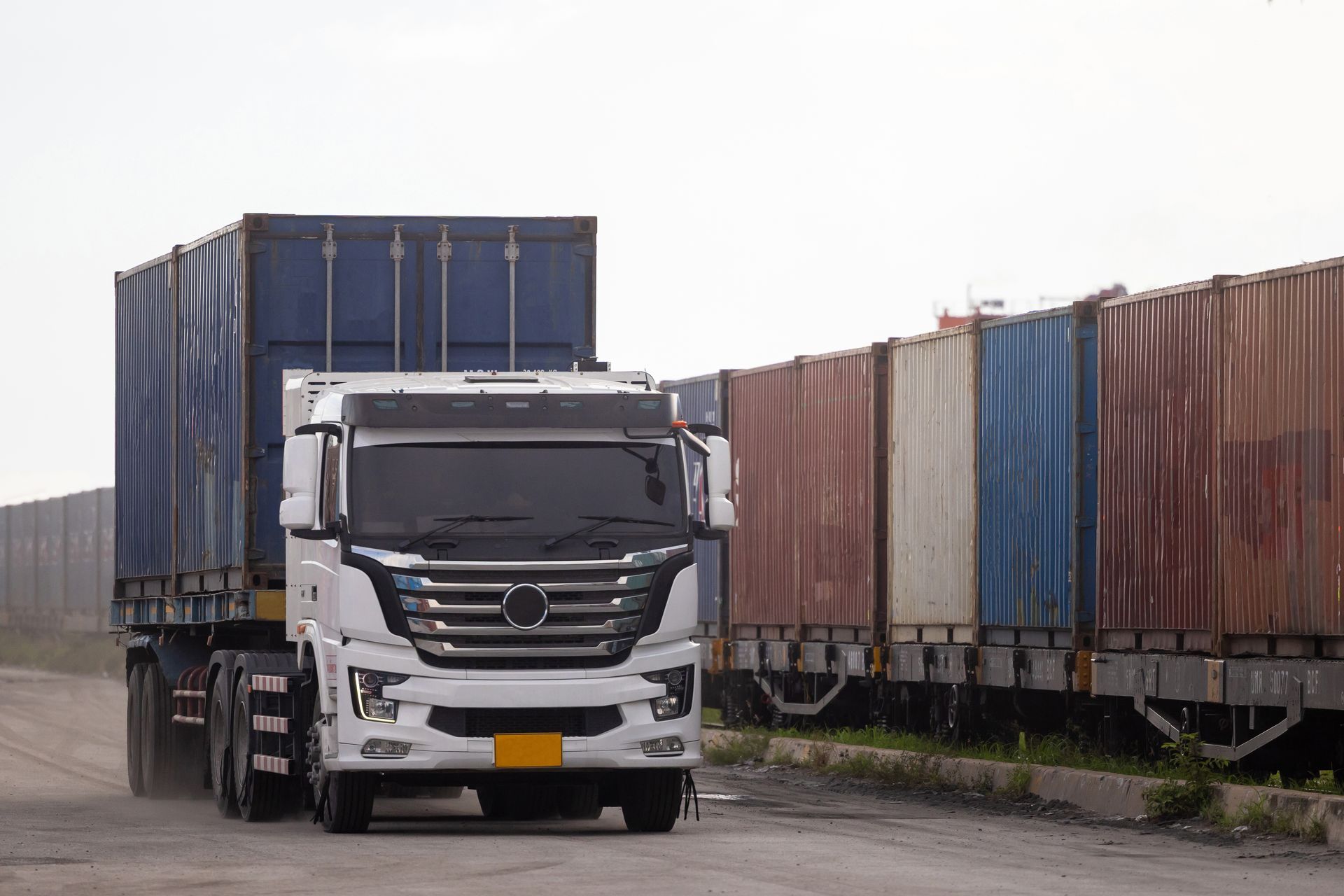
Motor Truck Cargo
Covers household goods and freight during transport from pickup to delivery. Protects against damage, theft, mysterious disappearance, and weather-related losses while cargo is in your care.

General Liability
Protection from third-party claims for bodily injury and property damage at customer homes, job sites, and your own facility. Essential coverage for every transportation operation
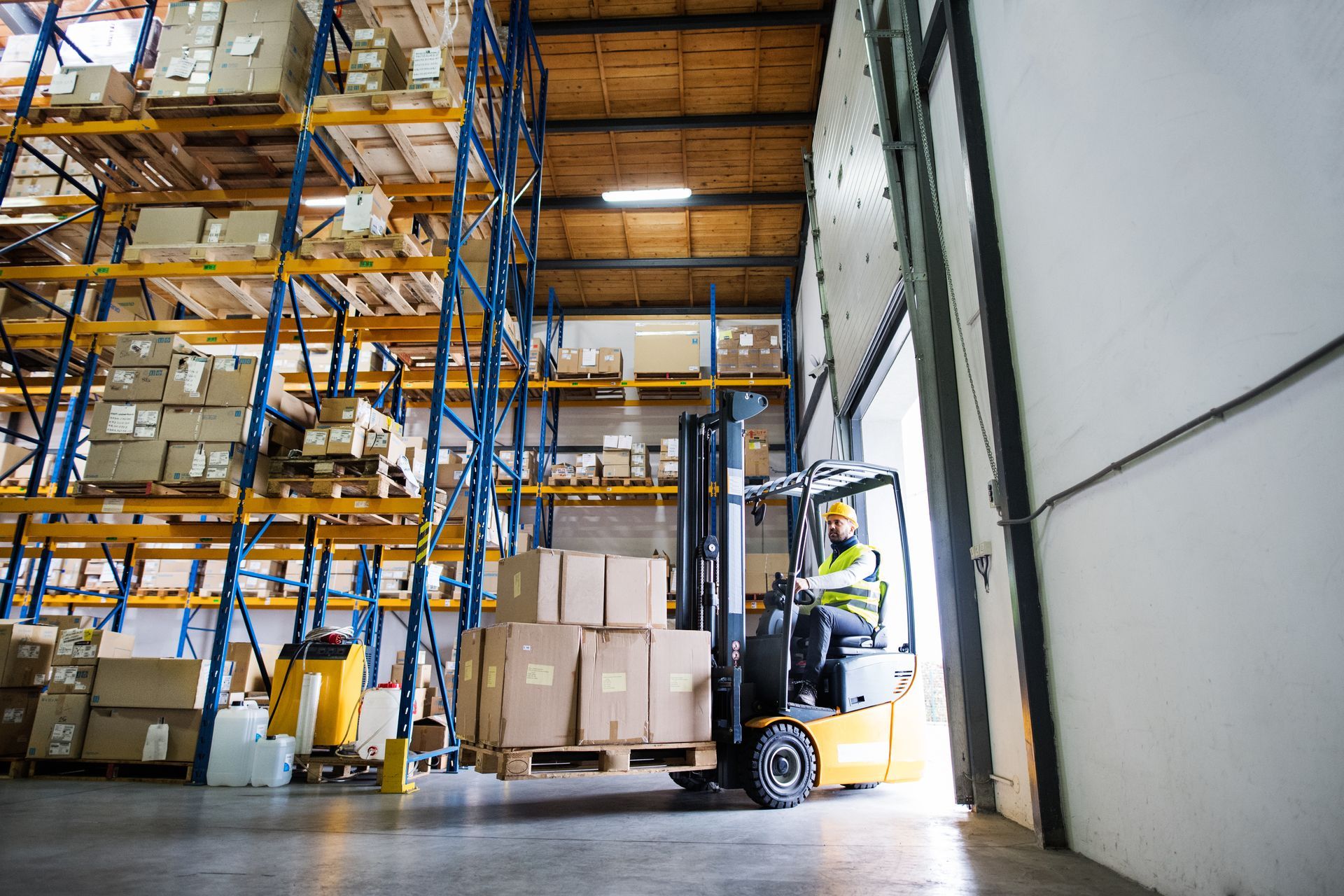
Warehouse Legal Liability
Coverage for customer property while stored in your facility. Protects against damage, theft, fire, and water damage to goods in your care, custody, or control.
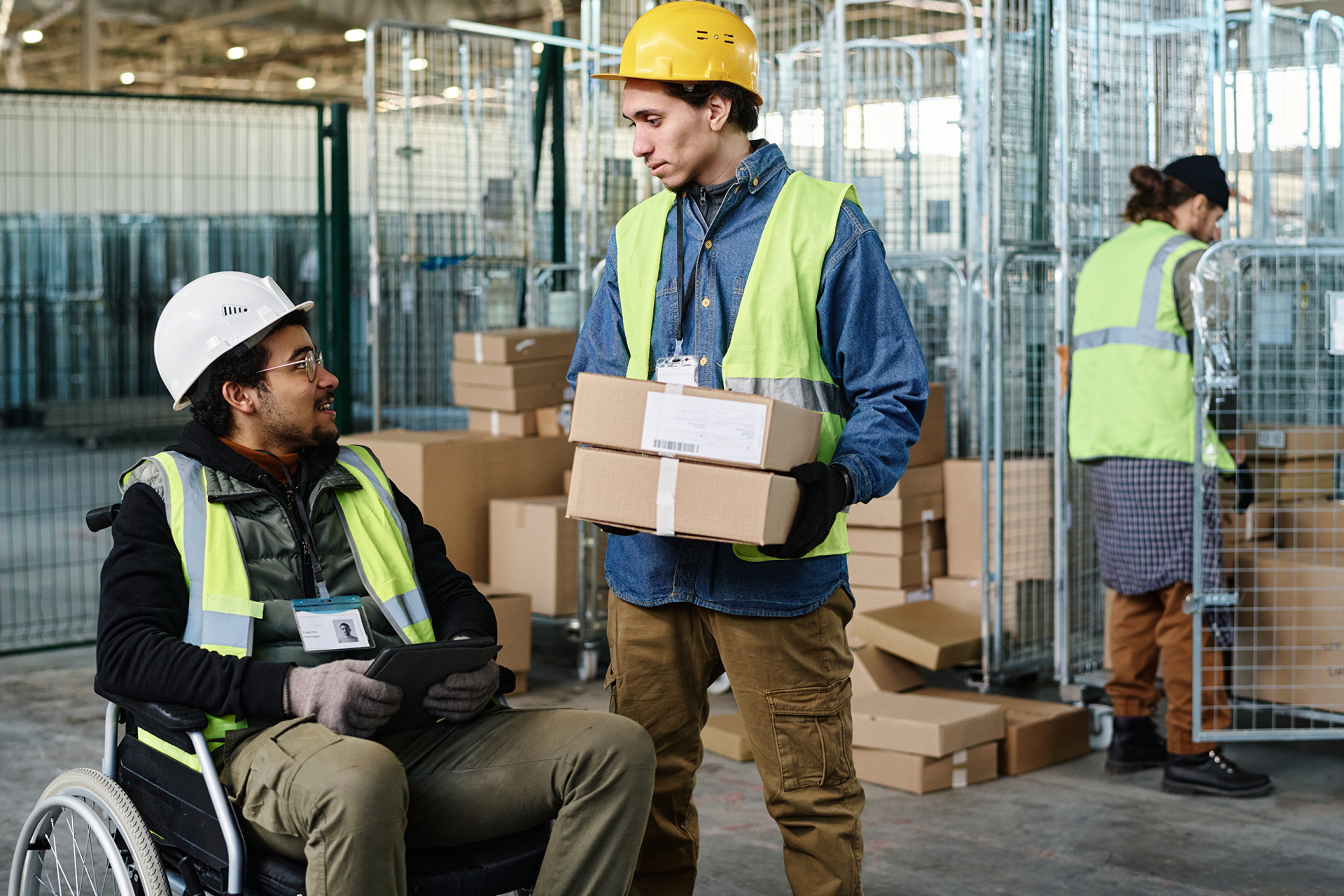
Workers' Compensation
Medical care and wage replacement for employees injured on the job. Required in most states for transportation and warehouse work where physical labor creates higher injury risk.

Umbrella & Excess Liability
Higher liability limits stacked on top of your primary policies. Helps meet large contract requirements and protects your business assets against major claims and lawsuits.
Specialized Knowledge
Industries We Protect
Focused coverage for transportation and logistics businesses

Simple and Clear
How Our Process Works
Our process to get you covered
Connect With Us
Reach out through our form or by phone to share your business needs and current coverage situation.
Get Coverage Options
We review your risks, compare carriers, and present clear quotes with plain-language explanations.
Stay Protected
You choose your plan, and we provide ongoing support for certificates, claims, and renewals.
Trusted by Businesses
Feedback That Reflects Service and Reliability
What our clients say about working with Champion Risk
Answers You Need
Frequently Asked Questions
Common questions about transportation and logistics insurance



What insurance does a transportation company need to operate legally?
Motor carriers that cross state lines must meet FMCSA requirements. You need a minimum of $750,000 in liability coverage, plus a BMC-91 filing that proves your insurance to the federal government. Cargo coverage is also required, with minimums that depend on the type of goods you transport.
Intrastate operators follow state-specific rules. California, Texas, and Florida each have different requirements. Champion Risk handles both federal and state filings. We make sure your coverage meets legal minimums and your certificates reach the right agencies.
How much does commercial transportation insurance cost?
Premiums depend on your fleet size, driving records, cargo values, and claims history. A small operation with two trucks might pay $8,000 to $15,000 per year. A larger carrier with ten trucks could pay $50,000 to $100,000 or more.
The best way to control costs is working with a broker who knows transportation insurance. We find carriers that specialize in your exact operation type. This often results in better rates than going direct or using a general agent who doesn't understand the industry.
What is a BMC-91 filing and why do I need one?
A BMC-91 is a form your insurance company files with the FMCSA. It proves you carry the required liability coverage to operate as a for-hire motor carrier. Without an active BMC-91, your operating authority can be revoked.
Champion Risk works with carriers who file electronically. Your BMC-91 typically posts within 24 to 48 hours of binding coverage. We monitor your filing status and alert you if anything needs attention.
Does my warehouse or storage facility need different insurance than a trucking operation?
Yes. Storage facilities need warehouse legal liability coverage. This protects you when customer property is damaged or stolen while in your care. Standard general liability policies exclude this exposure.
You may also need property coverage for your building, equipment breakdown protection, and business income coverage if a fire or disaster shuts down operations. Champion Risk builds storage facility programs that address all these risks in one package.
Can you insure last-mile delivery drivers who use their own vehicles?
Yes. We offer hired and non-owned auto coverage for delivery operations that use independent contractors or employees driving personal vehicles. This fills gaps that personal auto policies don't cover during commercial use.
We also provide occupational accident coverage for 1099 drivers who aren't eligible for workers' comp. This protects your drivers and limits your liability exposure when accidents happen.
How fast can I get proof of insurance for a new contract?
Same day in most cases. Once we bind your policy, we issue certificates of insurance within hours. If your contract requires specific additional insured language or special endorsements, we coordinate directly with the carrier.
Rush requests happen often in this industry. General contractors and corporate clients demand certificates before they let you on site. Champion Risk prioritizes fast turnaround because we know your revenue depends on it.
Answers You Need
Transportation & Logistics Insurance Resources
Articles designed to inform and support your business
Contact Us
Phone Number:
Email Address:
Location:
12264 El Camino Real, Suite 350
San Diego, CA 92130
Hours:
Monday – Friday: 8:00 AM – 6:00 PM PT