
A single dropped antique armoire on Highway 99 can cost a Fresno moving company $15,000 before the customer even calls a lawyer. Pair that with a warehouse water leak that ruins a family's stored furniture, and you're staring at a six-figure problem that could end your business overnight. The Central Valley's moving and storage industry faces a unique mix of risks: extreme summer heat that warps wood and melts adhesives, long-haul routes through agricultural corridors, and a regulatory framework that treats unlicensed movers like criminal enterprises. If you're running a moving or storage operation in Fresno, your insurance program isn't just a line item on your budget. It's the thing standing between you and financial ruin. This guide breaks down the specific coverage types, California regulatory requirements, and real cost factors that Fresno moving and storage companies need to understand in 2026.
Essential Insurance Coverage for Fresno Moving Companies
Essential insurance coverage for Fresno moving companies goes well beyond a basic general liability policy. The typical moving operation juggles three distinct risk categories: goods in transit, vehicles on the road, and items sitting in storage. Each requires its own policy structure, and gaps between them are where most claims fall through. A broker like Champion Risk, which has worked with high-risk logistics operations since 2004, will tell you that the most common mistake is assuming one policy covers everything. It doesn't.
Your standard homeowners insurance won't save your customers either. Most homeowners policies cap personal property coverage for items in transit at roughly 10% of the total insured value, and that cap applies only while coverage is active at both addresses. Once the moving truck pulls away, your customer is relying on you.
Cargo Insurance: Protecting Household Goods in Transit
Cargo insurance covers the actual household goods your crew is handling from pickup to delivery. This is separate from your auto policy, which only covers the truck itself. If a crew member drops a $4,000 flat-screen TV down a stairwell, your commercial auto policy won't pay for it.
There are two main structures: released value protection (which is the bare minimum required by law at $0.60 per pound per article) and full replacement value protection. At released value, a 50-pound TV pays out just $30. Full replacement value costs more but actually makes the customer whole. Most Fresno movers offer both tiers, with premiums on full replacement cargo coverage running between 0.3% and 1% of the total declared cargo value.
Pre-transit documentation matters here. Every load should have a detailed Bill of Lading, timestamped photos, and ideally video of high-value items before they go on the truck. This protects you against inflated or fraudulent claims, which are more common than most operators realize.
Warehouse Legal Liability for Storage Operations
Warehouse legal liability covers damage to customer property while it's stored in your facility. This is not the same as your building's property insurance, which covers the structure itself. If a pipe bursts and soaks three storage vaults full of furniture, your building policy pays to fix the pipe. Warehouse legal liability pays for the ruined furniture.
Storage-in-Transit (SIT) coverage is a related product that covers goods during temporary storage, typically for 30 to 90 days, when a customer's closing date slips or their new home isn't ready. SIT claims spike during Fresno's busy summer moving season, when housing delays are common.
Commercial Auto and Fleet Coverage
Your fleet is probably your biggest asset and your biggest liability. Commercial auto insurance for moving trucks requires higher limits than standard commercial vehicles because of the cargo exposure. California requires a minimum of $750,000 in combined single-limit liability for household goods carriers, but most experienced operators carry $1 million or more.
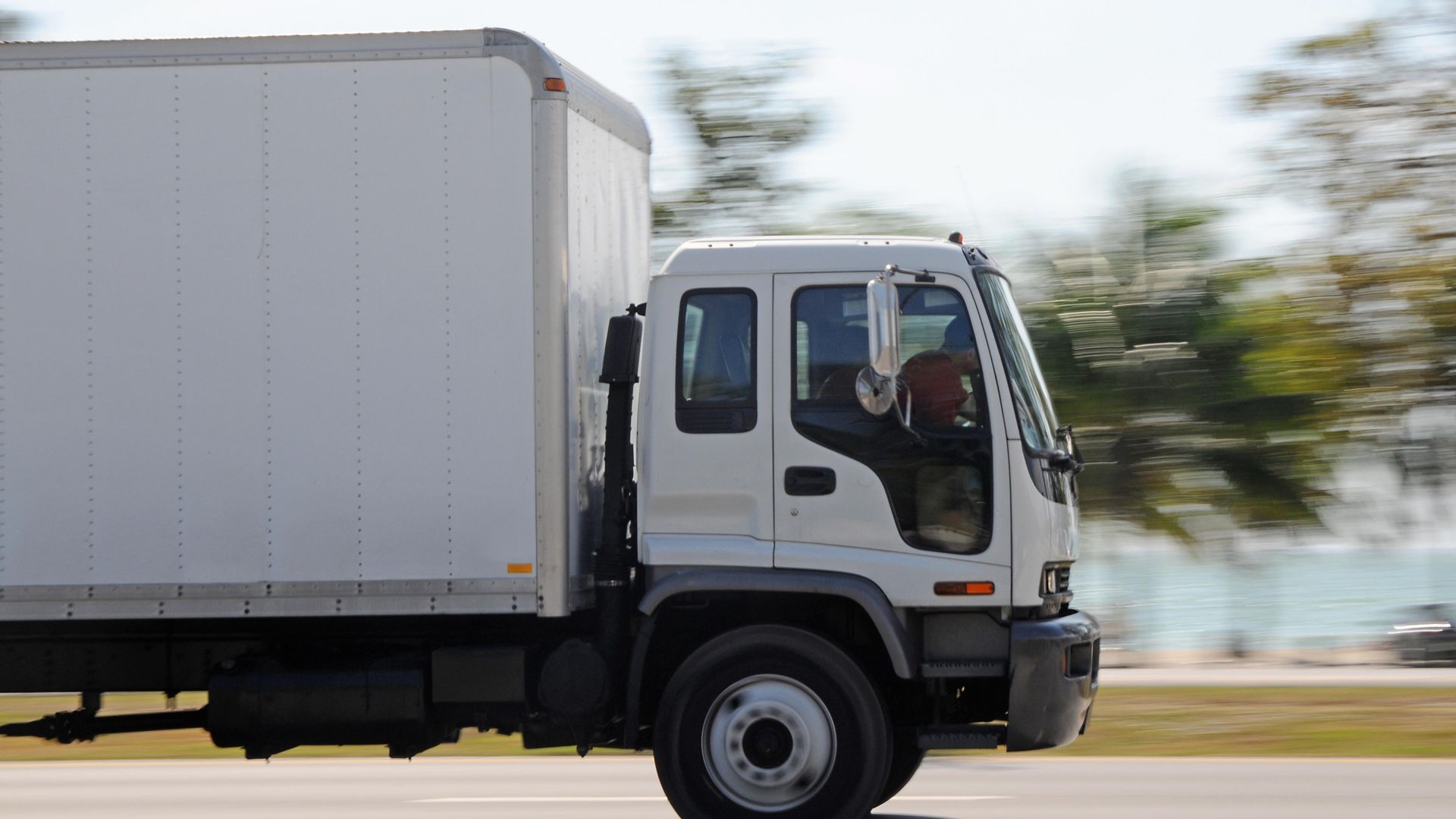
Physical damage coverage for the trucks themselves, including collision and comprehensive, is separate from the liability component. A five-truck fleet of 26-foot box trucks can easily represent $500,000 in vehicle value alone.

By: Mark Raby
Chief Executive Officer at Champion Risk & Insurance Services
California Regulatory Requirements and CPUC Compliance
California regulatory requirements and CPUC compliance are non-negotiable for any company moving household goods within the state. The California Public Utilities Commission (CPUC) regulates intrastate household goods movers, and operating without proper credentials is a misdemeanor offense. Fines start at $7,500 per violation, and repeat offenders face vehicle impoundment.
Red flags for unlicensed movers include unmarked vehicles, no company uniforms, quotes that are suspiciously low compared to market rates, and the absence of a local physical business address. If you're a legitimate operator, these unlicensed competitors undercut your pricing while exposing consumers to real risk.
Understanding the MTR Permit and Insurance Filings
Every household goods mover in California needs a Motor Transportation of Property (MTR) permit from the CPUC. The application requires proof of insurance, and your insurer must file specific forms directly with the CPUC on your behalf. This isn't something you can handle with a certificate of insurance from your agent's printer.
The required filings include proof of cargo liability coverage and public liability/property damage coverage. Your insurance carrier files these electronically, and the CPUC cross-references them against your permit. If your policy lapses or gets canceled, the CPUC is notified automatically, and your permit can be suspended within 30 days.
Minimum Liability and Workers' Comp Limits
California requires household goods carriers to maintain minimum public liability coverage of $750,000 combined single limit. Workers' compensation insurance is mandatory for any business with employees, with no exceptions for small crews. Even a two-person operation with one W-2 employee needs a workers' comp policy.
The workers' comp requirement is where many small Fresno movers get tripped up. California's workers' comp rates for moving company employees (classification code 8293) are among the highest in the country, reflecting the physical nature of the work. Expect to pay between $8 and $15 per $100 of payroll, depending on your experience modification rate.
Comparing coverage options between basic and comprehensive programs reveals significant gaps that many operators don't discover until they file a claim. A basic program meets CPUC minimums and nothing more. A comprehensive program accounts for the real-world risks that Fresno movers face daily.
The 2026 moving industry outlook points to rising consumer expectations around protection and transparency, which means bare-minimum coverage increasingly puts you at a competitive disadvantage. Customers are asking about insurance before they ask about price.
Comparison Table: Standard vs. Extended Coverage Limits
| Coverage Type | Basic (CPUC Minimum) | Comprehensive |
|---|---|---|
| Public Liability | $750,000 CSL | $1M - $2M CSL |
| Cargo Coverage | $0.60/lb released value only | Full replacement value up to $250K+ |
| Warehouse Legal Liability | Often excluded | $100K - $500K per occurrence |
| Workers' Comp | Statutory minimum | Statutory + employer's liability $1M |
| Hired/Non-Owned Auto | Not included | Included |
| Inland Marine (Equipment) | Not included | Covers dollies, pads, tools |
| SIT Coverage | Not included | 30-90 day storage in transit |
The difference in annual premium between basic and comprehensive coverage for a three-truck Fresno operation typically runs $8,000 to $15,000. That's the cost of one bad claim avoided.
Factors Influencing Insurance Costs in the Central Valley
Insurance costs for moving companies in the Central Valley are shaped by factors that go beyond simple fleet size. Fresno sits at a crossroads of major freight corridors, and key trends in commercial trucking insurance for 2026 show that carriers are tightening underwriting standards across California. Insurers are paying closer attention to route profiles, storage facility construction types, and even the neighborhoods where you primarily operate.
Fresno's cargo theft risk is also a real underwriting factor. A Fresno-based truck driver was arrested in July 2026 for the theft of $2.9 million in industrial tungsten oxide, a case that highlighted how the Central Valley's logistics infrastructure attracts organized theft rings. That kind of headline makes underwriters nervous about the entire region.
Fleet Size and Driver Safety Records
A solo operator with one truck and a clean MVR will pay dramatically less than a ten-truck fleet with two at-fault accidents in the past three years. Insurers price commercial auto coverage primarily on fleet size, driver experience, and motor vehicle records. Each driver with a DUI, reckless driving charge, or multiple moving violations can add 15% to 30% to your fleet premium.
Telematics and dash cameras are becoming standard underwriting credits. Some carriers offer 5% to 10% premium discounts for fleets that install GPS tracking and forward-facing cameras. Champion Risk frequently helps clients structure driver safety programs that qualify for these credits.
Claims History and Risk Mitigation Strategies
Your claims history over the past three to five years is the single biggest factor in your renewal pricing. Two or three cargo damage claims over $5,000 each can push you into surplus lines markets, where premiums are 40% to 60% higher than standard markets.
Proactive risk mitigation makes a measurable difference. Padding and wrapping protocols, proper loading techniques, and pre-move inventories with photographic documentation all reduce claim frequency. Cargo theft prevention is another area where
security protocols and tracking technology can lower your risk profile and, by extension, your premiums.
Common Questions About Moving Business Insurance
FAQ: How much insurance does a Fresno mover actually need?
At minimum, you need $750,000 in public liability, cargo coverage, workers' comp, and commercial auto. Most established Fresno movers carry $1 million or more in liability, plus full replacement value cargo coverage. The right amount depends on your typical load value and fleet size, which is why working with a specialized broker matters.
FAQ: Does my general liability cover damage to a customer's piano?
No. General liability covers injuries on your premises or damage caused by your operations to third-party property in general terms, but damage to goods you're hired to move falls under cargo or inland marine coverage. A $20,000 Steinway needs its own line of protection.
FAQ: What happens if I don't file my insurance with the CPUC?
Your MTR permit can be suspended or revoked. Operating without a valid permit is a misdemeanor with fines starting at $7,500 per move. The CPUC actively investigates complaints, and unlicensed mover stings happen regularly in the Central Valley.
FAQ: Can I lower my premiums by using independent contractors?
Possibly on workers' comp, but it creates other problems. California's ABC test for independent contractor classification is strict, and misclassification penalties are severe. If your "independent contractor" is really an employee under the law, you're exposed to back taxes, penalties, and uninsured workers' comp claims. Get legal advice before going this route.
Making the Right Choice for Your Moving Fleet
Getting insurance right for a Fresno moving and storage company isn't about finding the cheapest quote. It's about building a program that actually covers the risks you face every day: a crew member backing into a garage door, a storage unit flooding during a rare Valley rainstorm, or a customer claiming their grandmother's china was worth $50,000.
The companies that survive long-term in this business treat their insurance program as a strategic asset. They document everything before loading, train their crews on proper handling, maintain clean driving records, and work with brokers who understand the moving industry's specific exposures. Champion Risk specializes in building these kinds of tailored programs for complex operations, and a conversation about your specific fleet and storage setup is worth the time.
Start by pulling your current CPUC filings and comparing them against the comprehensive coverage table above. If you see gaps, that's where your next claim is going to hit.
About the Author:
Mark Raby
I am a seasoned insurance professional with over 30 years of experience in the industry. I lead Champion Risk & Insurance Services, a San Diego-based brokerage with nationwide reach and strong influence in the insurance marketplace. My core competencies include insurance agency M&A deals, captives and alternative risk structures, and commercial property and casualty insurance for clients in the transportation and logistics industries. I am a former president of IIAB San Diego and hold a Bachelor of Science in Finance from Western Michigan University’s Haworth College of Business.
Protection for Transportation Operations
Business Insurance for Transportation & Logistics Companies
Coverage designed specifically for transportation businesses
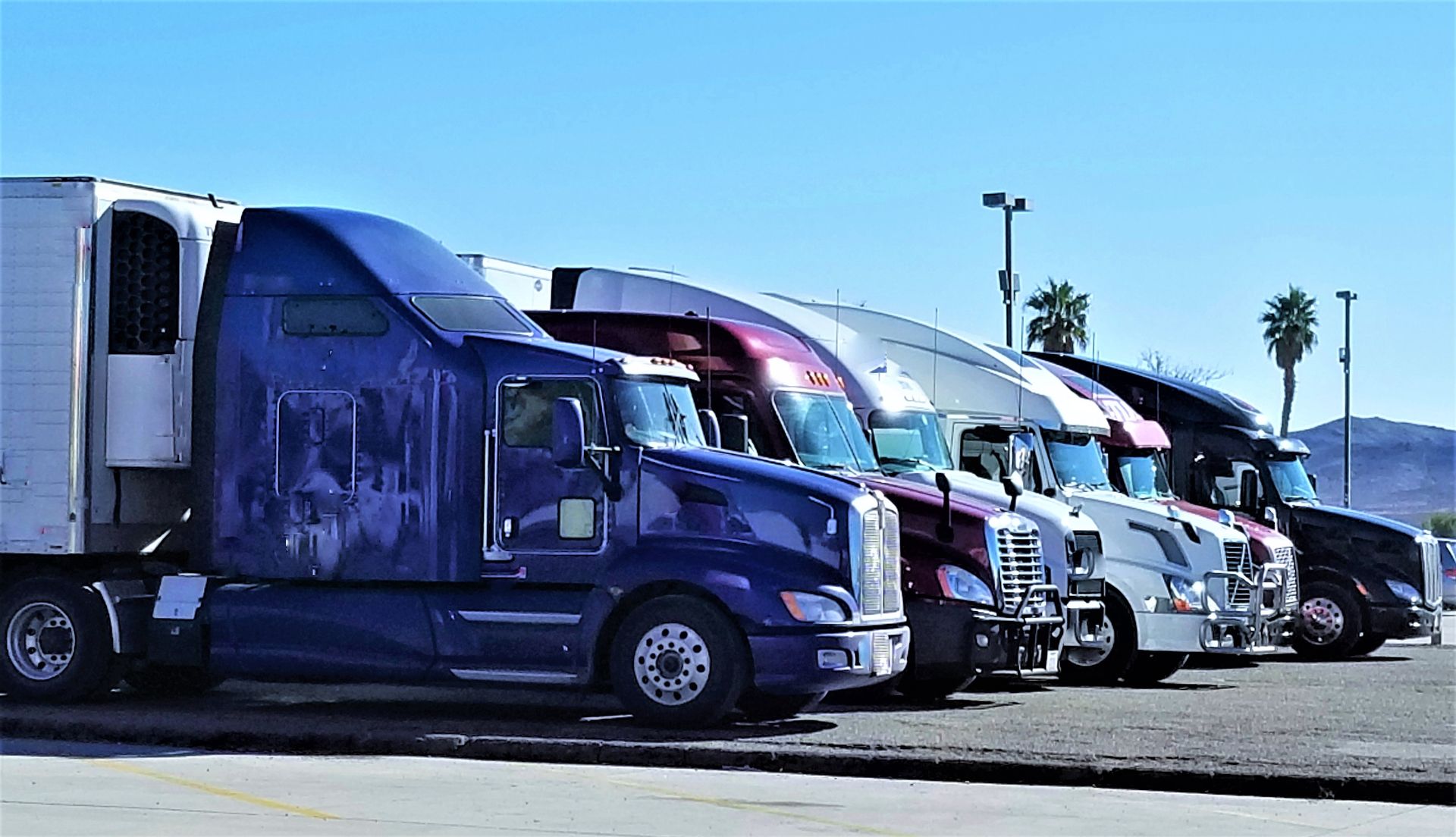
Commercial Auto & Trucking
Protection for your fleet including box trucks, moving vans, and trailers. Covers liability, collision, physical damage, and hired or non-owned vehicles used in your operations.
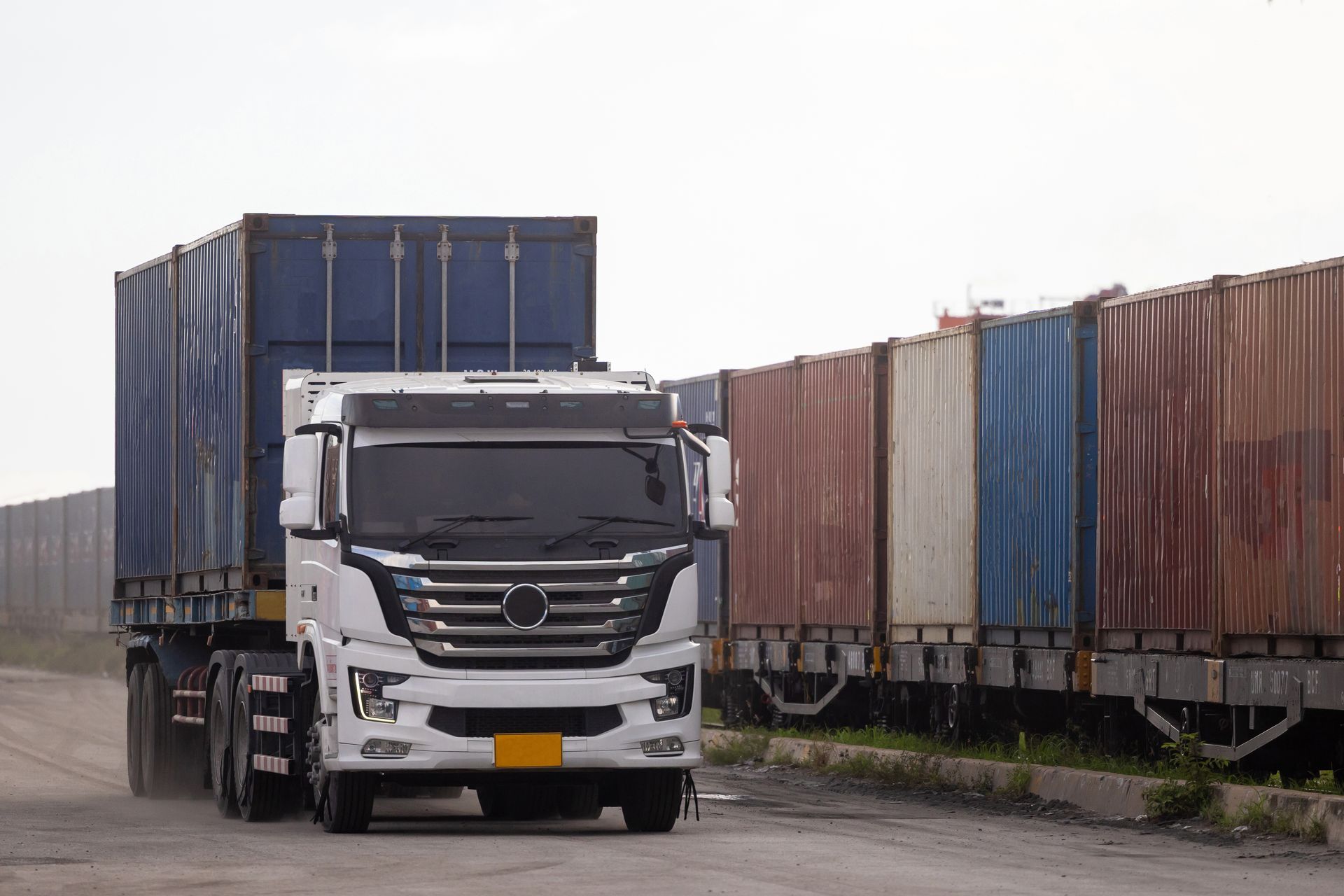
Motor Truck Cargo
Covers household goods and freight during transport from pickup to delivery. Protects against damage, theft, mysterious disappearance, and weather-related losses while cargo is in your care.

General Liability
Protection from third-party claims for bodily injury and property damage at customer homes, job sites, and your own facility. Essential coverage for every transportation operation

Warehouse Legal Liability
Coverage for customer property while stored in your facility. Protects against damage, theft, fire, and water damage to goods in your care, custody, or control.

Workers' Compensation
Medical care and wage replacement for employees injured on the job. Required in most states for transportation and warehouse work where physical labor creates higher injury risk.

Umbrella & Excess Liability
Higher liability limits stacked on top of your primary policies. Helps meet large contract requirements and protects your business assets against major claims and lawsuits.
Specialized Knowledge
Industries We Protect
Focused coverage for transportation and logistics businesses


Simple and Clear
How Our Process Works
Our process to get you covered
Connect With Us
Reach out through our form or by phone to share your business needs and current coverage situation.
Get Coverage Options
We review your risks, compare carriers, and present clear quotes with plain-language explanations.
Stay Protected
You choose your plan, and we provide ongoing support for certificates, claims, and renewals.
Trusted by Businesses
Feedback That Reflects Service and Reliability
What our clients say about working with Champion Risk
Answers You Need
Frequently Asked Questions
Common questions about transportation and logistics insurance




What insurance does a transportation company need to operate legally?
Motor carriers that cross state lines must meet FMCSA requirements. You need a minimum of $750,000 in liability coverage, plus a BMC-91 filing that proves your insurance to the federal government. Cargo coverage is also required, with minimums that depend on the type of goods you transport.
Intrastate operators follow state-specific rules. California, Texas, and Florida each have different requirements. Champion Risk handles both federal and state filings. We make sure your coverage meets legal minimums and your certificates reach the right agencies.
How much does commercial transportation insurance cost?
Premiums depend on your fleet size, driving records, cargo values, and claims history. A small operation with two trucks might pay $8,000 to $15,000 per year. A larger carrier with ten trucks could pay $50,000 to $100,000 or more.
The best way to control costs is working with a broker who knows transportation insurance. We find carriers that specialize in your exact operation type. This often results in better rates than going direct or using a general agent who doesn't understand the industry.
What is a BMC-91 filing and why do I need one?
A BMC-91 is a form your insurance company files with the FMCSA. It proves you carry the required liability coverage to operate as a for-hire motor carrier. Without an active BMC-91, your operating authority can be revoked.
Champion Risk works with carriers who file electronically. Your BMC-91 typically posts within 24 to 48 hours of binding coverage. We monitor your filing status and alert you if anything needs attention.
Does my warehouse or storage facility need different insurance than a trucking operation?
Yes. Storage facilities need warehouse legal liability coverage. This protects you when customer property is damaged or stolen while in your care. Standard general liability policies exclude this exposure.
You may also need property coverage for your building, equipment breakdown protection, and business income coverage if a fire or disaster shuts down operations. Champion Risk builds storage facility programs that address all these risks in one package.
Can you insure last-mile delivery drivers who use their own vehicles?
Yes. We offer hired and non-owned auto coverage for delivery operations that use independent contractors or employees driving personal vehicles. This fills gaps that personal auto policies don't cover during commercial use.
We also provide occupational accident coverage for 1099 drivers who aren't eligible for workers' comp. This protects your drivers and limits your liability exposure when accidents happen.
How fast can I get proof of insurance for a new contract?
Same day in most cases. Once we bind your policy, we issue certificates of insurance within hours. If your contract requires specific additional insured language or special endorsements, we coordinate directly with the carrier.
Rush requests happen often in this industry. General contractors and corporate clients demand certificates before they let you on site. Champion Risk prioritizes fast turnaround because we know your revenue depends on it.
Answers You Need
Transportation & Logistics Insurance Resources
Articles designed to inform and support your business
Contact Us
Phone Number:
Email Address:
Location:
12264 El Camino Real, Suite 350
San Diego, CA 92130
Hours:
Monday – Friday: 8:00 AM – 6:00 PM PT