
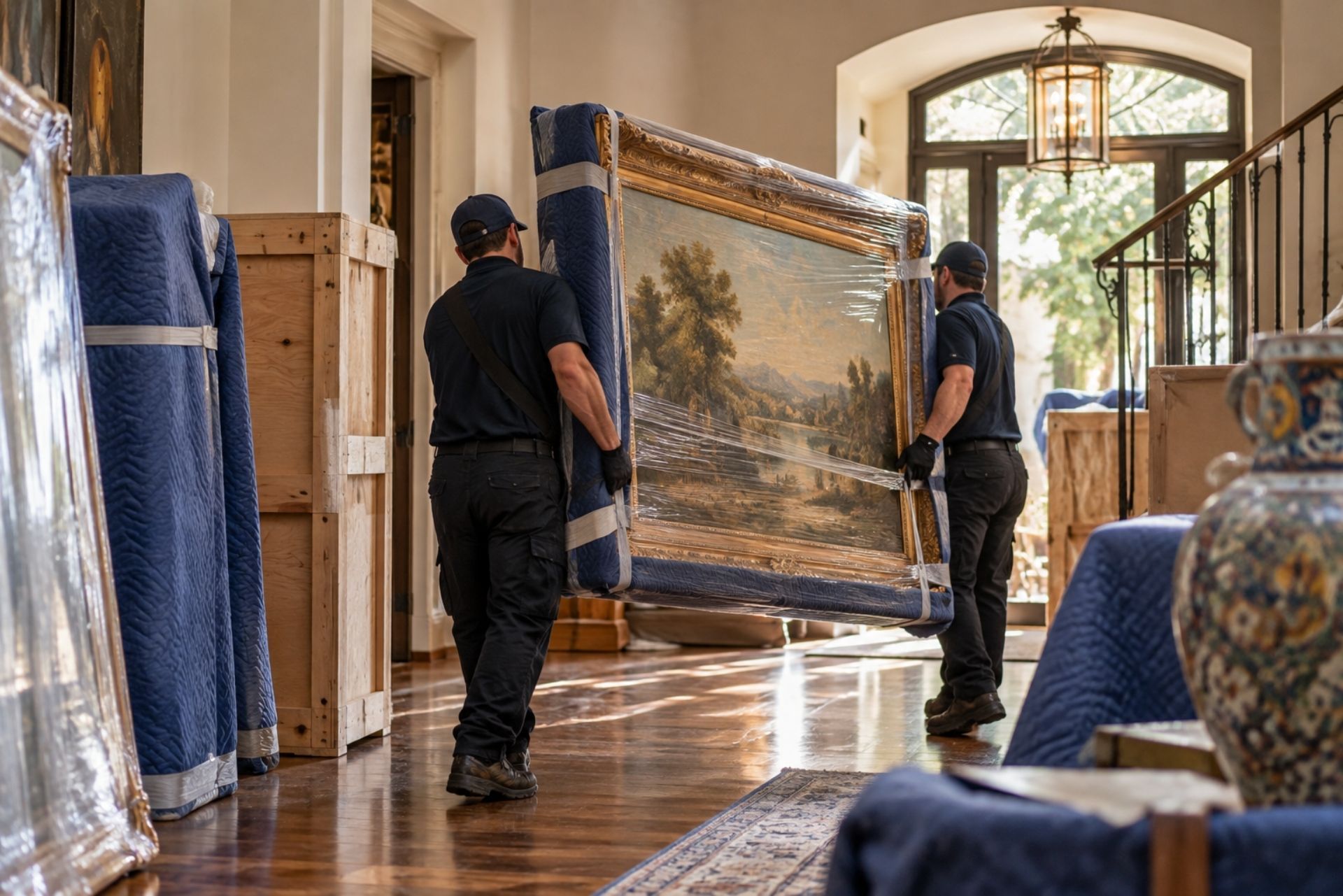
A single 18th-century gilded mirror can be worth more than an entire household of furniture. Drop it off a loading dock, and you're not just looking at broken glass: you're staring at a six-figure claim, a furious collector, and a reputation problem that no amount of marketing can fix. For moving companies that specialize in fine art and antiques, the stakes on every job are wildly different from a standard residential move. Your insurance program needs to reflect that reality.
This guide covers the insurance essentials that art and antique movers actually need:
cargo liability, valuation and appraisal requirements, packing and crating considerations,
warehouse storage exposures, claims handling, and the costs that come with protecting irreplaceable property. Whether you're a specialty mover building out your first policy or a veteran operator reviewing your coverage after a close call, the information here is built around what we've seen go wrong in the real world.
Why Standard Moving Insurance Isn't Enough for High-Value Items
Why standard moving insurance isn't enough for high-value items is the first question every art mover should be asking. The gap between what generic policies cover and what a damaged Chippendale desk actually costs to replace is enormous, and it's a gap that has ended businesses.
The Limitations of Released Value Protection
The federally mandated minimum for interstate movers, Released Value Protection, pays out at just $0.60 per pound per item. Think about what that means for a 12-pound oil painting valued at $80,000. Under released value, the maximum payout would be $7.20. That's not a typo. This coverage exists as a regulatory baseline, not as meaningful protection for high-value cargo.
Most general moving policies are designed around household goods where the per-pound value is relatively predictable. Art and antiques break that model completely. A bronze sculpture might weigh 200 pounds and be worth $500, or it might weigh 200 pounds and be worth $500,000. Weight-based valuation simply cannot account for this kind of variance.
Unique Risks: Restoration Costs and Depreciation
Damage to fine art rarely works like damage to a sofa. A scratched painting doesn't just need a new frame: it may require months of professional conservation work costing tens of thousands of dollars. Even after expert restoration, the piece may carry a "restoration history" that permanently reduces its auction value by 20% to 40%.
Antiques present their own complications. Period-correct replacement parts for a Louis XVI commode don't exist on Amazon. Restoration requires specialized craftspeople, and the timeline can stretch from weeks to over a year. Your insurance needs to account for both the repair cost and the diminished market value after repair, which standard policies almost never address.

By: Mark Raby
Chief Executive Officer at Champion Risk & Insurance Services
Essential Coverage Types for Fine Art and Antique Movers
Essential coverage types for fine art and antique movers go well beyond a basic commercial auto policy. You need layered protection that addresses every phase of the job, from pickup to delivery and everything in between.
Inland Marine and Cargo Insurance
Inland marine insurance is the backbone of any specialty mover's program. It covers goods in transit over land, and for art movers, it should be written on an "all-risk" or "open perils" basis. This means the policy covers any cause of loss unless it's specifically excluded, which is the opposite of a "named perils" policy that only covers what's listed.
Your cargo limits need to match the highest-value shipment you're likely to handle. If you're moving a collection appraised at $2 million, a $500,000 cargo policy leaves you dangerously exposed. Champion Risk works with specialty movers to structure cargo limits that align with actual shipment values rather than arbitrary caps.
Bailee's Customer Insurance for Professional Handling
Bailee's coverage protects property that belongs to someone else while it's in your care, custody, or control. This is distinct from cargo insurance and applies when items are at your facility for packing, staging, or temporary storage before or after transit.
The 2026 Supreme Court ruling in Montgomery v. Caribe Transport II, LLC made this even more critical. The Court held that the FAAAA does not preempt state-law negligent hiring claims, which means art brokers and collectors now have stronger legal grounds to sue carriers who fail to exercise ordinary care. Bailee's coverage helps protect you when a client argues your handling fell below that standard.
General Liability vs. Professional Liability
General liability covers bodily injury and property damage that happens at your premises or job sites. If a crate falls off a truck and injures a bystander, GL responds. Professional liability (sometimes called errors and omissions) covers mistakes in your professional services: a miscommunicated delivery date, an incorrect climate recommendation, or a packing specification that turns out to be inadequate.
Most art movers need both. A common mistake is assuming GL covers everything, but GL policies typically exclude damage to property in your care. That's the bailee's territory. Getting these layers right requires someone who understands the specialty moving space, which is exactly where a brokerage like Champion Risk adds value.
Comparing Coverage Levels for Specialty Movers
Comparing coverage levels for specialty movers side by side makes the differences impossible to ignore.
Comparison Table: Standard vs. Specialized High-Value Coverage
| Coverage Feature | Standard Moving Policy | Specialized Fine Art Policy |
|---|---|---|
| Valuation Basis | Weight-based ($0.60/lb) | Agreed value or appraised value |
| Perils Covered | Named perils only | All-risk / open perils |
| Climate Damage | Typically excluded | Covered (with conditions) |
| Restoration Costs | Not addressed | Included up to policy limits |
| Diminished Value | Not covered | Often available as endorsement |
| Warehouse Storage | Limited or excluded | Included during SIT periods |
| International Transit | Excluded | Available via marine cargo extension |
| Deductible Range | $1,000 - $5,000 | $500 - $5,000 (some carriers offer $0) |
The cost difference between these two approaches is real, but so is the exposure difference. A single uninsured loss on a high-value shipment can exceed what you'd pay in specialized premiums over a decade.
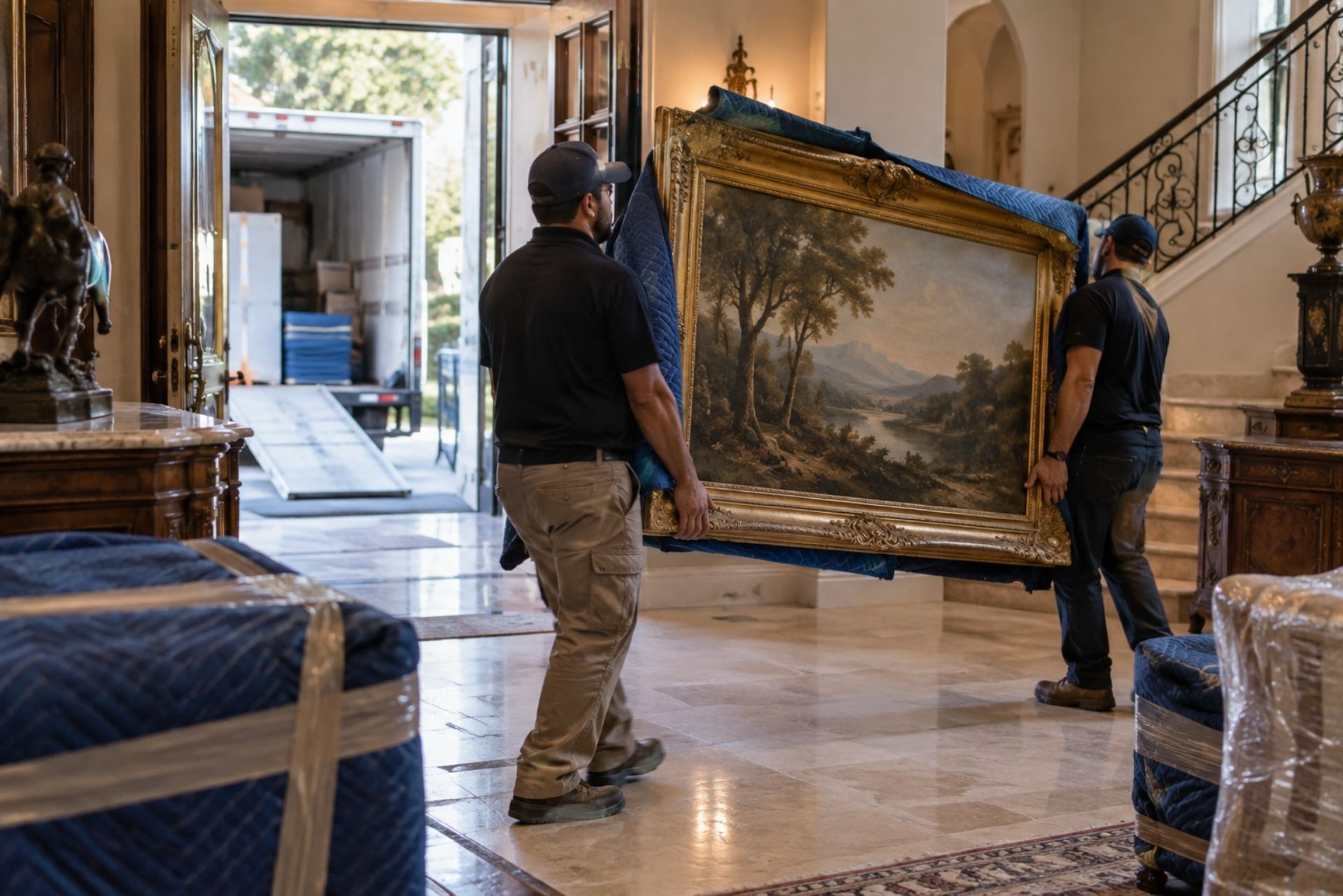
Factors that influence your insurance premiums vary widely, but understanding them gives you more control over what you pay.
Transit Distance and Route Security
Longer routes mean more time on the road and more exposure to accidents, theft, and weather events. A 50-mile local move carries a fundamentally different risk profile than a cross-country shipment. Insurers also look at route specifics: are you driving through areas with high cargo theft rates? Are there mountain passes or flood-prone regions on the route?
Annual premiums for specialist fine art coverage typically range from 0.1% to 2% of the total collection value. A mover handling $5 million in annual cargo value might pay anywhere from $5,000 to $100,000 depending on risk factors. That's a wide range, and the details of your operation determine where you fall.
Climate Control and Specialized Equipment Requirements
Temperature and humidity fluctuations are silent killers for fine art. Canvas can warp, varnish can crack, and wooden antiques can split. If your trucks have climate-controlled compartments and air-ride suspension, insurers view you as a lower risk. If you're loading paintings into a standard box truck in July, expect to pay more, or face coverage restrictions.
Insurers are also paying closer attention to catastrophe exposure in 2026. With global natural catastrophe losses reaching $328 billion recently, some carriers are incorporating parametric triggers into fine art policies that provide faster payouts after specific climate events. This is a newer development worth discussing with your broker.
One thing to keep in mind: if your collection values are climbing,
you must increase your limits accordingly, or you risk being significantly underinsured when a claim hits. Current market value wording alone won't save you if your limits haven't kept pace with appreciation.
Common Questions About Specialty Moving Insurance
Common questions about specialty moving insurance tend to cluster around the same practical concerns. Here are the ones we hear most often.
How do I prove the value of an antique before moving it?
Get a written appraisal from a certified appraiser (ASA or AAA credentialed) documented within the last 12 months to finalize transit contracts. Pair that with photographs, provenance documentation, and recent comparable sales records. Insurers won't honor a claim for $50,000 if your only proof of value is a verbal estimate from the owner. https://aretelogistics.art/articles/how-scotus-montgomery-ruling-impacts-art-shipping-liability
Does basic business insurance cover accidental damage to a client's painting?
Almost never. Standard general liability policies exclude property in your care, custody, or control. You need bailee's customer insurance or an inland marine policy specifically designed for goods you're transporting. This is one of the most common and costly coverage gaps we see.
What happens if a piece is damaged but can be repaired?
The insurer will typically cover the cost of professional restoration. Some specialized policies also include a diminished value endorsement, which compensates for the reduction in market value even after a successful repair. Without that endorsement, you could restore a painting perfectly and still face a claim for the lost resale value.
Do I need extra coverage for international art shipments?
Yes. Domestic inland marine policies don't extend overseas. You'll need a marine cargo policy for ocean freight or an air cargo policy. Air freight has become the preferred method for high-value international art shipments in 2026, cutting transit times to 3 to 7 days compared with 25 to 45 days by sea. Shorter transit means less exposure, but you still need the right policy in place.
Making the Right Choice for Your Business
The insurance decisions you make as a fine art and antique mover directly determine whether a single bad day ends your business or becomes a manageable event. Released value protection is a joke for high-value cargo. Standard business policies leave gaping holes. And the legal environment after the Montgomery ruling has raised the bar for what counts as "ordinary care" in carrier selection.
Build your program around agreed-value inland marine coverage, bailee's insurance, and appropriate liability layers. Document everything before it goes on the truck. Review your limits annually, especially if you're handling higher-value collections than you were a year ago.
Champion Risk specializes in building insurance programs for moving companies that handle complex, high-value cargo. If your current coverage was designed for household goods and you've been taking on fine art clients, it's time for a serious policy review before you learn the hard way what's not covered.
About the Author:
Mark Raby
I am a seasoned insurance professional with over 30 years of experience in the industry. I lead Champion Risk & Insurance Services, a San Diego-based brokerage with nationwide reach and strong influence in the insurance marketplace. My core competencies include insurance agency M&A deals, captives and alternative risk structures, and commercial property and casualty insurance for clients in the transportation and logistics industries. I am a former president of IIAB San Diego and hold a Bachelor of Science in Finance from Western Michigan University’s Haworth College of Business.
Protection for Transportation Operations
Business Insurance for Transportation & Logistics Companies
Coverage designed specifically for transportation businesses
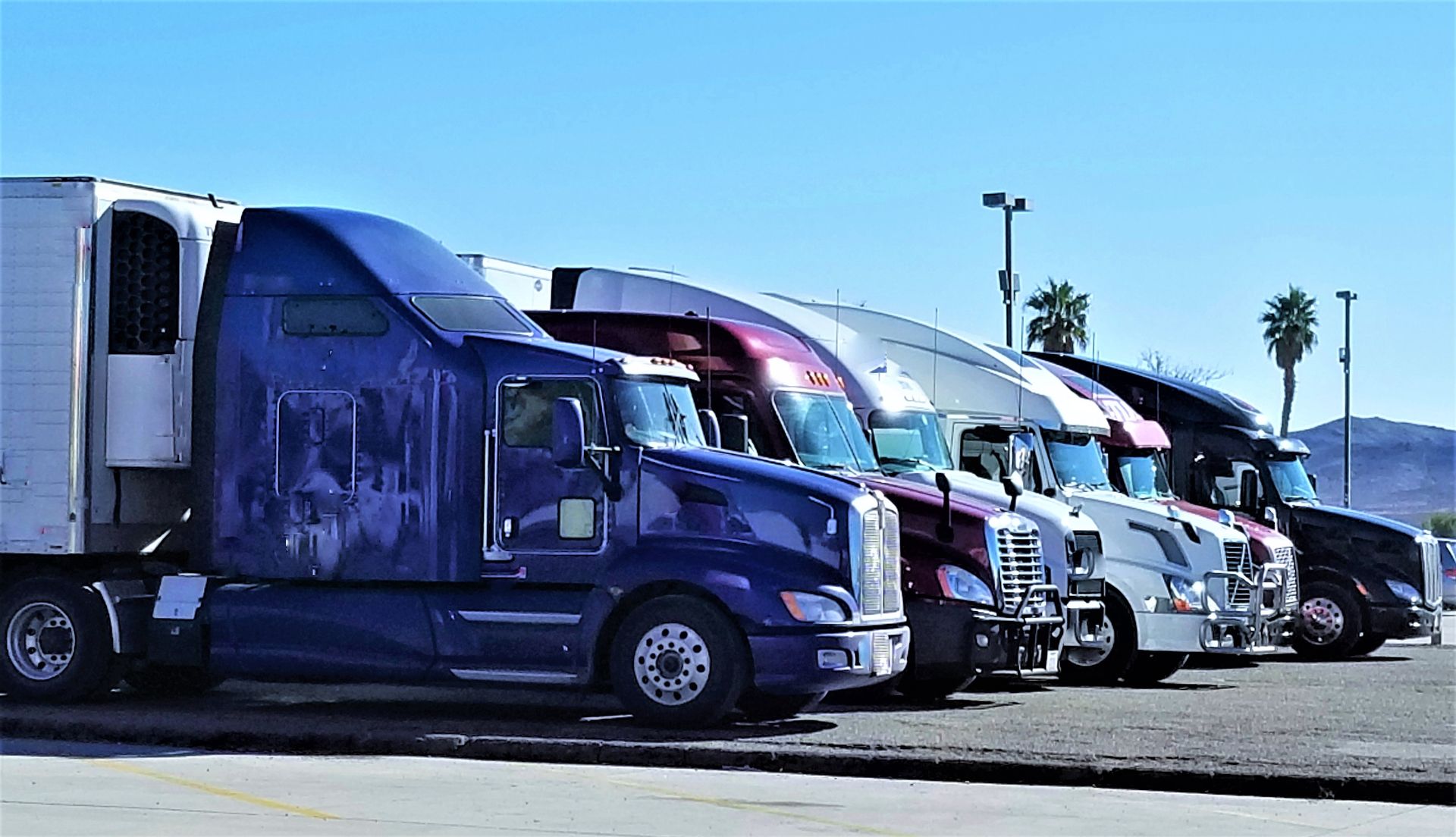
Commercial Auto & Trucking
Protection for your fleet including box trucks, moving vans, and trailers. Covers liability, collision, physical damage, and hired or non-owned vehicles used in your operations.
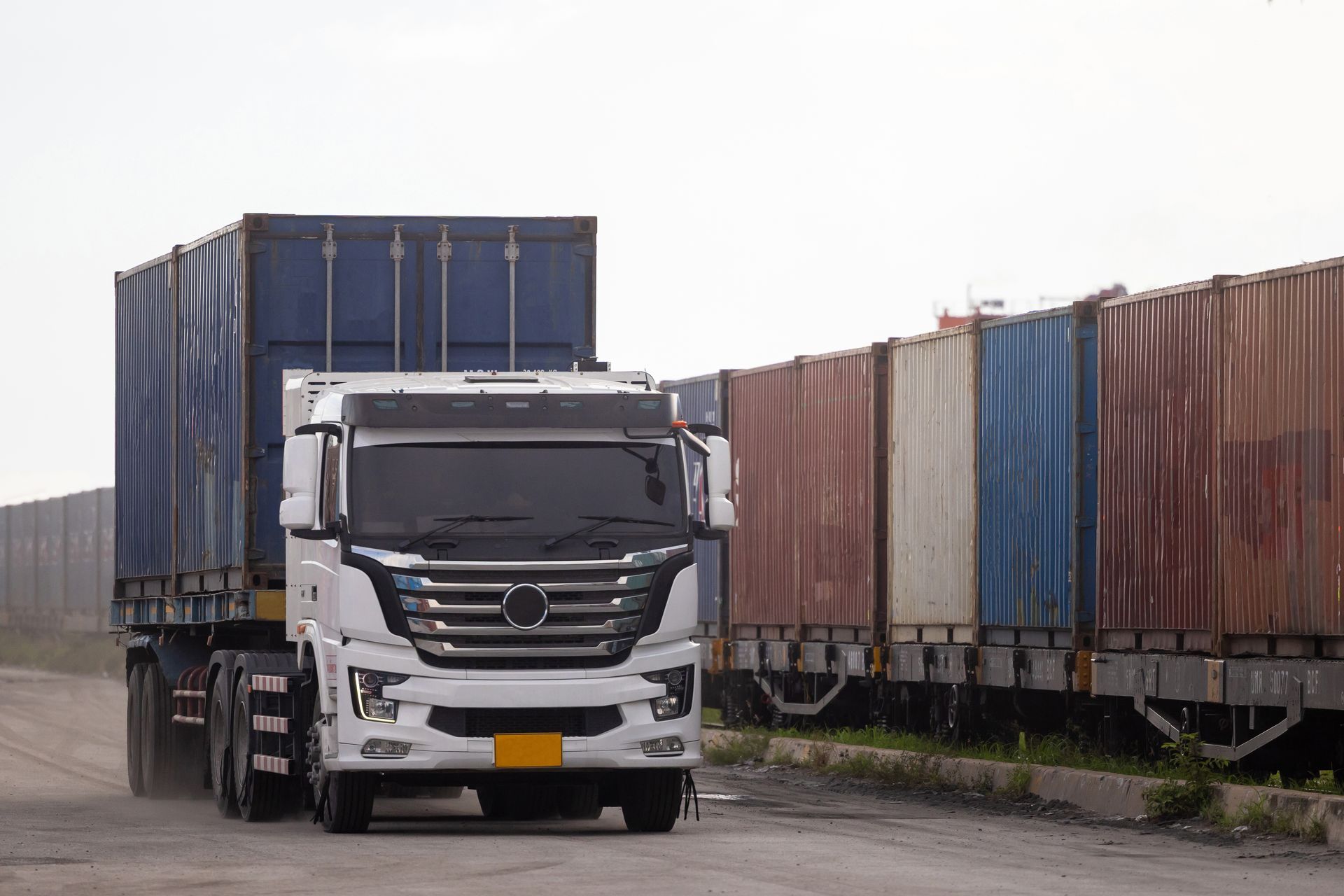
Motor Truck Cargo
Covers household goods and freight during transport from pickup to delivery. Protects against damage, theft, mysterious disappearance, and weather-related losses while cargo is in your care.

General Liability
Protection from third-party claims for bodily injury and property damage at customer homes, job sites, and your own facility. Essential coverage for every transportation operation

Warehouse Legal Liability
Coverage for customer property while stored in your facility. Protects against damage, theft, fire, and water damage to goods in your care, custody, or control.

Workers' Compensation
Medical care and wage replacement for employees injured on the job. Required in most states for transportation and warehouse work where physical labor creates higher injury risk.

Umbrella & Excess Liability
Higher liability limits stacked on top of your primary policies. Helps meet large contract requirements and protects your business assets against major claims and lawsuits.
Specialized Knowledge
Industries We Protect
Focused coverage for transportation and logistics businesses


Simple and Clear
How Our Process Works
Our process to get you covered
Connect With Us
Reach out through our form or by phone to share your business needs and current coverage situation.
Get Coverage Options
We review your risks, compare carriers, and present clear quotes with plain-language explanations.
Stay Protected
You choose your plan, and we provide ongoing support for certificates, claims, and renewals.
Trusted by Businesses
Feedback That Reflects Service and Reliability
What our clients say about working with Champion Risk
Answers You Need
Frequently Asked Questions
Common questions about transportation and logistics insurance




What insurance does a transportation company need to operate legally?
Motor carriers that cross state lines must meet FMCSA requirements. You need a minimum of $750,000 in liability coverage, plus a BMC-91 filing that proves your insurance to the federal government. Cargo coverage is also required, with minimums that depend on the type of goods you transport.
Intrastate operators follow state-specific rules. California, Texas, and Florida each have different requirements. Champion Risk handles both federal and state filings. We make sure your coverage meets legal minimums and your certificates reach the right agencies.
How much does commercial transportation insurance cost?
Premiums depend on your fleet size, driving records, cargo values, and claims history. A small operation with two trucks might pay $8,000 to $15,000 per year. A larger carrier with ten trucks could pay $50,000 to $100,000 or more.
The best way to control costs is working with a broker who knows transportation insurance. We find carriers that specialize in your exact operation type. This often results in better rates than going direct or using a general agent who doesn't understand the industry.
What is a BMC-91 filing and why do I need one?
A BMC-91 is a form your insurance company files with the FMCSA. It proves you carry the required liability coverage to operate as a for-hire motor carrier. Without an active BMC-91, your operating authority can be revoked.
Champion Risk works with carriers who file electronically. Your BMC-91 typically posts within 24 to 48 hours of binding coverage. We monitor your filing status and alert you if anything needs attention.
Does my warehouse or storage facility need different insurance than a trucking operation?
Yes. Storage facilities need warehouse legal liability coverage. This protects you when customer property is damaged or stolen while in your care. Standard general liability policies exclude this exposure.
You may also need property coverage for your building, equipment breakdown protection, and business income coverage if a fire or disaster shuts down operations. Champion Risk builds storage facility programs that address all these risks in one package.
Can you insure last-mile delivery drivers who use their own vehicles?
Yes. We offer hired and non-owned auto coverage for delivery operations that use independent contractors or employees driving personal vehicles. This fills gaps that personal auto policies don't cover during commercial use.
We also provide occupational accident coverage for 1099 drivers who aren't eligible for workers' comp. This protects your drivers and limits your liability exposure when accidents happen.
How fast can I get proof of insurance for a new contract?
Same day in most cases. Once we bind your policy, we issue certificates of insurance within hours. If your contract requires specific additional insured language or special endorsements, we coordinate directly with the carrier.
Rush requests happen often in this industry. General contractors and corporate clients demand certificates before they let you on site. Champion Risk prioritizes fast turnaround because we know your revenue depends on it.
Answers You Need
Transportation & Logistics Insurance Resources
Articles designed to inform and support your business
Contact Us
Phone Number:
Email Address:
Location:
12264 El Camino Real, Suite 350
San Diego, CA 92130
Hours:
Monday – Friday: 8:00 AM – 6:00 PM PT