
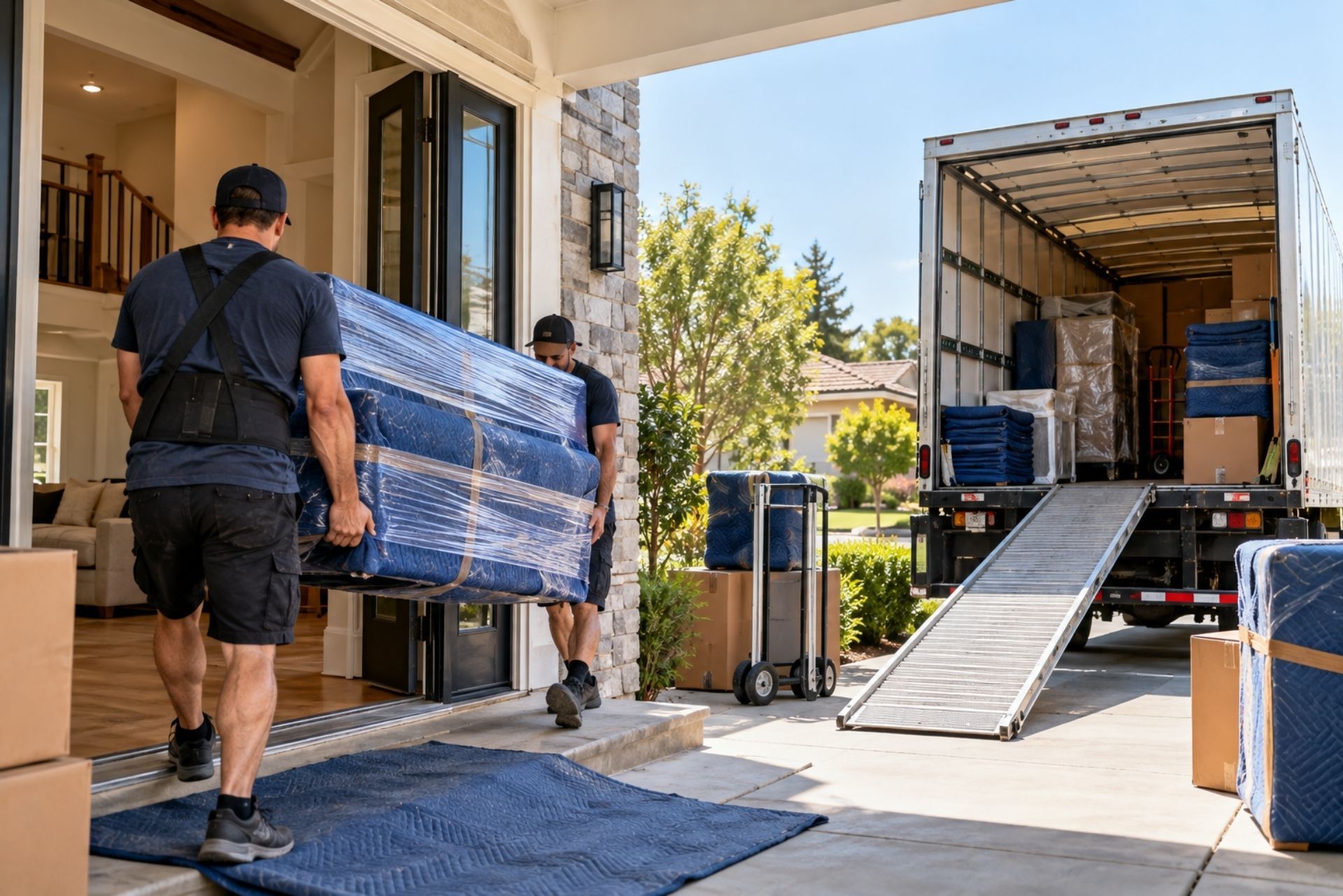
A crew of three shows up to a fourth-floor walkup in Brooklyn, spends six hours hauling furniture down narrow stairwells, and on the last trip, a $2,400 dresser slips and gouges the hallway wall. The building manager wants a repair estimate by Monday. The customer wants to know who's paying for the dresser. And the crew leader, who doesn't even own the truck they loaded, is wondering if his business will survive the week.
This is the reality for
labor-only moving companies: you supply the muscle, the customer or a broker supplies the vehicle, and the liability questions get complicated fast. A staggering
60% of registered moving companies have no active insurance on record, which means most operators are one bad day away from a financial disaster. The insurance needs of a labor-only mover differ from those of a full-service operation in ways that matter. General liability, workers' compensation, customer property damage coverage, hired and non-owned auto policies, certificates of insurance, and the real costs behind all of it: these are the pieces you need to understand before your next job. Getting the right coverage isn't just about checking a legal box. It's about keeping your business alive when things go wrong, and in physical labor, things always eventually go wrong.
Why Labor-Only Movers Need Specialized Insurance
Labor-only moving companies occupy a unique spot in the industry. You're handling someone's most valuable possessions, working in spaces you don't control, and often using vehicles you don't own. That combination creates a risk profile that standard business insurance policies aren't designed to address.
The biggest misconception I see is operators assuming they can get by with a basic general liability policy and nothing else. That might work for a consulting firm. It won't work when your employees are carrying a piano down a flight of stairs.
The Difference Between Full-Service and Labor-Only Risks
A full-service mover controls the entire chain: packing, loading, transport, unloading. Their insurance is built around that control. A labor-only company, by contrast, has gaps everywhere. You don't control how items were packed. You don't own the truck, so you can't insure it directly. You may not even choose the route.
What you do control is the physical handling, and that's where most damage and injury claims originate. Dropped items, scratched floors, strained backs, damaged doorframes: these are your exposures. Your insurance needs to be built around the work your hands actually do, not around a truck sitting in a parking lot.
Legal Requirements and State Compliance
Every state has its own rules about what insurance a moving company must carry, and worker classification laws add another layer. New Jersey, for example, adopted regulations in May 2026 that clarify worker classification using the "ABC Test", which directly affects whether your crew members need to be covered under workers' comp.
If you're operating with
independent contractors but can't pass your state's classification test, you could face penalties and be forced to retroactively provide
workers' comp coverage. This is where working with a brokerage like Champion Risk pays off: they can audit your setup and flag compliance issues before a state inspector does.

By: Mark Raby
Chief Executive Officer at Champion Risk & Insurance Services
Essential Coverage Types for Your Business
The right insurance program for a labor-only moving company isn't a single policy. It's a layered set of coverages, each addressing a specific risk. Here's what actually matters.
General Liability: Protecting Against Property Damage
General liability is your foundation. It covers third-party bodily injury and property damage, meaning if your crew damages a customer's home, scratches a hardwood floor, or injures a bystander, this policy responds. Standard policy limits for moving operations in 2026 remain at $1 million per occurrence and $2 million aggregate.
Those limits aren't arbitrary. Most commercial building managers and residential complexes won't let you through the door without proof of at least $1 million in coverage. General liability is non-negotiable for any legitimate operation.
Workers' Compensation for Physical Labor Risks
Moving is one of the most physically demanding jobs in any industry. Back injuries, knee problems, falls, and crush injuries are common. Workers' comp covers medical expenses and lost wages when your crew gets hurt on the job. In most states, it's legally required the moment you hire your first employee.
The cost varies based on your state, payroll size, and claims history, but skipping it isn't a real option. One serious back injury can generate six figures in medical bills. Without workers' comp, that liability lands directly on you.
Bailee's Coverage: Protecting Customer Goods in Transit
Here's a coverage gap that catches many labor-only movers off guard. General liability covers damage to property you don't own, but bailee's coverage specifically protects customer goods that are in your care, custody, or control. The distinction matters.
Federal law requires movers to provide "Released Value Protection" at no additional charge, but that only covers $0.60 per pound per article. A 15-pound laptop worth $2,000 would be covered for $9. Bailee's coverage fills that gap and gives your customers real protection, which also makes your business more attractive to higher-value clients.
Comparing General Liability and Professional Liability
These two coverages sound similar but protect against very different things. Understanding the distinction helps you avoid paying for coverage you don't need, or worse, missing coverage you do.
Comparison Table: Coverage Scope and Value
| Feature | General Liability | Professional Liability |
|---|---|---|
| What it covers | Physical damage to property or people | Errors, omissions, bad advice |
| Typical claim example | Crew drops a dresser on a customer's foot | Mover gives incorrect packing instructions that lead to damage |
| Relevance to labor-only movers | High: this is your primary exposure | Low: most labor-only companies don't provide consulting or advisory services |
| Standard limits (2026) | $1M per occurrence / $2M aggregate | Varies, often $1M per occurrence |
| Cost relative to GL | Baseline | Usually 30-50% less, but less useful for physical labor operations |
| Required by building managers? | Almost always | Rarely |
For most labor-only operations, general liability is essential and professional liability is optional. Save your premium dollars for the coverages that match your actual risk.
Managing Risk When You Don't Own the Truck
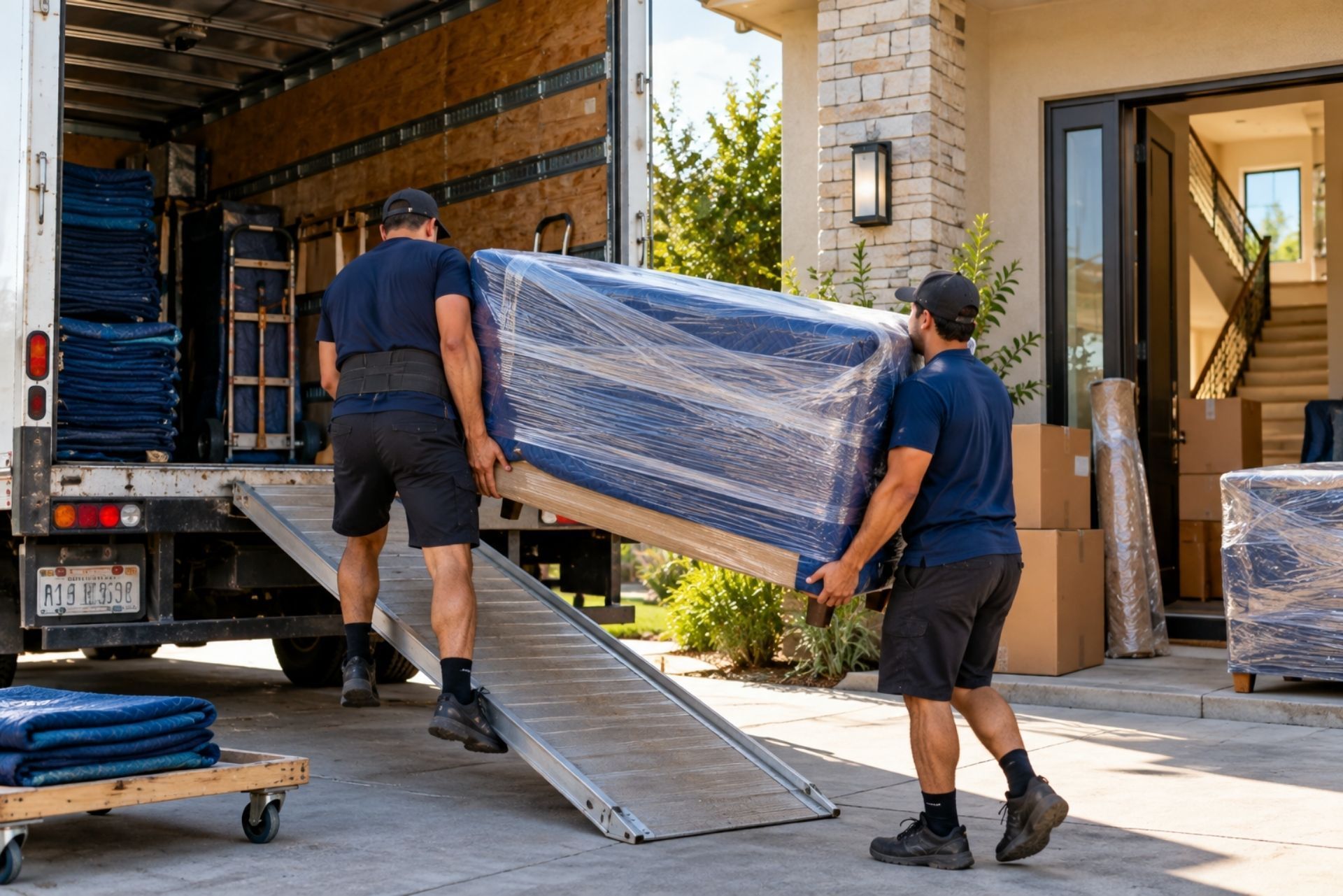
This is where labor-only insurance gets genuinely tricky. Your crew is loading and unloading vehicles you don't own, and sometimes driving rental trucks or customer vehicles between locations. Who's liable if something happens?
Hired and Non-Owned Auto Insurance
If your employees ever drive a rented truck, a customer's vehicle, or any vehicle not titled to your company, you need hired and non-owned auto coverage. Personal auto policies exclude commercial use. The rental company's insurance has gaps. And the customer's auto policy wasn't designed for professional movers behind the wheel.
This coverage protects your business when an employee causes an accident in a vehicle you don't own. It's relatively inexpensive compared to a full commercial auto policy, and for a labor-only company, it's often more appropriate since you're not maintaining a fleet. Champion Risk structures these policies regularly for labor-only operators and can help you right-size the limits based on how often your crew actually drives.
Liability Limits for Loading and Unloading
Even if you never touch the steering wheel, your liability doesn't end at the truck's tailgate. If your crew improperly loads items and they shift during transit, causing damage or an accident, you could still face a claim. Your general liability policy may cover this, but check the exclusions carefully.
Some policies have specific loading and unloading exclusions or sub-limits. Ask your broker to confirm that your GL policy explicitly covers damage that occurs during the loading and unloading process, including damage to the vehicle's interior.
Common Questions About Moving Insurance
Do I need insurance if I just load and unload?
Yes. The physical handling of someone else's property creates liability whether or not you drive the truck. One damaged item or one injured worker can generate a claim that exceeds what most small businesses can absorb out of pocket.
How much does a basic policy cost for a small crew?
A general liability policy for a small to mid-size mover in 2026 typically ranges from $540 to $1,440 per year, depending on your state, revenue, and claims history (https://www.championrisk.com/how-much-does-moving-storage-company-insurance-cost-in-2026a77c5bbb). Workers' comp adds to that based on payroll. A Champion Risk broker can quote a bundled program that covers GL, workers' comp, and hired auto together, which usually costs less than buying each separately.
Does general liability cover a dropped TV?
Generally, yes. If your crew drops a customer's TV while carrying it, that falls under third-party property damage. The claim would be subject to your deductible and policy limits. That said, if the TV was improperly packed by the customer and fell apart due to poor packaging, the situation gets murkier. Document the condition of items before you touch them.
Can I get insurance for just one day or one job?
Some insurers offer short-term or per-job policies, but they're more expensive per day than annual coverage and often come with higher deductibles. If you're doing this work regularly, an annual policy is almost always the better value. Short-term coverage makes sense only for truly occasional work.
What's a Certificate of Insurance, and why do buildings require one?
A COI is proof that your business carries active insurance. In 2026,
"Class A" apartment complexes and commercial buildings increasingly require a COI before allowing movers on-site. Many
buildings also require that the building management company be named as an "Additional Insured" on your policy. If you can't produce a COI on short notice, you'll lose jobs. Make sure your insurer can issue certificates quickly, ideally the same day.
Making the Right Choice for Your Crew
Labor-only moving insurance isn't one policy: it's a combination of general liability, workers' comp, bailee's coverage, and hired auto that fits the specific way your business operates. The companies that get this wrong usually aren't uninsured by choice. They just didn't realize how many gaps existed in a single off-the-shelf policy.
Start by mapping your actual exposures. Does your crew ever drive? You need hired and non-owned auto. Do you work in buildings that require COIs? Make sure your insurer can turn those around fast. Are your workers classified correctly under your state's rules? Get that sorted before it becomes a compliance problem.
The cost of proper coverage is real, but it's a fraction of what a single uninsured claim can cost. A back injury, a damaged stairwell, a dropped antique: any one of these can end a small business overnight. If you're unsure where to start, reach out to Champion Risk for a coverage review tailored to labor-only operations. They specialize in exactly this kind of risk and can build a program that protects your crew, your customers, and your bottom line without paying for coverage you'll never use.
About the Author:
Mark Raby
I am a seasoned insurance professional with over 30 years of experience in the industry. I lead Champion Risk & Insurance Services, a San Diego-based brokerage with nationwide reach and strong influence in the insurance marketplace. My core competencies include insurance agency M&A deals, captives and alternative risk structures, and commercial property and casualty insurance for clients in the transportation and logistics industries. I am a former president of IIAB San Diego and hold a Bachelor of Science in Finance from Western Michigan University’s Haworth College of Business.
Protection for Transportation Operations
Business Insurance for Transportation & Logistics Companies
Coverage designed specifically for transportation businesses
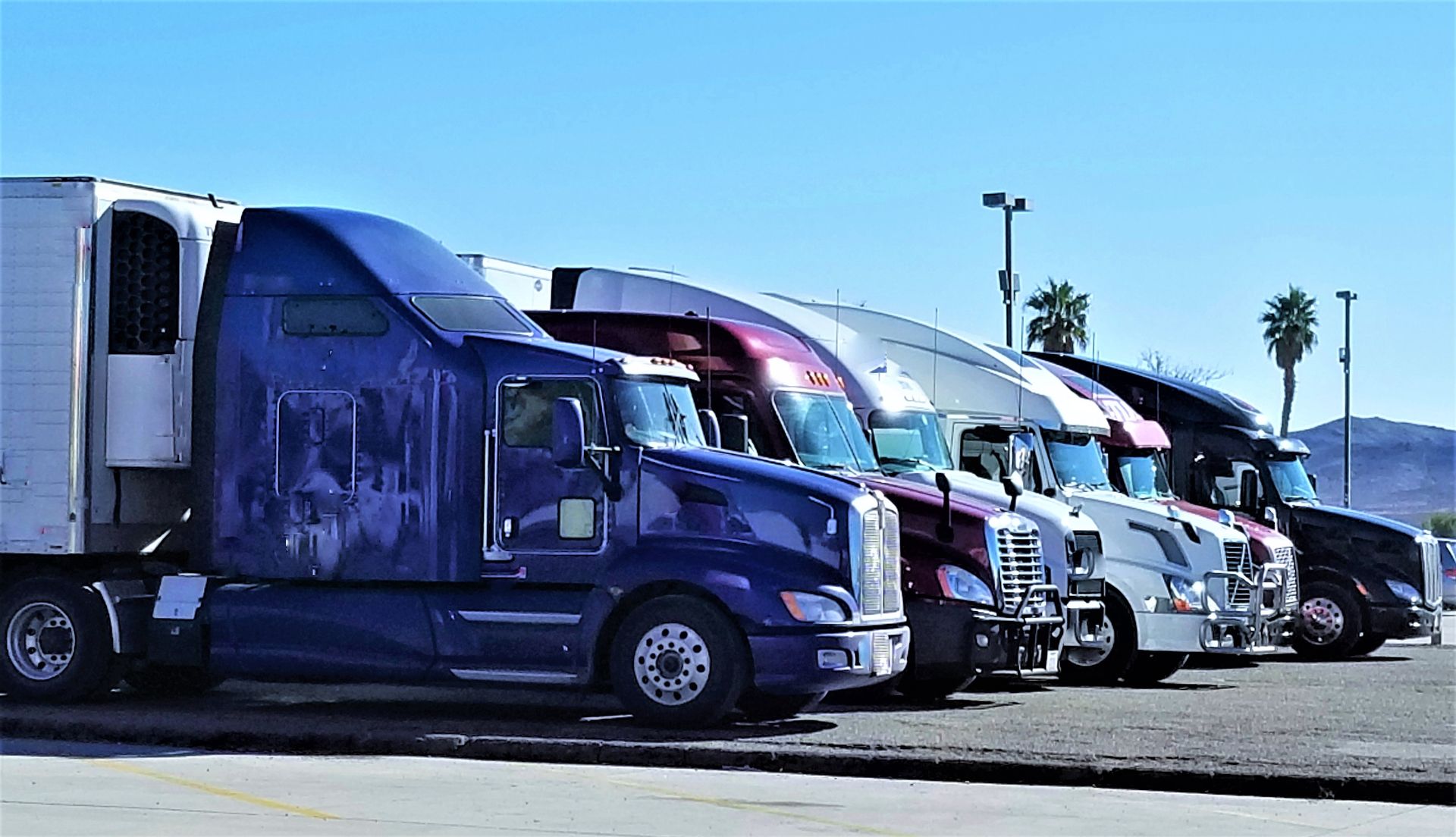
Commercial Auto & Trucking
Protection for your fleet including box trucks, moving vans, and trailers. Covers liability, collision, physical damage, and hired or non-owned vehicles used in your operations.
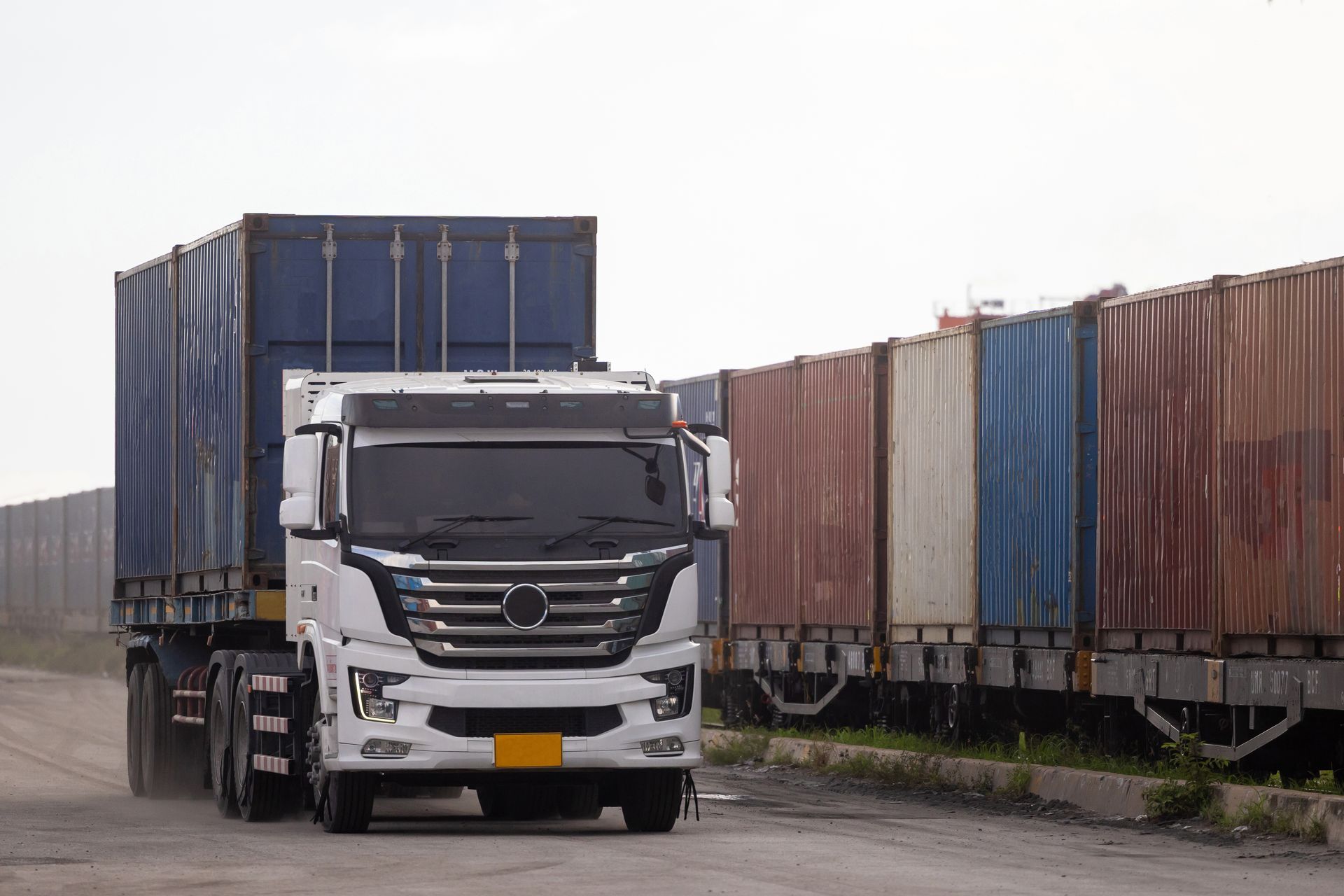
Motor Truck Cargo
Covers household goods and freight during transport from pickup to delivery. Protects against damage, theft, mysterious disappearance, and weather-related losses while cargo is in your care.

General Liability
Protection from third-party claims for bodily injury and property damage at customer homes, job sites, and your own facility. Essential coverage for every transportation operation

Warehouse Legal Liability
Coverage for customer property while stored in your facility. Protects against damage, theft, fire, and water damage to goods in your care, custody, or control.

Workers' Compensation
Medical care and wage replacement for employees injured on the job. Required in most states for transportation and warehouse work where physical labor creates higher injury risk.

Umbrella & Excess Liability
Higher liability limits stacked on top of your primary policies. Helps meet large contract requirements and protects your business assets against major claims and lawsuits.
Specialized Knowledge
Industries We Protect
Focused coverage for transportation and logistics businesses


Simple and Clear
How Our Process Works
Our process to get you covered
Connect With Us
Reach out through our form or by phone to share your business needs and current coverage situation.
Get Coverage Options
We review your risks, compare carriers, and present clear quotes with plain-language explanations.
Stay Protected
You choose your plan, and we provide ongoing support for certificates, claims, and renewals.
Trusted by Businesses
Feedback That Reflects Service and Reliability
What our clients say about working with Champion Risk
Answers You Need
Frequently Asked Questions
Common questions about transportation and logistics insurance




What insurance does a transportation company need to operate legally?
Motor carriers that cross state lines must meet FMCSA requirements. You need a minimum of $750,000 in liability coverage, plus a BMC-91 filing that proves your insurance to the federal government. Cargo coverage is also required, with minimums that depend on the type of goods you transport.
Intrastate operators follow state-specific rules. California, Texas, and Florida each have different requirements. Champion Risk handles both federal and state filings. We make sure your coverage meets legal minimums and your certificates reach the right agencies.
How much does commercial transportation insurance cost?
Premiums depend on your fleet size, driving records, cargo values, and claims history. A small operation with two trucks might pay $8,000 to $15,000 per year. A larger carrier with ten trucks could pay $50,000 to $100,000 or more.
The best way to control costs is working with a broker who knows transportation insurance. We find carriers that specialize in your exact operation type. This often results in better rates than going direct or using a general agent who doesn't understand the industry.
What is a BMC-91 filing and why do I need one?
A BMC-91 is a form your insurance company files with the FMCSA. It proves you carry the required liability coverage to operate as a for-hire motor carrier. Without an active BMC-91, your operating authority can be revoked.
Champion Risk works with carriers who file electronically. Your BMC-91 typically posts within 24 to 48 hours of binding coverage. We monitor your filing status and alert you if anything needs attention.
Does my warehouse or storage facility need different insurance than a trucking operation?
Yes. Storage facilities need warehouse legal liability coverage. This protects you when customer property is damaged or stolen while in your care. Standard general liability policies exclude this exposure.
You may also need property coverage for your building, equipment breakdown protection, and business income coverage if a fire or disaster shuts down operations. Champion Risk builds storage facility programs that address all these risks in one package.
Can you insure last-mile delivery drivers who use their own vehicles?
Yes. We offer hired and non-owned auto coverage for delivery operations that use independent contractors or employees driving personal vehicles. This fills gaps that personal auto policies don't cover during commercial use.
We also provide occupational accident coverage for 1099 drivers who aren't eligible for workers' comp. This protects your drivers and limits your liability exposure when accidents happen.
How fast can I get proof of insurance for a new contract?
Same day in most cases. Once we bind your policy, we issue certificates of insurance within hours. If your contract requires specific additional insured language or special endorsements, we coordinate directly with the carrier.
Rush requests happen often in this industry. General contractors and corporate clients demand certificates before they let you on site. Champion Risk prioritizes fast turnaround because we know your revenue depends on it.
Answers You Need
Transportation & Logistics Insurance Resources
Articles designed to inform and support your business
Contact Us
Phone Number:
Email Address:
Location:
12264 El Camino Real, Suite 350
San Diego, CA 92130
Hours:
Monday – Friday: 8:00 AM – 6:00 PM PT