
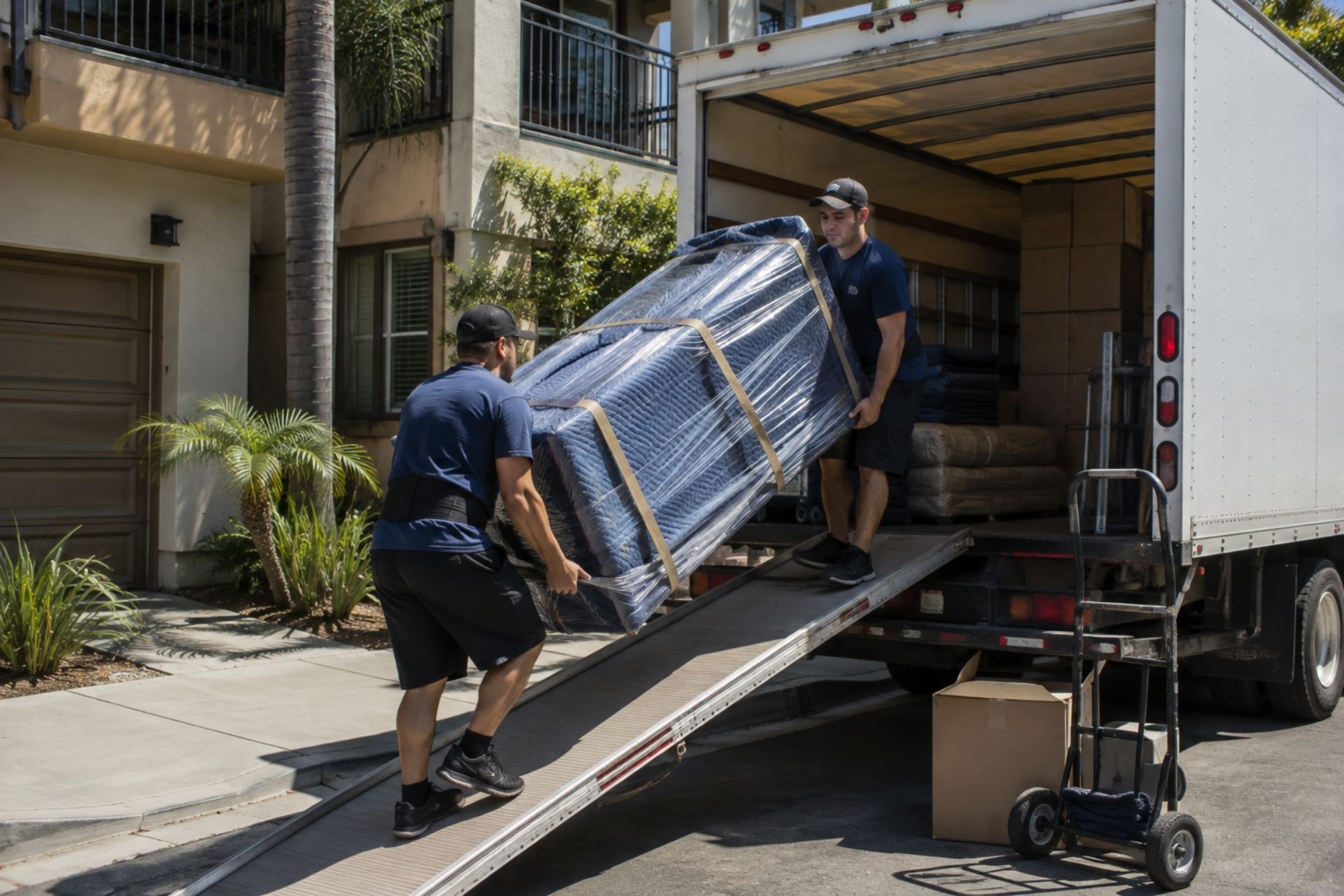
A crew loads a family's dining set into a truck on Rosedale Highway in the morning. By afternoon, a box has slid loose on the 99, cracking the tabletop and splitting a dresser. The customer wants $6,000. Your insurer asks whether the loss happened in transit or at your warehouse, which policy applies, and whether your valuation paperwork was signed. If you can't answer those questions, a minor accident can turn into a month of arguments and an unhappy review.
Bakersfield movers deal with heat, long Central Valley runs, and customers who expect the same care for a $300 couch as for a family heirloom. Moving and storage company insurance in Bakersfield, CA has to cover all of those situations. It also has to satisfy state regulators and the commercial clients who ask for proof of coverage before they sign a contract.
This guide covers each piece: cargo legal liability, commercial auto, warehouse storage, licensing, workers' comp, and realistic costs. It also points out the gaps that tend to surprise operators once a claim comes in, so you know what to check before you renew.
Essential Insurance Requirements for Bakersfield Moving Companies
Before you buy coverage for a Bakersfield moving company, you need to know who is checking your paperwork. That usually means three parties: the state, your commercial clients, and your landlord or lender. Each has its own requirements, and missing any one of them can cost you work.
Local government contracts are a good example. Kern County self-insures its own liability up to $7.5 million for FY 2026-27, but private movers working in its jurisdiction or on county contracts still have to provide certificates of insurance that meet state minimums. Plan on sending a COI for nearly every commercial or public bid.
Meeting CPUC Permit Standards
Many operators still talk about "CPUC permits," but household goods movers have been overseen by the Bureau of Household Goods and Services (BHGS) since 2018. The CPUC still regulates some passenger and other carrier categories. Household movers apply for their permit through BHGS and must keep proof of liability, cargo, and workers' comp on file.
Pricing rules come with the permit. As of January 1, 2026, the Maximum Rate Tariff 4 (MAX 4) sets ceiling prices for moving services and requires a written "Not to Exceed" price for consumers. If you lowball an estimate and then bill above it, you invite complaints that regulators take seriously.
Workers' Compensation for California Movers
California requires workers' comp as soon as you hire your first employee, including part-time helpers and seasonal crews. Moving produces a steady stream of injuries: back strains on stairs, crushed fingers at the truck lift, and heat illness during July jobs in east Bakersfield. The advisory pure premium rate for Class Code 8293 (Furniture Moving) is $10.180 per $100 of payroll, effective September 1, 2026, and that figure comes before carrier loss costs and your experience modifier are applied.


By: Mark Raby
Chief Executive Officer at Champion Risk & Insurance Services
Protecting Assets with Cargo Legal Liability and Commercial Auto
Cargo legal liability and commercial auto cover different losses, and many first claims fall into the space between the two policies. Cargo coverage responds when customer goods are damaged or lost while in your care during transit. Commercial auto handles injuries and property damage caused by your trucks, plus physical damage to the trucks themselves if you include it.
Imagine your box truck rear-ends a pickup at Ming Avenue and the load shifts. Auto pays for the pickup and its driver. Cargo pays for the customer's broken flat-screen. If you only bought auto, the customer's TV is your out-of-pocket expense.
Problems I see often:
- Unscheduled vehicles: A rented truck added for a busy weekend is not covered unless you include hired and non-owned auto.
- Theft exclusions: Some cargo forms exclude theft from an unattended vehicle. Find out what your policy requires for locks and overnight parking.
- Pair-and-set limits: Damage to one piece of a sectional may pay only that piece's value.
Documentation protects you on every claim. Write existing scratches on the Bill of Lading, take photos at pickup, and record timestamped video of high-value items before loading. Champion Risk often builds driver training and loading checklists into a mover's program because good preparation is what keeps cargo losses small.
Warehouse Legal Liability for Storage Operations
Once a shipment is unloaded into your facility, cargo coverage generally ends and your storage exposure starts. Movers who also store goods need Warehouse Legal Liability coverage because customer property in your building is usually excluded from standard general liability policies. One roof leak during a rare valley downpour can ruin hundreds of vaults at the same time.
Storage-in-Transit (SIT) needs its own attention. SIT applies when a customer's goods are held for a while between pickup and delivery, usually because an escrow closing slipped or the new house is not ready. Ask your broker which policy covers goods during a SIT period, and confirm whether the protection changes if the stay turns into long-term storage.
Do you run a self-storage side business and sell protection plans to tenants? The state treats that as an insurance transaction. A facility that sells insurance to renters must hold a
Self-Service Storage Agent License, which carries a $294 application fee for a two-year term. If you sell those plans without the license, you have a compliance problem on top of the business you already run.

Comparison of Standard Coverage vs. Full Value Protection
Customers ask about valuation more than any other topic, and it is also where most disputes begin. Released value coverage is minimal and set by weight. Full value protection makes you responsible for repairing, replacing, or paying current market value. The customer's choice affects your risk directly, so record it in writing every time.
| Feature | Released Value (Basic) | Full Value Protection |
|---|---|---|
| Cost to customer | Included, no extra charge | Additional charge |
| Payout basis | Fixed amount per pound | Repair, replace, or cash value |
| Example: 50 lb antique mirror | Weight-based, often a small amount | Full appraised value |
| Your exposure | Low | High, needs strong cargo limits |
| Dispute risk | High, customers feel shortchanged | Lower when documented |
Customers often believe their homeowners policy fills the gap. Many policies limit coverage for property away from the residence, and coverage on the old home may stop before the move is finished. Encourage customers to call their own agent to check. Third-party moving insurance is another option. Credit card purchase protection typically does not cover household moves, even though plenty of people assume it does.
Factors Influencing Insurance Costs in Kern County
Premiums depend mostly on fleet size, payroll, and claims history. Small California moving operations with fewer than five employees pay an average of $338 per month, about $4,060 a year, for a package that includes general liability, cargo, and auto. Fleets with 10 or more employees usually see premiums between $800 and $1,500 per month.
Kern County has a few factors of its own. Long runs to Los Angeles or the Bay Area put drivers in heavy freeway traffic, and underwriters notice where your miles are driven. Summer heat raises heat-illness risk, which affects workers' comp. Payroll matters a great deal because comp is priced per $100 of wages.
To keep these insurance costs under control:
- Pull motor vehicle records before you hire any driver.
- Write and enforce a heat-illness prevention plan.
- Track claims every month instead of waiting until renewal.
- Install dashcams, which help settle liability fights quickly.
- Ask for a risk audit before renewal so you can fix problems early.
Champion Risk can review your loss runs and package these coverages so you are not paying for overlapping policies.
Common Questions About Moving and Storage Insurance
Do I need cargo insurance if my customers have homeowners coverage? Yes. Their policy may exclude or limit coverage for goods in transit, and when damage happens, customers usually come after the mover first.
What deductible should a small mover choose? A $1,000 to $2,500 cargo deductible is a common middle ground, but pick an amount you can pay several times a year without hurting cash flow.
Is theft from a parked truck covered? That depends on the form. Some policies exclude theft from an unattended vehicle unless it was locked and alarmed, so read that clause before you leave a loaded truck overnight.
How can customers spot an unlicensed mover? Look out for unmarked trucks, crews without uniforms, quotes far below competitors, and no local business address. Licensed movers can show a permit number and a COI right away.
Does general liability cover goods in my warehouse? Usually not. Customer goods in storage need warehouse legal liability coverage.
What happens if I exceed my coverage limits? You pay the amount over the limit. That is why high-value jobs may call for higher cargo limits or a specific endorsement.
The Bottom Line: Securing Your Business Future
A good insurance program for a Bakersfield mover works as a connected system. Cargo covers goods on the truck, commercial auto covers the truck and the people it might hurt, warehouse legal liability covers stored items, and workers' comp covers your crew. If any one piece is missing, you can end up writing checks you never budgeted for.
Your paperwork matters as much as your policies. Signed valuation forms, detailed Bills of Lading, photos, and a current COI are what turn an argument into a claim that pays. Keep your BHGS permit in good standing, price within MAX 4, and record everything before the truck leaves.
To get coverage that fits your fleet, storage operation, and payroll instead of a generic package, talk with Champion Risk. Our team works with moving and storage companies to structure policies, review risks, and set up driver training that lowers claims. Schedule a review before your next renewal.
About the Author:
Mark Raby
I am a seasoned insurance professional with over 30 years of experience in the industry. I lead Champion Risk & Insurance Services, a San Diego-based brokerage with nationwide reach and strong influence in the insurance marketplace. My core competencies include insurance agency M&A deals, captives and alternative risk structures, and commercial property and casualty insurance for clients in the transportation and logistics industries. I am a former president of IIAB San Diego and hold a Bachelor of Science in Finance from Western Michigan University’s Haworth College of Business.
Protection for Transportation Operations
Business Insurance for Transportation & Logistics Companies
Coverage designed specifically for transportation businesses
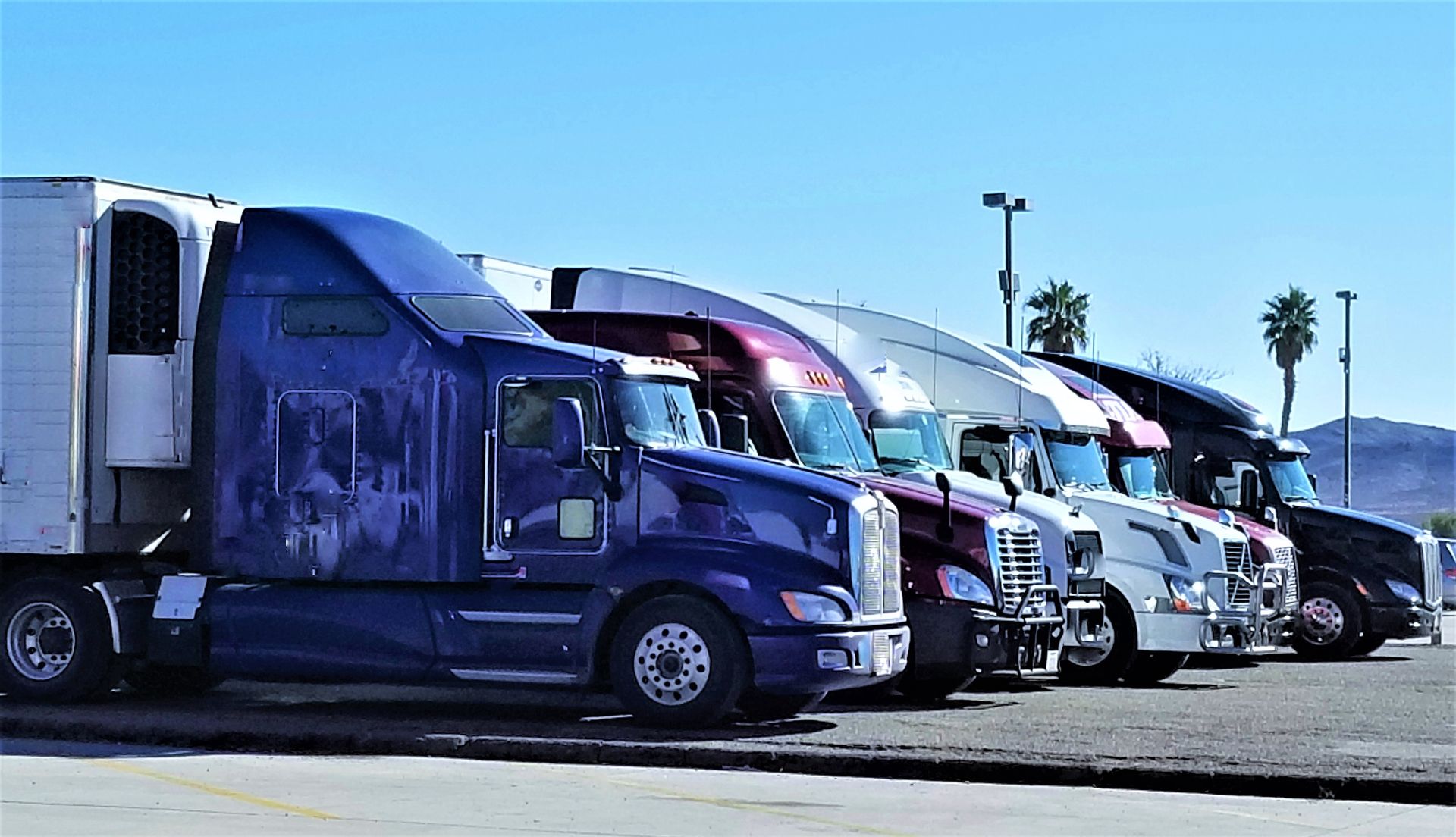
Commercial Auto & Trucking
Protection for your fleet including box trucks, moving vans, and trailers. Covers liability, collision, physical damage, and hired or non-owned vehicles used in your operations.
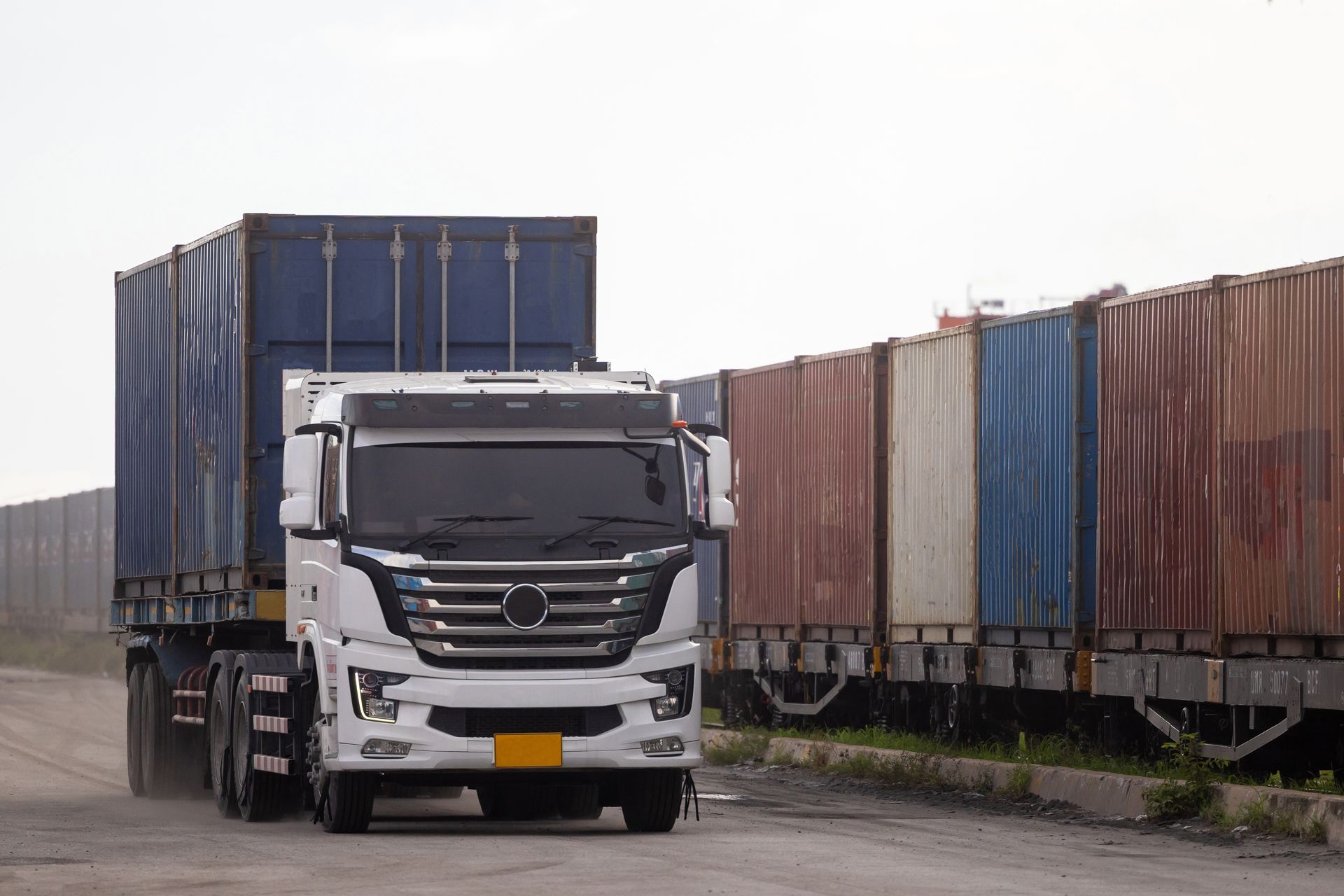
Motor Truck Cargo
Covers household goods and freight during transport from pickup to delivery. Protects against damage, theft, mysterious disappearance, and weather-related losses while cargo is in your care.

General Liability
Protection from third-party claims for bodily injury and property damage at customer homes, job sites, and your own facility. Essential coverage for every transportation operation

Warehouse Legal Liability
Coverage for customer property while stored in your facility. Protects against damage, theft, fire, and water damage to goods in your care, custody, or control.

Workers' Compensation
Medical care and wage replacement for employees injured on the job. Required in most states for transportation and warehouse work where physical labor creates higher injury risk.

Umbrella & Excess Liability
Higher liability limits stacked on top of your primary policies. Helps meet large contract requirements and protects your business assets against major claims and lawsuits.
Specialized Knowledge
Industries We Protect
Focused coverage for transportation and logistics businesses


Simple and Clear
How Our Process Works
Our process to get you covered
Connect With Us
Reach out through our form or by phone to share your business needs and current coverage situation.
Get Coverage Options
We review your risks, compare carriers, and present clear quotes with plain-language explanations.
Stay Protected
You choose your plan, and we provide ongoing support for certificates, claims, and renewals.
Trusted by Businesses
Feedback That Reflects Service and Reliability
What our clients say about working with Champion Risk
Answers You Need
Frequently Asked Questions
Common questions about transportation and logistics insurance




What insurance does a transportation company need to operate legally?
Motor carriers that cross state lines must meet FMCSA requirements. You need a minimum of $750,000 in liability coverage, plus a BMC-91 filing that proves your insurance to the federal government. Cargo coverage is also required, with minimums that depend on the type of goods you transport.
Intrastate operators follow state-specific rules. California, Texas, and Florida each have different requirements. Champion Risk handles both federal and state filings. We make sure your coverage meets legal minimums and your certificates reach the right agencies.
How much does commercial transportation insurance cost?
Premiums depend on your fleet size, driving records, cargo values, and claims history. A small operation with two trucks might pay $8,000 to $15,000 per year. A larger carrier with ten trucks could pay $50,000 to $100,000 or more.
The best way to control costs is working with a broker who knows transportation insurance. We find carriers that specialize in your exact operation type. This often results in better rates than going direct or using a general agent who doesn't understand the industry.
What is a BMC-91 filing and why do I need one?
A BMC-91 is a form your insurance company files with the FMCSA. It proves you carry the required liability coverage to operate as a for-hire motor carrier. Without an active BMC-91, your operating authority can be revoked.
Champion Risk works with carriers who file electronically. Your BMC-91 typically posts within 24 to 48 hours of binding coverage. We monitor your filing status and alert you if anything needs attention.
Does my warehouse or storage facility need different insurance than a trucking operation?
Yes. Storage facilities need warehouse legal liability coverage. This protects you when customer property is damaged or stolen while in your care. Standard general liability policies exclude this exposure.
You may also need property coverage for your building, equipment breakdown protection, and business income coverage if a fire or disaster shuts down operations. Champion Risk builds storage facility programs that address all these risks in one package.
Can you insure last-mile delivery drivers who use their own vehicles?
Yes. We offer hired and non-owned auto coverage for delivery operations that use independent contractors or employees driving personal vehicles. This fills gaps that personal auto policies don't cover during commercial use.
We also provide occupational accident coverage for 1099 drivers who aren't eligible for workers' comp. This protects your drivers and limits your liability exposure when accidents happen.
How fast can I get proof of insurance for a new contract?
Same day in most cases. Once we bind your policy, we issue certificates of insurance within hours. If your contract requires specific additional insured language or special endorsements, we coordinate directly with the carrier.
Rush requests happen often in this industry. General contractors and corporate clients demand certificates before they let you on site. Champion Risk prioritizes fast turnaround because we know your revenue depends on it.
Answers You Need
Transportation & Logistics Insurance Resources
Articles designed to inform and support your business
Contact Us
Phone Number:
Email Address:
Location:
12264 El Camino Real, Suite 350
San Diego, CA 92130
Hours:
Monday – Friday: 8:00 AM – 6:00 PM PT