
Picture a 40-foot custom booth leaving a fabrication shop in Grand Rapids, bound for a medical device show in Las Vegas. Somewhere in a Nebraska rest area, the trailer gets broken into. Two days later, a rigger drops a lighting truss onto a client's LED wall during install. The booth owner calls the logistics company, the logistics company calls its broker, and everyone discovers at once what their policies actually cover.
That chain of phone calls happens more than most exhibit companies admit. Insurance for trade show and exhibit logistics isn't one policy. It's a stack: cargo legal liability for freight, rigging and installation coverage for setup crews, commercial auto for trucks, warehouse storage protection for the months between shows, plus the certificates venues demand before you're allowed through the dock door.
Each layer has its own gaps, and the gaps tend to line up badly. A trailer parked overnight at an advance warehouse may fall between the auto policy and the storage policy. A booth crated in your shop may be "in your care" for one policy and "in transit" for another.
What follows breaks down each piece, what it costs, and where claims usually fall apart.
The High Stakes of Trade Show Logistics
Exhibitors spend real money to show up. Exhibit space alone makes up 40.5% of the average exhibitor's budget, with shipping and show services right behind it. When a booth arrives damaged or late, the exhibitor doesn't just lose the property. They lose the booth fee, the travel, the hotel block, and the leads that show was supposed to generate.
That's why exhibitors and their attorneys look hard for someone else to pay. As the logistics provider, you're usually the closest target. Your contract may limit your liability, but a judge or arbitrator will read that clause skeptically if the paperwork was sloppy or the exhibitor never signed it.
The exposure is also compressed in time. Move-in windows run hours, not days. Crews work fast around forklifts, aerial lifts, and other contractors. Trucks arrive on marshaling yard schedules that push drivers into fatigue. A single show can involve three different trucking legs, two warehouse stays, and a union labor call, each with a different party controlling the freight.
Few industries pack this much handoff risk into such a small window. The insurance has to follow the freight through every one of those handoffs, or you end up paying the gap out of pocket.

By: Mark Raby
Chief Executive Officer at Champion Risk & Insurance Services
Protecting Assets in Transit with Cargo Legal Liability
Cargo legal liability (sometimes called motor truck cargo or transportation legal liability) pays when you're legally responsible for damage to someone else's goods while they're in your possession during transport. The key word is "legally." This coverage responds to your liability, not to the full value of whatever's on the truck.
That distinction trips up exhibit companies constantly. If your bill of lading limits liability to $0.60 per pound (the federal minimum for interstate household goods movers [https://bhgs.dca.ca.gov/forms_pubs/2026_max_rate_tariff.pdf]) and a 2,000-pound crate of custom millwork gets crushed, your policy may only owe $1,200, even if the booth cost $180,000 to build. The exhibitor then turns to their own property policy, discovers it doesn't cover goods away from their premises, and comes back at you with a negligence claim.
The broader market reflects how much freight is moving. Cargo transportation insurance overall is projected to reach $110.18 billion by 2034, and cross-border shipments made up 66.2% of the premium base as of 2025. If you move booths to Toronto or Mexico City shows, ask specifically whether your cargo form follows the freight across the border.
A few practical points:
- Set limits by your highest-value load, not your average one. One flagship client's booth can exceed your typical truck value by five times.
- Offer declared value options in writing so clients can buy up protection or carry their own.
- Match your bill of lading terms to what the policy actually says.
Common Exclusions and Hidden Limitations
Most cargo claims denials I've seen trace back to a handful of clauses buried in the form:
- Unattended vehicle exclusions. Many policies won't pay for theft unless the truck was locked, alarmed, and parked in a fenced or guarded lot. A driver grabbing dinner at a truck stop can void the claim.
- Electronics and high-value sublimits. AV gear, monitors, and kiosks often carry a lower sublimit, sometimes far below the policy limit.
- Mysterious disappearance. If a crate is simply missing at the venue with no evidence of theft, coverage may not apply.
- Improper packing. Damage from inadequate crating, especially client-packed freight, is a frequent denial reason.
- Scheduled vehicle requirements. Some forms only cover cargo on trucks listed on the policy, so a rental box truck during peak season can leave you exposed.
Photograph crates and condition at pickup, note exceptions on the bill of lading, and keep timestamped records at every handoff. That paper trail wins disputed claims.
Rigging and Installation: Covering the Setup Risk
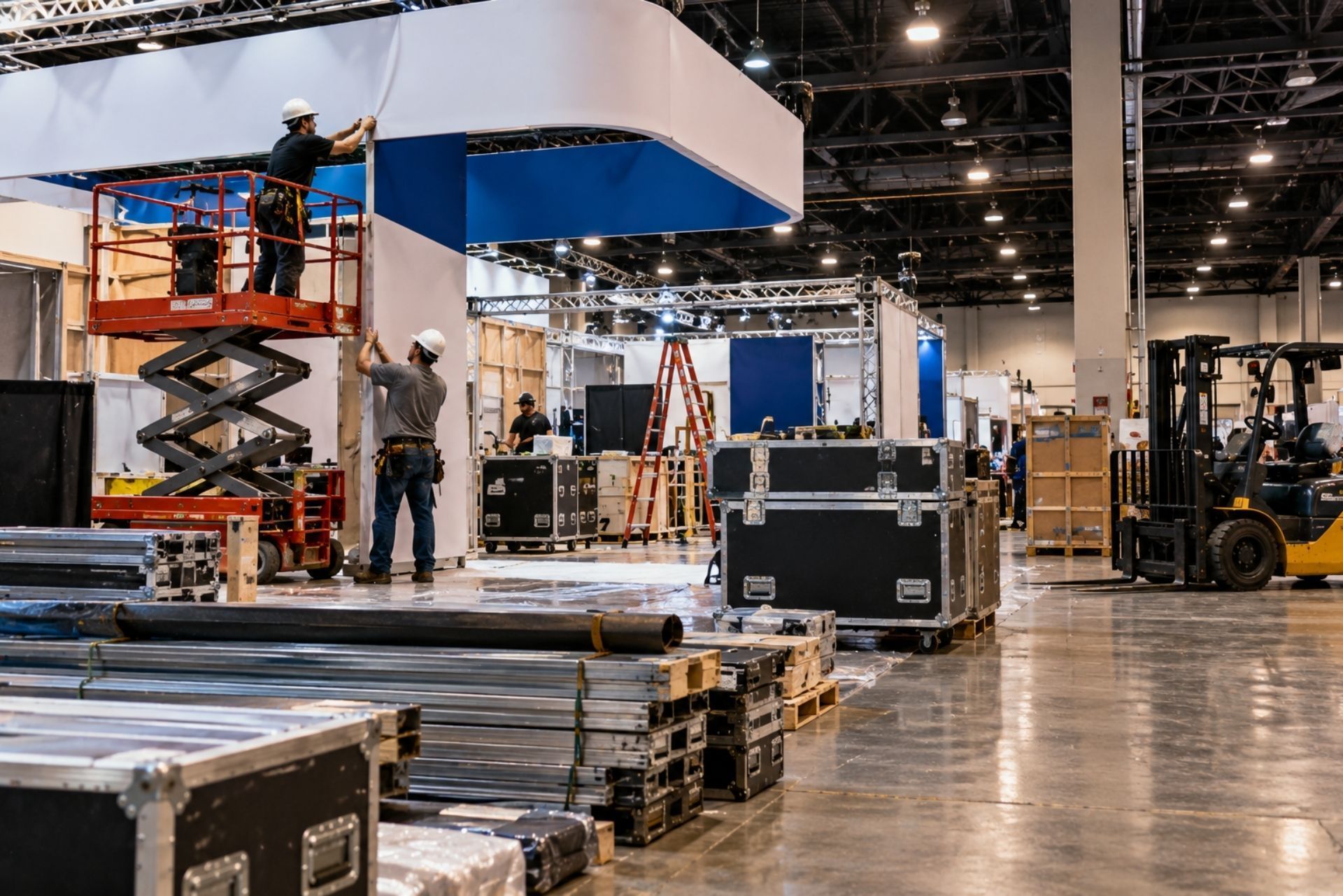
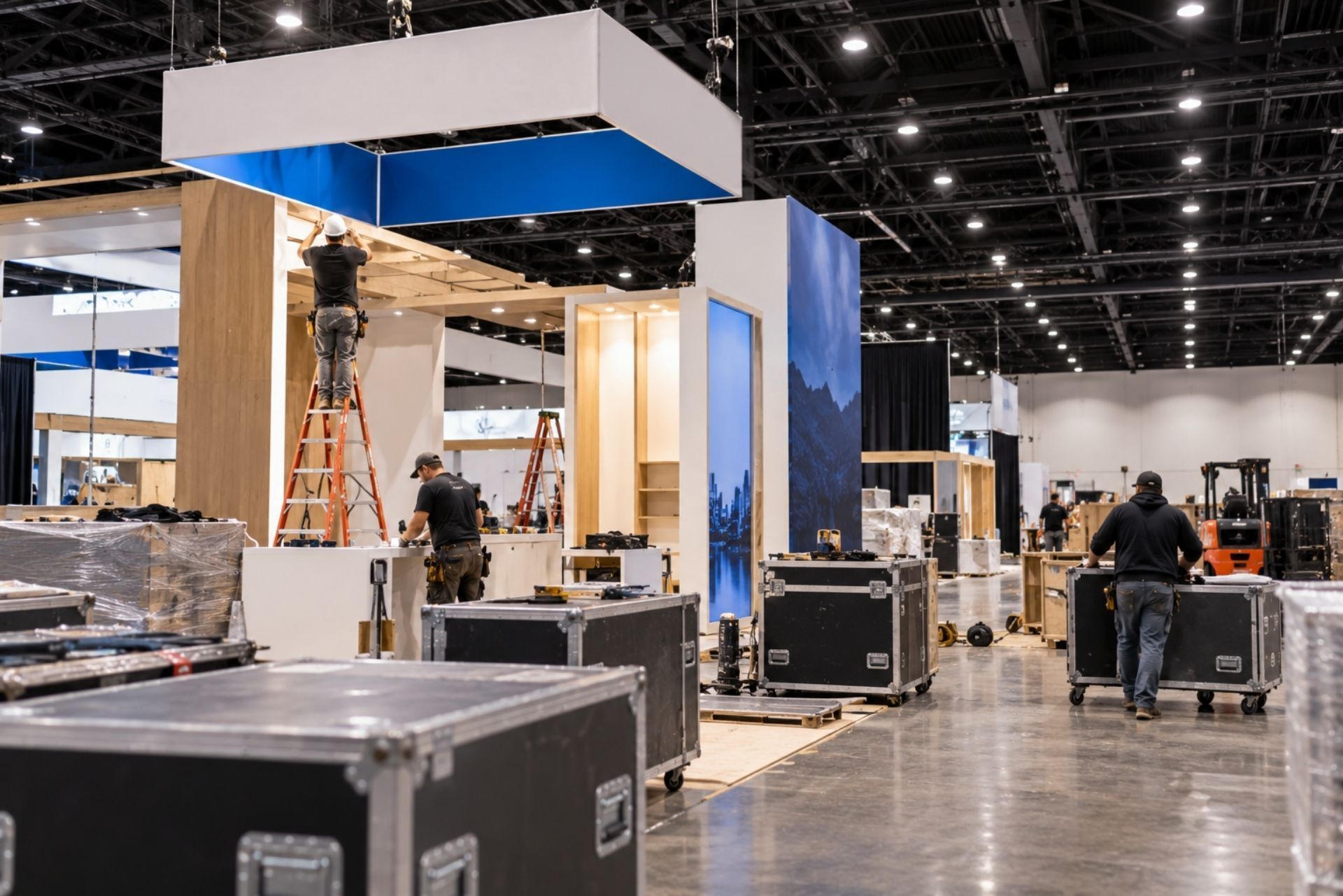
Installation is where property damage and bodily injury claims converge. Your crew is hanging truss 30 feet above the floor, assembling double-deck booths, and running power next to a neighboring exhibitor's $2 million display. One dropped clamp can damage three booths and injure an attendee.
General liability is the foundation here, covering third-party bodily injury and property damage from your operations. But standard GL forms often fight you on rigging work. Some carriers add height exclusions or classify suspended rigging as a separate, higher-risk operation that needs to be specifically rated. If your application describes you as "exhibit transportation" and you're also flying signs from the ceiling, you may have a misrepresentation problem when a claim lands.
Workers' compensation matters just as much. Install crews mix your W-2 employees, independent contractors, and union labor called through the show's general services contractor. Venues and general contractors increasingly ask for waivers of subrogation and proof that every person on the floor is covered by someone. A contractor without their own comp policy can end up on yours at audit time, with back premium attached.
The cost pressure is real. Insurance costs for regional production and rigging companies have climbed to between 1.8% and 2.2% of total revenue in 2026, up from 1.2% in 2023. That's a big jump on thin margins, and it rewards companies with clean safety records and documented rigging certifications.
Care, Custody, and Control Issues
Here's the gap that catches most installers. Standard GL policies exclude damage to property "in your care, custody, or control." During install, the client's booth is exactly that. So when your crew scratches a client's display while assembling it, GL often won't pay, and cargo coverage doesn't either because the freight is no longer in transit.
The fix is usually one of these:
- Installation floater or inland marine coverage written to protect client property while you're working on it
- A care, custody, and control endorsement added to your GL policy
- Bailee coverage that applies across storage, staging, and install
Ask your broker to walk the freight's journey with you and confirm which policy responds at each step. If nobody can answer cleanly for the install phase, you have a hole.
Commercial Auto and Fleet Management for Exhibits
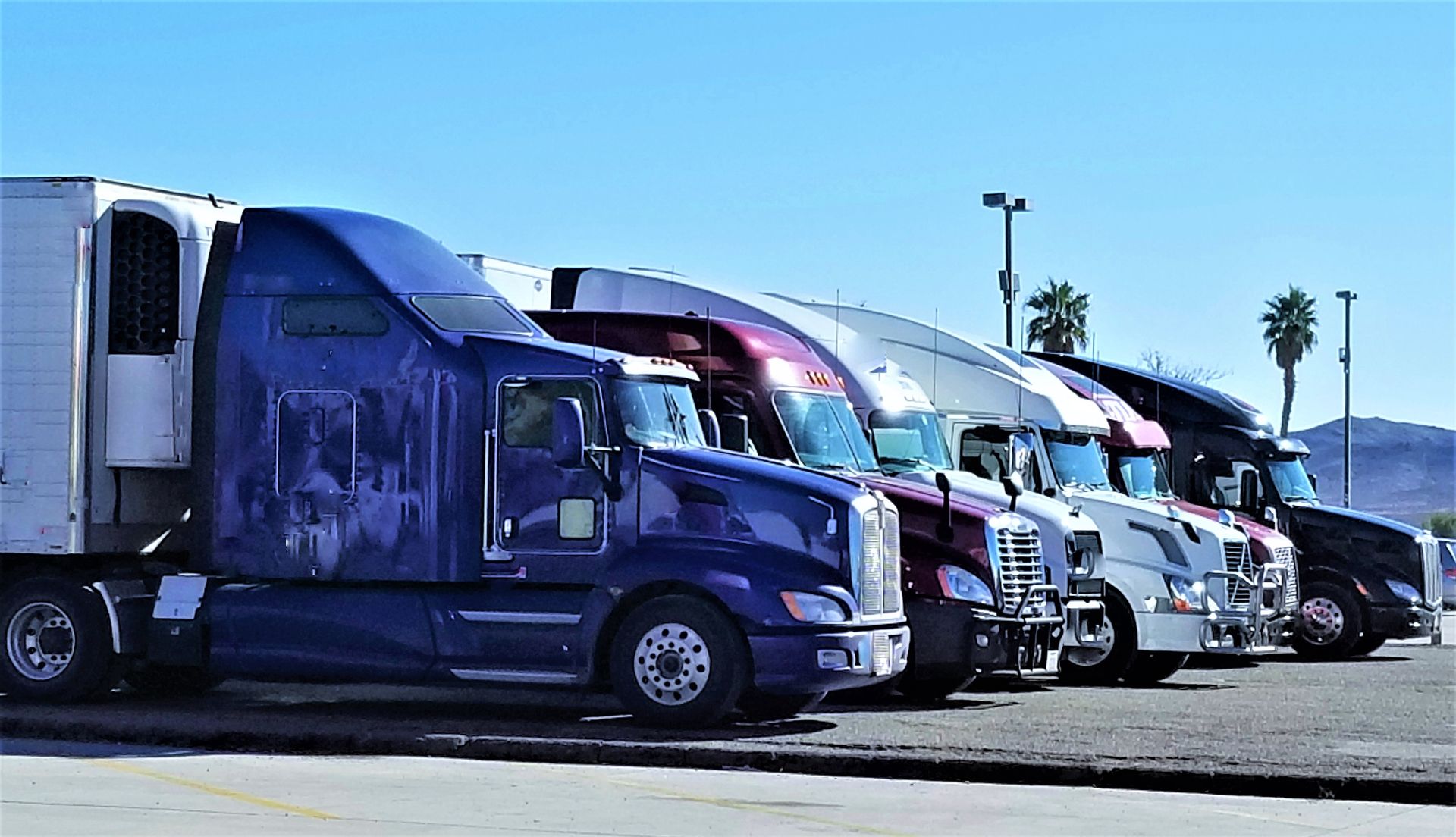
Exhibit fleets have an awkward profile for auto underwriters. Trucks sit for weeks, then run long highway legs on tight deadlines, often into dense urban convention districts like Chicago's McCormick Place or the Javits Center in Manhattan. Drivers may be seasonal hires during peak show months.
Rates keep moving in one direction. Trucking researchers describe it bluntly: "The total cost of risk is growing annually for every fleet", and while carriers try to control costs by cutting coverage, premiums keep climbing, which only increases exposure to catastrophic litigation. Nuclear verdicts against trucking companies have made umbrella and excess limits close to mandatory for any fleet running interstate.
Common mistakes I see with exhibit fleets:
- Rental and leased trucks left off the policy. Hired and non-owned auto coverage should be on every program, especially if you rent box trucks during busy season.
- No driver qualification files. If you operate vehicles over 10,001 pounds GVWR in interstate commerce, FMCSA rules apply. Missing medical cards or MVRs hurt both compliance and claims defense.
- Personal vehicles used for show runs. An employee hauling banner stands in their own SUV is a liability exposure many owners never consider.
- Low liability limits to save premium. The savings vanish after one serious injury crash.
Telematics, dashcams, and a written driver training program help with both safety and pricing. Champion Risk works with fleet clients on driver training and risk audits that underwriters credit at renewal, which matters when carriers are looking for reasons to decline.
Managing Warehouse Storage and Off-Site Risks
Most booths spend more time in storage than on a show floor. A typical exhibit might hit eight shows a year and sit in your warehouse the rest of the time, sometimes for years. That makes warehouse legal liability one of the most important coverages in your program, and one of the most misunderstood.
Your building's commercial property policy covers your own stuff: racking, forklifts, the building itself if you own it. It doesn't cover client booths stored inside. Warehouse legal liability covers your legal responsibility for those goods if a fire, roof collapse, sprinkler leak, or theft damages them through your negligence. Demand for this coverage is growing, with the warehouse legal liability market expected to reach $9.09 billion by 2026 as shippers push liability onto providers to manage their own rising insurance costs.
A few storage-specific issues to watch:
- Advance and marshaling warehouses. Freight sitting at a show's advance warehouse is in someone else's facility. Confirm whether your policy extends to off-premises locations.
- Warehouse receipts. Like bills of lading, these set your liability terms. Sloppy or missing receipts weaken your position.
- Mold and humidity. Fabric graphics and wood panels stored in unconditioned spaces deteriorate, and gradual damage is often excluded.
- Long-term storage valuations. Clients rarely update values. A booth stored at its original build cost may now cost far more to replace.
Inventory clients' stored goods yearly and send written value confirmations. That one habit prevents a lot of underinsurance fights.
Comparison of Coverage: Standard vs. Specialized Logistics
A small business owner's policy or generic trucking program often looks adequate until a claim tests it. Here's how standard coverage typically compares to a program built for exhibit logistics:
| Exposure | Standard Policy | Specialized Exhibit Program |
|---|---|---|
| Freight in transit | Basic cargo, often per-pound limits | Cargo legal liability sized to high-value loads |
| Electronics/AV | Low sublimit or excluded | Scheduled or higher sublimits |
| Client property during install | Excluded under care, custody, control | Installation floater or CCC endorsement |
| Stored client booths | Not covered by building property | Warehouse legal liability |
| Off-site warehouses | Usually excluded | Extended to advance and marshaling locations |
| Rigging work | May exclude height or suspended loads | Specifically rated and covered |
| Rented trucks | Often missing | Hired and non-owned auto included |
| Cross-border freight | Frequently excluded | Endorsed for Canada and Mexico |
The specialized route costs more up front. It also means one broker sees the whole chain, so you're less likely to find out mid-claim that two policies each think the other one applies.
Streamlining Certificates of Insurance for Venues
No certificate, no move-in. Venues and show organizers enforce this without exception, and a missing COI can strand your crew at the dock while the clock runs on labor costs.
Major exhibition venues typically require a minimum of $1 million in general liability per occurrence, and many now collect certificates through digital compliance portals rather than email. Requirements vary, but expect requests for some combination of these:
- Additional insured status for the venue, show organizer, and general services contractor
- Waiver of subrogation on GL, auto, and workers' comp
- Primary and non-contributory wording
- Specific auto and umbrella limits
- Exact legal entity names, which change more often than you'd think
The biggest time sink is chasing one-off certificate requests show by show. Ask your broker for a blanket additional insured endorsement that automatically covers parties you're contractually required to add. Then keep a shared calendar of show deadlines, since many organizers want certificates 30 days or more before move-in.
One more tip: read the venue's insurance requirements before signing the exhibitor or contractor agreement, not after. Some venues demand limits or endorsements that take a week or two to arrange, and finding out the Friday before a Monday move-in is miserable for everyone.
There's no flat price for exhibit logistics coverage, and anyone quoting one without seeing your operations is guessing. Your premium comes from several pieces priced separately, then stacked.
The biggest drivers:
- Cargo values and limits. Higher-value loads and higher limits mean higher cargo premium.
- Fleet size, radius, and loss history. Long-haul interstate runs cost more than local shuttles. Prior accidents weigh heavily.
- Driver quality. MVRs, experience, and turnover all affect auto pricing.
- Rigging and height work. Suspended rigging is rated more aggressively than floor-level installation.
- Payroll and labor mix. Workers' comp follows payroll and job classifications.
- Warehouse construction and protection. Sprinklers, alarms, and building age shape storage pricing.
- Contract terms. Weak liability limits in your bills of lading push more risk onto your policy.
Your loss history does more work than anything else. Two companies with identical fleets can see very different auto quotes because one has three years of clean runs and documented safety training. With rigging and production firms now spending 1.8% to 2.2% of revenue on insurance, a good risk management program is one of the few levers that actually moves the number.
Market timing matters too. Start renewal conversations 90 to 120 days out, especially for auto, so your broker has room to shop carriers.
Common Questions About Exhibit Insurance
Does my general liability policy cover a booth my crew damages during setup? Often not. Most GL policies exclude property in your care, custody, or control, so you'll need an installation floater or an endorsement to cover client property while you're working on it.
Who's responsible if a booth gets stolen from the truck overnight? It depends on your bill of lading terms and your cargo policy conditions. Many policies require the truck to be locked and parked in a secured lot, so an unattended vehicle can lead to a denied claim.
Do I need a separate policy for client booths stored in my warehouse? Yes. Your property policy covers your building and equipment, not client goods. Warehouse legal liability covers your responsibility for stored client property.
What deductible makes sense for cargo coverage? Pick one you can absorb several times a year without strain. Small scuff claims add up and can hurt your loss history, so many companies pay minor ones directly.
How fast can I get a certificate of insurance for a show? With a responsive broker and a blanket additional insured endorsement, often within a day. Unusual endorsements or higher limits can take a week or more.
Does my policy cover freight going to a show in Canada?
Not automatically. Ask your broker to confirm cross-border coverage in writing before the truck leaves.
Making the Right Choice for Your Tour
The companies that handle claims well aren't the ones with the cheapest policies. They're the ones who mapped every handoff ahead of time and know which coverage responds at the dock, on the highway, during install, and in the warehouse between shows. Cargo legal liability, rigging coverage, commercial auto, and warehouse protection each fill a specific gap, and leaving out any one of them tends to surface at the worst possible moment.
Start with your contracts and paperwork, since bills of lading and warehouse receipts shape every claim. Then make sure your limits match your biggest client, not your average one, and that certificates won't hold up a move-in.
If you'd like someone to walk your freight's full journey and pressure-test your program, Champion Risk builds customized coverage for complex operations like moving, storage, and exhibit logistics. A short review before your next show season costs far less than discovering the gap after a crate goes missing.
About the Author:
Mark Raby
I am a seasoned insurance professional with over 30 years of experience in the industry. I lead Champion Risk & Insurance Services, a San Diego-based brokerage with nationwide reach and strong influence in the insurance marketplace. My core competencies include insurance agency M&A deals, captives and alternative risk structures, and commercial property and casualty insurance for clients in the transportation and logistics industries. I am a former president of IIAB San Diego and hold a Bachelor of Science in Finance from Western Michigan University’s Haworth College of Business.
Protection for Transportation Operations
Business Insurance for Transportation & Logistics Companies
Coverage designed specifically for transportation businesses
Commercial Auto & Trucking
Protection for your fleet including box trucks, moving vans, and trailers. Covers liability, collision, physical damage, and hired or non-owned vehicles used in your operations.
Motor Truck Cargo
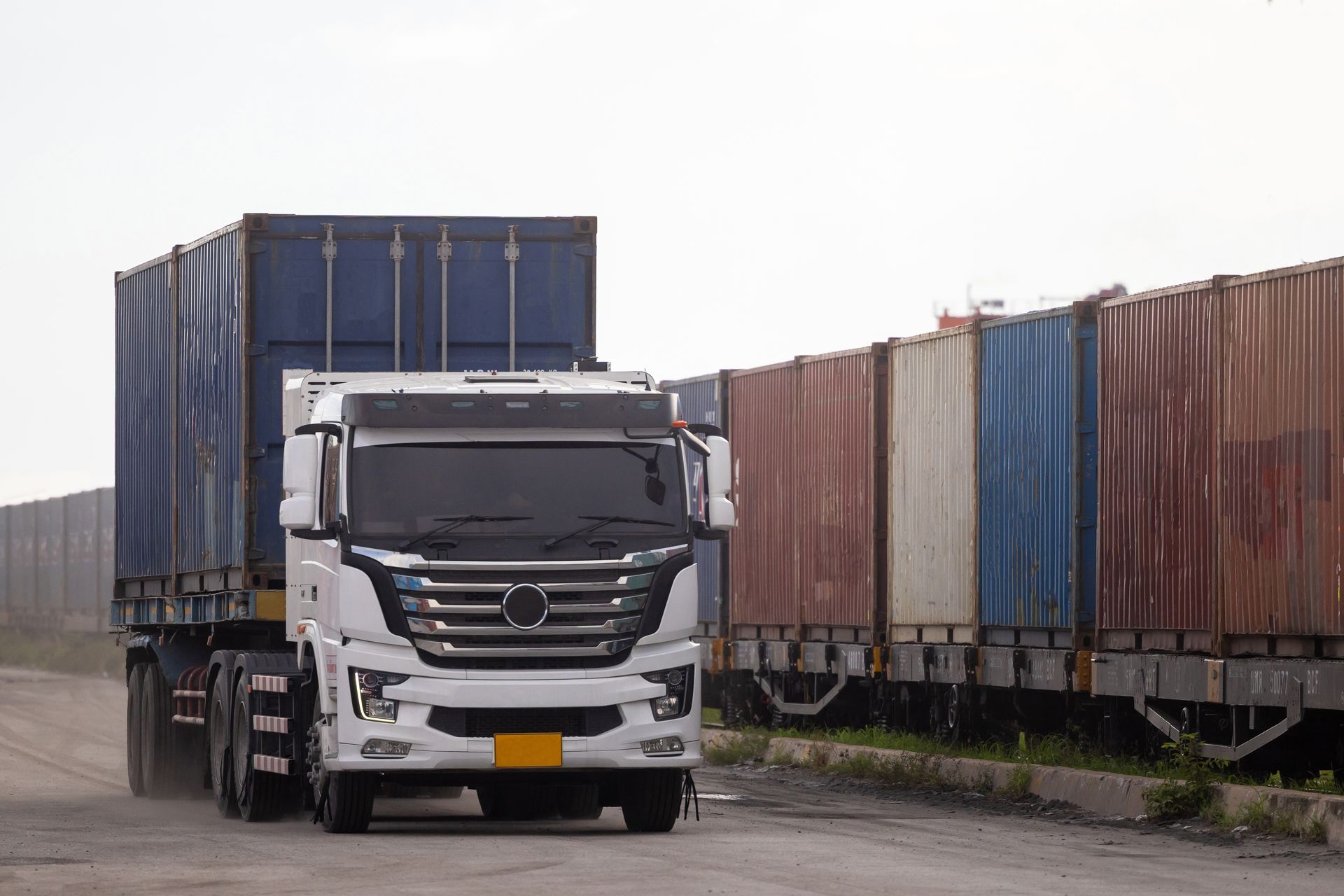
Covers household goods and freight during transport from pickup to delivery. Protects against damage, theft, mysterious disappearance, and weather-related losses while cargo is in your care.

General Liability
Protection from third-party claims for bodily injury and property damage at customer homes, job sites, and your own facility. Essential coverage for every transportation operation
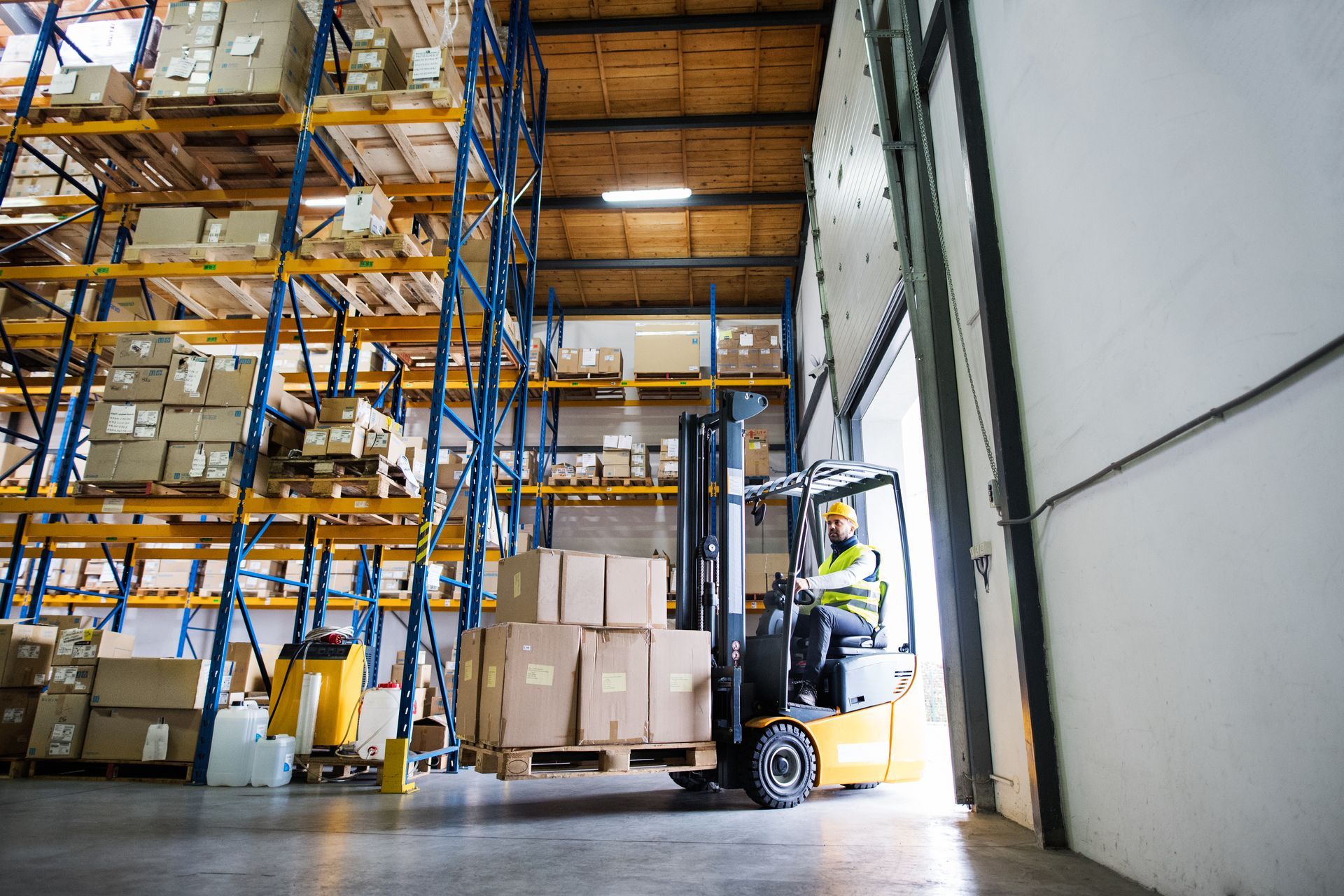
Warehouse Legal Liability
Coverage for customer property while stored in your facility. Protects against damage, theft, fire, and water damage to goods in your care, custody, or control.

Workers' Compensation
Medical care and wage replacement for employees injured on the job. Required in most states for transportation and warehouse work where physical labor creates higher injury risk.

Umbrella & Excess Liability
Higher liability limits stacked on top of your primary policies. Helps meet large contract requirements and protects your business assets against major claims and lawsuits.
Specialized Knowledge
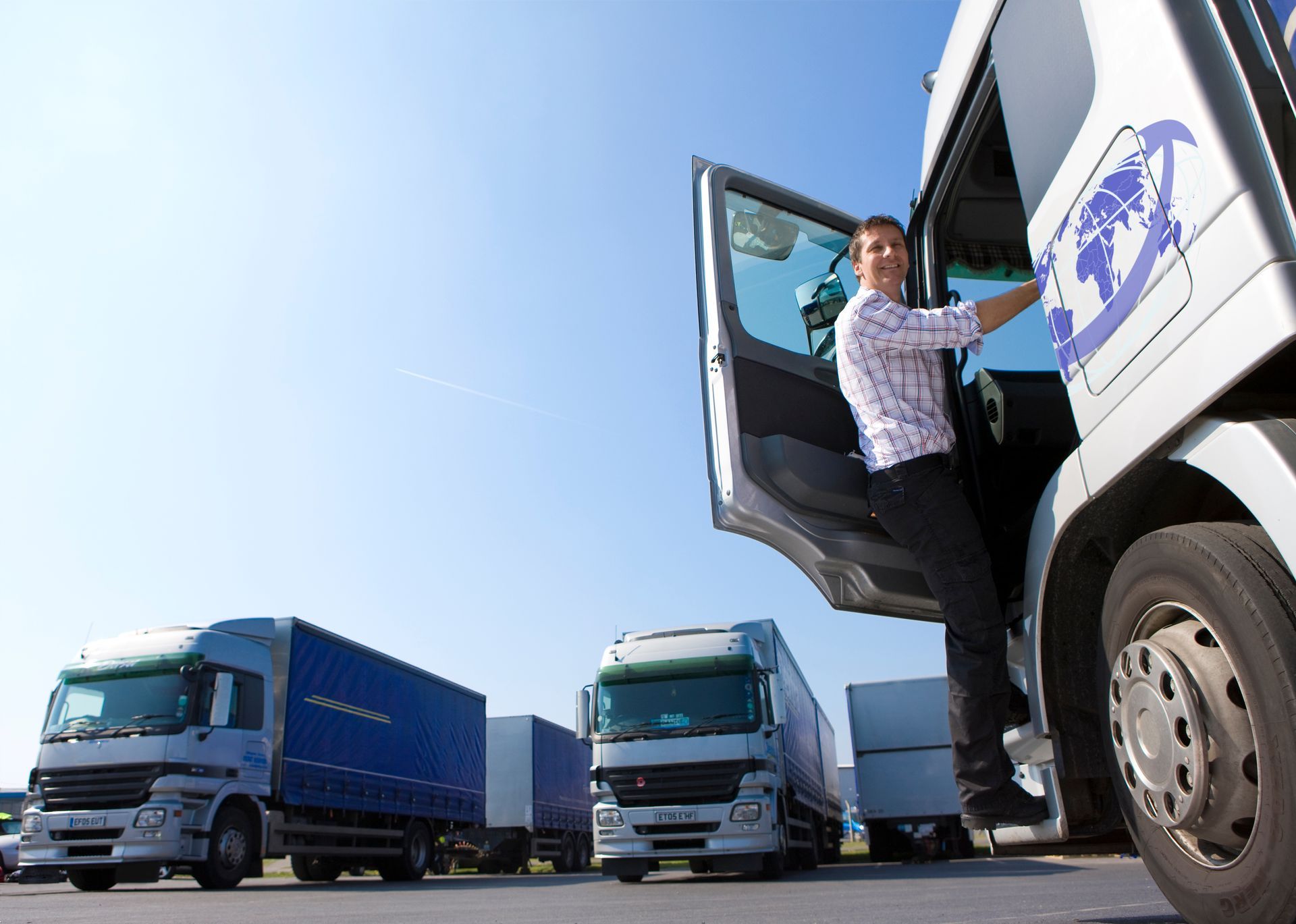
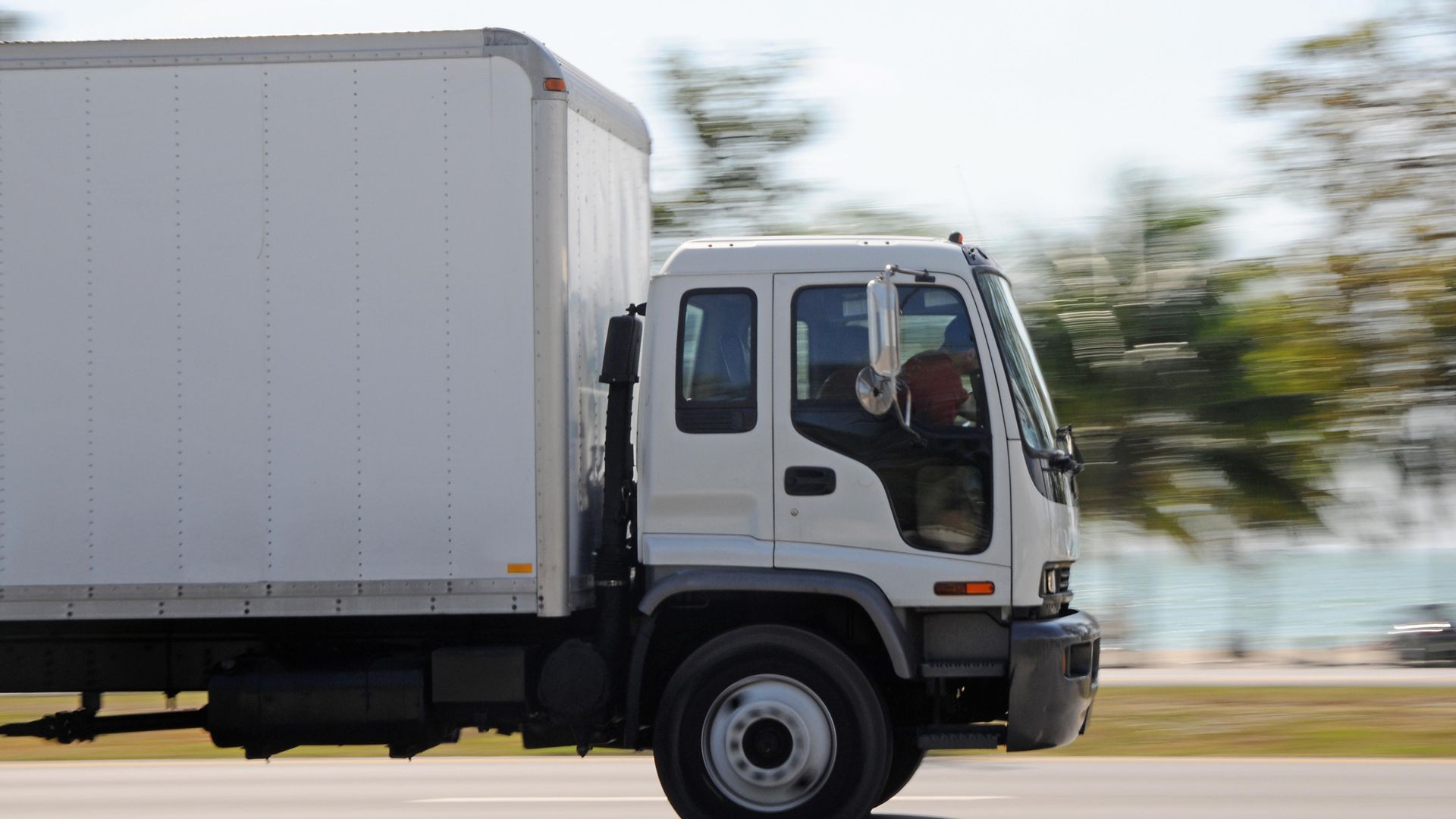
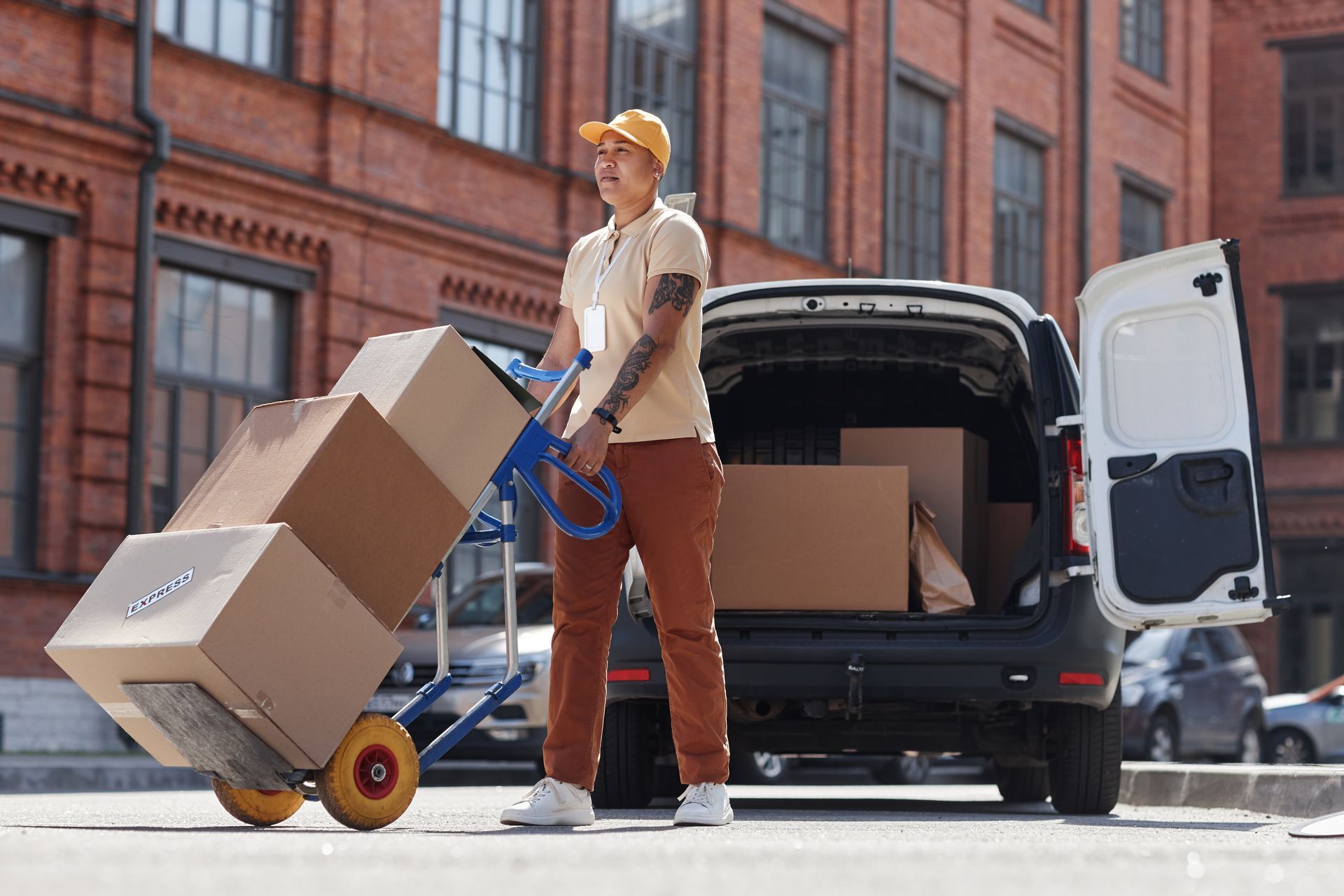
Industries We Protect
Focused coverage for transportation and logistics businesses
Simple and Clear
How Our Process Works
Our process to get you covered
Connect With Us
Reach out through our form or by phone to share your business needs and current coverage situation.
Get Coverage Options
We review your risks, compare carriers, and present clear quotes with plain-language explanations.
Stay Protected
You choose your plan, and we provide ongoing support for certificates, claims, and renewals.
Trusted by Businesses
Feedback That Reflects Service and Reliability
What our clients say about working with Champion Risk
Answers You Need
Frequently Asked Questions
Common questions about transportation and logistics insurance



What insurance does a transportation company need to operate legally?
Motor carriers that cross state lines must meet FMCSA requirements. You need a minimum of $750,000 in liability coverage, plus a BMC-91 filing that proves your insurance to the federal government. Cargo coverage is also required, with minimums that depend on the type of goods you transport.
Intrastate operators follow state-specific rules. California, Texas, and Florida each have different requirements. Champion Risk handles both federal and state filings. We make sure your coverage meets legal minimums and your certificates reach the right agencies.
How much does commercial transportation insurance cost?
Premiums depend on your fleet size, driving records, cargo values, and claims history. A small operation with two trucks might pay $8,000 to $15,000 per year. A larger carrier with ten trucks could pay $50,000 to $100,000 or more.
The best way to control costs is working with a broker who knows transportation insurance. We find carriers that specialize in your exact operation type. This often results in better rates than going direct or using a general agent who doesn't understand the industry.
What is a BMC-91 filing and why do I need one?
A BMC-91 is a form your insurance company files with the FMCSA. It proves you carry the required liability coverage to operate as a for-hire motor carrier. Without an active BMC-91, your operating authority can be revoked.
Champion Risk works with carriers who file electronically. Your BMC-91 typically posts within 24 to 48 hours of binding coverage. We monitor your filing status and alert you if anything needs attention.
Does my warehouse or storage facility need different insurance than a trucking operation?
Yes. Storage facilities need warehouse legal liability coverage. This protects you when customer property is damaged or stolen while in your care. Standard general liability policies exclude this exposure.
You may also need property coverage for your building, equipment breakdown protection, and business income coverage if a fire or disaster shuts down operations. Champion Risk builds storage facility programs that address all these risks in one package.
Can you insure last-mile delivery drivers who use their own vehicles?
Yes. We offer hired and non-owned auto coverage for delivery operations that use independent contractors or employees driving personal vehicles. This fills gaps that personal auto policies don't cover during commercial use.
We also provide occupational accident coverage for 1099 drivers who aren't eligible for workers' comp. This protects your drivers and limits your liability exposure when accidents happen.
How fast can I get proof of insurance for a new contract?
Same day in most cases. Once we bind your policy, we issue certificates of insurance within hours. If your contract requires specific additional insured language or special endorsements, we coordinate directly with the carrier.
Rush requests happen often in this industry. General contractors and corporate clients demand certificates before they let you on site. Champion Risk prioritizes fast turnaround because we know your revenue depends on it.
Answers You Need
Transportation & Logistics Insurance Resources
Articles designed to inform and support your business
Contact Us
Phone Number:
Email Address:
Location:
12264 El Camino Real, Suite 350
San Diego, CA 92130
Hours:
Monday – Friday: 8:00 AM – 6:00 PM PT