
A single container of household goods crossing the Pacific can represent $50,000 or more in personal belongings, and one rogue wave, one forklift mishap, or one customs delay can turn that shipment into a total loss. If you're running an international moving company or
freight forwarding operation, you already know that standard homeowners insurance won't save you or your clients: while a 10% cap often applies to property away from a residence, most 2026 homeowners policies explicitly exclude damage caused by third-party movers during loading, unloading, or transit (https://www.sosmovingla.net/blog/moving-insurance-vs-homeowners-coverage,
https://www.safeboundmoving.com/blog/how-homeowners-insurance-interacts-with-a-move-in-2026-gap-coverage-steps). The insurance program you build around your logistics business isn't just a regulatory checkbox. It's the difference between surviving a six-figure claim and shutting your doors. This guide breaks down the core coverage types that international movers and freight forwarders need in 2026: cargo legal liability, marine cargo, errors and omissions, warehouse storage, certificates of insurance, and the real-world costs behind each policy. Whether you're an established NVOCC or a growing moving company expanding into cross-border work, getting the insurance structure right protects both your clients' property and your bottom line. Champion Risk has spent years structuring programs for movers and logistics operators in exactly these situations, and the patterns we see in claims and coverage gaps inform everything below.
Essential Insurance Coverage for International Logistics
Essential insurance coverage for international logistics starts with understanding that no single policy covers every risk in a cross-border move. Goods face different hazards at each stage: loading, ocean transit, customs clearance, warehousing, and final delivery. A proper insurance program layers multiple policies so that gaps between them are minimized.
The 2026 insurance market is shifting in ways that matter. While overall rates have softened slightly, insurers are tightening underwriting for high-theft corridors and raising deductibles for electronics and high-value household goods due to increased theft and fraud. That means a cookie-cutter policy won't cut it anymore. You need coverage tailored to the specific commodities you move, the trade lanes you operate in, and the warehousing arrangements you use between pickup and delivery.
Marine Cargo and Transit Protection
Marine cargo insurance is the backbone of any international moving operation. It covers physical loss or damage to goods while they're in transit by sea, air, or land. Policies typically come in three tiers: all-risk (the broadest, covering most perils except specific exclusions), named-perils (covering only listed events like fire, collision, or sinking), and total-loss-only. That last option is cheaper but risky: total loss only coverage pays out exclusively when an entire shipment is destroyed, such as a vessel sinking. For household goods, where partial damage is far more common than a total loss, all-risk coverage is almost always the right call.
Premiums for marine cargo policies vary significantly based on the trade lane, commodity type, and claims history. While standard commercial rates are lower, high-risk trade lanes or fragile commodities like household goods can see rates spike to 1%–5% before war-risk surcharges are applied (https://www.logrock.com/uncategorized/marine-cargo-insurance-rates/). A $100,000 household goods shipment might cost $1,000 to $5,000 to insure.
Freight Forwarder Liability (FFL)
Freight forwarder liability insurance protects your company when you're legally responsible for loss or damage to a client's goods. This is distinct from marine cargo insurance, which protects the goods themselves. FFL covers your legal exposure as the party arranging transport, and it typically includes coverage for errors in documentation, misdelivery, and damage caused by your handling.
One critical point: FFL policies usually have per-occurrence and aggregate limits. If you're handling high-value fine art or antiques alongside standard household goods, make sure your limits reflect the most expensive shipment you might handle, not just the average one.
General Liability and Warehouse Legal Coverage
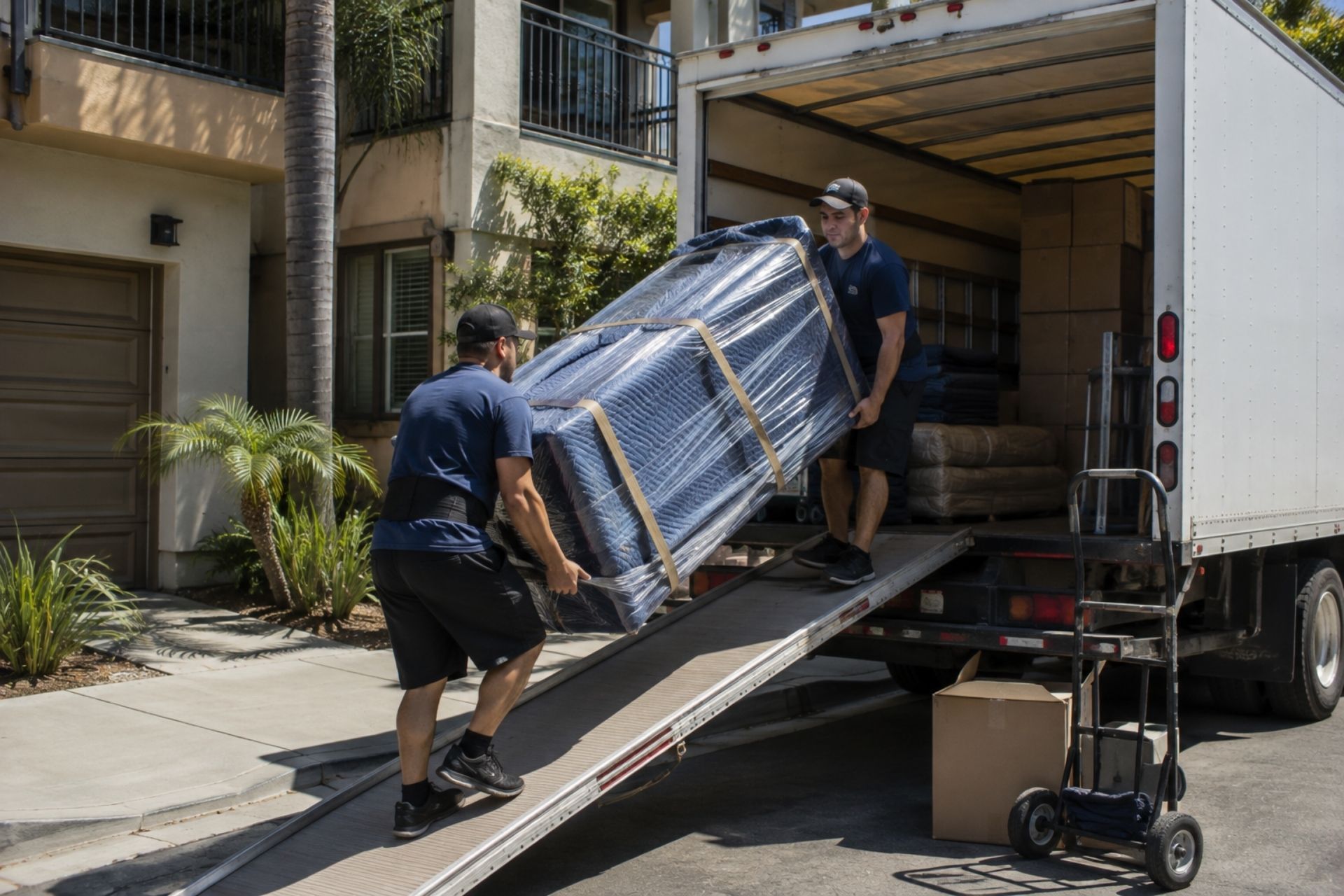
General liability covers third-party bodily injury and property damage claims: a client trips in your warehouse, a forklift damages a neighboring tenant's wall, that sort of thing. Warehouse legal liability is a separate, specialized policy that covers goods stored in your care, custody, and control while they're sitting in your facility.
Storage-in-transit (SIT) situations are particularly common in international moving. When a client's new home isn't ready or closing dates slip, goods can sit in a warehouse for 30 to 90 days. Your warehouse legal liability policy needs to account for these temporary storage periods. Mid-size storage facilities with 100 to 300 units typically see annual insurance premiums ranging from $8,000 to $15,000, though your costs will vary based on location, security features, and the value of goods stored.

By: Mark Raby
Chief Executive Officer at Champion Risk & Insurance Services
Comparing Carrier Liability vs. All-Risk Insurance
Carrier liability and all-risk insurance are two fundamentally different products, and confusing them is one of the most common mistakes we see. Carrier liability is the legal minimum that a carrier owes you under the bill of lading. All-risk insurance is a separate policy purchased to cover the actual value of the goods.
Here's the problem: carrier liability limits are often shockingly low. Ocean carriers operating under the U.S. Carriage of Goods by Sea Act (COGSA) cap their liability at $500 per package, and 2026 federal court rulings have increasingly upheld clauses allowing carriers to define an entire pallet or container as a single "package" (https://www.steamshipmutual.com/publications/articles/revision_uscarriage, https://gard.no/en/insights/us-courts-cogsa-package-interpretation/). That's not a typo. Without supplemental coverage, your client eats the difference between $500 and the actual replacement cost.
Comparison Chart: Protection Levels
| Feature | Carrier Liability | All-Risk Insurance |
|---|---|---|
| What's covered | Carrier's legal minimum | Full declared value of goods |
| Typical limit | $500 per package (U.S. COGSA) | Up to full replacement cost |
| Who pays | Included in freight rate | Separate premium (up to 5% for HHG) |
| Perils covered | Only carrier negligence | Most perils except specific exclusions |
| Claims process | Filed with carrier; often contested | Filed with insurer; typically faster |
| Recommended for | Low-value, replaceable items | Household goods, electronics, valuables |
The takeaway is straightforward: carrier liability is not insurance. It's a contractual obligation with narrow limits. Any international mover advising clients should make this distinction crystal clear.
Regulatory compliance in international logistics insurance changed significantly in 2026, and the penalties for falling behind are immediate. Two areas demand particular attention: FMC bonding and the expanded legal exposure created by a landmark Supreme Court decision.
Some countries are also tightening local insurance mandates. Certain emerging markets like Ghana have implemented compulsory marine cargo insurance requirements effective October 2026, requiring importers to purchase coverage from locally licensed insurers. If you're moving goods into these markets, your standard U.S.-based policy may not satisfy local requirements.
FMC Bonding Requirements for NVOCCs
If you operate as a Non-Vessel Operating Common Carrier (NVOCC) or freight broker, you're required to maintain a surety bond or trust with the Federal Maritime Commission. The FMCSA's updated financial responsibility rules effective January 2026 brought two major changes. First, loan and finance companies can no longer serve as BMC-85 trustees: assets must now be held in cash, U.S. Treasury Bonds, or FDIC-backed letters of credit. Second, if a claim payment causes your $75,000 bond to drop below the required limit, you have just seven calendar days to replenish it or face immediate suspension.
That seven-day window is unforgiving. Champion Risk works with logistics clients to set up monitoring so they're never caught off guard by a bond shortfall.
Errors and Omissions (E&O) for Customs Clearance
E&O insurance covers professional mistakes: filing incorrect customs documentation, misclassifying goods, choosing an unreliable carrier. This coverage became dramatically more important after the Supreme Court's May 2026 ruling in Montgomery v. Caribe Transport II, LLC, which determined that negligent hiring claims against freight brokers are not preempted by federal law. Brokers and forwarders can now be sued under state tort law for selecting unsafe carriers.
The practical impact is enormous. E&O and contingent cargo insurance are now business-critical for any forwarder or mover who selects carriers on behalf of clients. If a carrier you vetted causes damage or injury, your company can be held liable for that selection. Skipping E&O coverage in this environment is gambling with your entire business.
Common Questions About Moving and Freight Insurance
Does carrier liability cover the full value of the goods? Almost never. Ocean carrier liability under the U.S. Carriage of Goods by Sea Act (COGSA) caps at $500 per package, and courts have upheld definitions that treat an entire container as one package (https://www.steamshipmutual.com/publications/articles/revision_uscarriage, https://www.ukpandi.com/news-and-resources/news/article/no-small-package-a-big-win-for-carriers-under-us-cogsa/). For a container of household goods worth $50,000 or more, that's a fraction of the actual value. Separate all-risk cargo insurance is the only way to cover full replacement cost.
What is the difference between a freight forwarder and an NVOCC for insurance? A freight forwarder arranges shipment but doesn't issue its own bill of lading. An NVOCC issues a house bill of lading and accepts carrier-level liability. NVOCCs face stricter bonding requirements and need broader liability coverage because they're contractually responsible for the cargo as if they were the carrier.
How do I file a claim for damaged international cargo? Document everything before goods leave your facility: use the bill of lading, photographs, and timestamped video. When damage occurs, notify the insurer and carrier in writing within the policy's required timeframe; for international air cargo under the Montreal Convention, this deadline is 14 days from receipt (https://freightclaims.com/freight-claim-time-limits/). Provide photos of the damage, the original condition documentation, and a repair or replacement estimate. Missing these deadlines can void your claim entirely.
Are natural disasters covered during sea transit? Under all-risk marine cargo policies, yes: storms, hurricanes, and rough seas are generally covered. Named-perils and total-loss-only policies may exclude certain weather events unless they result in a covered peril like vessel sinking. Always check the specific exclusions in your policy wording.
Do I need separate insurance for items in a warehouse?
Yes. Marine cargo insurance typically ends when goods arrive at the warehouse. Warehouse legal liability or an inland marine policy picks up coverage during storage. If you're holding goods in SIT for 30 to 90 days between transit legs, confirm your warehouse policy covers those temporary stays.
Premium costs for international movers and freight forwarder insurance vary widely, and understanding the variables helps you budget accurately and negotiate better rates. The biggest factors include:
- Trade lanes: Shipments through high-theft or piracy-prone corridors cost more to insure. Routes through West Africa or certain Southeast Asian ports carry higher premiums than North Atlantic crossings.
- Commodity type: Electronics, fine art, and antiques attract higher rates than standard furniture. Insurers in 2026 are particularly cautious about electronics shipments due to rising theft.
- Claims history: A clean loss record over three to five years can reduce your premiums meaningfully. One large claim can spike your rates for years.
- Deductible structure: Higher deductibles lower your premium but increase your out-of-pocket exposure per claim. Finding the right balance depends on your cash reserves and risk tolerance.
- Security measures: GPS tracking, tamper-evident seals, bonded warehouses, and vetted carrier networks all help reduce premiums. Insurers reward demonstrable risk reduction.
Champion Risk typically reviews these variables with clients during an annual risk audit, identifying where small operational changes can produce real premium savings.
Making the Right Choice for Your Logistics Business
The insurance program that protects an international moving company or freight forwarding operation isn't a single policy. It's a layered structure: marine cargo for goods in transit, warehouse legal liability for stored items, E&O for professional decisions, general liability for third-party claims, and proper FMC bonding to keep your license active. Each layer addresses a different risk, and a gap in any one of them can expose your business to a claim that exceeds your ability to pay.
The 2026 regulatory environment has raised the stakes. Between tighter bonding rules, expanded tort liability for carrier selection, and country-specific insurance mandates, the cost of getting this wrong has never been higher. Pre-transit documentation, including photos, video, and detailed bills of lading, remains your first line of defense against fraudulent or inflated claims.
If you're unsure whether your current coverage matches your actual exposure, a specialized broker like Champion Risk can map your operations against your policies and identify the gaps before a claim finds them for you. That conversation is worth having before your next container ships.
About the Author:
Mark Raby
I am a seasoned insurance professional with over 30 years of experience in the industry. I lead Champion Risk & Insurance Services, a San Diego-based brokerage with nationwide reach and strong influence in the insurance marketplace. My core competencies include insurance agency M&A deals, captives and alternative risk structures, and commercial property and casualty insurance for clients in the transportation and logistics industries. I am a former president of IIAB San Diego and hold a Bachelor of Science in Finance from Western Michigan University’s Haworth College of Business.
Protection for Transportation Operations
Business Insurance for Transportation & Logistics Companies
Coverage designed specifically for transportation businesses
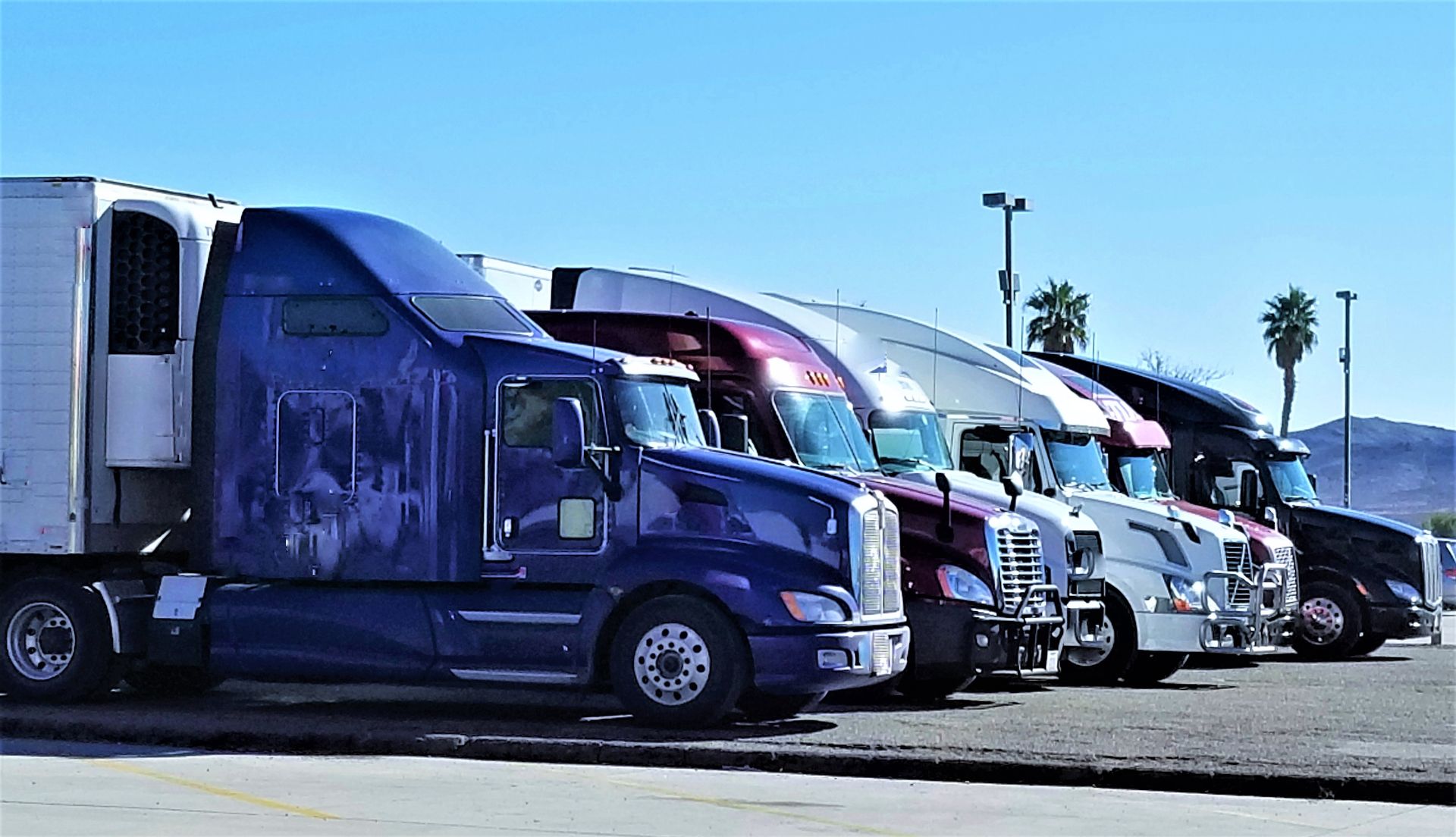
Commercial Auto & Trucking
Protection for your fleet including box trucks, moving vans, and trailers. Covers liability, collision, physical damage, and hired or non-owned vehicles used in your operations.
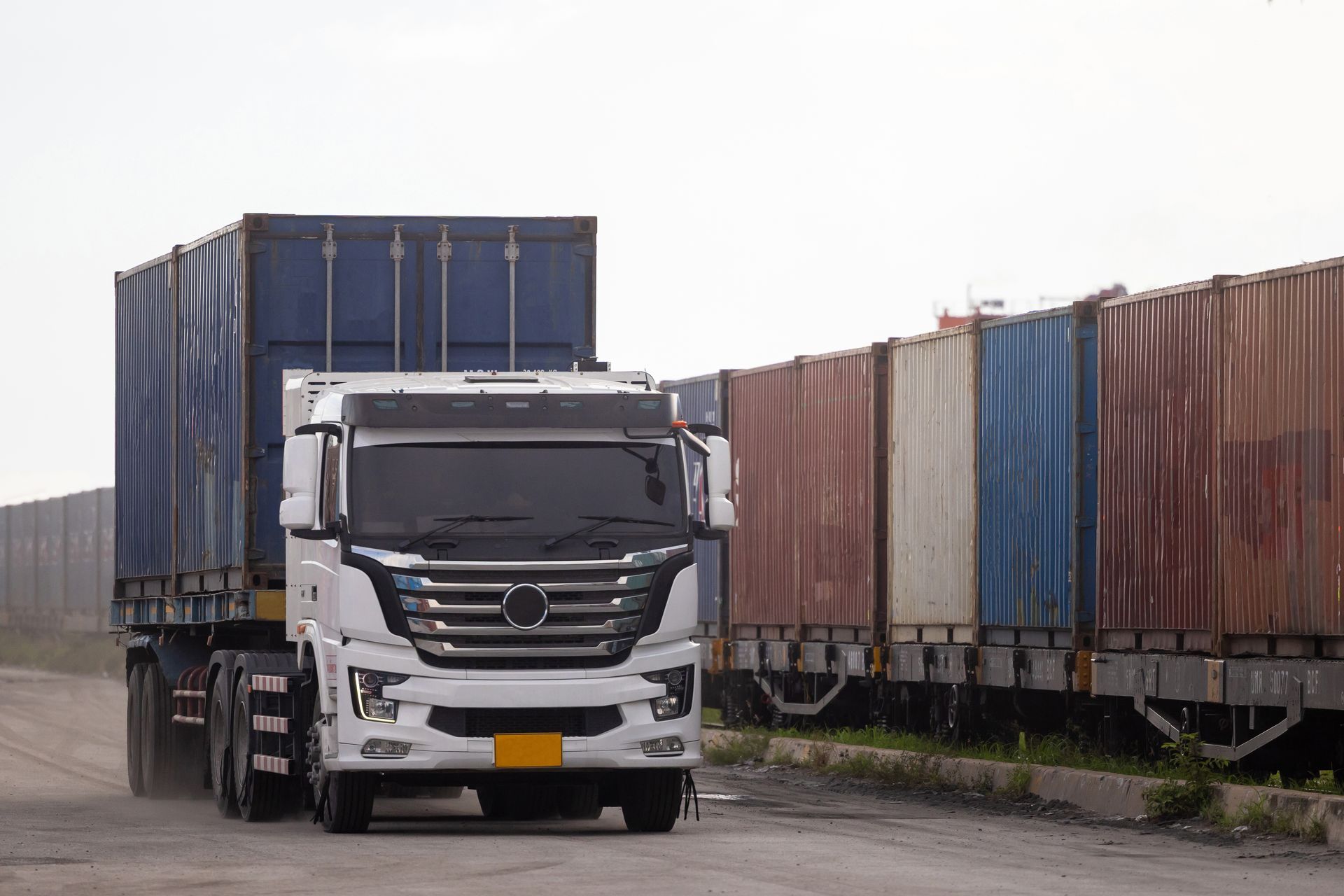
Motor Truck Cargo
Covers household goods and freight during transport from pickup to delivery. Protects against damage, theft, mysterious disappearance, and weather-related losses while cargo is in your care.

General Liability
Protection from third-party claims for bodily injury and property damage at customer homes, job sites, and your own facility. Essential coverage for every transportation operation
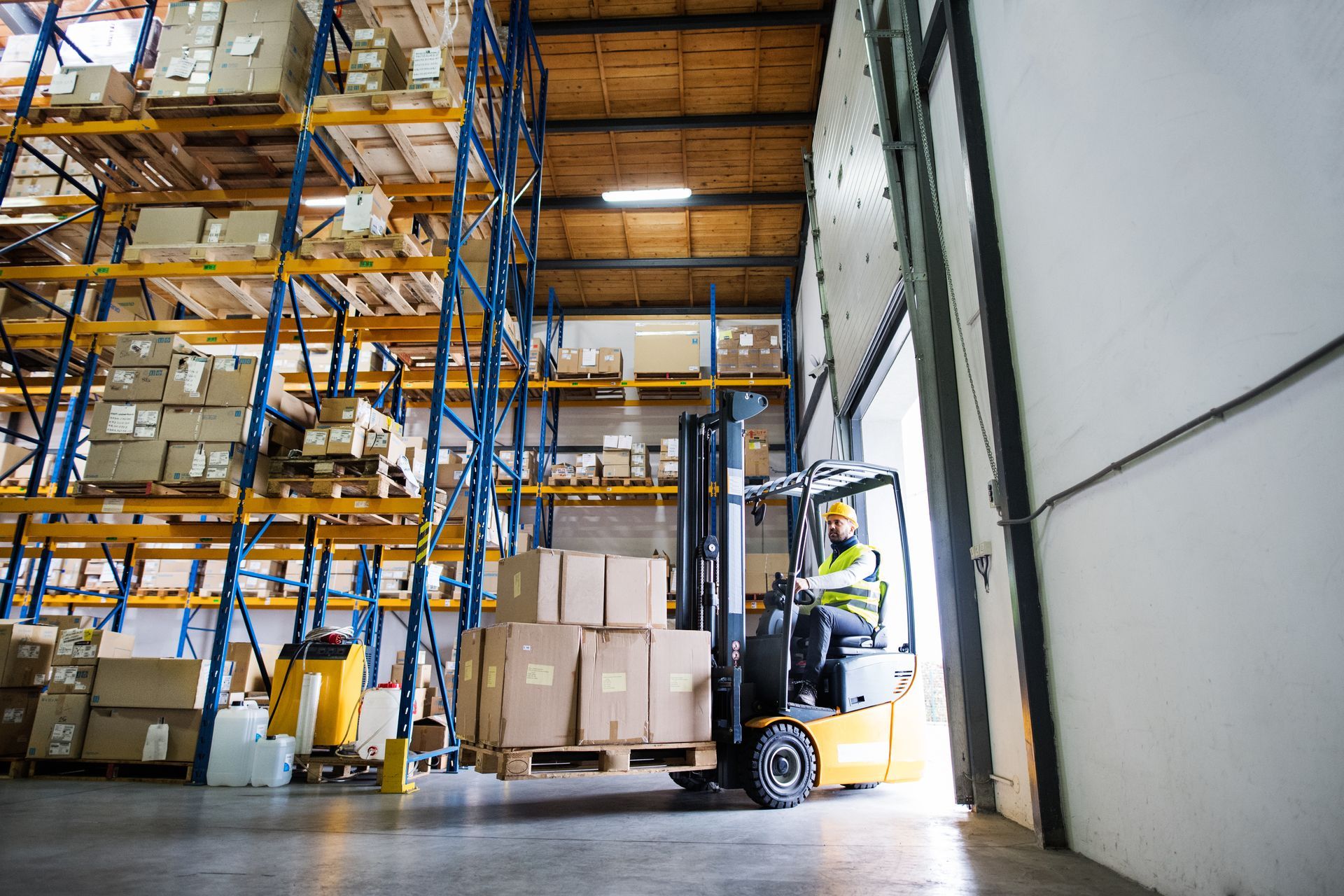
Warehouse Legal Liability
Coverage for customer property while stored in your facility. Protects against damage, theft, fire, and water damage to goods in your care, custody, or control.

Workers' Compensation
Medical care and wage replacement for employees injured on the job. Required in most states for transportation and warehouse work where physical labor creates higher injury risk.

Umbrella & Excess Liability
Higher liability limits stacked on top of your primary policies. Helps meet large contract requirements and protects your business assets against major claims and lawsuits.
Specialized Knowledge
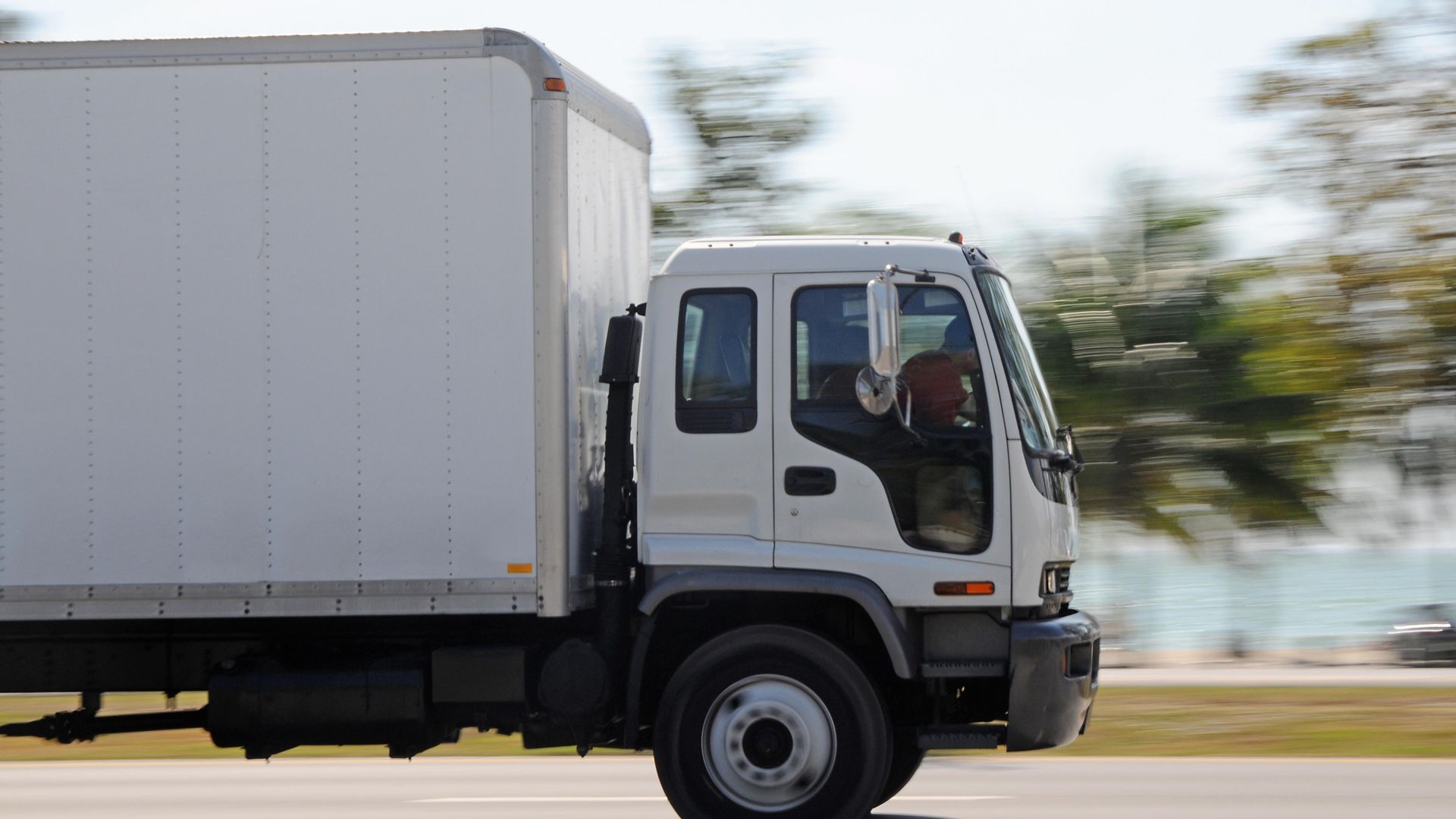
Industries We Protect
Focused coverage for transportation and logistics businesses


Simple and Clear
How Our Process Works
Our process to get you covered
Connect With Us
Reach out through our form or by phone to share your business needs and current coverage situation.
Get Coverage Options
We review your risks, compare carriers, and present clear quotes with plain-language explanations.
Stay Protected
You choose your plan, and we provide ongoing support for certificates, claims, and renewals.
Trusted by Businesses
Feedback That Reflects Service and Reliability
What our clients say about working with Champion Risk
Answers You Need
Frequently Asked Questions
Common questions about transportation and logistics insurance



What insurance does a transportation company need to operate legally?
Motor carriers that cross state lines must meet FMCSA requirements. You need a minimum of $750,000 in liability coverage, plus a BMC-91 filing that proves your insurance to the federal government. Cargo coverage is also required, with minimums that depend on the type of goods you transport.
Intrastate operators follow state-specific rules. California, Texas, and Florida each have different requirements. Champion Risk handles both federal and state filings. We make sure your coverage meets legal minimums and your certificates reach the right agencies.
How much does commercial transportation insurance cost?
Premiums depend on your fleet size, driving records, cargo values, and claims history. A small operation with two trucks might pay $8,000 to $15,000 per year. A larger carrier with ten trucks could pay $50,000 to $100,000 or more.
The best way to control costs is working with a broker who knows transportation insurance. We find carriers that specialize in your exact operation type. This often results in better rates than going direct or using a general agent who doesn't understand the industry.
What is a BMC-91 filing and why do I need one?
A BMC-91 is a form your insurance company files with the FMCSA. It proves you carry the required liability coverage to operate as a for-hire motor carrier. Without an active BMC-91, your operating authority can be revoked.
Champion Risk works with carriers who file electronically. Your BMC-91 typically posts within 24 to 48 hours of binding coverage. We monitor your filing status and alert you if anything needs attention.
Does my warehouse or storage facility need different insurance than a trucking operation?
Yes. Storage facilities need warehouse legal liability coverage. This protects you when customer property is damaged or stolen while in your care. Standard general liability policies exclude this exposure.
You may also need property coverage for your building, equipment breakdown protection, and business income coverage if a fire or disaster shuts down operations. Champion Risk builds storage facility programs that address all these risks in one package.
Can you insure last-mile delivery drivers who use their own vehicles?
Yes. We offer hired and non-owned auto coverage for delivery operations that use independent contractors or employees driving personal vehicles. This fills gaps that personal auto policies don't cover during commercial use.
We also provide occupational accident coverage for 1099 drivers who aren't eligible for workers' comp. This protects your drivers and limits your liability exposure when accidents happen.
How fast can I get proof of insurance for a new contract?
Same day in most cases. Once we bind your policy, we issue certificates of insurance within hours. If your contract requires specific additional insured language or special endorsements, we coordinate directly with the carrier.
Rush requests happen often in this industry. General contractors and corporate clients demand certificates before they let you on site. Champion Risk prioritizes fast turnaround because we know your revenue depends on it.
Answers You Need
Transportation & Logistics Insurance Resources
Articles designed to inform and support your business
Contact Us
Phone Number:
Email Address:
Location:
12264 El Camino Real, Suite 350
San Diego, CA 92130
Hours:
Monday – Friday: 8:00 AM – 6:00 PM PT