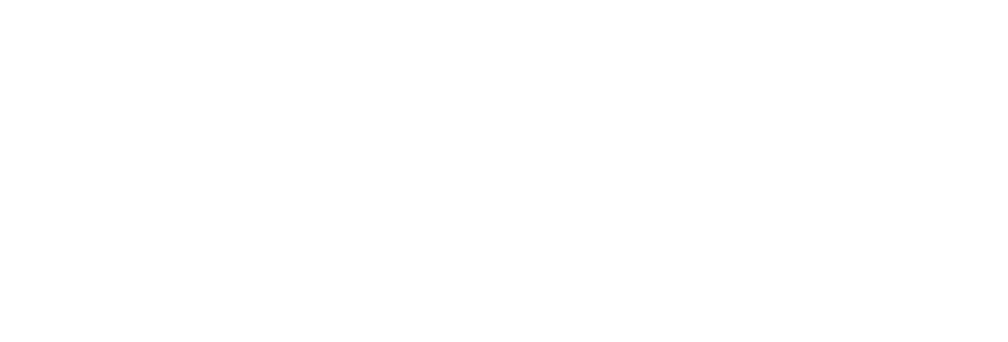
A self-storage facility owner in Texas once told me about a tenant who stored unmarked containers of industrial solvent in a climate-controlled unit. When the containers leaked, cleanup costs hit six figures, and his basic property policy covered almost none of it. That story stuck with me because it captures the reality most operators face: the risks hiding inside your facility are far more varied than fire and theft, and a single uncovered claim can wipe out years of profit.
Self-storage facility insurance covers a broad spectrum of exposures, from property damage and general liability to customer goods legal liability, business income loss, crime, and more. Yet most operators I've worked with either carry too little coverage or pay too much for policies that don't match their actual risk profile. The insurance market in 2026 is shifting in ways that create real opportunity for owners who understand what they're buying. Carriers are weighing profitability and market share more evenly now, which means there's more room to negotiate during renewals if you come prepared. The trick is knowing which coverages are non-negotiable, which ones you're probably missing, and where you can trim costs without exposing yourself to a catastrophic claim. That's what this piece is about.
Understanding Self-Storage Insurance Basics
Understanding self-storage insurance basics means recognizing that no single policy handles everything. Your insurance program is built from multiple coverage types, each addressing a distinct risk. Property insurance protects the buildings and structures themselves. General liability covers bodily injury or property damage claims from third parties on your premises. Customer goods legal liability addresses damage to tenants' belongings while in your care. Business income coverage replaces lost revenue when a covered event forces you to shut down temporarily. Crime coverage protects against employee theft and fraud.
The mistake I see most often is operators treating insurance like a single line item rather than a layered program. A bare-bones policy might cover your buildings but leave you exposed to a lawsuit from a tenant who slips on ice in your parking lot, or to lost rent after a fire shuts down a building for three months.
General Liability vs. Customer Goods Legal Liability
General liability and customer goods legal liability serve different purposes, and confusing them is a common and expensive error. General liability responds when someone is injured on your property or when your operations damage someone else's property. Think of a visitor tripping over a pothole or a gate malfunctioning and striking a car. Customer goods legal liability, on the other hand, covers damage to items stored inside your units, but only when the damage results from your negligence. If a roof leak destroys a tenant's furniture because you failed to maintain the roof, this coverage responds. It does not cover damage from events outside your control unless specifically written that way.
Sale and Disposal Liability for Wrongful Auctions
Lien sale laws vary wildly by state, and getting an auction wrong can land you in court. Sale and disposal liability coverage protects you if you auction a tenant's belongings prematurely, fail to follow proper notification procedures, or sell the wrong unit's contents. New legislation effective January 1, 2026, including California SB 709, now
mandates a visually prominent disclosure on the first page of rental agreements regarding promotional rates and the maximum rental fee for the first 12 months. The Self Storage Association's 2026 agenda also includes
pursuing modernized lien laws in states like New York and Ohio. If your facility operates in multiple states, sale and disposal liability isn't optional; it's essential.

By: Mark Raby
Chief Executive Officer at Champion Risk & Insurance Services
Several variables determine what you'll actually pay for storage facility insurance. Understanding them gives you a starting point for negotiation and helps you avoid sticker shock at renewal.
Your total insured value, the number of units, annual revenue, and claims history all play major roles. But two factors tend to swing premiums more than anything else: where your facility sits and what shape it's in.
Location and Regional Weather Risks
A facility in coastal Florida faces hurricane and flood exposure that an operator in Nevada simply doesn't. Carriers price this risk aggressively. Flood zones, wildfire corridors, and tornado alleys all push premiums higher. If your facility is in a high-risk weather area, expect property premiums to reflect that, and consider whether you need separate flood or wind policies that standard property coverage excludes.
Facility Age and Security Features
Older buildings with outdated electrical, plumbing, or roofing systems represent higher risk to carriers. A 1980s-era facility with no sprinklers will cost significantly more to insure than a modern build with fire suppression, individual unit alarms, and 24/7 video surveillance. Here's the good news: carriers in 2026 are
rewarding proactive care, such as documented roof inspections and lighting maintenance, with lower premium rates. If you've invested in upgrades, make sure your broker presents that documentation to underwriters. Champion Risk, for example, builds detailed risk profiles for storage clients that highlight these improvements during the quoting process.
Comparison: Basic vs. Comprehensive Coverage Tiers
The gap between a basic and comprehensive insurance program can be the difference between surviving a major claim and closing your doors. A basic policy typically covers your buildings and general liability. A comprehensive program layers on business income, crime, customer goods legal liability, cyber, and umbrella coverage.
Coverage Comparison Table
| Coverage Type | Basic Tier | Comprehensive Tier |
|---|---|---|
| Building / Property | Included | Included (higher limits) |
| General Liability | Included | Included |
| Customer Goods Legal Liability | Not included | Included |
| Business Income | Not included | Included |
| Crime / Employee Theft | Not included or minimal sublimit | Standalone policy with higher limits |
| Sale & Disposal Liability | Not included | Included |
| Cyber / Data Breach | Not included | Included |
| Umbrella / Excess Liability | Not included | Included |
| Pollution Liability | Not included | Optional add-on |
One critical gap to watch: standard property policies often include
small sublimits of roughly $10,000 for employee theft, despite the median financial loss due to embezzlement across industries being estimated at $150,000. If you rely on that built-in sublimit, you're essentially self-insuring the bulk of any theft by a manager or employee.
Protecting Your Business from Environmental and Cyber Threats
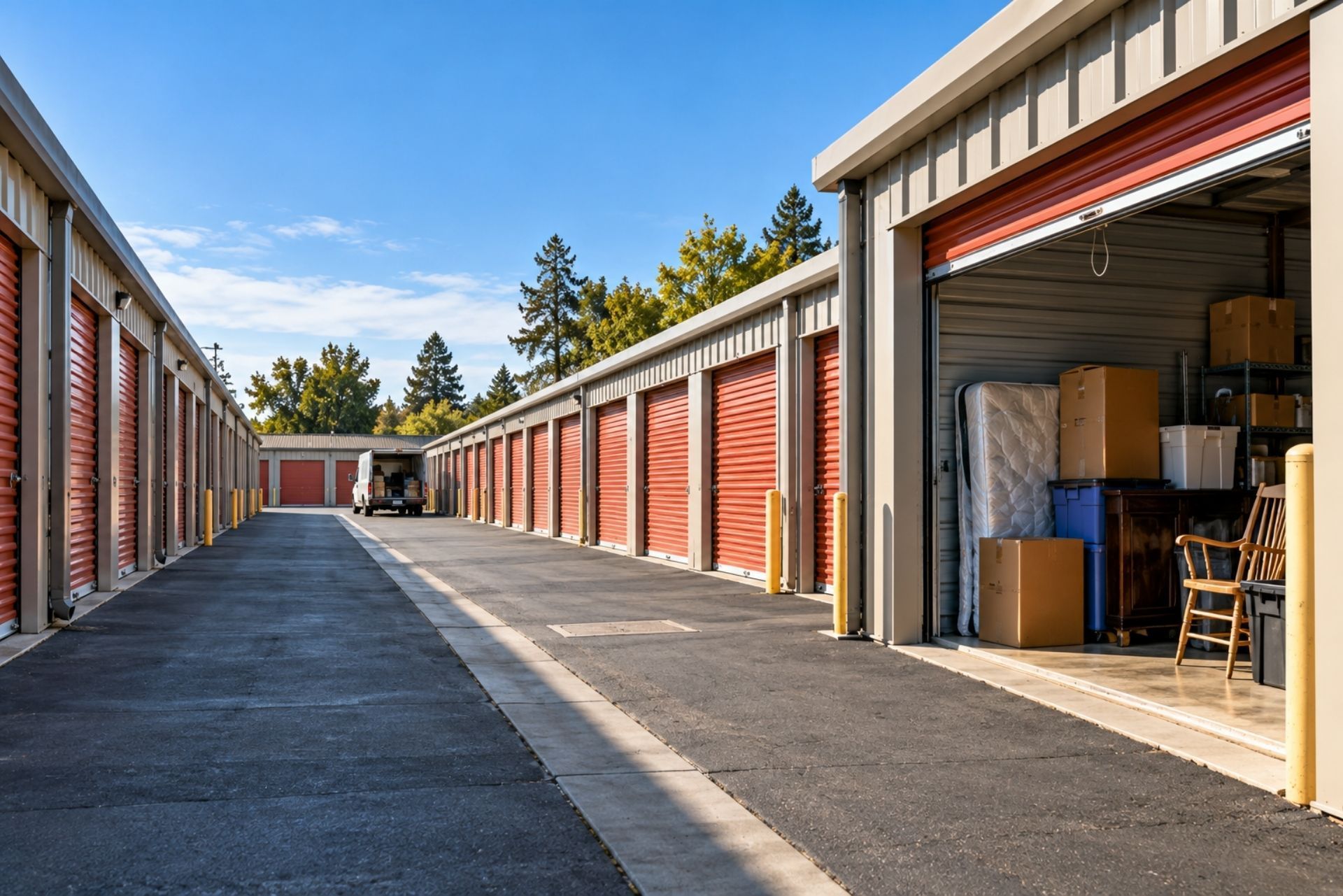
Storage facilities face two categories of risk that most operators underestimate: environmental contamination and data breaches. Neither is exotic or unlikely. Tenants store prohibited items more often than you'd think, and your management software holds sensitive personal and financial data.
Pollution Liability and Hazardous Waste Removal
If a tenant stores chemicals, paint, or other hazardous materials that leak or cause contamination, standard property and liability policies almost always exclude the cleanup costs. Pollution liability coverage fills that gap. It pays for environmental remediation, third-party bodily injury from contamination, and legal defense costs. Even if your lease explicitly prohibits hazardous materials, you can still be held responsible for cleanup under federal and state environmental laws. The cost of a pollution incident can easily reach six figures, making this coverage a smart investment for any facility that lacks the ability to physically inspect every unit on a regular basis.
Data Breach and Cyber Insurance for Management Systems
Most storage facilities now run cloud-based management platforms that store tenant names, addresses, payment card numbers, and access codes. A breach of that system triggers notification requirements in nearly every state, and the costs add up fast: forensic investigation, legal counsel, credit monitoring for affected tenants, and potential regulatory fines. Cyber insurance covers these expenses. If your facility uses electronic gate access, online rentals, or autopay, you have cyber exposure. This is one area where Champion Risk frequently identifies gaps during policy reviews, since many operators assume their general liability policy covers data incidents. It doesn't.
Common Questions About Self-Storage Insurance
Do I have to provide insurance for my tenants?
You're not legally required to insure your tenants' belongings in most states, but many operators offer or require tenant protection plans. These plans generate revenue and reduce disputes after a loss. They're not traditional insurance policies; they're contractual protections administered through your facility.
What happens if a unit is broken into?
Your general liability policy typically doesn't cover theft of a tenant's property. Customer goods legal liability may respond only if your negligence contributed to the break-in, such as a broken lock you failed to repair. Tenant protection plans are the primary coverage for theft of stored items.
How much does a basic policy usually cost per year?
Premiums vary widely based on location, facility size, construction type, and claims history. A small single-story facility in a low-risk area might pay a few thousand dollars annually for basic property and liability coverage, while a multi-building operation in a hurricane zone could pay significantly more. The best way to get an accurate number is to request quotes from a broker who specializes in storage, since generic commercial policies often miss industry-specific exposures.
Does general liability cover fire damage to the building?
No. General liability covers third-party bodily injury and property damage claims, not damage to your own building. Fire damage to your structures falls under your property insurance policy. If fire shuts down operations, your business income coverage replaces the lost rental revenue during the restoration period.
Making the Right Choice for Your Facility
The storage insurance market in 2026 offers more flexibility than operators have seen in years. Ryan Gibson of Spartan Investment Group has noted that buyers should stress test their underwriting by accounting for flat rent growth and rising insurance costs, and that advice applies just as much to existing owners reviewing their coverage. Increased carrier competition means you have real negotiating power, but only if you understand what you need and can present a clean risk profile.
Start by auditing your current program against the comprehensive tier outlined above. Identify the gaps, especially in crime, cyber, and pollution coverage, and get quotes that reflect your actual operations. If you're unsure where to begin, Champion Risk works with storage operators across the country to build programs that match the specific risks of each facility, not a one-size-fits-all template.
The worst time to discover a coverage gap is after a claim. Take the time now to get your program right, and you'll protect both your investment and your peace of mind for years to come.
About the Author:
Mark Raby
I am a seasoned insurance professional with over 30 years of experience in the industry. I lead Champion Risk & Insurance Services, a San Diego-based brokerage with nationwide reach and strong influence in the insurance marketplace. My core competencies include insurance agency M&A deals, captives and alternative risk structures, and commercial property and casualty insurance for clients in the transportation and logistics industries. I am a former president of IIAB San Diego and hold a Bachelor of Science in Finance from Western Michigan University’s Haworth College of Business.
Protection for Transportation Operations
Business Insurance for Transportation & Logistics Companies
Coverage designed specifically for transportation businesses
Commercial Auto & Trucking
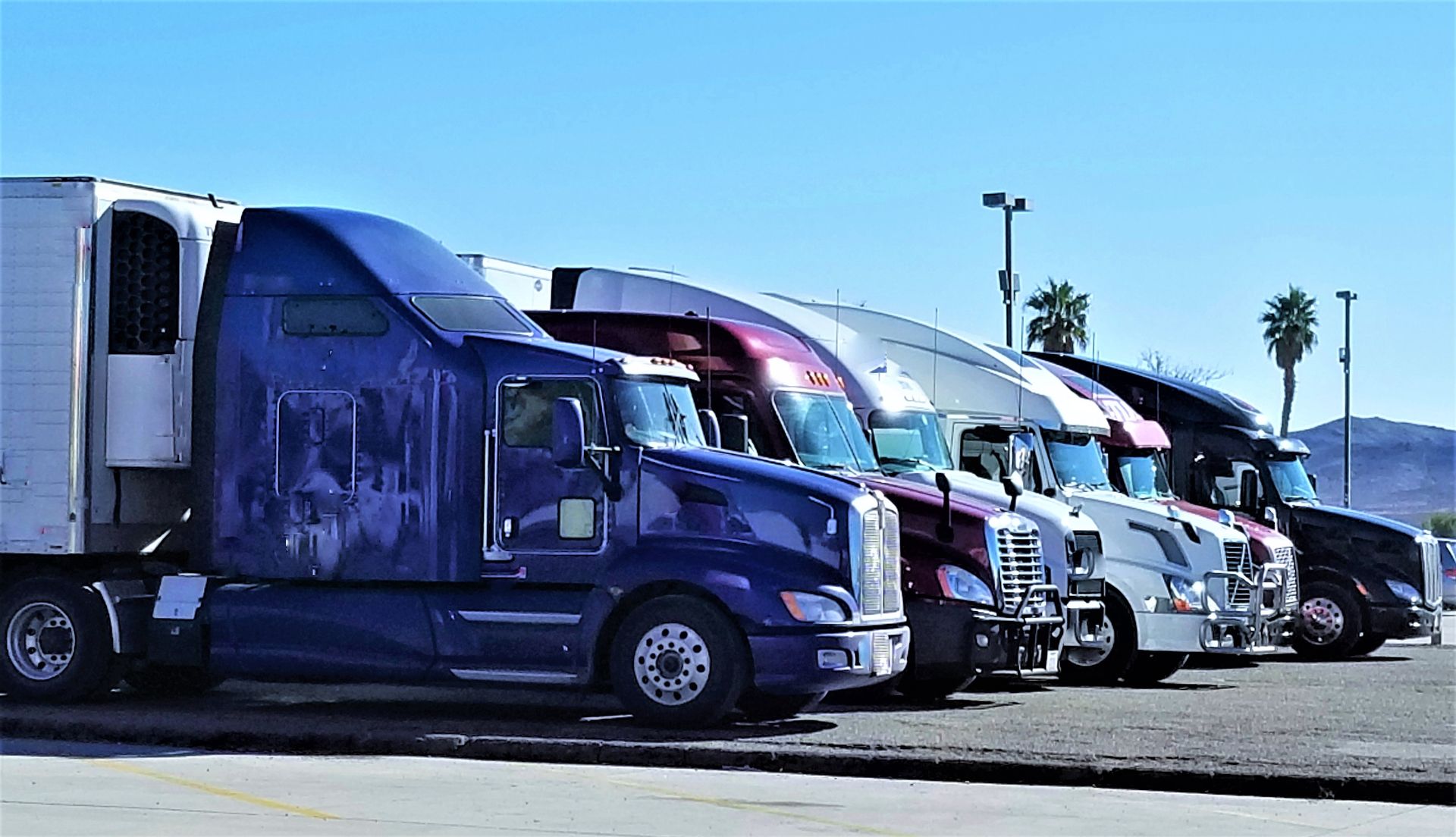
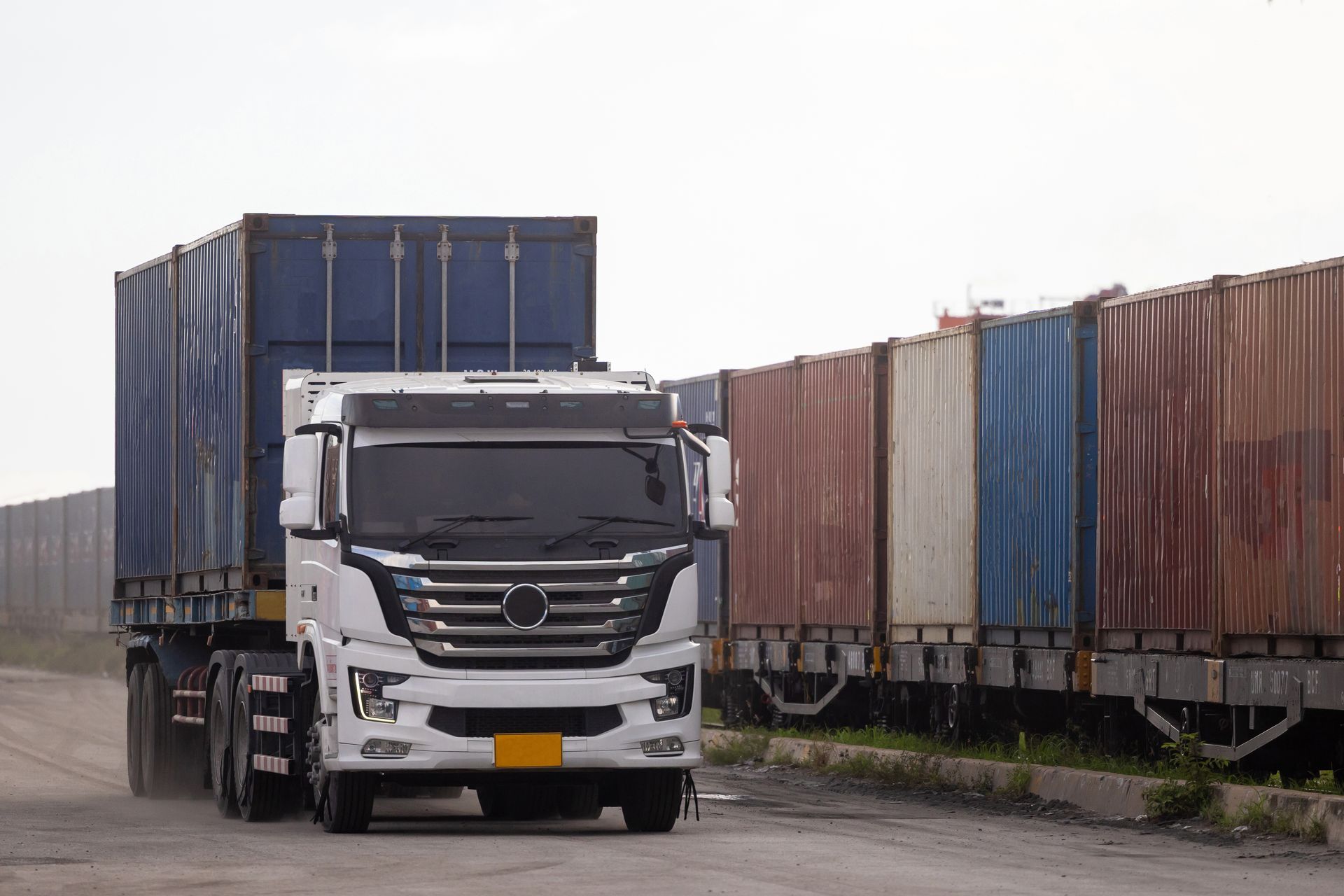
Protection for your fleet including box trucks, moving vans, and trailers. Covers liability, collision, physical damage, and hired or non-owned vehicles used in your operations.
Motor Truck Cargo
Covers household goods and freight during transport from pickup to delivery. Protects against damage, theft, mysterious disappearance, and weather-related losses while cargo is in your care.

General Liability
Protection from third-party claims for bodily injury and property damage at customer homes, job sites, and your own facility. Essential coverage for every transportation operation

Warehouse Legal Liability
Coverage for customer property while stored in your facility. Protects against damage, theft, fire, and water damage to goods in your care, custody, or control.

Workers' Compensation
Medical care and wage replacement for employees injured on the job. Required in most states for transportation and warehouse work where physical labor creates higher injury risk.

Umbrella & Excess Liability
Higher liability limits stacked on top of your primary policies. Helps meet large contract requirements and protects your business assets against major claims and lawsuits.
Specialized Knowledge
Industries We Protect
Focused coverage for transportation and logistics businesses


Simple and Clear
How Our Process Works
Our process to get you covered
Connect With Us
Reach out through our form or by phone to share your business needs and current coverage situation.
Get Coverage Options
We review your risks, compare carriers, and present clear quotes with plain-language explanations.
Stay Protected
You choose your plan, and we provide ongoing support for certificates, claims, and renewals.
Trusted by Businesses
Feedback That Reflects Service and Reliability
What our clients say about working with Champion Risk
Answers You Need
Frequently Asked Questions
Common questions about transportation and logistics insurance




What insurance does a transportation company need to operate legally?
Motor carriers that cross state lines must meet FMCSA requirements. You need a minimum of $750,000 in liability coverage, plus a BMC-91 filing that proves your insurance to the federal government. Cargo coverage is also required, with minimums that depend on the type of goods you transport.
Intrastate operators follow state-specific rules. California, Texas, and Florida each have different requirements. Champion Risk handles both federal and state filings. We make sure your coverage meets legal minimums and your certificates reach the right agencies.
How much does commercial transportation insurance cost?
Premiums depend on your fleet size, driving records, cargo values, and claims history. A small operation with two trucks might pay $8,000 to $15,000 per year. A larger carrier with ten trucks could pay $50,000 to $100,000 or more.
The best way to control costs is working with a broker who knows transportation insurance. We find carriers that specialize in your exact operation type. This often results in better rates than going direct or using a general agent who doesn't understand the industry.
What is a BMC-91 filing and why do I need one?
A BMC-91 is a form your insurance company files with the FMCSA. It proves you carry the required liability coverage to operate as a for-hire motor carrier. Without an active BMC-91, your operating authority can be revoked.
Champion Risk works with carriers who file electronically. Your BMC-91 typically posts within 24 to 48 hours of binding coverage. We monitor your filing status and alert you if anything needs attention.
Does my warehouse or storage facility need different insurance than a trucking operation?
Yes. Storage facilities need warehouse legal liability coverage. This protects you when customer property is damaged or stolen while in your care. Standard general liability policies exclude this exposure.
You may also need property coverage for your building, equipment breakdown protection, and business income coverage if a fire or disaster shuts down operations. Champion Risk builds storage facility programs that address all these risks in one package.
Can you insure last-mile delivery drivers who use their own vehicles?
Yes. We offer hired and non-owned auto coverage for delivery operations that use independent contractors or employees driving personal vehicles. This fills gaps that personal auto policies don't cover during commercial use.
We also provide occupational accident coverage for 1099 drivers who aren't eligible for workers' comp. This protects your drivers and limits your liability exposure when accidents happen.
How fast can I get proof of insurance for a new contract?
Same day in most cases. Once we bind your policy, we issue certificates of insurance within hours. If your contract requires specific additional insured language or special endorsements, we coordinate directly with the carrier.
Rush requests happen often in this industry. General contractors and corporate clients demand certificates before they let you on site. Champion Risk prioritizes fast turnaround because we know your revenue depends on it.
Answers You Need
Transportation & Logistics Insurance Resources
Articles designed to inform and support your business
Contact Us
Phone Number:
Email Address:
Location:
12264 El Camino Real, Suite 350
San Diego, CA 92130
Hours:
Monday – Friday: 8:00 AM – 6:00 PM PT