
A friend of mine rented a portable storage container last spring for a cross-town move. Two weeks later, a storm blew through, rain pooled on the container's roof, and water seeped through a faulty seal. By the time she opened the doors, her grandmother's upholstered armchair was ruined and three boxes of books had turned to pulp. The storage company pointed to their rental agreement: they weren't liable. Her homeowners policy? It covered a fraction of the loss. She was stuck eating most of the cost herself.
This scenario plays out constantly, and it's the reason portable storage and container insurance deserves real attention before you load a single box. Whether you're storing belongings during a renovation, staging a long-distance move, or running a business that relies on containers for inventory, the insurance question is more nuanced than most people expect. Coverage for container property, cargo liability,
customer goods protection, and certificates of insurance all come into play, and the costs vary widely depending on what you actually need. Here's what matters and what most people get wrong.
Understanding Portable Storage Insurance Basics
Understanding portable storage insurance basics starts with a simple truth: the container sitting in your driveway or on a job site occupies a gray area that most standard policies weren't designed to cover. Portable containers are classified as movable property, which means they don't fit neatly into homeowners, renters, or standard commercial property categories. That classification gap is where people get burned.
The portable storage industry is also in a unique moment. Reports from the 2026 NPSA Conference indicate that production of specialty containers remains tight through late 2026 as manufacturers prioritize supplying containers for a massive wave of new shipping capacity. That supply squeeze means replacement costs for damaged containers are higher than usual, making proper coverage even more critical.
Why Homeowners Insurance Often Falls Short
Standard homeowners insurance typically caps "off-premises" coverage at 10% of your total personal property limit or $1,000, whichever is greater. If your policy covers $50,000 in personal property, that's only $5,000 for items stored away from your home, including inside a portable container. For most households packing up a kitchen, bedroom furniture, and electronics, $5,000 disappears fast.
The bigger issue is that homeowners policies rarely cover the container itself. If a vehicle strikes the unit, wind topples it, or vandals damage it, you could owe the storage company thousands in repair or replacement fees. Your home policy treats the container as someone else's property, and the rental agreement almost always shifts that risk to you.
Coverage for On-Site vs. In-Transit Containers
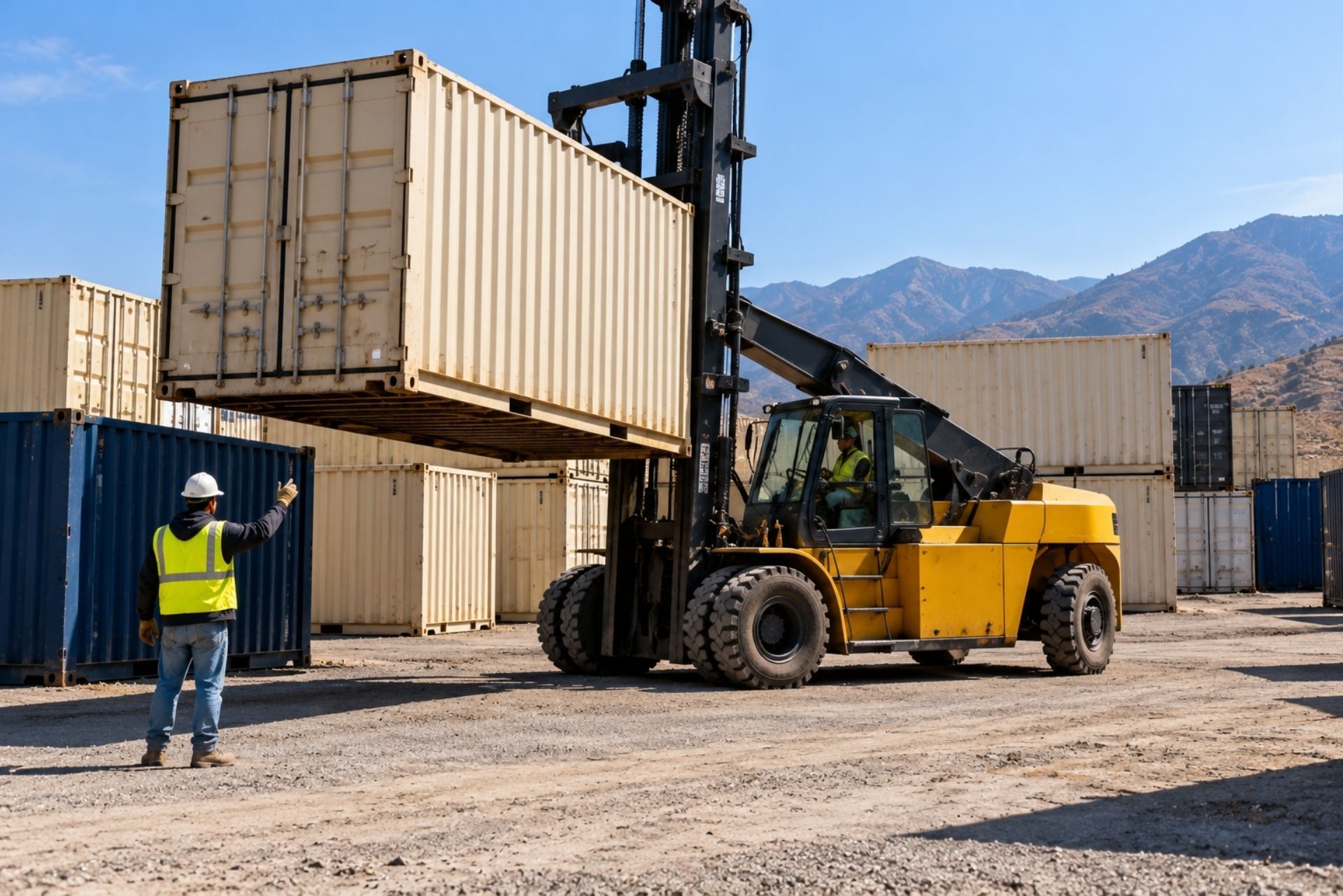
A container parked in your driveway faces different risks than one loaded onto a flatbed truck heading across state lines. On-site coverage typically protects against theft, vandalism, fire, and certain weather events while the unit is stationary. Transit coverage kicks in during the actual move, when your belongings are most vulnerable to shifting, collision damage, and road vibration.
Inland marine insurance is the industry term for coverage that protects
movable property while in transit or stored off-site. It bridges the gap between standard property insurance and the real-world risks of portable storage. If you're moving the container at any point, you need both stationary and transit protection, not just one or the other.

By: Mark Raby
Chief Executive Officer at Champion Risk & Insurance Services
Types of Coverage for Containers and Contents
Types of coverage for containers and contents break down into three distinct buckets, and mixing them up is one of the most common mistakes people make. Each covers a different piece of the risk puzzle.
Container Protection Plans (Physical Damage)
This covers the physical container itself: dents, structural damage, roof leaks, door malfunctions. If you're renting the unit, the storage company will likely require you to carry this or accept financial responsibility for damage. Think of it like collision coverage on a rental car. Deductibles typically range from $250 to $1,000, and the coverage limit matches the container's replacement value.
Content Protection for Personal Property
Content protection is what most people actually care about: it covers your stuff inside the container. Policies vary between "named peril" plans (which only cover specific listed events like fire, theft, or windstorm) and "all-risk" plans (which cover everything except specifically excluded events). All-risk plans cost more but eliminate the guesswork about whether a particular type of damage qualifies.
A brokerage like Champion Risk can help you evaluate whether named-peril or all-risk content protection makes sense for your situation, especially if you're storing high-value items like electronics, antiques, or artwork.
Liability Coverage for Third-Party Injuries
Here's one most people overlook entirely. If a delivery driver trips over your container's ramp and breaks an ankle, or a neighbor's child climbs on the unit and falls, you could face a liability claim. General liability coverage addresses third-party bodily injury and property damage connected to the container. For businesses that store containers on customer properties, this isn't optional: it's essential.
Comparing standard vs. premium protection levels helps you see exactly where the price differences show up and whether the extra cost is justified. The short answer: for moves involving furniture, electronics, or anything you'd be upset to lose, the premium tier usually pays for itself.
Comparison Table: Basic vs. Extended Coverage Limits
| Feature | Basic Plan | Extended / Premium Plan |
|---|---|---|
| Content coverage type | Named peril only | All-risk |
| Container damage | Not included | Included |
| Transit coverage | Limited or none | Full transit protection |
| Liability | Not included | Third-party injury/property |
| Deductible range | $250 | $250 |
| Typical annual cost | Varies by provider | Varies by provider |
| Certificates of insurance | Not always available | Issued on request |
Inland marine insurance, which underpins most premium container coverage,
averages approximately $0.80 per $100 of coverage, or roughly $800 per year for $100,000 in property value. That benchmark helps you sanity-check quotes. If someone is charging dramatically more or less, ask why.

Common exclusions and hidden limitations are where insurance gets tricky. Every policy has them, and the ones that catch people off guard tend to involve items they assumed were covered.
Prohibited Items and Uninsurable Goods
Most portable storage insurance policies exclude hazardous materials, perishable food, live plants, pets (obviously), cash, securities, and sometimes jewelry or furs above a stated dollar threshold. If you're storing firearms, check the policy language carefully: some plans exclude them entirely, while others cap coverage at a few hundred dollars.
One thing to keep in mind: if you store a prohibited item and it causes damage to other contents (say, a leaking paint can ruins your sofa), the insurer may deny the entire claim, not just the portion related to the prohibited item.
Natural Disaster and Weather-Related Clauses
Flood and earthquake damage are almost universally excluded from standard container insurance, just as they are from homeowners policies. If your container is sitting in a flood zone or an earthquake-prone area, you'll need a separate rider or endorsement. Wind damage is usually covered, but some policies in hurricane-prone coastal states impose higher deductibles or sub-limits during named storm seasons.
Pre-transit documentation matters here. Photograph and video-record every item before loading, with timestamps. If you file a weather-related claim, the insurer will want proof of the item's condition before the event. A timestamped Bill of Lading combined with photos is your best defense against a disputed claim.
Frequently Asked Questions About Storage Insurance
Does my home insurance cover a storage pod in my driveway?
Home policies usually cover about 10% of your personal property limit for off-premises storage, but specific container damage is rarely included. That means your belongings might have partial protection, but the physical unit itself is your financial responsibility unless you buy separate coverage.
What happens if the container leaks and ruins my furniture?
Most basic plans cover water damage only if it results from a specific named peril like a windstorm. Gradual leaks from poor seals or condensation buildup are typically excluded. If protecting furniture is a priority, look for an all-risk option that covers water intrusion regardless of the cause.
Is the container itself insured if someone hits it with a car?
If you've opted for container protection (physical damage coverage), the unit is covered and you'd file a claim for repairs. Without it, you're personally liable for repair costs to the storage company. Carrier legal liability is fault-based and often covers as little as $2 per kilogram for freight, so don't count on the carrier's policy to make you whole.
Do I need extra insurance if I'm moving across state lines?
Yes. Transit insurance is critical because items are most vulnerable to shifting, vibration damage, and collision while the container is on a truck. On-site coverage alone won't protect you during an interstate move. Champion Risk specializes in
inland marine coverage for moving and storage operations and can structure a policy that covers both the stationary and transit phases.
Making the Right Choice for Your Move
The right insurance setup depends on three things: what you're storing, how long it's being stored, and whether the container is moving. A weekend driveway pack for a local move has a different risk profile than a cross-country relocation with a storage-in-transit window. SIT coverage fills the gap when closing dates slip or your new home isn't ready; however, after the SIT window, the contract must legally transition from "transit" to "permanent warehouse storage," which changes the liability structure and insurance coverage.
Get quotes that separate container protection, content coverage, and liability so you can see exactly what you're paying for. Ask for certificates of insurance if your HOA, landlord, or job site requires proof of coverage. And read the exclusions page before you sign anything: that's where the real story of any policy lives.
If your situation involves high-value goods, interstate transit, or commercial storage operations, working with a specialized brokerage like Champion Risk gives you access to carriers and policy structures that generalist agents simply don't offer. The difference between a $5,000 claim denial and a fully covered loss often comes down to how the policy was structured from the start. Take the time to get it right before you load the first box.
About the Author:
Mark Raby
I am a seasoned insurance professional with over 30 years of experience in the industry. I lead Champion Risk & Insurance Services, a San Diego-based brokerage with nationwide reach and strong influence in the insurance marketplace. My core competencies include insurance agency M&A deals, captives and alternative risk structures, and commercial property and casualty insurance for clients in the transportation and logistics industries. I am a former president of IIAB San Diego and hold a Bachelor of Science in Finance from Western Michigan University’s Haworth College of Business.
Protection for Transportation Operations
Business Insurance for Transportation & Logistics Companies
Coverage designed specifically for transportation businesses
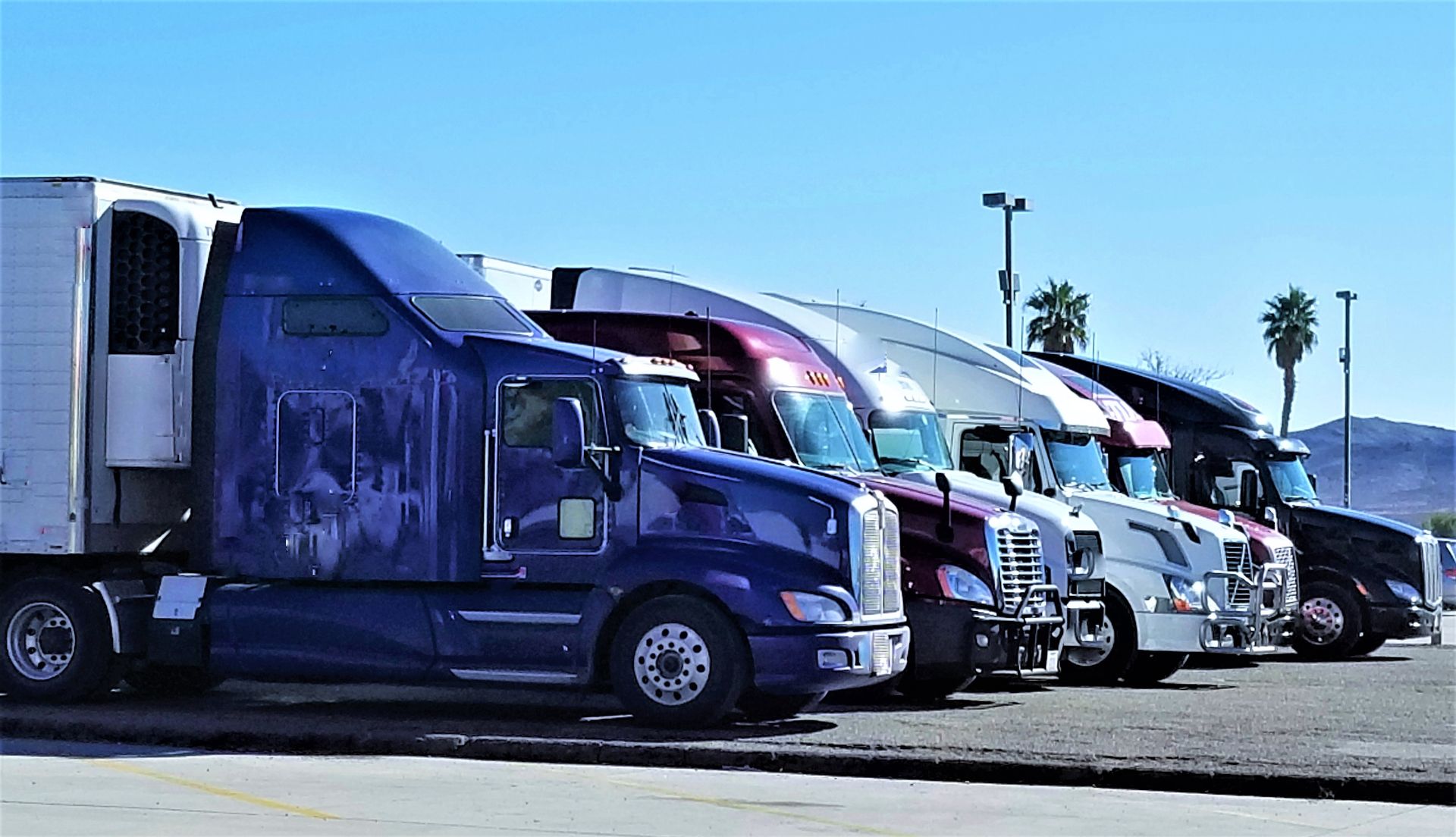
Commercial Auto & Trucking
Protection for your fleet including box trucks, moving vans, and trailers. Covers liability, collision, physical damage, and hired or non-owned vehicles used in your operations.
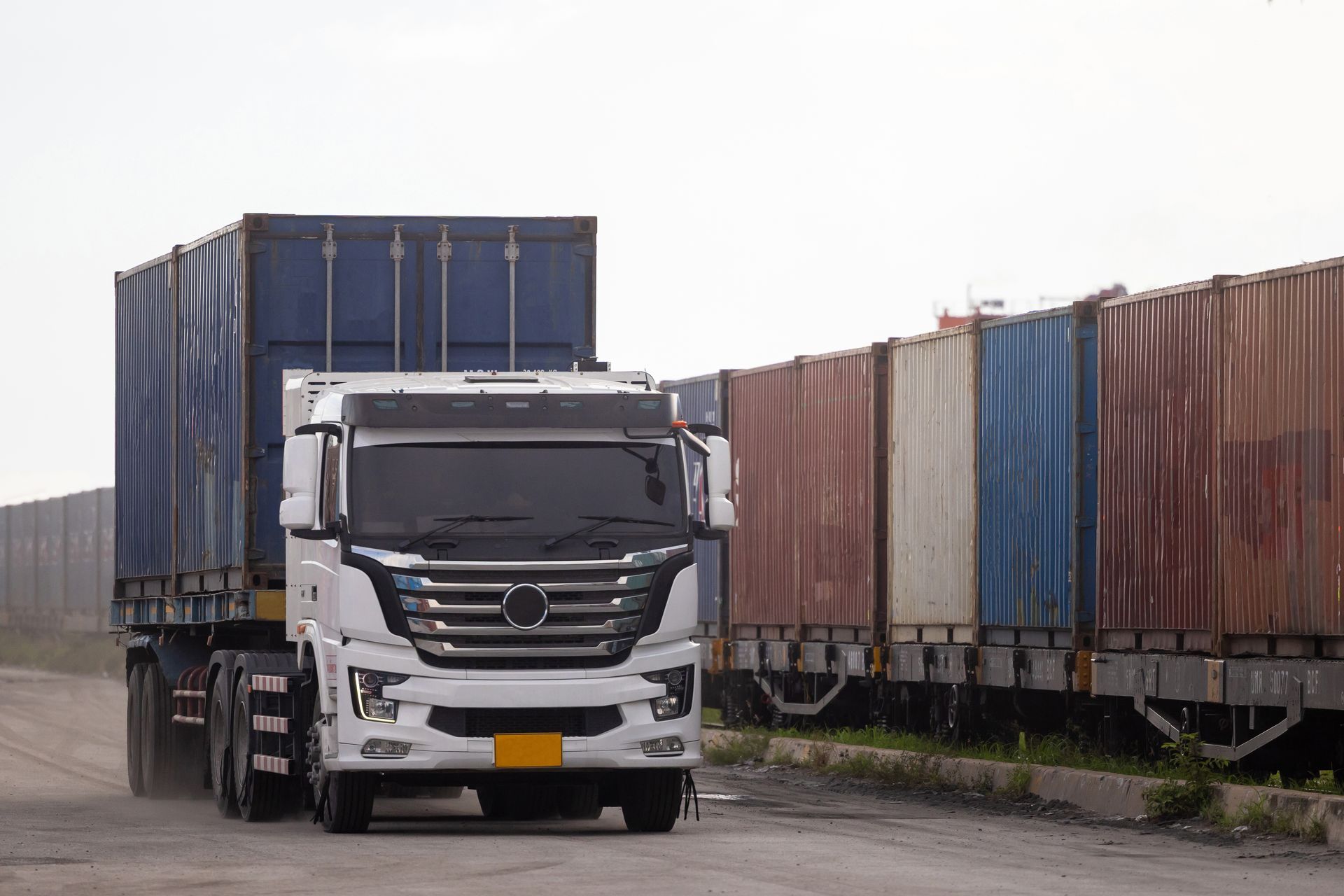
Motor Truck Cargo
Covers household goods and freight during transport from pickup to delivery. Protects against damage, theft, mysterious disappearance, and weather-related losses while cargo is in your care.

General Liability
Protection from third-party claims for bodily injury and property damage at customer homes, job sites, and your own facility. Essential coverage for every transportation operation

Warehouse Legal Liability
Coverage for customer property while stored in your facility. Protects against damage, theft, fire, and water damage to goods in your care, custody, or control.

Workers' Compensation
Medical care and wage replacement for employees injured on the job. Required in most states for transportation and warehouse work where physical labor creates higher injury risk.

Umbrella & Excess Liability
Higher liability limits stacked on top of your primary policies. Helps meet large contract requirements and protects your business assets against major claims and lawsuits.
Specialized Knowledge
Industries We Protect
Focused coverage for transportation and logistics businesses

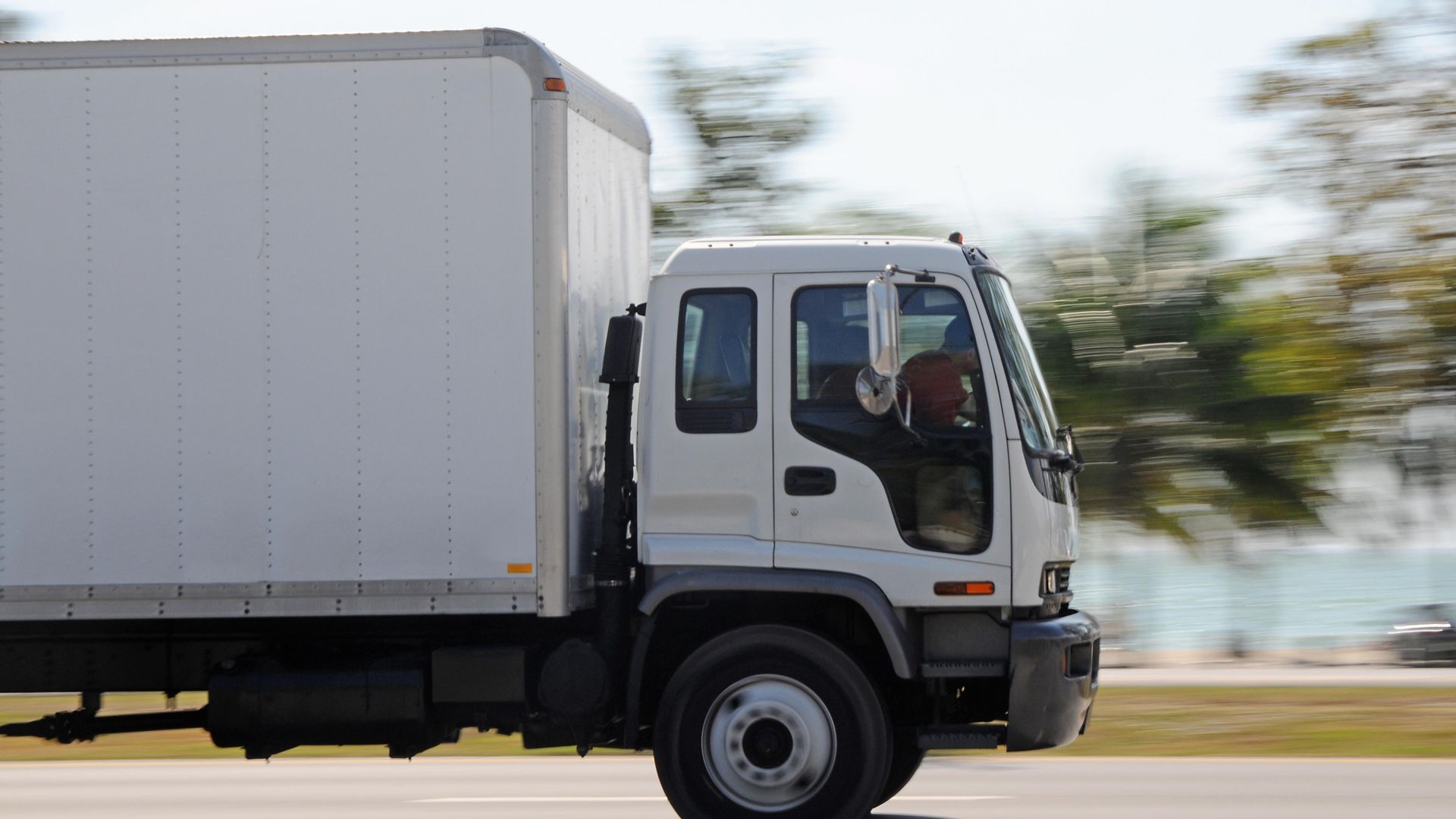

Simple and Clear
How Our Process Works
Our process to get you covered
Connect With Us
Reach out through our form or by phone to share your business needs and current coverage situation.
Get Coverage Options
We review your risks, compare carriers, and present clear quotes with plain-language explanations.
Stay Protected
You choose your plan, and we provide ongoing support for certificates, claims, and renewals.
Trusted by Businesses
Feedback That Reflects Service and Reliability
What our clients say about working with Champion Risk
Answers You Need
Frequently Asked Questions
Common questions about transportation and logistics insurance




What insurance does a transportation company need to operate legally?
Motor carriers that cross state lines must meet FMCSA requirements. You need a minimum of $750,000 in liability coverage, plus a BMC-91 filing that proves your insurance to the federal government. Cargo coverage is also required, with minimums that depend on the type of goods you transport.
Intrastate operators follow state-specific rules. California, Texas, and Florida each have different requirements. Champion Risk handles both federal and state filings. We make sure your coverage meets legal minimums and your certificates reach the right agencies.
How much does commercial transportation insurance cost?
Premiums depend on your fleet size, driving records, cargo values, and claims history. A small operation with two trucks might pay $8,000 to $15,000 per year. A larger carrier with ten trucks could pay $50,000 to $100,000 or more.
The best way to control costs is working with a broker who knows transportation insurance. We find carriers that specialize in your exact operation type. This often results in better rates than going direct or using a general agent who doesn't understand the industry.
What is a BMC-91 filing and why do I need one?
A BMC-91 is a form your insurance company files with the FMCSA. It proves you carry the required liability coverage to operate as a for-hire motor carrier. Without an active BMC-91, your operating authority can be revoked.
Champion Risk works with carriers who file electronically. Your BMC-91 typically posts within 24 to 48 hours of binding coverage. We monitor your filing status and alert you if anything needs attention.
Does my warehouse or storage facility need different insurance than a trucking operation?
Yes. Storage facilities need warehouse legal liability coverage. This protects you when customer property is damaged or stolen while in your care. Standard general liability policies exclude this exposure.
You may also need property coverage for your building, equipment breakdown protection, and business income coverage if a fire or disaster shuts down operations. Champion Risk builds storage facility programs that address all these risks in one package.
Can you insure last-mile delivery drivers who use their own vehicles?
Yes. We offer hired and non-owned auto coverage for delivery operations that use independent contractors or employees driving personal vehicles. This fills gaps that personal auto policies don't cover during commercial use.
We also provide occupational accident coverage for 1099 drivers who aren't eligible for workers' comp. This protects your drivers and limits your liability exposure when accidents happen.
How fast can I get proof of insurance for a new contract?
Same day in most cases. Once we bind your policy, we issue certificates of insurance within hours. If your contract requires specific additional insured language or special endorsements, we coordinate directly with the carrier.
Rush requests happen often in this industry. General contractors and corporate clients demand certificates before they let you on site. Champion Risk prioritizes fast turnaround because we know your revenue depends on it.
Answers You Need
Transportation & Logistics Insurance Resources
Articles designed to inform and support your business
Contact Us
Phone Number:
Email Address:
Location:
12264 El Camino Real, Suite 350
San Diego, CA 92130
Hours:
Monday – Friday: 8:00 AM – 6:00 PM PT