See How We're Different
Call Us: (800) 829-0807
When a moving truck loaded with $50,000 worth of antique furniture gets sideswiped on the interstate, standard business insurance policies often leave companies scrambling to cover the loss. That gap between what traditional coverage protects and what moving and storage companies actually need is precisely where inland marine insurance becomes essential.
The name sounds strange at first. What does "marine" have to do with moving furniture across Kansas? The term dates back to ocean cargo insurance, but inland marine coverage has evolved to protect goods in transit over land and items stored temporarily away from their permanent location. For moving and storage businesses, this coverage fills critical gaps that can mean the difference between a manageable claim and a business-ending loss.
The inland marine insurance market reflects this growing need, with forecasts projecting the sector to reach $35 billion by 2024. Direct premiums written in the U.S. increased 14.3% during 2022 compared to the previous year, signaling that businesses are recognizing the importance of protecting mobile assets. Understanding this coverage, what it includes, and what it costs can help moving and storage companies make informed decisions about protecting their operations and their customers' belongings.
The Role of Inland Marine Insurance in the Moving Industry
Moving companies operate in a unique risk environment. Customer property changes hands multiple times, travels across varying distances, and often sits in temporary storage between pickup and delivery. Standard commercial policies weren't designed with these dynamics in mind.
Why Standard Property Insurance Falls Short
Standard commercial property insurance typically covers assets at a fixed location, like your office building, warehouse, or permanently installed equipment. The moment goods leave your premises or enter your care from a customer, coverage gaps emerge. A general liability policy might cover injuries at your facility, but it won't reimburse you when a crew accidentally drops a grand piano down a staircase.
As insurance.com notes, inland marine insurance "covers products, materials, and equipment when damaged or lost in transit over land, or while temporarily warehoused by a third party. It protects business assets that are not fixed to a single location." This distinction matters because moving companies handle property that's constantly in motion or in temporary custody.
Transit vs. Storage: Defining the Scope
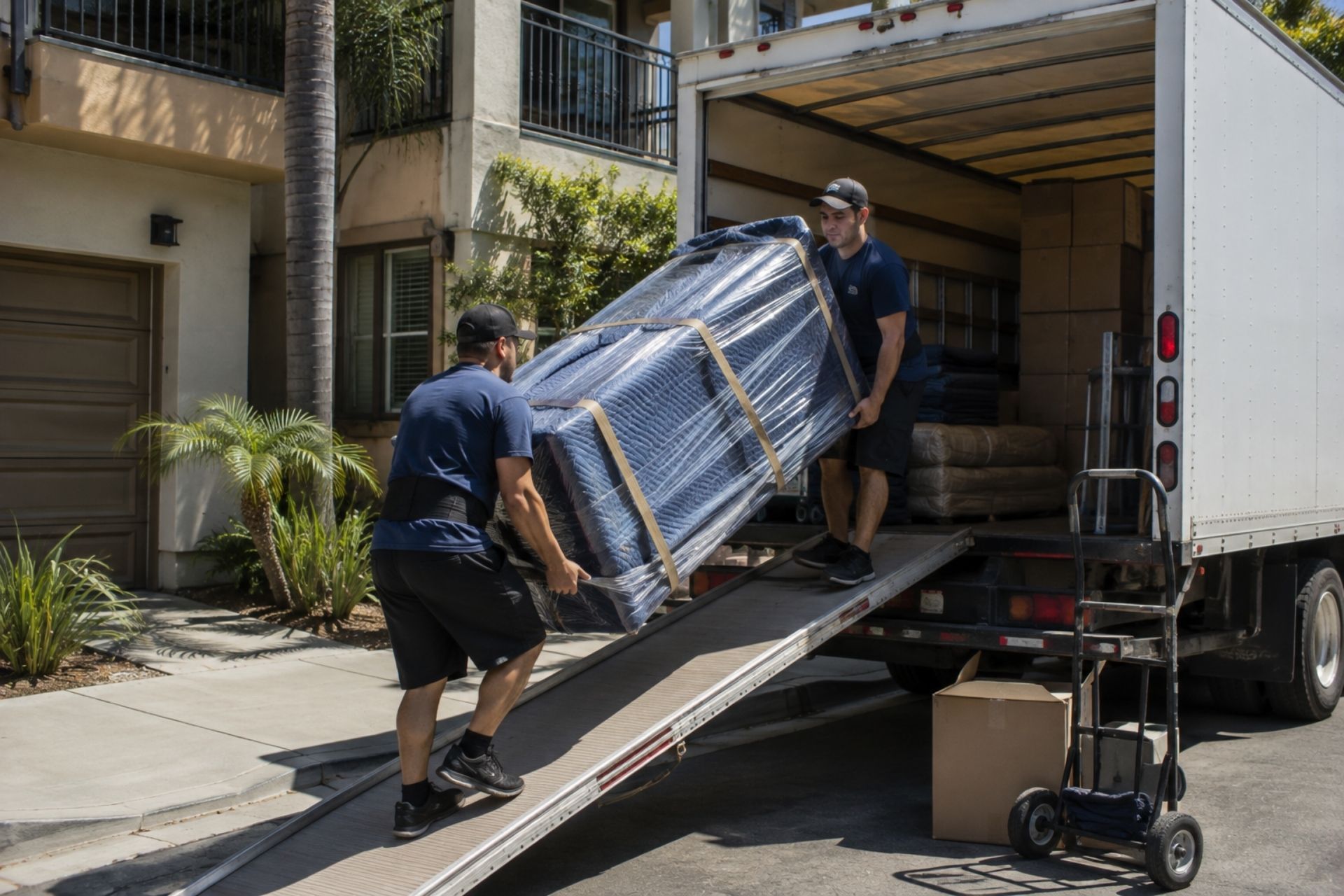
Inland marine coverage for moving companies typically addresses two distinct phases of operations. Transit coverage protects goods while they're on the truck, being loaded, or being unloaded. Storage coverage kicks in when items sit in your warehouse between moves or during long-term storage arrangements.
These phases carry different risk profiles. Transit exposes goods to road accidents, weather, and theft at rest stops. Storage brings risks like water damage, pest infestation, and facility break-ins. Understanding which phase creates your greatest exposure helps determine appropriate coverage limits.
Core Coverage Components for Moving and Storage
Three primary coverage types form the foundation of inland marine protection for moving and storage operations. Each addresses specific liability scenarios that arise during different stages of handling customer property.
Motor Truck Cargo Insurance
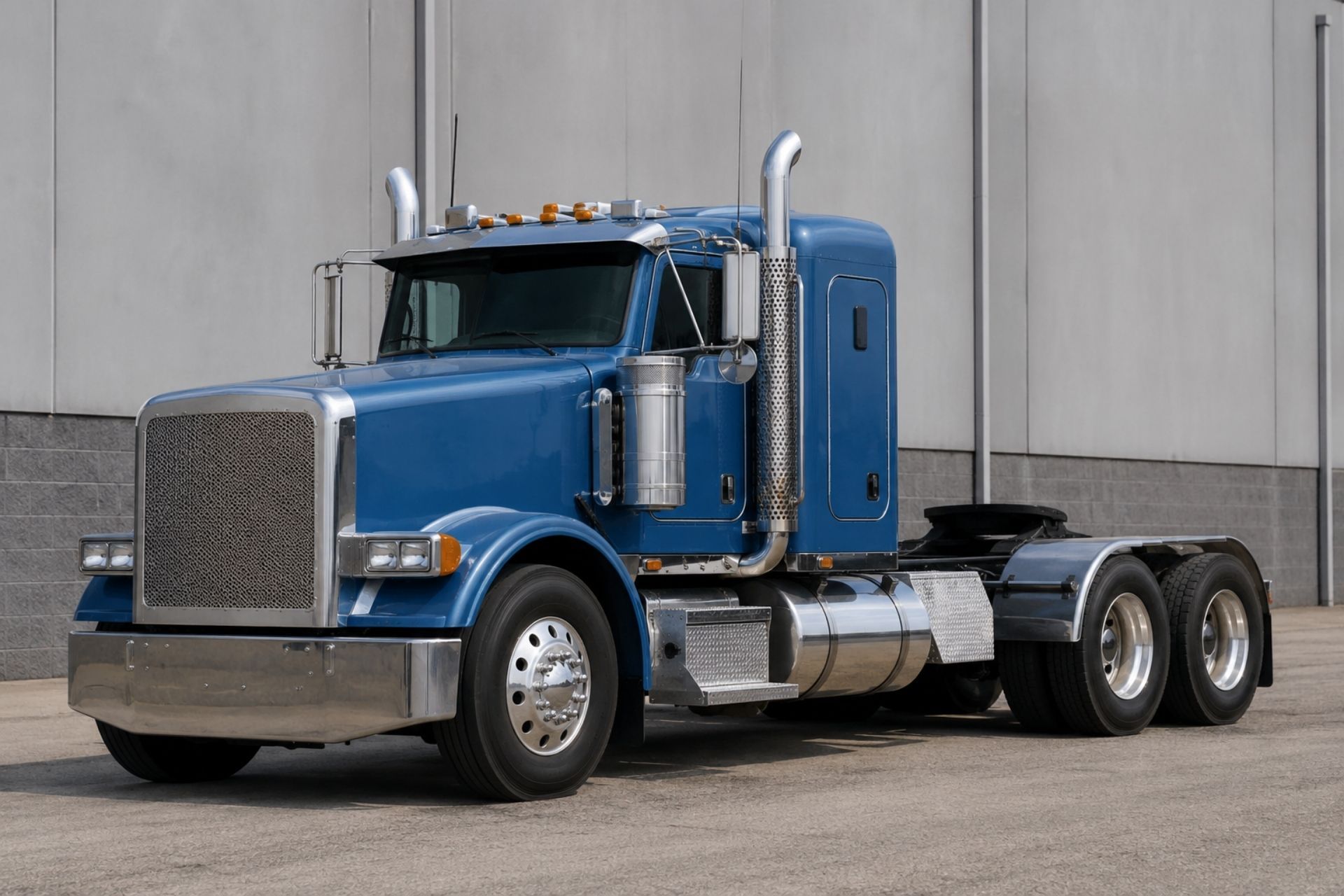
This coverage protects freight and customer belongings while in transit on your vehicles. If your truck is involved in an accident and the cargo is damaged, motor truck cargo insurance responds to those losses. It also typically covers theft from the vehicle during transit, though specific terms vary by policy.
Collisions and cargo theft rank as the two most frequent causes of inland marine losses, making motor truck cargo coverage particularly important. Policies may be written on an "all-risk" basis, covering any physical loss unless specifically excluded, or on a "named perils" basis that only covers listed events.
Warehouseman's Legal Liability
When you store customer property in your facility, you assume legal responsibility for its safekeeping. Warehouseman's legal liability coverage protects against claims arising from damage to stored goods caused by your negligence or that of your employees.
This coverage differs from property insurance because it responds to your legal liability rather than covering the goods directly. If a forklift operator punctures a customer's leather sofa while moving inventory, this coverage would address the resulting claim.
Bailee's Customer Coverage
Bailee coverage takes protection a step further by covering customer property in your care regardless of whether you were legally negligent. This broader approach can be valuable for maintaining customer relationships, since you can resolve claims quickly without lengthy liability investigations.
Champion Risk often helps moving companies evaluate whether bailee coverage makes sense given their operational risks and customer expectations. The additional premium cost is typically modest compared to the goodwill preserved when claims are handled smoothly.
Common Risks and Perils Covered
Understanding what situations trigger coverage helps moving companies identify potential gaps and make informed purchasing decisions. Inland marine policies typically address several categories of loss.
Accidental Damage and Collision
The most common claims involve physical damage during normal operations. Boxes that shift during transport and crush contents, furniture that gets scratched during loading, electronics damaged by vibration: these everyday incidents add up quickly. Collision coverage responds when your vehicle is involved in an accident that damages cargo.
Weather-related damage also falls under this category. Rain entering a truck through an improperly sealed door, hail damage to items being loaded, or temperature extremes affecting sensitive cargo can all trigger claims.
Theft, Vandalism, and Mysteriously Disappearing Goods
Cargo theft remains a significant concern for the moving industry. Thieves target trucks at rest stops, break into storage facilities, and sometimes pose as legitimate customers to access valuable items. Vandalism claims, while less common, can result from disgruntled employees or random acts during transit stops.
"Mysterious disappearance" coverage addresses situations where goods simply vanish without evidence of theft. An item that was loaded but never arrived, with no explanation for its absence, would fall under this provision. Not all policies include this coverage, so it's worth confirming if your operations involve high-value or easily pilfered items.
Factors Influencing Inland Marine Insurance Costs
Premiums for inland marine coverage vary significantly based on several factors. Businesses can expect to pay anywhere from $500 to $3,000 annually for inland marine insurance, though moving companies with large fleets or high-value cargo may pay considerably more.
Value of Goods and Liability Limits
The primary cost driver is the maximum value of goods you handle at any given time. A company moving average household goods faces different exposure than one specializing in fine art or antiques. Higher liability limits naturally command higher premiums.
Your policy structure also affects pricing. Per-occurrence limits, aggregate annual limits, and deductible amounts all influence premium calculations. Working with specialists like Champion Risk helps identify the right balance between coverage and cost.
Fleet Safety Records and Claims History
Insurance carriers scrutinize your loss history carefully. Companies with frequent claims pay higher premiums, while those with clean records often qualify for credits. Your fleet's safety record, including accident frequency and severity, directly impacts pricing.
Driver training programs, vehicle maintenance protocols, and documented safety procedures can all contribute to better rates. Carriers want evidence that you're actively managing risk rather than simply purchasing insurance as a backup plan.
Determining the Right Coverage Limits for Your Business
Selecting appropriate coverage limits requires honest assessment of your maximum exposure. Consider the highest-value load you might transport in a single trip, then add a buffer for unexpected situations.
Storage operations require separate analysis. Calculate the total value of goods in your warehouse at peak capacity, then consider whether a single event could affect all stored items simultaneously. Fire or flooding could damage everything, while theft might target only accessible areas.
| Coverage Type | Typical Limit Range | Key Considerations |
|---|---|---|
| Motor Truck Cargo | $50,000 - $500,000 | Maximum single-load value |
| Warehouseman's Liability | $100,000 - $1,000,000 | Total warehouse contents |
| Bailee Coverage | $25,000 - $250,000 | Per-customer limits |
The market continues growing, with a CAGR of 3% anticipated from 2024 to 2033, suggesting sustained demand and evolving coverage options.
Best Practices for Risk Management and Premium Reduction
Reducing claims starts with operational improvements. Proper packing techniques, adequate vehicle maintenance, and thorough employee training all contribute to fewer incidents. Documenting these efforts provides leverage during premium negotiations.
Install GPS tracking and security systems on vehicles. Implement inventory management systems that track items from pickup through delivery. These investments often pay for themselves through reduced losses and lower insurance costs.
Regular policy reviews ensure coverage keeps pace with business growth. A policy purchased three years ago may not adequately protect today's operations. Champion Risk recommends annual coverage assessments to identify gaps before they become problems.
Frequently Asked Questions
Does my commercial auto policy cover cargo damage? Commercial auto typically covers vehicle damage, not cargo. You need separate inland marine or motor truck cargo coverage for customer belongings.
What's the difference between declared value and full replacement coverage? Declared value limits reimbursement to a stated amount per pound, often $0.60. Full replacement coverage pays actual replacement cost regardless of weight.
Are antiques and fine art covered under standard inland marine policies? High-value items often require scheduled coverage with specific appraisals. Standard policies may have sublimits for artwork, jewelry, and collectibles.
How quickly are inland marine claims typically paid? Most straightforward claims settle within 30-60 days. Complex losses involving liability disputes or extensive documentation may take longer.
Can I get coverage for goods stored at customer locations? Some policies extend coverage to temporary storage at delivery locations. Confirm this with your carrier if your operations involve staged deliveries.
Making the Right Choice for Your Moving Business
Inland marine insurance isn't optional for moving and storage companies: it's fundamental protection against the risks inherent in your business model. The coverage bridges gaps that standard policies leave exposed, protecting both your company and your customers' valuables.
Start by assessing your actual exposure across transit and storage operations. Work with specialists who understand the moving industry's unique challenges. Champion Risk can help evaluate your current coverage and identify opportunities to strengthen protection while managing costs effectively.

By: Mark Raby
Chief Executive Officer at Champion Risk & Insurance Services
Recent Posts