
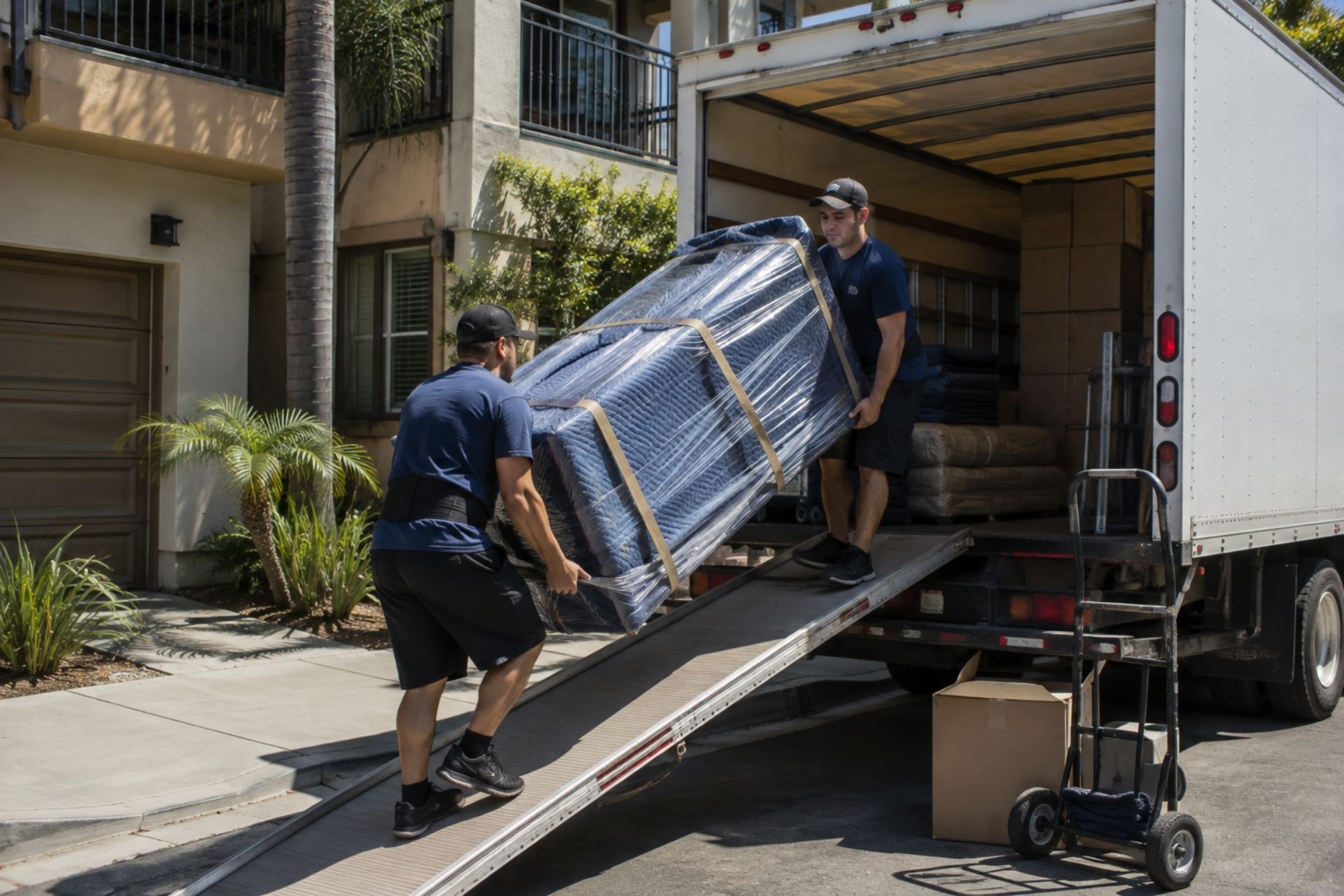
A Chula Vista crew loads a three-bedroom home on a Friday afternoon. Somewhere on the I-805, a strap gives way, a dresser shifts, and a customer's grandmother's china cabinet arrives in pieces. By Monday, the customer wants the full replacement value, and the mover is learning exactly what their policy does and doesn't cover.
That scenario plays out more often than most owners expect. Damaged couches, scratched hardwood floors, a missing jewelry box, a sore back that turns into a six-month workers' comp claim: these are the ordinary costs of running a moving business in South County. The difference between a bad week and a business-ending month usually comes down to how well the insurance program was built before the truck left the yard.
This guide covers insurance for
moving and storage companies in Chula Vista, CA. It explains which policies the state requires, which ones protect your margins, and what drives your premiums. It's written for owners who want straight answers on cargo liability, commercial auto, warehouse exposure, permits, workers' comp, and costs, without wading through carrier marketing.
Essential Insurance for Chula Vista Moving Companies
A moving company in Chula Vista carries several types of risk at once. You are a trucking operation, a warehouse, a labor-heavy employer, and a custodian of other people's most valuable possessions. A single policy can't handle all of that, so most well-run movers build a stack of coverages:
- Cargo legal liability for customer goods in your care
- Commercial auto for trucks, vans, and trailers
- General liability for property damage at the job site, like a gouged doorframe in an Eastlake condo
- Warehouse legal liability for goods sitting in storage
- Workers' compensation for crews who lift for a living
- Umbrella or excess liability to sit above your auto and GL limits
The most common mistake I see is treating these as separate purchases from separate agents. Gaps show up where policies meet. One example is a sofa damaged while it's being unloaded: is that cargo or general liability? If both carriers point at each other, you're paying the claim. A broker who structures the whole program together, the way
Champion Risk builds moving and storage programs in California, closes those seams before they cost you.


By: Mark Raby
Chief Executive Officer at Champion Risk & Insurance Services
Mandatory CPUC Permits and Cargo Legal Liability
California doesn't let anyone with a box truck start hauling household goods. The state ties your right to operate directly to proof of insurance. That means permits and coverage are a single conversation, not two.
Meeting California Public Utilities Commission Requirements
Many older movers still talk about their "Cal-T" number. That permit is gone. The Household Mover (MTR) permit has fully superseded the old Cal-T permit and is now the required standard for intrastate household moves. Oversight now runs through the state's household mover permit application process. That process requires insurance filings before approval, and the filings must stay current to keep the permit active.
Consumer protection rules come with the permit. One example is the requirement to give customers a written "Not to Exceed" price. Customers in San Diego County are getting better at spotting operators who skip these steps. Common red flags include unmarked trucks, crews with no uniforms, quotes far below the market, and no local physical address. If your operation looks like that, expect more scrutiny from customers and regulators, and less patience from underwriters.
Protecting Customer Goods with Cargo Legal Liability
California law requires at least $20,000 in cargo insurance per shipment, evidenced by a Form TL 672 filing. Treat that as a floor. A full household in Otay Ranch with a piano, a home gym, and modern furniture can exceed that figure quickly.
Read your cargo form closely. Watch for exclusions on unattended vehicles, mysterious disappearance, high-value items like jewelry and art, and mold from goods stored in damp conditions. Pre-move documentation matters as much as the policy. A detailed Bill of Lading, photos, and timestamped video of existing scratches can shut down a fraudulent claim in minutes.
Commercial Auto and Warehouse Storage Coverage
Your trucks are your largest liability exposure. Intrastate movers must carry auto liability split limits of $250,000 per person for bodily injury, $500,000 per accident, and $100,000 for property damage. Those are minimums. A rear-end collision on the 54 involving a loaded 26-footer can blow through $500,000 when you factor in multiple injured parties and attorney involvement. That's why most serious movers add an umbrella.
Driver quality drives auto pricing more than anything else. Underwriters pull MVRs on every listed driver, and one hire with a recent DUI can raise your fleet premium or make you uninsurable with some carriers. Written hiring standards, dash cams, and a documented driver training program all help. Champion Risk regularly helps movers put these programs in place because carriers reward them at renewal.
Don't overlook hired and non-owned auto coverage. Rented trucks during peak season, or an employee running a supply errand in a personal car, both create exposure that standard fleet policies may not cover.
Managing Risks in the Warehouse and Storage Facility
Once goods enter your warehouse, the risk changes. Customers often need storage-in-transit when a closing date slips or a new home isn't ready. During that time, you're liable as a warehouseman, not a carrier. Many cargo policies stop covering goods once they're sitting in storage, so you need warehouse legal liability written separately or by endorsement.
The claims I see most often in storage are water damage from roof leaks, pest damage, fire, and theft from poorly secured vaults. Sprinklers, alarm monitoring, and inventory tagging all affect your rate. Your property policy for the building and racking is a separate issue from liability for customer goods, so confirm you have both.

Workers' Compensation for Moving Crews
Moving is hard on bodies. Back strains, shoulder tears, crushed fingers, and falls on stairs make up most of the injury claims in this industry. California requires workers' comp for any business with employees, and calling helpers "independent contractors" rarely holds up when the state or a carrier looks closely.
Rates are set by classification. As of September 1, 2026, the advisory pure premium rate for Class Code 8293 (Furniture Moving) is $10.180 per $100 of payroll. That's the base before carrier expenses and your experience modification. For a crew with $600,000 in annual payroll, the pure premium alone comes to about $61,000.
Your experience mod is the lever you control. Lifting training, dollies and straps used on every job, and a return-to-work program for injured employees all help bring it down. Misclassifying office staff or estimators under 8293 is another common and expensive error. Clerical payroll belongs in a much cheaper class.
Comparison of Coverage Limits and Protection Tiers
Here's how a bare-minimum program compares with what most established Chula Vista movers carry. The middle column reflects the documented state minimums. The right column is a general description of stronger programs, not a fixed standard.
| Coverage | State Minimum | Stronger Program |
|---|---|---|
| Cargo | $20,000 per shipment (TL 672) | Higher per-shipment limit sized to largest typical load |
| Auto bodily injury | $250K person / $500K accident | Higher combined single limit plus umbrella |
| Auto property damage | $100,000 | Higher limit, included in umbrella |
| Warehouse liability | Not part of cargo filing | Separate policy covering stored goods |
| Workers' comp | Required for employees | Proper class splits, safety credits |
| Umbrella | Not required | Sits above auto, GL, employer's liability |
The minimum column keeps your permit active. The right-hand column keeps your business intact after a serious claim.
Factors Influencing Insurance Costs in San Diego County
No honest broker can quote your premium from a blog post, but the factors that move it are predictable. Underwriters in San Diego County look at:
- Loss history. Three to five years of claims carry the most weight.
- Fleet size and vehicle age. Newer trucks with telematics usually price better.
- Driver records. One bad MVR affects the entire fleet.
- Radius of operation. Local South County work prices differently than regular runs to Los Angeles or the Bay Area.
- Payroll and class codes. Workers' comp follows payroll directly.
- Storage facility protection. Sprinklers, alarms, and construction type all count.
- Cargo values hauled. High-end residential and fine art moves raise cargo rates.
Local factors matter too. Heavy traffic on I-5 and I-805, plus California's litigation climate, push auto liability costs higher than in many other states. Movers who keep clean records and document safety practices tend to get the best results at renewal, while those who shop on price alone often end up with exclusions they discover only after a claim.
Common Questions About Moving Business Insurance
Does my customer's homeowners policy cover their stuff during a move? Sometimes, but usually with tight limits for goods away from the home, and the customer must keep coverage at both addresses. Many customers end up relying on your cargo policy or third-party moving insurance.
Will a customer's credit card cover damage from a move? Generally no. Standard credit card purchase protections typically exclude household moves.
What deductible should I choose on cargo? Pick a deductible you could pay several times in a busy season without cash flow trouble. A higher deductible lowers premium, but many small claims fall under it.
Is theft from my truck covered? It depends on the policy. Many cargo forms exclude theft from unattended or unlocked vehicles, so read that section before you buy.
Do I need separate coverage for storage? Usually yes. Cargo coverage often ends when goods go into your warehouse, and warehouse legal liability picks up from there.
Can I use contractors instead of buying workers' comp? That's risky. California applies strict tests, and misclassified workers can leave you personally liable for injury claims.
Making the Right Choice for Your Moving Fleet
Building insurance for a Chula Vista moving company starts with the non-negotiables. Keep your MTR permit active with current cargo and auto filings, and carry workers' comp on every employee. The work that protects your margins comes after that: cargo limits sized to real loads, warehouse liability that starts when cargo coverage ends, an umbrella above your fleet, and class codes assigned correctly.
The movers who pay the least over time aren't the ones who chase the cheapest quote each year. They're the ones with clean MVRs, documented safety programs, and policies structured so that cargo, auto, GL, and storage coverage don't leave gaps between them.
If you want a second set of eyes on your current program, or you're filing for a new permit, talk with Champion Risk about moving and storage insurance in California. A review before renewal costs nothing. Finding a coverage gap after a claim can cost you the business.
About the Author:
Mark Raby
I am a seasoned insurance professional with over 30 years of experience in the industry. I lead Champion Risk & Insurance Services, a San Diego-based brokerage with nationwide reach and strong influence in the insurance marketplace. My core competencies include insurance agency M&A deals, captives and alternative risk structures, and commercial property and casualty insurance for clients in the transportation and logistics industries. I am a former president of IIAB San Diego and hold a Bachelor of Science in Finance from Western Michigan University’s Haworth College of Business.
Protection for Transportation Operations
Business Insurance for Transportation & Logistics Companies
Coverage designed specifically for transportation businesses
Commercial Auto & Trucking
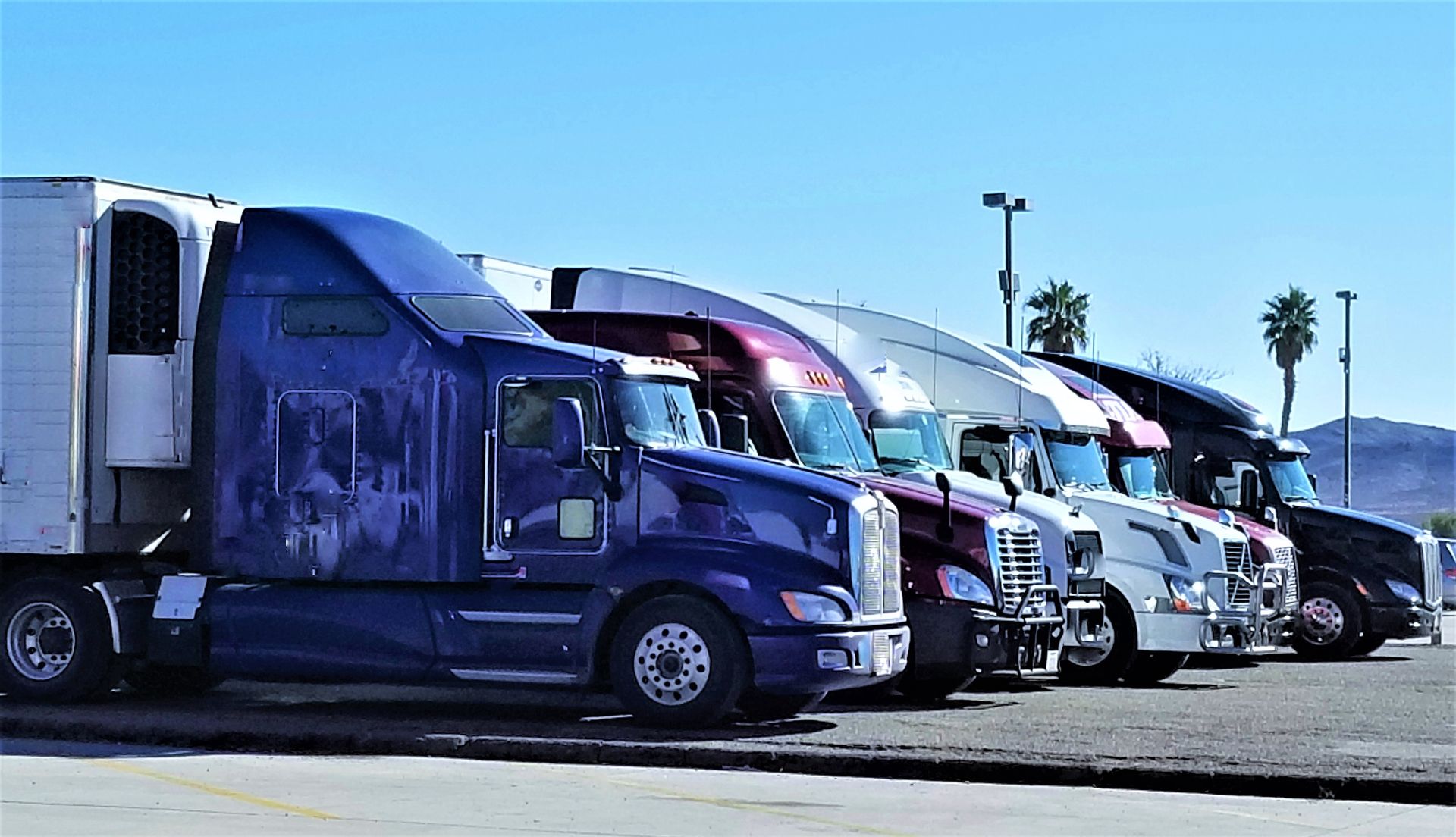
Protection for your fleet including box trucks, moving vans, and trailers. Covers liability, collision, physical damage, and hired or non-owned vehicles used in your operations.
Motor Truck Cargo
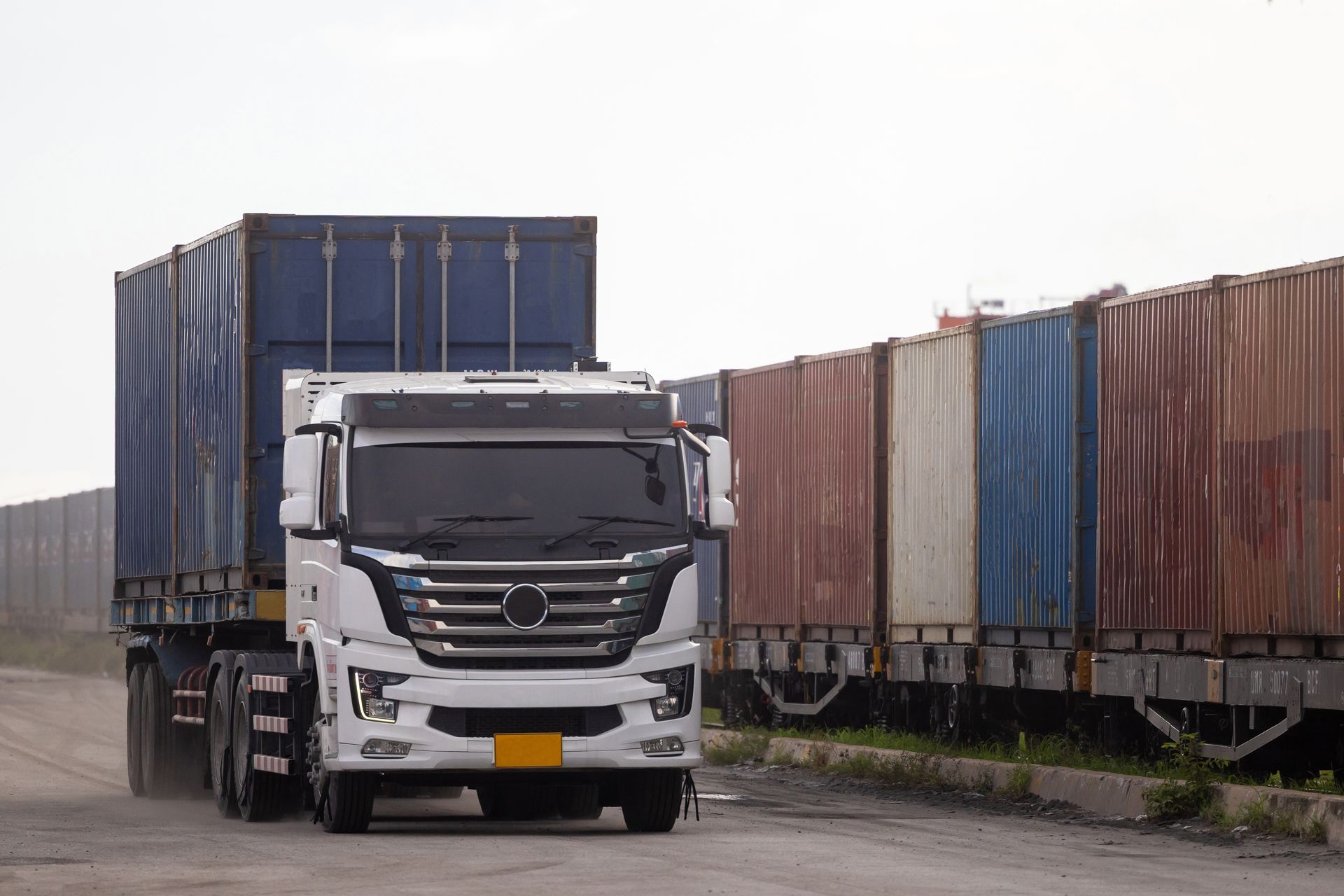
Covers household goods and freight during transport from pickup to delivery. Protects against damage, theft, mysterious disappearance, and weather-related losses while cargo is in your care.

General Liability
Protection from third-party claims for bodily injury and property damage at customer homes, job sites, and your own facility. Essential coverage for every transportation operation

Warehouse Legal Liability
Coverage for customer property while stored in your facility. Protects against damage, theft, fire, and water damage to goods in your care, custody, or control.

Workers' Compensation
Medical care and wage replacement for employees injured on the job. Required in most states for transportation and warehouse work where physical labor creates higher injury risk.

Umbrella & Excess Liability
Higher liability limits stacked on top of your primary policies. Helps meet large contract requirements and protects your business assets against major claims and lawsuits.
Specialized Knowledge
Industries We Protect
Focused coverage for transportation and logistics businesses


Simple and Clear
How Our Process Works
Our process to get you covered
Connect With Us
Reach out through our form or by phone to share your business needs and current coverage situation.
Get Coverage Options
We review your risks, compare carriers, and present clear quotes with plain-language explanations.
Stay Protected
You choose your plan, and we provide ongoing support for certificates, claims, and renewals.
Trusted by Businesses
Feedback That Reflects Service and Reliability
What our clients say about working with Champion Risk
Answers You Need
Frequently Asked Questions
Common questions about transportation and logistics insurance




What insurance does a transportation company need to operate legally?
Motor carriers that cross state lines must meet FMCSA requirements. You need a minimum of $750,000 in liability coverage, plus a BMC-91 filing that proves your insurance to the federal government. Cargo coverage is also required, with minimums that depend on the type of goods you transport.
Intrastate operators follow state-specific rules. California, Texas, and Florida each have different requirements. Champion Risk handles both federal and state filings. We make sure your coverage meets legal minimums and your certificates reach the right agencies.
How much does commercial transportation insurance cost?
Premiums depend on your fleet size, driving records, cargo values, and claims history. A small operation with two trucks might pay $8,000 to $15,000 per year. A larger carrier with ten trucks could pay $50,000 to $100,000 or more.
The best way to control costs is working with a broker who knows transportation insurance. We find carriers that specialize in your exact operation type. This often results in better rates than going direct or using a general agent who doesn't understand the industry.
What is a BMC-91 filing and why do I need one?
A BMC-91 is a form your insurance company files with the FMCSA. It proves you carry the required liability coverage to operate as a for-hire motor carrier. Without an active BMC-91, your operating authority can be revoked.
Champion Risk works with carriers who file electronically. Your BMC-91 typically posts within 24 to 48 hours of binding coverage. We monitor your filing status and alert you if anything needs attention.
Does my warehouse or storage facility need different insurance than a trucking operation?
Yes. Storage facilities need warehouse legal liability coverage. This protects you when customer property is damaged or stolen while in your care. Standard general liability policies exclude this exposure.
You may also need property coverage for your building, equipment breakdown protection, and business income coverage if a fire or disaster shuts down operations. Champion Risk builds storage facility programs that address all these risks in one package.
Can you insure last-mile delivery drivers who use their own vehicles?
Yes. We offer hired and non-owned auto coverage for delivery operations that use independent contractors or employees driving personal vehicles. This fills gaps that personal auto policies don't cover during commercial use.
We also provide occupational accident coverage for 1099 drivers who aren't eligible for workers' comp. This protects your drivers and limits your liability exposure when accidents happen.
How fast can I get proof of insurance for a new contract?
Same day in most cases. Once we bind your policy, we issue certificates of insurance within hours. If your contract requires specific additional insured language or special endorsements, we coordinate directly with the carrier.
Rush requests happen often in this industry. General contractors and corporate clients demand certificates before they let you on site. Champion Risk prioritizes fast turnaround because we know your revenue depends on it.
Answers You Need
Transportation & Logistics Insurance Resources
Articles designed to inform and support your business
Contact Us
Phone Number:
Email Address:
Location:
12264 El Camino Real, Suite 350
San Diego, CA 92130
Hours:
Monday – Friday: 8:00 AM – 6:00 PM PT