
A cracked antique mirror, a sofa with a gash down the middle, a box of irreplaceable family photos that never arrived: these are the kinds of calls that land on a claims adjuster's desk every week in California. And here's the uncomfortable truth: if the moving company responsible didn't carry the right insurance, the customer is often left holding the bill. For the mover, operating without proper coverage isn't just risky; it's illegal. California has some of the strictest regulatory requirements in the country for
household goods carriers, and the insurance piece is where most new operators stumble. The state doesn't just ask you to have a policy. It requires specific coverage types, minimum dollar amounts, and formal proof filed directly with the regulator before you can legally load a single box onto a truck. If you're
starting a moving company or renewing your permit, understanding
CPUC permit insurance requirements for California movers is non-negotiable. Getting it wrong can mean permit denial, suspension, or fines that dwarf the cost of the policy itself. This guide breaks down every requirement, form, and deadline you need to know to stay compliant in 2026.
Understanding the California CPUC Permit for Movers
Understanding the California CPUC permit for movers starts with recognizing that this isn't optional paperwork. Every company that transports household goods for compensation within California must hold a valid permit issued by the California Public Utilities Commission. This permit, sometimes called a Cal-T number, is your legal authorization to operate. Without it, you're running an unlicensed business, and the state actively investigates and penalizes violators.
The CPUC regulates intrastate household goods carriers under the Household Goods Carrier Act. This means local moves, not interstate ones (those fall under federal FMCSA jurisdiction). Your Cal-T permit number must appear on every truck, advertisement, and contract. Red flags for consumers include unmarked vehicles, no company uniforms, and the absence of a local physical business address, all signs of an unpermitted operator.
The Role of the Bureau of Household Goods and Services (BHGS)
The Bureau of Household Goods and Services, operating under the California Department of Consumer Affairs, handles the day-to-day administration of moving company permits. While the CPUC sets the regulatory framework, the BHGS is the office you'll interact with when applying for or renewing your permit. They review applications, process insurance filings, handle consumer complaints, and conduct enforcement actions. Think of the BHGS as the gatekeeper: if your paperwork isn't in order with them, your permit doesn't move forward.
Why Insurance is Mandatory for Permit Approval
Insurance isn't a suggestion attached to your permit application. It's a hard prerequisite. The state requires proof of active insurance coverage before it will issue or renew a Cal-T permit. This protects consumers from financial loss when their belongings are damaged, lost, or stolen during a move. It also protects the public from bodily injury or property damage caused by moving trucks on California roads. The BHGS will not process your application without valid insurance filings on record. If your coverage lapses even for a single day, your permit can be suspended automatically.


By: Mark Raby
Chief Executive Officer at Champion Risk & Insurance Services
Mandatory Coverage Limits and Requirements
Mandatory coverage limits and requirements for California movers are spelled out clearly by the CPUC, and there's no room for creative interpretation. The state mandates specific insurance types and minimum dollar thresholds. Falling short on any single requirement means your permit application gets rejected or your existing permit gets flagged for suspension.
California movers must carry a minimum of $600,000 combined single limit liability insurance to cover bodily injury and property damage. That $600,000 CSL is the floor, not a recommendation. Many experienced brokers, including Champion Risk, advise carrying higher limits because a single serious accident involving a loaded moving truck can generate claims well beyond that minimum.
Public Liability and Property Damage (PL&PD)
Public liability and property damage coverage is the backbone of your CPUC insurance filing. This policy covers injuries to third parties and damage to their property caused by your operations or vehicles. The $600,000 CSL minimum applies here. Your policy must be issued by an insurer authorized to do business in California, and the insurer must file proof of coverage directly with the state on your behalf. A standard business owner's policy won't satisfy this requirement on its own; you need a commercial auto liability policy that specifically names the CPUC filing.
Cargo Insurance for Household Goods
Cargo insurance covers the actual household goods you're transporting. This is separate from your liability coverage. California law requires movers to offer customers two valuation options: released value protection (which is included at no extra charge but pays only $0.60 per pound per article) and full value protection (which covers repair, replacement, or cash settlement at current market value). Your cargo insurance policy needs to support whichever level of protection the customer selects. Premiums for cargo coverage typically range from 0.3% to 1% of the declared cargo value, depending on your claims history and the insurer.
Workers' Compensation Compliance
Workers' compensation compliance is mandatory in California for any business with employees, and moving companies are no exception. Even a single W-2 employee triggers the requirement. California's workers' comp system covers medical expenses, lost wages, and rehabilitation for employees injured on the job. Moving is physically demanding work with high injury rates: back injuries, crushed fingers, falls from ramps, and vehicle accidents are all common. The BHGS will verify your workers' comp coverage as part of the permit process. Sole proprietors with no employees can file an exemption, but the moment you hire help, you need a policy in place.
Comparison of California Mover Insurance Types
Comparison of California mover insurance types helps clarify what you actually need versus what's nice to have. Many new operators confuse general liability with public liability, or assume their cargo coverage automatically satisfies CPUC requirements. The table below breaks down the key differences.
Comparison Table: Minimum Limits vs. Recommended Coverage
| Coverage Type | State Minimum | Recommended Coverage | Notes |
|---|---|---|---|
| Public Liability & Property Damage (CSL) | $600,000 | $1,000,000+ | Higher limits protect against catastrophic claims |
| Cargo/Goods in Transit | Must support released value ($0.60/lb) | Full value protection option | Premiums typically 0.3%-1% of cargo value |
| Workers' Compensation | Required with any employees | Statutory limits | Sole proprietors may file exemption |
| General Liability | Not a CPUC filing requirement | $1,000,000 per occurrence | Covers slip-and-fall at customer homes |
| Commercial Auto | Included in PL&PD filing | $1,000,000 CSL | Must name CPUC as certificate holder |
One thing to keep in mind: general liability and public liability are not interchangeable for CPUC purposes. Your general liability policy covers incidents at job sites, but the CPUC requires a specific commercial auto/PL&PD filing tied to your Cal-T number.

The Filing Process: Forms TL-676 and TL-675
The filing process for CPUC insurance involves two key forms: TL-676 and TL-675. These aren't forms you fill out yourself. Your insurance company or its authorized agent files them on your behalf directly with the state. Form TL-676 is the proof of insurance filing, confirming that your policy meets CPUC minimum requirements. Form TL-675 is the cancellation notice, filed when a policy is terminated or non-renewed. Understanding how these forms work is critical because delays or errors in filing are one of the most common reasons permits get held up.
Electronic Filing via the Insurance Information System
Electronic filing via the Insurance Information System has streamlined what used to be a paper-heavy process. Insurers and brokers with system access can submit TL-676 and TL-675 filings electronically, which speeds up processing significantly. If your insurance provider isn't set up for electronic filing, you're looking at longer wait times and a higher chance of administrative errors. This is one area where working with a brokerage experienced in moving company insurance, like Champion Risk, pays off. They handle the filing process regularly and know how to avoid the common pitfalls that delay permit approvals.
Maintaining Continuous Coverage to Avoid Suspension
Maintaining continuous coverage is not optional. If your insurer files a TL-675 cancellation notice and you don't have a replacement policy filed before the cancellation effective date, your Cal-T permit gets suspended automatically. There's no grace period. A suspended permit means you cannot legally operate, and any moves you perform during suspension expose you to fines, permit revocation, and personal liability. Set calendar reminders 60 days before your policy renewal date. If you're switching carriers, make sure the new insurer files the TL-676 before the old policy cancels. Gaps in coverage, even accidental ones, are one of the most common compliance failures among California moving companies.
Common Questions About Moving Permits in California
Common questions about moving permits in California tend to cluster around cost, timing, and edge cases. Here are the ones that come up most often.
FAQ: How much does the CPUC insurance filing cost?
The filing itself doesn't carry a separate state fee, but your insurance premiums will reflect the CPUC endorsement. Expect to pay more than you would for a standard commercial auto policy because the filing adds regulatory obligations for the insurer. Annual premiums for a small moving company typically range from $5,000 to $15,000 for PL&PD coverage alone, depending on fleet size, driving records, and claims history.
FAQ: Do I need insurance if I am a one-man moving operation?
Yes. The CPUC insurance requirements apply to every permitted household goods carrier regardless of size. If you're a sole proprietor with no employees, you can file a workers' comp exemption, but you still need PL&PD and cargo coverage. Operating without these policies means operating without a valid permit.
FAQ: What happens if my insurance policy cancels?
Your insurer files a TL-675 cancellation notice with the CPUC. If no replacement TL-676 is on file before the cancellation date, your permit is suspended. You cannot legally perform moves during suspension. Reinstatement requires filing new proof of insurance and potentially paying penalties. The process can take weeks, which means lost revenue on top of fines.
FAQ: Does general liability count as cargo insurance?
No. General liability covers third-party bodily injury and property damage at job sites, not the household goods on your truck. Cargo insurance is a separate policy that specifically covers goods in transit. You need both.
FAQ: How long does it take for the state to process my proof of insurance?
Electronic filings through the Insurance Information System are typically processed within a few business days. Paper filings can take two to four weeks. If you're on a tight timeline for your permit application, make sure your broker files electronically.
Getting your California CPUC insurance filings right the first time saves you weeks of delays and thousands of dollars in potential fines. The requirements are specific: $600,000 CSL minimum for public liability and property damage, cargo coverage that supports both valuation options, and workers' comp for any company with employees. Every filing must go through proper channels using TL-676 forms, and any lapse in coverage triggers automatic permit suspension.
If you're applying for a new Cal-T permit or approaching a renewal deadline, start the insurance process at least 45 to 60 days in advance. Work with a brokerage that specializes in moving company insurance and understands the CPUC filing system. Champion Risk has been structuring these programs for complex industries since 2004 and can help you avoid the gaps and delays that trip up most new operators. Don't wait until your permit is on the line to figure out whether your coverage actually meets the state's requirements. Get your policies reviewed, your filings confirmed, and your business protected before you load the next truck.
About the Author:
Mark Raby
I am a seasoned insurance professional with over 30 years of experience in the industry. I lead Champion Risk & Insurance Services, a San Diego-based brokerage with nationwide reach and strong influence in the insurance marketplace. My core competencies include insurance agency M&A deals, captives and alternative risk structures, and commercial property and casualty insurance for clients in the transportation and logistics industries. I am a former president of IIAB San Diego and hold a Bachelor of Science in Finance from Western Michigan University’s Haworth College of Business.
Protection for Transportation Operations
Business Insurance for Transportation & Logistics Companies
Coverage designed specifically for transportation businesses
Commercial Auto & Trucking
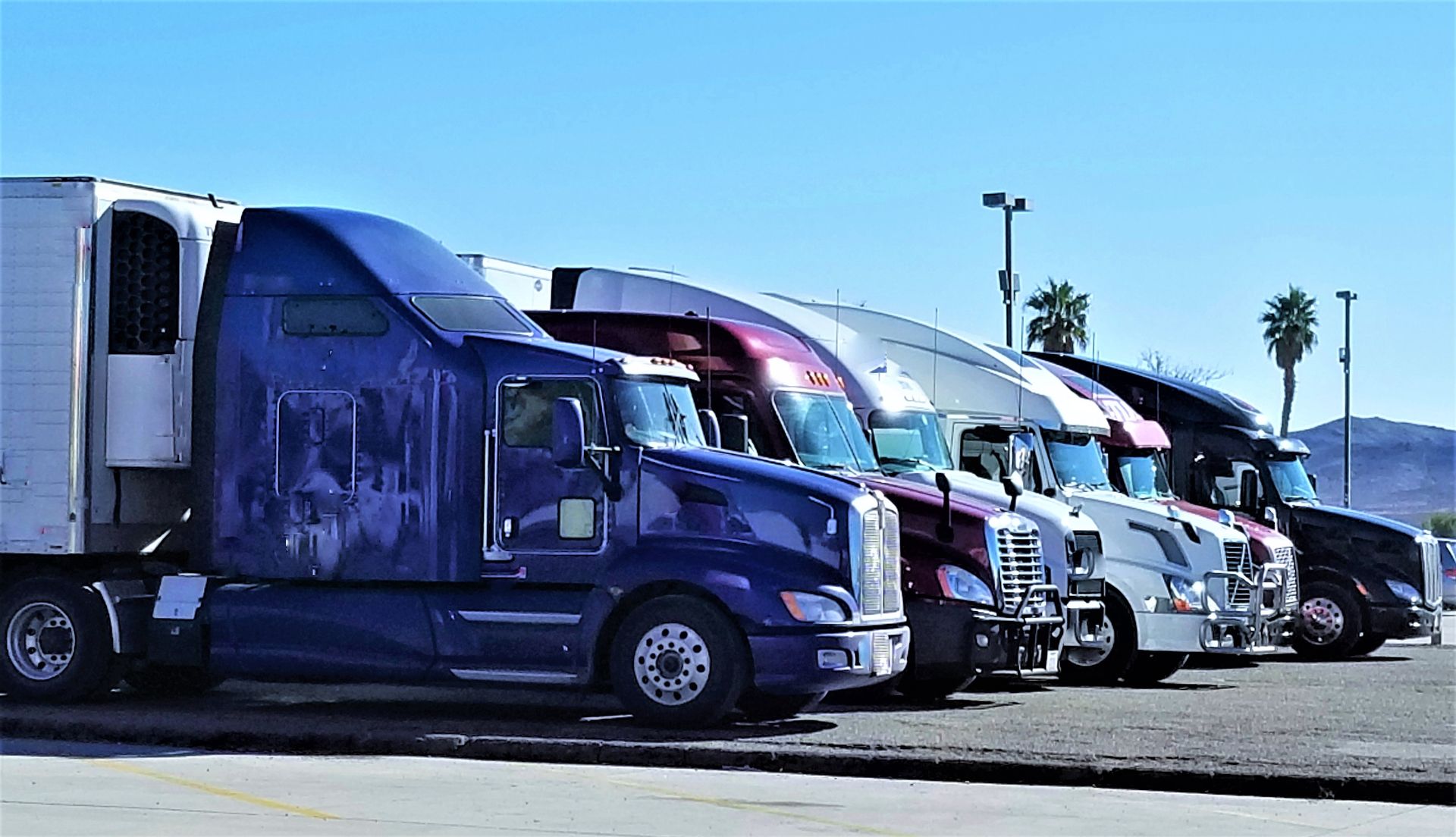
Protection for your fleet including box trucks, moving vans, and trailers. Covers liability, collision, physical damage, and hired or non-owned vehicles used in your operations.
Motor Truck Cargo
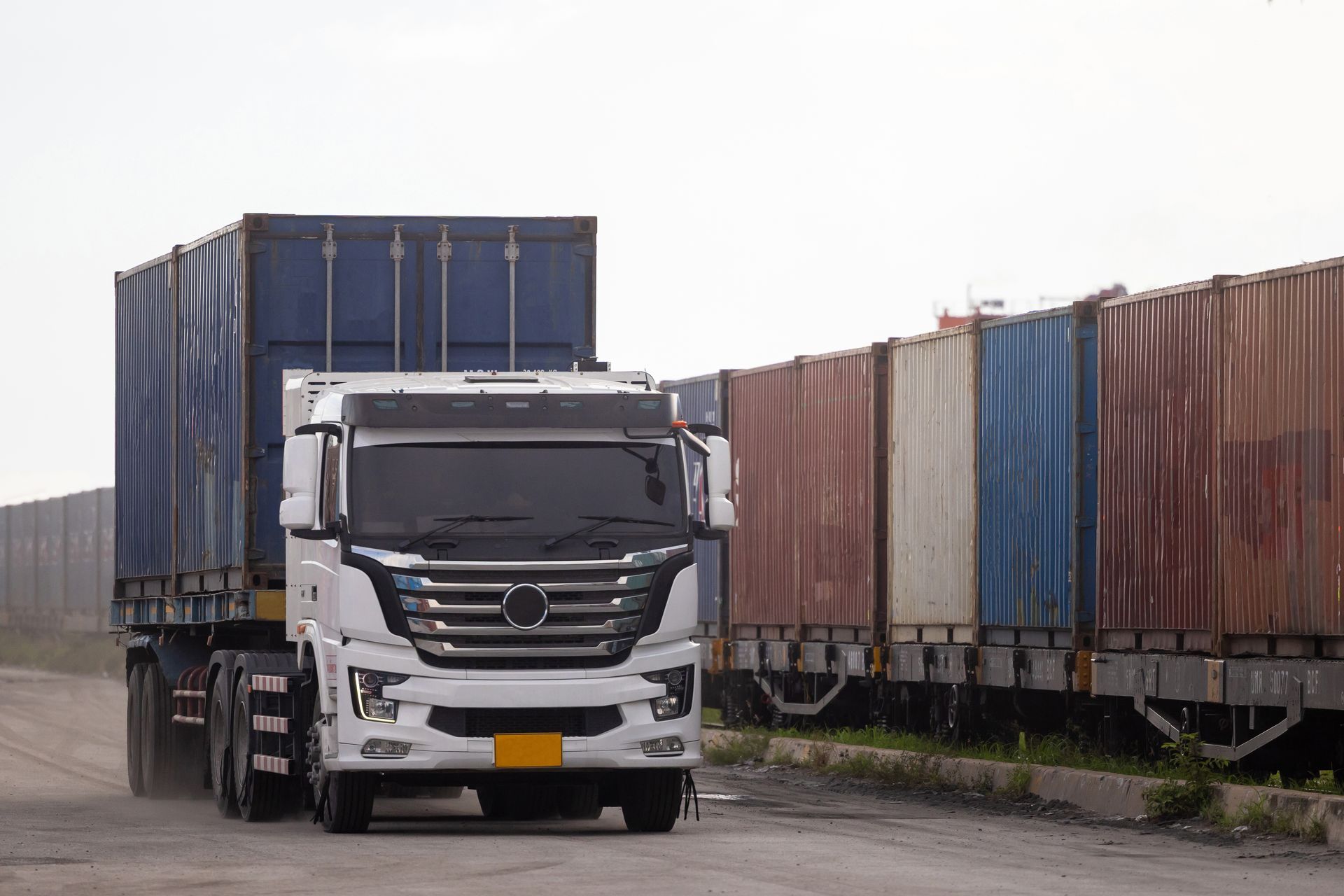
Covers household goods and freight during transport from pickup to delivery. Protects against damage, theft, mysterious disappearance, and weather-related losses while cargo is in your care.

General Liability
Protection from third-party claims for bodily injury and property damage at customer homes, job sites, and your own facility. Essential coverage for every transportation operation

Warehouse Legal Liability
Coverage for customer property while stored in your facility. Protects against damage, theft, fire, and water damage to goods in your care, custody, or control.
Workers' Compensation
Medical care and wage replacement for employees injured on the job. Required in most states for transportation and warehouse work where physical labor creates higher injury risk.

Umbrella & Excess Liability
Higher liability limits stacked on top of your primary policies. Helps meet large contract requirements and protects your business assets against major claims and lawsuits.
Specialized Knowledge
Industries We Protect
Focused coverage for transportation and logistics businesses


Simple and Clear
How Our Process Works
Our process to get you covered
Connect With Us
Reach out through our form or by phone to share your business needs and current coverage situation.
Get Coverage Options
We review your risks, compare carriers, and present clear quotes with plain-language explanations.
Stay Protected
You choose your plan, and we provide ongoing support for certificates, claims, and renewals.
Trusted by Businesses
Feedback That Reflects Service and Reliability
What our clients say about working with Champion Risk
Answers You Need
Frequently Asked Questions
Common questions about transportation and logistics insurance



What insurance does a transportation company need to operate legally?
Motor carriers that cross state lines must meet FMCSA requirements. You need a minimum of $750,000 in liability coverage, plus a BMC-91 filing that proves your insurance to the federal government. Cargo coverage is also required, with minimums that depend on the type of goods you transport.
Intrastate operators follow state-specific rules. California, Texas, and Florida each have different requirements. Champion Risk handles both federal and state filings. We make sure your coverage meets legal minimums and your certificates reach the right agencies.
How much does commercial transportation insurance cost?
Premiums depend on your fleet size, driving records, cargo values, and claims history. A small operation with two trucks might pay $8,000 to $15,000 per year. A larger carrier with ten trucks could pay $50,000 to $100,000 or more.
The best way to control costs is working with a broker who knows transportation insurance. We find carriers that specialize in your exact operation type. This often results in better rates than going direct or using a general agent who doesn't understand the industry.
What is a BMC-91 filing and why do I need one?
A BMC-91 is a form your insurance company files with the FMCSA. It proves you carry the required liability coverage to operate as a for-hire motor carrier. Without an active BMC-91, your operating authority can be revoked.
Champion Risk works with carriers who file electronically. Your BMC-91 typically posts within 24 to 48 hours of binding coverage. We monitor your filing status and alert you if anything needs attention.
Does my warehouse or storage facility need different insurance than a trucking operation?
Yes. Storage facilities need warehouse legal liability coverage. This protects you when customer property is damaged or stolen while in your care. Standard general liability policies exclude this exposure.
You may also need property coverage for your building, equipment breakdown protection, and business income coverage if a fire or disaster shuts down operations. Champion Risk builds storage facility programs that address all these risks in one package.
Can you insure last-mile delivery drivers who use their own vehicles?
Yes. We offer hired and non-owned auto coverage for delivery operations that use independent contractors or employees driving personal vehicles. This fills gaps that personal auto policies don't cover during commercial use.
We also provide occupational accident coverage for 1099 drivers who aren't eligible for workers' comp. This protects your drivers and limits your liability exposure when accidents happen.
How fast can I get proof of insurance for a new contract?
Same day in most cases. Once we bind your policy, we issue certificates of insurance within hours. If your contract requires specific additional insured language or special endorsements, we coordinate directly with the carrier.
Rush requests happen often in this industry. General contractors and corporate clients demand certificates before they let you on site. Champion Risk prioritizes fast turnaround because we know your revenue depends on it.


Answers You Need
Transportation & Logistics Insurance Resources
Articles designed to inform and support your business
Contact Us
Phone Number:
Email Address:
Location:
12264 El Camino Real, Suite 350
San Diego, CA 92130
Hours:
Monday – Friday: 8:00 AM – 6:00 PM PT