
A single CHP inspection on a California highway can turn a routine haul into a $7,500 fine and an impounded truck if you're missing the right paperwork. Every year, hundreds of motor carriers get caught operating without a valid permit or with lapsed insurance filings, and the penalties hit fast. Whether you're running a two-truck operation out of Fresno or managing a fleet across the
Bay Area, understanding the insurance requirements tied to your California Motor Carrier Permit is the difference between staying on the road and watching your business grind to a halt. The MCP itself is straightforward to obtain, but the insurance piece trips up even experienced operators. Minimum coverage limits vary by vehicle weight and cargo type, specific DMV forms must be filed by your insurer (not by you), and a single day of lapsed coverage can trigger permit suspension. This guide breaks down exactly what you need, what it costs, and how to avoid the most common compliance mistakes that California carriers make.
Understanding the California Motor Carrier Permit (MCP)
Understanding the California Motor Carrier Permit starts with a basic question: do you move goods or people for compensation using commercial vehicles in the state? If yes, you almost certainly need one. The California DMV administers the MCP program, and the permit itself costs a modest annual fee, but the real cost of non-compliance comes from enforcement actions by the California Highway Patrol.
The MCP is required for any motor carrier operating commercial vehicles on California roads for the transportation of property or passengers for hire. This includes for-hire trucking companies, household goods movers, passenger stage carriers, and charter-party carriers. The permit must be renewed annually, and your vehicles must carry proof of the permit at all times.
Who is Required to Have an MCP?
Any entity operating a vehicle with a gross vehicle weight rating (GVWR) over 10,000 lbs for commercial purposes needs an MCP. This also extends to smaller vehicles if they're transporting hazardous materials or passengers for compensation. Private carriers hauling their own goods are generally exempt, though exceptions exist for hazmat transport. If you operate across state lines but pick up or deliver within California, you still need the permit.
The Role of the DMV and CHP in Compliance
The DMV handles MCP issuance, renewals, and insurance filing verification. The CHP handles the enforcement side: roadside inspections, terminal audits, and safety compliance reviews. Think of it as a two-pronged system. The DMV won't issue or renew your permit without valid insurance filings on record, and the CHP won't hesitate to pull you off the road if those filings have lapsed. Getting caught without an active MCP during a CHP inspection can result in fines, vehicle impoundment, and an out-of-service order that sidelines your entire operation.


By: Mark Raby
Chief Executive Officer at Champion Risk & Insurance Services
Mandatory Liability Insurance Limits
Mandatory liability insurance limits for MCP holders depend on what you're hauling and how heavy your vehicles are. California doesn't use a one-size-fits-all number here, and getting this wrong is one of the most common mistakes we see carriers make.
Property carriers with a GVWR of 10,001 lbs or more must maintain a minimum of $750,000 in combined single limit (CSL) liability coverage. That's the floor, not the ceiling. Passenger carriers face higher thresholds, and hazardous materials haulers need even more. Your insurance must be issued by a company authorized to do business in California, and the carrier must file proof directly with the DMV on your behalf.
Combined Single Limit (CSL) Requirements
CSL coverage bundles bodily injury and property damage into a single policy limit rather than splitting them into separate caps. For most property carriers, the $750,000 CSL minimum applies. Passenger carriers typically need $1.5 million to $5 million depending on seating capacity. Hazmat carriers may need up to $5 million. These limits are set by state and federal regulations and aren't negotiable. If your policy doesn't meet the minimum for your operation type, your MCP application or renewal will be denied.
Comparing Coverage Needs by Vehicle Type
A box truck hauling furniture across
Los Angeles has different risk exposure than a tanker carrying chemicals through the Central Valley. Your coverage needs should reflect that reality. Many carriers, especially smaller operations, buy the bare minimum and hope for the best. That's a mistake. A single serious accident can blow through $750,000 in minutes. Brokerages like Champion Risk regularly work with carriers to structure policies that meet MCP minimums while also providing realistic protection against the types of claims that actually happen on California roads.
MCP Insurance Requirements Comparison Table
| Carrier Type | Minimum CSL Liability | Key Insurance Filing | Additional Requirements |
|---|---|---|---|
| Property (10,001+ lbs GVWR) | $750,000 | MCP 65 | Workers' comp or exemption |
| Household Goods Mover | $750,000 | MCP 65 | Cargo insurance recommended |
| Passenger (Under 16 seats) | $1,500,000 | MCP 65 | Vehicle inspection required |
| Passenger (16+ seats) | $5,000,000 | MCP 65 | Higher bond may apply |
| Hazardous Materials | $1,000,000 - $5,000,000 | MCP 65 | EPA/DOT compliance required |
This table gives you a quick reference, but your specific situation may have nuances. A carrier transporting both general freight and occasional hazmat loads, for example, needs coverage that satisfies the higher threshold at all times.

Essential Insurance Filings and Certificates
Essential insurance filings are where the process gets technical, and where a lot of carriers stumble. You can't just buy a policy and upload a certificate of insurance to the DMV website. California requires specific forms filed by your insurance company directly.
The DMV Form MCP 65: Evidence of Insurance
The MCP 65 is the official certificate proving your insurance meets California's MCP requirements. Your insurer or their filing agent submits this form electronically to the DMV. You can't file it yourself. This is a critical distinction because many new carriers assume they can handle it the way they'd submit a certificate of insurance to a shipper. The MCP 65 must be on file before the DMV will issue your permit, and it must remain active for the duration of your permit period. If your insurer cancels or non-renews your policy, they're required to notify the DMV, which can trigger automatic permit suspension.
One newer development is the MCP 67 form, which handles cancellation notifications electronically. This replaced older paper-based processes and speeds up the timeline for both cancellations and reinstatements. The practical effect for carriers: lapses get reported faster than they used to, so there's less room to operate in a gray area.
Workers' Compensation Exemptions and Requirements
California requires MCP holders to carry
workers' compensation insurance or file a formal exemption. If you're a sole proprietor with no employees, you can file a
workers' comp exemption with the DMV. But the moment you hire a driver, a dispatcher, or even a part-time warehouse helper, you need active workers' comp coverage. The DMV checks for this during the permit process, and the CHP can ask for proof during inspections. Getting caught without it carries its own set of penalties separate from MCP violations.
Common Questions About California MCP Insurance
How much does MCP insurance usually cost?
Costs vary widely based on your operation size, vehicle types, driving records, and claims history. A small property carrier with clean records might pay $3,000 to $6,000 annually for the required liability coverage. Larger fleets, passenger carriers, or operations with poor loss histories can see premiums climb well above $15,000. Working with a brokerage experienced in commercial trucking, like Champion Risk, can help you find competitive rates without sacrificing the coverage quality that keeps your MCP in good standing.
Can I use my personal auto policy for an MCP?
No. Personal auto policies specifically exclude commercial use in their terms. Even if your vehicle is a pickup truck you also drive on weekends, any commercial hauling activity requires a commercial auto policy. Using a personal policy for MCP filing would be insurance fraud, and any claim filed under those circumstances would almost certainly be denied.
What happens if my insurance policy lapses?
Your insurer files an MCP 67 cancellation notice with the DMV. Once processed, your MCP is suspended. Operating on a suspended permit carries fines starting at $7,500 and can result in vehicle impoundment. Reinstatement requires your new or existing insurer to file a fresh MCP 65, and the DMV must verify and process it before you can legally operate again. The renewal and reinstatement process can take days or weeks depending on backlog.
Do I need a separate permit for interstate travel?
If you operate across state lines, you need federal operating authority (MC number) from the FMCSA in addition to your California MCP. The MCP covers intrastate operations within California. Interstate carriers must also meet federal insurance minimums, which sometimes differ from state requirements. Many carriers need both, and the insurance filings are separate processes. Your MCP covers California-specific requirements while your federal authority covers interstate operations.
How long does it take for the DMV to process my filing?
Processing times fluctuate, but most electronic MCP 65 filings are processed within 5 to 10 business days. During peak periods or if there are errors in the filing, it can take longer. The DMV's motor carrier FAQ page recommends submitting filings well in advance of your permit expiration to avoid gaps. Paper filings take significantly longer and are increasingly discouraged.
The Bottom Line for California Carriers
Running a motor carrier in California without proper insurance filings is like driving with your eyes closed: it's only a matter of time before something goes wrong. The MCP insurance requirements exist to protect you, your drivers, and everyone else on the road. The minimum liability limits, the specific DMV filing forms, and the workers' comp obligations aren't optional checkboxes. They're the foundation of legal operation in this state.
The carriers who stay out of trouble are the ones who treat compliance as an ongoing process, not a one-time task. Set calendar reminders for renewal deadlines. Confirm with your insurer that MCP 65 filings are current. Don't let a policy lapse because you forgot to pay a premium. And if your current insurance setup feels uncertain or you're not sure your filings are in order, reach out to a brokerage like Champion Risk that specializes in commercial carrier insurance. Getting expert guidance now costs a fraction of what a compliance violation or uncovered claim will cost you later.
About the Author:
Mark Raby
I am a seasoned insurance professional with over 30 years of experience in the industry. I lead Champion Risk & Insurance Services, a San Diego-based brokerage with nationwide reach and strong influence in the insurance marketplace. My core competencies include insurance agency M&A deals, captives and alternative risk structures, and commercial property and casualty insurance for clients in the transportation and logistics industries. I am a former president of IIAB San Diego and hold a Bachelor of Science in Finance from Western Michigan University’s Haworth College of Business.
Protection for Transportation Operations
Business Insurance for Transportation & Logistics Companies
Coverage designed specifically for transportation businesses
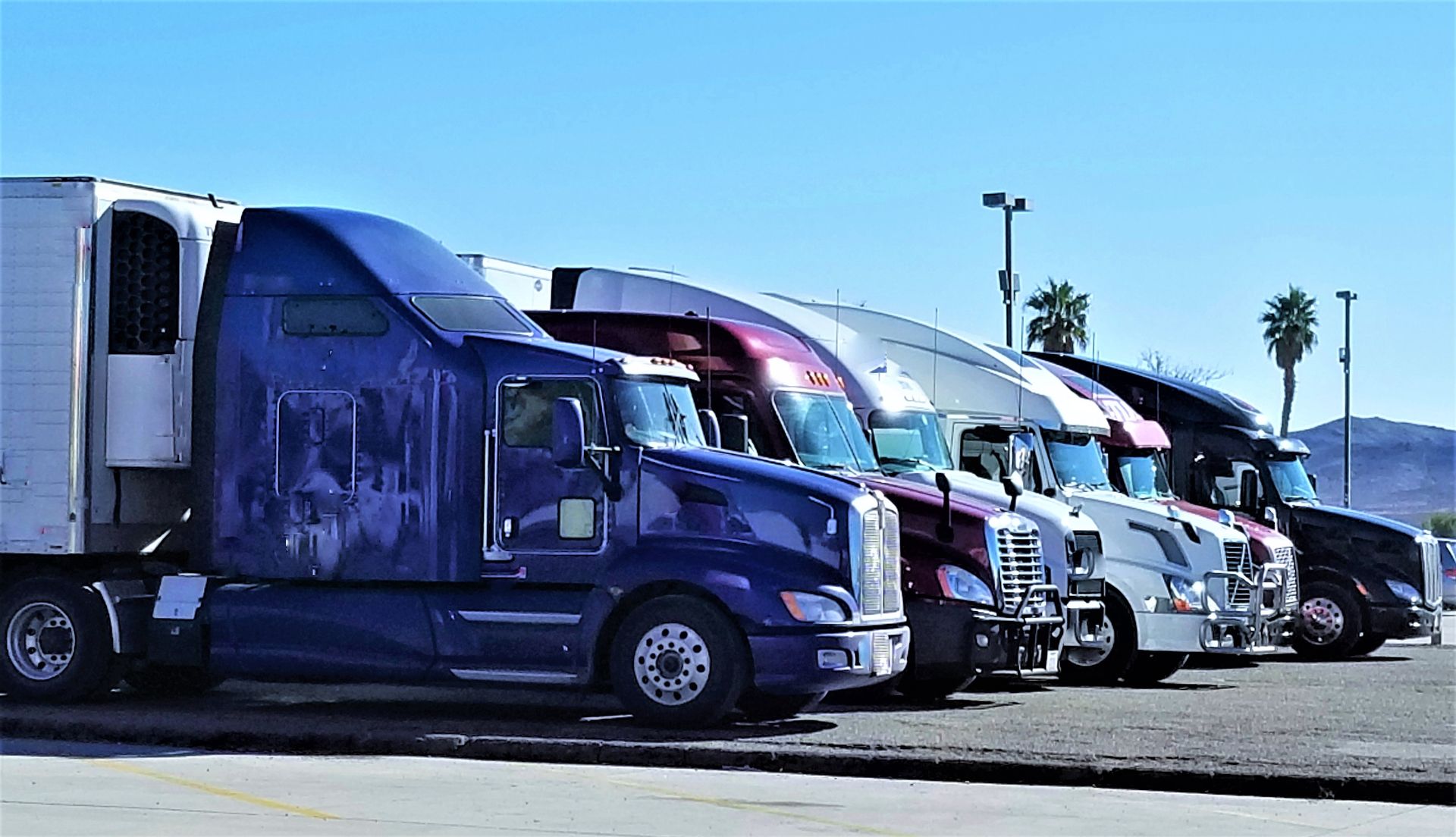
Commercial Auto & Trucking
Protection for your fleet including box trucks, moving vans, and trailers. Covers liability, collision, physical damage, and hired or non-owned vehicles used in your operations.
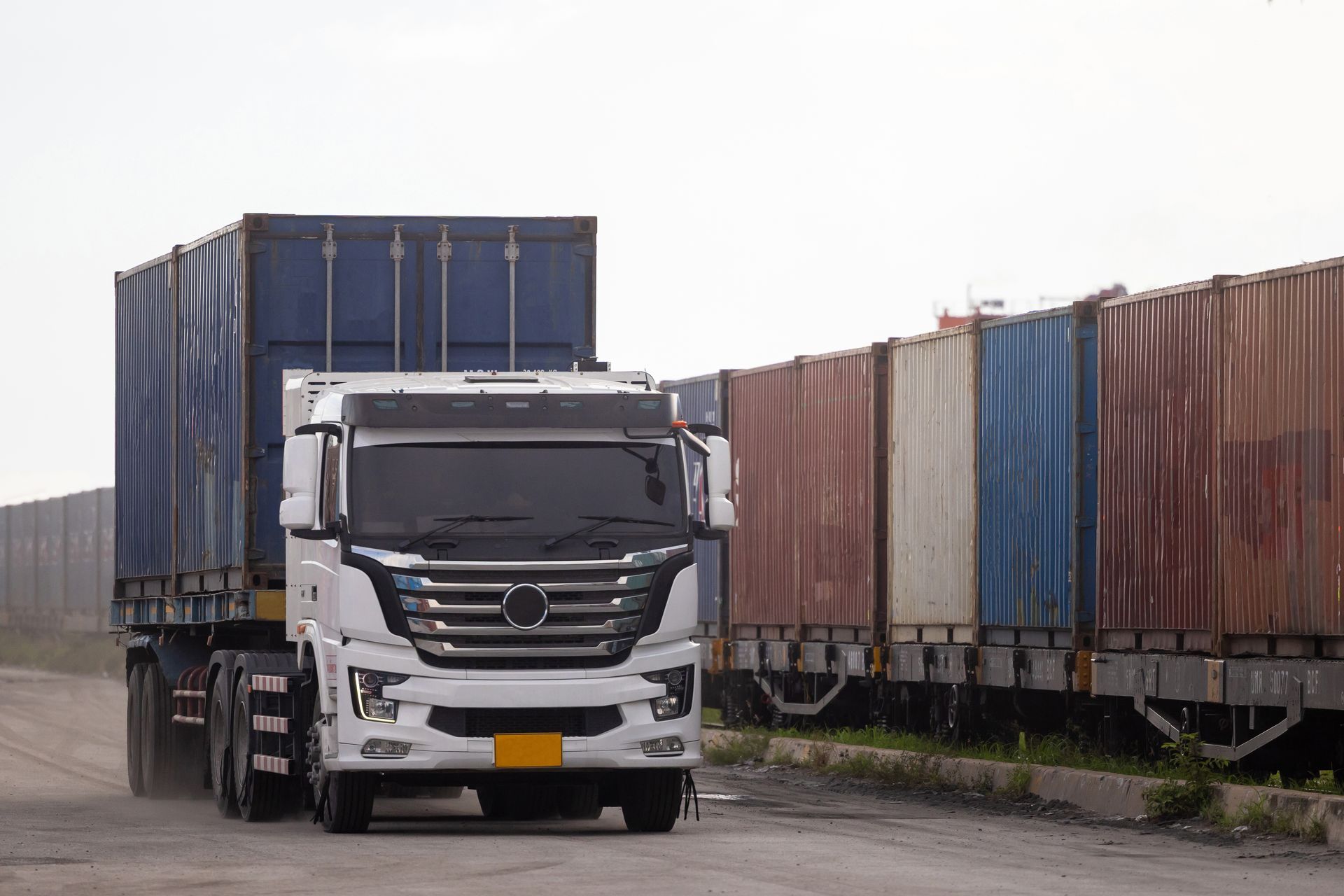
Motor Truck Cargo
Covers household goods and freight during transport from pickup to delivery. Protects against damage, theft, mysterious disappearance, and weather-related losses while cargo is in your care.

General Liability
Protection from third-party claims for bodily injury and property damage at customer homes, job sites, and your own facility. Essential coverage for every transportation operation

Warehouse Legal Liability
Coverage for customer property while stored in your facility. Protects against damage, theft, fire, and water damage to goods in your care, custody, or control.
Workers' Compensation
Medical care and wage replacement for employees injured on the job. Required in most states for transportation and warehouse work where physical labor creates higher injury risk.

Umbrella & Excess Liability
Higher liability limits stacked on top of your primary policies. Helps meet large contract requirements and protects your business assets against major claims and lawsuits.
Specialized Knowledge
Industries We Protect
Focused coverage for transportation and logistics businesses


Simple and Clear
How Our Process Works
Our process to get you covered
Connect With Us
Reach out through our form or by phone to share your business needs and current coverage situation.
Get Coverage Options
We review your risks, compare carriers, and present clear quotes with plain-language explanations.
Stay Protected
You choose your plan, and we provide ongoing support for certificates, claims, and renewals.
Trusted by Businesses
Feedback That Reflects Service and Reliability
What our clients say about working with Champion Risk
Answers You Need
Frequently Asked Questions
Common questions about transportation and logistics insurance



What insurance does a transportation company need to operate legally?
Motor carriers that cross state lines must meet FMCSA requirements. You need a minimum of $750,000 in liability coverage, plus a BMC-91 filing that proves your insurance to the federal government. Cargo coverage is also required, with minimums that depend on the type of goods you transport.
Intrastate operators follow state-specific rules. California, Texas, and Florida each have different requirements. Champion Risk handles both federal and state filings. We make sure your coverage meets legal minimums and your certificates reach the right agencies.
How much does commercial transportation insurance cost?
Premiums depend on your fleet size, driving records, cargo values, and claims history. A small operation with two trucks might pay $8,000 to $15,000 per year. A larger carrier with ten trucks could pay $50,000 to $100,000 or more.
The best way to control costs is working with a broker who knows transportation insurance. We find carriers that specialize in your exact operation type. This often results in better rates than going direct or using a general agent who doesn't understand the industry.
What is a BMC-91 filing and why do I need one?
A BMC-91 is a form your insurance company files with the FMCSA. It proves you carry the required liability coverage to operate as a for-hire motor carrier. Without an active BMC-91, your operating authority can be revoked.
Champion Risk works with carriers who file electronically. Your BMC-91 typically posts within 24 to 48 hours of binding coverage. We monitor your filing status and alert you if anything needs attention.
Does my warehouse or storage facility need different insurance than a trucking operation?
Yes. Storage facilities need warehouse legal liability coverage. This protects you when customer property is damaged or stolen while in your care. Standard general liability policies exclude this exposure.
You may also need property coverage for your building, equipment breakdown protection, and business income coverage if a fire or disaster shuts down operations. Champion Risk builds storage facility programs that address all these risks in one package.
Can you insure last-mile delivery drivers who use their own vehicles?
Yes. We offer hired and non-owned auto coverage for delivery operations that use independent contractors or employees driving personal vehicles. This fills gaps that personal auto policies don't cover during commercial use.
We also provide occupational accident coverage for 1099 drivers who aren't eligible for workers' comp. This protects your drivers and limits your liability exposure when accidents happen.
How fast can I get proof of insurance for a new contract?
Same day in most cases. Once we bind your policy, we issue certificates of insurance within hours. If your contract requires specific additional insured language or special endorsements, we coordinate directly with the carrier.
Rush requests happen often in this industry. General contractors and corporate clients demand certificates before they let you on site. Champion Risk prioritizes fast turnaround because we know your revenue depends on it.


Answers You Need
Transportation & Logistics Insurance Resources
Articles designed to inform and support your business
Contact Us
Phone Number:
Email Address:
Location:
12264 El Camino Real, Suite 350
San Diego, CA 92130
Hours:
Monday – Friday: 8:00 AM – 6:00 PM PT