See How We're Different
Call Us: (800) 829-0807
A blown tire on I-40, a fender bender at a gas station on a Saturday afternoon, a sideswipe in a grocery store parking lot while you're off-duty: these are the kinds of incidents that can financially wreck an owner-operator who assumed their motor carrier's insurance had them covered. The truth is, your carrier's policy protects you only while you're dispatched. The moment you're off the clock or driving without a load, you could be completely exposed. That gap is where non-trucking liability and bobtail insurance come into play, and confusing the two is one of the most common (and costly) mistakes in the industry. Understanding the difference between NTL and bobtail coverage isn't just an academic exercise. With commercial auto liability premiums rising by nearly 19% between 2021 and 2024, every dollar you spend on insurance needs to count. Getting the wrong policy, or skipping one altogether, can leave you holding a six-figure liability bill after a single accident.
The Core Differences Between NTL and Bobtail Insurance
The core differences between non-trucking liability and bobtail insurance come down to two things: what you're doing with the truck and whether you're operating for business purposes. Both policies fill coverage gaps left by your motor carrier's primary liability insurance, but they apply in very different situations. NTL covers personal use of your truck when you're not under dispatch. Bobtail insurance covers you when you're operating the truck without a trailer for business-related reasons, like returning to your home terminal after dropping a load. The distinction sounds simple, but it trips people up constantly because real-world driving situations don't always fit neatly into one category.
What is Non-Trucking Liability (NTL)?
Non-trucking liability insurance protects owner-operators during personal use of their commercial vehicle. Think of it as coverage for everything you do with your truck that has nothing to do with hauling freight. Driving to the mechanic, picking up groceries, heading to a family event on a weekend: these are classic NTL scenarios.
Most lease agreements between owner-operators and motor carriers require NTL coverage. The carrier's insurance covers you while you're dispatched, but the second that load is delivered and you're released from dispatch, their policy stops protecting you. NTL fills that void, but only for non-business activities. If you cause an accident while running a personal errand, NTL pays for the other party's property damage and medical bills, up to your policy limits.
One critical detail: NTL does not cover you if you're doing anything business-related. Even driving to pick up your next load without being formally dispatched can fall into a gray area that NTL won't touch.
What is Bobtail Insurance?
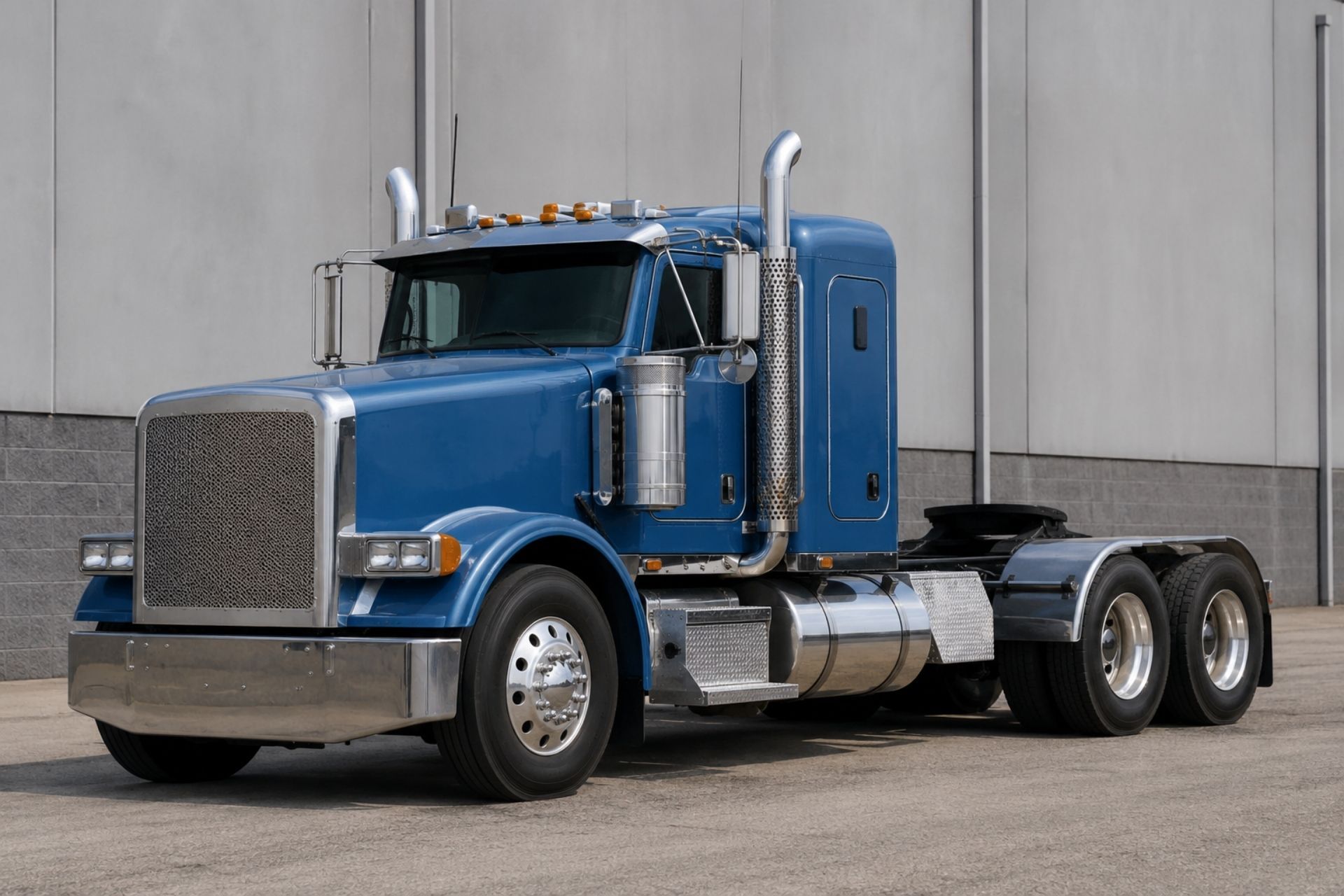
Bobtail insurance, sometimes called bobtail liability, covers your truck when you're operating it without a trailer attached and you're engaged in a business-related activity. The name comes from "bobtailing," which is the industry term for driving a cab without a trailer.
The most common scenario is driving your truck back to a terminal or your home base after delivering a load and dropping the trailer. You're done with the dispatch, you don't have a new assignment yet, but you're still operating the vehicle for work purposes. Your carrier's insurance no longer applies, and NTL won't cover you because this isn't personal use. That's the bobtail gap.
Bobtail policies are specifically designed to cover these business-related, trailerless driving situations. They're liability-only, meaning they cover damage and injuries you cause to others, not damage to your own truck.
Side-by-Side Comparison: Coverage and Scenarios
Side-by-side, these two policies look similar on paper but behave very differently in practice. The easiest way to understand the split is to look at specific driving scenarios and ask two questions: Am I under dispatch? Am I using the truck for business or personal reasons?
Comparison Chart: NTL vs. Bobtail
| Feature | Non-Trucking Liability (NTL) | Bobtail Insurance |
|---|---|---|
| Covers personal use | Yes | No |
| Covers business use | No | Yes (without trailer) |
| Active during dispatch | No | No |
| Trailer attached | May or may not be | No trailer attached |
| Required by lease | Usually yes | Depends on carrier |
| Typical annual cost | $400 - $900 | $300 - $800 |
| Common scenario | Weekend errands, personal trips | Deadheading back to terminal |
| Liability only | Yes | Yes |
The cost ranges above are averages. Your actual premium depends on driving record, location, and the truck's value. A broker like Champion Risk can help you compare quotes across multiple carriers to find the best rate for your specific situation, especially if you're in a high-risk category.
When Do You Need Non-Trucking Liability?
Non-trucking liability becomes essential the moment you use your commercial vehicle for anything personal. If you lease your truck to a motor carrier and that truck doubles as your primary vehicle, you're exposed every time you drive it off-duty.
Personal Use and Weekend Errands
Picture a typical weekend. You drive your rig to get an oil change, stop at a restaurant, then head home. None of this is dispatch-related. If you rear-end someone in that restaurant parking lot, your carrier's insurance won't pay a dime. Without NTL, you're personally liable for the other driver's medical bills, vehicle repairs, and potentially a lawsuit.
This is especially relevant for owner-operators who live in their trucks or use them as daily drivers. The more personal miles you put on, the higher your exposure. NTL premiums are relatively low, often under $75 per month, but the protection is significant. A single bodily injury claim can easily exceed $100,000.
Owner-Operator Lease Agreements
Most motor carrier lease agreements explicitly require owner-operators to carry NTL coverage. This isn't optional. If you sign a lease without obtaining NTL, you're likely in violation of your contract, and you could lose your lease if the carrier finds out.
The carrier requires this because their insurance only covers operations performed under their authority. Anything outside that scope is your responsibility. Some carriers will arrange NTL coverage for their leased operators, deducting the premium from settlements. Others leave it entirely up to you. Either way, read your lease carefully. The specific coverage requirements vary by carrier and state, and failing to comply can create problems far beyond just an insurance gap.
When Bobtail Insurance Becomes Necessary
Bobtail insurance becomes necessary whenever you're driving your truck for business purposes without a trailer and outside of active dispatch. This is a narrower window than NTL, but it's a window that opens frequently for most owner-operators.
Driving Without a Trailer (Deadheading)
After you deliver a load and drop the trailer at the consignee's yard, you often need to drive your cab somewhere else: back to your terminal, to a truck stop, or to the next shipper's location. If you haven't been formally dispatched for a new load, your carrier's insurance isn't covering you during that drive. And since this is a business-related trip, NTL won't apply either.
This deadheading scenario is where most bobtail claims originate. You're tired from a long haul, you're driving an empty cab through unfamiliar territory, and accident risk is real. Without bobtail coverage, a collision during this leg could leave you facing the full cost of the other party's damages.
Gaps Between Dispatched Loads
The time between loads is another common exposure point. Maybe you finished a delivery in Dallas and you're heading to a truck stop to wait for your next dispatch. You're not under load, you don't have a trailer, and you're moving the truck for business reasons. This is textbook bobtail territory.
Some owner-operators assume they're always covered as long as they're "working." That assumption is dangerous. Motor carrier insurance is tied to specific dispatches, not to your general employment status. Research from the American Transportation Research Institute shows that rising insurance costs are pushing carriers to scrutinize coverage gaps more carefully, which means an uncovered incident could also jeopardize your relationship with your carrier.
Common Questions About Trucking Liability
Does NTL cover me if I'm pulling an empty trailer?
This depends on the circumstances and your specific policy. If you're pulling an empty trailer for personal reasons and you're not under dispatch, some NTL policies will cover you. But if you're pulling that empty trailer as part of a business operation, NTL likely won't apply. Always check your policy language, because this is one of the most common areas of confusion between the two coverage types.
Will my motor carrier require both types of coverage?
Most carriers require NTL as part of the lease agreement. Bobtail insurance is less commonly required but is strongly recommended. Some carriers include bobtail-like coverage in their own policies, while others leave it to the operator. Ask your carrier directly and get the answer in writing.
Is bobtail insurance the same as physical damage coverage?
No. Bobtail insurance is liability coverage only. It pays for damage and injuries you cause to others. It does not cover damage to your own truck. If you want protection for your vehicle, you need a separate physical damage policy. These are two distinct products that serve different purposes.
Which policy is generally more expensive?
NTL tends to cost slightly more than bobtail insurance because it covers a broader range of situations. Average NTL premiums run $400 to $900 annually, while bobtail policies typically fall between $300 and $800 per year. Your driving record, the age and value of your truck, and your operating radius all affect pricing. Working with a specialized brokerage like Champion Risk can help you bundle these policies and potentially reduce your total cost.
Making the Right Choice for Your Business
Choosing between NTL and bobtail insurance isn't really an either-or decision for most owner-operators. If you use your truck for personal errands and you also drive without a trailer between loads, you likely need both. The combined annual cost for both policies is often under $1,500, which is a small price compared to a single uninsured accident claim.
Start by reading your lease agreement thoroughly. Identify what your motor carrier's insurance actually covers and where the gaps are. Then talk to a broker who specializes in trucking insurance. Champion Risk works with owner-operators across high-risk industries and can walk you through exactly which policies your situation requires, without selling you coverage you don't need.
The difference between NTL and bobtail coverage is straightforward once you understand it: personal use versus business use without a trailer. Get both right, and you won't be the driver staring at a six-figure liability bill because you assumed someone else's policy had you covered.

By: Mark Raby
Chief Executive Officer at Champion Risk & Insurance Services
Recent Posts