See How We're Different
Call Us: (800) 829-0807
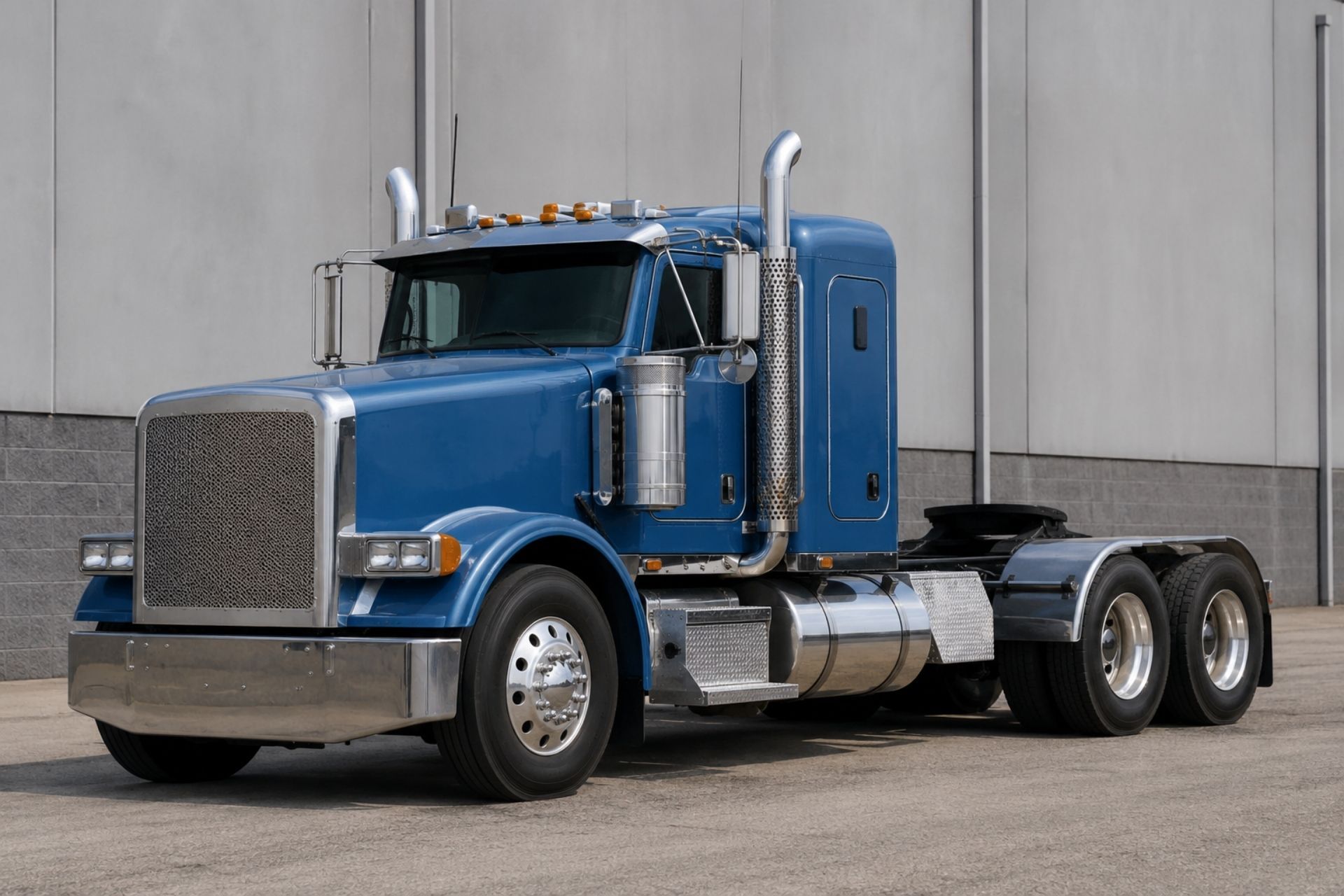
A friend of mine spent six months planning his trucking company launch, bought a beautiful Peterbilt 389, lined up two solid contracts, and then watched it all stall for ten weeks because he filed his BOC-3 incorrectly and couldn't get insurance quotes without active authority. The truck sat in his driveway earning nothing while he hemorrhaged loan payments. Starting a trucking company in 2026 involves a specific sequence of federal filings, authority applications, and insurance purchases, and getting that sequence wrong costs real money. The regulatory environment has shifted this year, too, with updated UCR fees, a major Supreme Court ruling affecting broker liability, and tightened new entrant audit procedures. This guide walks through the exact steps, costs, and insurance requirements you need to know before your first wheel turns under your own authority.
The Foundation: Business Structure and FMCSA Registration
Business structure and FMCSA registration form the twin pillars of every new carrier. Get these right first, because every other step depends on them.
Choosing the Right Business Entity for Liability Protection
Most new owner-operators default to a sole proprietorship because it's the easiest to set up. That's a mistake. A single at-fault accident can expose your personal assets: your house, savings, retirement accounts. An LLC or S-Corp creates a legal barrier between your business liabilities and personal finances.
LLCs are the most popular choice for single-truck operations. Formation costs range from $50 to $500 depending on your state, and annual maintenance is minimal. If you plan to bring on partners or investors later, a corporation structure might make more sense, but for most people starting out, an LLC hits the sweet spot between protection and simplicity.
Get your EIN (Employer Identification Number) from the IRS immediately after forming your entity. You'll need it for your USDOT application, bank accounts, and fuel tax filings. The IRS issues EINs online in about 15 minutes.
Applying for Your USDOT Number and Operating Authority (MC Number)
Your USDOT number is your identity in the federal system. Every carrier operating a commercial motor vehicle in interstate commerce needs one, and the application is free through the FMCSA's Unified Registration System.
Your MC number (Motor Carrier authority) is separate. This is what actually gives you the legal right to haul freight for hire across state lines. The application fee is $300, and the FMCSA publishes your authority in the Federal Register for a 10-day protest period before it becomes active. During that window, existing carriers can challenge your application, though protests against new entrants are rare.
One thing to keep in mind: your authority isn't truly "active" until you've also filed your BOC-3 and proof of insurance. The MC number alone doesn't let you operate. A helpful walkthrough of the FMCSA registration process breaks down each screen of the online application if you want to see it step by step.
Essential Federal Filings and Compliance for 2026
Federal compliance for new carriers in 2026 involves several interlocking registrations. Miss one, and your authority stays inactive.
BOC-3 Process Agents and UCR Registration
A BOC-3 filing designates process agents in every state where you operate. These are individuals or companies authorized to accept legal documents on your behalf. You can't activate your MC authority without one. Process agent services typically cost $30 to $100 per year.
The Unified Carrier Registration (UCR) is a separate annual fee based on your fleet size. For 2026, the FMCSA published updated UCR fee schedules that reflect adjustments from prior years. A single-truck carrier can expect to pay around $100 to $180 annually. The fee structure changes for 2026 are modest but worth checking so you budget correctly.
Understanding IFTA and IRP Requirements
IFTA (International Fuel Tax Agreement) simplifies fuel tax reporting across states. Instead of filing separately with each state you drive through, you file one quarterly return with your base state, and they redistribute the taxes. You'll need IFTA decals on your truck, which your base state's DMV or revenue department issues.
IRP (International Registration Plan) works similarly for registration fees. Your base state collects a single registration fee, then apportions it among all the states where you travel based on miles driven. Both IFTA and IRP require quarterly or annual filings, and penalties for late submissions add up fast. Keep clean mileage records from day one.
Mandatory Insurance Requirements for New Carriers
Insurance is where most new carriers experience sticker shock. Premiums for a brand-new authority with no safety history are significantly higher than what established carriers pay, and there's no shortcut around that reality.
Comparison: Primary Liability vs. General Liability Coverage
Primary auto liability covers damage you cause to other people and their property while operating your truck. Federal minimums are $750,000 for general freight and $1,000,000 for hazmat, but many shippers and brokers require $1,000,000 regardless of what you haul.
General liability covers your business operations off the road: slip-and-fall at your office, damage to a customer's loading dock, advertising injuries. It's not federally mandated, but most broker-carrier agreements require it. A typical general liability policy for a small carrier runs $500 to $2,000 per year.
The distinction matters because they protect against different risks. A specialist brokerage like Champion Risk can help new carriers understand which policies are legally required versus contractually required, since brokers and shippers often demand coverage beyond federal minimums.
Cargo Insurance and Physical Damage Protection
Cargo insurance protects the freight you're hauling. Federal law doesn't mandate a specific cargo coverage amount for most commodities, but the industry standard is $100,000 per occurrence. Shippers will check your cargo limits before tendering loads, and most want at least $100,000.
Physical damage coverage protects your own equipment: your truck and trailer. If you're financing, your lender will require comprehensive and collision coverage. Expect to pay 3% to 5% of your vehicle's value annually in physical damage premiums. On a $150,000 truck, that's $4,500 to $7,500 per year.
Comparison of Coverage Limits and State Requirements
Here's a quick reference for the insurance types you'll encounter:
| Coverage Type | Federal Minimum | Industry Standard | Typical Annual Cost (New Authority) |
|---|---|---|---|
| Primary Auto Liability | $750,000 (general freight) | $1,000,000 | $9,000 - $16,000 |
| General Liability | Not federally required | $1,000,000 per occurrence | $500 - $2,000 |
| Cargo Insurance | Not federally required (varies by commodity) | $100,000 per load | $1,500 - $3,000 |
| Physical Damage | Not federally required | Value of equipment | 3% - 5% of vehicle value |
| Occupational Accident | Not required (1099 drivers) | $1,000,000 | $200 - $400/month per driver |
State requirements add another layer. California, for example, requires higher liability limits for intrastate carriers. Texas mandates specific filings with the TxDMV. A brokerage experienced with trucking startups, like Champion Risk, can map your operating states against their specific requirements so nothing falls through the cracks.
One major legal development reshaping insurance decisions: the Supreme Court stripped freight brokers of their longstanding legal shield in a unanimous ruling, meaning brokers can now be sued under state law for negligent hiring of carriers. This 9-0 decision means brokers are scrutinizing carrier insurance and safety records more aggressively than ever. If your coverage is thin, you'll find fewer brokers willing to work with you.
Managing Your Safety Rating and New Entrant Audit
Every new carrier enters a mandatory 18-month monitoring period. During this window, the FMCSA can conduct a safety audit at any time, usually within the first 12 months. Failing this audit can result in your authority being revoked.
The audit examines your driver qualification files, hours-of-service records, vehicle maintenance logs, drug and alcohol testing compliance, and insurance documentation. Auditors want to see organized records, not perfection. Having a system in place matters more than having zero violations.
Keep your driver qualification files current with medical certificates, MVRs (motor vehicle records), and employment history. Run your ELD data through a compliance check monthly. If you're using 1099 drivers, understand that the new broker liability rules increase the pressure on you to document everything about who's behind the wheel.
A clean new entrant audit sets the foundation for a satisfactory safety rating, which directly affects your insurance premiums at renewal. Carriers who pass their first audit cleanly often see 15% to 25% premium reductions in year two.
Common Questions About Starting a Trucking Business
How much does it cost to get my own authority?
Budget $15,000 to $30,000 for the full startup: $300 for the MC application, $30 to $100 for BOC-3, $100 to $180 for UCR, and the bulk goes to insurance premiums (first quarter or semi-annual payment). Equipment costs are separate.
Do I need insurance before I apply for an MC number?
No. Apply for the MC number first, then secure insurance. Your insurer will file the required proof of coverage (Form BMC-91) with the FMCSA, which activates your authority. But start getting insurance quotes early so you're ready to bind coverage the moment your MC number is assigned.
How long does the FMCSA application process take?
The USDOT number is typically issued within minutes online. The MC authority takes 4 to 6 weeks, including the 10-day protest period and processing time. Factor in another 1 to 2 weeks for your insurance filing to reflect in the system. A detailed timeline overview can help you plan your launch date.
Can I start a trucking company with just one truck?
Yes, and most carriers do. About 97% of trucking companies in the U.S. operate 20 or fewer trucks, and a huge portion are single-truck operations. One truck is enough to build a safety record, establish relationships with brokers, and generate the cash flow to grow.
What is the difference between a DOT number and an MC number?
Your USDOT number identifies your company in the federal safety database. Every commercial carrier needs one. Your MC number is your operating authority, the legal permission to haul freight for compensation in interstate commerce. You need both, but they serve different purposes.
Your Next Steps for a Successful Launch
Starting a trucking company in 2026 requires hitting each step in the right order: form your business entity, get your EIN, apply for your USDOT and MC numbers, file your BOC-3, register for UCR, IFTA, and IRP, then secure insurance to activate your authority. Skip a step or do them out of sequence, and you'll burn weeks waiting.
The insurance piece deserves special attention. Premiums for new authorities are high, and the wrong policy structure can leave gaps that cost you contracts or expose you to catastrophic liability. Champion Risk works with new carriers to build coverage programs that satisfy both federal requirements and broker expectations, so you're not just legal but competitive.
Get your paperwork moving now. The trucks can wait. The filings can't.

By: Mark Raby
Chief Executive Officer at Champion Risk & Insurance Services
Recent Posts