See How We're Different
Call Us: (800) 829-0807
When your driver drops off a trailer and heads home for the night, a single question determines whether an accident claim gets paid or denied: what kind of coverage protects that tractor when it's running solo? For moving and storage companies, this distinction between bobtail and non-trucking liability insurance creates real confusion, and the consequences of choosing wrong can devastate a small fleet operation.
Here's the reality most insurance articles won't tell you: the difference between these two coverage types comes down to intent and dispatch status, not just whether a trailer is attached. Owner-operators leased to moving companies face a specific gap in their motor carrier's primary liability policy. That gap exists whenever they're not actively hauling freight for dispatch. According to Risk Placement Services, this liability exposure accounts for roughly 8% to 12% of an owner-operator's total driving time. It sounds small until you realize that 115 bobtail trucks were involved in fatal accidents in 2022 alone, per Freightwaves.
The stakes are clear. The solution requires understanding exactly what each policy covers, when coverage applies, and which one your operation actually needs. Moving companies deal with unique situations that general trucking advice often misses, so let's get specific about what these coverages mean for your business.
Understanding Liability Coverage for Moving and Storage Operations
Moving and storage companies operate in a liability environment that differs from standard freight hauling. Your trucks carry household goods, commercial inventory, and sometimes irreplaceable personal items. The primary liability coverage provided by your motor carrier or leasing company protects against claims during active dispatch. But that protection has boundaries, and knowing where those boundaries fall matters for every owner-operator in your fleet.
The Role of Primary Liability Insurance
Primary liability insurance covers your truck and driver while operating under dispatch for the motor carrier. This means the coverage applies when you're picking up a load, transporting goods, or delivering to a destination as directed by your dispatcher. The motor carrier's policy handles any accidents or incidents during this period because the truck is generating revenue for the company.
For moving operations, this includes everything from loading furniture at a customer's home to unloading at a storage facility. The moment your driver accepts a job and begins operating for business purposes, primary liability kicks in. This coverage typically meets or exceeds federal minimum requirements, which currently sit at $750,000 for general freight and higher for certain cargo types.
Identifying the Insurance Gaps for Owner-Operators
The gap appears the instant your driver finishes a job and isn't heading to another one. Driving to a truck stop for the night? Not covered by primary liability. Heading home after completing a delivery route? Same situation. Running personal errands between jobs? Definitely not covered.
These gaps create real exposure. Champion Risk works with moving companies that discovered this gap only after an accident left them holding the bill. Owner-operators often assume their lease agreement's insurance extends to all driving, but that assumption can cost tens of thousands in out-of-pocket liability claims. The solution involves either bobtail insurance or non-trucking liability, depending on how your drivers actually use their trucks.
Bobtail Insurance: Coverage for the Empty Tractor
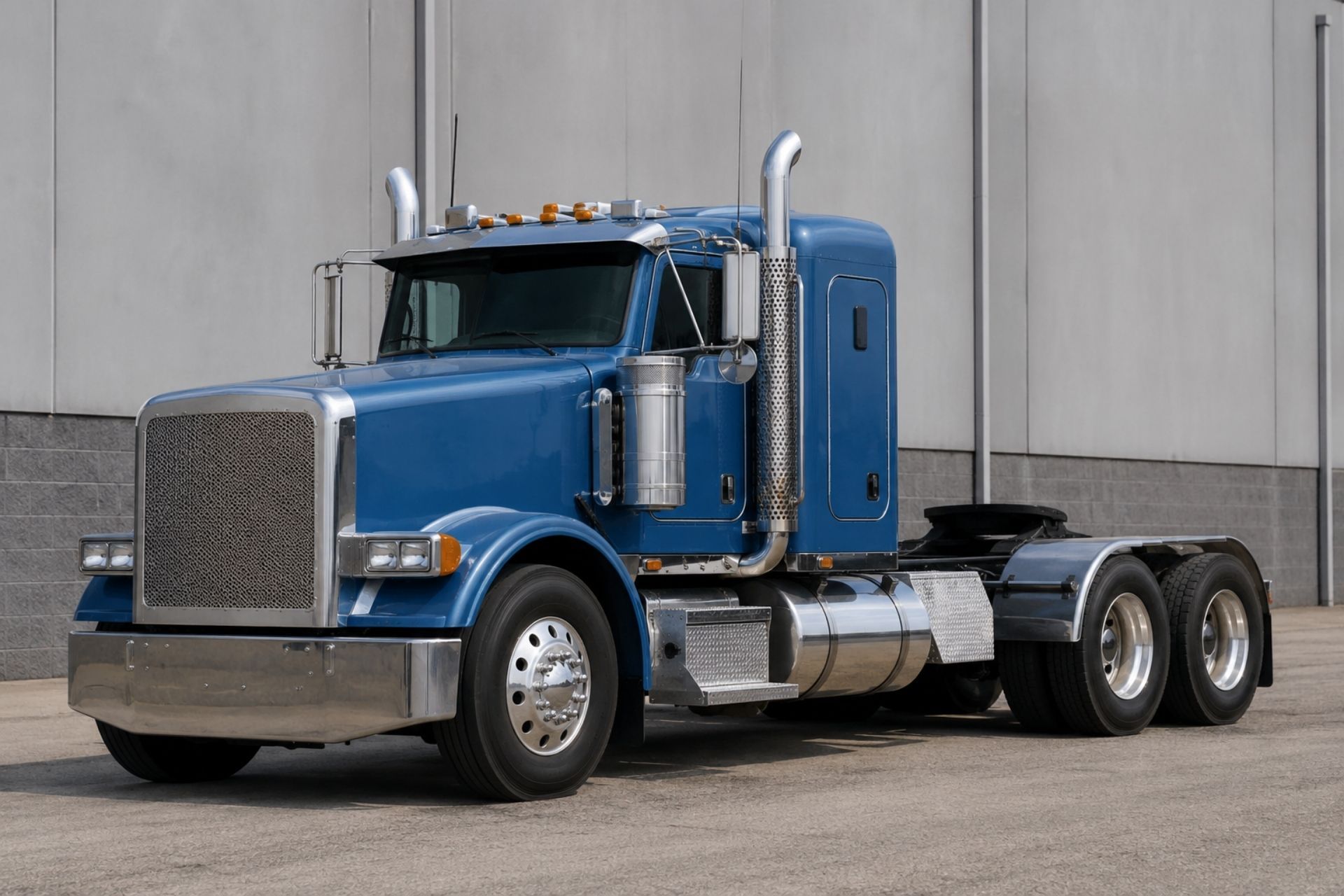
Bobtail insurance specifically addresses one scenario: your tractor is operating without a trailer attached. The name comes from the trucking term for a tractor running solo, resembling a bobcat's short tail. This coverage fills the gap when drivers are between loads but still operating in a business context.
Defining 'Bobtailing' in Moving Logistics
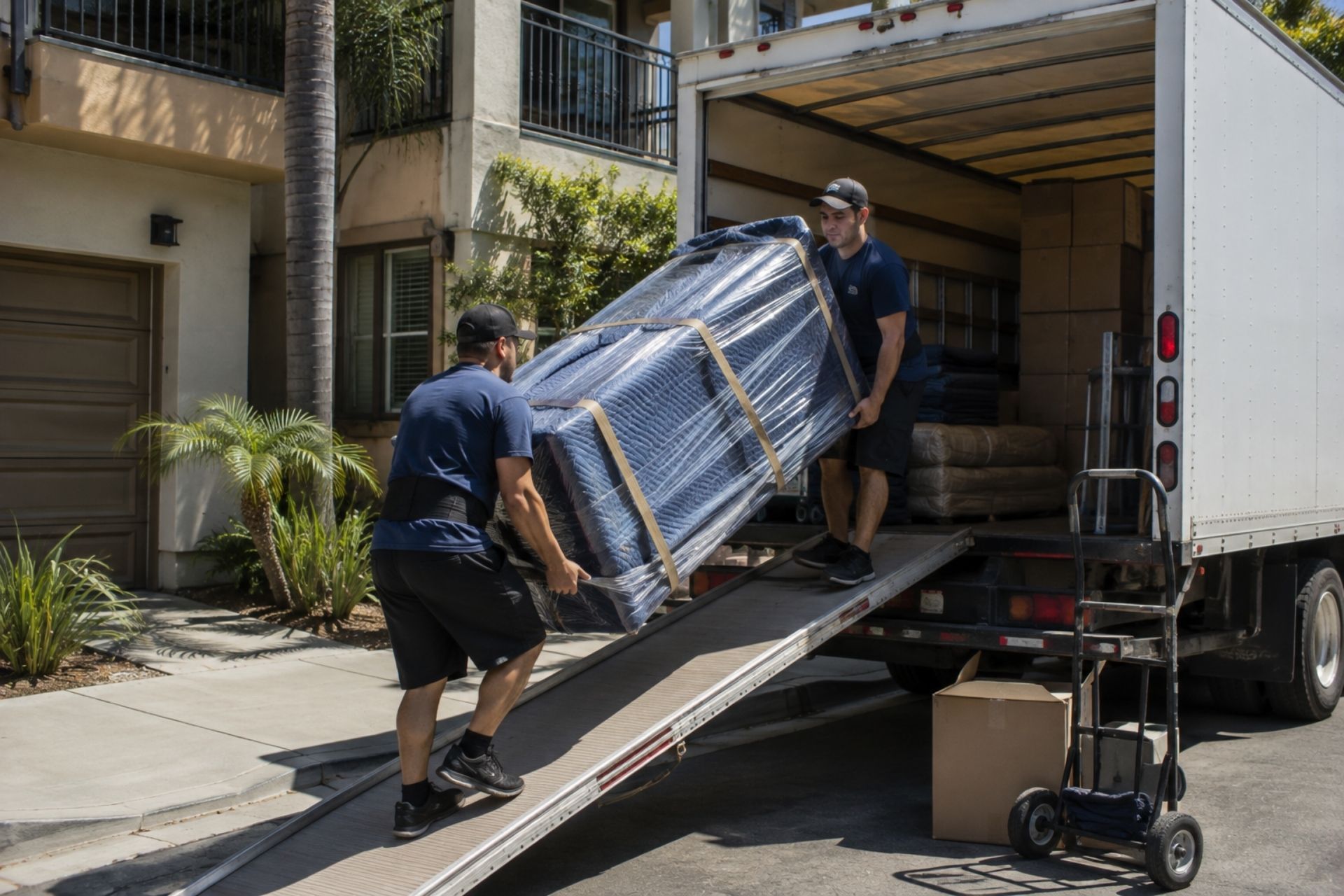
In moving operations, bobtailing happens regularly. A driver drops a loaded trailer at a storage facility and drives the tractor to pick up an empty trailer at another location. Or a driver delivers household goods, detaches the trailer for customer unloading, and drives to grab lunch while waiting. These common scenarios leave the tractor unprotected by primary liability.
The cost for this protection remains reasonable. Insureon reports that bobtail insurance typically costs between $360 and $600 annually for $1 million in coverage. That's roughly a dollar a day for protection against claims that could otherwise reach six figures.
When Bobtail Coverage Applies vs. Primary Liability
Bobtail coverage activates when two conditions exist: no trailer is attached, and the driver isn't under active dispatch. The moment dispatch assigns a new job, primary liability takes over again, even if the driver hasn't attached a trailer yet.
This creates a specific use case. Bobtail works for drivers who regularly operate tractors without trailers for business-related purposes. If your moving company has drivers who frequently shuttle between locations, swap trailers at different facilities, or wait at truck stops between jobs, bobtail coverage addresses those exposures directly.f
Non-Trucking Liability (NTL): Protection for Personal Use
Non-trucking liability takes a different approach. This coverage protects owner-operators when they're using their truck for personal purposes entirely outside the scope of their lease agreement. The truck might have a trailer attached or not; what matters is the purpose of the trip.
The 'Business Use' Distinction
NTL coverage applies only when the truck isn't being used for any business purpose. Driving to the grocery store on a day off qualifies. Taking the family to a weekend event in the sleeper cab qualifies. Stopping at a mechanic for personal maintenance on a non-work day qualifies.
What doesn't qualify: any trip that benefits the motor carrier or relates to your work. Driving to pick up a load, even before official dispatch, typically falls outside NTL coverage. Heading to a mandatory safety meeting counts as business use. Even positioning the truck for tomorrow's first pickup might not trigger NTL protection.
GEICO notes that NTL insurance for one truck runs around $600 per year. The slightly higher cost compared to bobtail reflects the broader scope of personal use scenarios.
Common NTL Scenarios for Moving Professionals
Moving industry professionals often live in their trucks during busy seasons. This creates numerous personal use situations that NTL covers. A driver using their rig to commute home on weekends needs NTL protection for that drive. An owner-operator who takes their truck to a family reunion faces personal liability exposure without NTL.
The coverage also applies to maintenance trips, personal errands, and any driving that has zero connection to hauling freight. For moving companies with owner-operators who treat their trucks as personal vehicles during off-hours, NTL provides essential protection.
Key Differences Between Bobtail and Non-Trucking Liability
Understanding the distinction prevents coverage gaps and claim denials. These policies overlap in some ways but serve fundamentally different purposes.
Dispatch Status and Economic Interest
The critical factor is economic interest. Bobtail coverage typically applies when the driver is still operating in a business context but without a trailer. The motor carrier still has an economic interest in the truck's operation, even if no specific load is assigned.
NTL applies when zero economic interest exists. The driver is completely off duty, using the truck purely for personal reasons. No dispatcher is waiting for availability. No loads are pending. The truck has temporarily become a personal vehicle.
As one industry expert from Risk Placement Services explains: "The liability exposure for owner/operators when not under dispatch is relatively low, roughly 8% to 12%, which is why the premium for NTL coverage is much less expensive than for primary Liability coverage."
Trailer Attachment vs. Operational Intent
| Factor | Bobtail Insurance | Non-Trucking Liability |
|---|---|---|
| Trailer Status | No trailer attached | Trailer may or may not be attached |
| Primary Purpose | Business-related, between loads | Purely personal use |
| Dispatch Status | Not under active dispatch | Completely off duty |
| Typical Annual Cost | $360-$600 | ~$600 |
| Coverage Trigger | Operating tractor solo for work purposes | Using truck as personal vehicle |
The trailer question matters less than most people assume. NTL can cover a truck with an empty trailer attached if the driver is using it for personal purposes. Bobtail specifically addresses the no-trailer scenario during business operations.
Determining the Right Coverage for Your Fleet
Choosing between these options requires honest assessment of how your drivers actually use their equipment. Champion Risk helps moving companies analyze their operations to identify the right fit.
Evaluating Lease Agreements and Contractual Requirements
Start with your lease agreements. Many motor carriers require owner-operators to carry specific coverage types. Some lease agreements mandate bobtail insurance because the carrier wants protection during business-adjacent driving. Others require NTL because they expect drivers to use trucks personally.
Review the language carefully. Terms like "non-dispatch operations" and "personal conveyance" have specific insurance meanings. If your lease agreement requires coverage you don't have, you're potentially violating contract terms and creating liability exposure simultaneously.
Cost Considerations and Risk Management Strategies
Agencyheight reports that bundling bobtail coverage with other policies can unlock 10% to 20% in multi-policy savings. This makes combining coverage types financially practical for fleets with diverse operational needs.
Consider these questions for your operation:
- Do drivers regularly operate tractors without trailers between jobs?
- Do owner-operators use their trucks for personal purposes on off days?
- What does your lease agreement specifically require?
- How often are drivers in that 8% to 12% non-dispatch window?
Some moving companies need both coverage types. A driver might bobtail between facilities during work hours and use the truck personally on weekends. That scenario requires both policies to eliminate gaps.
Frequently Asked Questions
Can I carry both bobtail and non-trucking liability insurance? Yes, and many owner-operators do. Each covers different situations, so having both eliminates gaps for drivers who both bobtail during work and use trucks personally.
Does my motor carrier's insurance ever cover bobtailing? Rarely. Most motor carrier policies specifically exclude coverage when drivers aren't under dispatch. Check your specific policy language to confirm.
What happens if I have an accident without proper coverage? You face personal liability for damages, injuries, and legal costs. Claims can easily exceed $100,000, making proper coverage essential.
Is non-trucking liability required by law? Federal law doesn't require NTL, but many lease agreements mandate it. Check your contract and state requirements.
How do I know which coverage applies during a specific trip? Ask yourself: Am I operating for business purposes or personal reasons? Is a trailer attached? Am I under dispatch? The answers determine which policy applies.
Making the Right Choice for Your Moving Operation
The difference between bobtail and non-trucking liability comes down to purpose and context. Bobtail covers business-related driving without a trailer. NTL covers personal use regardless of trailer status. Moving companies need to evaluate their actual operations, review lease requirements, and ensure owner-operators carry appropriate coverage.
Getting this wrong means denied claims and personal liability exposure. Getting it right costs roughly $600 annually and provides peace of mind during that 8% to 12% of driving time when primary liability doesn't apply. For moving and storage operations where trucks regularly transition between dispatch status and personal use, both coverage types often make sense. Talk to a specialist who understands moving industry operations to identify the right solution for your specific fleet.

By: Mark Raby
Chief Executive Officer at Champion Risk & Insurance Services
Recent Posts