
A cracked antique mirror. A shattered flat-screen TV still in its wall mount. A worker who slips on rain-slicked porch steps and fractures a wrist. These aren't hypothetical disasters for California moving companies: they're Tuesday. And every one of them triggers a question that can make or break a small business: do you have the right insurance, and how much is it actually costing you?
If you're launching a moving company in California or trying to figure out whether your current coverage makes sense, the
cost of insurance is probably one of your biggest unknowns. Premiums vary wildly depending on your crew size, revenue, claims history, and the specific coverages California requires. The numbers you'll find online range from surprisingly affordable to genuinely painful, and most of the variation comes down to factors you can actually control. This guide breaks down real premium ranges, state-specific mandates, and practical ways to keep your costs from spiraling.
Average Cost of Moving Company Insurance in California
Average cost of moving company insurance in California depends on a handful of variables, but there are useful benchmarks to anchor your expectations. Small operations with lean crews tend to pay far less than mid-size companies running multiple trucks across metro areas. The gap between the cheapest and most expensive policies can be thousands of dollars per year.
Monthly and Annual Premium Estimates
Small moving companies with fewer than five employees pay an average of $338 per month, which works out to roughly $4,060 annually for a comprehensive insurance package. That figure typically bundles general liability, cargo coverage, and commercial auto into one program.
For larger operations with 10 or more employees and higher annual revenue, expect monthly premiums to climb into the $800 to $1,500 range. California's higher cost of living, dense urban environments, and aggressive litigation climate push premiums above the national average by roughly 15 to 25 percent. A company running three trucks in Los Angeles will almost always pay more than a comparable outfit in Phoenix or Dallas.
Factors That Influence Your Specific Rate
Your premium isn't pulled from a magic formula. Insurers look at a specific set of risk indicators. The most impactful ones include:
- Annual revenue and payroll size: higher numbers mean more exposure
- Number of vehicles and their age/condition
- Claims history over the past three to five years
- Types of moves you handle (local residential vs. long-distance commercial)
- Driver records and training programs
- Whether you store customer goods in a warehouse
One claim for a
damaged grand piano can bump your premiums for years. Conversely, a clean claims history and documented
safety training can earn you discounts that compound over time. Brokerages like Champion Risk often help moving companies identify which risk factors are inflating their quotes and build a plan to bring them down.


By: Mark Raby
Chief Executive Officer at Champion Risk & Insurance Services
California State Insurance Requirements for Movers
California doesn't mess around with unlicensed movers. The state has some of the strictest requirements in the country, and operating without proper coverage can result in fines, license revocation, and personal liability that follows you home.
CPUCO Requirements and Public Liability
Every household goods carrier in California must register with the California Public Utilities Commission (CPUC) and carry minimum liability coverage. The CPUC requires movers to maintain public liability insurance with limits that vary based on the type and scope of operations. For most local movers, minimum bodily injury and property damage coverage starts at $750,000 combined single limit.
This isn't optional. Operating without CPUC registration and the required insurance is illegal, and California actively investigates complaints against unlicensed movers. Red flags for consumers, and for regulators, include unmarked trucks, no company uniforms, suspiciously low quotes, and no verifiable physical business address.
Cargo Insurance and Workers' Comp Mandates
California also mandates that movers provide a minimum level of cargo protection. The baseline is released-value protection at $0.60 per pound per article, which is included at no extra charge but covers almost nothing of real value. Full-value protection, which actually replaces or repairs damaged items, costs more but is what most customers expect.
Workers' compensation is non-negotiable in California. If you have even one employee, you must carry workers' comp. There's no small-business exemption. California's workers' comp rates for the moving industry tend to run higher than the national average because of the physical nature of the work and the state's employee-friendly regulatory environment. Expect to pay between $8 and $15 per $100 of payroll, depending on your experience modification rate.
Comparing Essential Coverage Types
Not all policies protect the same things, and confusing one type of coverage for another is one of the most common mistakes new moving company owners make. General liability and cargo insurance sound similar but cover completely different risks.
Comparison: General Liability vs. Cargo Insurance
General liability covers damage you cause to other people's property or injuries to third parties during a move. If your dolly scratches a customer's hardwood floor or a bystander trips over your loading ramp, general liability responds.
Cargo insurance covers the customer's belongings while they're on your truck or in your care. If a box of china breaks because your driver took a turn too fast, cargo insurance pays for the replacement.
Here's where it gets tricky: neither policy covers your own employees' injuries. That's what workers' comp is for. And neither covers damage to your truck itself, which falls under commercial auto. Each coverage type fills a specific gap, and missing even one can leave you exposed to a claim that could shut your business down.

Coverage Comparison Chart
| Coverage Type | Average Monthly Cost | What it Protects |
|---|---|---|
| General Liability | $45 - $120 | Third-party injury and property damage |
| Cargo Insurance | $50 - $150 | The customer's items while in transit |
| Workers' Comp | $150+ | Employee injuries and lost wages |
| Commercial Auto | $150 - $300 | Your vehicles and drivers on the road |
| nland Marine / SIT | $30 - $75 | Goods in storage-in-transit (30-90 days) |
These figures reflect
typical ranges for small to mid-size California movers. Your actual costs will shift based on the factors outlined earlier. Storage-in-Transit (SIT) coverage is worth noting for companies that warehouse customer belongings when closing dates or home readiness don't align: typical SIT policies cover 30 to 90 days of temporary storage.
How much moving company insurance costs in California isn't entirely out of your hands. Several strategies can meaningfully reduce your annual spend without cutting corners on coverage.
Safety Programs and Training Discounts
Insurers reward companies that invest in preventing claims. A documented safety program that includes proper lifting techniques, equipment inspection checklists, and new-hire training protocols can qualify you for discounts of 5 to 15 percent on your general liability and workers' comp premiums.
Driver training matters too. If your team completes defensive driving courses and you maintain clean MVR (motor vehicle records) across your fleet, underwriters view you as a lower risk. Champion Risk works with moving companies to build these programs from scratch, structuring them specifically to meet the criteria that insurers look for when applying discounts.
Pre-transit documentation is another underrated tool. Using the Bill of Lading, timestamped photos, and video to record pre-existing damage before every move protects you against fraudulent claims that would otherwise hit your loss history and inflate future premiums.
Bundling Policies for Savings
Buying general liability, commercial auto, cargo, and workers' comp from the same carrier, or through a single brokerage that packages them together, often saves 10 to 20 percent compared to purchasing each policy separately. Carriers prefer writing multiple lines for one client because it reduces their acquisition costs and increases retention.
An independent brokerage can shop your full package across multiple carriers simultaneously. This is one area where working with a specialist matters. A generalist agent who mostly writes homeowners policies won't know which carriers have appetite for moving companies or which endorsements you actually need versus which ones are padding the quote.
Common Questions About California Moving Insurance
Do I really need workers' comp if I only have one helper?
Yes. California requires workers' compensation coverage for every employee, with no minimum headcount exception. Operating without it can result in criminal penalties, not just fines.
How much cargo insurance does California require?
The state mandates that movers offer released-value protection at $0.60 per pound per article at no charge. Full-value protection is optional but strongly recommended. Cargo insurance premiums for the company typically run 0.3% to 1% of total cargo value carried annually.
Does my personal auto insurance cover my moving truck?
No. Personal auto policies exclude vehicles used for commercial purposes. You need a commercial auto policy specifically rated for your trucks and their intended use. This is one of the most common coverage gaps for new moving companies.
Why did my premium go up after one claim?
Insurance pricing is heavily influenced by loss history. Even a single claim, especially one over $10,000, signals increased risk to your carrier. Premiums can rise 15 to 30 percent at renewal and stay elevated for three to five years. This is exactly why pre-move documentation and training programs pay for themselves many times over.
Making the Right Choice for Your Business
Making the right choice for your business means understanding that insurance isn't just a line item: it's the thing standing between you and a lawsuit that could wipe out everything you've built. California's requirements are strict, but they exist because the moving industry involves real physical risk to people and property every single day.
The real question isn't just how much moving company insurance costs in California. It's whether the coverage you're carrying actually matches the risks you face. A $45-per-month general liability policy sounds great until a $50,000 claim hits and you discover your limits are too low or your deductible is too high.
Start by getting quotes from at least three sources, and make sure at least one of them is a brokerage that specializes in the moving and storage industry. Champion Risk, for example, has structured programs specifically for California movers since 2004, and that kind of specialization means they know which carriers will write your risk and which endorsements you can skip.
Get your documentation systems in place, train your crew, keep your claims history clean, and review your coverage annually. The companies that treat insurance as a strategic investment rather than a grudge purchase are the ones still operating five and ten years from now. That's the difference between a business and a liability.
About the Author:
Mark Raby
I am a seasoned insurance professional with over 30 years of experience in the industry. I lead Champion Risk & Insurance Services, a San Diego-based brokerage with nationwide reach and strong influence in the insurance marketplace. My core competencies include insurance agency M&A deals, captives and alternative risk structures, and commercial property and casualty insurance for clients in the transportation and logistics industries. I am a former president of IIAB San Diego and hold a Bachelor of Science in Finance from Western Michigan University’s Haworth College of Business.
Protection for Transportation Operations
Business Insurance for Transportation & Logistics Companies
Coverage designed specifically for transportation businesses
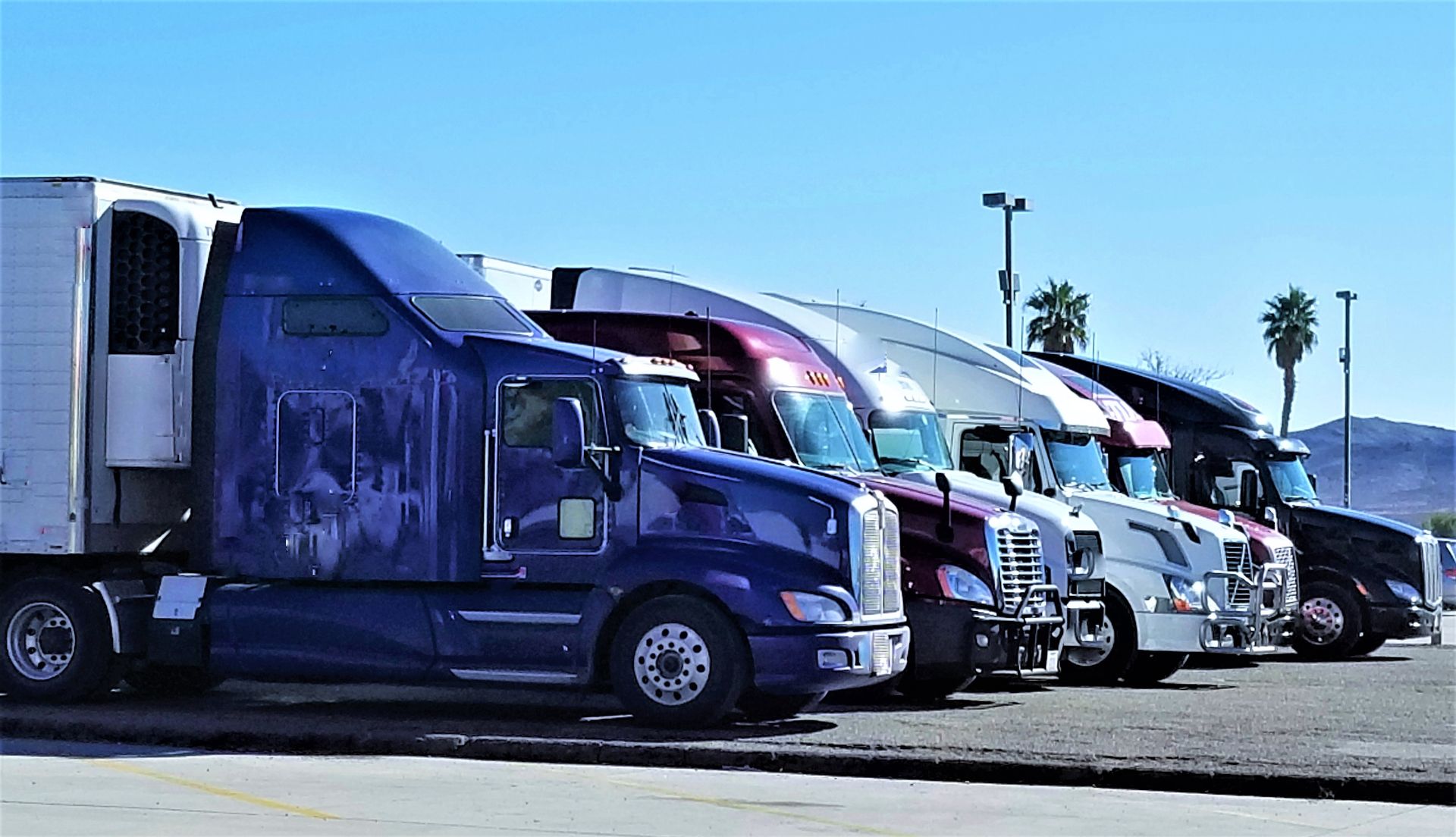
Commercial Auto & Trucking
Protection for your fleet including box trucks, moving vans, and trailers. Covers liability, collision, physical damage, and hired or non-owned vehicles used in your operations.

Motor Truck Cargo
Covers household goods and freight during transport from pickup to delivery. Protects against damage, theft, mysterious disappearance, and weather-related losses while cargo is in your care.

General Liability
Protection from third-party claims for bodily injury and property damage at customer homes, job sites, and your own facility. Essential coverage for every transportation operation

Warehouse Legal Liability
Coverage for customer property while stored in your facility. Protects against damage, theft, fire, and water damage to goods in your care, custody, or control.
Workers' Compensation
Medical care and wage replacement for employees injured on the job. Required in most states for transportation and warehouse work where physical labor creates higher injury risk.

Umbrella & Excess Liability
Higher liability limits stacked on top of your primary policies. Helps meet large contract requirements and protects your business assets against major claims and lawsuits.
Specialized Knowledge
Industries We Protect
Focused coverage for transportation and logistics businesses


Simple and Clear
How Our Process Works
Our process to get you covered
Connect With Us
Reach out through our form or by phone to share your business needs and current coverage situation.
Get Coverage Options
We review your risks, compare carriers, and present clear quotes with plain-language explanations.
Stay Protected
You choose your plan, and we provide ongoing support for certificates, claims, and renewals.
Trusted by Businesses
Feedback That Reflects Service and Reliability
What our clients say about working with Champion Risk
Answers You Need
Frequently Asked Questions
Common questions about transportation and logistics insurance



What insurance does a transportation company need to operate legally?
Motor carriers that cross state lines must meet FMCSA requirements. You need a minimum of $750,000 in liability coverage, plus a BMC-91 filing that proves your insurance to the federal government. Cargo coverage is also required, with minimums that depend on the type of goods you transport.
Intrastate operators follow state-specific rules. California, Texas, and Florida each have different requirements. Champion Risk handles both federal and state filings. We make sure your coverage meets legal minimums and your certificates reach the right agencies.
How much does commercial transportation insurance cost?
Premiums depend on your fleet size, driving records, cargo values, and claims history. A small operation with two trucks might pay $8,000 to $15,000 per year. A larger carrier with ten trucks could pay $50,000 to $100,000 or more.
The best way to control costs is working with a broker who knows transportation insurance. We find carriers that specialize in your exact operation type. This often results in better rates than going direct or using a general agent who doesn't understand the industry.
What is a BMC-91 filing and why do I need one?
A BMC-91 is a form your insurance company files with the FMCSA. It proves you carry the required liability coverage to operate as a for-hire motor carrier. Without an active BMC-91, your operating authority can be revoked.
Champion Risk works with carriers who file electronically. Your BMC-91 typically posts within 24 to 48 hours of binding coverage. We monitor your filing status and alert you if anything needs attention.
Does my warehouse or storage facility need different insurance than a trucking operation?
Yes. Storage facilities need warehouse legal liability coverage. This protects you when customer property is damaged or stolen while in your care. Standard general liability policies exclude this exposure.
You may also need property coverage for your building, equipment breakdown protection, and business income coverage if a fire or disaster shuts down operations. Champion Risk builds storage facility programs that address all these risks in one package.
Can you insure last-mile delivery drivers who use their own vehicles?
Yes. We offer hired and non-owned auto coverage for delivery operations that use independent contractors or employees driving personal vehicles. This fills gaps that personal auto policies don't cover during commercial use.
We also provide occupational accident coverage for 1099 drivers who aren't eligible for workers' comp. This protects your drivers and limits your liability exposure when accidents happen.
How fast can I get proof of insurance for a new contract?
Same day in most cases. Once we bind your policy, we issue certificates of insurance within hours. If your contract requires specific additional insured language or special endorsements, we coordinate directly with the carrier.
Rush requests happen often in this industry. General contractors and corporate clients demand certificates before they let you on site. Champion Risk prioritizes fast turnaround because we know your revenue depends on it.


Answers You Need
Transportation & Logistics Insurance Resources
Articles designed to inform and support your business
Contact Us
Phone Number:
Email Address:
Location:
12264 El Camino Real, Suite 350
San Diego, CA 92130
Hours:
Monday – Friday: 8:00 AM – 6:00 PM PT