See How We're Different
Call Us: (800) 829-0807
Picture this: you just dropped a load at a distribution center in Memphis, and you're heading 40 miles south to your house for the weekend. No trailer, no dispatch, no revenue. Somewhere on I-55, a distracted driver clips your cab and sends both vehicles into the median. You reach for your insurance card, confident you're covered, only to discover later that your motor carrier's primary liability policy stopped protecting you the moment you left that shipper's dock. This exact scenario plays out hundreds of times a year, and the financial fallout can be devastating. Owner-operators leased to carriers often assume they're covered at all times, but the gap between dispatched loads is one of the most dangerous blind spots in trucking insurance. Understanding how non-trucking liability and bobtail insurance fill that gap, and which one you actually need, can mean the difference between a minor inconvenience and a six-figure lawsuit you're paying out of pocket. Insurance premiums now account for roughly 10% of an owner-operator's total operating costs, hitting a record $0.102 per mile, so getting the right coverage without overpaying matters more than ever.
Understanding Liability Gaps for Leased Owner-Operators
Understanding liability gaps for leased owner-operators starts with a simple truth: your carrier's insurance only covers you when you're working for that carrier. The moment you complete a delivery and go off-dispatch, you're essentially driving uninsured from a commercial liability standpoint. Most owner-operators leased to a motor carrier operate under that carrier's authority and its primary liability policy, which satisfies FMCSA requirements. But those policies are written to cover revenue-generating activity, not personal trips or deadheading home.
The Limitations of Primary Liability Coverage
A motor carrier's primary liability policy typically covers the truck and driver while under dispatch. That means from the moment you accept a load assignment until you complete delivery and receive confirmation. Once the carrier's dispatch system shows you as available or off-duty, their policy generally excludes you. The carrier has no financial incentive to insure your truck while you're grabbing dinner, visiting family, or running personal errands. This creates a real and immediate coverage gap that many owner-operators don't discover until they're filing a claim.
Some carriers are transparent about this limitation in their lease agreements. Others bury it in fine print. Either way, the result is the same: if you cause an accident while not under active dispatch, you could be personally liable for medical bills, property damage, and legal defense costs. In states like California and Texas, where bodily injury judgments routinely exceed $500,000, that's a risk no independent trucker should take.
Defining the 'Off-Duty' Risk Factor
"Off-duty" doesn't just mean parked at home. It includes every mile you drive between loads when no dispatch order is active. Driving to a truck wash, heading to a preferred fuel stop, or repositioning to a different city where you expect freight: all of these count as off-duty miles in most lease agreements. The FMCSA's definition of a carrier's responsibility centers on whether the driver is operating under the carrier's authority at the time of an incident. Once that authority isn't in play, the driver's personal coverage (or lack thereof) takes over.
This is where non-trucking liability and bobtail coverage step in. They're designed specifically for these off-duty windows, but they work differently and cover different situations.
Bobtail Insurance: Coverage Without a Trailer
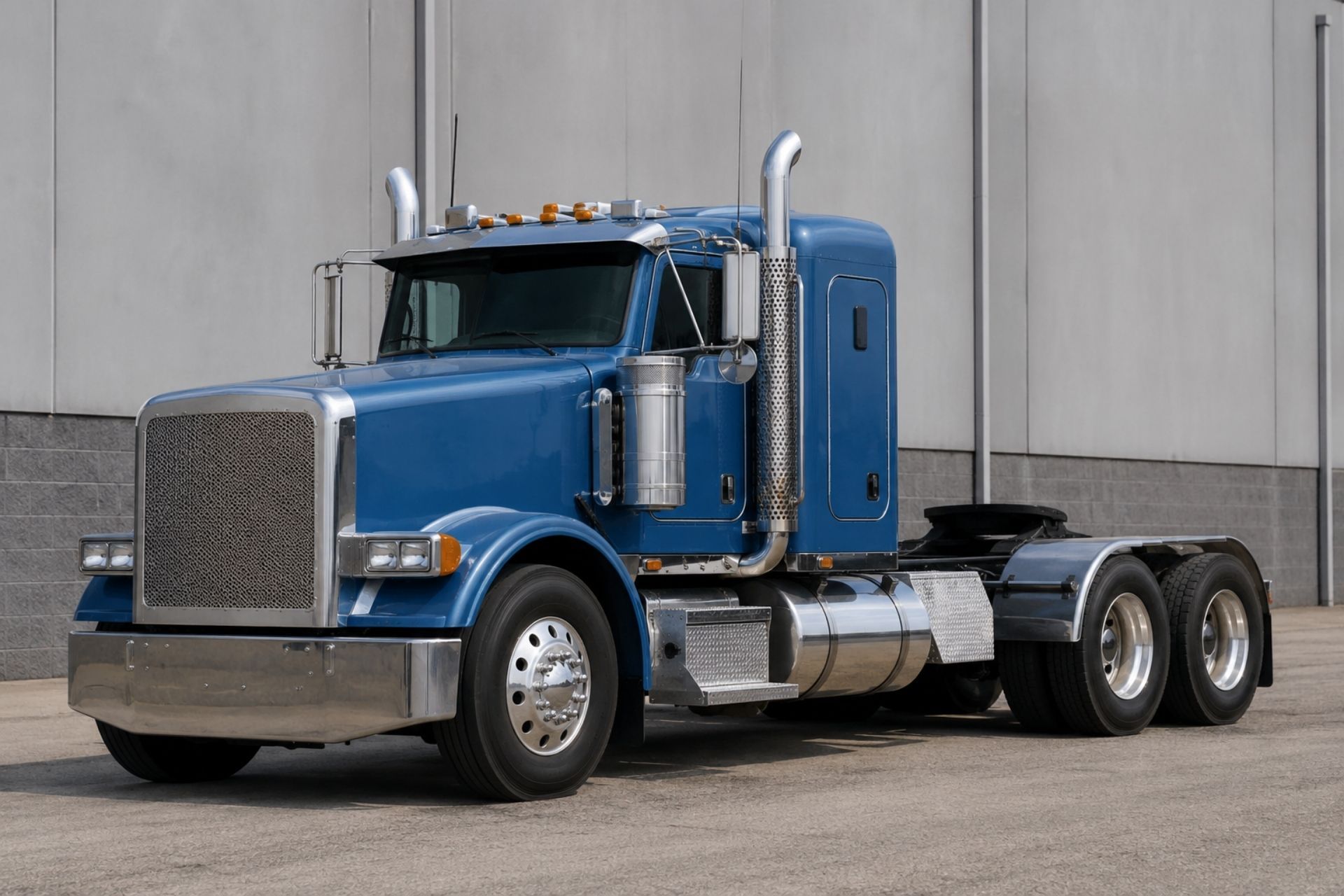
Bobtail insurance covers your truck when you're operating without a trailer attached. The name comes from the industry term for a tractor running solo: "bobtailing." This policy kicks in during specific situations where you're driving your cab without hauling anything.
When Bobtail Coverage Applies
Bobtail coverage applies when your truck is moving without a trailer and you're not under dispatch. The classic scenario is finishing a delivery, dropping the trailer, and driving your tractor somewhere else. Some bobtail policies also cover you while pulling an empty trailer, though this varies by insurer. The key trigger is the absence of a load and the absence of an active dispatch assignment.
One thing to keep in mind: bobtail insurance is specifically about the equipment configuration. If you're pulling a loaded trailer but aren't under dispatch (an unusual but possible scenario), a bobtail policy likely won't cover you. The distinction matters because insurers write these policies with specific exclusions tied to whether a trailer is attached.
Common Scenarios: Driving to Terminals or Maintenance Shops
The most common bobtail situations include driving from a delivery point back to a terminal, heading to a repair shop for scheduled maintenance, or repositioning to a truck stop for the night. Say you drop a trailer at a warehouse in Atlanta and need to drive 15 miles to your mechanic for a brake inspection. No dispatch, no trailer: that's textbook bobtail territory.
Another frequent scenario involves owner-operators returning to their home base after completing a week's worth of loads. These deadhead miles without a trailer represent real risk exposure, and bobtail coverage exists precisely for this purpose.
Non-Trucking Liability: Coverage for Personal Use
Non-trucking liability (NTL) covers your truck when you're using it for non-business purposes. This is the policy that protects you during personal errands, weekend trips, or any driving that has nothing to do with generating freight revenue.
The 'Business Use' Exclusion
Here's where NTL gets tricky. Most non-trucking liability policies include a business use exclusion, meaning they won't cover you if you're doing anything related to trucking business at the time of an incident. Driving to pick up a load, repositioning to a freight-heavy area to find work, or heading to a terminal: these activities could be considered business use and might fall outside your NTL policy.
The business use exclusion is the single most misunderstood clause in owner-operator insurance. Many drivers assume NTL covers everything their carrier's policy doesn't. That's not accurate. NTL covers personal use only, and insurers interpret "personal" narrowly. If you're driving to a truck stop because you heard there's good freight out of that area tomorrow, an insurer could argue that's business-related activity and deny your claim.
Personal Errands and Non-Revenue Miles
NTL shines during genuinely personal driving. Picking up groceries in your cab, driving to a family event, taking your truck to get a personal errand done on a day off: these are the situations NTL is built for. If you live in your truck (as many owner-operators do), NTL essentially functions as your personal auto liability coverage during non-work hours.
Champion Risk works with owner-operators who frequently misunderstand this distinction. A common mistake is assuming that because you're not pulling a load, you must be on "personal time." The insurance company's definition of personal time is stricter than yours. If any part of your trip relates to finding, preparing for, or completing freight work, NTL may not apply.
Key Differences: Dispatch Status vs. Equipment Configuration
The fundamental difference between these two policies comes down to what triggers coverage. Bobtail insurance cares about your equipment: is the trailer attached or not? Non-trucking liability cares about your purpose: are you doing something personal or something business-related?
| Feature | Bobtail Insurance | Non-Trucking Liability |
|---|---|---|
| Coverage trigger | No trailer attached | Personal (non-business) use |
| Covers business-related driving | Yes, if no trailer | No |
| Covers personal errands | Only if no trailer | Yes, with or without trailer |
| Typical annual cost | $300 - $800 | $400 - $1,000 |
| Required by most carriers | Sometimes | Usually |
| Covers deadheading to find loads | Yes, if bobtailing | No |
This distinction creates scenarios where one policy covers you and the other doesn't. Driving your tractor (no trailer) to reposition for tomorrow's load? Bobtail covers that. Driving your tractor to the grocery store? Both policies would likely cover that. Pulling an empty trailer to a personal destination? Only NTL would apply, since you have a trailer attached (eliminating bobtail) and you're on personal business.
Choosing the Right Policy for Your Lease Agreement
Reviewing Motor Carrier Requirements
Your lease agreement with the carrier will often dictate which coverage you need. Many carriers require owner-operators to carry non-trucking liability as a condition of the lease, since the carrier's own policy excludes personal use. Some carriers arrange group NTL policies and deduct the premium from your settlement. Others leave it entirely up to you.
Before signing any lease, read the insurance provisions carefully. Look for language specifying what happens to coverage when you're between loads, who pays for supplemental policies, and whether the carrier's insurer offers any extended coverage during off-duty periods. Champion Risk frequently reviews lease agreements for owner-operators and flags gaps that could leave drivers exposed.
Cost Considerations and Premium Drivers
Premiums for both bobtail and NTL policies depend on your driving record, the value of your equipment, your operating radius, and your state of residence. A clean CSA score and no at-fault accidents in the past three years can reduce your premium significantly. Drivers with recent violations or claims history might pay double the base rate.
Some insurers bundle bobtail and NTL into a single policy, which can save 15-25% compared to buying them separately. If your driving pattern includes both business-related deadheading and personal use, a bundled approach often makes more financial sense. Ask your broker to quote both options so you can compare.
Ensuring Continuous Protection Between Loads
The worst insurance mistake an owner-operator can make is assuming someone else has it handled. Your carrier covers you on dispatch. Your personal auto policy won't cover a commercial vehicle. And if you're driving between loads with neither bobtail nor non-trucking liability in place, you're one fender-bender away from financial disaster.
The right approach is straightforward: review your lease agreement, identify exactly when your carrier's coverage starts and stops, and fill the gap with the appropriate policy. If you primarily deadhead without a trailer between loads, bobtail insurance is your priority. If you use your truck for personal driving on weekends and off-days, NTL is essential. Many owner-operators need both.
Champion Risk specializes in building coverage packages for owner-operators in exactly this situation. A 30-minute consultation with a broker who understands trucking can save you from a coverage gap that costs tens of thousands of dollars. Don't wait for a claim denial to find out what your policy actually covers.
Frequently Asked Questions
Can I carry both bobtail and non-trucking liability at the same time? Yes, and many owner-operators do. They cover different situations, so having both eliminates most coverage gaps between dispatched loads.
Does my personal auto insurance cover my semi truck? No. Personal auto policies exclude commercial vehicles. You need a commercial policy specifically written for your tractor.
Will non-trucking liability cover me if I'm driving to pick up a load? Probably not. Driving to pick up a dispatched load is considered business use, which most NTL policies exclude.
How much does bobtail insurance typically cost per year? Most owner-operators pay between $300 and $800 annually, depending on driving history, location, and equipment value.
Does my carrier's insurance cover me while I'm deadheading home? Usually not, unless you're still under active dispatch. Once the carrier marks you as available or off-duty, their policy typically stops covering you.
Is bobtail insurance required by law? It's not federally mandated, but many carriers require it as part of the lease agreement. Some states have additional requirements for commercial vehicles operating without cargo.

By: Mark Raby
Chief Executive Officer at Champion Risk & Insurance Services
Recent Posts